Options
1921 possible Satin Proof Peace Dollar?
 Sircointalot69
Posts: 24 ✭
Hi All,
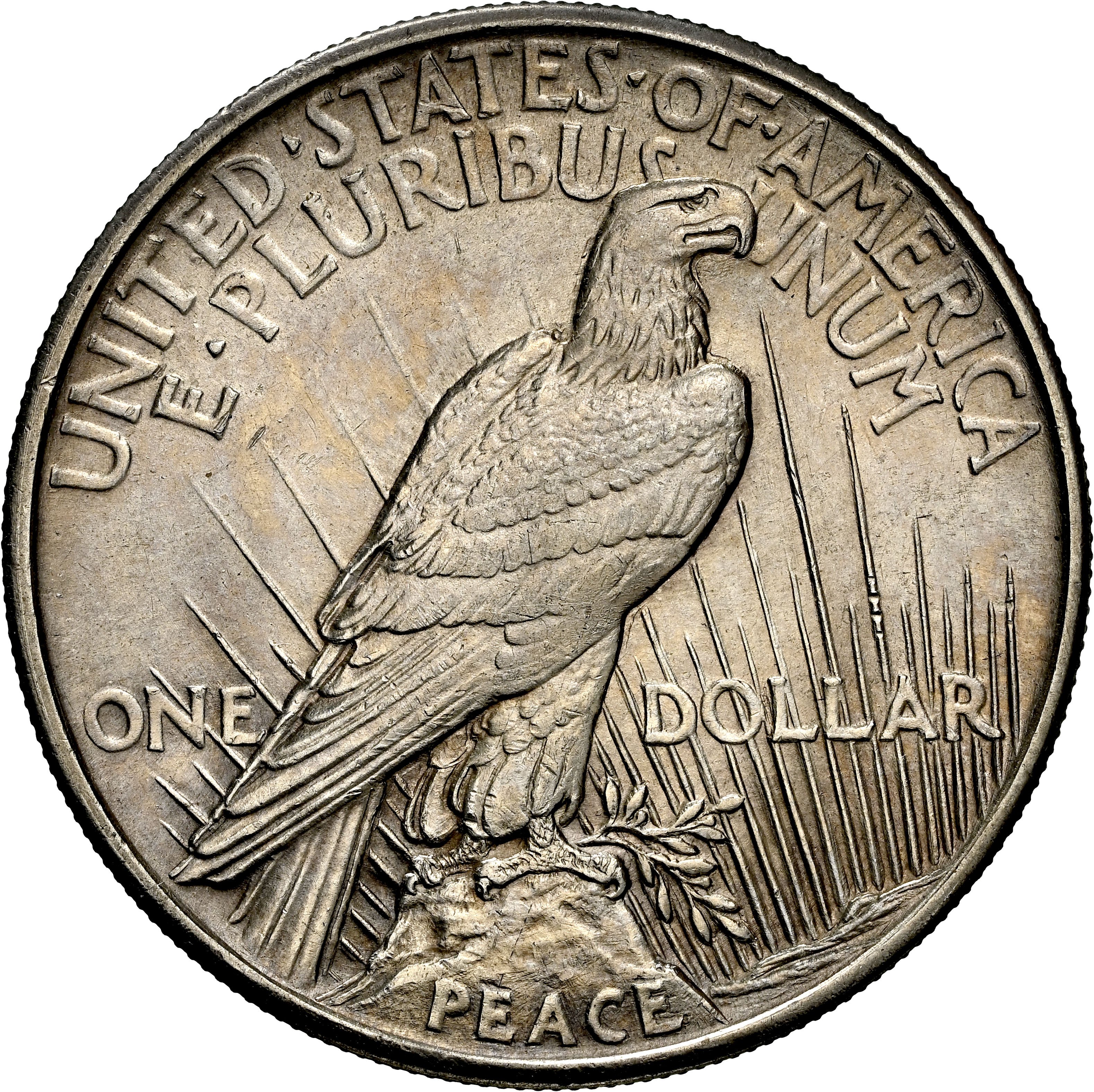
I'm once again reaching out to ask for advice about this 1921 which I had Graded but it has not come back certified as a satin Proof even though it has all the die markers for the actual satin proof. Can anybody elaborate on why this could be ? Did they actually use proof dies to create Business strikes ? These pictures are of my coin, credit to PCGS I can try to attach more pics if need be. 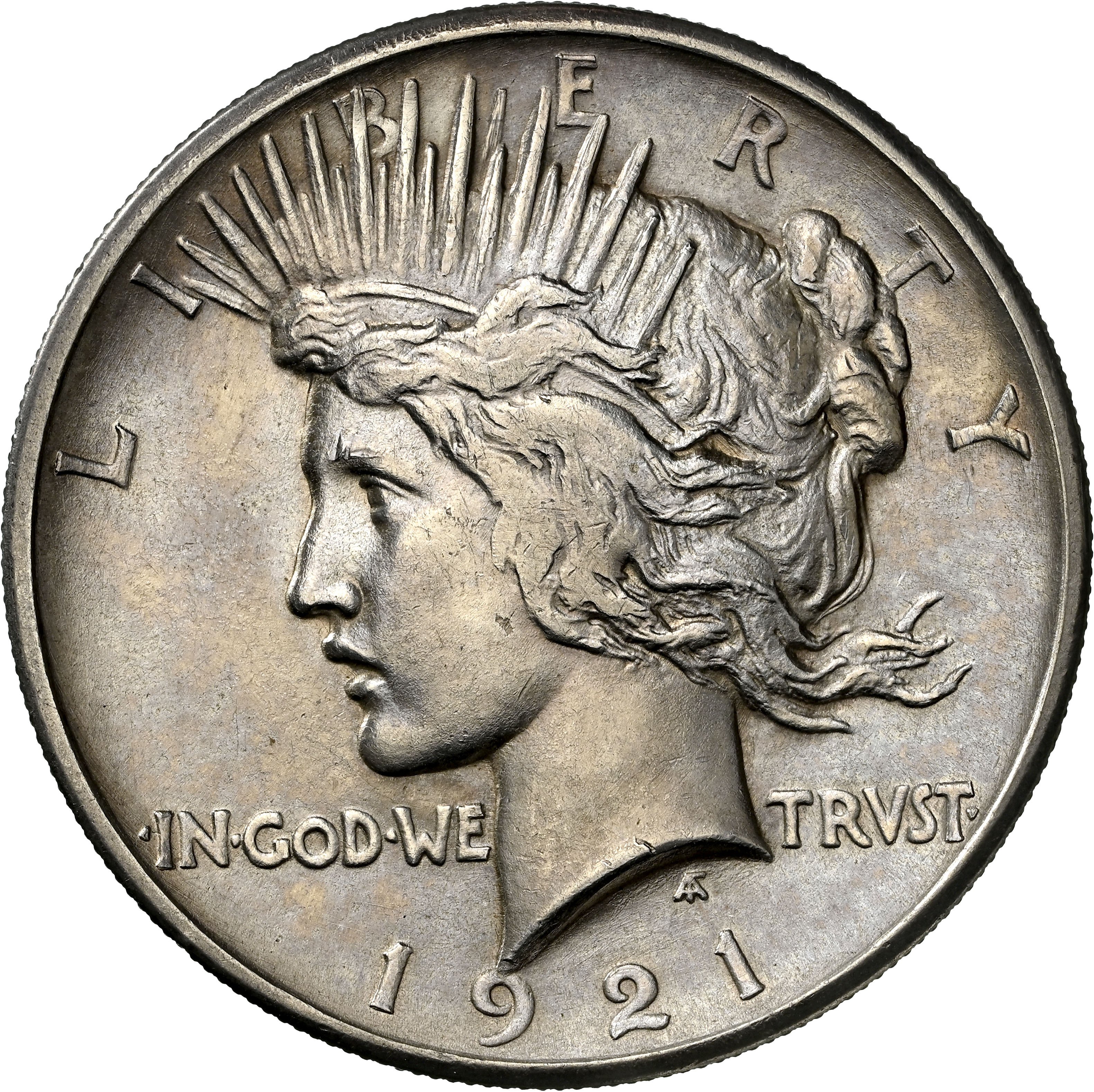
2
Comments
They sure did; that's what the VAM-1H is.
https://vamworld.com/wiki/1921-P_Peace_VAM-1H
https://www.pcgs.com/coinfacts/coin/1921-1-vam-1h-polishing-lines-peace-elite-30/518800
what are the matching die markers?
Not a Proof, the strike is too weak in the central elements and it is missing the collar clash as well as the 1H markers.
Coin Photography
Thanks guys .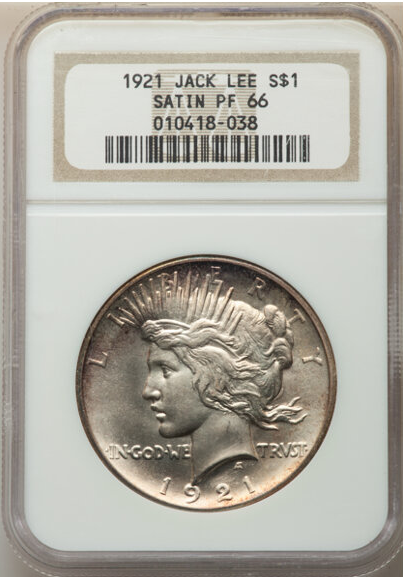
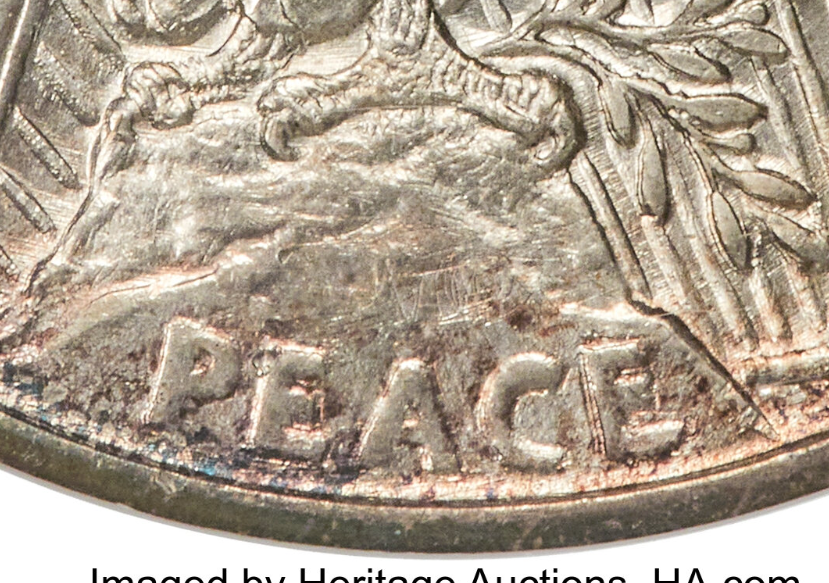
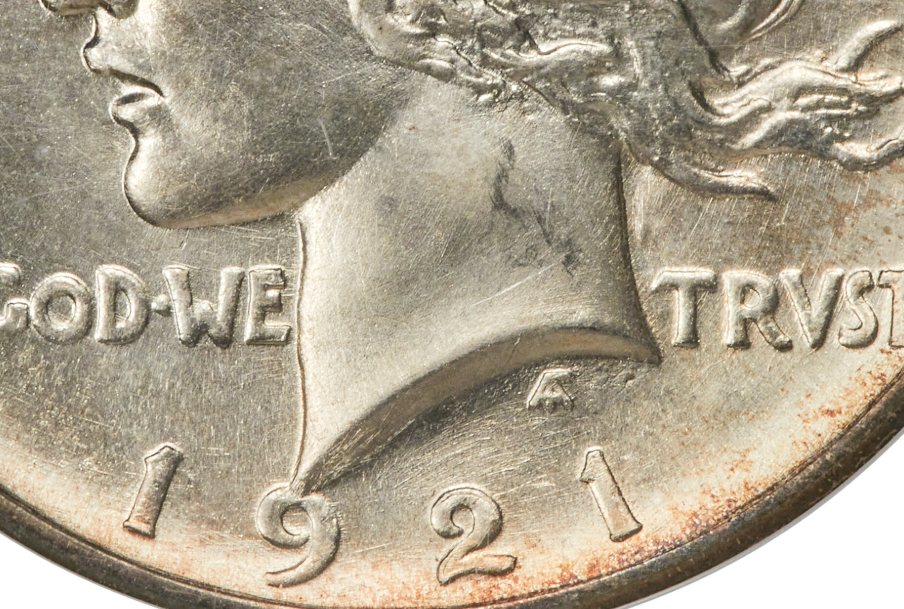
Here are a few markers as seen on the Jack Lee proof .
Such as swirling above date , die polishing lines in back of neck area, the '9' in date has a chip missing, the reverse mound that the eagle is perched upon has polishing swirling . there's plenty of things that match my coin as seen on the Lee coin.
These are some pics from my coin attached: you can see it has the swirling on the mound reverse, the cheek has die lines and above the date there's swirling too.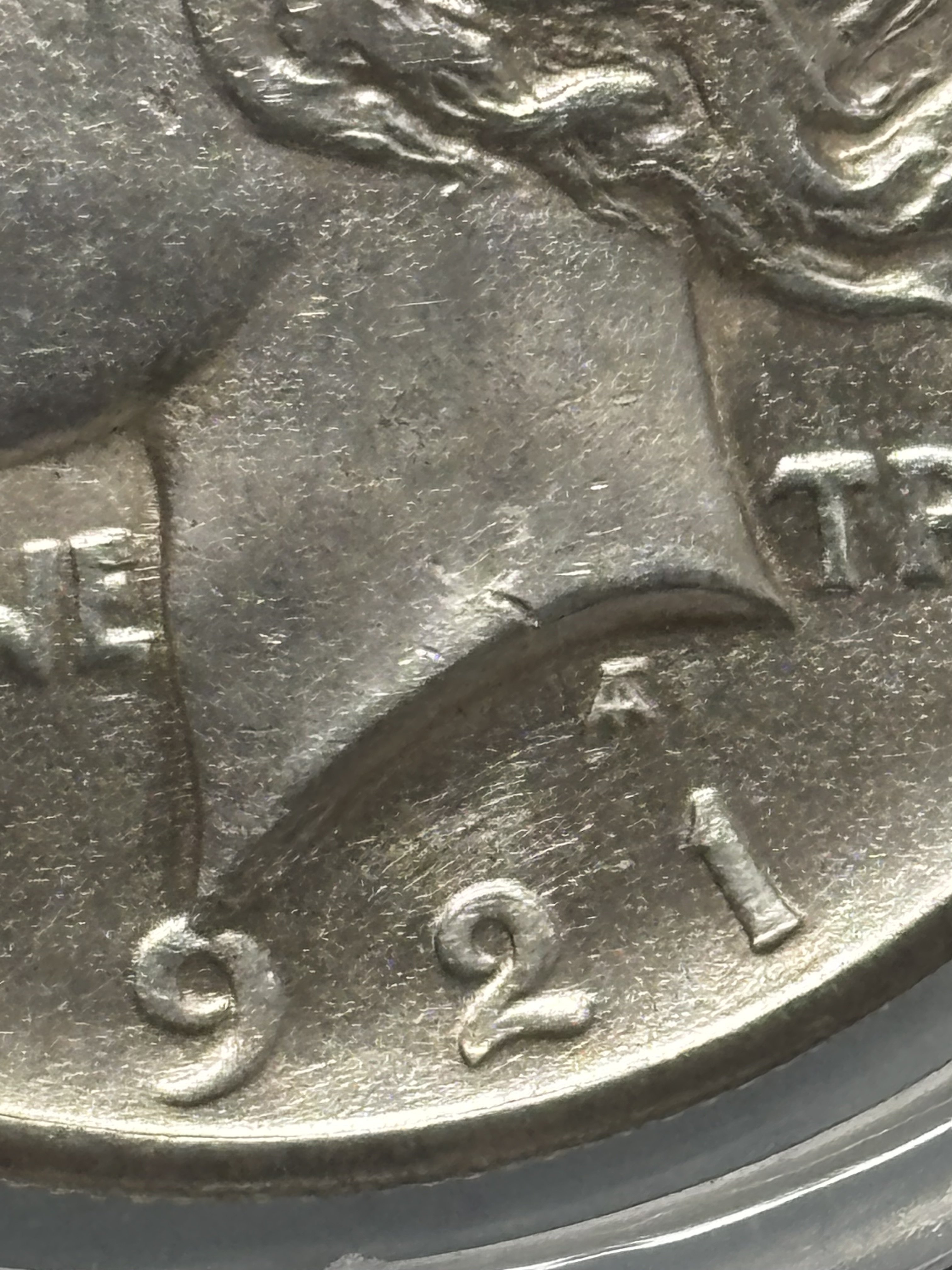
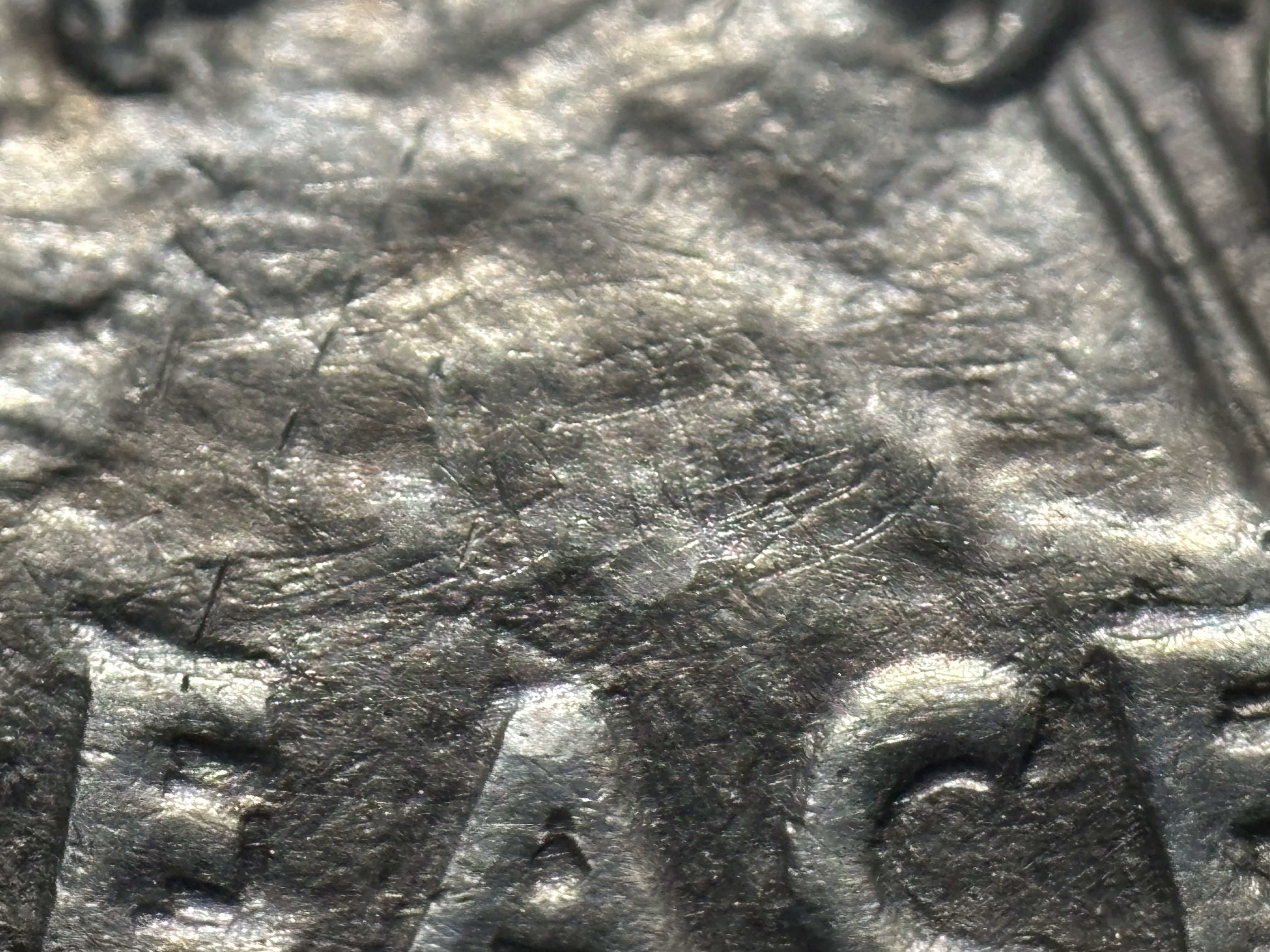
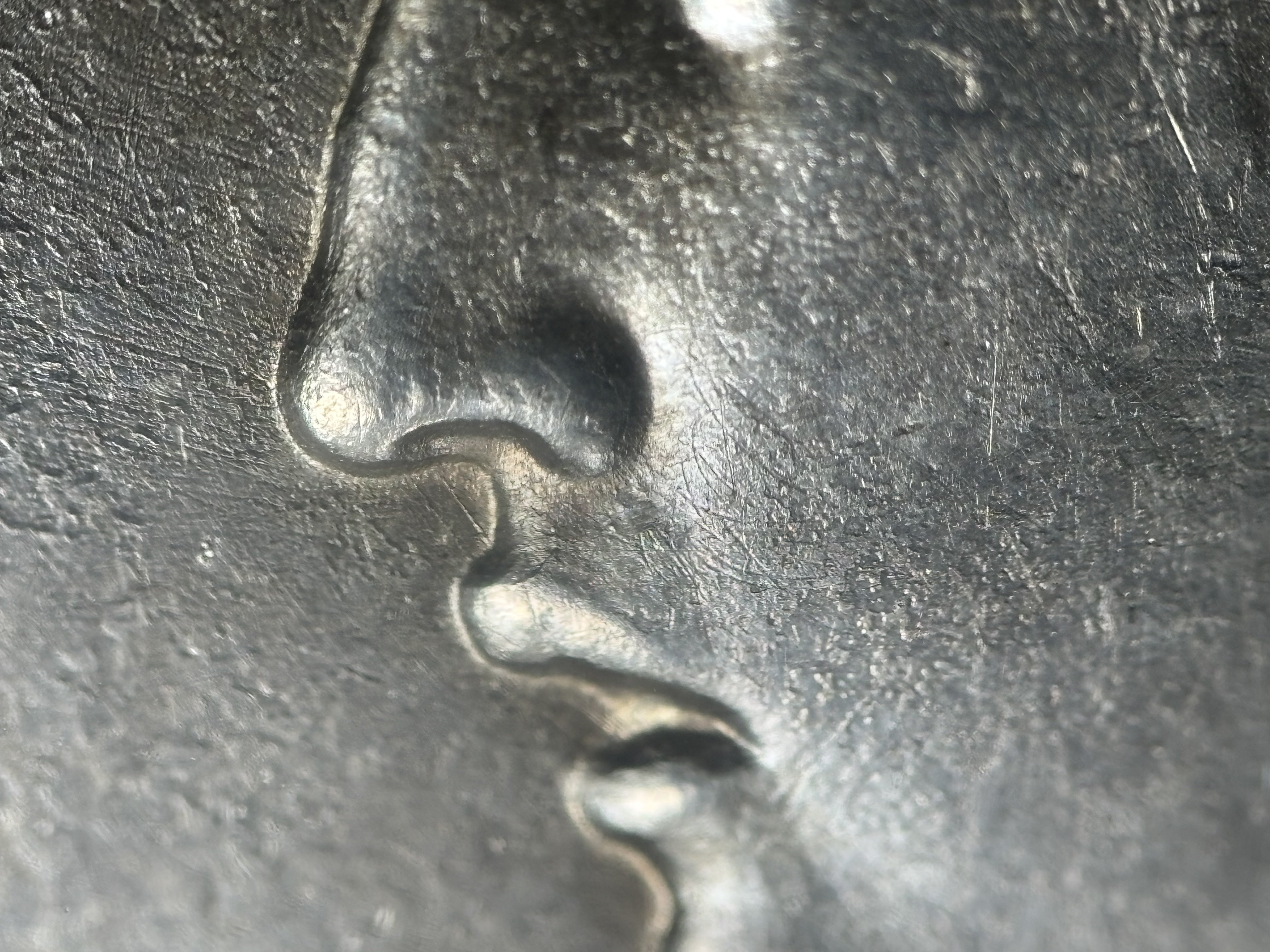
Is it possibly a circulated satin proof ? There's also rusting in the fields mainly on the obverse on my coin. It does show on the Jack Lee example too.
While I don't know exactly or if there is even a proven marker for the Jack Lee example there seems to be many identicle die polishing lines and chips on both of our coins that match to a T !
I get what you're saying but here's a proof thats weakly struck on Ebay. ?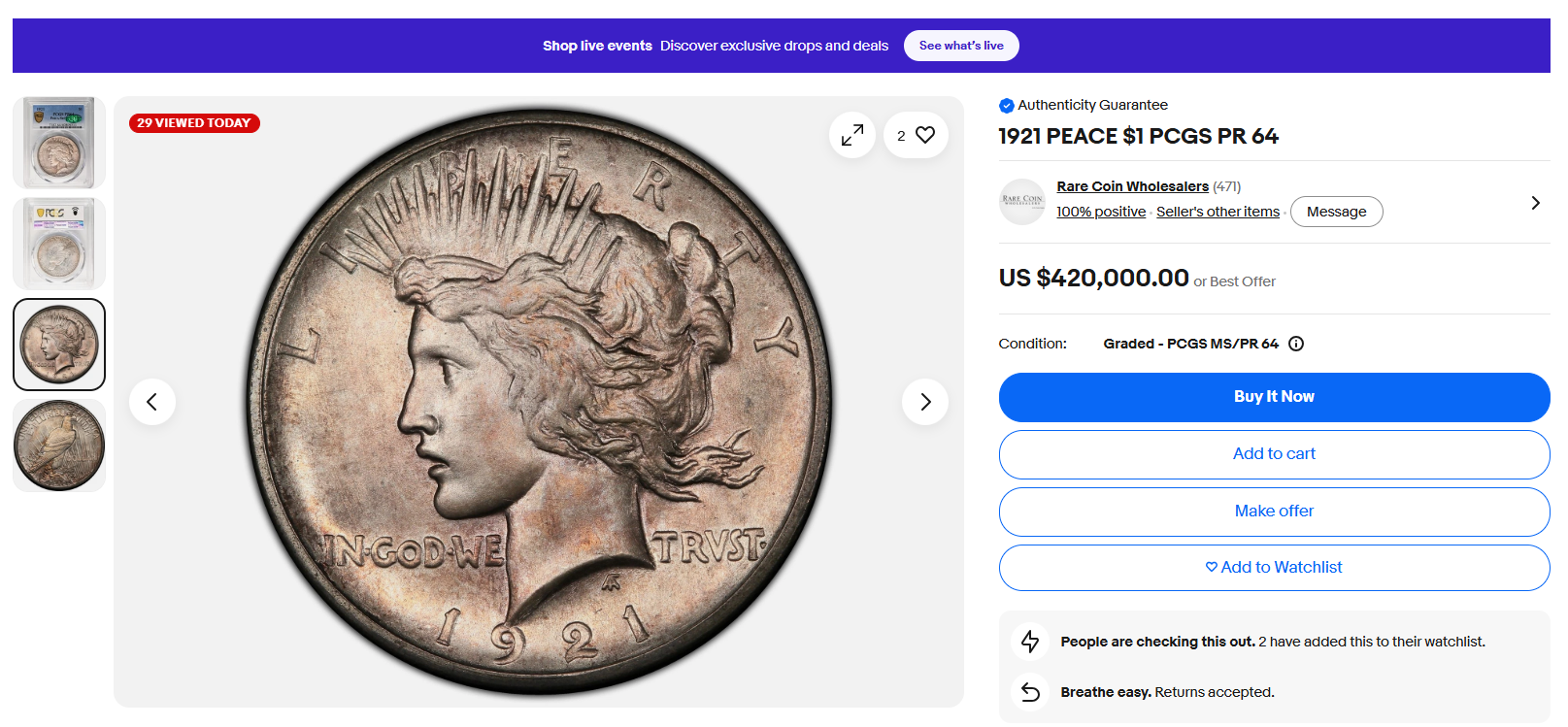
IMHO the Jack Lee coin is not a satin proof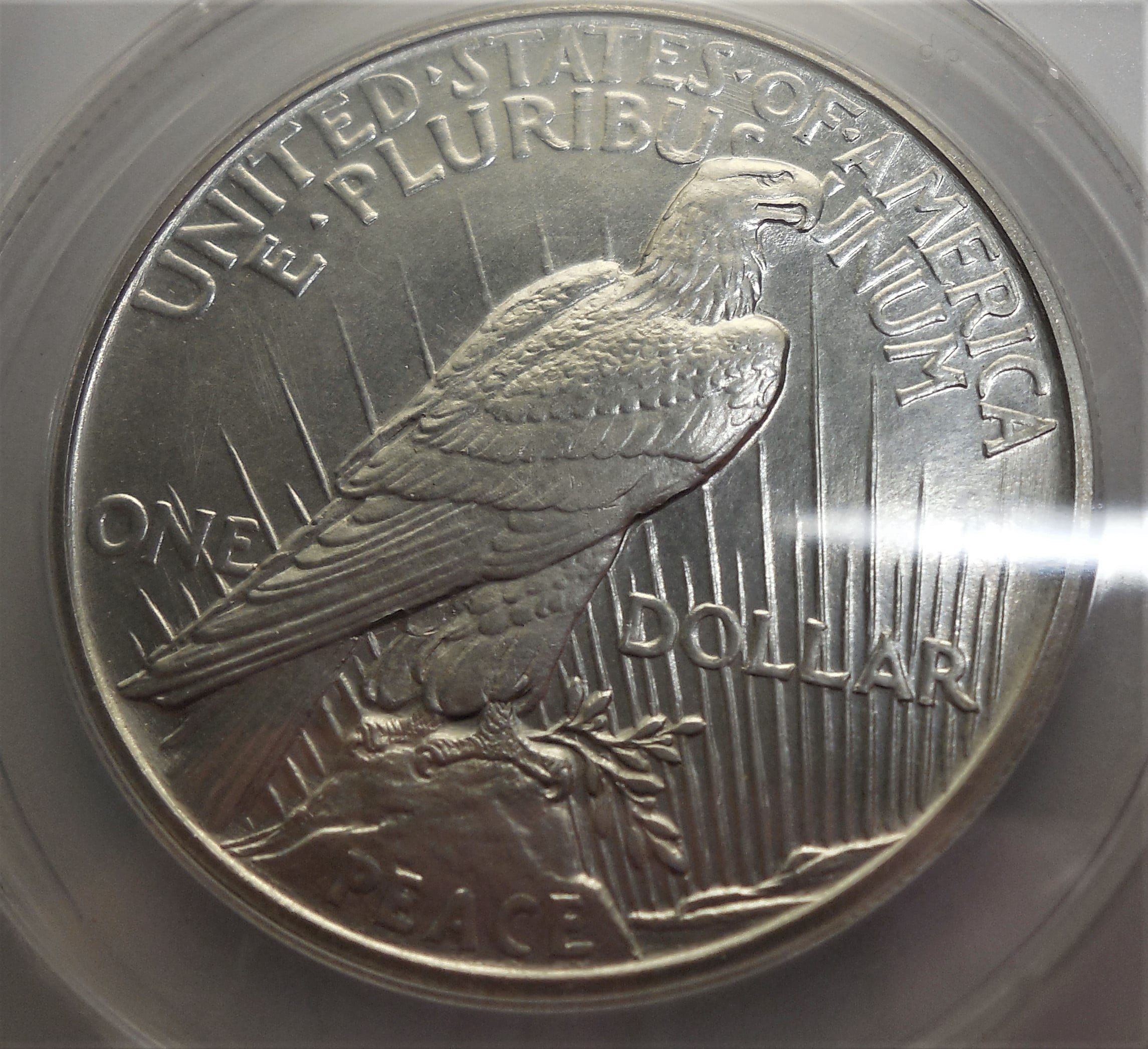
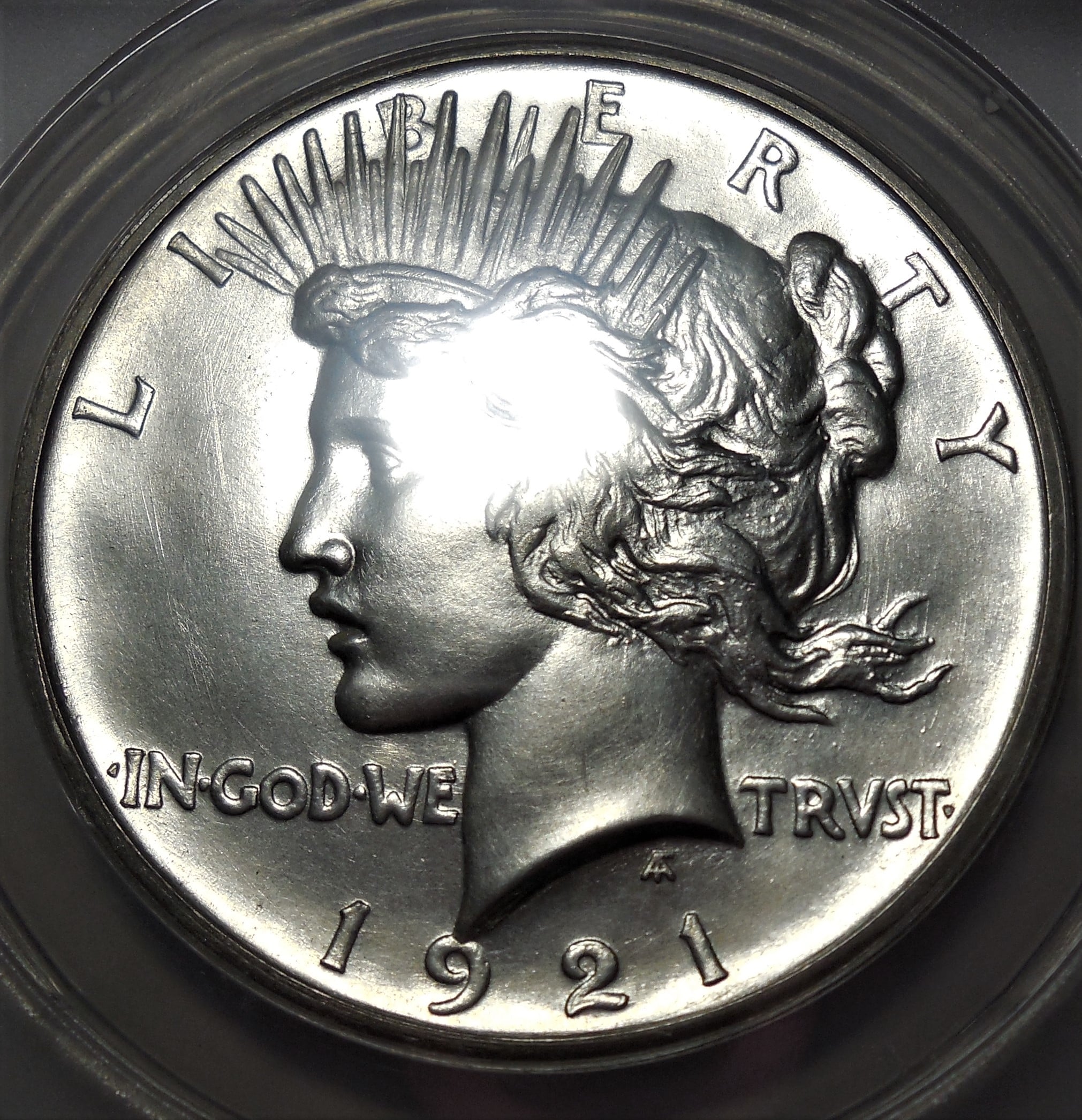
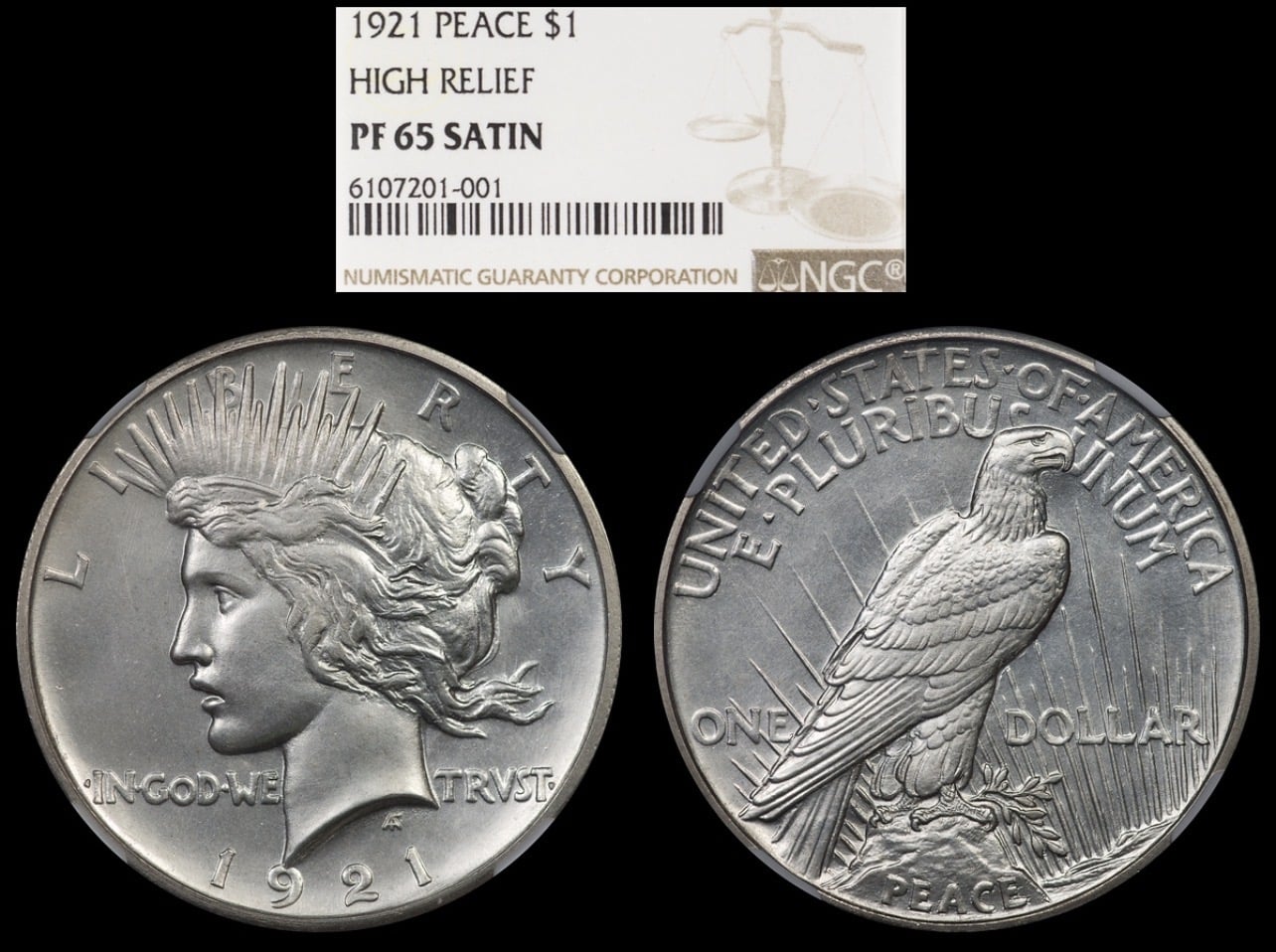
This one is
No.
Coin Photography
If memory serves, the Jack Lee example has been a bit controversial with regard to whether or not it is a satin proof.
Official PCGS account of:
www.TallahasseeCoinClub.com
VAM-1H is actually not that uncommon, and it is very quick to identify when you know the markers. There are some prominent die scratches besides the swirl marks that are usually easier to see in photos.
Collector, occasional seller
controversy aside, the swirls do not seem to match
Also a No. Appears to be missing the severe die scratches between the S & O on the reverse as well as the vertical die lines under the A in America down along to the last ray and the rim. Also I think the die chips on the obverse under the hair curl are missing. Many of the 1921 VAMS have similar scratches so easy to mistake. But good post. I looked up mine on the Vam site and it took 2 go-rounds through all to confirm I had the 1D die flake by the temple.
Sorry, not a medal press satin proof. Note FlyingAl's comments. Yes, at least one die pair used to strike mechanical test pieces was also used for circulation coins. This die pair is more commonly seen than most indicating that it was of unusually good quality. The difficulty for 1921 proofs, is there is not general agreement on what is necessary to qualify as a medal press proof, and the Engraving Dept records that would likely contain details (and answers) have not been located. As some of the other message threads reveal, this difficulty is not limited to 1921 or 1922 Peace dollars.
Note fullness of ray ends, especially near the letter B; and many other high point details. Reverse lettering full and sharp, etc.
Sorry Guys, I had to step away from the Computer for a long while. Yes I see what you all are describing now. Too bad there isn't any further Mint documentation on these.
Onwards and Upwards I guess ! Thx to all for your help with my coin was hoping for it to possibly be a circulated proof at least :'(
@ Flying AI , But this is graded as a proof ! so waht are you saying No to ? it does look weakly struck .
I think I read that somewhere .
I have to disagree as they definitely do match but its hard to tell from my pictures, but they do.
Most authenticators seem to revert to claims made in previous sales and auctions. Thus, the exercise becomes a recursive self-referencing activity. The best solution is to begin with a clean slate of candidates, then classify them by manufacturing/striking method using the differences between toggle press and hydraulic press artifacts (including collars). This is not a trivial task - it requires access to multiple specimens, microscopic examination and careful forensic technique -- probably something best done by an independent lab.
The most complete documentation is in the books Renaissance of American Coinage 1916-1921 and A Guide Book of Peace Dollars. (I'm the author of both and the second is derived and simplified from the first. Sources are original US Mint documents.)
Top- satin proof
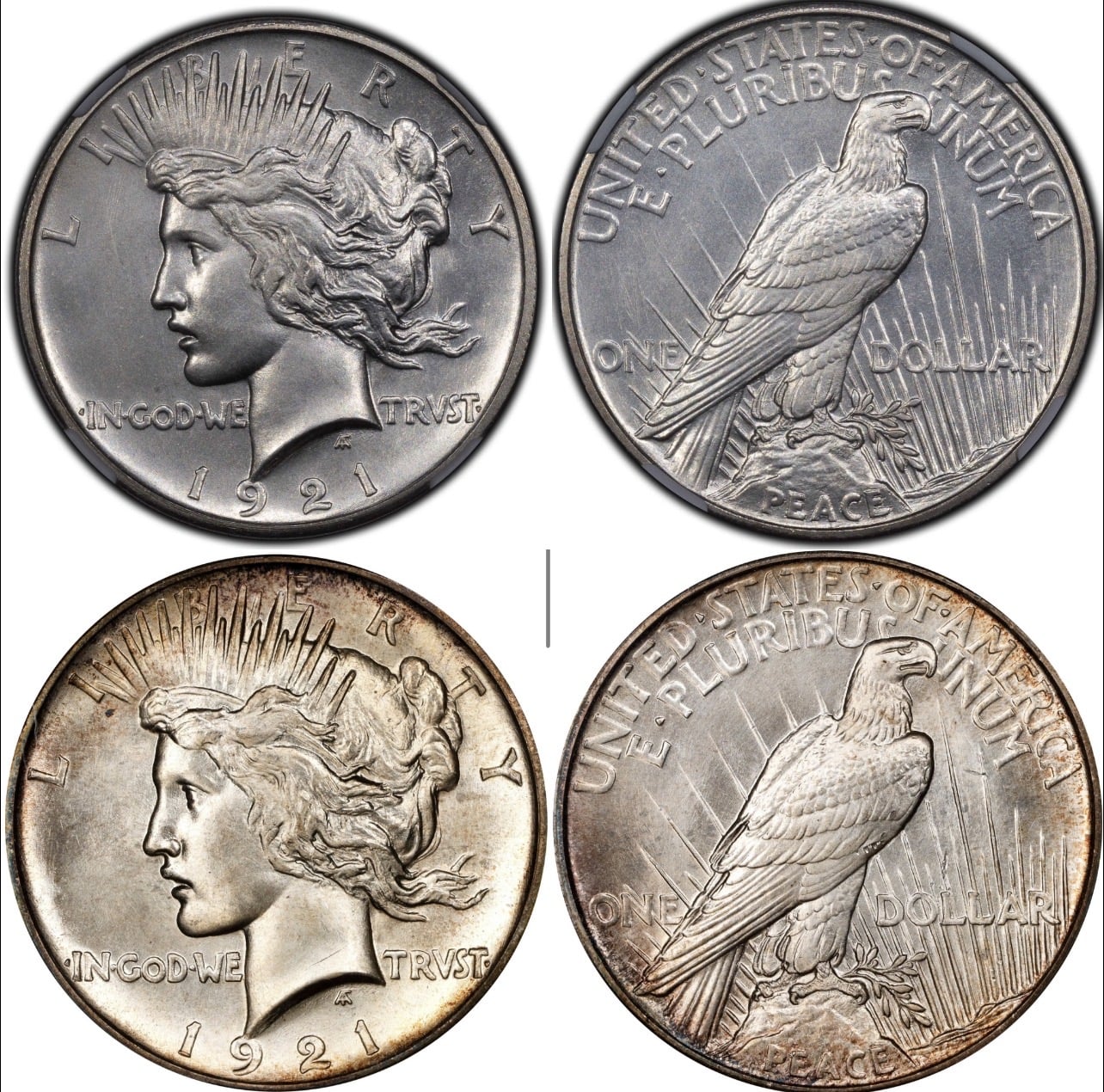
Bottom- Jack Lee coin
Unfortunately for someone like myself who collects proof dollars the Jack Lee is the highest graded but I held them side by side and they are nowhere close to the same look, strike, finish etc and I just couldn’t make myself buy a coin I don’t believe is a real proof
As someone who has also seen more than one 1921 Proof the Jack Lee coin does not match the others.
Coin Photography
Unfortunately, we have no details about the medal press strikes. If they were made as engineering tests, they were probably made with a range of pressures. Thus we would expect to find coins with a corresponding range of high point detail. Compare the two immediately above with the one I posted - look closely at the obverse ray detail.
Another factor is that sandblasting was a post-strike event, and preference might have been given to selecting the best struck medal press coins for that treatment.... This might leave the remaining un-sandblasted coins as the "best" of the satin proofs. Once we have clear mechanical/physical evidence of hydraulic press manufacture, we can begin to sort this out. FlyingAl might be a good person to tackle the problem - he's shown himself to be attentive to reality and objective research.
Peace Dollar proofs are wonderful to look at.
Free Trial
Indeed they are
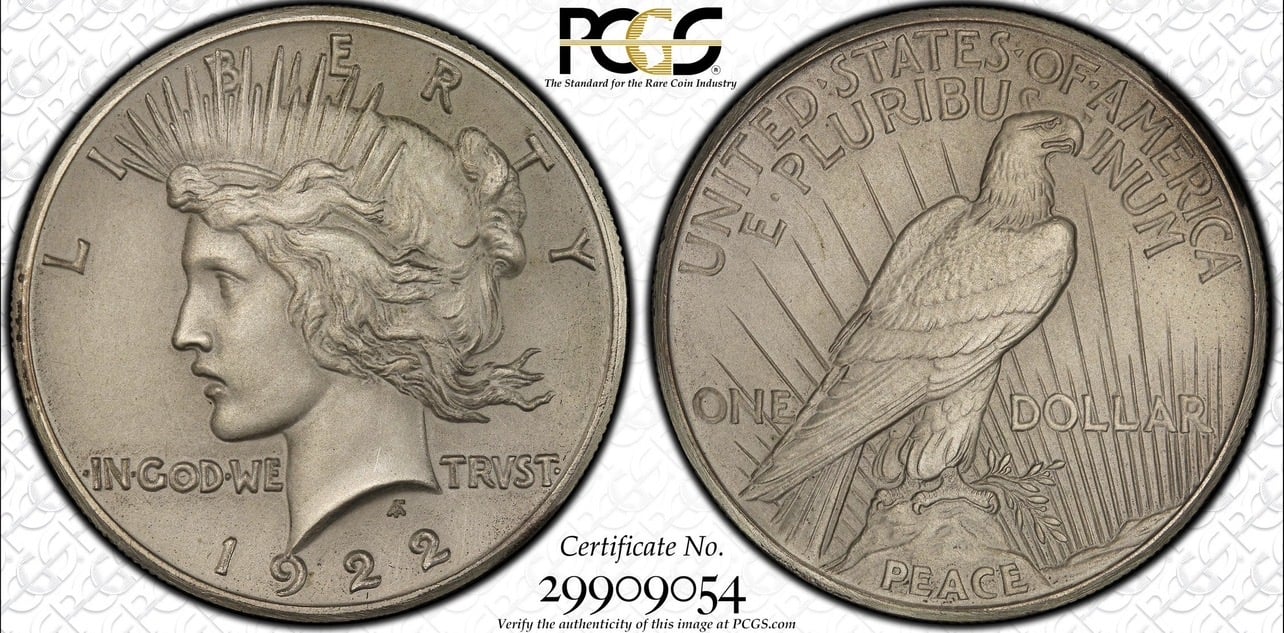
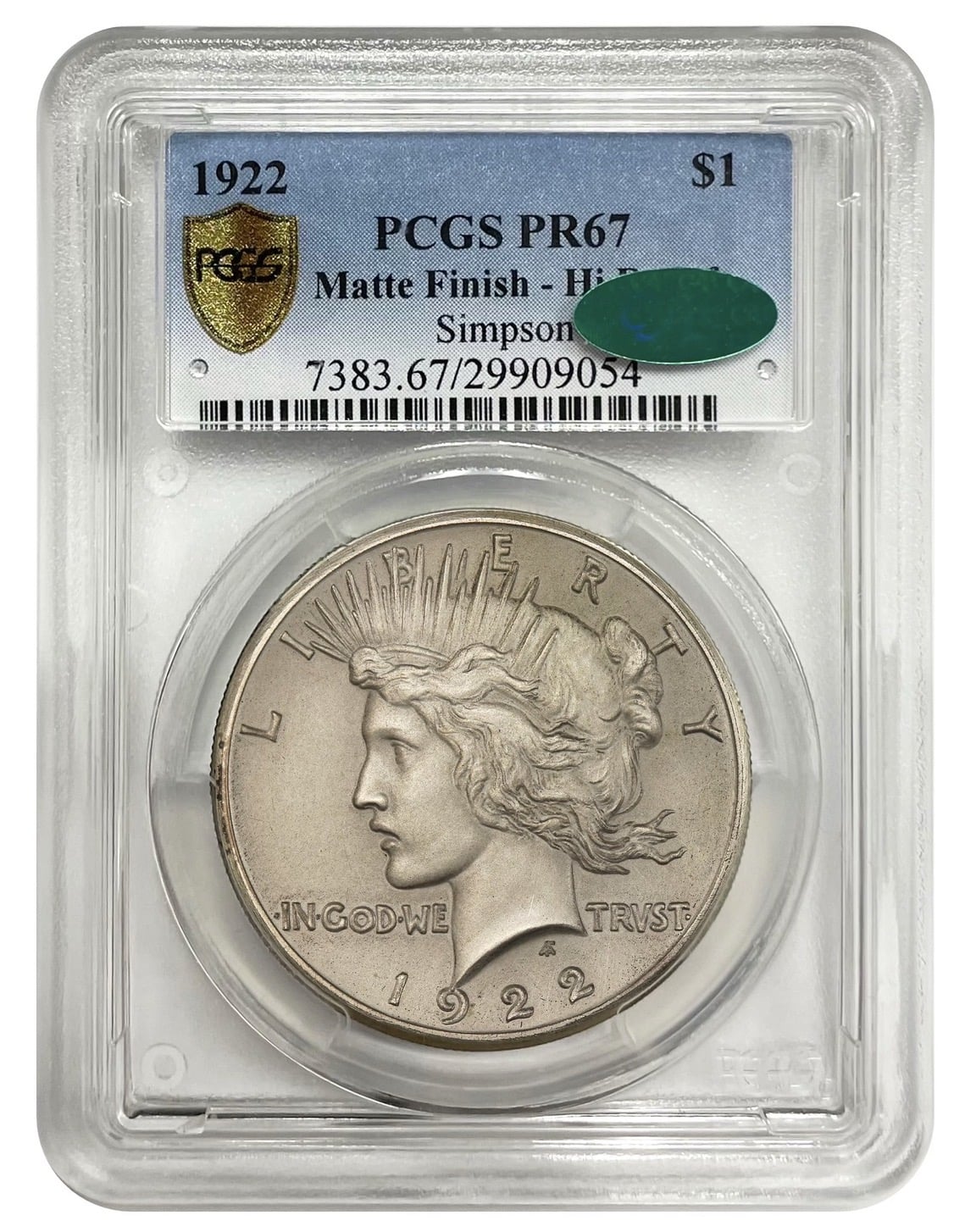
This composite presents two PCGS certified 1921 Peace dollars in sandblast proof format. Viewers should be aware that sandblasting slightly diminishes the sharpness of a coin, and can also hide unstruck detail on the highest points.
The top and bottom coins are from PCGS Coin Facts, the center coin is one I posted earlier in this thread. Here are a few visual points to compare the three coins.
OBVERSE:
Compare rays, particularly those next to the B; note separation of long and short rays and high surface completion. Center coin has flat spot at the base of the 3rd ray from the left (commonly seen on satin proofs and a few sandblast proofs).
Hair curls on cheek at center. Top and bottom coins have rounded upper surfaces and distinct gap between short and long curls; interior curl detail visible. The center coin has less detail and is missing the interior curl details. Similar differences are evident in the hair to the left-center. Prominent curls above TRVST are more continuous on the top and bottom coins. Hair over the front forehead on top and center coins is comparable, but the bottom coin shows less detail.
Left point of bust overlaps top of 9 in date. This is common to all three coins.
REVERSE:
Upper wing feathers on back clearly defined although center coin has slightly less definition. Junction of right wing and right leg is complete and fully formed on top and bottom coins; center coin is not quite complete. Talons have compete distinct texture on center coin, but this is less prominent on top and bottom pieces. Inscription “PEACE” is better formed on center coin indicating better metal movement than on other two coins.
Rays to left of eagle are long and fully rounded on top and bottom coins, while center coin rays are noticeably shorter likely due to limited metal filling.
OVERALL:
The center coin is visibly sharper that the other two. This is to be expected in a coin that has not been altered by sandblasting; the center coin was also photographed using different lighting, which tends to enhance detail.
Next steps include comparing all 1921 sandblast certified proofs; all certified or claimed satin proofs; and compiling edge detail using similar criteria. There’s more, but that’s enough for now.