@bosox said:
Leonard C. Wyon, the engraver who designed it. His initials are on the neck truncation. At least one very lightly used 1870 die did not have the initials and produced a very scarce variety. PCGS calls that the "No LCW" variety. The No LCW die was likely a trial die that was later used up coining business strikes.
There is also a possibility that if unsigned it could originally be the work of Thomas Minton. With the RM producing the dies, the fact it is Canadian has little bearing on the subject unless evidence be produced dividing the colonial workload.
According to records, the diademed head obverse pattern pennies dated 1862 through to 1870 for Britain was from a model by W Theed. That much is agreed. As these are given to Minton, with no reference to LCW, it is possible that the former was given the job of making a set of denomination obverses, with LCW doing a finishing job once agreement was reached on the design. LCW was the chief engraver of dies at the time, but with Thomas Minton credited with producing the diademed head obverse, it begs the question. The larger denominations are truncated at the neck, whereas the base coins cover the bodice in addition, but both are strikingly similar, and possibly the work of the same hand.
Proof one way or the other would be good, but I suspect may only come from a contemporary lead splash.
An 1870 pattern penny below which I bought in the last Sovereign Rarities sale is here.
I had a really hard time with that sale, a difficult time understanding the high prices for even cleaned and damaged pieces. I did end up overpaying for one, a pretty basic, collector quality coin. Bought it as a type (the earlier small head version) and to add to my collection of pedigreed coins.
There were a few I was really interested in, but the bids were SO strong, I couldn’t justify it at all. Not just a bump in price, but multiples of what I would pay, or could pay, with a little patience.
Who is this Grundy anyway? Is the pedigree really adding THAT much?
@robp2 said:> There is also a possibility that if unsigned it could originally be the work of Thomas Minton. With the RM producing the dies, the fact it is Canadian has little bearing on the subject unless evidence be produced dividing the colonial workload.
The entries in Wyon's diaries indicate that he created the matrices and punches for the 1870 Canadian 25 cent and 50 cent pieces and charged the Canadian government directly for this work..
Numismatic author & owner of the Uncommon Cents collections. 2011 and 2025 Fred Bowman Literary Award, 2025 Guy Potter Literary Award, 2022 Paul Fiocca Award, & 2020 J. Douglas Ferguson Award.
The edit button does not work so I will add here: The differences between the no LCW 1870 50 vent effigy and the later version with Wyon's initials on the neck are very, very minor. Wyon took three months and charged 54 pounds, a substantial sum in those days, for the 25 and 50 cent tools. This all leads me to believe that Wyon, not Minton engraved the effigy for the Canadian coins. That said, I see your point on the similarities, so perhaps Wyon copied and/or modified an existing Minton effigy.
Numismatic author & owner of the Uncommon Cents collections. 2011 and 2025 Fred Bowman Literary Award, 2025 Guy Potter Literary Award, 2022 Paul Fiocca Award, & 2020 J. Douglas Ferguson Award.
Sorry, in checking my notes, Wyon only produced the four matrices, not the punches. Again, the edit button does not work. I do not like this new forum format at all.
Numismatic author & owner of the Uncommon Cents collections. 2011 and 2025 Fred Bowman Literary Award, 2025 Guy Potter Literary Award, 2022 Paul Fiocca Award, & 2020 J. Douglas Ferguson Award.
TalerUniverse.com is a curated numismatic project dedicated to the silver talers, crowns, and medals of the Habsburg Empire and the Holy Roman Empire, spanning the 16th–18th centuries. The collection emphasizes historically significant issues, rare mint varieties, and high-grade NGC/PCGS examples, presented with detailed historical context, scholarly references, and high-resolution photography. TalerUniverse aims to serve both as a private collection showcase and a growing reference resource for collectors, researchers, and students of early-modern European coinage.
@bosox said:
The edit button does not work so I will add here: The differences between the no LCW 1870 50 vent effigy and the later version with Wyon's initials on the neck are very, very minor. Wyon took three months and charged 54 pounds, a substantial sum in those days, for the 25 and 50 cent tools. This all leads me to believe that Wyon, not Minton engraved the effigy for the Canadian coins. That said, I see your point on the similarities, so perhaps Wyon copied and/or modified an existing Minton effigy.
As ever, without precise documentation, the waters are inevitably muddied. You may well be right, as the original basis for the bust being from a model by the sculptor William Theed, who had been enjoying Royal patronage since the late 1840s. Given Victoria's strong influence in her portrayal, it is likely that both engravers were 'encouraged' privately to be using one of HM's favourites as the source of inspiration. One day, someone, somewhere, will find that all important piece of info. Hope springs eternal.
Wyon's pocketbook diary entries, the price paid for the work, and his initials on the bust seem like sufficient evidence to me that Wyon engraved this particular effigy, as well as the simple maple bough reverse design. I suspect, as you suggest, that he did use a previous Theed or Minton work as inspiration for the effigy.
Numismatic author & owner of the Uncommon Cents collections. 2011 and 2025 Fred Bowman Literary Award, 2025 Guy Potter Literary Award, 2022 Paul Fiocca Award, & 2020 J. Douglas Ferguson Award.
I will add that in researching the 19th century work done for the Canadian coinages by the Royal Mint and Heaton, I have found that most things are not 100% certain, which I think is your point.
Numismatic author & owner of the Uncommon Cents collections. 2011 and 2025 Fred Bowman Literary Award, 2025 Guy Potter Literary Award, 2022 Paul Fiocca Award, & 2020 J. Douglas Ferguson Award.
@bosox said:
I will add that in researching the 19th century work done for the Canadian coinages by the Royal Mint and Heaton, I have found that most things are not 100% certain, which I think is your point.
Correct. That's why we continue to enjoy ourselves with this hobby.
I was very excited to receive this book yesterday, they don't seem to come up for sale very often. Lots of very specific info and some interesting plate coins to sort through!
France. Reims. Cathedral of Reims bronze Medal. Issued 1859. Most Remarkable Edifices of Europe series (59mm, 97.68 g, 12h). By Jacques Wiener in Brussels and struck at the Geerts mint in Ixelles.
Cathedrale De Reims, perspective view of the cathedral exterior from a vantage point to the cathedral's northwest // Perspective view of the cathedral interior looking down the nave toward the apse; in three lines exergue, Laying of the first stone 1212 / Consecration of the Choir.
1241 / Completed around 1430. Edge: Plain.
Ross M224 (R1); van Hoydonck 170; Reinecke 43. Choice Mint State. Charming brown surfaces, with some alluring brilliance among the fields on the obverse. Compare to a similar example in Stack's Bowers February 2023 CCO, lot 71222 (a PCGS SP-64, which sold for a total of $780).
Ex: David Silich Collection.
From what is today eastern Netherlands and western Germany, the Wieners were a Jewish family of exceptional medalists, especially known for numerous numismatic works throughout the Kingdom of Belgium. Eldest brother Jacob (Jacques), along with younger brothers Leopold and Charles, created some of the finest works of Medallic art of the 19th century, and all are particularly noted for their work in the highly detailed and intricate work of architectural renderings.
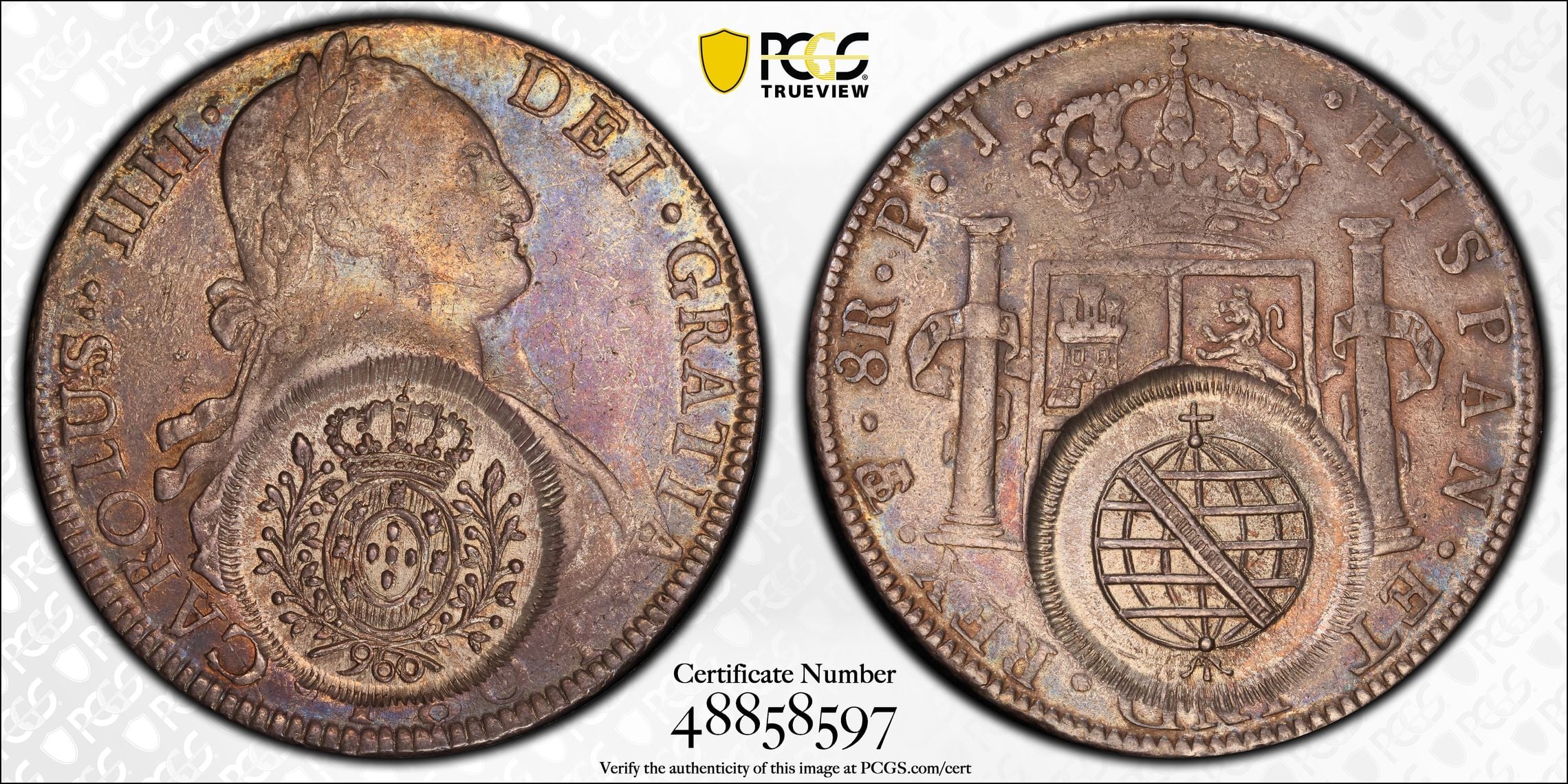
Just worked out a deal for this one. As a pre-1810 counter marked type it’s outside the PCGS registry parameters for the 1810-1827 set of over struck 960R I’m working on, but it certainly fits into my greater collection.
1976 Matte Uncirculated Barbados 5 Dollars Coin.
Lustre in hand really outstanding.
Original mintage of 250, none in sets and released through the Central Bank.
Haven't seen this one before despite looking for it.
Some years ago I got the similar 10 dollars coin:
Love that Milled British (1830-1960) Well, just Love coins, period.
Comments
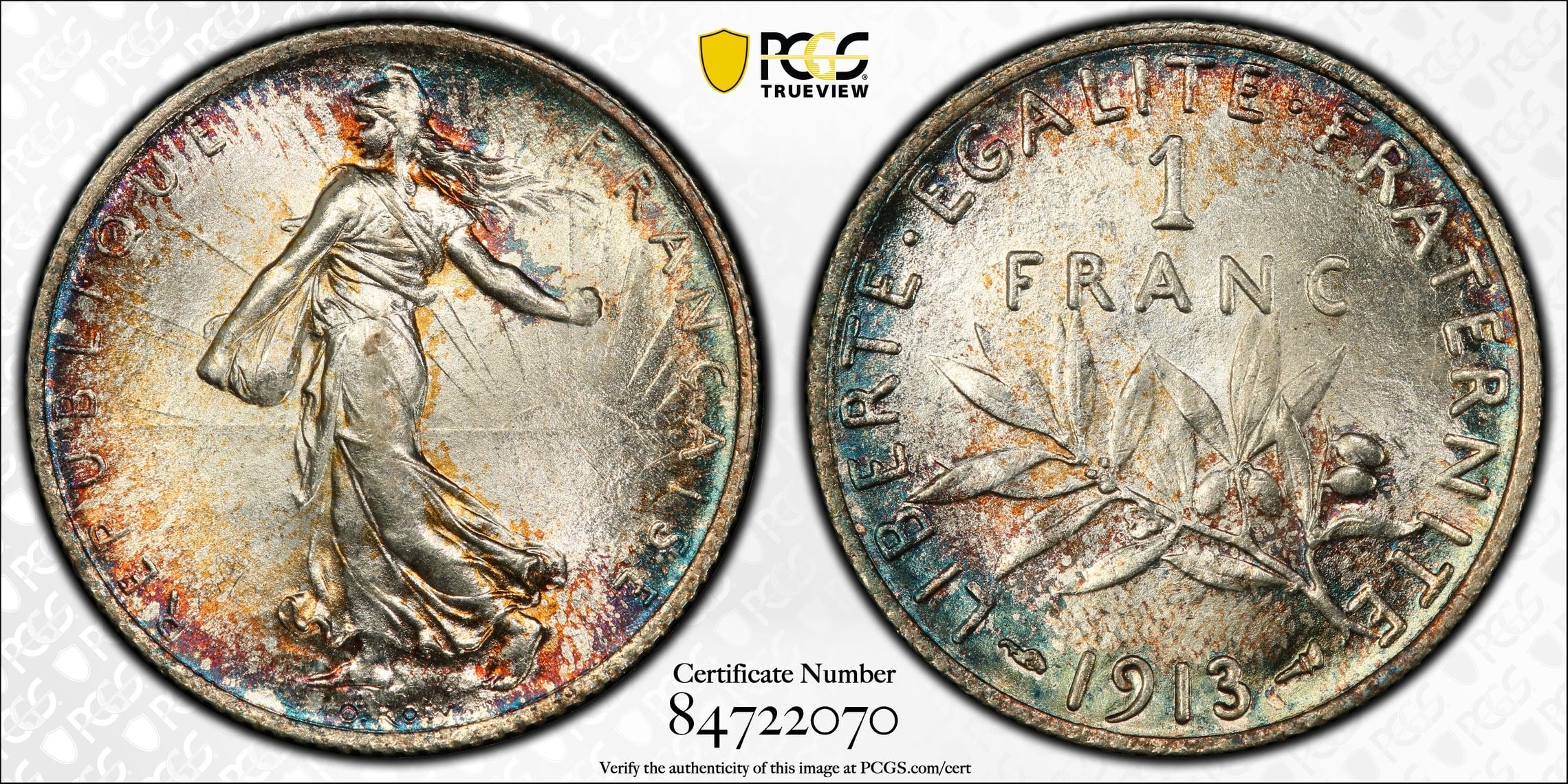
Sweet. The Sower is such an iconic image.
AU 55
A nice example of one of the lesser available dates within the PCGS set.
Congrats to the winners of some extreme rarities in this series from yesterday’s Grundy auction.
One of three proof pattern 1849 10R’s. SP65, the Norweb coin an SP64 and the Restrepo plate lesser quality.
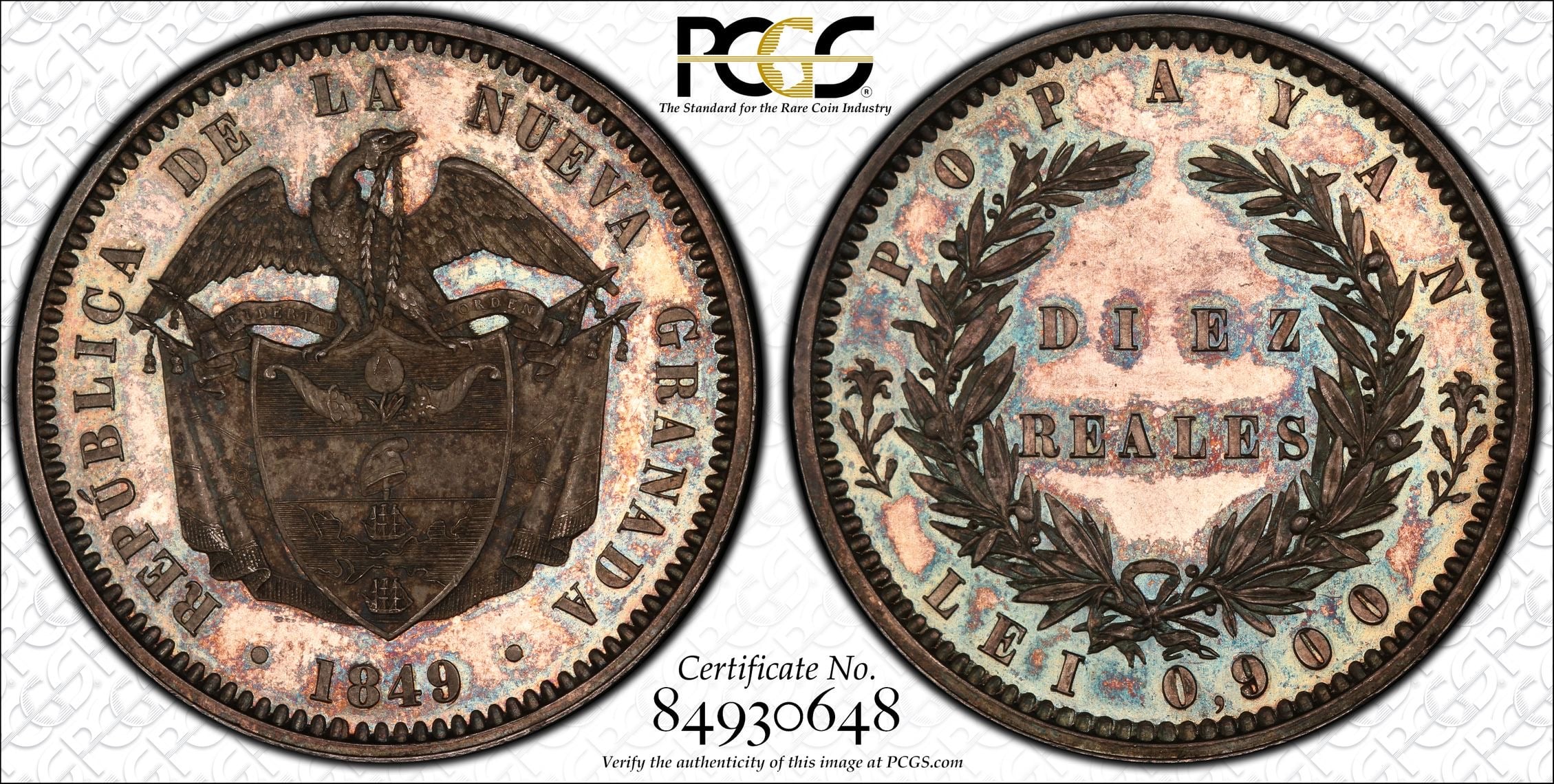
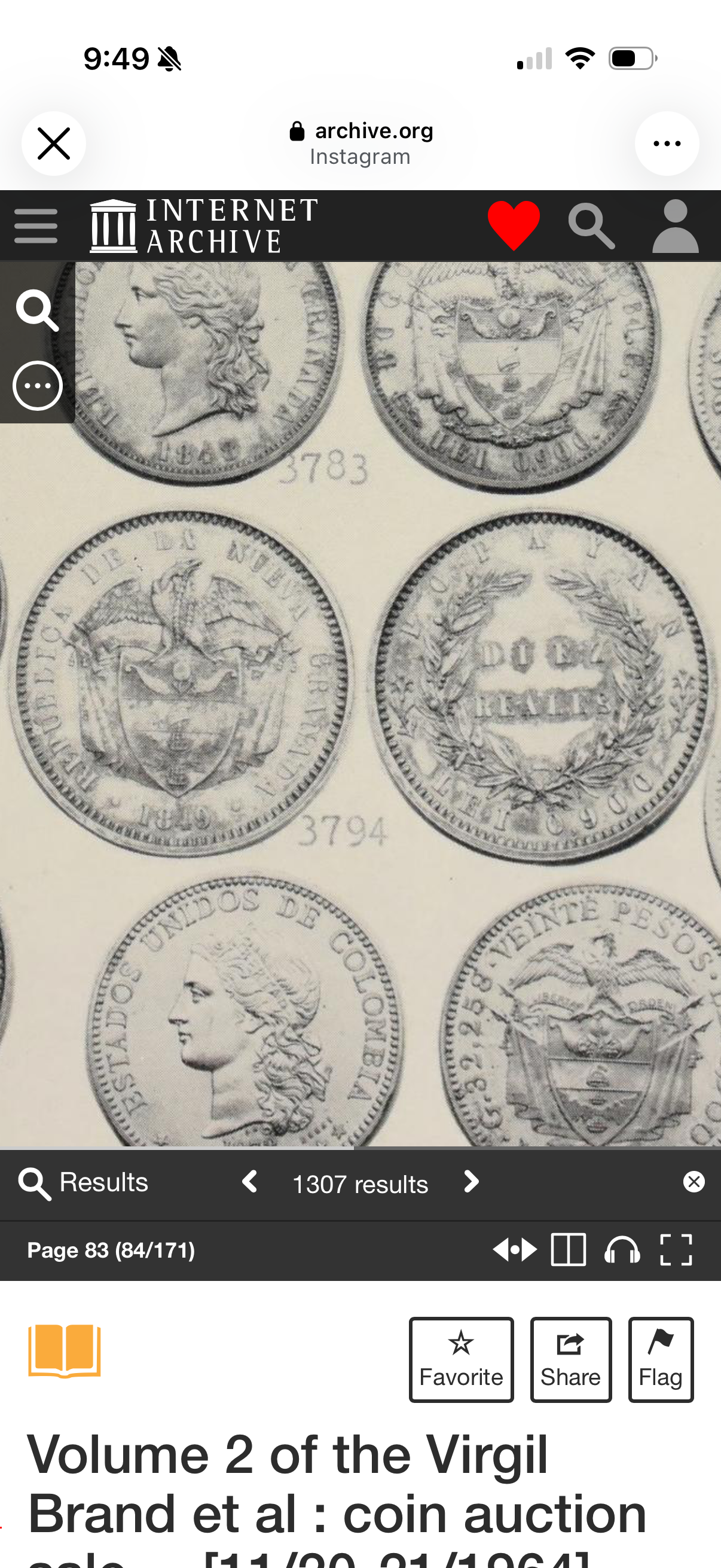
Latin American Collection
My first Stacks Bowers win. Not high grade but I liked the color.
Charles II (the Merry Monarch) surely knew how to have a good time.
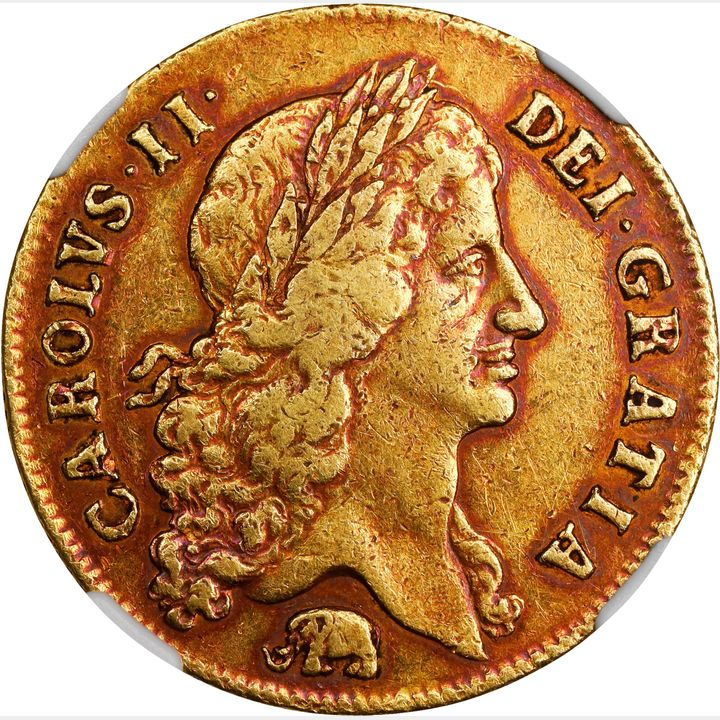
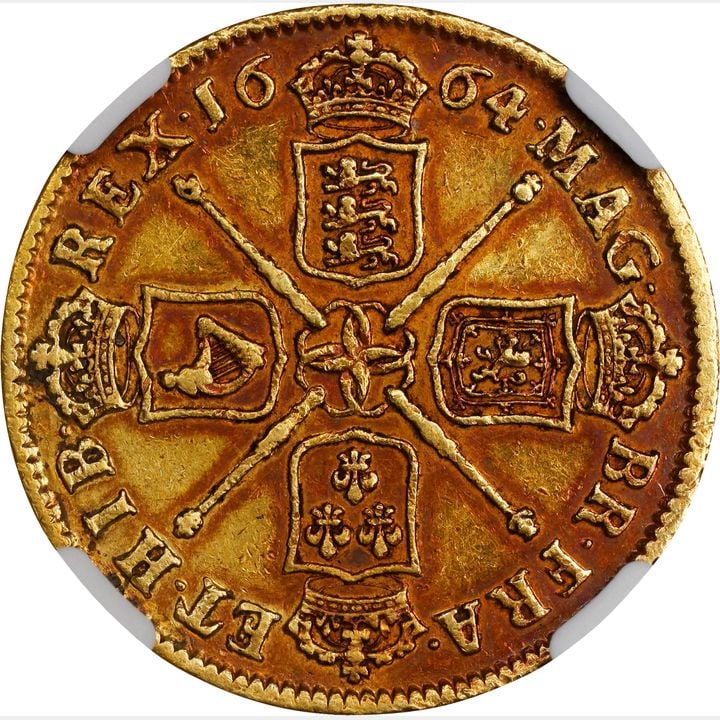
https://www.pcgs.com/setregistry/gold/liberty-head-2-1-gold-major-sets/liberty-head-2-1-gold-basic-set-circulation-strikes-1840-1907/publishedset/15628
March of Time - 27 Centuries in Gold
https://coins.www.collectors-society.com/WCM/CoinCustomSetView.aspx?s=36590
Nice on @OnlyGoldIsMoney. I really like the look on that one. Nice win!
There is also a possibility that if unsigned it could originally be the work of Thomas Minton. With the RM producing the dies, the fact it is Canadian has little bearing on the subject unless evidence be produced dividing the colonial workload.
According to records, the diademed head obverse pattern pennies dated 1862 through to 1870 for Britain was from a model by W Theed. That much is agreed. As these are given to Minton, with no reference to LCW, it is possible that the former was given the job of making a set of denomination obverses, with LCW doing a finishing job once agreement was reached on the design. LCW was the chief engraver of dies at the time, but with Thomas Minton credited with producing the diademed head obverse, it begs the question. The larger denominations are truncated at the neck, whereas the base coins cover the bodice in addition, but both are strikingly similar, and possibly the work of the same hand.
Proof one way or the other would be good, but I suspect may only come from a contemporary lead splash.
An 1870 pattern penny below which I bought in the last Sovereign Rarities sale is here.
Another semeuse, from the Heritage auction yesterday. Anyone else win one?
My current "Box of 20"
Large tombac medal commemorating Canada's Diamond Jubilee in 1927along with original case.
Phil Arnold
Director of Photography, GreatCollections
greatcollections.com
Favorite Grundy pick up:
NGC AU 58
I like that @MEJ7070 !
I had a really hard time with that sale, a difficult time understanding the high prices for even cleaned and damaged pieces. I did end up overpaying for one, a pretty basic, collector quality coin. Bought it as a type (the earlier small head version) and to add to my collection of pedigreed coins.
There were a few I was really interested in, but the bids were SO strong, I couldn’t justify it at all. Not just a bump in price, but multiples of what I would pay, or could pay, with a little patience.
Who is this Grundy anyway? Is the pedigree really adding THAT much?
I'm BACK!!! Used to be Billet7 on the old forum.
Cool case from Heritage which came with my Grundy new purchase
Latin American Collection
1992 Northern Ireland, Silver ECU Piedfort Proof, 1.48 oz, .925, 1,000 minted, 38 mm
fka renman95, Sep 2005, 7,000 posts
1966 Ireland 10 Shilling, .833 Ag, 20,000 minted, 30.05 mm
fka renman95, Sep 2005, 7,000 posts
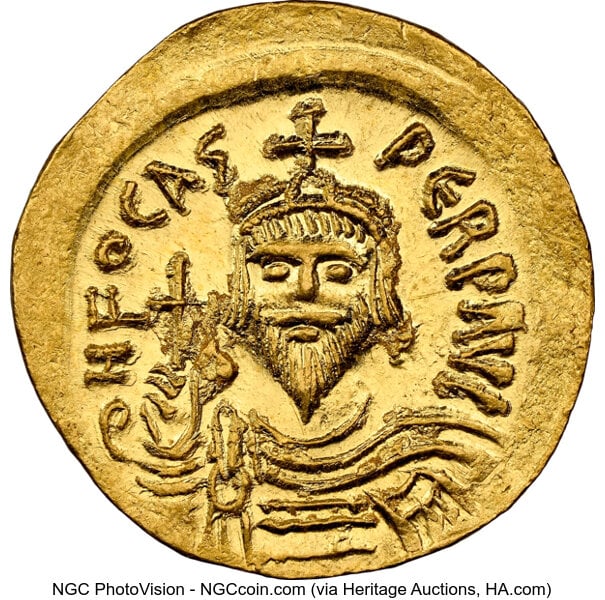
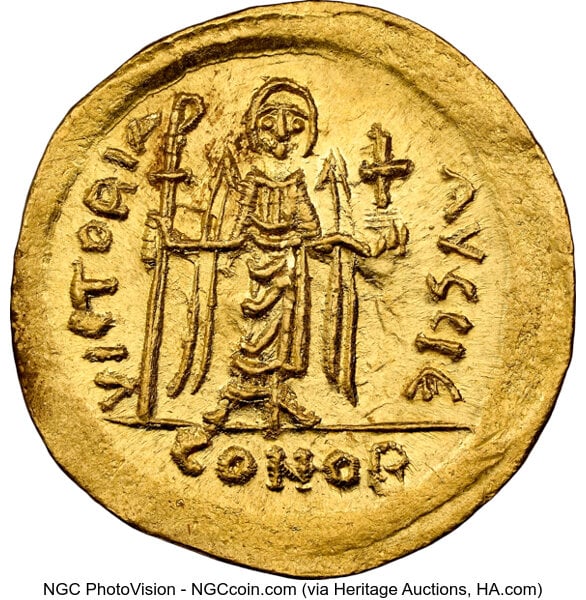
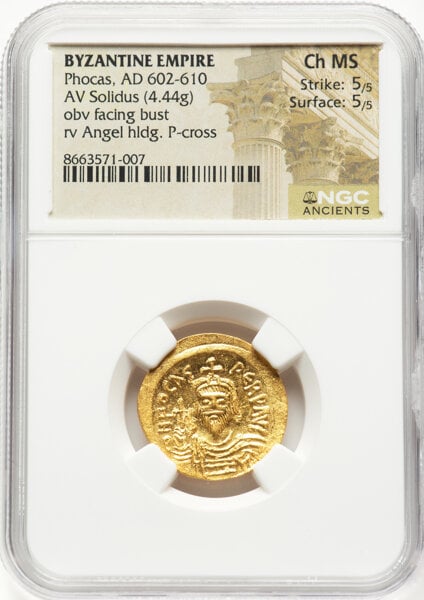
My first Ch MS ancient.
https://www.pcgs.com/setregistry/gold/liberty-head-2-1-gold-major-sets/liberty-head-2-1-gold-basic-set-circulation-strikes-1840-1907/publishedset/15628
March of Time - 27 Centuries in Gold
https://coins.www.collectors-society.com/WCM/CoinCustomSetView.aspx?s=36590
@robp2 said:> There is also a possibility that if unsigned it could originally be the work of Thomas Minton. With the RM producing the dies, the fact it is Canadian has little bearing on the subject unless evidence be produced dividing the colonial workload.
The entries in Wyon's diaries indicate that he created the matrices and punches for the 1870 Canadian 25 cent and 50 cent pieces and charged the Canadian government directly for this work..
http://www.victoriancent.com
The edit button does not work so I will add here: The differences between the no LCW 1870 50 vent effigy and the later version with Wyon's initials on the neck are very, very minor. Wyon took three months and charged 54 pounds, a substantial sum in those days, for the 25 and 50 cent tools. This all leads me to believe that Wyon, not Minton engraved the effigy for the Canadian coins. That said, I see your point on the similarities, so perhaps Wyon copied and/or modified an existing Minton effigy.
http://www.victoriancent.com
Sorry, in checking my notes, Wyon only produced the four matrices, not the punches. Again, the edit button does not work. I do not like this new forum format at all.
http://www.victoriancent.com
TalerUniverse.com is a curated numismatic project dedicated to the silver talers, crowns, and medals of the Habsburg Empire and the Holy Roman Empire, spanning the 16th–18th centuries. The collection emphasizes historically significant issues, rare mint varieties, and high-grade NGC/PCGS examples, presented with detailed historical context, scholarly references, and high-resolution photography. TalerUniverse aims to serve both as a private collection showcase and a growing reference resource for collectors, researchers, and students of early-modern European coinage.
As ever, without precise documentation, the waters are inevitably muddied. You may well be right, as the original basis for the bust being from a model by the sculptor William Theed, who had been enjoying Royal patronage since the late 1840s. Given Victoria's strong influence in her portrayal, it is likely that both engravers were 'encouraged' privately to be using one of HM's favourites as the source of inspiration. One day, someone, somewhere, will find that all important piece of info. Hope springs eternal.
Wyon's pocketbook diary entries, the price paid for the work, and his initials on the bust seem like sufficient evidence to me that Wyon engraved this particular effigy, as well as the simple maple bough reverse design. I suspect, as you suggest, that he did use a previous Theed or Minton work as inspiration for the effigy.
http://www.victoriancent.com
I will add that in researching the 19th century work done for the Canadian coinages by the Royal Mint and Heaton, I have found that most things are not 100% certain, which I think is your point.
http://www.victoriancent.com
Correct. That's why we continue to enjoy ourselves with this hobby.
I was very excited to receive this book yesterday, they don't seem to come up for sale very often. Lots of very specific info and some interesting plate coins to sort through!
Yesterday's win at Palombo. I just can't seem to be able to resist tiny little jewels like this.
I don't have it in hand yet, nor do I know its cert number to post additional pics. PCGS MS67, top.
myEbay
DPOTD 3
Details:
France. Reims. Cathedral of Reims bronze Medal. Issued 1859. Most Remarkable Edifices of Europe series (59mm, 97.68 g, 12h). By Jacques Wiener in Brussels and struck at the Geerts mint in Ixelles.
Cathedrale De Reims, perspective view of the cathedral exterior from a vantage point to the cathedral's northwest // Perspective view of the cathedral interior looking down the nave toward the apse; in three lines exergue, Laying of the first stone 1212 / Consecration of the Choir.
1241 / Completed around 1430. Edge: Plain.
Ross M224 (R1); van Hoydonck 170; Reinecke 43. Choice Mint State. Charming brown surfaces, with some alluring brilliance among the fields on the obverse. Compare to a similar example in Stack's Bowers February 2023 CCO, lot 71222 (a PCGS SP-64, which sold for a total of $780).
Ex: David Silich Collection.
From what is today eastern Netherlands and western Germany, the Wieners were a Jewish family of exceptional medalists, especially known for numerous numismatic works throughout the Kingdom of Belgium. Eldest brother Jacob (Jacques), along with younger brothers Leopold and Charles, created some of the finest works of Medallic art of the 19th century, and all are particularly noted for their work in the highly detailed and intricate work of architectural renderings.
New toner! Graded PCGS SP66!
Phil Arnold
Director of Photography, GreatCollections
greatcollections.com
Just worked out a deal for this one. As a pre-1810 counter marked type it’s outside the PCGS registry parameters for the 1810-1827 set of over struck 960R I’m working on, but it certainly fits into my greater collection.
1808 Brazil 960R c/m on 1804 PTS Bolivia 8R
VF 30
1976 Matte Uncirculated Barbados 5 Dollars Coin.
Lustre in hand really outstanding.
Original mintage of 250, none in sets and released through the Central Bank.
Haven't seen this one before despite looking for it.
Some years ago I got the similar 10 dollars coin:
Well, just Love coins, period.