Home U.S. Coin Forum
Options

NT or AT Morgans

Morgan13Morgan13 Posts: 2,440 ✭✭✭✭✭

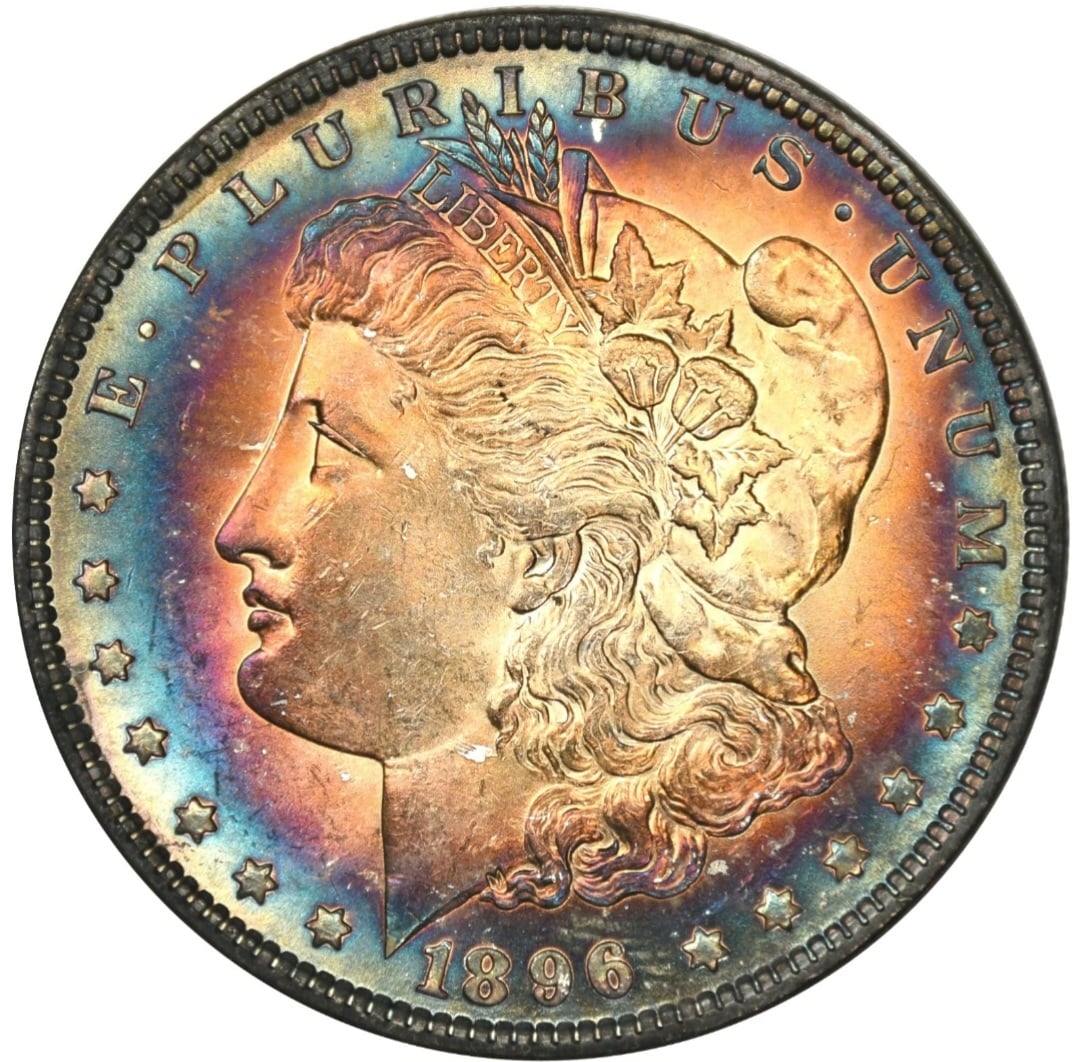
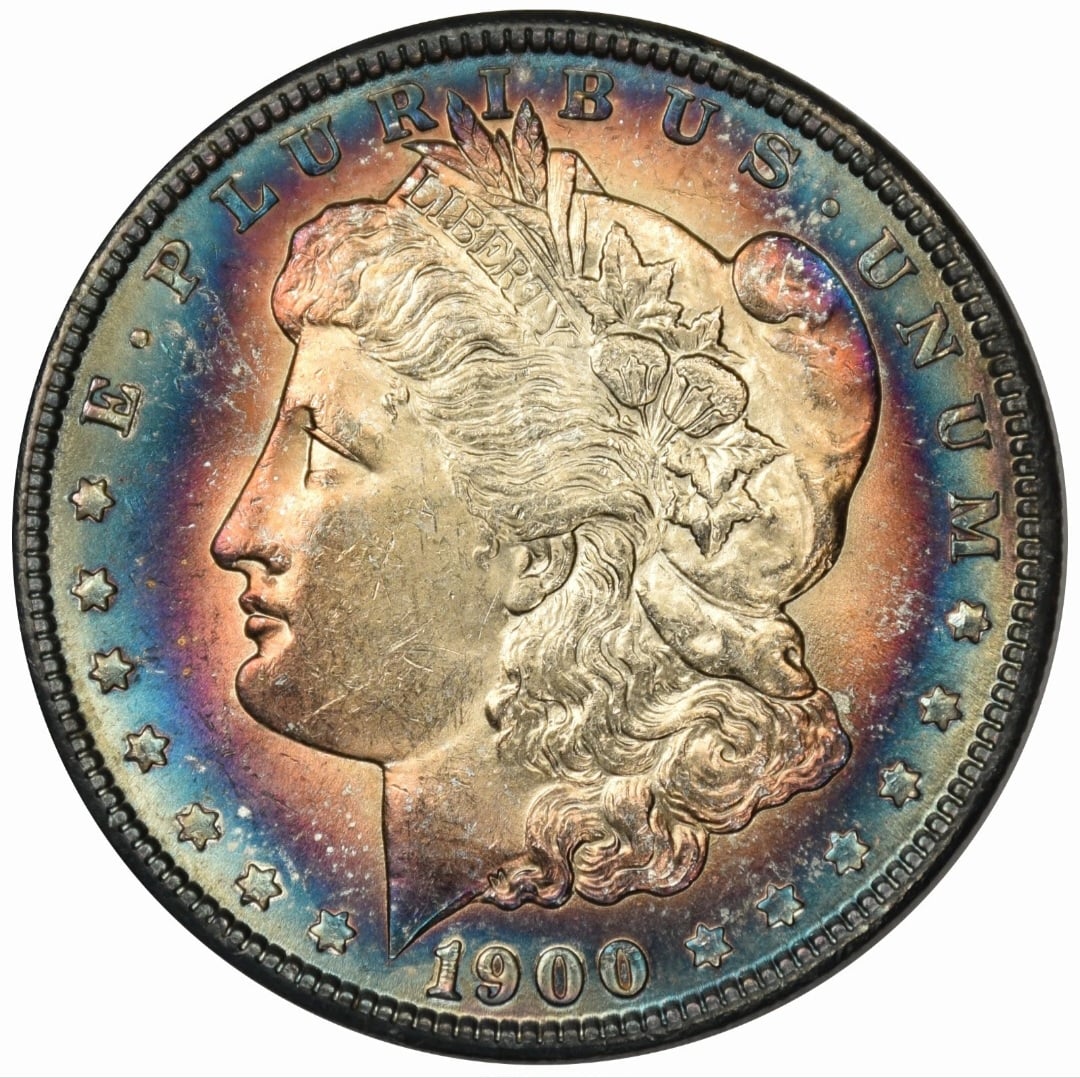
I am not an expert when it comes to toned Morgan's but I am trying to develop an eye for them.
What do you think NT or AT?
Student of numismatics and collector of Morgan dollars
Successful BST transactions with: Namvet Justindan Mattniss RWW olah_in_MA
Dantheman984 Toyz4geo SurfinxHI greencopper RWW bigjpst bretsan MWallace logger7 JWP BruceS bigjpst
JWP PROMETHIUS88

Comments

  • Options
    LuxorLuxor Posts: 584 ✭✭✭✭✭

    Going from these pics both AT

    -

    Your hobby is supposed to be your therapy, not the reason you need it.

  • Options
    Morgan13Morgan13 Posts: 2,440 ✭✭✭✭✭

    @Luxor said:
    Going from these pics both AT

    So for learning purposes what brings you to this conclusion?

    Student of numismatics and collector of Morgan dollars
    Successful BST transactions with: Namvet Justindan Mattniss RWW olah_in_MA
    Dantheman984 Toyz4geo SurfinxHI greencopper RWW bigjpst bretsan MWallace logger7 JWP BruceS bigjpst
    JWP PROMETHIUS88

  • Options
    LuxorLuxor Posts: 584 ✭✭✭✭✭

    The colors themselves, the progression of color, the lack of toning in parts of device crevices and changes in other areas, the overall look of the coins and their extreme similarity. I'd be very surprised to see either of these in one of the 'big 3' holders straight graded.

    -

    Your hobby is supposed to be your therapy, not the reason you need it.

  • Options
    braddickbraddick Posts: 25,107 ✭✭✭✭✭

    Suspicious. Even so, not attractive.

  • Options
    MFeldMFeld Posts: 16,586 ✭✭✭✭✭

    @Luxor said:
    The colors themselves, the progression of color, the lack of toning in parts of device crevices and changes in other areas, the overall look of the coins and their extreme similarity. I'd be very surprised to see either of these in one of the 'big 3' holders straight graded.

    How differently, if at all, would you feel if only one of the coins had been posted?

    Mark Feld* of Heritage Auctions*Unless otherwise noted, my posts here represent my personal opinions.

  • Options
    goldengolden Posts: 10,452 ✭✭✭✭✭

    AT.

  • Options
    coinbufcoinbuf Posts: 12,449 ✭✭✭✭✭
    edited June 13, 2026 2:33PM

    Both scream AT, but that is not important today; the whole NT/AT, enhanced whatever is moot. What matters today is if the important few, the graders, feel these are MA or not. I suspect that both would get a straight grade at PCGS in today's grading room.

    My Lincoln Registry
    My Collection of Old Holders

    Never a slave to one plastic brand will I ever be.
  • Options
    MFeldMFeld Posts: 16,586 ✭✭✭✭✭

    @coinbuf said:
    Both scream AT, but that is not important today; the whole NT/AT, enhanced whatever is moot. What matters today is if the important few, the graders, feel these are MA or not. I suspect that both would get a straight grade at PCGS in today's grading room.

    If you feel that the coins scream AT, why do you think the PCGS graders would assign straight grades? I could understand if you felt that the toning was questionable, but not screaming AT.

    Mark Feld* of Heritage Auctions*Unless otherwise noted, my posts here represent my personal opinions.

  • Options
    cheezhedcheezhed Posts: 6,317 ✭✭✭✭✭

    AT

    Many happy BST transactions
  • Options
    blitzdudeblitzdude Posts: 7,616 ✭✭✭✭✭

    They are all AT. Dip em. God bless The Weimans. RGDS!

    The whole worlds off its rocker, buy Gold™.
    BOOMIN!™
    Wooooha! Did someone just say it's officially "TACO™" Tuesday????
    Retiring at 55, what day is today? :sunglasses:

  • Options
    coinbufcoinbuf Posts: 12,449 ✭✭✭✭✭

    @MFeld said:

    @coinbuf said:
    Both scream AT, but that is not important today; the whole NT/AT, enhanced whatever is moot. What matters today is if the important few, the graders, feel these are MA or not. I suspect that both would get a straight grade at PCGS in today's grading room.

    If you feel that the coins scream AT, why do you think the PCGS graders would assign straight grades? I could understand if you felt that the toning was questionable, but not screaming AT.

    Partly because I have that little confidence in their grading abilities. But also because I do not think that PCGS cares if a coin is AT anymore, if they feel the market will accept their blessing they will straight grade it.

    My Lincoln Registry
    My Collection of Old Holders

    Never a slave to one plastic brand will I ever be.
  • Options
    SmudgeSmudge Posts: 9,967 ✭✭✭✭✭

    AT

  • Options
    MFeldMFeld Posts: 16,586 ✭✭✭✭✭

    @coinbuf said:

    @MFeld said:

    @coinbuf said:
    Both scream AT, but that is not important today; the whole NT/AT, enhanced whatever is moot. What matters today is if the important few, the graders, feel these are MA or not. I suspect that both would get a straight grade at PCGS in today's grading room.

    If you feel that the coins scream AT, why do you think the PCGS graders would assign straight grades? I could understand if you felt that the toning was questionable, but not screaming AT.

    Partly because I have that little confidence in their grading abilities. But also because I do not think that PCGS cares if a coin is AT anymore, if they feel the market will accept their blessing they will straight grade it.

    Thank you.

    Mark Feld* of Heritage Auctions*Unless otherwise noted, my posts here represent my personal opinions.

  • Options
    Morgan13Morgan13 Posts: 2,440 ✭✭✭✭✭

    BTW those two coins do not belong to me. I just thought they would bring good conversation and insight.
    So far so good.

    Student of numismatics and collector of Morgan dollars
    Successful BST transactions with: Namvet Justindan Mattniss RWW olah_in_MA
    Dantheman984 Toyz4geo SurfinxHI greencopper RWW bigjpst bretsan MWallace logger7 JWP BruceS bigjpst
    JWP PROMETHIUS88

  • Options
    pursuitoflibertypursuitofliberty Posts: 7,822 ✭✭✭✭✭

    The toning itself reminds me of lines to a song by the Beatles ...

    I get by with a little help from my friends

    ;)

    That was my thought before I read the comments, FWIW.

    .
    Gorgeous? Well, beauty is in the eye of the beholder. Garish? No, not that either, at least not particularly to my eye.

    Market acceptable? Well, I can see the possibility for straight grades, but that doesn't mean I would agree with that. In hand I may feel strongly one way more than the other.


    “We are only their care-takers,” he posed, “if we take good care of them, then centuries from now they may still be here … ”

    Todd - BHNC #242
  • Options
    124Spider124Spider Posts: 1,205 ✭✭✭✭✭
    edited June 13, 2026 6:11PM

    @MFeld said:

    @124Spider said:
    I feel that this "discussion" is a spectacular illustration of the artificial (see what I did there? I crack me up!) ways this hobby decides which coins go into the trash bin, and which one get worshipped.

    I don't like garish toning at all, so I don't care whether a coin is "AT" or "NT." And if you like garishly-toned coins, why would you care, when it often takes an "expert" to determine which is which? Somehow, it's ok for a coin to become "toned" by sitting in an album for some years, but an essentially identical "toning" by "artificial" methods is verboten? Nonsense, I say!

    This is a close cousin to "cleaned." I dislike "harshly cleaned" as much as the next person, but when it takes an expert, and a microscope, to decide whether a coin has been "cleaned," why should anybody care? This is especially silly, given that you can pay another "expert" to "restore" a coin, and that's not "cleaning," but an old, gentle cleaning that only an expert can detect, on a very attractive coin, is death to that coin forever.

    It's also a close cousin, IMO, to the foolishness of "FH" or not, and the like. Somehow, we like to put everything in life into binary classifications, even though they run across a continuum. A tiny speck on the back of a Mercury dime, which takes a 5x loupe to detect, can make a huge difference in the "value" of the coin? Also nonsense, I say!

    /[rant]

    :)

    Your characterization of coins either going into the “trash bin” or getting “worshipped” amounts to a straw-man argument. Many detail-grade coins bring meaningful prices, regardless of the details designation. And many straight grade ones sell for unimpressive amounts.

    Regarding caring whether a coin’s toning has occurred by sitting in an album for years or by “artificial” methods - if a coin which was produced for commerce, has defied the odds by surviving in a high state of preservation and acquired an attractive patina over time by chance, I can appreciate it far more than if it was purposely and quickly aided. Likewise, I can appreciate a work of art if I know that it took a great many hours to produce, as compared to a copy that was made in minutes or seconds. The former has far more meaning to me, regardless of whether I can tell the difference on my own.

    As for cleaned coins, most, can be determined without a microscope, even by non- experts. Additionally, coins labeled as “cleaned” aren’t relegated to the “death” category. Many bring significant prices, even compared to straight-grade examples.

    Most collectors much prefer knowing what’s been done to objects they collect, even if they wouldn’t know it on their own. Would you be so cavalier about an item you purchased as genuine, if it turned out to be a copy and worth only a small fraction of what you paid?

    Based on your post, why should you care if you couldn’t tell the difference ?

    You’re obviously free to “crack up” over subjects such as this one and to toss out words like “nonsense”, “especially silly” and “foolishness”. But if you’re point of view is sound, you shouldn’t have to include multiple exaggerations as part of your “rant”.

    Right on cue; you didn't disappoint.

    We disagree; not the first time, nor the last time. Regardless of your annoyance at my characterization of "trash bin," it cannot be argued that "details" grades don't severely affect the value of that coin, or that that designation often is the result of things only an expert with magnification can detect.

  • Options
    TypekatTypekat Posts: 665 ✭✭✭✭✭

    They both look NT to me, and like they hung out together for decades.

    Sorry to interrupt the argument, please continue…

    30+ years coin shop experience (ret.) Coins, bullion, currency, scrap & interesting folks. Loved every minute!

  • Options
    MFeldMFeld Posts: 16,586 ✭✭✭✭✭

    @124Spider said:

    @MFeld said:

    @124Spider said:
    I feel that this "discussion" is a spectacular illustration of the artificial (see what I did there? I crack me up!) ways this hobby decides which coins go into the trash bin, and which one get worshipped.

    I don't like garish toning at all, so I don't care whether a coin is "AT" or "NT." And if you like garishly-toned coins, why would you care, when it often takes an "expert" to determine which is which? Somehow, it's ok for a coin to become "toned" by sitting in an album for some years, but an essentially identical "toning" by "artificial" methods is verboten? Nonsense, I say!

    This is a close cousin to "cleaned." I dislike "harshly cleaned" as much as the next person, but when it takes an expert, and a microscope, to decide whether a coin has been "cleaned," why should anybody care? This is especially silly, given that you can pay another "expert" to "restore" a coin, and that's not "cleaning," but an old, gentle cleaning that only an expert can detect, on a very attractive coin, is death to that coin forever.

    It's also a close cousin, IMO, to the foolishness of "FH" or not, and the like. Somehow, we like to put everything in life into binary classifications, even though they run across a continuum. A tiny speck on the back of a Mercury dime, which takes a 5x loupe to detect, can make a huge difference in the "value" of the coin? Also nonsense, I say!

    /[rant]

    :)

    Your characterization of coins either going into the “trash bin” or getting “worshipped” amounts to a straw-man argument. Many detail-grade coins bring meaningful prices, regardless of the details designation. And many straight grade ones sell for unimpressive amounts.

    Regarding caring whether a coin’s toning has occurred by sitting in an album for years or by “artificial” methods - if a coin which was produced for commerce, has defied the odds by surviving in a high state of preservation and acquired an attractive patina over time by chance, I can appreciate it far more than if it was purposely and quickly aided. Likewise, I can appreciate a work of art if I know that it took a great many hours to produce, as compared to a copy that was made in minutes or seconds. The former has far more meaning to me, regardless of whether I can tell the difference on my own.

    As for cleaned coins, most, can be determined without a microscope, even by non- experts. Additionally, coins labeled as “cleaned” aren’t relegated to the “death” category. Many bring significant prices, even compared to straight-grade examples.

    Most collectors much prefer knowing what’s been done to objects they collect, even if they wouldn’t know it on their own. Would you be so cavalier about an item you purchased as genuine, if it turned out to be a copy and worth only a small fraction of what you paid?

    Based on your post, why should you care if you couldn’t tell the difference ?

    You’re obviously free to “crack up” over subjects such as this one and to toss out words like “nonsense”, “especially silly” and “foolishness”. But if you’re point of view is sound, you shouldn’t have to include multiple exaggerations as part of your “rant”.

    Right on cue; you didn't disappoint.

    We disagree; not the first time, nor the last time. Whether or not you disagree with my characterization of "trash bin," it cannot be argued that "details" grades don't severely affect the value of that coin.

    Yes, detail grades often reduce the value of coins severely. Yet that’s a far cry from much of your post.

    I’m so glad that I was right on cue and didn’t disappoint. You, on the other hand, did disappoint, by not answering my question (coped below). But I can understand why.

    “Most collectors much prefer knowing what’s been done to objects they collect, even if they wouldn’t know it on their own. Would you be so cavalier about an item you purchased as genuine, if it turned out to be a copy and worth only a small fraction of what you paid?“

    Mark Feld* of Heritage Auctions*Unless otherwise noted, my posts here represent my personal opinions.

  • Options
    WalkerfanWalkerfan Posts: 10,270 ✭✭✭✭✭

    They look AT to me.

    Sometimes, it’s better to be LUCKY than good. 🍀 🍺👍

    My Full Walker Registry Set (1916-1947):

    https://www.ngccoin.com/registry/competitive-sets/16292/

  • Options
    124Spider124Spider Posts: 1,205 ✭✭✭✭✭
    edited June 13, 2026 8:46PM

    @MFeld said:

    @124Spider said:

    @MFeld said:

    @124Spider said:
    I feel that this "discussion" is a spectacular illustration of the artificial (see what I did there? I crack me up!) ways this hobby decides which coins go into the trash bin, and which one get worshipped.

    I don't like garish toning at all, so I don't care whether a coin is "AT" or "NT." And if you like garishly-toned coins, why would you care, when it often takes an "expert" to determine which is which? Somehow, it's ok for a coin to become "toned" by sitting in an album for some years, but an essentially identical "toning" by "artificial" methods is verboten? Nonsense, I say!

    This is a close cousin to "cleaned." I dislike "harshly cleaned" as much as the next person, but when it takes an expert, and a microscope, to decide whether a coin has been "cleaned," why should anybody care? This is especially silly, given that you can pay another "expert" to "restore" a coin, and that's not "cleaning," but an old, gentle cleaning that only an expert can detect, on a very attractive coin, is death to that coin forever.

    It's also a close cousin, IMO, to the foolishness of "FH" or not, and the like. Somehow, we like to put everything in life into binary classifications, even though they run across a continuum. A tiny speck on the back of a Mercury dime, which takes a 5x loupe to detect, can make a huge difference in the "value" of the coin? Also nonsense, I say!

    /[rant]

    :)

    Your characterization of coins either going into the “trash bin” or getting “worshipped” amounts to a straw-man argument. Many detail-grade coins bring meaningful prices, regardless of the details designation. And many straight grade ones sell for unimpressive amounts.

    Regarding caring whether a coin’s toning has occurred by sitting in an album for years or by “artificial” methods - if a coin which was produced for commerce, has defied the odds by surviving in a high state of preservation and acquired an attractive patina over time by chance, I can appreciate it far more than if it was purposely and quickly aided. Likewise, I can appreciate a work of art if I know that it took a great many hours to produce, as compared to a copy that was made in minutes or seconds. The former has far more meaning to me, regardless of whether I can tell the difference on my own.

    As for cleaned coins, most, can be determined without a microscope, even by non- experts. Additionally, coins labeled as “cleaned” aren’t relegated to the “death” category. Many bring significant prices, even compared to straight-grade examples.

    Most collectors much prefer knowing what’s been done to objects they collect, even if they wouldn’t know it on their own. Would you be so cavalier about an item you purchased as genuine, if it turned out to be a copy and worth only a small fraction of what you paid?

    Based on your post, why should you care if you couldn’t tell the difference ?

    You’re obviously free to “crack up” over subjects such as this one and to toss out words like “nonsense”, “especially silly” and “foolishness”. But if you’re point of view is sound, you shouldn’t have to include multiple exaggerations as part of your “rant”.

    Right on cue; you didn't disappoint.

    We disagree; not the first time, nor the last time. Whether or not you disagree with my characterization of "trash bin," it cannot be argued that "details" grades don't severely affect the value of that coin.

    Yes, detail grades often reduce the value of coins severely. Yet that’s a far cry from much of your post.

    I’m so glad that I was right on cue and didn’t disappoint. You, on the other hand, did disappoint, by not answering my question (coped below). But I can understand why.

    “Most collectors much prefer knowing what’s been done to objects they collect, even if they wouldn’t know it on their own. Would you be so cavalier about an item you purchased as genuine, if it turned out to be a copy and worth only a small fraction of what you paid?“

    I didn't care to engage in a point-by-point argument that would end up changing nothing.

    But, since you insist:

    Talk about "strawman arguments"! You're a smart, knowledgeable guy; you are a valuable part of this forum. But such foolishness as pretending that the choice to kill a coin because of a light cleaning 100 years ago that only an expert could detect, is the same as the choice between counterfeit and genuine, should have been beneath you. Alas, it wasn't.

    There; happy?

  • Options
    Cougar1978Cougar1978 Posts: 9,734 ✭✭✭✭✭
    edited June 13, 2026 6:33PM

    AT

    Investor
  • Options
    MFeldMFeld Posts: 16,586 ✭✭✭✭✭

    @124Spider said:

    @MFeld said:

    @124Spider said:

    @MFeld said:

    @124Spider said:
    I feel that this "discussion" is a spectacular illustration of the artificial (see what I did there? I crack me up!) ways this hobby decides which coins go into the trash bin, and which one get worshipped.

    I don't like garish toning at all, so I don't care whether a coin is "AT" or "NT." And if you like garishly-toned coins, why would you care, when it often takes an "expert" to determine which is which? Somehow, it's ok for a coin to become "toned" by sitting in an album for some years, but an essentially identical "toning" by "artificial" methods is verboten? Nonsense, I say!

    This is a close cousin to "cleaned." I dislike "harshly cleaned" as much as the next person, but when it takes an expert, and a microscope, to decide whether a coin has been "cleaned," why should anybody care? This is especially silly, given that you can pay another "expert" to "restore" a coin, and that's not "cleaning," but an old, gentle cleaning that only an expert can detect, on a very attractive coin, is death to that coin forever.

    It's also a close cousin, IMO, to the foolishness of "FH" or not, and the like. Somehow, we like to put everything in life into binary classifications, even though they run across a continuum. A tiny speck on the back of a Mercury dime, which takes a 5x loupe to detect, can make a huge difference in the "value" of the coin? Also nonsense, I say!

    /[rant]

    :)

    Your characterization of coins either going into the “trash bin” or getting “worshipped” amounts to a straw-man argument. Many detail-grade coins bring meaningful prices, regardless of the details designation. And many straight grade ones sell for unimpressive amounts.

    Regarding caring whether a coin’s toning has occurred by sitting in an album for years or by “artificial” methods - if a coin which was produced for commerce, has defied the odds by surviving in a high state of preservation and acquired an attractive patina over time by chance, I can appreciate it far more than if it was purposely and quickly aided. Likewise, I can appreciate a work of art if I know that it took a great many hours to produce, as compared to a copy that was made in minutes or seconds. The former has far more meaning to me, regardless of whether I can tell the difference on my own.

    As for cleaned coins, most, can be determined without a microscope, even by non- experts. Additionally, coins labeled as “cleaned” aren’t relegated to the “death” category. Many bring significant prices, even compared to straight-grade examples.

    Most collectors much prefer knowing what’s been done to objects they collect, even if they wouldn’t know it on their own. Would you be so cavalier about an item you purchased as genuine, if it turned out to be a copy and worth only a small fraction of what you paid?

    Based on your post, why should you care if you couldn’t tell the difference ?

    You’re obviously free to “crack up” over subjects such as this one and to toss out words like “nonsense”, “especially silly” and “foolishness”. But if you’re point of view is sound, you shouldn’t have to include multiple exaggerations as part of your “rant”.

    Right on cue; you didn't disappoint.

    We disagree; not the first time, nor the last time. Whether or not you disagree with my characterization of "trash bin," it cannot be argued that "details" grades don't severely affect the value of that coin.

    Yes, detail grades often reduce the value of coins severely. Yet that’s a far cry from much of your post.

    I’m so glad that I was right on cue and didn’t disappoint. You, on the other hand, did disappoint, by not answering my question (coped below). But I can understand why.

    “Most collectors much prefer knowing what’s been done to objects they collect, even if they wouldn’t know it on their own. Would you be so cavalier about an item you purchased as genuine, if it turned out to be a copy and worth only a small fraction of what you paid?“

    I didn't care to engage in a point-by-point argument that would end up changing nothing.

    But, since you insist:

    Talk about "strawman arguments"! You're a smart, knowledgeable guy; you are a valuable part of this forum. But such foolishness as pretending that the choice to kill a coin because of a light cleaning 100 years ago that only an expert could detect, on a genuine coin, is the same as the choice between counterfeit and genuine, should have been beneath you. Alas, it wasn't.

    There; happy?

    Thanks for asking, but no, I’m not happy.

    i raised the question about a counterfeit vs. genuine coin as a response to to your questions (copied below) relating to AT vs. naturally toned and cleaned vs. non-cleaned coins. In each case, if you don’t know what you’re buying, you could be burying yourself in your purchase. And that possibility provides a very good reason why someone would or should care.

    “And if you like garishly-toned coins, why would you care, when it often takes an "expert" to determine which is which?

    “I dislike "harshly cleaned" as much as the next person, but when it takes an expert, and a microscope, to decide whether a coin has been "cleaned," why should anybody care?”

    Mark Feld* of Heritage Auctions*Unless otherwise noted, my posts here represent my personal opinions.

  • Options
    124Spider124Spider Posts: 1,205 ✭✭✭✭✭
    edited June 13, 2026 7:04PM

    @MFeld said:

    @124Spider said:

    @MFeld said:

    @124Spider said:

    @MFeld said:

    @124Spider said:
    I feel that this "discussion" is a spectacular illustration of the artificial (see what I did there? I crack me up!) ways this hobby decides which coins go into the trash bin, and which one get worshipped.

    I don't like garish toning at all, so I don't care whether a coin is "AT" or "NT." And if you like garishly-toned coins, why would you care, when it often takes an "expert" to determine which is which? Somehow, it's ok for a coin to become "toned" by sitting in an album for some years, but an essentially identical "toning" by "artificial" methods is verboten? Nonsense, I say!

    This is a close cousin to "cleaned." I dislike "harshly cleaned" as much as the next person, but when it takes an expert, and a microscope, to decide whether a coin has been "cleaned," why should anybody care? This is especially silly, given that you can pay another "expert" to "restore" a coin, and that's not "cleaning," but an old, gentle cleaning that only an expert can detect, on a very attractive coin, is death to that coin forever.

    It's also a close cousin, IMO, to the foolishness of "FH" or not, and the like. Somehow, we like to put everything in life into binary classifications, even though they run across a continuum. A tiny speck on the back of a Mercury dime, which takes a 5x loupe to detect, can make a huge difference in the "value" of the coin? Also nonsense, I say!

    /[rant]

    :)

    Your characterization of coins either going into the “trash bin” or getting “worshipped” amounts to a straw-man argument. Many detail-grade coins bring meaningful prices, regardless of the details designation. And many straight grade ones sell for unimpressive amounts.

    Regarding caring whether a coin’s toning has occurred by sitting in an album for years or by “artificial” methods - if a coin which was produced for commerce, has defied the odds by surviving in a high state of preservation and acquired an attractive patina over time by chance, I can appreciate it far more than if it was purposely and quickly aided. Likewise, I can appreciate a work of art if I know that it took a great many hours to produce, as compared to a copy that was made in minutes or seconds. The former has far more meaning to me, regardless of whether I can tell the difference on my own.

    As for cleaned coins, most, can be determined without a microscope, even by non- experts. Additionally, coins labeled as “cleaned” aren’t relegated to the “death” category. Many bring significant prices, even compared to straight-grade examples.

    Most collectors much prefer knowing what’s been done to objects they collect, even if they wouldn’t know it on their own. Would you be so cavalier about an item you purchased as genuine, if it turned out to be a copy and worth only a small fraction of what you paid?

    Based on your post, why should you care if you couldn’t tell the difference ?

    You’re obviously free to “crack up” over subjects such as this one and to toss out words like “nonsense”, “especially silly” and “foolishness”. But if you’re point of view is sound, you shouldn’t have to include multiple exaggerations as part of your “rant”.

    Right on cue; you didn't disappoint.

    We disagree; not the first time, nor the last time. Whether or not you disagree with my characterization of "trash bin," it cannot be argued that "details" grades don't severely affect the value of that coin.

    Yes, detail grades often reduce the value of coins severely. Yet that’s a far cry from much of your post.

    I’m so glad that I was right on cue and didn’t disappoint. You, on the other hand, did disappoint, by not answering my question (coped below). But I can understand why.

    “Most collectors much prefer knowing what’s been done to objects they collect, even if they wouldn’t know it on their own. Would you be so cavalier about an item you purchased as genuine, if it turned out to be a copy and worth only a small fraction of what you paid?“

    I didn't care to engage in a point-by-point argument that would end up changing nothing.

    But, since you insist:

    Talk about "strawman arguments"! You're a smart, knowledgeable guy; you are a valuable part of this forum. But such foolishness as pretending that the choice to kill a coin because of a light cleaning 100 years ago that only an expert could detect, on a genuine coin, is the same as the choice between counterfeit and genuine, should have been beneath you. Alas, it wasn't.

    There; happy?

    Thanks for asking, but no, I’m not happy.

    i raised the question about a counterfeit vs. genuine coin as a response to to your questions (copied below) relating to AT vs. naturally toned and cleaned vs. non-cleaned coins. In each case, if you don’t know what you’re buying, you could be burying yourself in your purchase. And that possibility provides a very good reason why someone would or should care.

    “And if you like garishly-toned coins, why would you care, when it often takes an "expert" to determine which is which?

    “I dislike "harshly cleaned" as much as the next person, but when it takes an expert, and a microscope, to decide whether a coin has been "cleaned," why should anybody care?”

    I thought you were smart enough to know the difference between splitting hairs on genuine coins, and telling counterfeit from real. It seems I was wrong.

    I'll help you out--One is splitting hairs because some people in this hobby care; the other is performing a valuable service that everyone in this hobby cares about.

    Does that help?

  • Options
    MFeldMFeld Posts: 16,586 ✭✭✭✭✭

    @124Spider said:

    @MFeld said:

    @124Spider said:

    @MFeld said:

    @124Spider said:

    @MFeld said:

    @124Spider said:
    I feel that this "discussion" is a spectacular illustration of the artificial (see what I did there? I crack me up!) ways this hobby decides which coins go into the trash bin, and which one get worshipped.

    I don't like garish toning at all, so I don't care whether a coin is "AT" or "NT." And if you like garishly-toned coins, why would you care, when it often takes an "expert" to determine which is which? Somehow, it's ok for a coin to become "toned" by sitting in an album for some years, but an essentially identical "toning" by "artificial" methods is verboten? Nonsense, I say!

    This is a close cousin to "cleaned." I dislike "harshly cleaned" as much as the next person, but when it takes an expert, and a microscope, to decide whether a coin has been "cleaned," why should anybody care? This is especially silly, given that you can pay another "expert" to "restore" a coin, and that's not "cleaning," but an old, gentle cleaning that only an expert can detect, on a very attractive coin, is death to that coin forever.

    It's also a close cousin, IMO, to the foolishness of "FH" or not, and the like. Somehow, we like to put everything in life into binary classifications, even though they run across a continuum. A tiny speck on the back of a Mercury dime, which takes a 5x loupe to detect, can make a huge difference in the "value" of the coin? Also nonsense, I say!

    /[rant]

    :)

    Your characterization of coins either going into the “trash bin” or getting “worshipped” amounts to a straw-man argument. Many detail-grade coins bring meaningful prices, regardless of the details designation. And many straight grade ones sell for unimpressive amounts.

    Regarding caring whether a coin’s toning has occurred by sitting in an album for years or by “artificial” methods - if a coin which was produced for commerce, has defied the odds by surviving in a high state of preservation and acquired an attractive patina over time by chance, I can appreciate it far more than if it was purposely and quickly aided. Likewise, I can appreciate a work of art if I know that it took a great many hours to produce, as compared to a copy that was made in minutes or seconds. The former has far more meaning to me, regardless of whether I can tell the difference on my own.

    As for cleaned coins, most, can be determined without a microscope, even by non- experts. Additionally, coins labeled as “cleaned” aren’t relegated to the “death” category. Many bring significant prices, even compared to straight-grade examples.

    Most collectors much prefer knowing what’s been done to objects they collect, even if they wouldn’t know it on their own. Would you be so cavalier about an item you purchased as genuine, if it turned out to be a copy and worth only a small fraction of what you paid?

    Based on your post, why should you care if you couldn’t tell the difference ?

    You’re obviously free to “crack up” over subjects such as this one and to toss out words like “nonsense”, “especially silly” and “foolishness”. But if you’re point of view is sound, you shouldn’t have to include multiple exaggerations as part of your “rant”.

    Right on cue; you didn't disappoint.

    We disagree; not the first time, nor the last time. Whether or not you disagree with my characterization of "trash bin," it cannot be argued that "details" grades don't severely affect the value of that coin.

    Yes, detail grades often reduce the value of coins severely. Yet that’s a far cry from much of your post.

    I’m so glad that I was right on cue and didn’t disappoint. You, on the other hand, did disappoint, by not answering my question (coped below). But I can understand why.

    “Most collectors much prefer knowing what’s been done to objects they collect, even if they wouldn’t know it on their own. Would you be so cavalier about an item you purchased as genuine, if it turned out to be a copy and worth only a small fraction of what you paid?“

    I didn't care to engage in a point-by-point argument that would end up changing nothing.

    But, since you insist:

    Talk about "strawman arguments"! You're a smart, knowledgeable guy; you are a valuable part of this forum. But such foolishness as pretending that the choice to kill a coin because of a light cleaning 100 years ago that only an expert could detect, on a genuine coin, is the same as the choice between counterfeit and genuine, should have been beneath you. Alas, it wasn't.

    There; happy?

    Thanks for asking, but no, I’m not happy.

    i raised the question about a counterfeit vs. genuine coin as a response to to your questions (copied below) relating to AT vs. naturally toned and cleaned vs. non-cleaned coins. In each case, if you don’t know what you’re buying, you could be burying yourself in your purchase. And that possibility provides a very good reason why someone would or should care.

    “And if you like garishly-toned coins, why would you care, when it often takes an "expert" to determine which is which?

    “I dislike "harshly cleaned" as much as the next person, but when it takes an expert, and a microscope, to decide whether a coin has been "cleaned," why should anybody care?”

    I thought you were smart enough to know the difference between splitting hairs on genuine coins, and telling counterfeit from real. It seems I was wrong.

    I'll help you out--One is splitting hairs because some people in this hobby care; the other is performing a valuable service that everyone in this hobby cares about.

    Does that help?

    I think these words from the movie Cool Hand Luke are apropos: "What we've got here is failure to communicate.”

    Mark Feld* of Heritage Auctions*Unless otherwise noted, my posts here represent my personal opinions.

  • Options
    124Spider124Spider Posts: 1,205 ✭✭✭✭✭

    @MFeld said:

    @124Spider said:

    @MFeld said:

    @124Spider said:

    @MFeld said:

    @124Spider said:

    @MFeld said:

    @124Spider said:
    I feel that this "discussion" is a spectacular illustration of the artificial (see what I did there? I crack me up!) ways this hobby decides which coins go into the trash bin, and which one get worshipped.

    I don't like garish toning at all, so I don't care whether a coin is "AT" or "NT." And if you like garishly-toned coins, why would you care, when it often takes an "expert" to determine which is which? Somehow, it's ok for a coin to become "toned" by sitting in an album for some years, but an essentially identical "toning" by "artificial" methods is verboten? Nonsense, I say!

    This is a close cousin to "cleaned." I dislike "harshly cleaned" as much as the next person, but when it takes an expert, and a microscope, to decide whether a coin has been "cleaned," why should anybody care? This is especially silly, given that you can pay another "expert" to "restore" a coin, and that's not "cleaning," but an old, gentle cleaning that only an expert can detect, on a very attractive coin, is death to that coin forever.

    It's also a close cousin, IMO, to the foolishness of "FH" or not, and the like. Somehow, we like to put everything in life into binary classifications, even though they run across a continuum. A tiny speck on the back of a Mercury dime, which takes a 5x loupe to detect, can make a huge difference in the "value" of the coin? Also nonsense, I say!

    /[rant]

    :)

    Your characterization of coins either going into the “trash bin” or getting “worshipped” amounts to a straw-man argument. Many detail-grade coins bring meaningful prices, regardless of the details designation. And many straight grade ones sell for unimpressive amounts.

    Regarding caring whether a coin’s toning has occurred by sitting in an album for years or by “artificial” methods - if a coin which was produced for commerce, has defied the odds by surviving in a high state of preservation and acquired an attractive patina over time by chance, I can appreciate it far more than if it was purposely and quickly aided. Likewise, I can appreciate a work of art if I know that it took a great many hours to produce, as compared to a copy that was made in minutes or seconds. The former has far more meaning to me, regardless of whether I can tell the difference on my own.

    As for cleaned coins, most, can be determined without a microscope, even by non- experts. Additionally, coins labeled as “cleaned” aren’t relegated to the “death” category. Many bring significant prices, even compared to straight-grade examples.

    Most collectors much prefer knowing what’s been done to objects they collect, even if they wouldn’t know it on their own. Would you be so cavalier about an item you purchased as genuine, if it turned out to be a copy and worth only a small fraction of what you paid?

    Based on your post, why should you care if you couldn’t tell the difference ?

    You’re obviously free to “crack up” over subjects such as this one and to toss out words like “nonsense”, “especially silly” and “foolishness”. But if you’re point of view is sound, you shouldn’t have to include multiple exaggerations as part of your “rant”.

    Right on cue; you didn't disappoint.

    We disagree; not the first time, nor the last time. Whether or not you disagree with my characterization of "trash bin," it cannot be argued that "details" grades don't severely affect the value of that coin.

    Yes, detail grades often reduce the value of coins severely. Yet that’s a far cry from much of your post.

    I’m so glad that I was right on cue and didn’t disappoint. You, on the other hand, did disappoint, by not answering my question (coped below). But I can understand why.

    “Most collectors much prefer knowing what’s been done to objects they collect, even if they wouldn’t know it on their own. Would you be so cavalier about an item you purchased as genuine, if it turned out to be a copy and worth only a small fraction of what you paid?“

    I didn't care to engage in a point-by-point argument that would end up changing nothing.

    But, since you insist:

    Talk about "strawman arguments"! You're a smart, knowledgeable guy; you are a valuable part of this forum. But such foolishness as pretending that the choice to kill a coin because of a light cleaning 100 years ago that only an expert could detect, on a genuine coin, is the same as the choice between counterfeit and genuine, should have been beneath you. Alas, it wasn't.

    There; happy?

    Thanks for asking, but no, I’m not happy.

    i raised the question about a counterfeit vs. genuine coin as a response to to your questions (copied below) relating to AT vs. naturally toned and cleaned vs. non-cleaned coins. In each case, if you don’t know what you’re buying, you could be burying yourself in your purchase. And that possibility provides a very good reason why someone would or should care.

    “And if you like garishly-toned coins, why would you care, when it often takes an "expert" to determine which is which?

    “I dislike "harshly cleaned" as much as the next person, but when it takes an expert, and a microscope, to decide whether a coin has been "cleaned," why should anybody care?”

    I thought you were smart enough to know the difference between splitting hairs on genuine coins, and telling counterfeit from real. It seems I was wrong.

    I'll help you out--One is splitting hairs because some people in this hobby care; the other is performing a valuable service that everyone in this hobby cares about.

    Does that help?

    I think these words from the movie Cool Hand Luke are apropos: "What we've got here is failure to communicate.”

    Something we can agree on; how nice!

  • Options
    stockdude_stockdude_ Posts: 550 ✭✭✭✭

    @124Spider said:
    I feel that this "discussion" is a spectacular illustration of the artificial (see what I did there? I crack me up!) ways this hobby decides which coins go into the trash bin, and which one get worshipped.

    I don't like garish toning at all, so I don't care whether a coin is "AT" or "NT." And if you like garishly-toned coins, why would you care, when it often takes an "expert" to determine which is which? Somehow, it's ok for a coin to become "toned" by sitting in an album for some years, but an essentially identical "toning" by "artificial" methods is verboten? Nonsense, I say!

    This is a close cousin to "cleaned." I dislike "harshly cleaned" as much as the next person, but when it takes an expert, and a microscope, to decide whether a coin has been "cleaned," why should anybody care? This is especially silly, given that you can pay another "expert" to "restore" a coin, and that's not "cleaning," but an old, gentle cleaning that only an expert can detect, on a very attractive coin, is death to that coin forever.

    It's also a close cousin, IMO, to the foolishness of "FH" or not, and the like. Somehow, we like to put everything in life into binary classifications, even though they run across a continuum. A tiny speck on the back of a Mercury dime, which takes a 5x loupe to detect, can make a huge difference in the "value" of the coin? Also nonsense, I say!

    /[rant]

    :)

    What about a scratch? OMG a scratch! Totally unacceptable! A large gash much more visible is acceptable though LOL

  • Options
    stockdude_stockdude_ Posts: 550 ✭✭✭✭

    Ive seen a lot of Morgans like that especially in the old small ANACS slabs. I think the coins are attractive. I wont comment on real vs artificial

  • Options
    jmlanzafjmlanzaf Posts: 41,110 ✭✭✭✭✭
    edited June 14, 2026 7:00AM

    @MFeld said:

    @124Spider said:
    I feel that this "discussion" is a spectacular illustration of the artificial (see what I did there? I crack me up!) ways this hobby decides which coins go into the trash bin, and which one get worshipped.

    I don't like garish toning at all, so I don't care whether a coin is "AT" or "NT." And if you like garishly-toned coins, why would you care, when it often takes an "expert" to determine which is which? Somehow, it's ok for a coin to become "toned" by sitting in an album for some years, but an essentially identical "toning" by "artificial" methods is verboten? Nonsense, I say!

    This is a close cousin to "cleaned." I dislike "harshly cleaned" as much as the next person, but when it takes an expert, and a microscope, to decide whether a coin has been "cleaned," why should anybody care? This is especially silly, given that you can pay another "expert" to "restore" a coin, and that's not "cleaning," but an old, gentle cleaning that only an expert can detect, on a very attractive coin, is death to that coin forever.

    It's also a close cousin, IMO, to the foolishness of "FH" or not, and the like. Somehow, we like to put everything in life into binary classifications, even though they run across a continuum. A tiny speck on the back of a Mercury dime, which takes a 5x loupe to detect, can make a huge difference in the "value" of the coin? Also nonsense, I say!

    /[rant]

    :)

    Your characterization of coins either going into the “trash bin” or getting “worshipped” amounts to a straw-man argument. Many detail-grade coins bring meaningful prices, regardless of the details designation. And many straight grade ones sell for unimpressive amounts.

    Regarding caring whether a coin’s toning has occurred by sitting in an album for years or by “artificial” methods - if a coin which was produced for commerce, has defied the odds by surviving in a high state of preservation and acquired an attractive patina over time by chance, I can appreciate it far more than if it was purposely and quickly aided. Likewise, I can appreciate a work of art if I know that it took a great many hours to produce, as compared to a copy that was made in minutes or seconds. The former has far more meaning to me, regardless of whether I can tell the difference on my own.

    As for cleaned coins, most, can be determined without a microscope, even by non- experts. Additionally, coins labeled as “cleaned” aren’t relegated to the “death” category. Many bring significant prices, even compared to straight-grade examples.

    Most collectors much prefer knowing what’s been done to objects they collect, even if they wouldn’t know it on their own. Would you be so cavalier about an item you purchased as genuine, if it turned out to be a copy and worth only a small fraction of what you paid?

    Based on your post, why should you care if you couldn’t tell the difference ?

    You’re obviously free to “crack up” over subjects such as this one and to toss out words like “nonsense”, “especially silly” and “foolishness”. But if you’re point of view is sound, you shouldn’t have to include multiple exaggerations as part of your “rant”.

    I agree with most of this. However, it is interesting how "curating" and "originality" are different in the coin community compared to the art community. In the art community, removing a layer of "dirt" or "oxidation" will increase the value of art. In numismatics, it loses "originality".

    Is there a single original brushstroke left in the Sistine Chapel ceiling?

    Even in the coin community, there is a clear distinction between ancients and moderns in how "cleaning" ("curating") is handled.

    All comments reflect the opinion of the author, even when irrefutably accurate.

  • Options
    jmlanzafjmlanzaf Posts: 41,110 ✭✭✭✭✭

    @124Spider said:

    @MFeld said:

    @124Spider said:

    @MFeld said:

    @124Spider said:

    @MFeld said:

    @124Spider said:
    I feel that this "discussion" is a spectacular illustration of the artificial (see what I did there? I crack me up!) ways this hobby decides which coins go into the trash bin, and which one get worshipped.

    I don't like garish toning at all, so I don't care whether a coin is "AT" or "NT." And if you like garishly-toned coins, why would you care, when it often takes an "expert" to determine which is which? Somehow, it's ok for a coin to become "toned" by sitting in an album for some years, but an essentially identical "toning" by "artificial" methods is verboten? Nonsense, I say!

    This is a close cousin to "cleaned." I dislike "harshly cleaned" as much as the next person, but when it takes an expert, and a microscope, to decide whether a coin has been "cleaned," why should anybody care? This is especially silly, given that you can pay another "expert" to "restore" a coin, and that's not "cleaning," but an old, gentle cleaning that only an expert can detect, on a very attractive coin, is death to that coin forever.

    It's also a close cousin, IMO, to the foolishness of "FH" or not, and the like. Somehow, we like to put everything in life into binary classifications, even though they run across a continuum. A tiny speck on the back of a Mercury dime, which takes a 5x loupe to detect, can make a huge difference in the "value" of the coin? Also nonsense, I say!

    /[rant]

    :)

    Your characterization of coins either going into the “trash bin” or getting “worshipped” amounts to a straw-man argument. Many detail-grade coins bring meaningful prices, regardless of the details designation. And many straight grade ones sell for unimpressive amounts.

    Regarding caring whether a coin’s toning has occurred by sitting in an album for years or by “artificial” methods - if a coin which was produced for commerce, has defied the odds by surviving in a high state of preservation and acquired an attractive patina over time by chance, I can appreciate it far more than if it was purposely and quickly aided. Likewise, I can appreciate a work of art if I know that it took a great many hours to produce, as compared to a copy that was made in minutes or seconds. The former has far more meaning to me, regardless of whether I can tell the difference on my own.

    As for cleaned coins, most, can be determined without a microscope, even by non- experts. Additionally, coins labeled as “cleaned” aren’t relegated to the “death” category. Many bring significant prices, even compared to straight-grade examples.

    Most collectors much prefer knowing what’s been done to objects they collect, even if they wouldn’t know it on their own. Would you be so cavalier about an item you purchased as genuine, if it turned out to be a copy and worth only a small fraction of what you paid?

    Based on your post, why should you care if you couldn’t tell the difference ?

    You’re obviously free to “crack up” over subjects such as this one and to toss out words like “nonsense”, “especially silly” and “foolishness”. But if you’re point of view is sound, you shouldn’t have to include multiple exaggerations as part of your “rant”.

    Right on cue; you didn't disappoint.

    We disagree; not the first time, nor the last time. Whether or not you disagree with my characterization of "trash bin," it cannot be argued that "details" grades don't severely affect the value of that coin.

    Yes, detail grades often reduce the value of coins severely. Yet that’s a far cry from much of your post.

    I’m so glad that I was right on cue and didn’t disappoint. You, on the other hand, did disappoint, by not answering my question (coped below). But I can understand why.

    “Most collectors much prefer knowing what’s been done to objects they collect, even if they wouldn’t know it on their own. Would you be so cavalier about an item you purchased as genuine, if it turned out to be a copy and worth only a small fraction of what you paid?“

    I didn't care to engage in a point-by-point argument that would end up changing nothing.

    But, since you insist:

    Talk about "strawman arguments"! You're a smart, knowledgeable guy; you are a valuable part of this forum. But such foolishness as pretending that the choice to kill a coin because of a light cleaning 100 years ago that only an expert could detect, on a genuine coin, is the same as the choice between counterfeit and genuine, should have been beneath you. Alas, it wasn't.

    There; happy?

    Thanks for asking, but no, I’m not happy.

    i raised the question about a counterfeit vs. genuine coin as a response to to your questions (copied below) relating to AT vs. naturally toned and cleaned vs. non-cleaned coins. In each case, if you don’t know what you’re buying, you could be burying yourself in your purchase. And that possibility provides a very good reason why someone would or should care.

    “And if you like garishly-toned coins, why would you care, when it often takes an "expert" to determine which is which?

    “I dislike "harshly cleaned" as much as the next person, but when it takes an expert, and a microscope, to decide whether a coin has been "cleaned," why should anybody care?”

    I thought you were smart enough to know the difference between splitting hairs on genuine coins, and telling counterfeit from real. It seems I was wrong.

    I'll help you out--One is splitting hairs because some people in this hobby care; the other is performing a valuable service that everyone in this hobby cares about.

    Does that help?

    I think Mark's point is that they all affect value. To that end, accurate description is important and then the individual can make an informed decision about the value and decision to purchase.

    For example, I will buy lightly cleaned coins, though for less than uncleaned ones. On the other hand, i will not buy tooled coins or counterfeit. That's a personal choice and personal decision about value. But I can only make that decision if I have accurate information, even if I choose to ignore or downplay that information. Or, as in the case of tooling, overreact to that information. Lol. I just can't bring myself to buy anything tooled.

    All comments reflect the opinion of the author, even when irrefutably accurate.

  • Options
    johnny9434johnny9434 Posts: 32,236 ✭✭✭✭✭

    Fugly toning, at, pass

  • Options
    124Spider124Spider Posts: 1,205 ✭✭✭✭✭
    edited June 14, 2026 3:08PM

    @jmlanzaf said:

    @124Spider said:

    @MFeld said:

    @124Spider said:

    @MFeld said:

    @124Spider said:

    @MFeld said:

    @124Spider said:
    I feel that this "discussion" is a spectacular illustration of the artificial (see what I did there? I crack me up!) ways this hobby decides which coins go into the trash bin, and which one get worshipped.

    I don't like garish toning at all, so I don't care whether a coin is "AT" or "NT." And if you like garishly-toned coins, why would you care, when it often takes an "expert" to determine which is which? Somehow, it's ok for a coin to become "toned" by sitting in an album for some years, but an essentially identical "toning" by "artificial" methods is verboten? Nonsense, I say!

    This is a close cousin to "cleaned." I dislike "harshly cleaned" as much as the next person, but when it takes an expert, and a microscope, to decide whether a coin has been "cleaned," why should anybody care? This is especially silly, given that you can pay another "expert" to "restore" a coin, and that's not "cleaning," but an old, gentle cleaning that only an expert can detect, on a very attractive coin, is death to that coin forever.

    It's also a close cousin, IMO, to the foolishness of "FH" or not, and the like. Somehow, we like to put everything in life into binary classifications, even though they run across a continuum. A tiny speck on the back of a Mercury dime, which takes a 5x loupe to detect, can make a huge difference in the "value" of the coin? Also nonsense, I say!

    /[rant]

    :)

    Your characterization of coins either going into the “trash bin” or getting “worshipped” amounts to a straw-man argument. Many detail-grade coins bring meaningful prices, regardless of the details designation. And many straight grade ones sell for unimpressive amounts.

    Regarding caring whether a coin’s toning has occurred by sitting in an album for years or by “artificial” methods - if a coin which was produced for commerce, has defied the odds by surviving in a high state of preservation and acquired an attractive patina over time by chance, I can appreciate it far more than if it was purposely and quickly aided. Likewise, I can appreciate a work of art if I know that it took a great many hours to produce, as compared to a copy that was made in minutes or seconds. The former has far more meaning to me, regardless of whether I can tell the difference on my own.

    As for cleaned coins, most, can be determined without a microscope, even by non- experts. Additionally, coins labeled as “cleaned” aren’t relegated to the “death” category. Many bring significant prices, even compared to straight-grade examples.

    Most collectors much prefer knowing what’s been done to objects they collect, even if they wouldn’t know it on their own. Would you be so cavalier about an item you purchased as genuine, if it turned out to be a copy and worth only a small fraction of what you paid?

    Based on your post, why should you care if you couldn’t tell the difference ?

    You’re obviously free to “crack up” over subjects such as this one and to toss out words like “nonsense”, “especially silly” and “foolishness”. But if you’re point of view is sound, you shouldn’t have to include multiple exaggerations as part of your “rant”.

    Right on cue; you didn't disappoint.

    We disagree; not the first time, nor the last time. Whether or not you disagree with my characterization of "trash bin," it cannot be argued that "details" grades don't severely affect the value of that coin.

    Yes, detail grades often reduce the value of coins severely. Yet that’s a far cry from much of your post.

    I’m so glad that I was right on cue and didn’t disappoint. You, on the other hand, did disappoint, by not answering my question (coped below). But I can understand why.

    “Most collectors much prefer knowing what’s been done to objects they collect, even if they wouldn’t know it on their own. Would you be so cavalier about an item you purchased as genuine, if it turned out to be a copy and worth only a small fraction of what you paid?“

    I didn't care to engage in a point-by-point argument that would end up changing nothing.

    But, since you insist:

    Talk about "strawman arguments"! You're a smart, knowledgeable guy; you are a valuable part of this forum. But such foolishness as pretending that the choice to kill a coin because of a light cleaning 100 years ago that only an expert could detect, on a genuine coin, is the same as the choice between counterfeit and genuine, should have been beneath you. Alas, it wasn't.

    There; happy?

    Thanks for asking, but no, I’m not happy.

    i raised the question about a counterfeit vs. genuine coin as a response to to your questions (copied below) relating to AT vs. naturally toned and cleaned vs. non-cleaned coins. In each case, if you don’t know what you’re buying, you could be burying yourself in your purchase. And that possibility provides a very good reason why someone would or should care.

    “And if you like garishly-toned coins, why would you care, when it often takes an "expert" to determine which is which?

    “I dislike "harshly cleaned" as much as the next person, but when it takes an expert, and a microscope, to decide whether a coin has been "cleaned," why should anybody care?”

    I thought you were smart enough to know the difference between splitting hairs on genuine coins, and telling counterfeit from real. It seems I was wrong.

    I'll help you out--One is splitting hairs because some people in this hobby care; the other is performing a valuable service that everyone in this hobby cares about.

    Does that help?

    I think Mark's point is that they all affect value. To that end, accurate description is important and then the individual can make an informed decision about the value and decision to purchase.

    For example, I will buy lightly cleaned coins, though for less than uncleaned ones. On the other hand, i will not buy tooled coins or counterfeit. That's a personal choice and personal decision about value. But I can only make that decision if I have accurate information, even if I choose to ignore or downplay that information. Or, as in the case of tooling, overreact to that information. Lol. I just can't bring myself to buy anything tooled.

    Thanks for this.

    At the risk of beating a dead horse, I would like to clarify that my point is just that the condition of coins is a continuum, even within a particular grade. By making a huge line of demarcation--details vs. straight grade--in cases where the difference is (literally) microscopic, we consign a coin to a small percentage of the value it would have had with a straight grade--the exact same coin. Similarly with things like "full head" on a SLQ, although the value difference is not as great as straight-grade vs. details.

    I won't buy a "details" coin, not because I hate them, but because I have no idea what a reasonable price to pay is, given that I'm not wealthy enough to spend a lot of money on a coin without caring about resale value. I certainly am not the only one.

  • Options
    jmlanzafjmlanzaf Posts: 41,110 ✭✭✭✭✭

    @124Spider said:

    @jmlanzaf said:

    @124Spider said:

    @MFeld said:

    @124Spider said:

    @MFeld said:

    @124Spider said:

    @MFeld said:

    @124Spider said:
    I feel that this "discussion" is a spectacular illustration of the artificial (see what I did there? I crack me up!) ways this hobby decides which coins go into the trash bin, and which one get worshipped.

    I don't like garish toning at all, so I don't care whether a coin is "AT" or "NT." And if you like garishly-toned coins, why would you care, when it often takes an "expert" to determine which is which? Somehow, it's ok for a coin to become "toned" by sitting in an album for some years, but an essentially identical "toning" by "artificial" methods is verboten? Nonsense, I say!

    This is a close cousin to "cleaned." I dislike "harshly cleaned" as much as the next person, but when it takes an expert, and a microscope, to decide whether a coin has been "cleaned," why should anybody care? This is especially silly, given that you can pay another "expert" to "restore" a coin, and that's not "cleaning," but an old, gentle cleaning that only an expert can detect, on a very attractive coin, is death to that coin forever.

    It's also a close cousin, IMO, to the foolishness of "FH" or not, and the like. Somehow, we like to put everything in life into binary classifications, even though they run across a continuum. A tiny speck on the back of a Mercury dime, which takes a 5x loupe to detect, can make a huge difference in the "value" of the coin? Also nonsense, I say!

    /[rant]

    :)

    Your characterization of coins either going into the “trash bin” or getting “worshipped” amounts to a straw-man argument. Many detail-grade coins bring meaningful prices, regardless of the details designation. And many straight grade ones sell for unimpressive amounts.

    Regarding caring whether a coin’s toning has occurred by sitting in an album for years or by “artificial” methods - if a coin which was produced for commerce, has defied the odds by surviving in a high state of preservation and acquired an attractive patina over time by chance, I can appreciate it far more than if it was purposely and quickly aided. Likewise, I can appreciate a work of art if I know that it took a great many hours to produce, as compared to a copy that was made in minutes or seconds. The former has far more meaning to me, regardless of whether I can tell the difference on my own.

    As for cleaned coins, most, can be determined without a microscope, even by non- experts. Additionally, coins labeled as “cleaned” aren’t relegated to the “death” category. Many bring significant prices, even compared to straight-grade examples.

    Most collectors much prefer knowing what’s been done to objects they collect, even if they wouldn’t know it on their own. Would you be so cavalier about an item you purchased as genuine, if it turned out to be a copy and worth only a small fraction of what you paid?

    Based on your post, why should you care if you couldn’t tell the difference ?

    You’re obviously free to “crack up” over subjects such as this one and to toss out words like “nonsense”, “especially silly” and “foolishness”. But if you’re point of view is sound, you shouldn’t have to include multiple exaggerations as part of your “rant”.

    Right on cue; you didn't disappoint.

    We disagree; not the first time, nor the last time. Whether or not you disagree with my characterization of "trash bin," it cannot be argued that "details" grades don't severely affect the value of that coin.

    Yes, detail grades often reduce the value of coins severely. Yet that’s a far cry from much of your post.

    I’m so glad that I was right on cue and didn’t disappoint. You, on the other hand, did disappoint, by not answering my question (coped below). But I can understand why.

    “Most collectors much prefer knowing what’s been done to objects they collect, even if they wouldn’t know it on their own. Would you be so cavalier about an item you purchased as genuine, if it turned out to be a copy and worth only a small fraction of what you paid?“

    I didn't care to engage in a point-by-point argument that would end up changing nothing.

    But, since you insist:

    Talk about "strawman arguments"! You're a smart, knowledgeable guy; you are a valuable part of this forum. But such foolishness as pretending that the choice to kill a coin because of a light cleaning 100 years ago that only an expert could detect, on a genuine coin, is the same as the choice between counterfeit and genuine, should have been beneath you. Alas, it wasn't.

    There; happy?

    Thanks for asking, but no, I’m not happy.

    i raised the question about a counterfeit vs. genuine coin as a response to to your questions (copied below) relating to AT vs. naturally toned and cleaned vs. non-cleaned coins. In each case, if you don’t know what you’re buying, you could be burying yourself in your purchase. And that possibility provides a very good reason why someone would or should care.

    “And if you like garishly-toned coins, why would you care, when it often takes an "expert" to determine which is which?

    “I dislike "harshly cleaned" as much as the next person, but when it takes an expert, and a microscope, to decide whether a coin has been "cleaned," why should anybody care?”

    I thought you were smart enough to know the difference between splitting hairs on genuine coins, and telling counterfeit from real. It seems I was wrong.

    I'll help you out--One is splitting hairs because some people in this hobby care; the other is performing a valuable service that everyone in this hobby cares about.

    Does that help?

    I think Mark's point is that they all affect value. To that end, accurate description is important and then the individual can make an informed decision about the value and decision to purchase.

    For example, I will buy lightly cleaned coins, though for less than uncleaned ones. On the other hand, i will not buy tooled coins or counterfeit. That's a personal choice and personal decision about value. But I can only make that decision if I have accurate information, even if I choose to ignore or downplay that information. Or, as in the case of tooling, overreact to that information. Lol. I just can't bring myself to buy anything tooled.

    Thanks for this.

    At the risk of beating a dead horse, I would like to clarify that my point is just that the condition of coins is a continuum, even within a particular grade. By making a huge line of demarcation--details vs. straight grade--in cases where the difference is (literally) microscopic, we consign a coin to a small percentage of the value it would have had with a straight grade--the exact same coin. Similarly with things like "full head" on a SLQ, although the value difference is not as great as

    Maybe. At least for people who treat it as binary, as well as treating price "guides" as more prescriptive than they are. But there is not much you can do about those people. Ignoring problems won't help them.

    All comments reflect the opinion of the author, even when irrefutably accurate.

  • Options
    MFeldMFeld Posts: 16,586 ✭✭✭✭✭
    edited June 14, 2026 4:24PM

    .> @124Spider said:

    @jmlanzaf said:

    @124Spider said:

    @MFeld said:

    @124Spider said:

    @MFeld said:

    @124Spider said:

    @MFeld said:

    @124Spider said:
    I feel that this "discussion" is a spectacular illustration of the artificial (see what I did there? I crack me up!) ways this hobby decides which coins go into the trash bin, and which one get worshipped.

    I don't like garish toning at all, so I don't care whether a coin is "AT" or "NT." And if you like garishly-toned coins, why would you care, when it often takes an "expert" to determine which is which? Somehow, it's ok for a coin to become "toned" by sitting in an album for some years, but an essentially identical "toning" by "artificial" methods is verboten? Nonsense, I say!

    This is a close cousin to "cleaned." I dislike "harshly cleaned" as much as the next person, but when it takes an expert, and a microscope, to decide whether a coin has been "cleaned," why should anybody care? This is especially silly, given that you can pay another "expert" to "restore" a coin, and that's not "cleaning," but an old, gentle cleaning that only an expert can detect, on a very attractive coin, is death to that coin forever.

    It's also a close cousin, IMO, to the foolishness of "FH" or not, and the like. Somehow, we like to put everything in life into binary classifications, even though they run across a continuum. A tiny speck on the back of a Mercury dime, which takes a 5x loupe to detect, can make a huge difference in the "value" of the coin? Also nonsense, I say!

    /[rant]

    :)

    Your characterization of coins either going into the “trash bin” or getting “worshipped” amounts to a straw-man argument. Many detail-grade coins bring meaningful prices, regardless of the details designation. And many straight grade ones sell for unimpressive amounts.

    Regarding caring whether a coin’s toning has occurred by sitting in an album for years or by “artificial” methods - if a coin which was produced for commerce, has defied the odds by surviving in a high state of preservation and acquired an attractive patina over time by chance, I can appreciate it far more than if it was purposely and quickly aided. Likewise, I can appreciate a work of art if I know that it took a great many hours to produce, as compared to a copy that was made in minutes or seconds. The former has far more meaning to me, regardless of whether I can tell the difference on my own.

    As for cleaned coins, most, can be determined without a microscope, even by non- experts. Additionally, coins labeled as “cleaned” aren’t relegated to the “death” category. Many bring significant prices, even compared to straight-grade examples.

    Most collectors much prefer knowing what’s been done to objects they collect, even if they wouldn’t know it on their own. Would you be so cavalier about an item you purchased as genuine, if it turned out to be a copy and worth only a small fraction of what you paid?

    Based on your post, why should you care if you couldn’t tell the difference ?

    You’re obviously free to “crack up” over subjects such as this one and to toss out words like “nonsense”, “especially silly” and “foolishness”. But if you’re point of view is sound, you shouldn’t have to include multiple exaggerations as part of your “rant”.

    Right on cue; you didn't disappoint.

    We disagree; not the first time, nor the last time. Whether or not you disagree with my characterization of "trash bin," it cannot be argued that "details" grades don't severely affect the value of that coin.

    Yes, detail grades often reduce the value of coins severely. Yet that’s a far cry from much of your post.

    I’m so glad that I was right on cue and didn’t disappoint. You, on the other hand, did disappoint, by not answering my question (coped below). But I can understand why.

    “Most collectors much prefer knowing what’s been done to objects they collect, even if they wouldn’t know it on their own. Would you be so cavalier about an item you purchased as genuine, if it turned out to be a copy and worth only a small fraction of what you paid?“

    I didn't care to engage in a point-by-point argument that would end up changing nothing.

    But, since you insist:

    Talk about "strawman arguments"! You're a smart, knowledgeable guy; you are a valuable part of this forum. But such foolishness as pretending that the choice to kill a coin because of a light cleaning 100 years ago that only an expert could detect, on a genuine coin, is the same as the choice between counterfeit and genuine, should have been beneath you. Alas, it wasn't.

    There; happy?

    Thanks for asking, but no, I’m not happy.

    i raised the question about a counterfeit vs. genuine coin as a response to to your questions (copied below) relating to AT vs. naturally toned and cleaned vs. non-cleaned coins. In each case, if you don’t know what you’re buying, you could be burying yourself in your purchase. And that possibility provides a very good reason why someone would or should care.

    “And if you like garishly-toned coins, why would you care, when it often takes an "expert" to determine which is which?

    “I dislike "harshly cleaned" as much as the next person, but when it takes an expert, and a microscope, to decide whether a coin has been "cleaned," why should anybody care?”

    I thought you were smart enough to know the difference between splitting hairs on genuine coins, and telling counterfeit from real. It seems I was wrong.

    I'll help you out--One is splitting hairs because some people in this hobby care; the other is performing a valuable service that everyone in this hobby cares about.

    Does that help?

    I think Mark's point is that they all affect value. To that end, accurate description is important and then the individual can make an informed decision about the value and decision to purchase.

    For example, I will buy lightly cleaned coins, though for less than uncleaned ones. On the other hand, i will not buy tooled coins or counterfeit. That's a personal choice and personal decision about value. But I can only make that decision if I have accurate information, even if I choose to ignore or downplay that information. Or, as in the case of tooling, overreact to that information. Lol. I just can't bring myself to buy anything tooled.

    Thanks for this.

    At the risk of beating a dead horse, I would like to clarify that my point is just that the condition of coins is a continuum, even within a particular grade. By making a huge line of demarcation--details vs. straight grade--in cases where the difference is (literally) microscopic, we consign a coin to a small percentage of the value it would have had with a straight grade--the exact same coin. Similarly with things like "full head" on a SLQ, although the value difference is not as great as straight-grade vs. details.

    I won't buy a "details" coin, not because I hate them, but because I have no idea what a reasonable price to pay is, given that I'm not wealthy enough to spend a lot of money on a coin without caring about resale value. I certainly am not the only one.

    At the risk of beating a dead horse further, the difference between a straight grade and detail grade is rarely a “(literally) microscopic” determination. In many cases, a magnifier isn’t even required.

    And often, the difference in value between a FH and non-FH Standing Liberty quarter is as large as or larger than between a detail grade and straight grade coin.

    In an effort to assist, I’ll add this…
    Many coin types and dates have had more than enough public sales at various detail-grades, so that with a little bit of research, it’s not difficult to determine a reasonable price to pay. I think you might be surprised at how many sales records there are and at many of the prices that detail-grade examples bring.

    Mark Feld* of Heritage Auctions*Unless otherwise noted, my posts here represent my personal opinions.

  • Options
    124Spider124Spider Posts: 1,205 ✭✭✭✭✭
    edited June 14, 2026 8:46PM

    @MFeld said:
    .> @124Spider said:

    @jmlanzaf said:

    @124Spider said:

    @MFeld said:

    @124Spider said:

    @MFeld said:

    @124Spider said:

    @MFeld said:

    @124Spider said:
    I feel that this "discussion" is a spectacular illustration of the artificial (see what I did there? I crack me up!) ways this hobby decides which coins go into the trash bin, and which one get worshipped.

    I don't like garish toning at all, so I don't care whether a coin is "AT" or "NT." And if you like garishly-toned coins, why would you care, when it often takes an "expert" to determine which is which? Somehow, it's ok for a coin to become "toned" by sitting in an album for some years, but an essentially identical "toning" by "artificial" methods is verboten? Nonsense, I say!

    This is a close cousin to "cleaned." I dislike "harshly cleaned" as much as the next person, but when it takes an expert, and a microscope, to decide whether a coin has been "cleaned," why should anybody care? This is especially silly, given that you can pay another "expert" to "restore" a coin, and that's not "cleaning," but an old, gentle cleaning that only an expert can detect, on a very attractive coin, is death to that coin forever.

    It's also a close cousin, IMO, to the foolishness of "FH" or not, and the like. Somehow, we like to put everything in life into binary classifications, even though they run across a continuum. A tiny speck on the back of a Mercury dime, which takes a 5x loupe to detect, can make a huge difference in the "value" of the coin? Also nonsense, I say!

    /[rant]

    :)

    Your characterization of coins either going into the “trash bin” or getting “worshipped” amounts to a straw-man argument. Many detail-grade coins bring meaningful prices, regardless of the details designation. And many straight grade ones sell for unimpressive amounts.

    Regarding caring whether a coin’s toning has occurred by sitting in an album for years or by “artificial” methods - if a coin which was produced for commerce, has defied the odds by surviving in a high state of preservation and acquired an attractive patina over time by chance, I can appreciate it far more than if it was purposely and quickly aided. Likewise, I can appreciate a work of art if I know that it took a great many hours to produce, as compared to a copy that was made in minutes or seconds. The former has far more meaning to me, regardless of whether I can tell the difference on my own.

    As for cleaned coins, most, can be determined without a microscope, even by non- experts. Additionally, coins labeled as “cleaned” aren’t relegated to the “death” category. Many bring significant prices, even compared to straight-grade examples.

    Most collectors much prefer knowing what’s been done to objects they collect, even if they wouldn’t know it on their own. Would you be so cavalier about an item you purchased as genuine, if it turned out to be a copy and worth only a small fraction of what you paid?

    Based on your post, why should you care if you couldn’t tell the difference ?

    You’re obviously free to “crack up” over subjects such as this one and to toss out words like “nonsense”, “especially silly” and “foolishness”. But if you’re point of view is sound, you shouldn’t have to include multiple exaggerations as part of your “rant”.

    Right on cue; you didn't disappoint.

    We disagree; not the first time, nor the last time. Whether or not you disagree with my characterization of "trash bin," it cannot be argued that "details" grades don't severely affect the value of that coin.

    Yes, detail grades often reduce the value of coins severely. Yet that’s a far cry from much of your post.

    I’m so glad that I was right on cue and didn’t disappoint. You, on the other hand, did disappoint, by not answering my question (coped below). But I can understand why.

    “Most collectors much prefer knowing what’s been done to objects they collect, even if they wouldn’t know it on their own. Would you be so cavalier about an item you purchased as genuine, if it turned out to be a copy and worth only a small fraction of what you paid?“

    I didn't care to engage in a point-by-point argument that would end up changing nothing.

    But, since you insist:

    Talk about "strawman arguments"! You're a smart, knowledgeable guy; you are a valuable part of this forum. But such foolishness as pretending that the choice to kill a coin because of a light cleaning 100 years ago that only an expert could detect, on a genuine coin, is the same as the choice between counterfeit and genuine, should have been beneath you. Alas, it wasn't.

    There; happy?

    Thanks for asking, but no, I’m not happy.

    i raised the question about a counterfeit vs. genuine coin as a response to to your questions (copied below) relating to AT vs. naturally toned and cleaned vs. non-cleaned coins. In each case, if you don’t know what you’re buying, you could be burying yourself in your purchase. And that possibility provides a very good reason why someone would or should care.

    “And if you like garishly-toned coins, why would you care, when it often takes an "expert" to determine which is which?

    “I dislike "harshly cleaned" as much as the next person, but when it takes an expert, and a microscope, to decide whether a coin has been "cleaned," why should anybody care?”

    I thought you were smart enough to know the difference between splitting hairs on genuine coins, and telling counterfeit from real. It seems I was wrong.

    I'll help you out--One is splitting hairs because some people in this hobby care; the other is performing a valuable service that everyone in this hobby cares about.

    Does that help?

    I think Mark's point is that they all affect value. To that end, accurate description is important and then the individual can make an informed decision about the value and decision to purchase.

    For example, I will buy lightly cleaned coins, though for less than uncleaned ones. On the other hand, i will not buy tooled coins or counterfeit. That's a personal choice and personal decision about value. But I can only make that decision if I have accurate information, even if I choose to ignore or downplay that information. Or, as in the case of tooling, overreact to that information. Lol. I just can't bring myself to buy anything tooled.

    Thanks for this.

    At the risk of beating a dead horse, I would like to clarify that my point is just that the condition of coins is a continuum, even within a particular grade. By making a huge line of demarcation--details vs. straight grade--in cases where the difference is (literally) microscopic, we consign a coin to a small percentage of the value it would have had with a straight grade--the exact same coin. Similarly with things like "full head" on a SLQ, although the value difference is not as great as straight-grade vs. details.

    I won't buy a "details" coin, not because I hate them, but because I have no idea what a reasonable price to pay is, given that I'm not wealthy enough to spend a lot of money on a coin without caring about resale value. I certainly am not the only one.

    At the risk of beating a dead horse further, the difference between a straight grade and detail grade is rarely a “(literally) microscopic” determination. In many cases, a magnifier isn’t even required.

    And often, the difference in value between a FH and non-FH Standing Liberty quarter is as large as or larger than between a detail grade and straight grade coin.

    In an effort to assist, I’ll add this…
    Many coin types and dates have had more than enough public sales at various detail-grades, so that with a little bit of research, it’s not difficult to determine a reasonable price to pay. I think you might be surprised at how many sales records there are and at many of the prices that detail-grade examples bring.

    I have never pretended that all "details" grades are "close" to non-details. My point, if you cared to consider it instead of reactively trying to demean it, is that it can be a tiny thing, that takes an expert with mignification, to tell the difference. Yet, that choice by the TPG can make a very large difference in the market value of the coin. Likewise with FH--obviously, it's often a huge gap, but (equally obviously) it can take magnification to tell.

  • Options
    MFeldMFeld Posts: 16,586 ✭✭✭✭✭

    @124Spider said:

    @MFeld said:
    .> @124Spider said:

    @jmlanzaf said:

    @124Spider said:

    @MFeld said:

    @124Spider said:

    @MFeld said:

    @124Spider said:

    @MFeld said:

    @124Spider said:
    I feel that this "discussion" is a spectacular illustration of the artificial (see what I did there? I crack me up!) ways this hobby decides which coins go into the trash bin, and which one get worshipped.

    I don't like garish toning at all, so I don't care whether a coin is "AT" or "NT." And if you like garishly-toned coins, why would you care, when it often takes an "expert" to determine which is which? Somehow, it's ok for a coin to become "toned" by sitting in an album for some years, but an essentially identical "toning" by "artificial" methods is verboten? Nonsense, I say!

    This is a close cousin to "cleaned." I dislike "harshly cleaned" as much as the next person, but when it takes an expert, and a microscope, to decide whether a coin has been "cleaned," why should anybody care? This is especially silly, given that you can pay another "expert" to "restore" a coin, and that's not "cleaning," but an old, gentle cleaning that only an expert can detect, on a very attractive coin, is death to that coin forever.

    It's also a close cousin, IMO, to the foolishness of "FH" or not, and the like. Somehow, we like to put everything in life into binary classifications, even though they run across a continuum. A tiny speck on the back of a Mercury dime, which takes a 5x loupe to detect, can make a huge difference in the "value" of the coin? Also nonsense, I say!

    /[rant]

    :)

    Your characterization of coins either going into the “trash bin” or getting “worshipped” amounts to a straw-man argument. Many detail-grade coins bring meaningful prices, regardless of the details designation. And many straight grade ones sell for unimpressive amounts.

    Regarding caring whether a coin’s toning has occurred by sitting in an album for years or by “artificial” methods - if a coin which was produced for commerce, has defied the odds by surviving in a high state of preservation and acquired an attractive patina over time by chance, I can appreciate it far more than if it was purposely and quickly aided. Likewise, I can appreciate a work of art if I know that it took a great many hours to produce, as compared to a copy that was made in minutes or seconds. The former has far more meaning to me, regardless of whether I can tell the difference on my own.

    As for cleaned coins, most, can be determined without a microscope, even by non- experts. Additionally, coins labeled as “cleaned” aren’t relegated to the “death” category. Many bring significant prices, even compared to straight-grade examples.

    Most collectors much prefer knowing what’s been done to objects they collect, even if they wouldn’t know it on their own. Would you be so cavalier about an item you purchased as genuine, if it turned out to be a copy and worth only a small fraction of what you paid?

    Based on your post, why should you care if you couldn’t tell the difference ?

    You’re obviously free to “crack up” over subjects such as this one and to toss out words like “nonsense”, “especially silly” and “foolishness”. But if you’re point of view is sound, you shouldn’t have to include multiple exaggerations as part of your “rant”.

    Right on cue; you didn't disappoint.

    We disagree; not the first time, nor the last time. Whether or not you disagree with my characterization of "trash bin," it cannot be argued that "details" grades don't severely affect the value of that coin.

    Yes, detail grades often reduce the value of coins severely. Yet that’s a far cry from much of your post.

    I’m so glad that I was right on cue and didn’t disappoint. You, on the other hand, did disappoint, by not answering my question (coped below). But I can understand why.

    “Most collectors much prefer knowing what’s been done to objects they collect, even if they wouldn’t know it on their own. Would you be so cavalier about an item you purchased as genuine, if it turned out to be a copy and worth only a small fraction of what you paid?“

    I didn't care to engage in a point-by-point argument that would end up changing nothing.

    But, since you insist:

    Talk about "strawman arguments"! You're a smart, knowledgeable guy; you are a valuable part of this forum. But such foolishness as pretending that the choice to kill a coin because of a light cleaning 100 years ago that only an expert could detect, on a genuine coin, is the same as the choice between counterfeit and genuine, should have been beneath you. Alas, it wasn't.

    There; happy?

    Thanks for asking, but no, I’m not happy.

    i raised the question about a counterfeit vs. genuine coin as a response to to your questions (copied below) relating to AT vs. naturally toned and cleaned vs. non-cleaned coins. In each case, if you don’t know what you’re buying, you could be burying yourself in your purchase. And that possibility provides a very good reason why someone would or should care.

    “And if you like garishly-toned coins, why would you care, when it often takes an "expert" to determine which is which?

    “I dislike "harshly cleaned" as much as the next person, but when it takes an expert, and a microscope, to decide whether a coin has been "cleaned," why should anybody care?”

    I thought you were smart enough to know the difference between splitting hairs on genuine coins, and telling counterfeit from real. It seems I was wrong.

    I'll help you out--One is splitting hairs because some people in this hobby care; the other is performing a valuable service that everyone in this hobby cares about.

    Does that help?

    I think Mark's point is that they all affect value. To that end, accurate description is important and then the individual can make an informed decision about the value and decision to purchase.

    For example, I will buy lightly cleaned coins, though for less than uncleaned ones. On the other hand, i will not buy tooled coins or counterfeit. That's a personal choice and personal decision about value. But I can only make that decision if I have accurate information, even if I choose to ignore or downplay that information. Or, as in the case of tooling, overreact to that information. Lol. I just can't bring myself to buy anything tooled.

    Thanks for this.

    At the risk of beating a dead horse, I would like to clarify that my point is just that the condition of coins is a continuum, even within a particular grade. By making a huge line of demarcation--details vs. straight grade--in cases where the difference is (literally) microscopic, we consign a coin to a small percentage of the value it would have had with a straight grade--the exact same coin. Similarly with things like "full head" on a SLQ, although the value difference is not as great as straight-grade vs. details.

    I won't buy a "details" coin, not because I hate them, but because I have no idea what a reasonable price to pay is, given that I'm not wealthy enough to spend a lot of money on a coin without caring about resale value. I certainly am not the only one.

    At the risk of beating a dead horse further, the difference between a straight grade and detail grade is rarely a “(literally) microscopic” determination. In many cases, a magnifier isn’t even required.

    And often, the difference in value between a FH and non-FH Standing Liberty quarter is as large as or larger than between a detail grade and straight grade coin.

    In an effort to assist, I’ll add this…
    Many coin types and dates have had more than enough public sales at various detail-grades, so that with a little bit of research, it’s not difficult to determine a reasonable price to pay. I think you might be surprised at how many sales records there are and at many of the prices that detail-grade examples bring.

    I have never pretended that all "details" grades are "close" to non-details. My point, if you cared to consider it instead reactively trying to demean it, is that it can be a tiny thing, that takes an expert with mignification, to tell the difference. Yet, gthat choice by the TPG can make a very large difference in the market value of the coin. Likewis with FH--obviously, it's often a huge gap, but 9eaually obviously) it can take magnification to tell.

    I considered your point and tried to be informative, but apparently, failed. I should have stuck with "What we've got here is failure to communicate.” and given up sooner.

    Enjoy your collecting.

    Mark Feld* of Heritage Auctions*Unless otherwise noted, my posts here represent my personal opinions.

Leave a Comment

BoldItalicStrikethroughOrdered listUnordered list
Emoji
Image
Align leftAlign centerAlign rightToggle HTML viewToggle full pageToggle lights
Drop image/file