What Makes a Coin Special?
 FlyingAl
Posts: 4,319 ✭✭✭✭✭
FlyingAl
Posts: 4,319 ✭✭✭✭✭
I've been reading the forums lately, and noticed a drastic uptick in troll posts from new and seasoned members alike. I intend to combat this the best I can over the next couple days and I will do my best to make a non-clickbait post every one or two days, and would encourage other forum veterans to do so if they are so inclined.
Today's topic is in the title, and I intend to hammer in on what I personally have experienced over the years I've been in the hobby. While this has invariably been hammered into the brains of many numismatists over the years, it is nonetheless good to revisit every now and then. Shoutouts go to the @Floridafacelifter, @winesteven, @edwardjulio, and @Eldorado9 collections for providing examples in these categories for illustrations.
Emphasis here is that this is my personal experience. Others may disagree.
I will note I am defining special in the numismatic sense - while I have a 1887-S $5 that once belonged to my grandmother that was given to her on her wedding day, that coin is only special to me personally. I'm trying to focus on coins that are objectively special to anyone who sees them from a numismatic perspective. As I edit this, I find that I used special to mean something that makes a coin stand out from the rest - what makes it truly desirable.
First up, and I personally believe this is most important - eye appeal. What I often discuss with seasoned collectors is the "non-collector appeal". Effectively, if you showed a whole bunch of coins to someone who does not care about coins, which ones do they pick out as incredible? What I find truly interesting about this factor is non-collectors will show varying degrees of interest in a coin based on how much sheer eye appeal they have. For example, a 1927 $20 will draw some interest (potentially from social kindness), but a Proof $20 in DCAM will draw true, lasting interest. Over the years I have been able to see and share some pretty incredible coins with a couple non-collectors, and while they have long since forgotten the common date Saint they still reminisce over the DCAM $20 even years after it was seen.
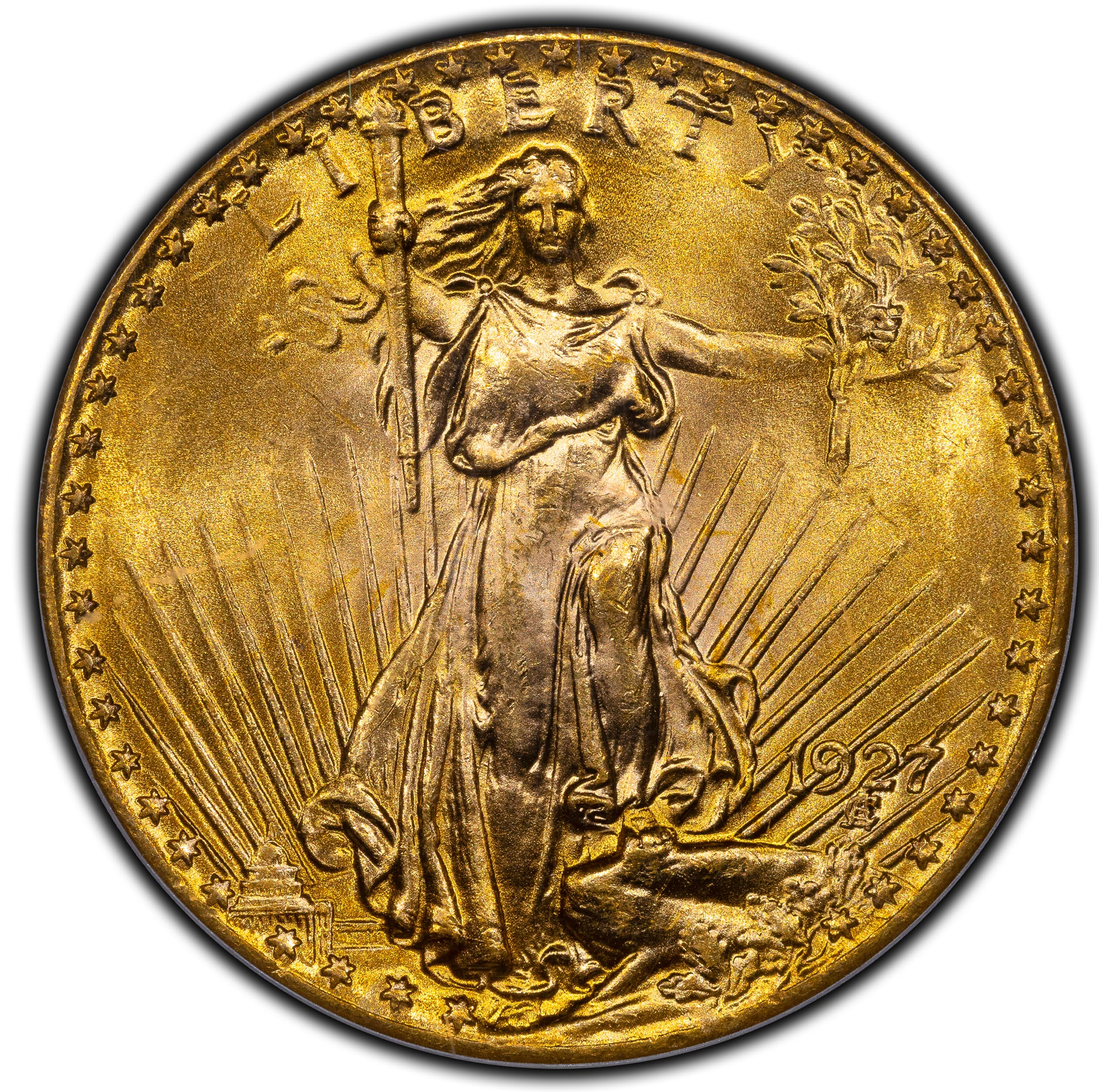
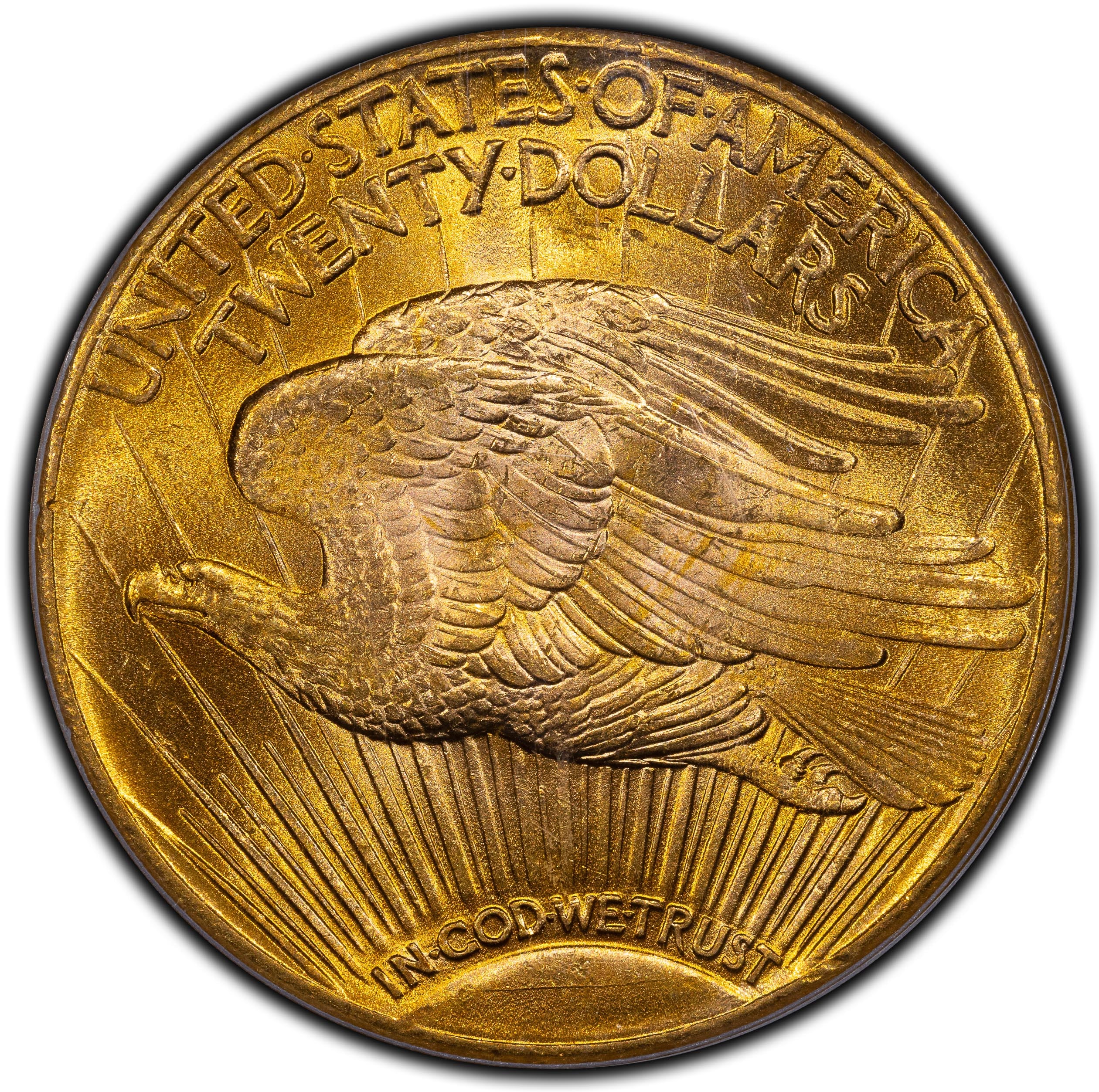
Figure 1 - A Common Date Saint can draw the attention of a collector, but...
.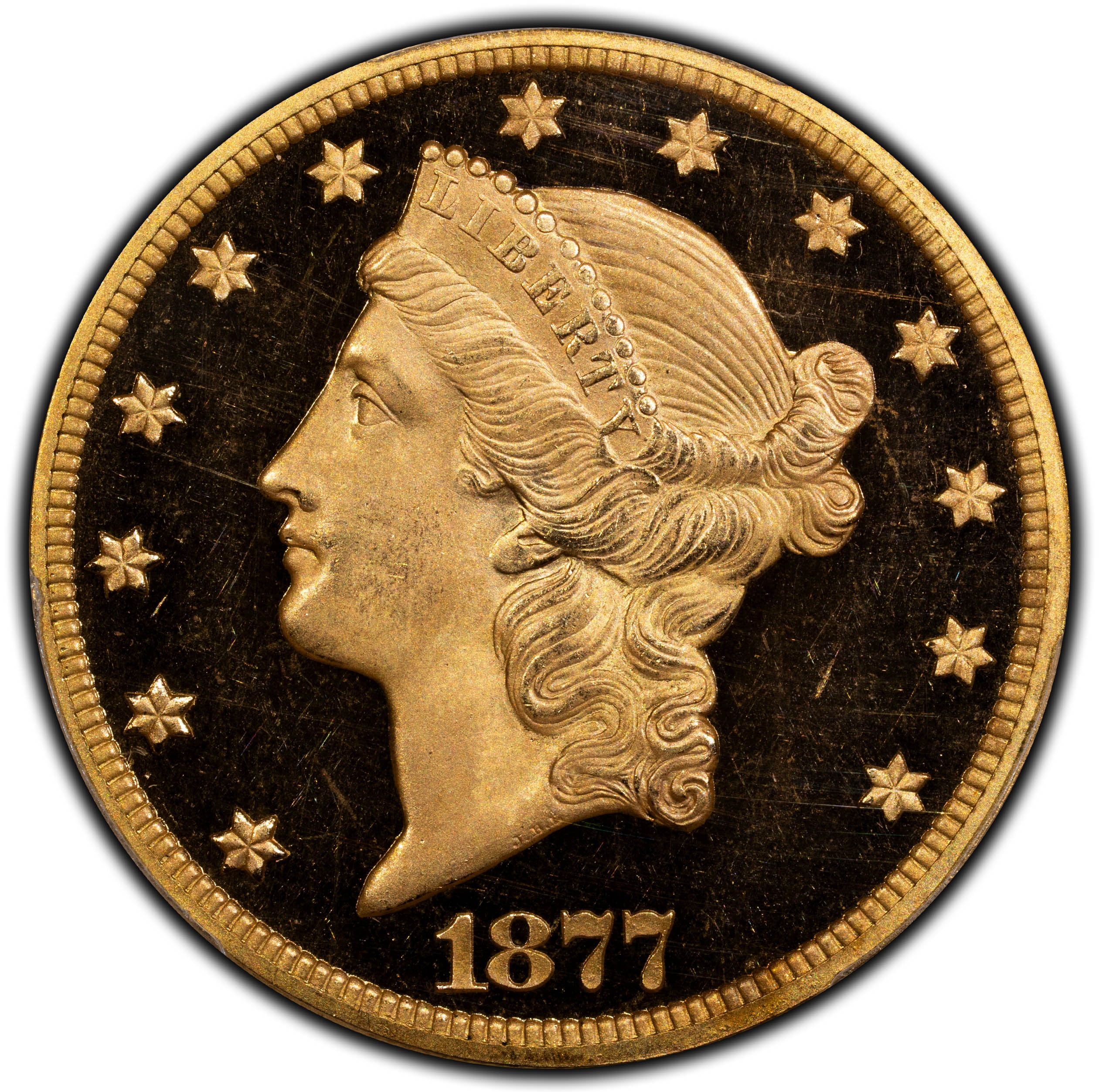
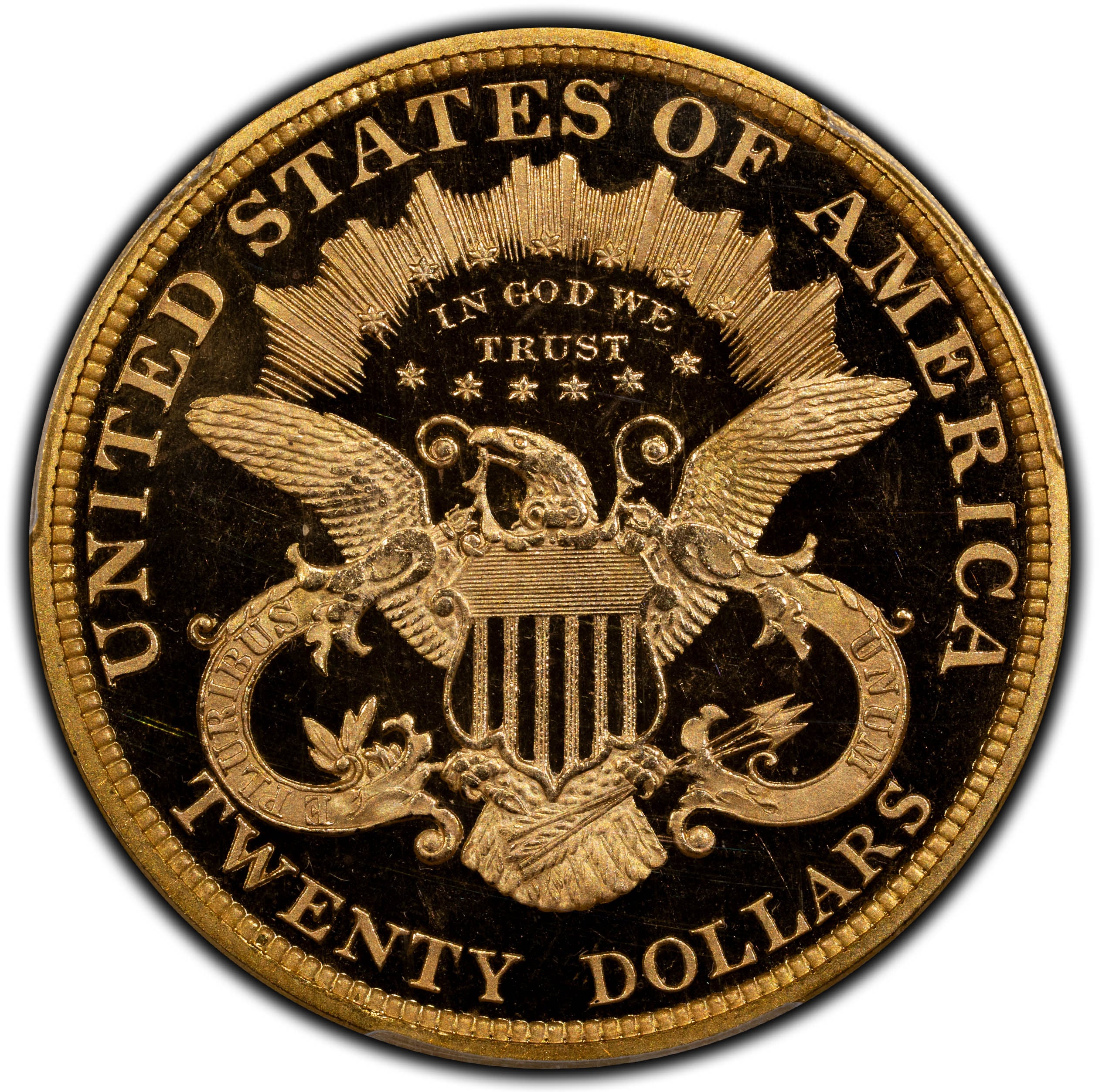
Figure 2 - A DCAM $20 will keep their attention for years.
.
.
Don't believe me - just ask yourself - which of the two coins did you spend the longest looking at? We can do it again here: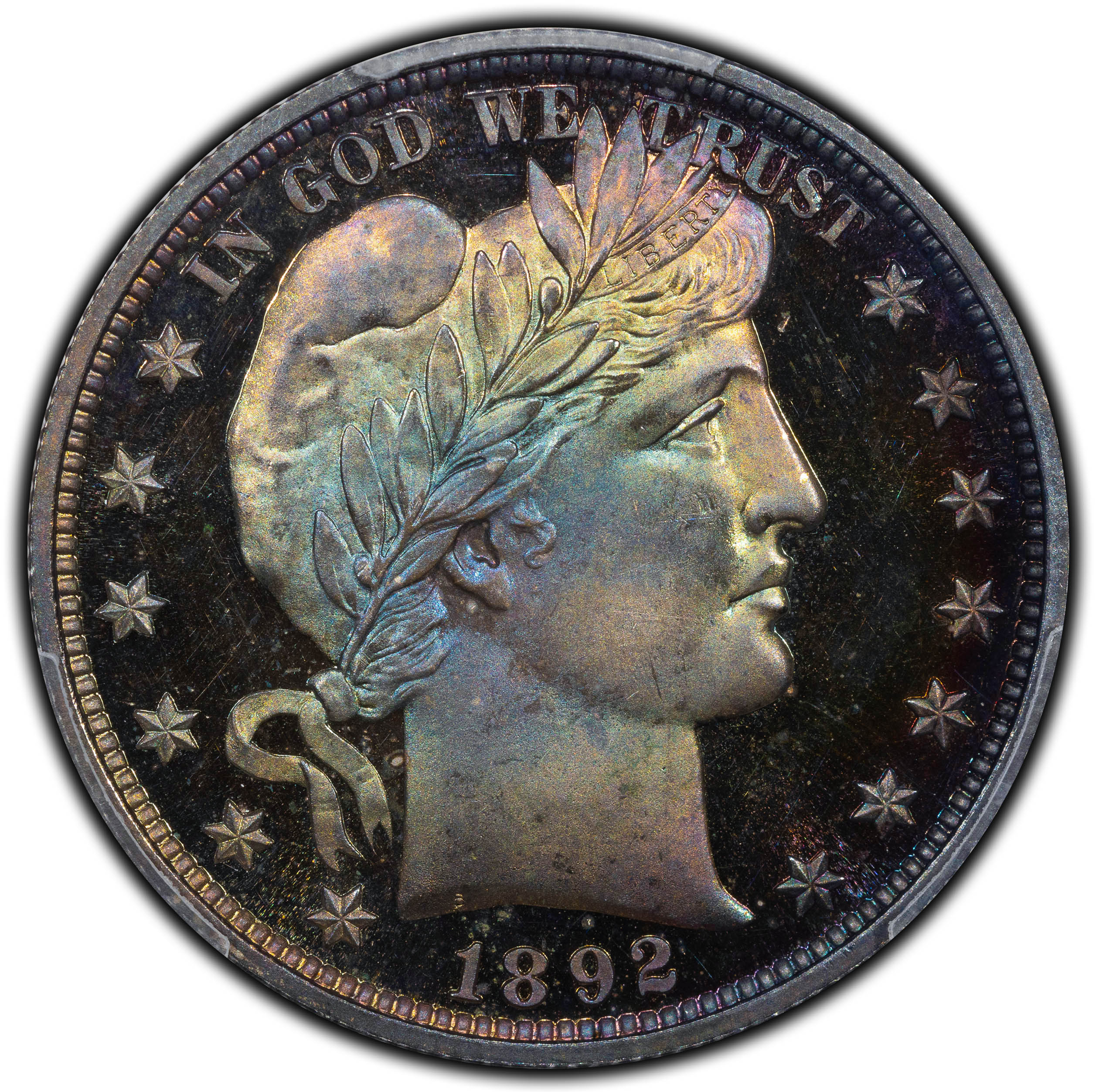
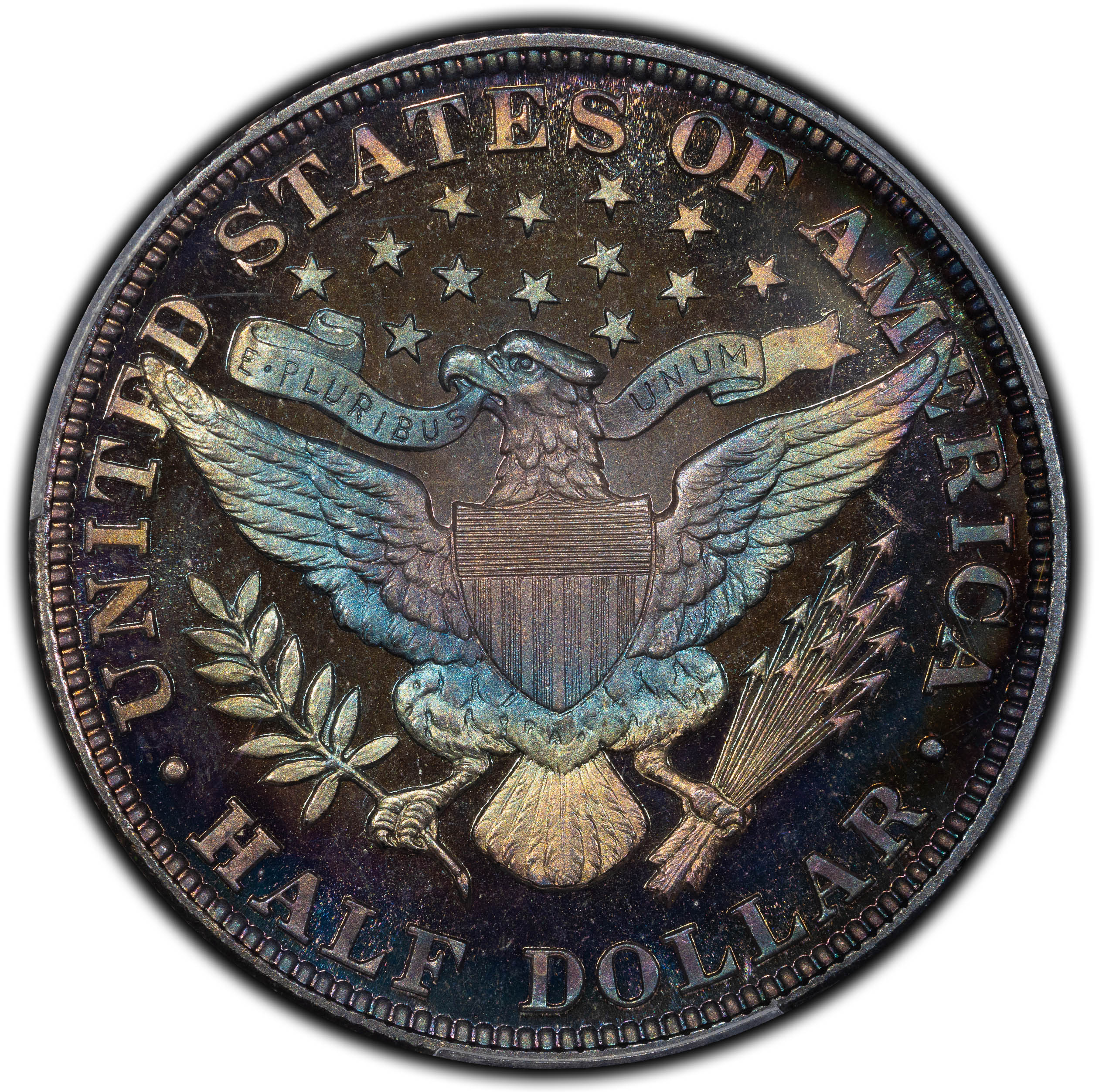
.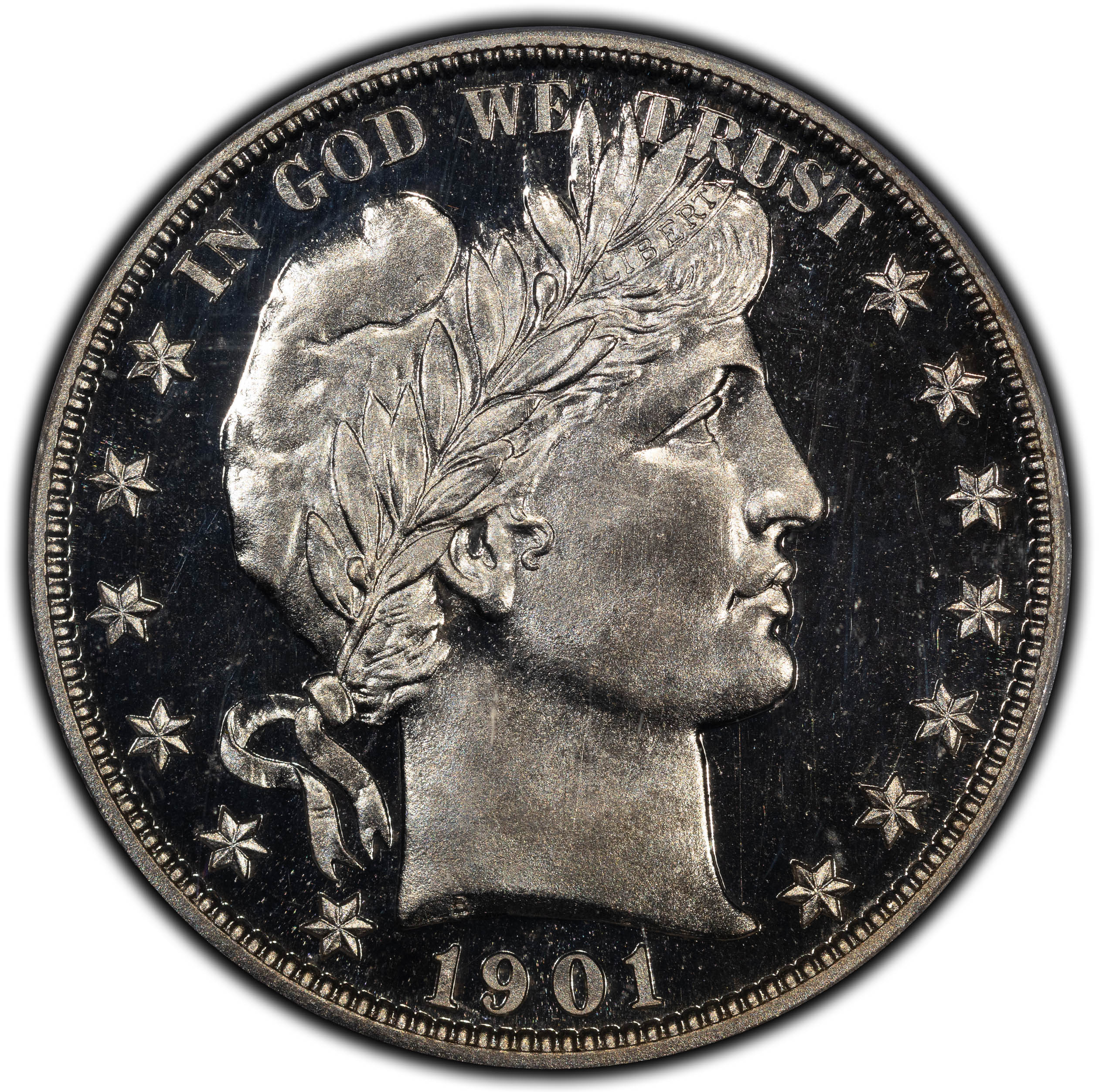
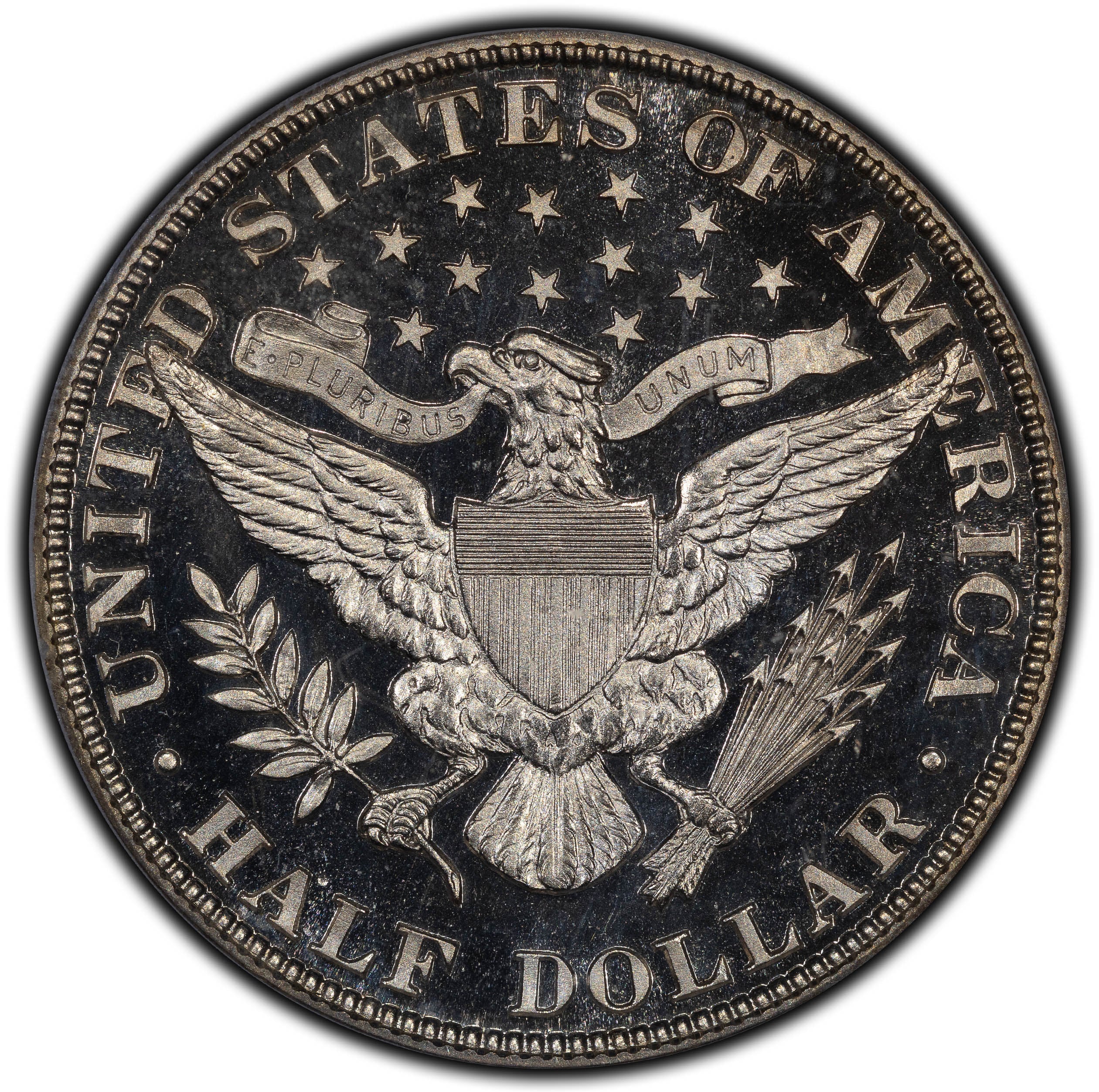
.
.
What makes that second comparison a little different than the first is that the second group of Barbers are objectively attractive coins. Indeed, it strikes to the core of the blast white vs. toned debate. But what makes that first coin special is that there are no other Barbers like it in the series, whereas there are quite a few CAM 1901s. Special is the goal. And indeed, a non-collector will pick the 1892 almost always when they're side by side.
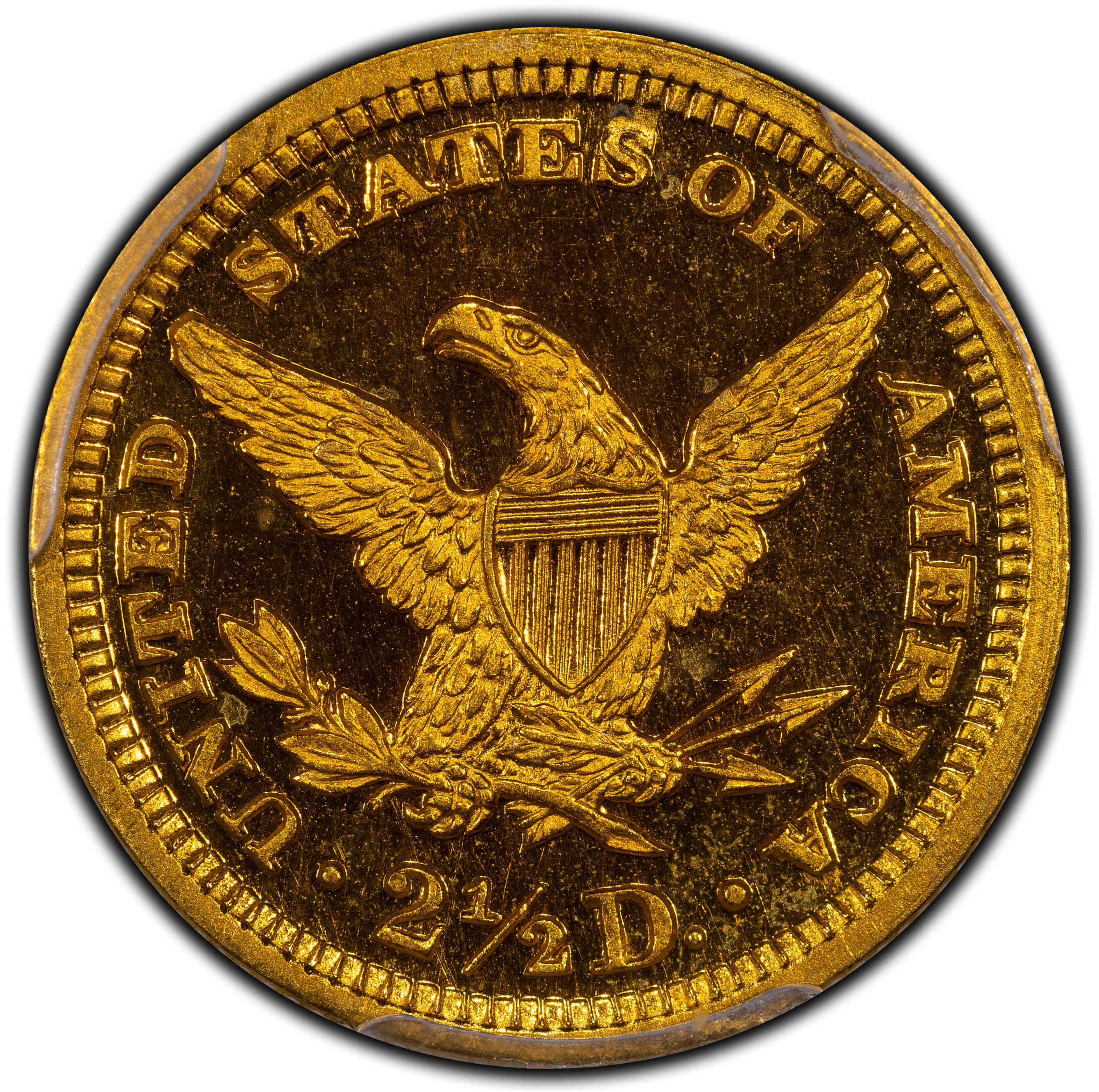
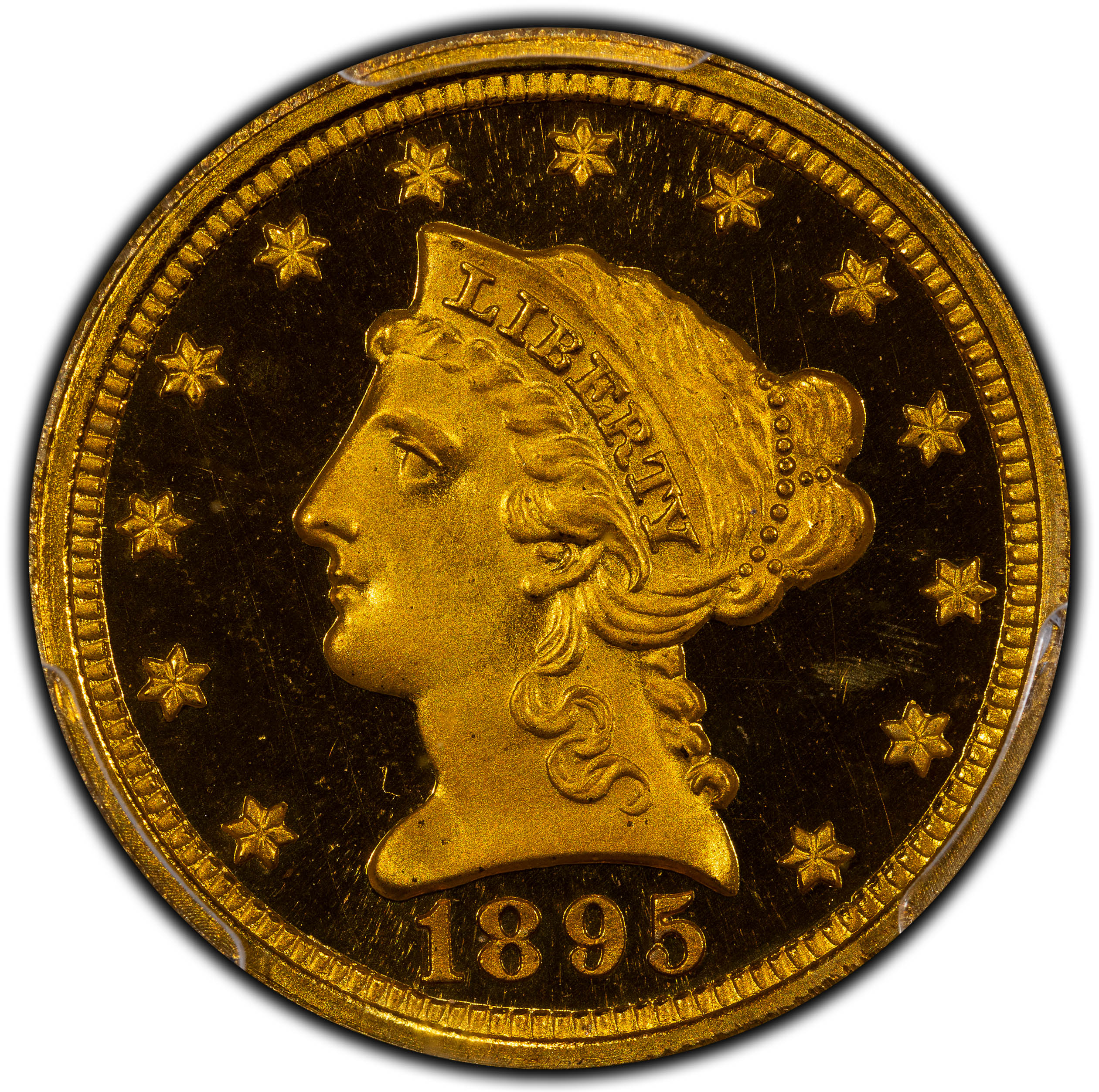
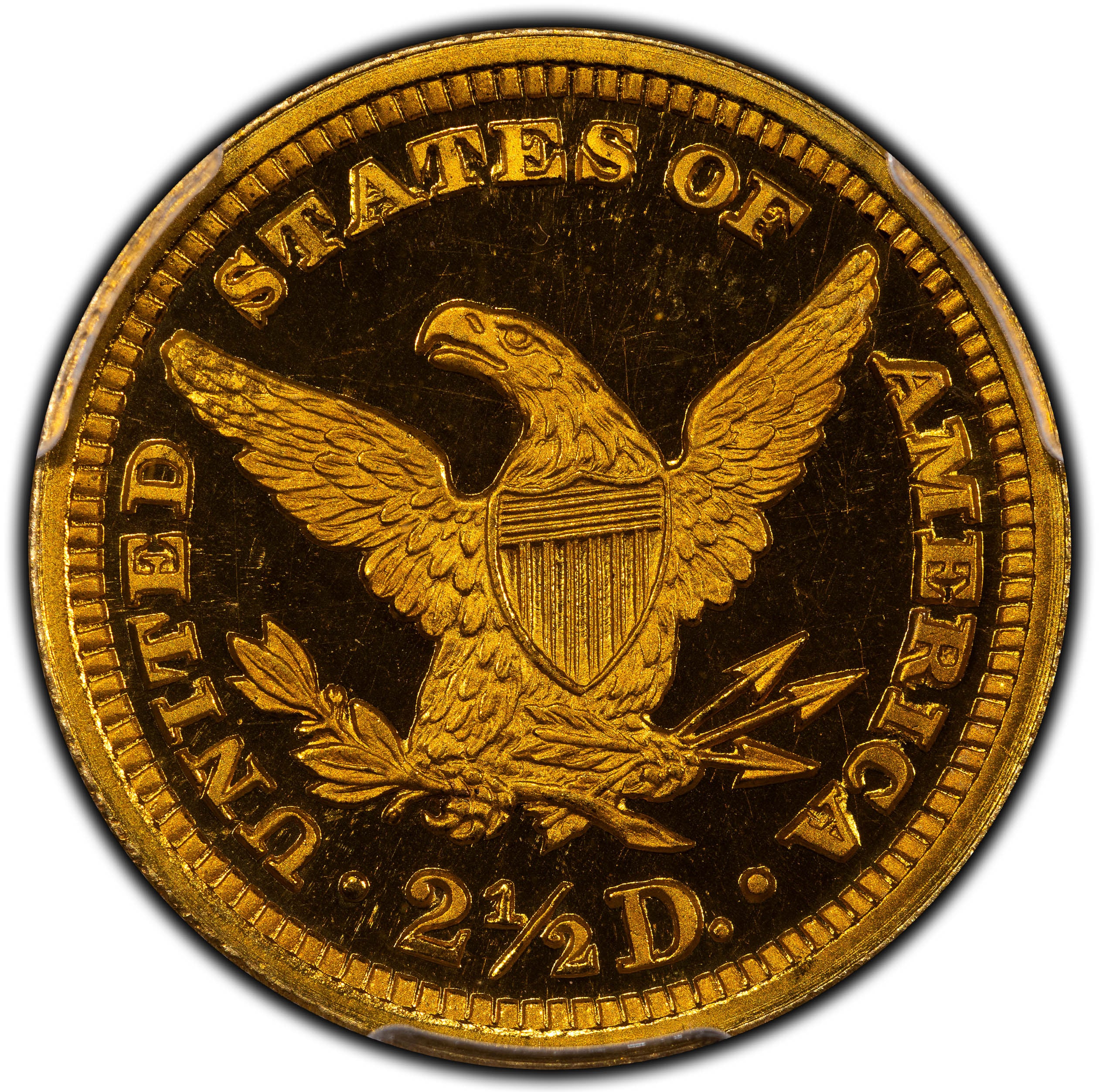
On to the next topic: originality. As far as this goes, I will use originality as it pertains to having original surfaces, or the appearance of such surfaces. What that does for a coin is quite incredible, especially when it comes to Proofs. Proofs retain a mirror quality higher than that of their dipped counterparts, and are inherently much more flashy and often contrasted. The two coins below are separated by a point, and while both have a bean, the difference is immediately apparent. The 1895 has deeper mirrors, stronger contrast, and a touch of orange-red color that just cannot be beat. 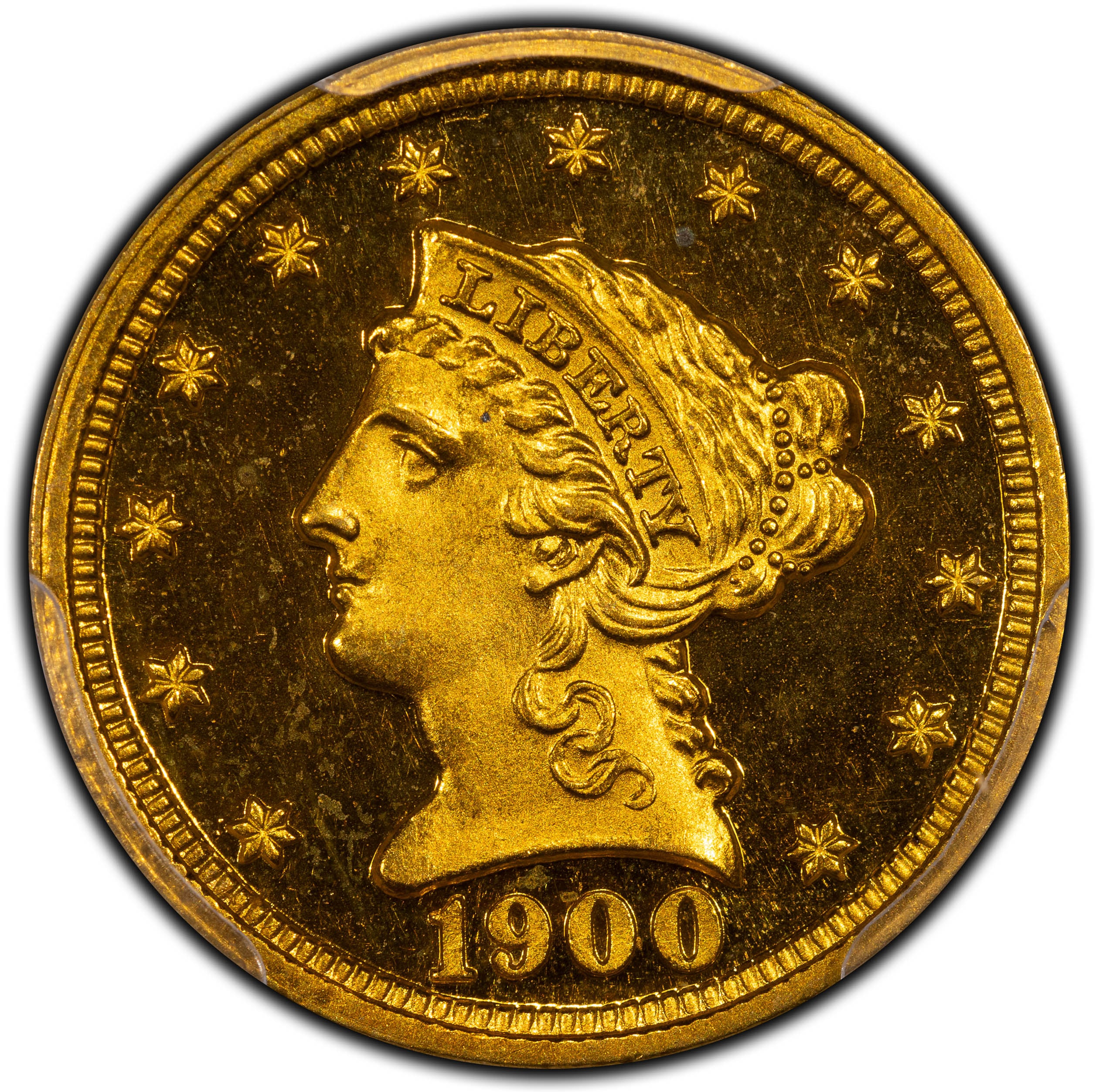
.
.
Figure 3 - notice how the 1895 has deeper mirrors and better color. Overall, it presents as better than the 1900, despite having nearly the same grade. Collectors will pay higher prices for coins that look attractive for their assigned grade.
.
.
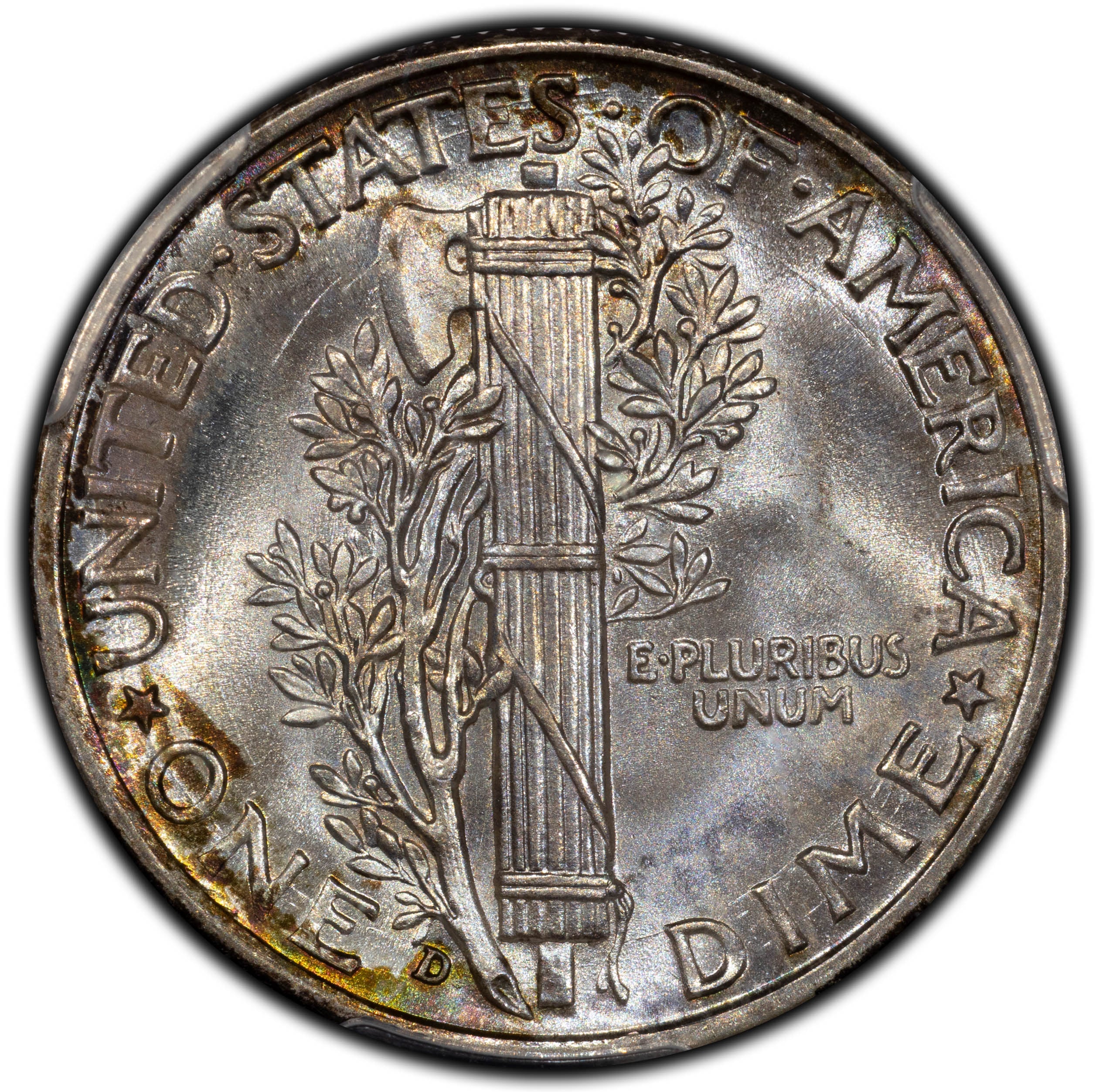
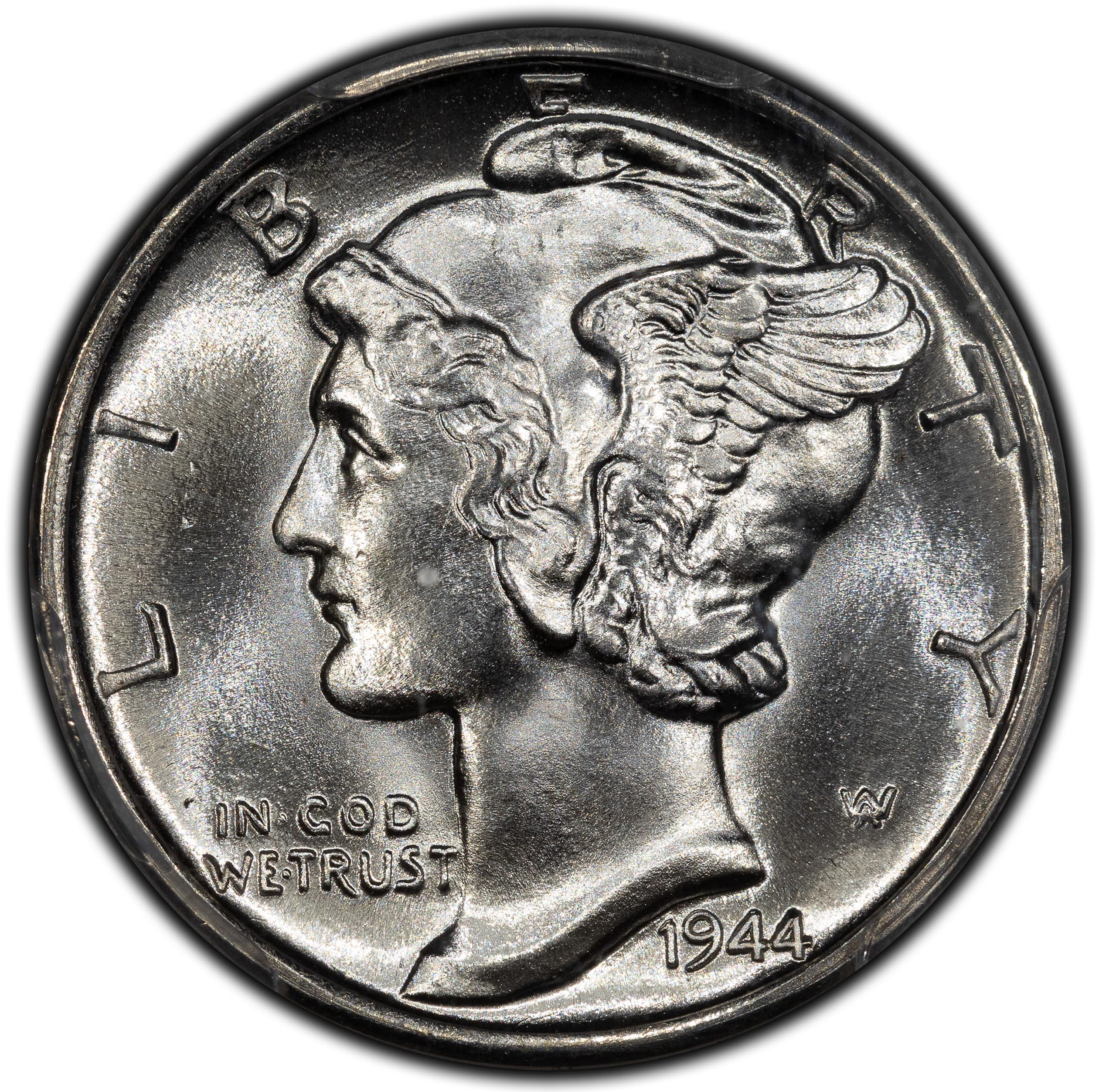
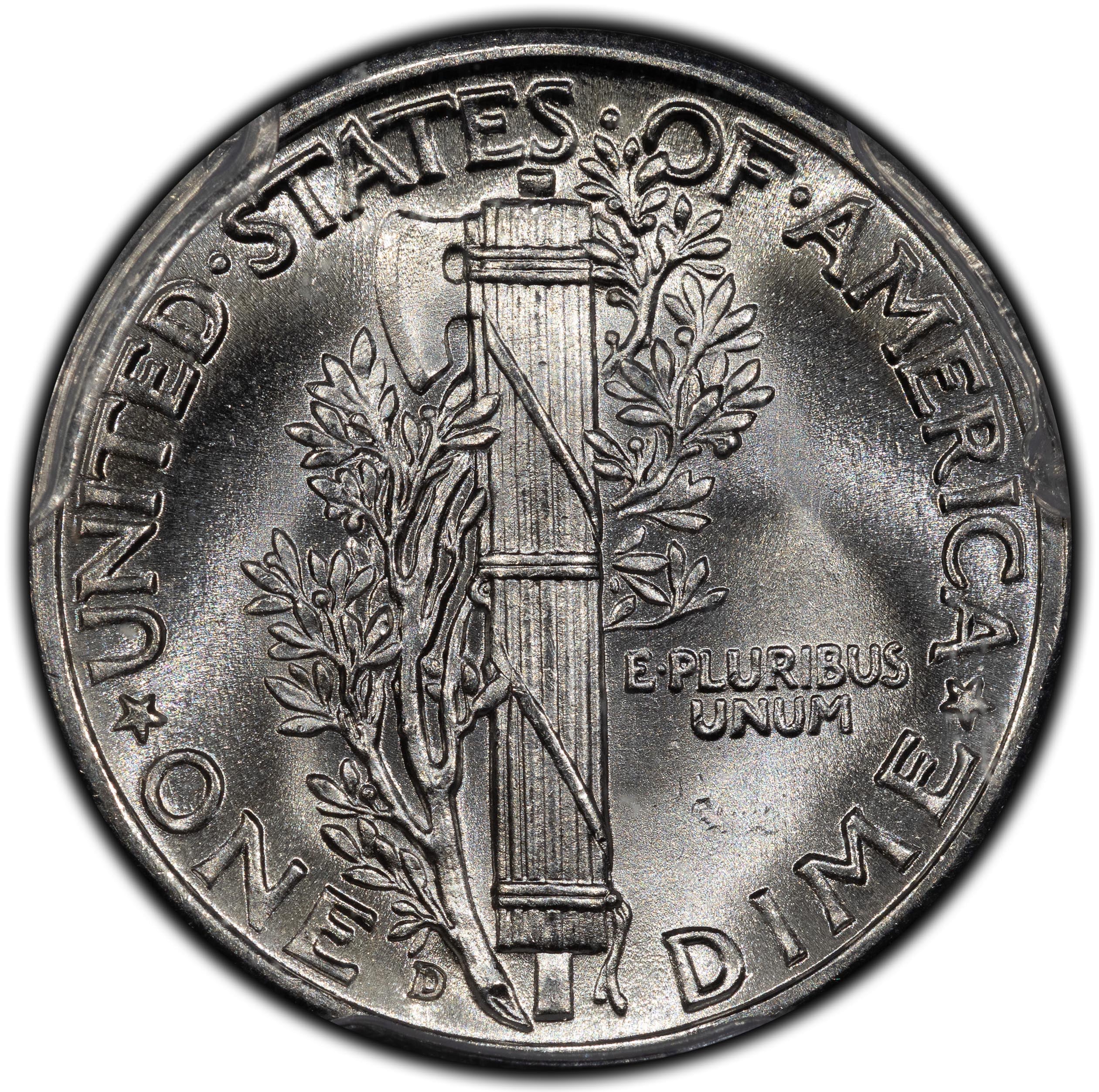
Even in MS coins, this trend maintains its clarity. A commonly loved series is Mercury dimes, and even then the original examples shine through. While both of the below coins are again very attractive in their own right, but the 1944-D is just a little more special - not inherently better - but something that you will remember. I've imaged hundreds of blast white Mercuries, and have forgotten them all. I have yet to forget this 1944-D. 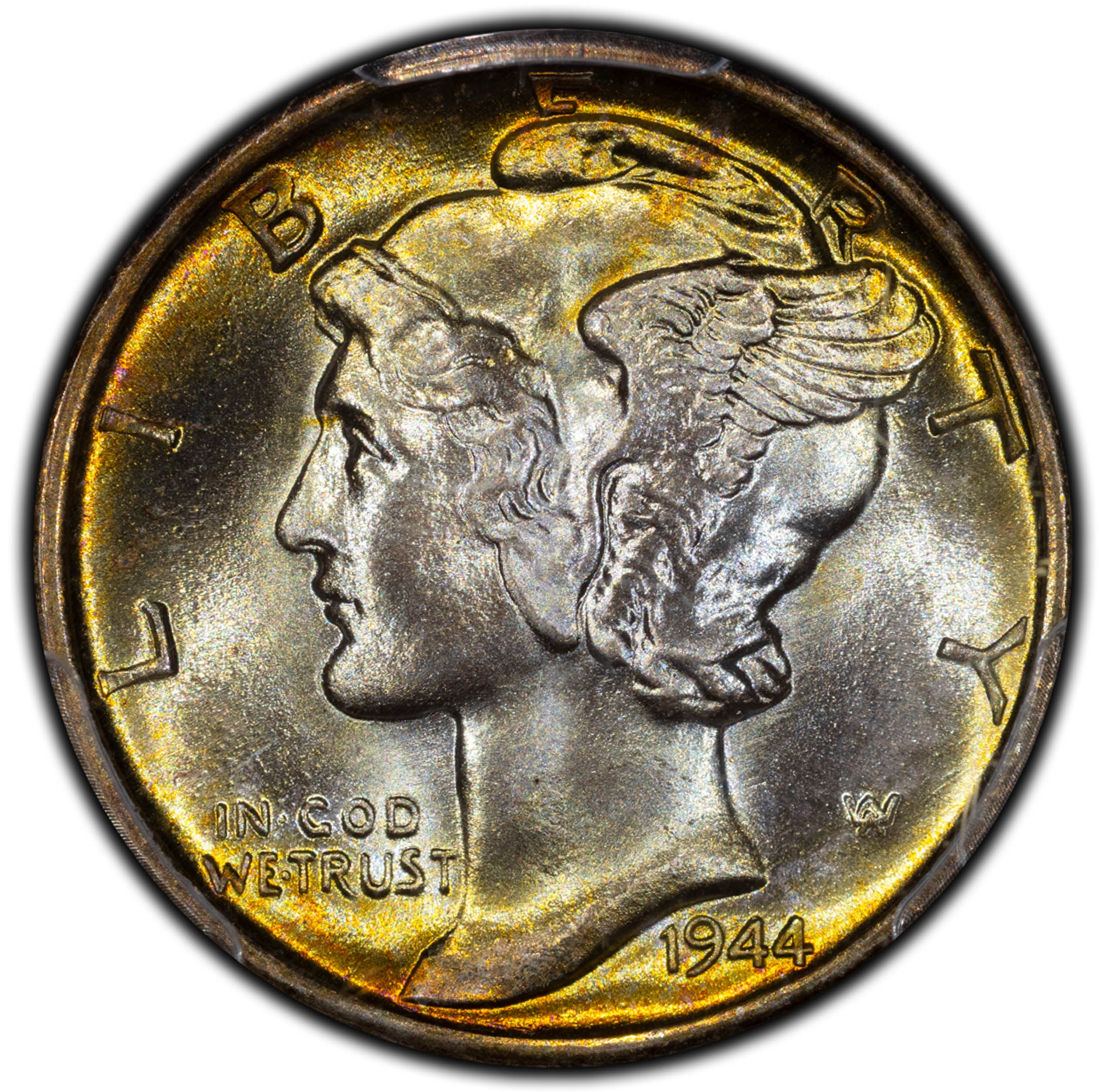
.
.
Figure 4 - Color, and overall eye appeal due to originality push the collector towards the 1944-D.
.
.
Next category - history. A special coin needs a special history, some kind of story behind it. Some coins tie into war dates, others have a unique mint story behind them (1870-S $3), or have a connection to a historical figure. Take for example the below 1942-P Type 2 5c in Proof. A common coin, but perhaps one of the most popular Jefferson nickels ever struck. Why? It's a one year type struck in a different alloy for the WWII effort, and has a visible reminder of that history. It's the same reason a 1943 cent is unique among Lincolns, in that it stands out. A special history tied to a coin can make the coin itself special. 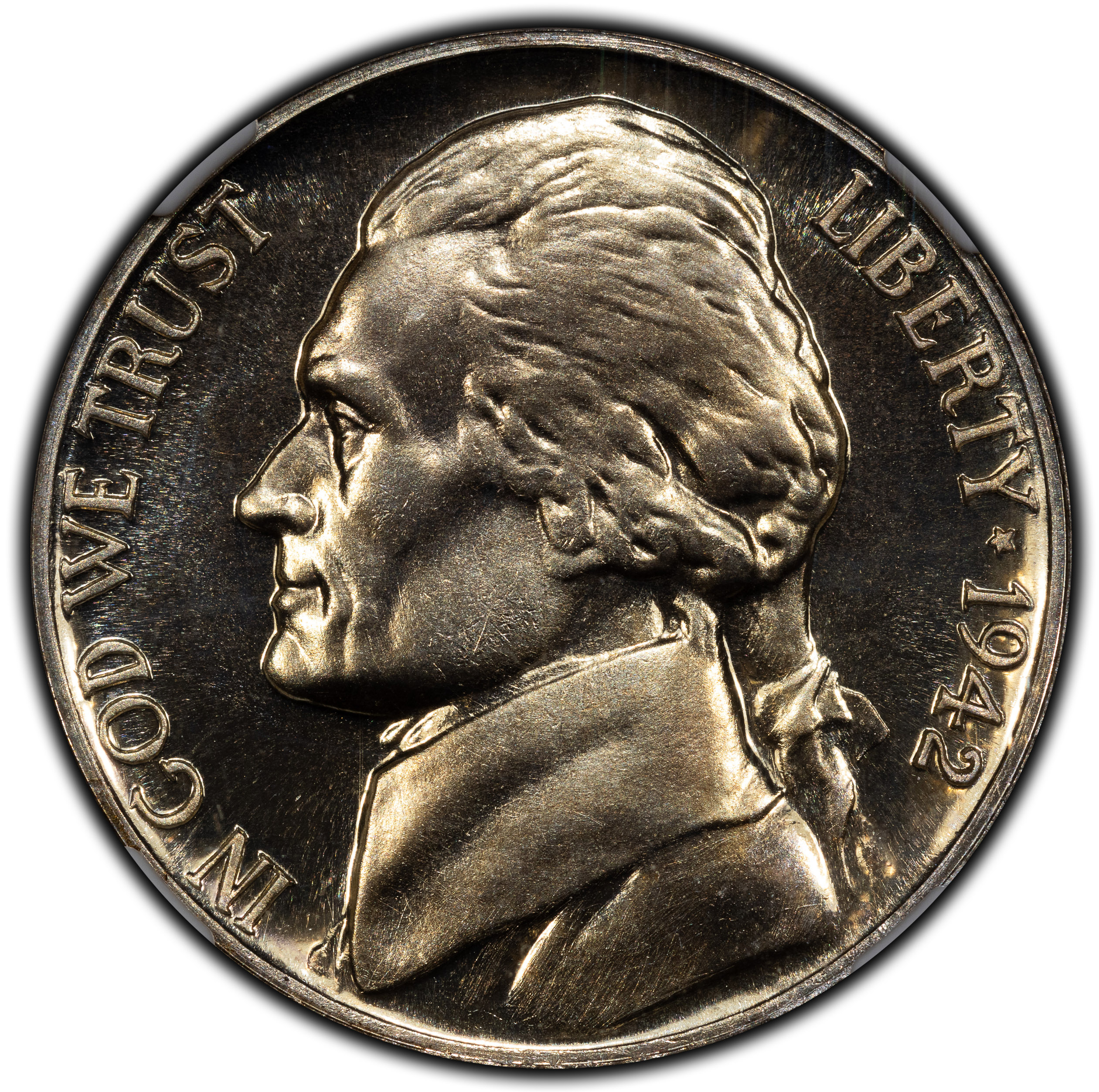
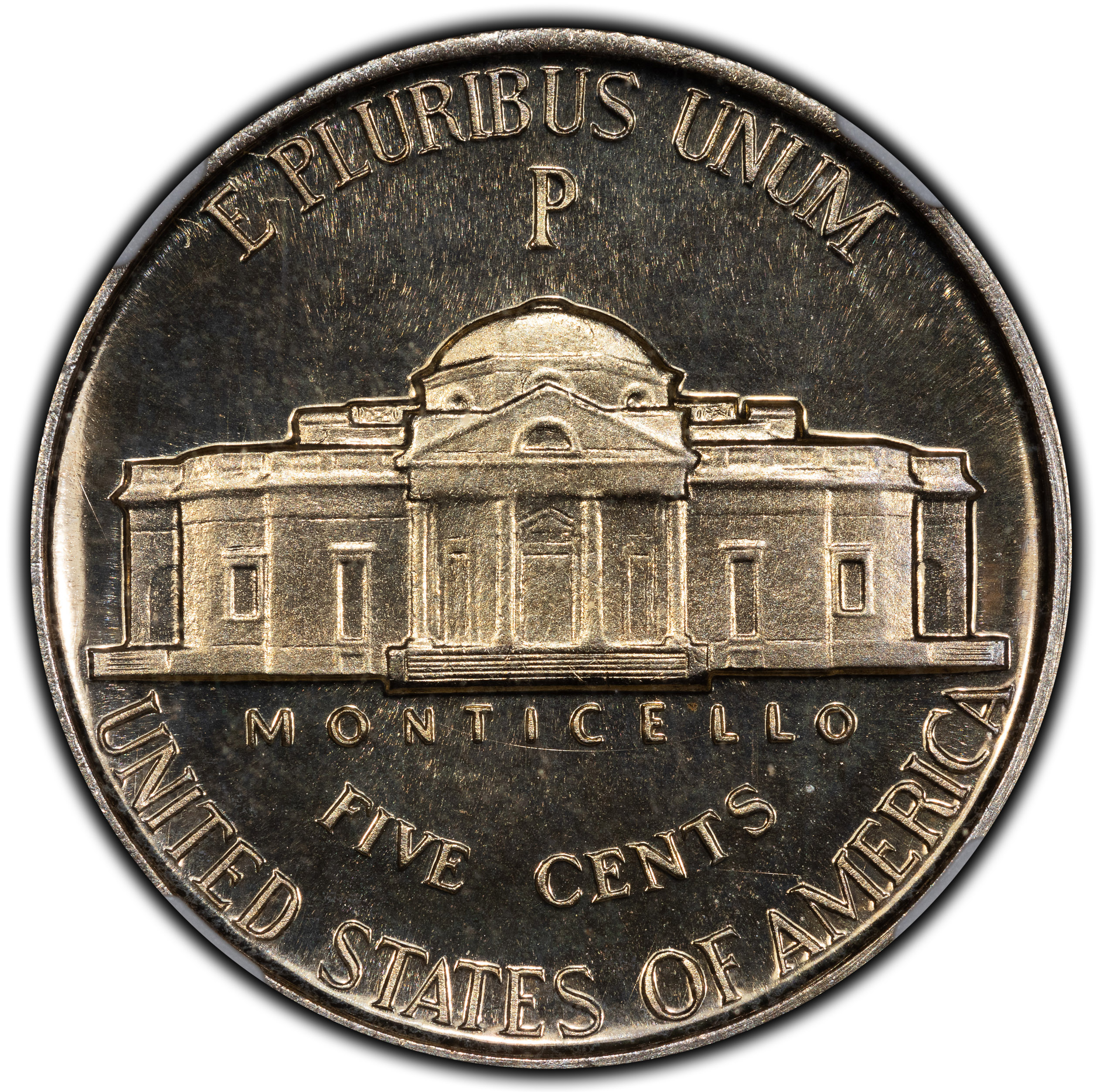
Figure 7 - a 1942-P war nickel draws collectors in due to its history.
Rarity - the rarer a coin is, the more desirable it can be. There are two types of rarity I will discuss here - condition rarities and true rarities. If you find a coin that has both, you're in luck. There's not much to discuss here - it just depends on how many of a coin there are. A 1909-S VDB Lincoln is cool, but a 1909 VDB Matte Proof is special.
Condition rarity - a coin that is rare in its condition. I'd say R7 or so will get you into condition rarity status. Often you see these in PR/MS68 grades.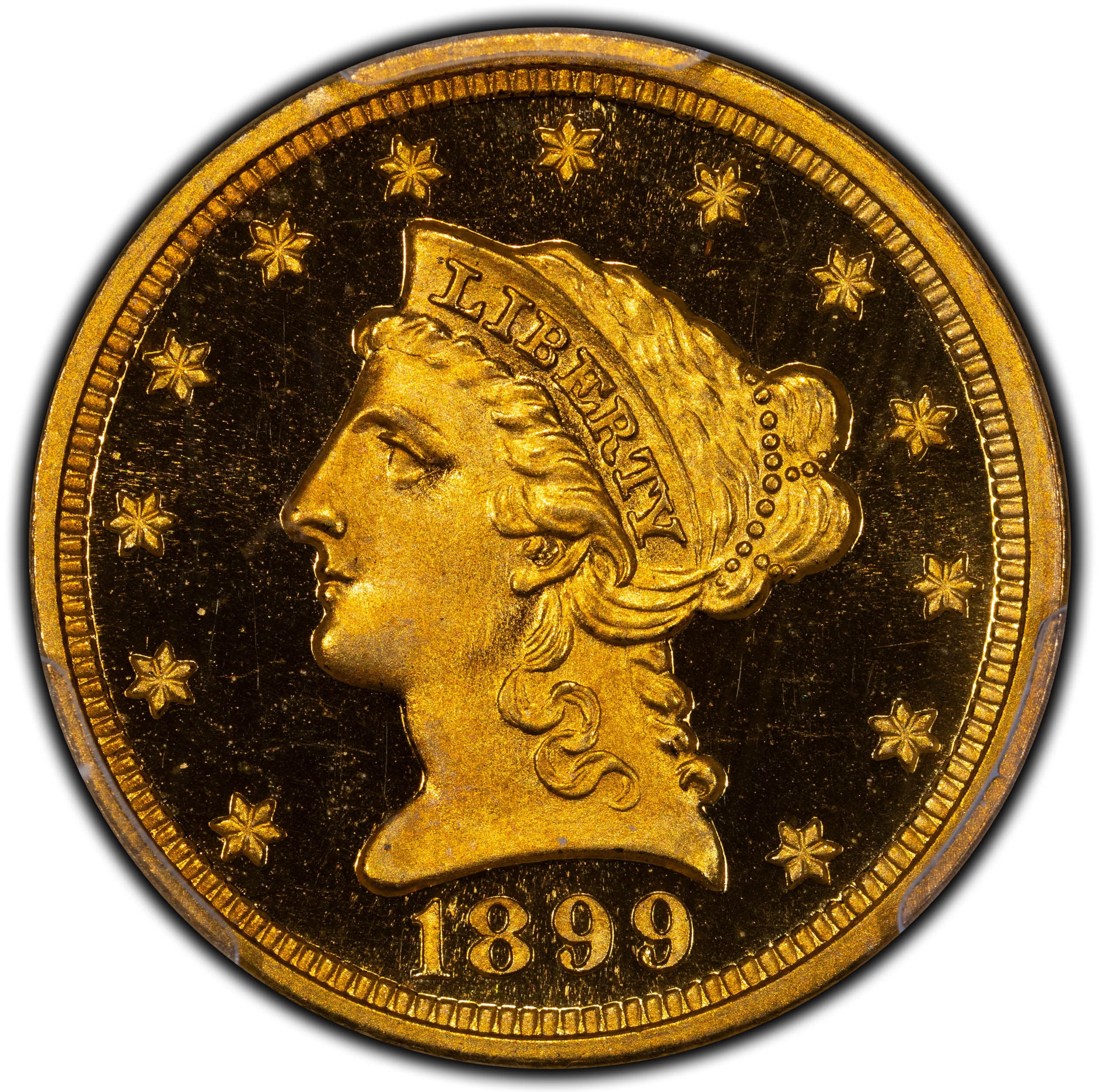
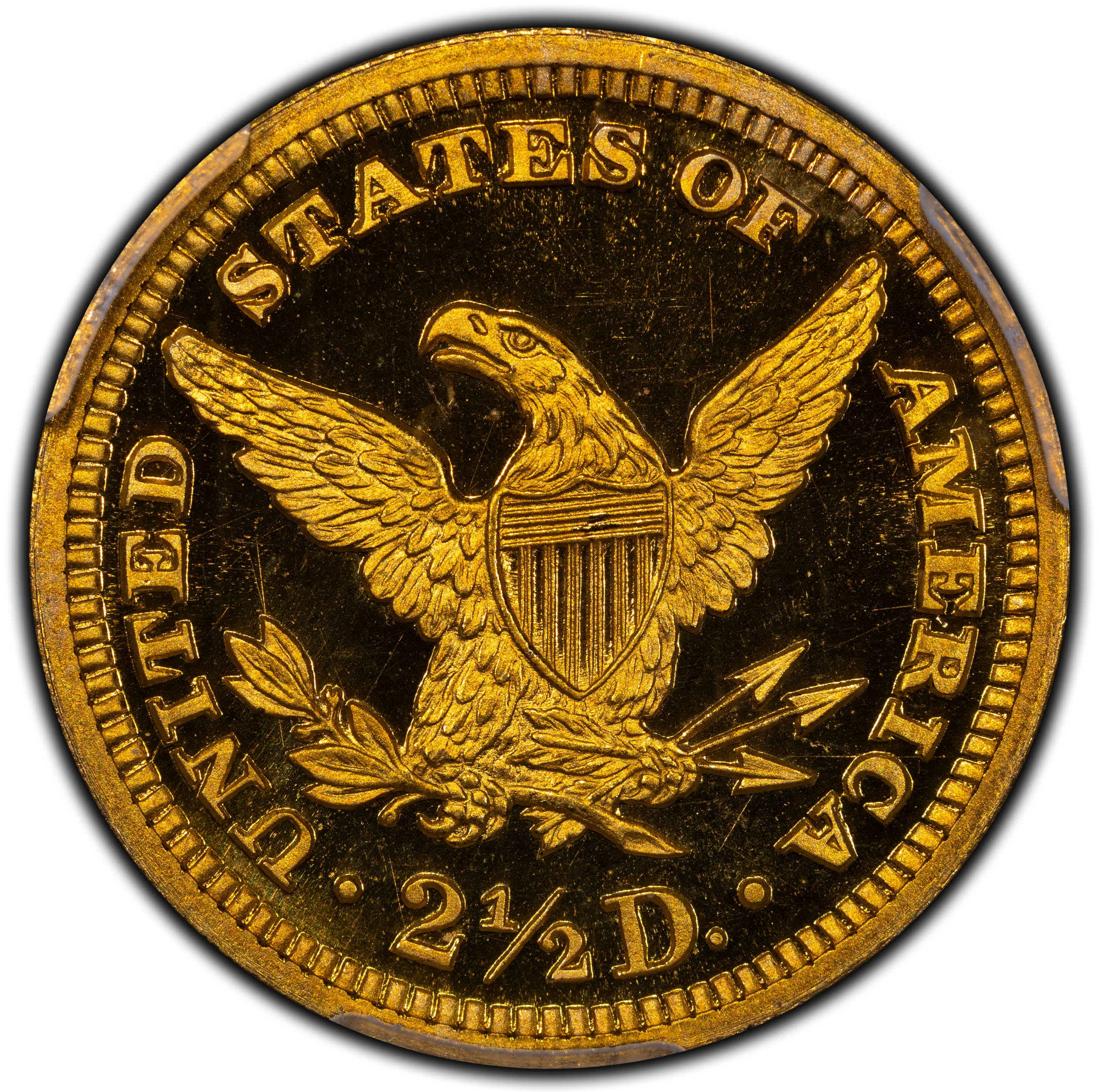
Figure 6 - a 1899 $2.5 in PR68+DCAM. R7 for the grade.
.
.
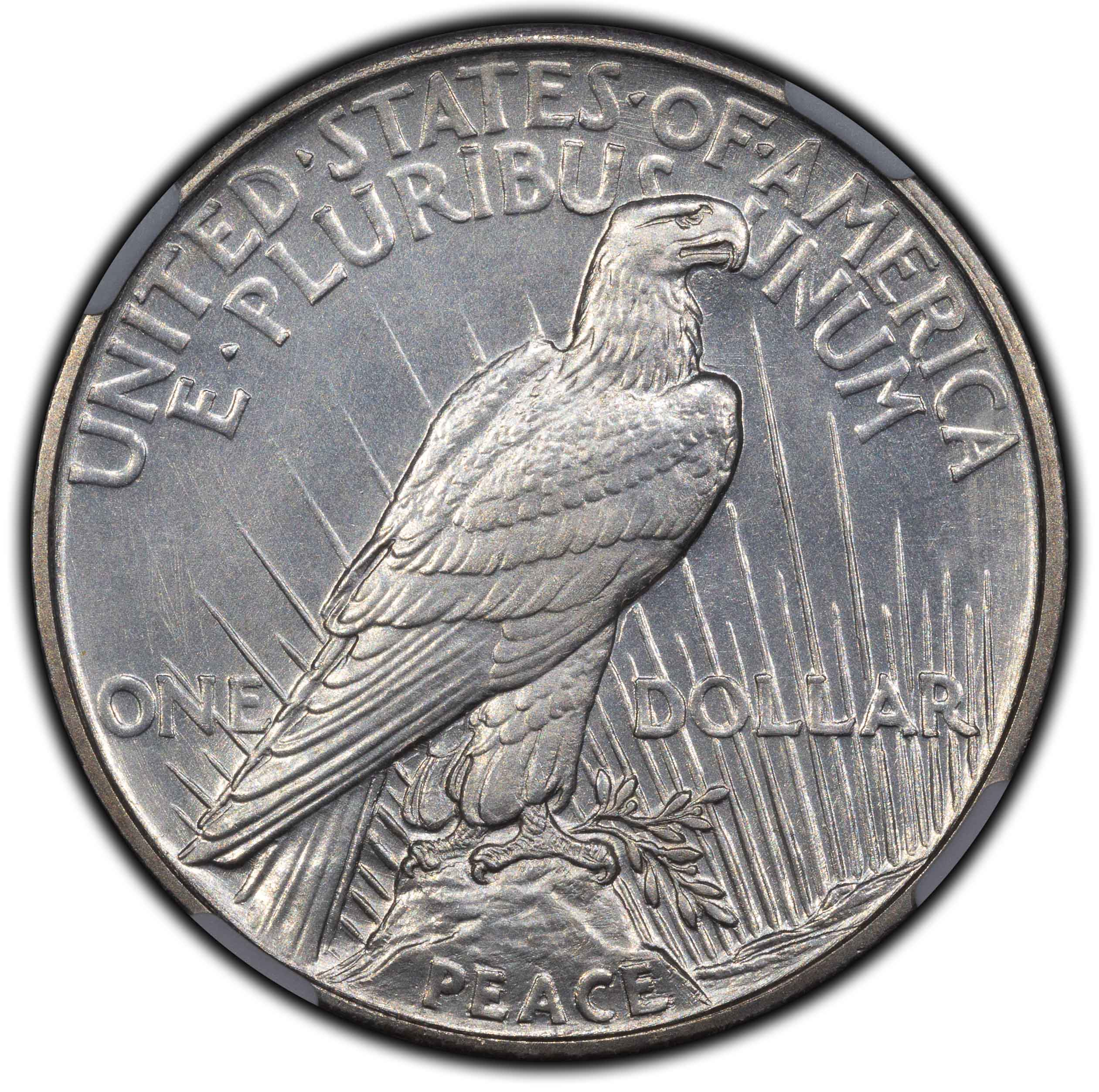
True rarity - a coin that just has very few known. Something like R5 will likely qualify. I've been able to see a couple of Proof 1921 Peace dollars, and they always are quite popular. 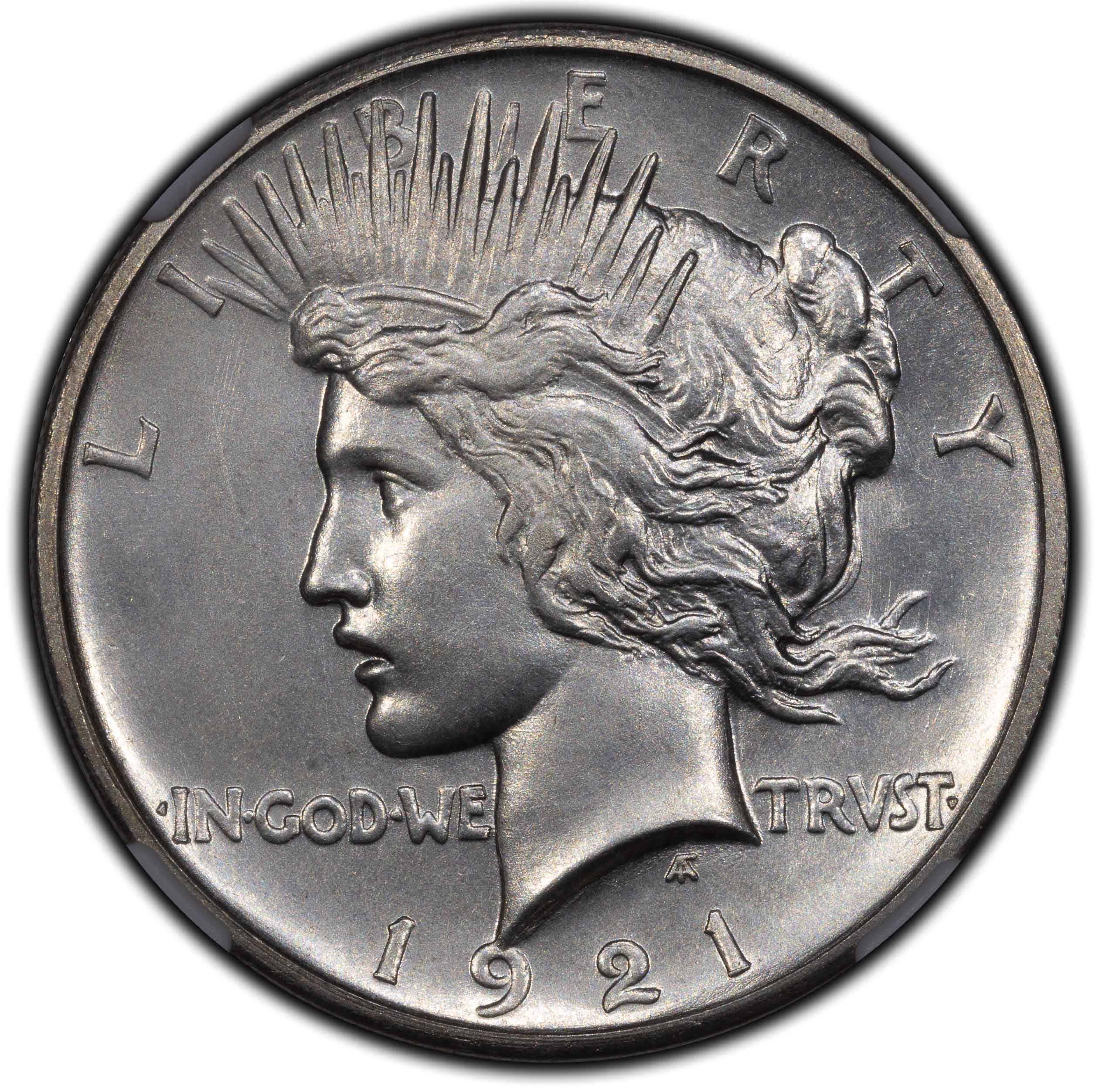
.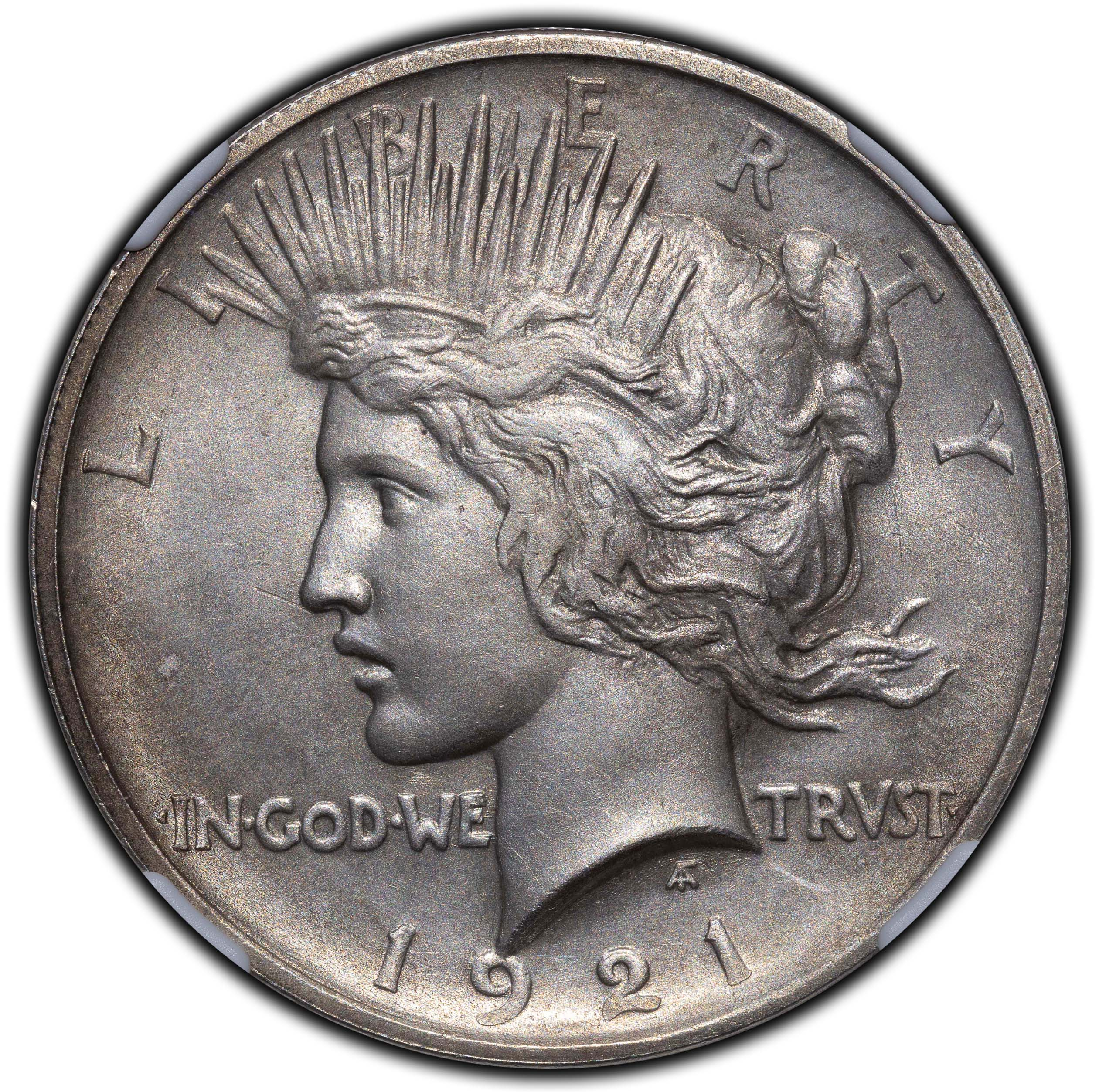
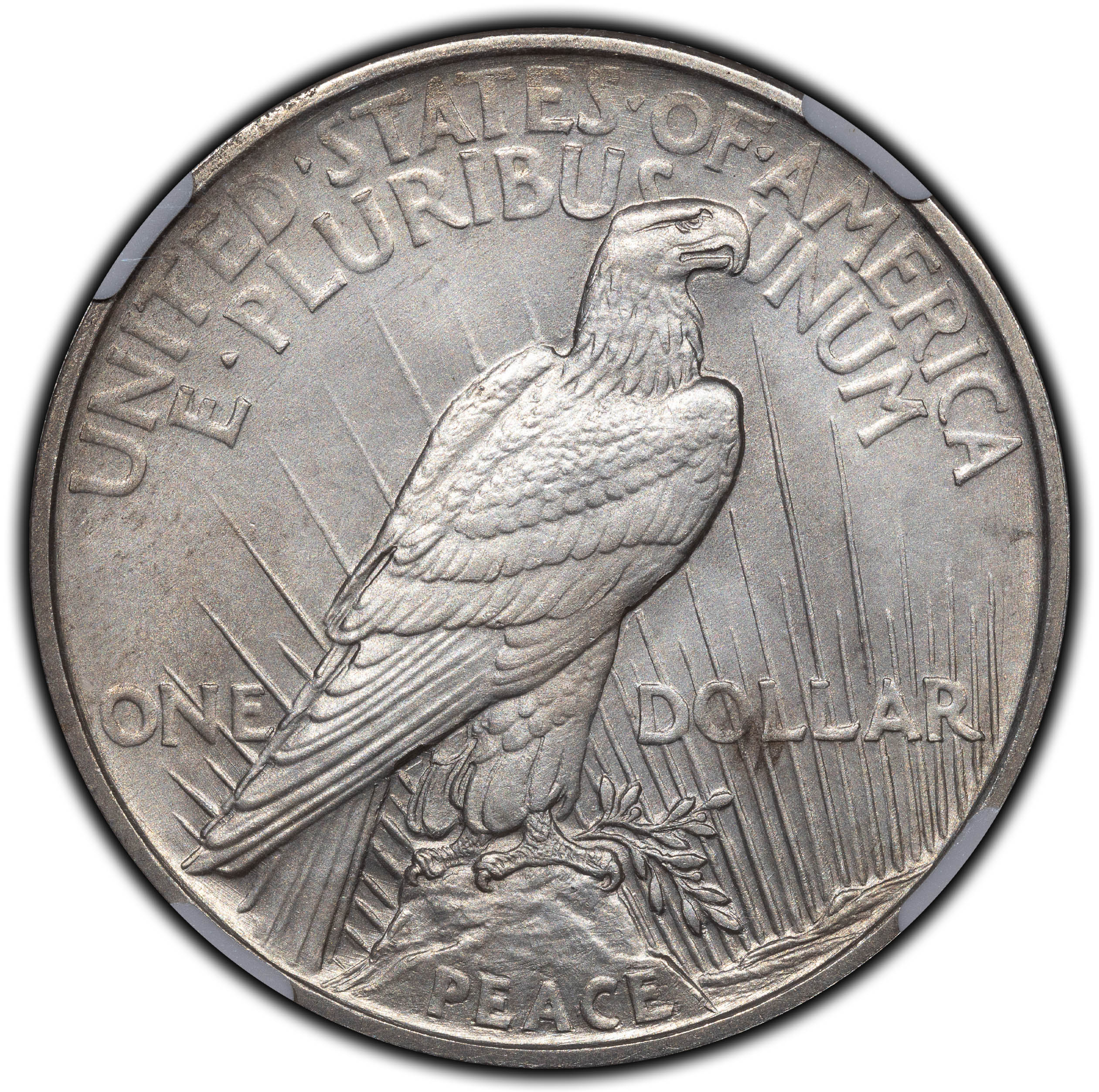
Figure 7 - two 1921 Proof Peace dollars. Estimates vary between R5 to R7+ as a type.
.
.
Provenance - a famous collection can truly add something to a coin. Eliasberg, Clapp, Bass, Norweb, Simpson, Smithsonian - all of which are names commonly associated with excellence in the numismatic world. If a collector is famous for the quality of their coins, those can stand out. Oftentimes the coins will carry the discussion themselves, but the trace to a famous collection always adds a little bit of kick to a coin. Collectors love to talk about their coins, and who may have owned them or spent them over the years. It's one thing to imagine where your collection started, and it's another to know.
For example, take the pair below. OGH CAC holders with the Eliasberg provenance. These coins are really set apart from other top pops of the series because we know where they came from and who has owned them. If you can trace a coin all the way back to the mint, you have an even better story because you have now traced it all the way back to it's origin, perhaps hundreds of years ago. That's special. 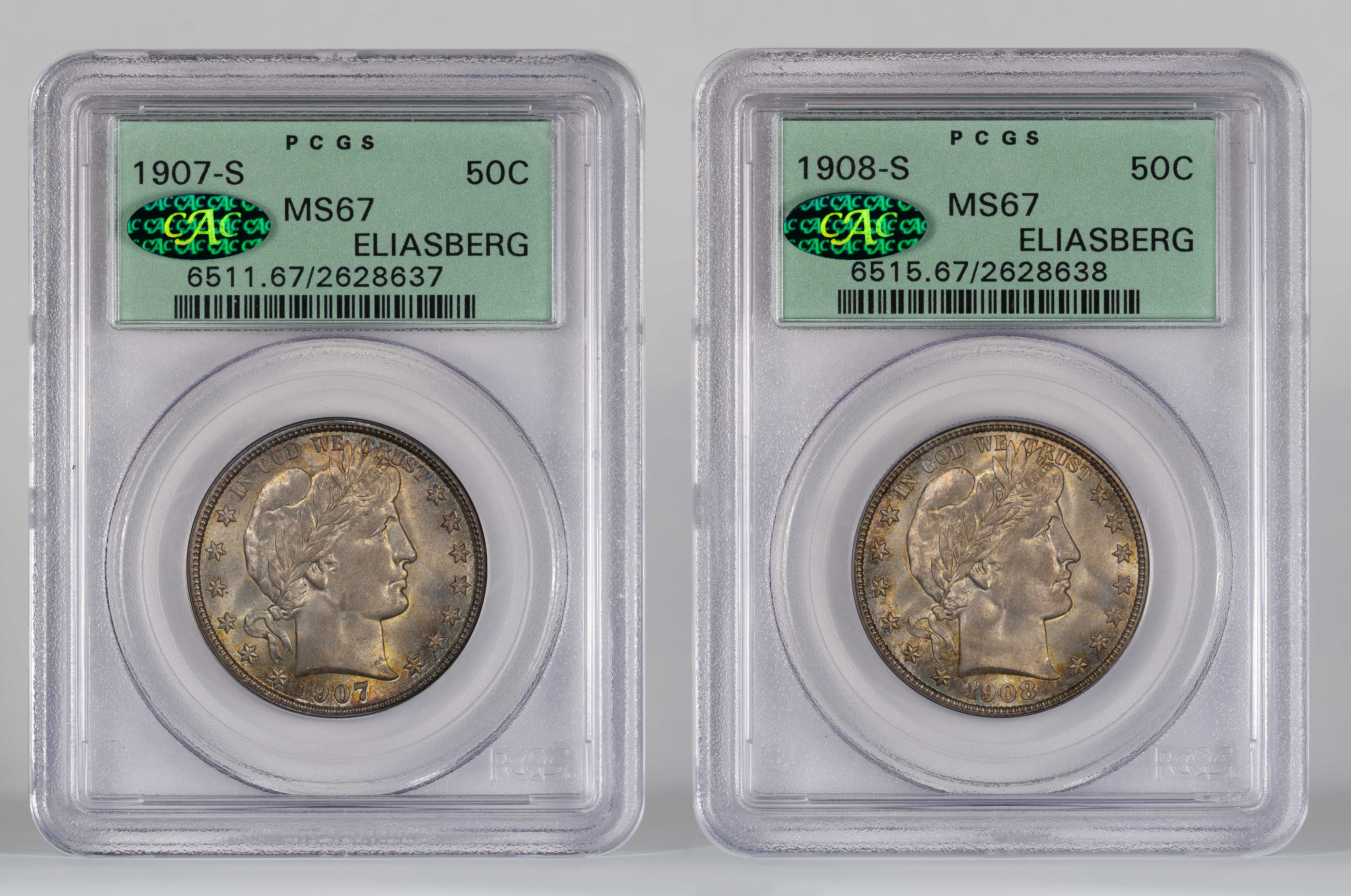
Figure 8 - a pair of top-pop Eliasberg Barbers.
.
.
When you have it all - you might get something like this. Bass/A&A from a very famous $20 set, SP67+ CAC (condition and true rarity), design that will blow any non-collector away, originality, and one heck of a history behind it (Roosevelt and coin design). Something that a collector is very unlikely to forget, and something that can truly be described with the word - special. 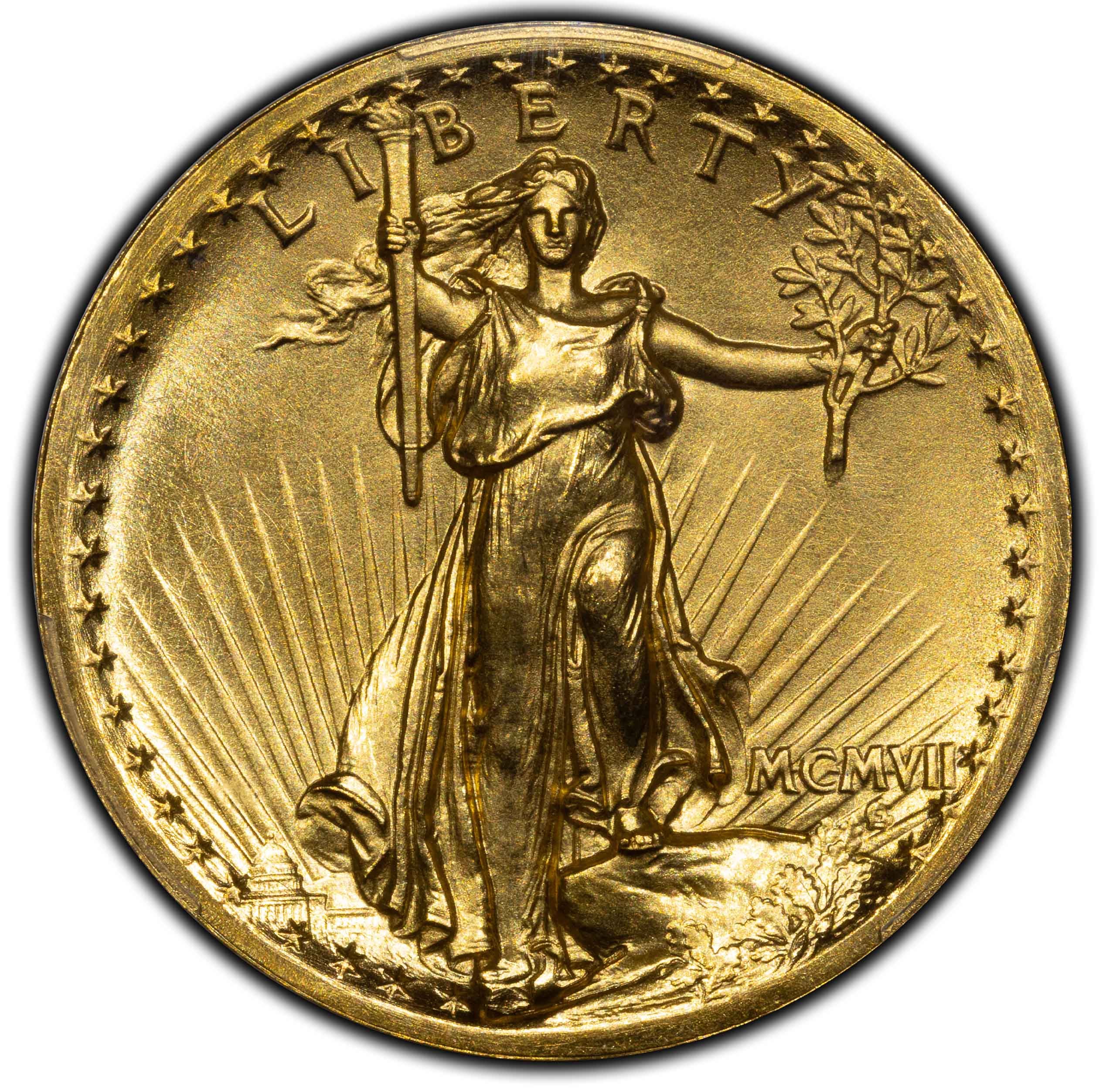
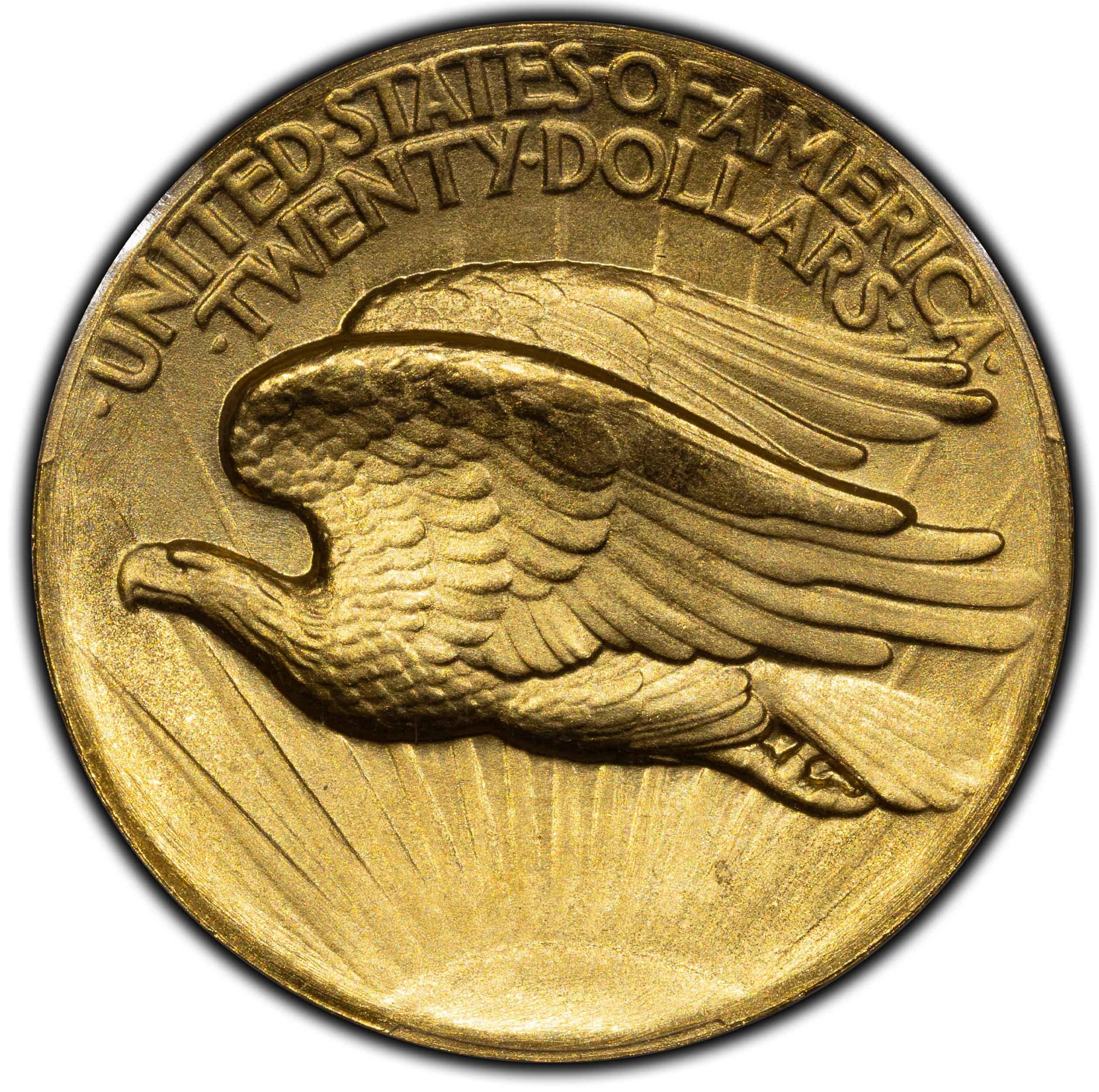
Figure 9 - a special coin.
.
.
The best coins are special, for one reason or another. Some coins are more special than others, but truly special coins will always draw the eye of a seasoned collector. The more special categories a coin has, the more it will draw someone in. No plastic can make a coin special. Only the coin itself can do that.
There's an art to finding special coins. We as collectors should strive to master that art.
Comments
The people behind each coin are makes a coin special.
Otherwise, it's just a metal disk.
@FlyingAl Sadly, I really don't have anything that would qualify, some of great sentimental value, some that many others have, but I applaud your effort none the less. It is discouraging to see some of the negative back and forth on what should be a common ground, shared space, with information and opinion, within reason, that would interest or benefit all.
Great post. I’ve only been collecting for a bit less than two years, so I’m just learning the difference between shit and Shinola as they say. And this… This is the kind of post I’m here for.
But yes, I’m learning that in the shallow end of the pool, in which I swim, the same idea applies. For example, these are both two of my most inexpensive coins, but they’re also two of my faves.
Newbie collector of type and circulated Peace dollars, photographer of places and animals, player of instruments and builder of amplifiers, espresso industry professional, and a person distracted by shiny objects. https://mycollect.com/Rule556/sets
In the spirit of my last post, I'm curious, what makes the 1942 P nickel different from the other war years nickels and a one year type?
Excellent post that should give everyone something to consider.
Mostly my mistake - I was thinking of the Proofs (for which it is a one year type). Forgot to clarify that in the OP.
Coin Photography
This is what makes this type of discussion valuable. It led me to dig deeper and learn production of proof coins was suspended after the 1942, until 1950 to focus on military medals and production to meet higher circulation coin demands. I hadn't realized that there was that kind of gap.
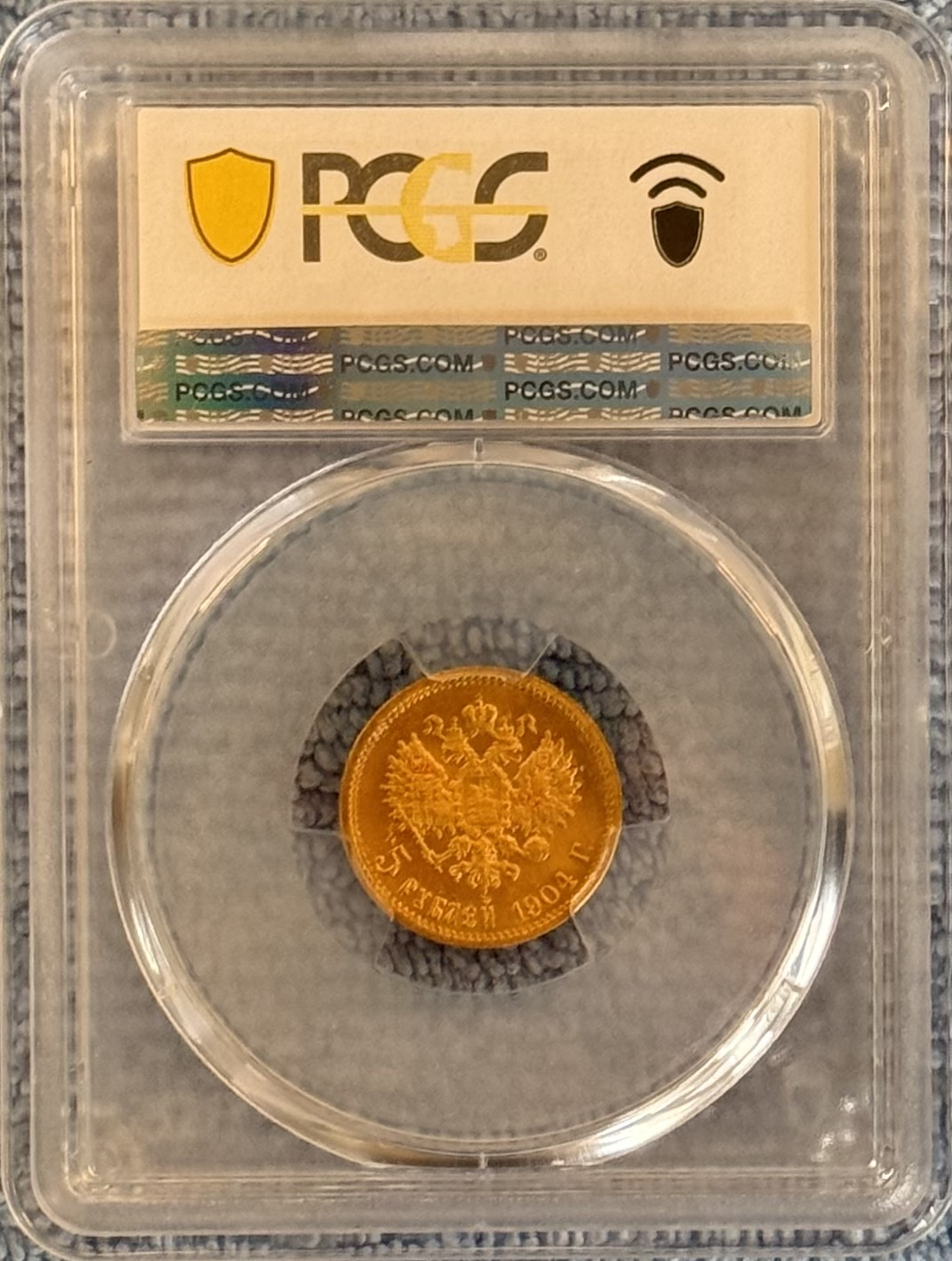
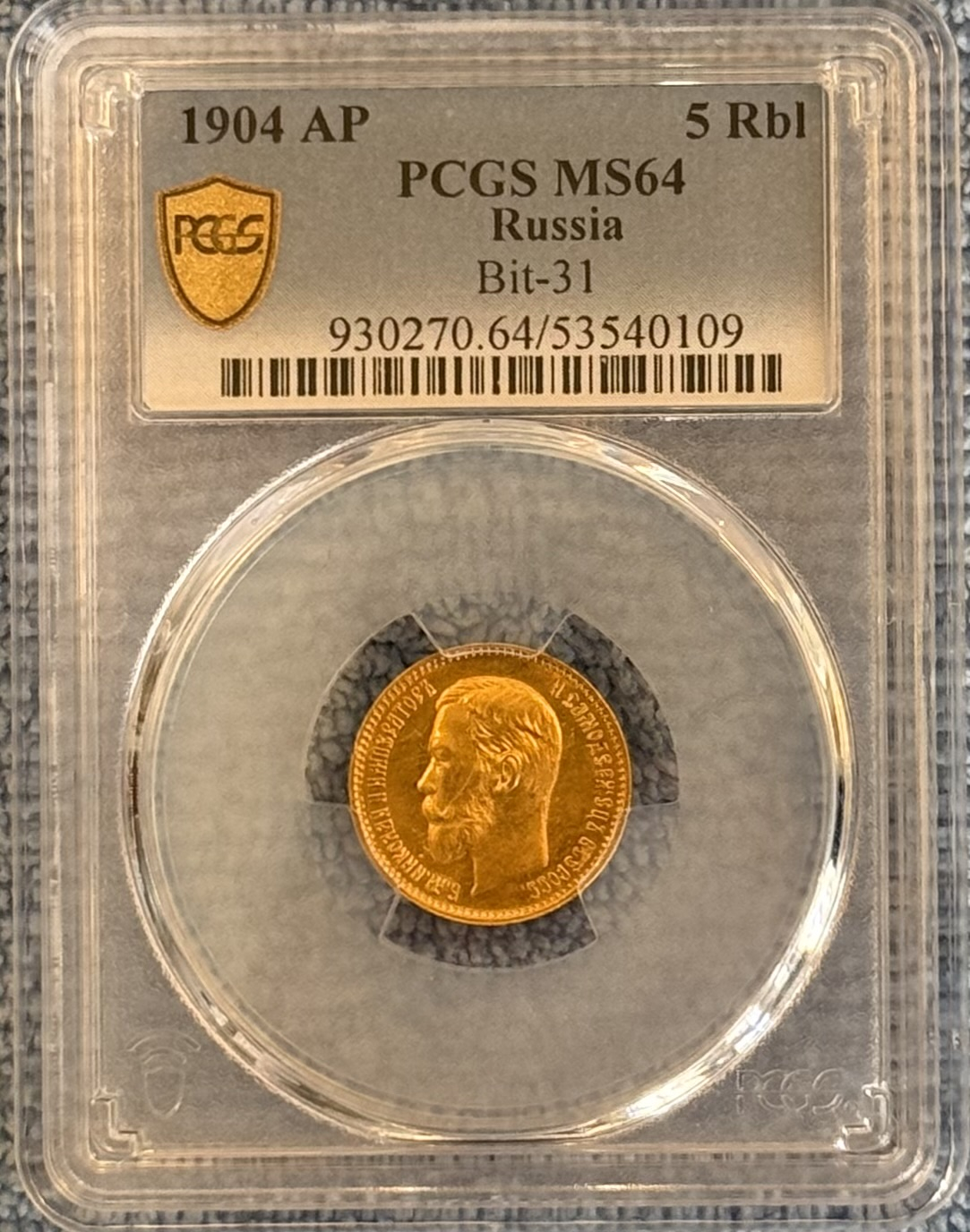
Honestly, in my opinion, coins are special not just because they have a sentimental significance because of what the coin has been through, but because of what the coin means to your collecting journey. A first rare coin, a trophy coin, a coin of a type you’ve wanted for a long time. For me, my most special coin is my 1904 Russian 5 Rouble. While I don’t usually collect world coins, it holds a special place in my heart for being my very first gold coin. While it’s still my only gold coin, it is one that I’ll probably always consider special.
All that aside, I 100% agree with what you said but there’s definitely other factors to consider here! This is just my input though, what renders a coin “special” is something that definitely varies per person
"Another day, another Collectors Universe forum scrolling session."
- Someone, probably
It's easier for me to describe what I think it isn't since I know it's personal and subjective. I recognize my criteria is in the minority, but my standard is a lot higher than I've mostly read on coin forums, publications (books and articles), and auction descriptions.
Fantastic post Buddy! Keep em coming! That would be one hell of a great coin club presentation, especially if the coins were out on display! Your photos are fantastic on all of the coins!
How dare you interrupt the poorly written thread, clickbait title and troll marathon to start an actual discussion about coins that has a descriptive title, great images and insight in the opening post!
Your images are spectacular, as always, and you have the ability to draw upon some really fine collections and collectors who are willing to share to show your point. I will quibble with the use of "objectively" especially in the case of the Barber half dollar proofs. While I think both are beautiful, there are some folks who detest toning and others who would find the blast white one painful because they would immediately associate it with a dip. So, while I agree both coins are superb, it might be best to leave "objectively" out since it may be more precisely "subjectively".
Regardless, this is a way cool thread that we need more of and @Eldorado9 I will consider this a BST offering so please send me a PM with the address to send the check for the two Eliasberg Barber half dollars.
In honor of the memory of Cpl. Michael E. Thompson
Great post. I’ll add something that I’ve found non-collectors appreciate more than many collectors is obsolescence. Obsolete denominations that share any of the listed qualities get an automatic bump with the non-collecting world. I’ve got a decent (average?) proof 3CN and it gets a lot of attention compared to some other coins that I consider better in lots of ways just because of the novelty and unknown (to them) place in our history.
Certainly not a requirement, and I think the obsolescence of the designs provided counts, but it’s a lot harder for a coin that looks anything like what you’d find in change today to qualify as special.
Thank you FlyingAl for a well written and positive post. Your photos are the best and a pleasure to view. Great read.
Really like how you presented everything in your post!
A couple coins I used to own that were "special" not just to me but to many others who thought they were about as fine or special as they could be regardless of grade. Mark Goodman images.
This coin was in a non cameo PCGS holder that I crossed to NGC.
Very well said, @TomB! In fact, I think we should all flag the post from @FlyingAl for being on topic.😉
And I agree that appreciation (or lack, thereof) for coins is about subjectivity, rather than objectivity. I’ve found that, depending upon the audience, it can be very difficult to predict what someone else will like. I typically prefer (what I consider to be) attractively toned coins, but know plenty of people who like color-free ones much better. I care far more about clean surfaces and luster than strike, but I know some people for whom strike is extremely important. For various subjective reasons, the same coin can be viewed very differently, even among highly knowledgeable numismatists.
On the subject of preferences, I must take issue with the post I have copied below. For many of us - myself included - the people behind a coin can make it special, but that’s by no means, a requirement. I’ve seen many very “special” coins for which the people behind them made no difference, whatsoever.
CoinPop Posts: 895 ✭✭✭✭ March 20, 2026 6:47PM
“The people behind each coin are makes a coin special.
Otherwise, it's just a metal disk.”
Mark Feld* of Heritage Auctions*Unless otherwise noted, my posts here represent my personal opinions.
Special is whatever appeals to you above other similar items. So it can literally be anything. I don’t think there are many special coins in my life. I’ve had some nice ones but they all got sold. A special coins, to me, is one I would never sell and my executor would have to deal with.
A coin that captures history as well as artistic merit and survived in a compelling state of preservation.
Experience the World through Numismatics...it's more than you can imagine.
This!
Any speculation as to a generalized definition of "special", even as broadly defined as the OP's post, will not be universal even among coin collectors. There are certain provenances that very few people care about. There are people who don't care at all about provenance (me included).
"Rarity" is "rarely" a consideration. There are numerous scarce die varieties that only specialists care about.
All comments reflect the opinion of the author, even when irrefutably accurate.
When it comes to "special" the combination of eye-appeal, pedigree (James Stack), rarity come together in this 1901-0 Half. Its a coin I will always love, and never get tired of. @TomB We share a fondness for the Barbers.....You can't have the Eliasberg's just yet! I'm not done drooling! They are Soooo special indeed.
I have some very attractive coins, some historically interesting coins, and some very desirable coins. However there is only one coin I’d consider “special”, purchased from CVM by my late wife all by herself in 2006 as a birthday surprise…. she worked directly with Chris McCawley to find something I’d appreciate. He suggested a raw 1800 half cent that I had slabbed at some point. I even have the old invoice with a happy birthday from Chris. If memory serves the coin was $750. It’s a coin I’ll never sell. Here it is.
Enjoyed your thoughts and your images (as always) Alex! I saw this last night, and read it again this morning.
And I agree with Tom and Mark ... how dare you stay ON POINT in a coin forum!!
.
Some thoughts from an early morning coffee drinker.
I think that eye appeal, condition and originality are usually the three primary factors in defining "special coins", which I am glad you listed first. While rarity can be an enhancement, there are some very rare issues that may not be entirely special or even more universally desirable. And while provenance can certainly enhance a coin's desirability and story, and a special turn in history can make a coin slightly (or greatly) more significant, without the first three .... eye appeal, condition and originality ... the coin can lack the significance of truly special appeal. My 2c, of course.
Also, it is my opinion that condition does not have to be pop top, or exceptional uncirculated and proof grades. I have seen some magnificent circulated coins that have everything going for them (for their grade) and therefore are absolutely "special" coins.
.
As an example of the final point about grade, I'm going start by taking the liberty to show a coin I no longer own, but sold to a friend. Hopefully he doesn't mind me posting.
It is a VF25 (gasp!), and while it is a better date within the series, it isn't extremely rare overall. The date is kind of neat, as 1815 coins are not plentiful, and it has no provenance that I know of ... I found it, owned it for a dozen years, submitted it to PCGS, and then to CAC. I eventually sold it because it was special enough that a specialist in the series REALLY wanted it. A lot!
Sometimes (like right now) I really miss her!!
.
And just for fun, here's something I own that I think is unquestionably special. It is not the highest technical grade (but it is close) for the Die Marriage. But 1827's have 49 different Die Marriages, so it isn't really significant as a date. It is a better DM however, and it is within the top end of the condition census ... so there is that.
The provenance that we know of is minor, unless you revere the BHNC Club member who last owned it, or consider the Museum it resided in for a good many years prior to that significant or important.
Regarding eye appeal, it is magnificent, and I think it is the finest for the DM ... and it's pristine surfaces are almost peerless. My opinion, of course ... but those more than make up for anything else.
This came to me in the way of what I consider a gift by way of a large, under-followed (but well produced) sale of a collection that had only been off the market a very short time. It had sold a scant 9 months earlier for nearly twice the price it cost me, and less than it had realized even a decade before.
Here's what Sheridan Downey had to say when it sold the 9 months prior ...
"A fantastic coin. Original to its core. My favorite coin in the Osborne consignment. The O.116 was a mid-level R.5 for many years. Quality examples such as this are supremely rare. The immaculate surfaces and antique toning are to die for. The coin lay in a New England Museum for decades, surfacing in Stack’s/Bowers’ May 2013 New Orleans National Money Show sale (lot 337) along with a few other stunning bust half-dollars. Tim found the coin irresistible and was happy to land it ..."
.
My point in all this ramble?
Other than to show a couple coins and applaud your thread ...
I'll hope that collectors who are just starting out embrace your thoughts about finding "special coins" ... but do so in a way that makes sense to them.
Prioritizing the most important considerations first, and trying to find special coins within the parameters they have established for their search, I think it is far easier to build a fantastic collection without having to feel like we are in competition for coins we may never have the resources to own.
Happy hunting!
“We are only their care-takers,” he posed, “if we take good care of them, then centuries from now they may still be here … ”
Todd - BHNC #242
@pursuitofliberty man oh man, that 1815 CBQ is the prototypical “wheelhouse” coin for my tastes, perfect look, grade and era!!
Great write-up @FlyingAl ! Below is a special coin because of its rarity, eye appeal and originality. Whenever someone pics this coin up, they say wow.! It's and AU58+ CAC. Were it not for some slight rub, it would grade much higher in my view.
With the pic. Sorry.
Always a treat seeing the 1798 QE whenever you post it.
I think all of the first year denominations for our country are special. Symbolism and history.
Coins remind me of ‘ugly’ houses. Regardless of how much some people may hate them, there is ALWAYS someone who wants them…..always! I see coins posted on this forum that I wouldn’t pay five cents for….but someone DID pay to acquire that coin and if they love it or it was one they needed to complete a collection, then good on them. I will say I wish I hadn’t seen this thread because now it has opened my eyes up to put a few more coins that are now on my ‘want list!’ 😉 Cheers, karl
For a good story makes a coin special. It might be something that is common, but a good story enhances the value to me.
Of course obtainable rarity and a good story are better.
One coin I would love to have, but have really come to dislike is the 1802 half dime. The coin is unobtainable, at least for me. The one time I had a chance was when a piece graded VG was consigned to a dealer for over a year at a highly inflated price. The owner finally consigned it to Heritage where it sold for about what I thought it was worth, a little less than $130,000. I can swing something like that, but not very often. At the time I was not in the position to bid.
The 1802 half dime has no story other than it's rare. It's the one piece I need to complete a set of early half dimes, but I'll never get a shot a one that I can afford.
For me, this is an ideal coin, the 1848 CAL. $2.50 gold. It has a great story, and collectors with a large, but not huge, budget can aspire to own one.
More about this please.
If this is indeed one of the principle factors in determining how special a coin is, I imagine the thing most likely to impress non-collectors would be major error coins.
Of course, as collector, I too am often impressed by really cool errors.
@smuglr
The coin image I shared is an 1855 Gothic Florin featuring Queen Victoria. The Florins were issued over a number of years and are more affordable and available than the Gothic Crowns. But even the Florins can be a challenge at MS65 and higher... especially the earlier dates. The so-called "Godless Florin" was issued for general circulation in 1849 as a one-year type and then modified to feature Roman Numerals. The Gothic design extended through 1887.
Experience the World through Numismatics...it's more than you can imagine.
Thanks Tom! I'll do better next time, I promise - maybe a clickbait title?
As far as the Barbers go, I can see your point. There's probably a bell curve of collectors on a scale of "how much you like this coin" for both coins, which goes to show you're right.
@pursuitofliberty - thanks Todd! Your post alone is probably better than mine! I love that 1827 (I'm a sucker for high grade stuff being a Proof specialist and all, but even I can appreciate that 1815). I almost intentionally left grade out of the list except for condition rarities, because it really is almost a non-factor in making a coin special. The difference in how special a coin is will not come from the grade being a 65 or 66, but from the factors that increased that grade, if they are present. And, as you so excellently showed, even VF coins can be very special indeed.
@BillJones - helluva CAL. $2.50 - dream coin for me and several others. That's one type I must see before I die.
Coin Photography
Mentally and visually stimulating! Thought-provoking! Thanks for posting.
Wellstruck, super luster, Gem BU. Investment grade MS64 or higher.
Other factors - low pop, better or key date, high demand.
Everyone here are making great comments on what makes a coin special. My favorites are extraordinary eye appeal, rarity and famous pedigrees. Now, here is a twist- a new discovery coin! As most know, I collect Capped Bust Dimes by die marriages. In all the most famous Capped Bust dimes cabinets did not have a mint state example of the 1830 JR-1. In the 1990 Early Dime book written by Lovejoy, Davis, McCloskey, Subject & Logan, it indicated that there were no known mint state examples. In a later Bust Dime book, it mentioned that there were no known examples of the 1830 JR-1. In Lovejoy, that had lots of money and time, was only able to have a VG example in his set when sold.
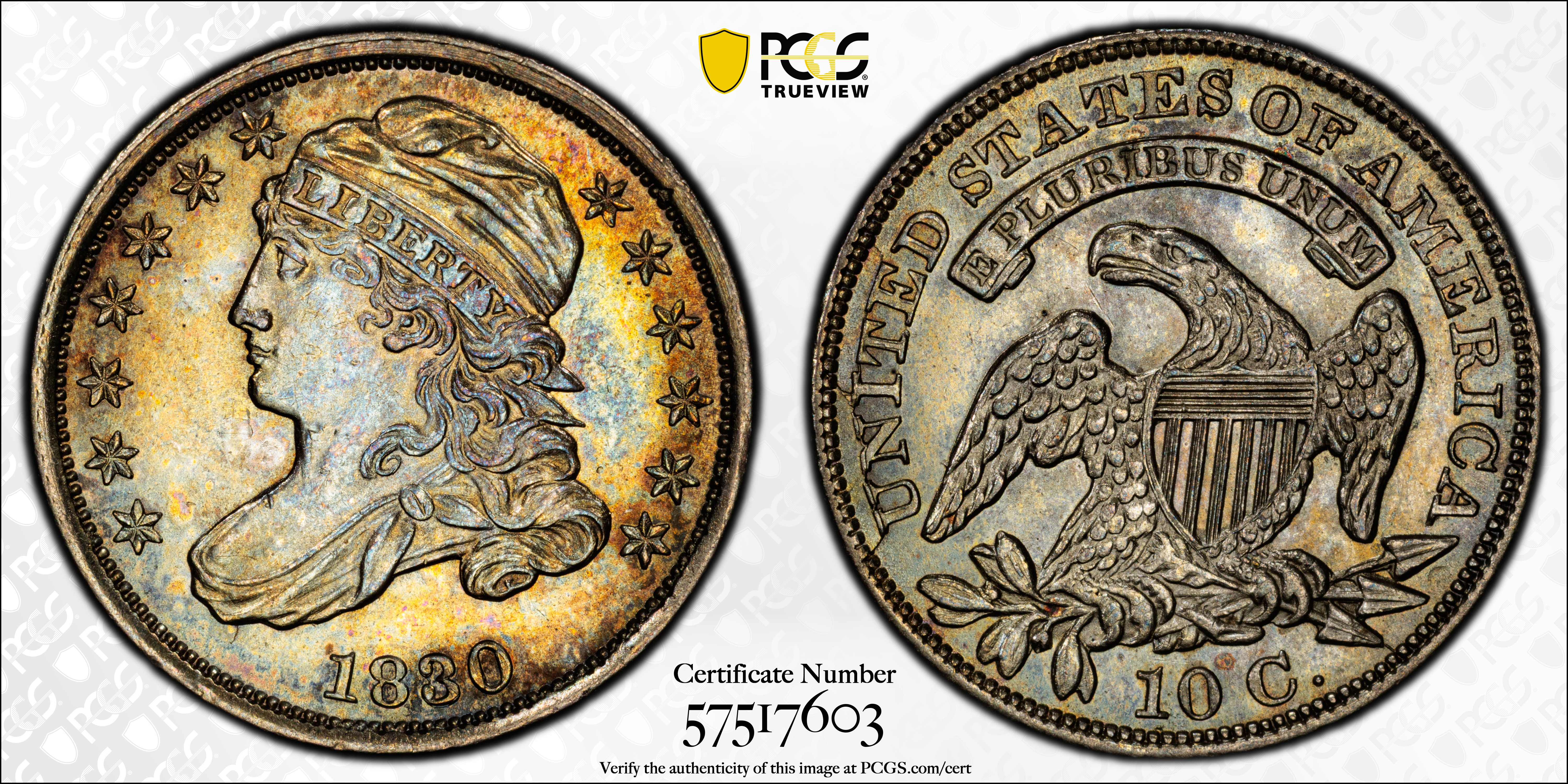
Recently, I found a mint state example! I could only imagine the faces of these authors, if I could show them this coin -
Besides being the only known mint state example, its high on the eye appeal, well struck and very original. I love the toning as well.
@FlyingAl ... Excellent observation on the state of some of the discourse and thanks for bringing this back to relevance... numismatics! As someone who leans toward early copper, what makes a coin “special” starts with the surfaces —smooth, free of corrosion, and with pleasing, natural color (not overly dark). From there, I look at the details. I tend to gravitate toward lightly circulated pieces .. XF to AU. They’ve seen real use in commerce, which gives them a tangible connection to the period they come from.
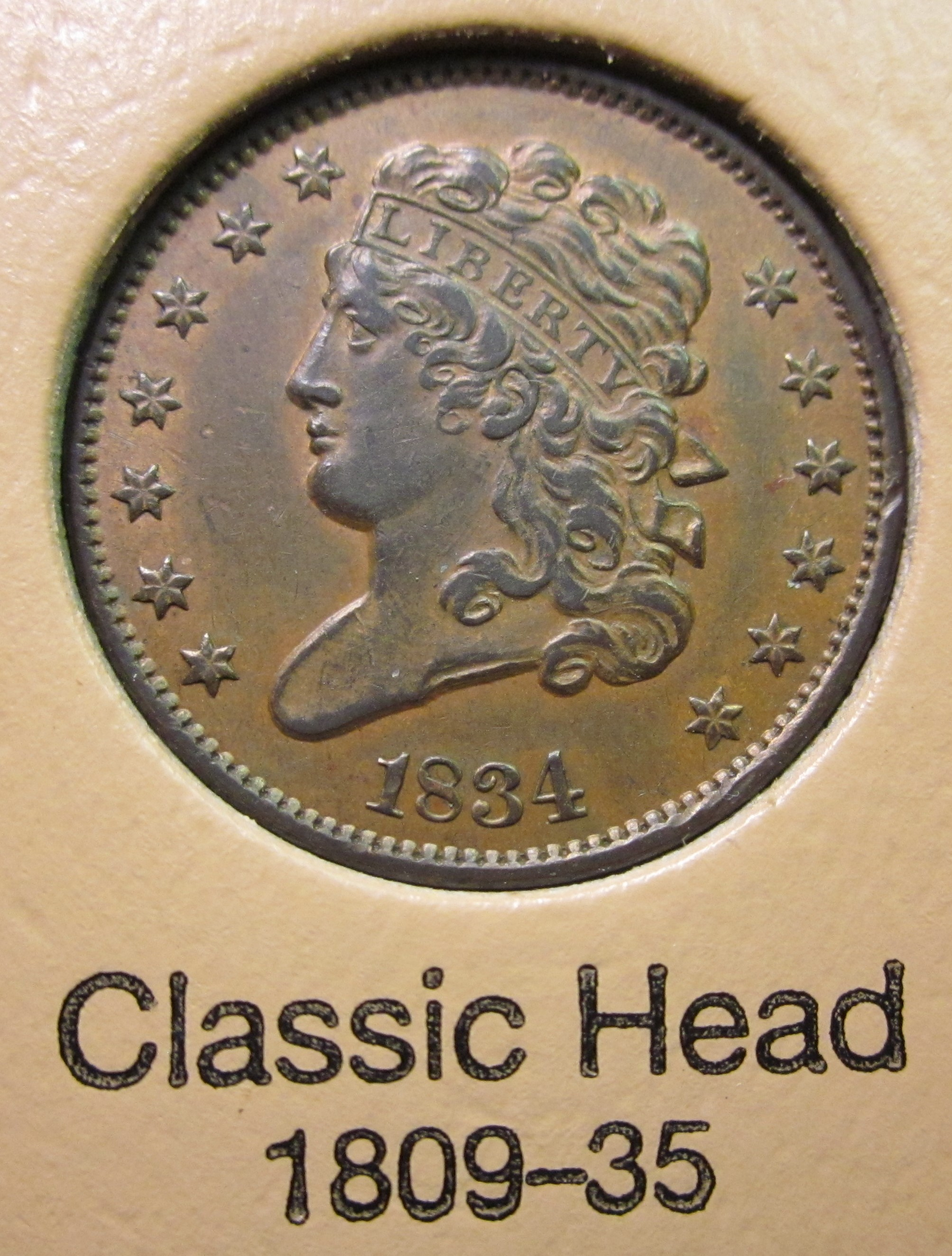
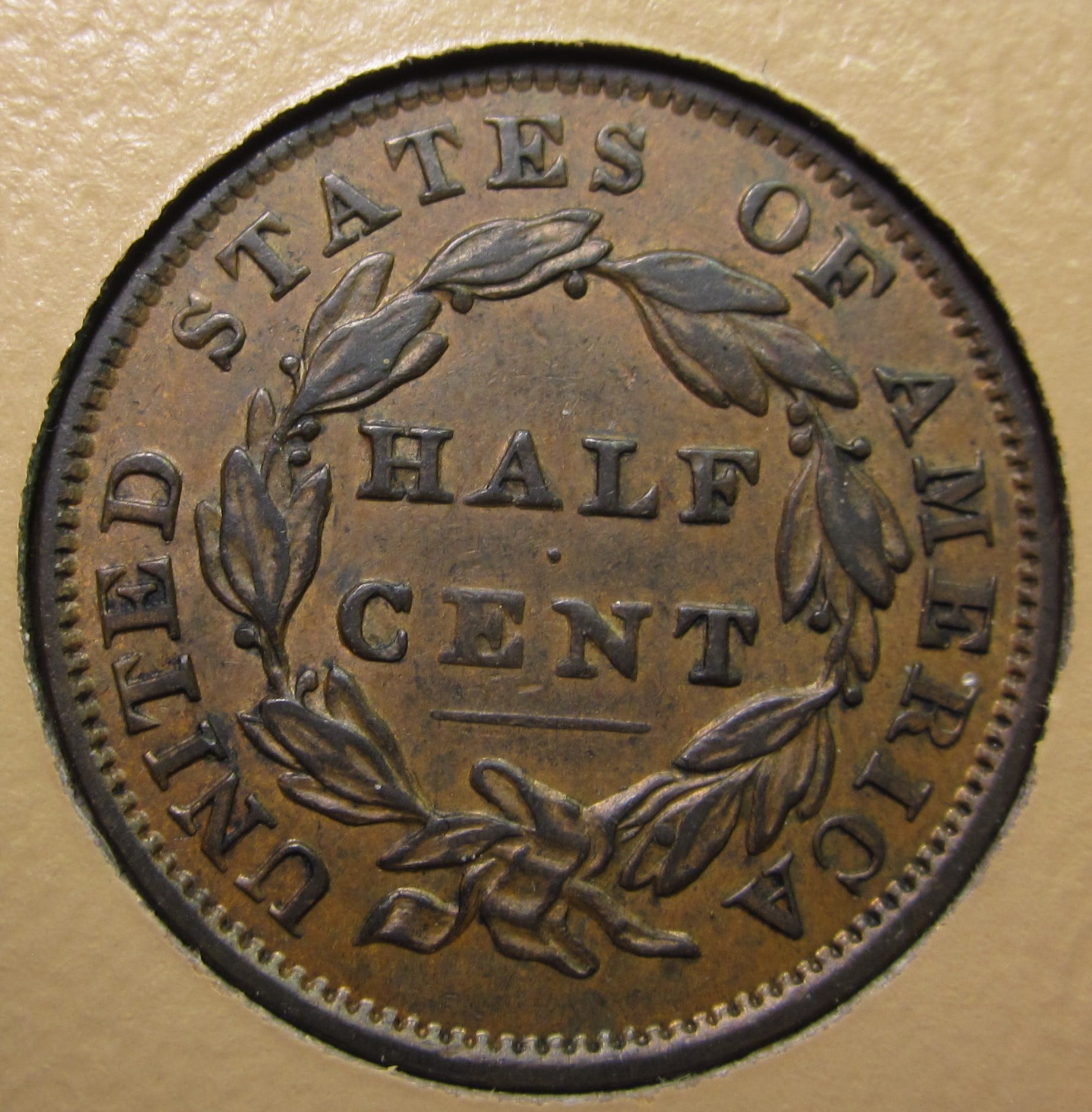
This Classic Head Half Cent was purchased raw... currently in my 7070 Type Set Album. Surfaces are smooth with a pleasing light brown color.
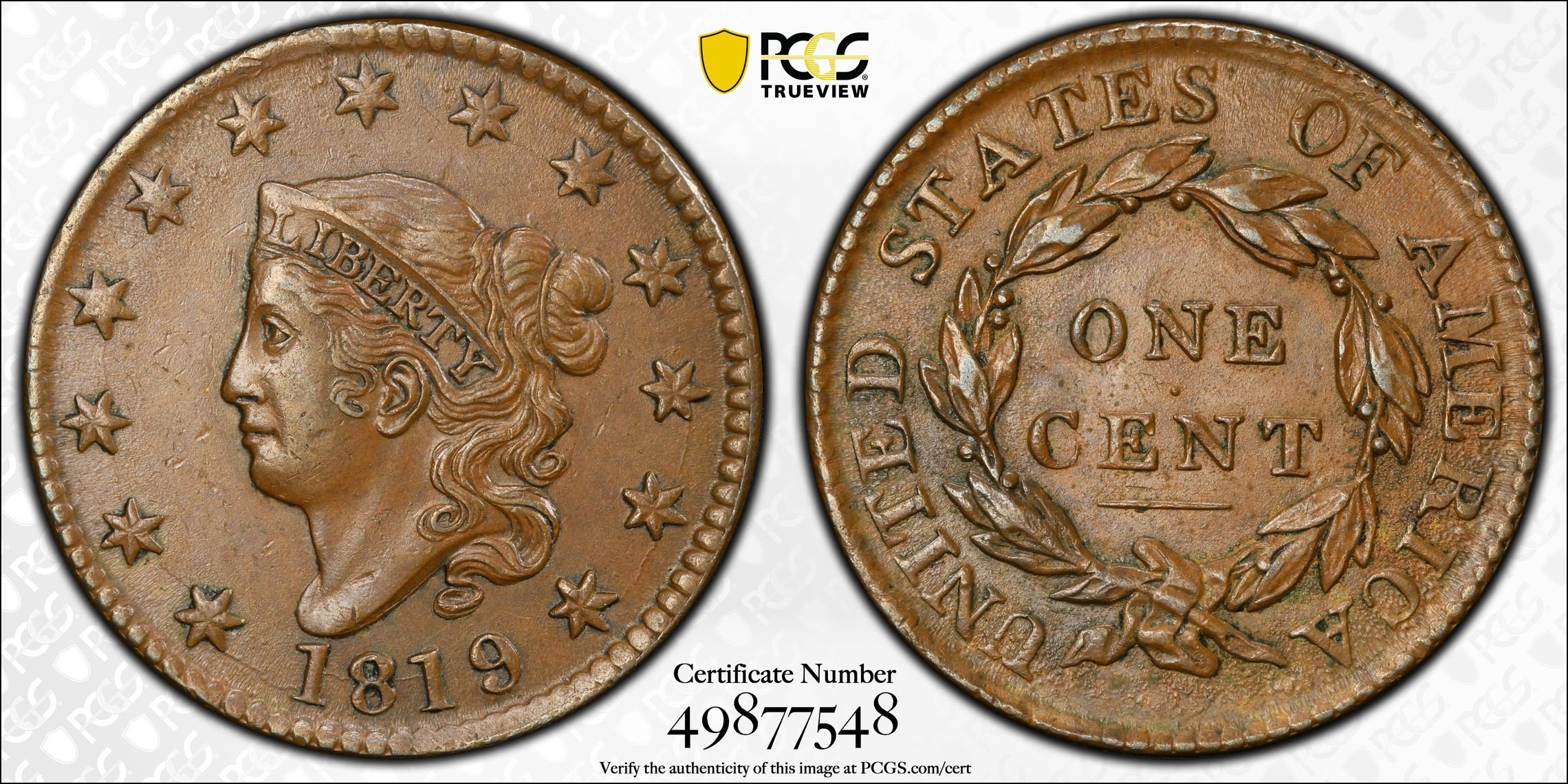
This 1819/8 was purchased raw in an ebay auction. This piece was also in my 7070 for a while before I sent her off to our hosts. The obverse details show flow lines in the copper with smooth surfaces and a nice chocolate brown color.
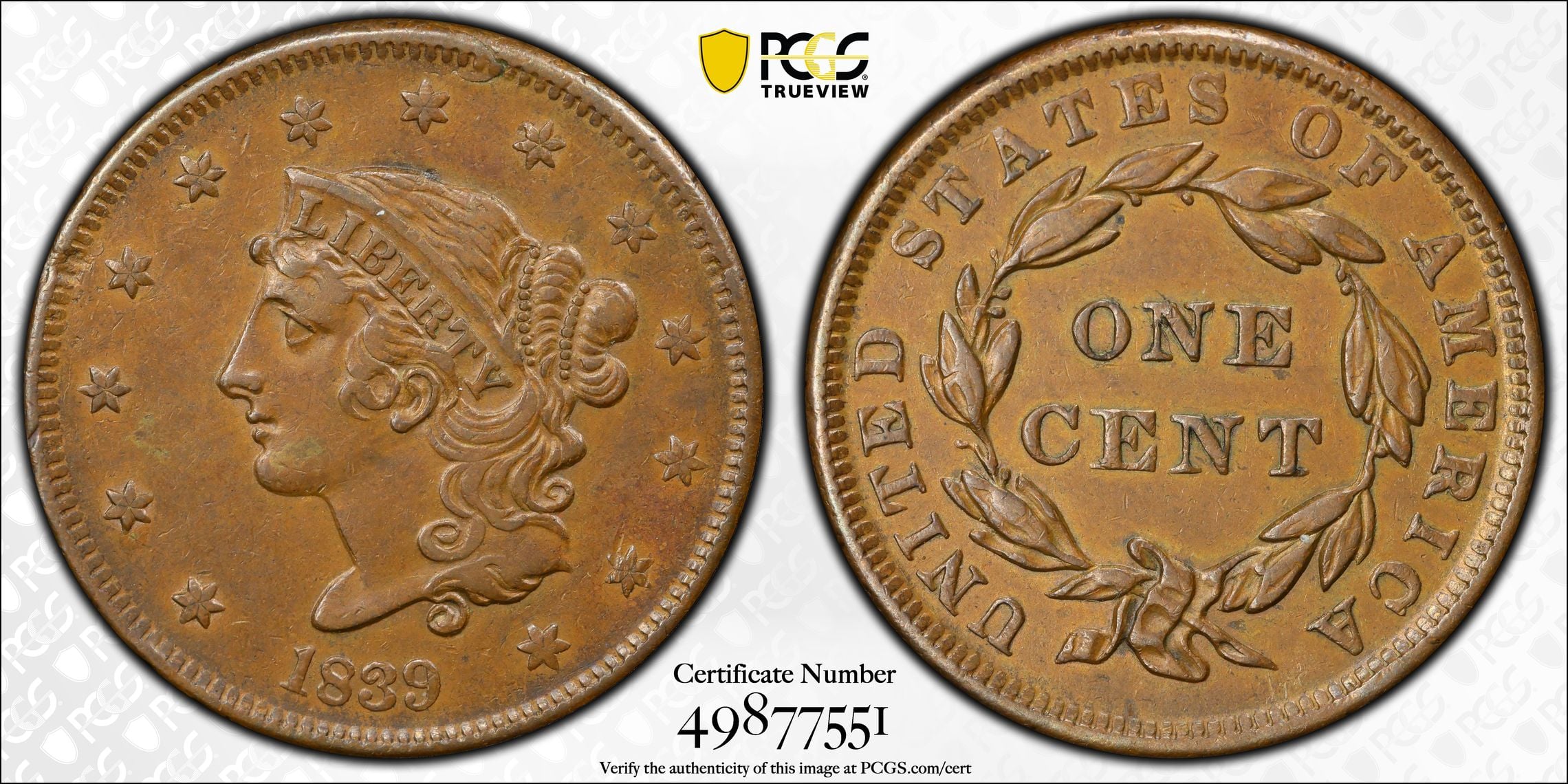
This 1839 Booby Head Cent was difficult to find nice in circulated grades. Many suffer from corrosion or other damage and the major design element of the hair in relation to the shoulder is about the first detail that wears off in circulated pieces. This one was purchased from a major copper dealer that described the surfaces as "choice" and "nice" color... EAC graded EF40/45
Successful BST transactions with: SilverEagles92; Ahrensdad; Smitty; GregHansen; Lablade; Mercury10c; copperflopper; whatsup; KISHU1; scrapman1077, crispy, canadanz, smallchange, robkool, Mission16, ranshdow, ibzman350, Fallguy, Collectorcoins, SurfinxHI, jwitten, Walkerguy21D, dsessom.
An excellent and refreshing post, Alex!
As I consider your points, I'm a bit dubious about the opinion of specialness from someone outside the hobby. While the oohs and ahs might be momentarily satisfying, I don't care what they think. Yet, do I care about what someone in the hobby thinks? Sometimes, if I respect and understand their point of view.
I remember back when I was first getting back into the hobby and I was satisfied with myself winning at auction a colorful, but darkly toned 1893 Barber quarter. I was at a coin show and struck up a conversation with Anthony Swiatek (the guru of colorful commemorative coinage). I told him my auction win and he asked to see it. He pointed out that the coin was nearing terminal toning and that I should be careful in buying such coins. I thought it was a special coin, but after understanding his insight, I realized that what I had wasn't "special" although I still liked the coin (yet subsequently sold it a year later).
Alas, the coin was not of the quality I learned to pursue and it lost its allure to me. Of course, expert opinion doesn't determine what I am willing to include in my collection. For example, I don't require CAC's blessing (while I acknowledge and appreciate the value) for my enjoyment. I hope that collectors don't make this an absolute requirement.
Perhaps I've strayed a bit from Alex's fine post. As Todd and he has said, there are special coins at all grade levels for a variety of reasons and are not the exclusive province of proof coinage. I think this coin below attains a specialness despite its VF35 CAC grade.
The partially mirrored surfaces and beautiful colors make this coin special to me. And from a value perspective, I was most happy to pay $550 to own it. Special doesn't mean expensive.
Another coin to reach this category would be my Arrows and Rays 1853-O AU58 CAC half. There is so much going on with this coin that is intriguing to the viewer and it is the cornerstone to my seated half collection. While there are a few that I've seen with colorful toning, this one leads the pack for the type in my view. Try to find one similar!
Lastly, continuing up the grading spectrum and staying within the series, I believe this MS62 CAC coin merits a "special" designation. Prooflike surfaces and screaming colors framing Liberty and the eagle. Loads of eye appeal!
So, for me, atypical eye appeal is the primary factor.
"She comes out of the sun in a silk dress,
running like a water color in the rain...."
Being mine.
You have the beginnings of a story. Good luck on finding one.
USAF (Ret.) 1985 - 2005. E-4B Aircraft Maint. Crew Chief and Contracting Officer.
✓ Everyman Mint State Carson City Morgan Dollars (1878 – 1893)
✓ Morgan Dollar GSA Hoard (1878 – 1891)
✓ Everyman Mint State Lincoln Cents (1909 – 1958)
✓ Matte Proof Toned Lincoln Cents (1909 – 1916)
@Catbert - I agree and love your post! BTW- great looking coins......
You don't know the history of the 1848 CAL. $2.50?
Perhaps you should do some study before you post a put down. Here's a Readers' Digest version.
In January 1848, James Marshall discovered gold in California at Sutter’s sawmill, which is about 35 miles northeast of the state capital, Sacramento. By spring many men had left their normal occupations and headed for the goldfields hoping strike it rich.
Colonel Richard B. Mason, who was the military governor of the newly acquitted California Territory, knew all about the search for gold. Many of his men had abandoned their army posts to find their fortunes. Mason decided that he should report the gold discovery to his superiors in Washington. Mason and his chief aid, William Tacumseh Sherman, who would became a famous Civil War general, went to the gold fields where they bought 13 samples of gold nuggets. They added an “oyster can full” of gold purchased from the San Francisco Custom House at the going rate of $10 an ounce. In total they had 228 ounces of raw gold.
They packed the gold in a tea caddy and sent Lieutenant Lucien Loesar off to deliver the gold to Washington. The shortest, safest route was to sail to Panama, cross narrow isthmus on horseback and head north by ship, stage coach and railroad to Washington. The trip took Losser three months and eight days.
When he arrived, his chest of gold caused a stir. Ultimately it was decided to convert the gold into $2.50 gold coins with a special marking. The Philadelphia Mint turned the gold into 1,389 coins with the word “CAL.” stamped on the reverse above the eagle’s head. Today an estimated 162 pieces have survived. As you might guess they are valuable collectors’ items.
Fantastic 1800 half cent! I have always preferred the look of the first reverse of the Draped Bust 1/2 over the second.
Thanks @Colonialcoin it’s really close to flawless to be honest, I really thought it would gold sticker… the reverse is almost proof like with no detectable rub at all, the obverse has just a hint of rub. It would look right at home in a 58+ holder. The color is perfect imo.
I cannot easily put my answer in writing to the question posed by FlyingAl,..............................................., the best I can do is say Eye Appeal and post photos of some of my coins that I consider special.
It’s a difficult question to answer but what comes to mind was Supreme Court Justice Potter Stewart’s famous line: “I know it when I see it”. Of course he wasn’t referring to coins.
Bill, not sure where the put down is but I was being sincere in the hope you find one. Your search is adding to the story of the coin once you add it to your collection. Let's be a little less sensitive. You don't know me. Best of luck!
Have the forum members become so cynical that wishing someone good luck is now a negative?
USAF (Ret.) 1985 - 2005. E-4B Aircraft Maint. Crew Chief and Contracting Officer.
✓ Everyman Mint State Carson City Morgan Dollars (1878 – 1893)
✓ Morgan Dollar GSA Hoard (1878 – 1891)
✓ Everyman Mint State Lincoln Cents (1909 – 1958)
✓ Matte Proof Toned Lincoln Cents (1909 – 1916)
I didn’t see even a hint of a put down in your post, so I was hoping you’d reply and am glad that you did.
Mark Feld* of Heritage Auctions*Unless otherwise noted, my posts here represent my personal opinions.
“You have the beginnings of a good story. Good luck fining one.”
I misinterpreted the quote. It seemed at first that he was saying that my comment about a good story enhancing the desirability of a coin was like a speech by Warren G. Harding, a collection of words in search of an idea.
I could not think of a coin which I own that fits this topic. But, I remembered an impulse purchase that I made back in back in January.
It’s a Thirteenth Century Cornado (NCG MS 64) from the combined regions under the kingdom of Castile and León. The obverse is Sancho IV (great, great, great grandfather of Isabel of Castile). Sancho was the topic of one of my theses.
It belongs in a niche collection of small gold and silver coins from places where I’ve gone.
Thanks, Al.
Beauty is always in the eye of the beholder.
Special is as the Churchlady says "special"