Options
How do you tell slight wear from weak strike?
 moursund
Posts: 3,207 ✭✭✭✭✭
moursund
Posts: 3,207 ✭✭✭✭✭
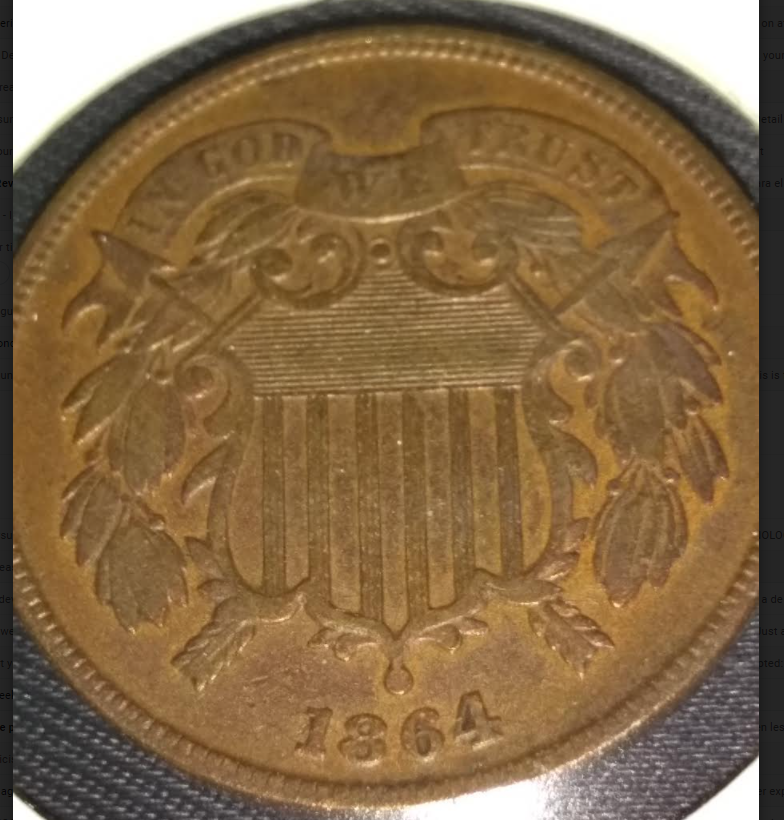
I have this 1864 2 Cent. The reverse looks unworn to my eye. The obverse could have a trace of wear on the "WE", or it could be just a weak strike? And my camera isn't that great.
Is this AU or MS, and how can you tell?
100th pint of blood donated 7/19/2022  . Transactions with WilliamF, Relaxn, LukeMarshal, jclovescoins, braddick, JWP, Weather11am, Fairlaneman, Dscoins, lordmarcovan, Collectorcoins, SurfinxHI, JimW. God so loved the world that he gave his only begotten son, that who so believeth in him should not perish but have everlasting life.
. Transactions with WilliamF, Relaxn, LukeMarshal, jclovescoins, braddick, JWP, Weather11am, Fairlaneman, Dscoins, lordmarcovan, Collectorcoins, SurfinxHI, JimW. God so loved the world that he gave his only begotten son, that who so believeth in him should not perish but have everlasting life.0
Comments
Looks worn to me, AU would be generous.
Yah, that's the other thing. Old brown copper, i have trouble seeing how much of the mint luster is there.
Even on heavily toned or dirty silver, i have some trouble. For brown copper, very much trouble. Does that just come with experience?
Thanks!
am
Maybe AU50 and looks cleaned to me at least from what I can make out from the photo.
Successful BST with ad4400, Kccoin, lablover, pointfivezero, koynekwest, jwitten, coin22lover, HalfDimeDude, erwindoc, jyzskowsi, COINS MAKE CENTS, AlanSki, BryceM
For the most part, yeah. The more coins you look at, the better.
Stupid brown copper. I can't even really see it properly when it's inside the cardboard flip.
I think I'll stick with silver, and probably quarters and bigger.
spend a LOT of time looking at coins in graded holders, especially xf+ to 63 as well as PCGS photograde. dont expect to get them all right as at the end of the day, professional OPINION leaves a lot to the imagination.
i still remember the show when i was looking at lincolns that i'd NEVER be able to even remotely grade them. hundreds of thousands of coins later, i'd like to think i can at least get in the ballpark.
I have confidence that you can do this.
If you are evaluating wear, verifying varieties such as doubled dies or identifying die markers:
1) Take a higher resolution picture and make sure it is in focus. The coin should be out of the flip. You file was 600K. It should be about 2M.
2) Convert the picture to grayscale. This takes the color out of the equation as it is not important for these objectives.
3) You can then zoom in to the area in question. Your coin has wear that can be easily seen even with the size of your file.
Attached is an example picture I took of my 1909 VBD MPL showing one of the key die markers. This was even taken through the slab. If the coin is graded, it is best to have a TrueView image.
Well, at least with Buffalo nickels-
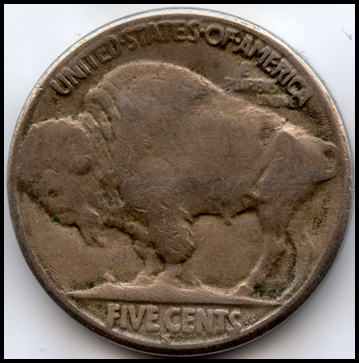
A WORN OR ERODED DIE- Note how even the deepest parts of the design are weak. The lettering is thick and badly distorted. Flow lines in the field are evident. The mint mark, if any, is distorted.
A WEAK STRIKE- Only the highest points of the design (the deepest points in the die) are weak. Most of the lettering is clear and the mint mark is distinct. The fields show a minimum of flow lines.
I probably need a better camera, and better lighting when I take a picture...
Thanks!
That is really cool! I was actually talking about a worn coin, not a worn die ☺️. I hadn't even considered worn die.
With shows resuming, fingers crossed, try to attend shows with an auction as often as possible. Look at the coins being auctioned and compare the different ones in PCGS and NGC holders that have similar grade ranges both with and without a CAC sticker and your skills will improve.
Don’t forget that the fields show wear, too. It can be easier to see with gold and silver, but the loss of lustre as you go from MS to AU and below is evident in the fields. Look at your coin, where the parts of the field that are unprotected are a different color than those protected because they’re up against the devices. That’s wear.
The Buffalos are very often struck from totally worn out dies-for many dates this is a bigger problem that actual strike deficiency. Look at this key date-it's pretty miserable from a worn die standpoint-
How did we get on Buffs? And really - when you think it's wear, everybody claims weak strike. When you think it's a weak strike, everybody claims wear. Sometime you can't win, just takes alot of visual experience.
"When they can't find anything wrong with you, they create it!"
Anyway, I'd rather climb my learning curve on $50 coins than $500...
A change in color is a great indication of wear vs. weak strike. In the ANA grading classes, we use Walking Liberty half dollars from the 1940's to develop an eye between wear vs. weak strike. As mentioned, looking at a lot of coins helps a great deal. Another piece of advice is to know the series of the coin(s) you are studying (years & mints notorious for weak strikes) and be able to identify the focal points in the design.
Referring back to the OP, the coin does appear to have wear... The picture is a bit out of focus though. Look at the motto and the date.... and post a clear picture. Cheers, RickO
No worries... I actually did just order a Stylo 6 phone, which will presumably have a better camera than my current phone.
Thanks, helpful advice from all.
Is this AU or MS, and how can you tell?
How do you tell slight wear from weak strike?
since the simple answer has been avoided, I will attempt to help.
a Mint State coin, no matter what the degree of strike, will have full luster. an Almost Uncirculated coin, a coin with slight rub/wear, will be absent luster at the areas where there is rub/wear. this should be easily visible on your coin.
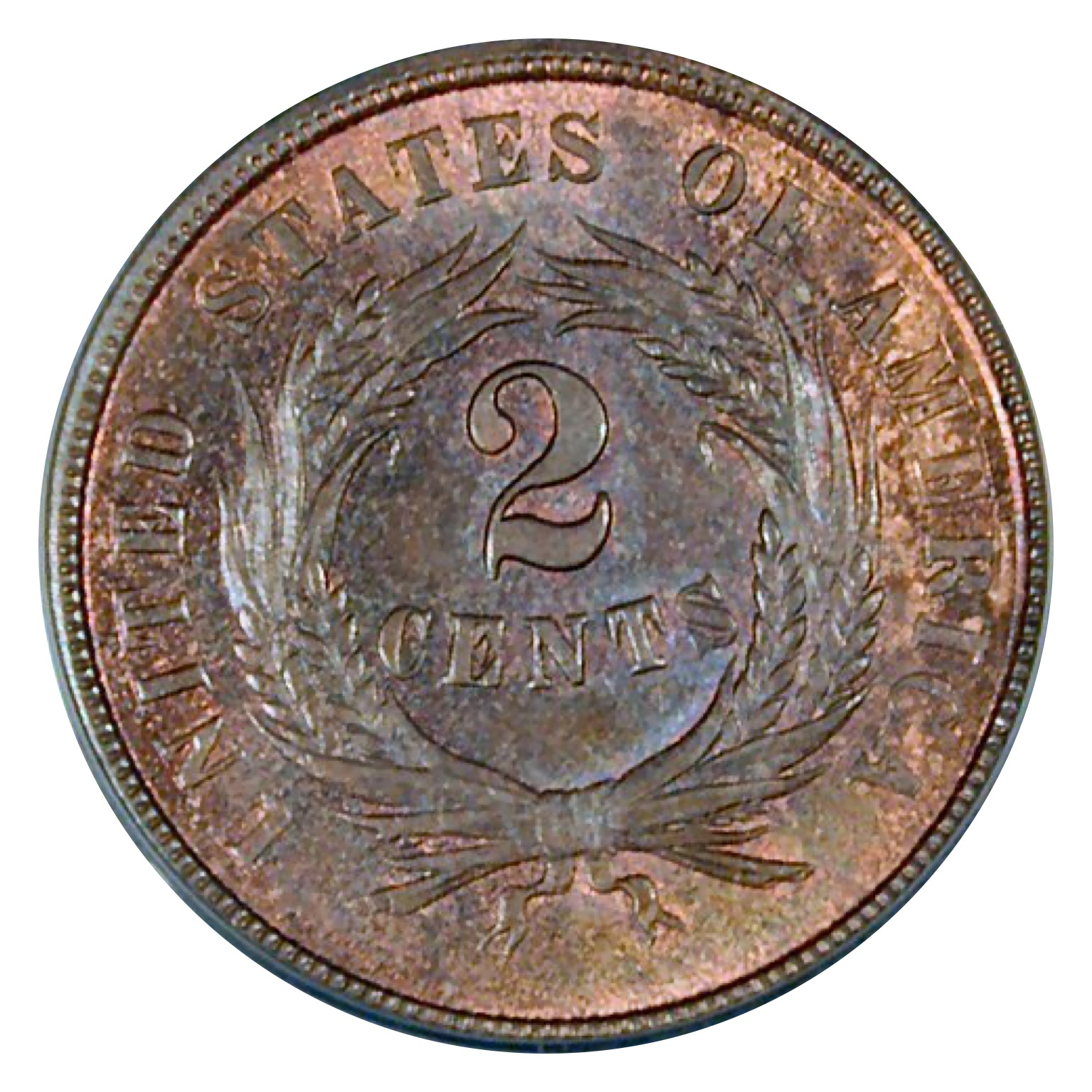
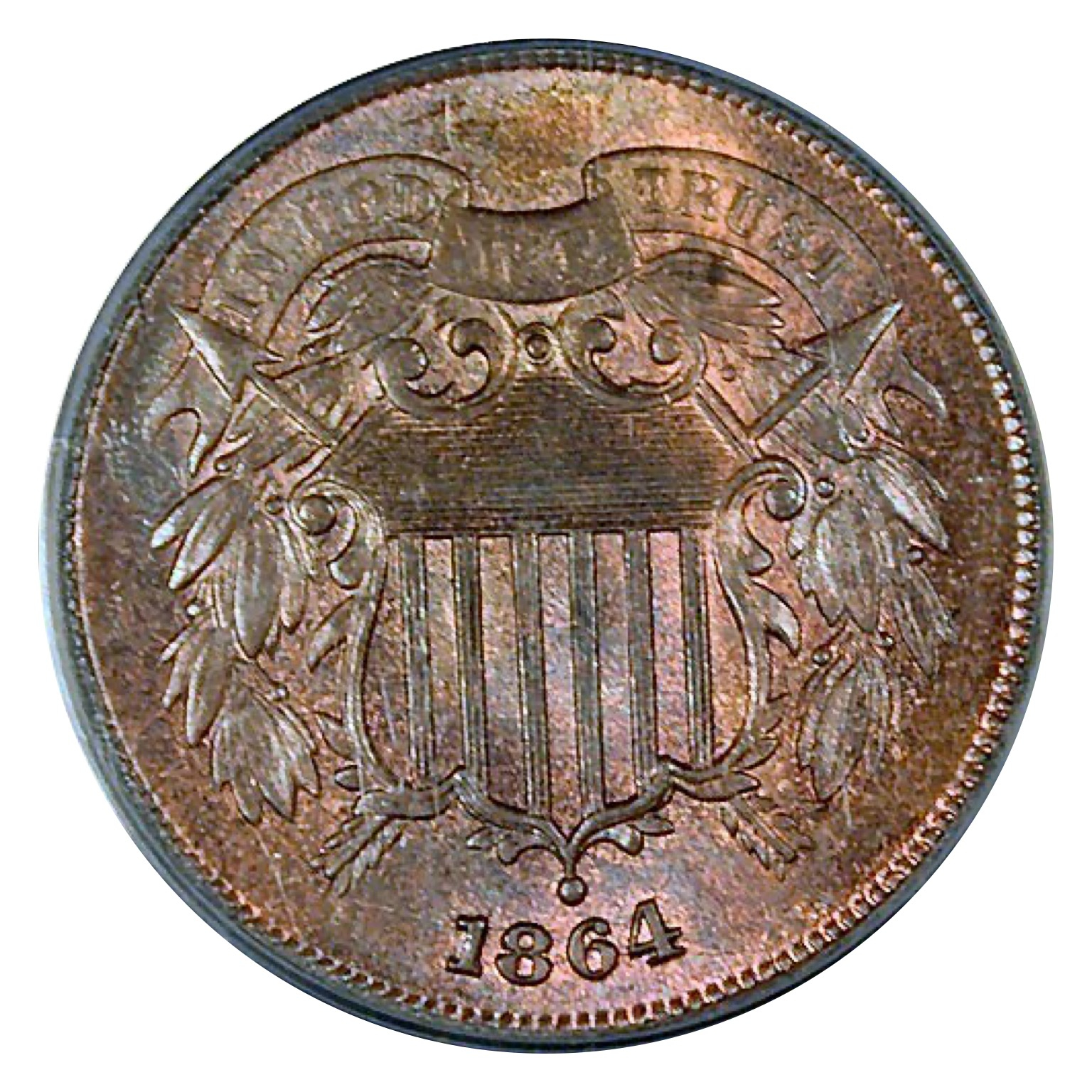
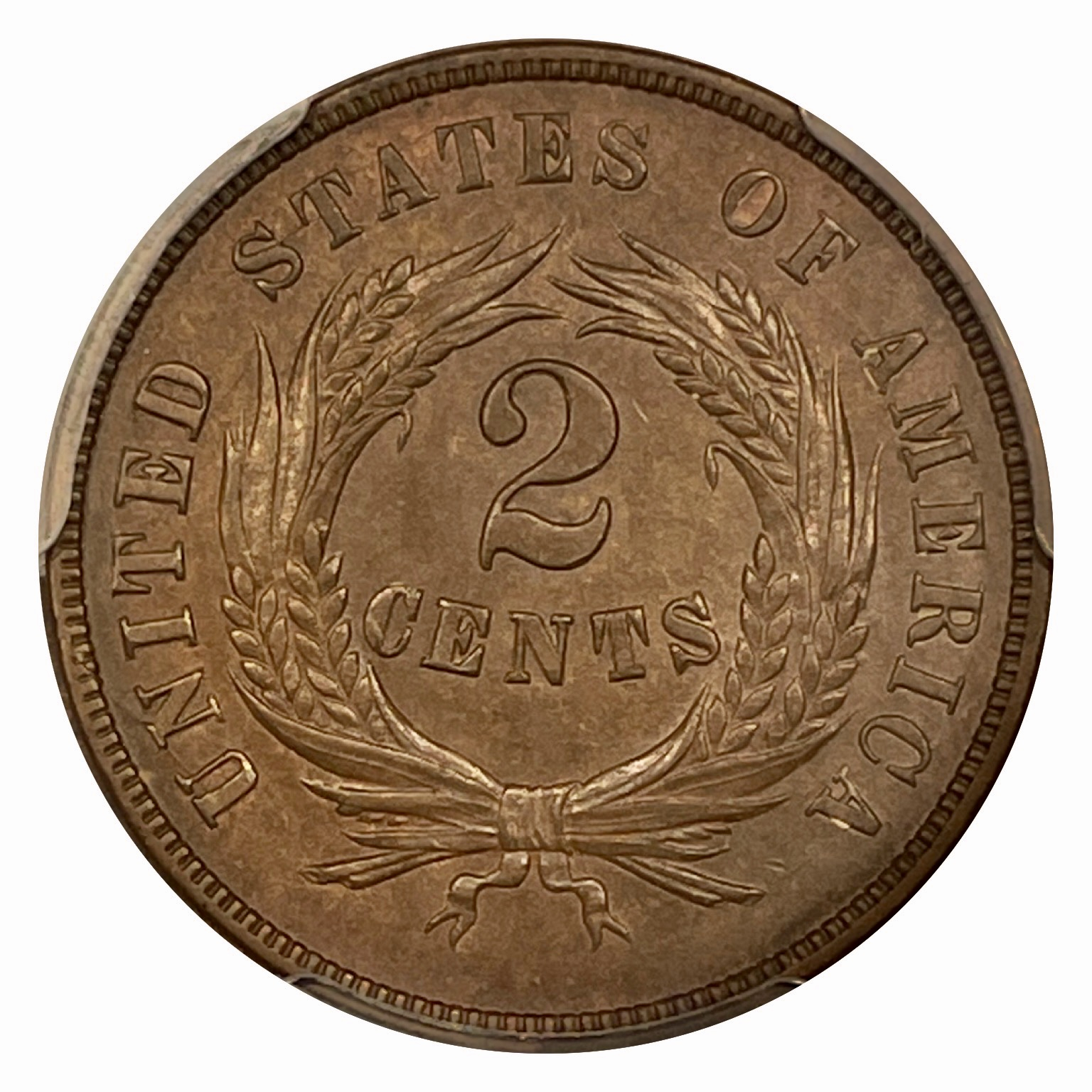
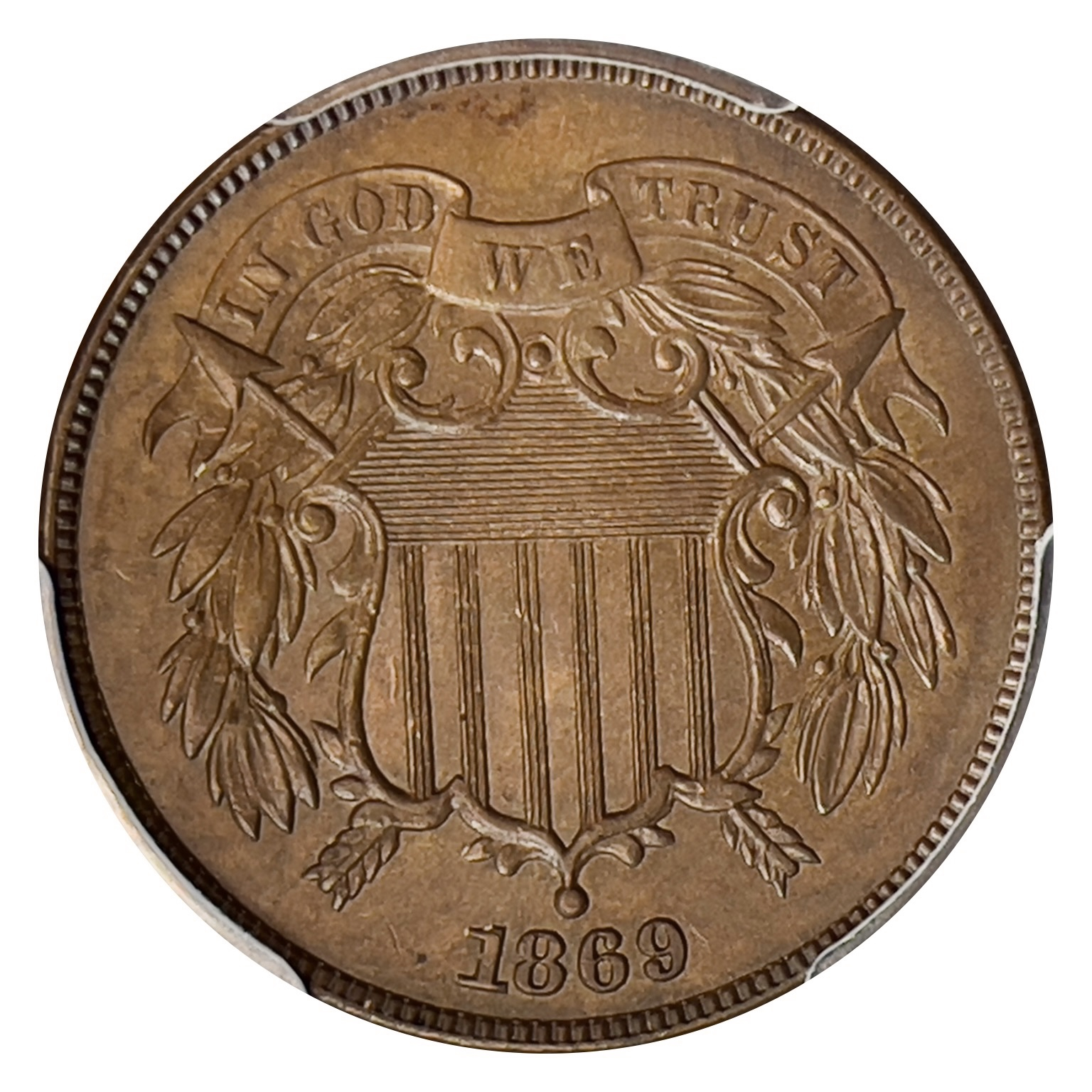
Keets has it right, it’s easy to see the luster on uncirculated copper coins. Here’s 2 examples where it’s easy to tell one has luster and the other one doesn’t. One is MS64 the other is AU58.
Mr_Spud
I’ll be honest, I don’t think that’s a fair example. Mint state RB or RD copper will have lustre, because the red parts tend to be lustrous. While brown copper can have lustre, especially at the lower MS grades it can be weaker or not present at all. There are still signs that can come from surface quality (as opposed to wear), but there is lots of uncirculated copper that won’t have lustre, or at least won’t have cartwheel lustre that is easy to identify.
You probably aren't aware just what an important question you've asked. The coin you posted is clearly worn, but knowing that just comes from experience. Luster is the key!
@keets probably has the best answer so far. Go back and read it again. I'd only add that in some coins with particularly weak strike (like the central area of a Peace dollar) it's sometimes possible that the planchet doesn't even make contact with the die at all. In those areas, there will be no luster, and little imperfections from the planchet will carry over to the newly minted coin, never having had a chance to be effaced by striking. I'll try to find a photo of this later today and share it here. I think I have a photo of an Ike that shows this.
Some weak strikes can be very hard to grade. It's certainly something that takes a lot of study and practice on certain designs. Several types I've judged a weak strike as wear and been completely wrong. A challenge none the less.
Paper money eventually returns to its intrinsic value. Zero. Voltaire. Ebay coinbowlllc
Yeah-that, too.
Know the typical striking characteristics of the coins (and even the mints where they were made--just look at O-mint Morgans or C-mint gold, for example) that you want to collect: disturbed luster in the fields, slight wear (discoloration often is an indicator) in the high points are telltale signs.
A couple of decades ago, I was in a coin shop in California when an older man brought in a complete set of Buffalo nickels to sell. The owner looked at them and passed. All of the coins were in 2x2s, with MS grades on them. I saw the coins--all were AU. That collector told me he was careful to select coins with no wear, but he did not know where to carefully look. He lost significant money, over a couple of decades, because he did not understand what he was looking at. Unbelievable.
RMR: 'Wer, wenn ich schriee, hörte mich denn aus der Engel Ordnungen?'
CJ: 'No one!' [Ain't no angels in the coin biz]
easy to tell:
Are you the buyer: wear.
Seller: weak strike
BHNC #203
To add to the above, open collar coins (minted before the steam press was used in minting coins) were typically unevenly struck. The Capped Bust Half is a good example of this. With some die varieties, the coin can be an MS 66, but they weren't fully struck and will be missing detail.
Per the above, lack of detail isn't a problem, per se. Look for a lack of detail combined with a luster break where you see such lack of detail. That's wear. This is a tough one when you're looking an attractive slider of any series, especially a Capped Bust Half. The key here is to look at the high point of the coin which shows the first sign of wear, and look for a luster break. On a Standing Liberty Quarter, it's often on the sash in front of the body, or the chain mail covering the breasts (type II). The latter is easier to spot. The former requires a closer look.
"Seu cabra da peste,
"Sou Mangueira......."
Cool! Open collar coins! This is like auditing coins 201 around here
am