Options
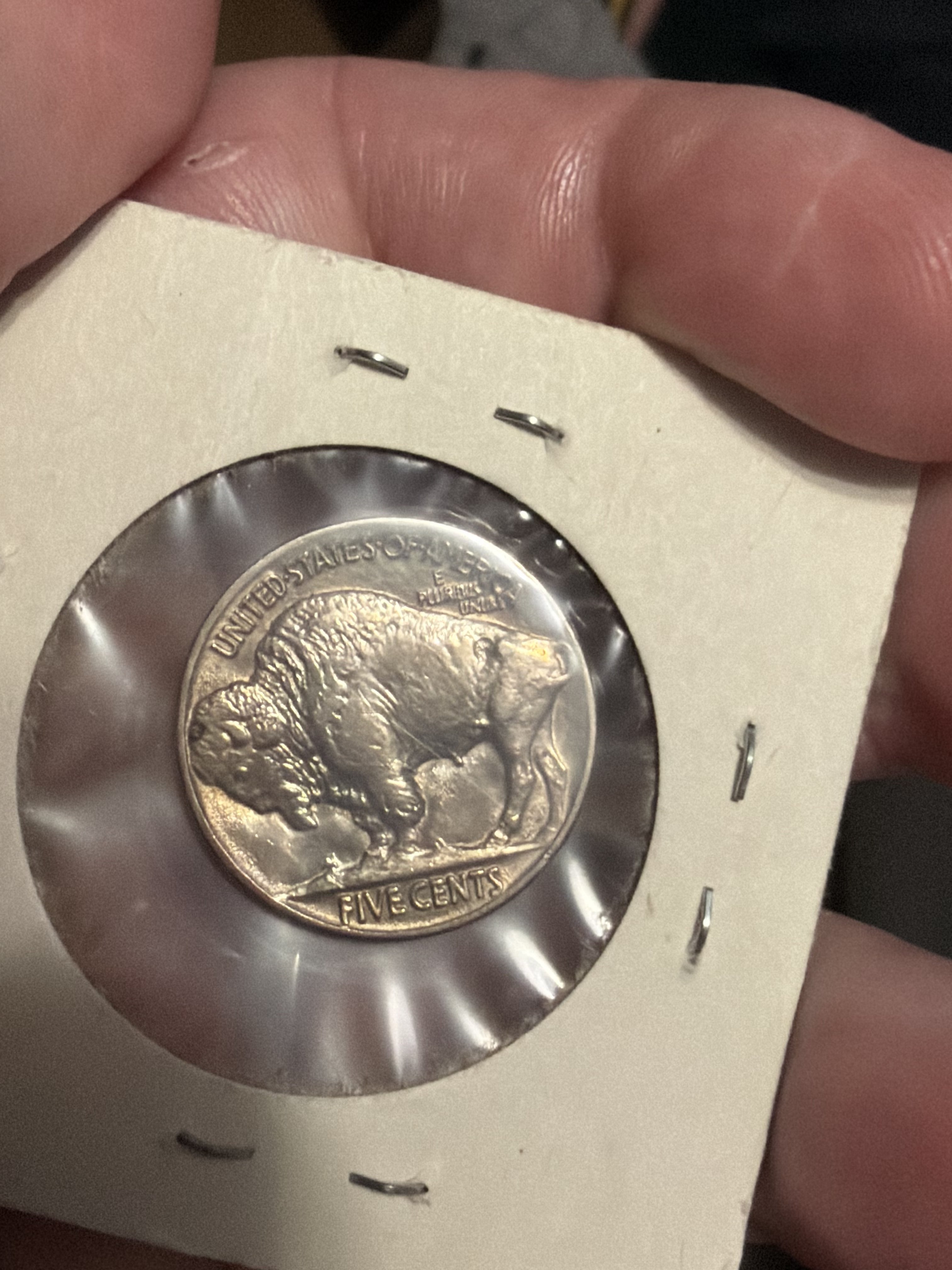
Buffalo nickel full strike?
 Morgan13
Posts: 2,965 ✭✭✭✭✭
I believe it is but I want others opinions.
Im not sure what you would call all the material thats around Black Diamond and the Native American Chief Is it luster or something else?
I have never seen it before but I am sure many of you have.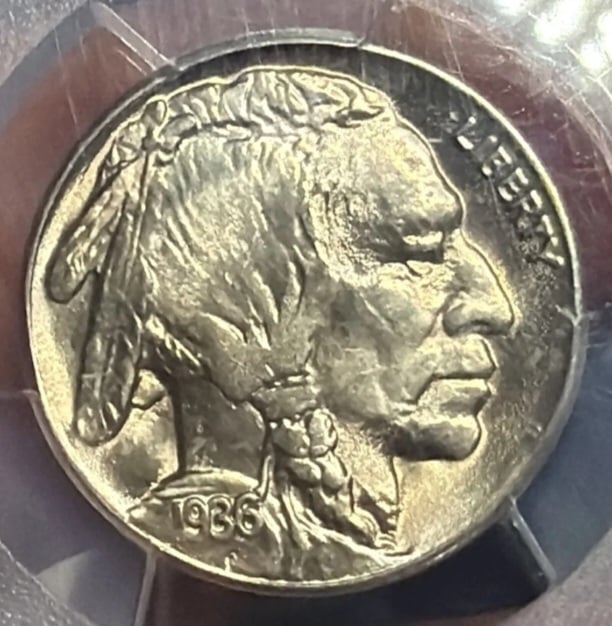
Student of numismatics and collector of Morgan dollars
Successful BST transactions with: Namvet Justindan Mattniss RWW olah_in_MA
Dantheman984 Toyz4geo SurfinxHI greencopper RWW bigjpst bretsan MWallace logger7 JWP BruceS bigjpst
JWP PROMETHIUS88
1
Comments
Yes, it is definitely fully-struck.
The dies are worn after many previous strikes, which causes ripples in the surface.
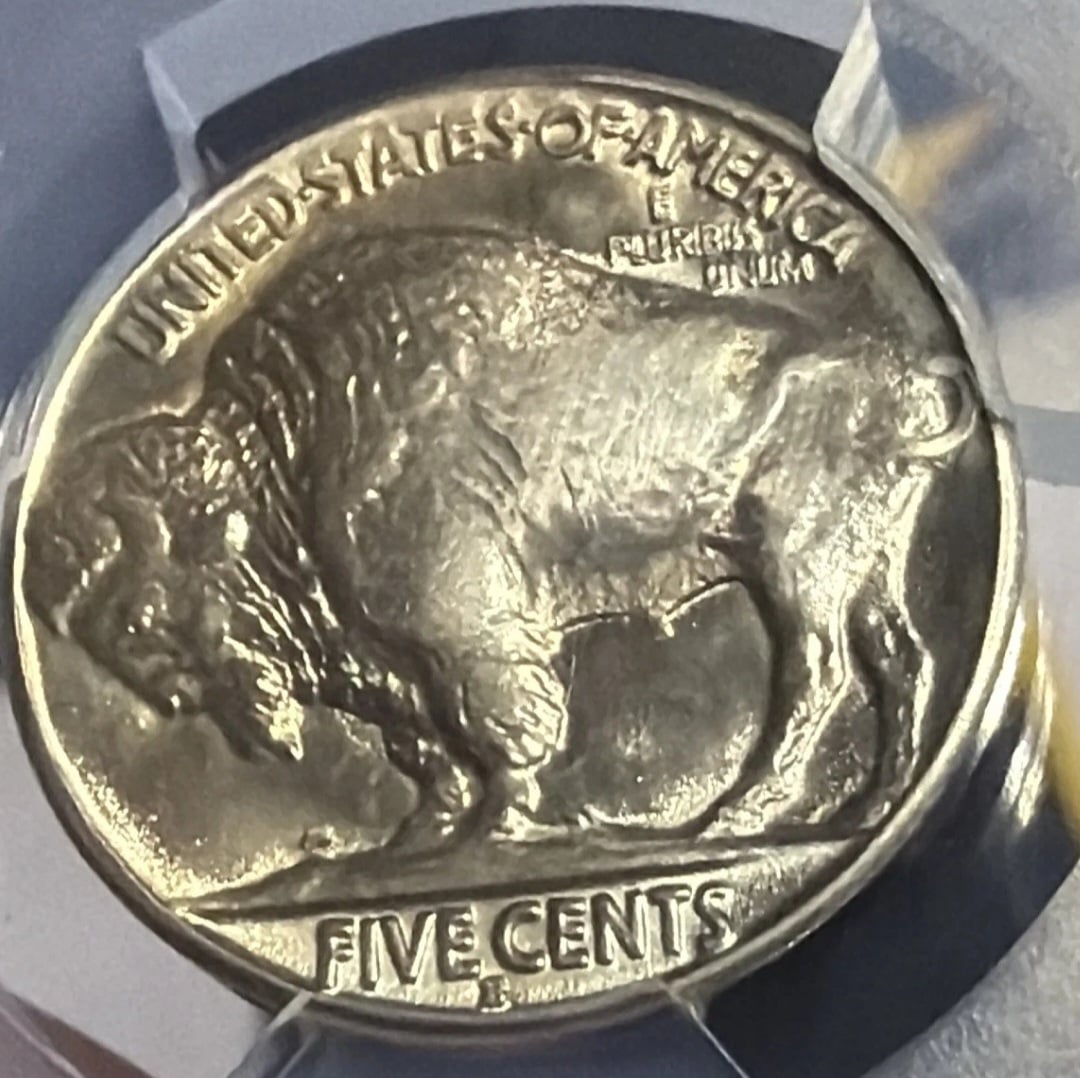
It looks like there may be a "wheel mark" (from a rubber counting machine wheel spinning on the surface).
It appears as fine parallel lines running from about 1:00 to 7:00 across the Bison's body.
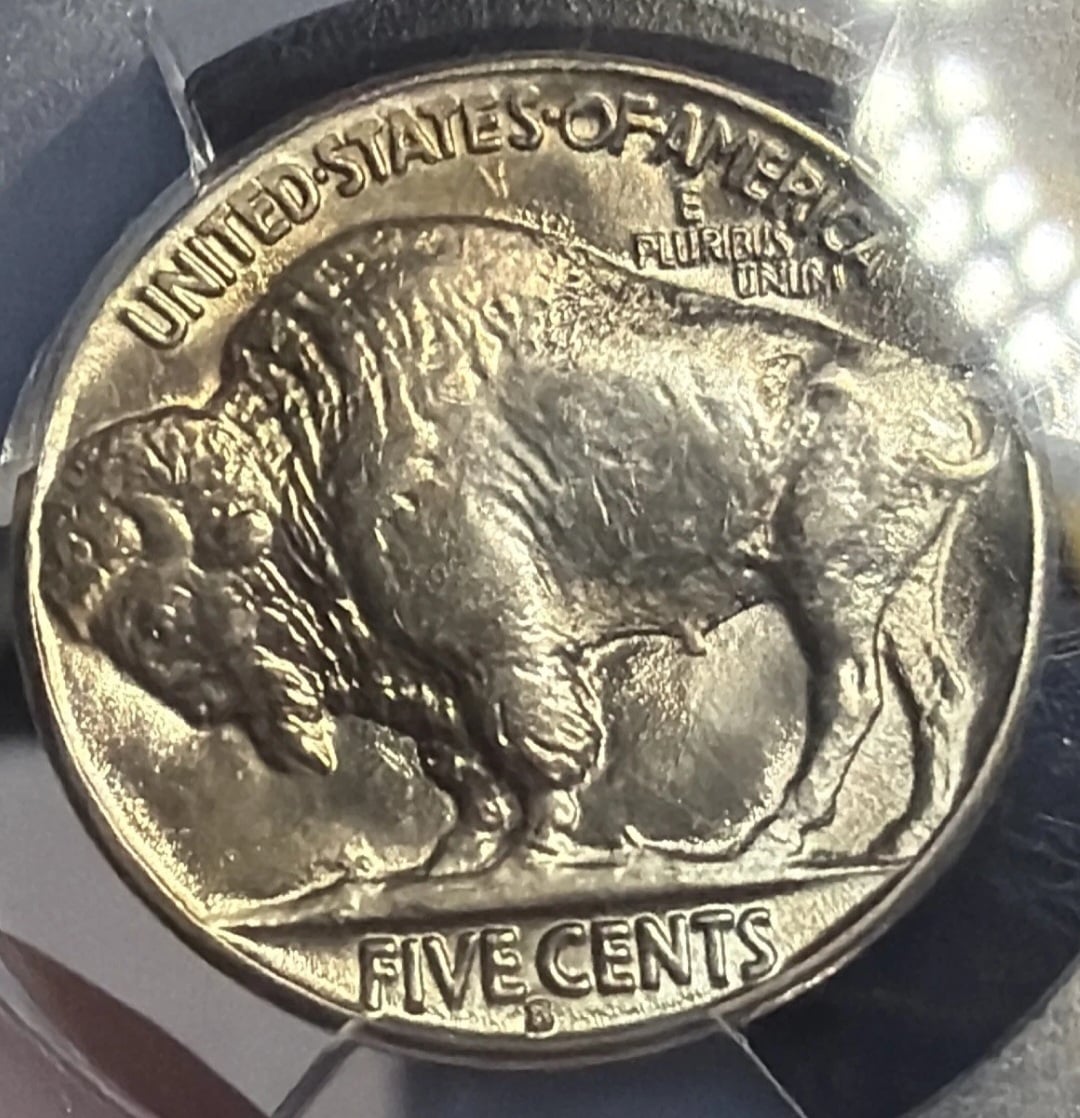
@dcarr I can see it in the middle picture but not the third.
Can a wheel mark be removed with acetone or MS70?
Student of numismatics and collector of Morgan dollars
Successful BST transactions with: Namvet Justindan Mattniss RWW olah_in_MA
Dantheman984 Toyz4geo SurfinxHI greencopper RWW bigjpst bretsan MWallace logger7 JWP BruceS bigjpst
JWP PROMETHIUS88
I’m not @dcarr, but the answer is no. Wheel marks go into the metal - they look like a group of heavy hairlines or light scratches.
Mark Feld* of Heritage Auctions*Unless otherwise noted, my posts here represent my personal opinions.
Yours is a nice strike but not full strike. Here is a Full strike example (split tail might be a tad weak):
@MFeld is always good when you contribute.
Thank you for the information.
If it has a wheel mark its better to know now instead of sending it in for grading.
@bigfrankie I am comparing them and I believe it depends on what your looking at. I think the buffalo has more details.
They both have there merits.
Student of numismatics and collector of Morgan dollars
Successful BST transactions with: Namvet Justindan Mattniss RWW olah_in_MA
Dantheman984 Toyz4geo SurfinxHI greencopper RWW bigjpst bretsan MWallace logger7 JWP BruceS bigjpst
JWP PROMETHIUS88
Happy to assist.
It looks like there’s a conspicuous cut on the Indian’s cheek. That, alone, should be reason not to submit the coin for grading.
Mark Feld* of Heritage Auctions*Unless otherwise noted, my posts here represent my personal opinions.
@MFeld I saw that. I wasn't sure if it was part of the portrait or not. Theres also something under the E in states.
Now I know.
I bought it relatively cheap so it will stay with me for a long time.
I like the luster.
Now that we have dissected it I think its a good coin to learn from.
No scratch tickets for me this week. I blew all my dummy money on this coin.
I still like it.
Student of numismatics and collector of Morgan dollars
Successful BST transactions with: Namvet Justindan Mattniss RWW olah_in_MA
Dantheman984 Toyz4geo SurfinxHI greencopper RWW bigjpst bretsan MWallace logger7 JWP BruceS bigjpst
JWP PROMETHIUS88
Not quite a full strike. Buying a coin is better than 99% of scratch tickets.
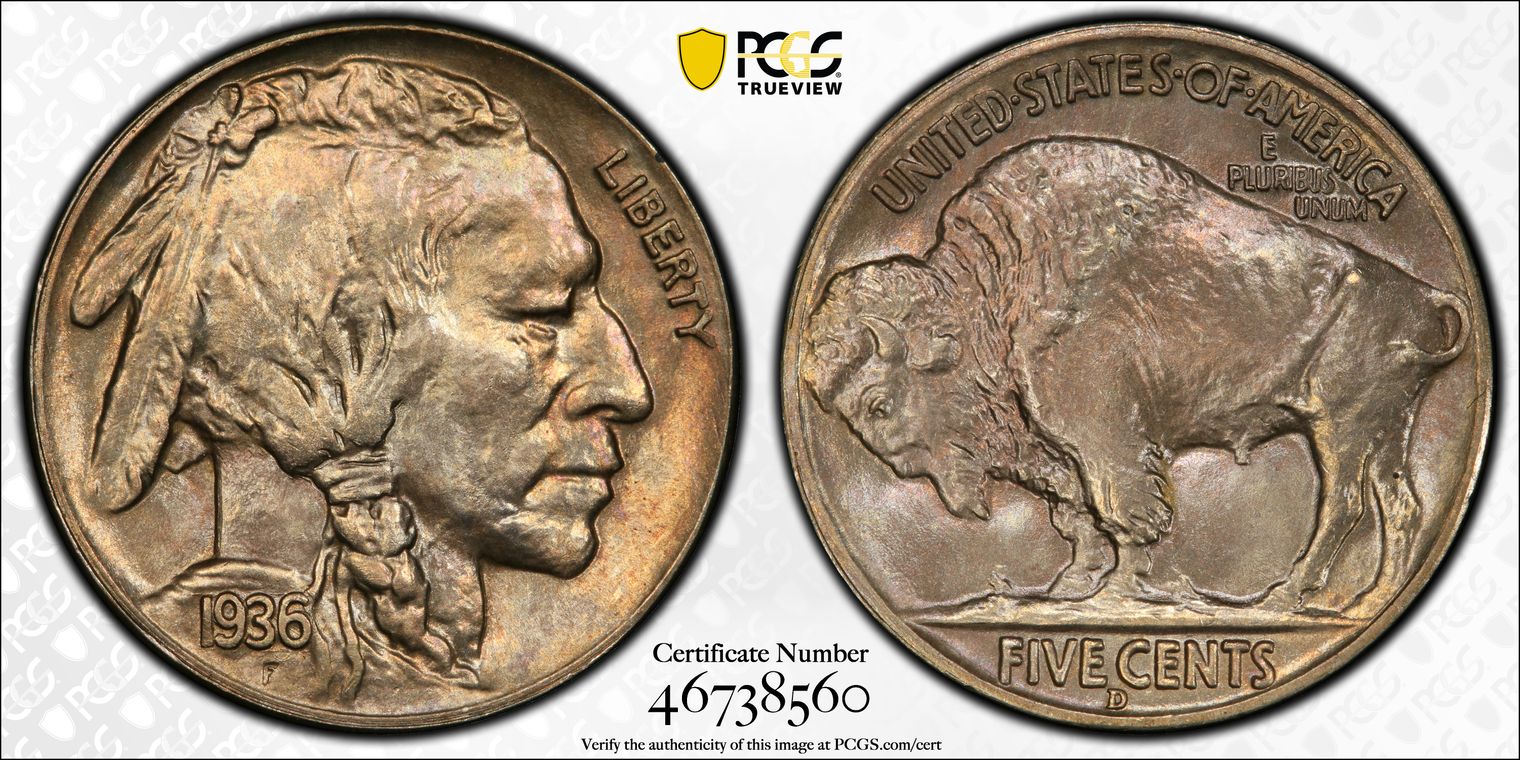
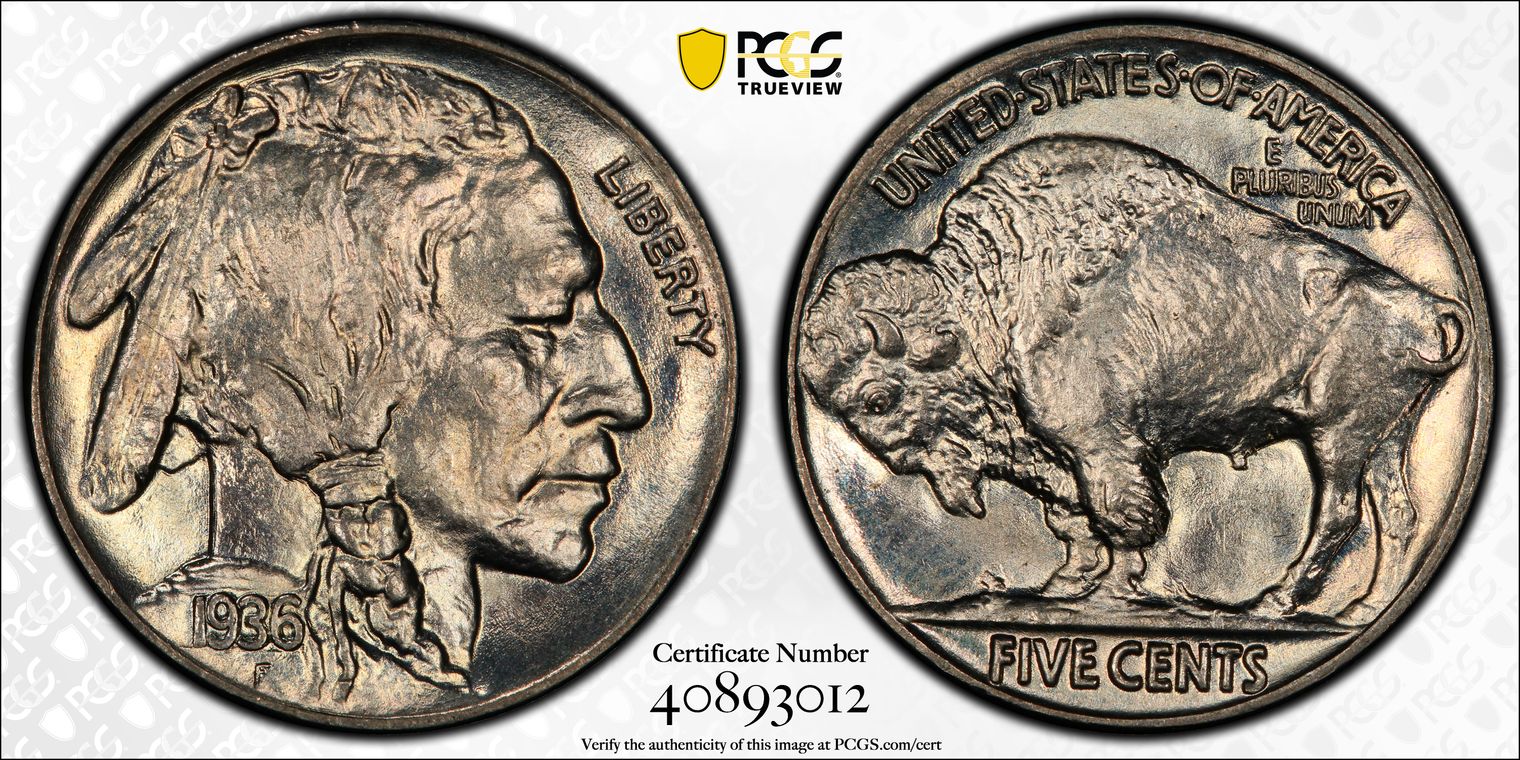


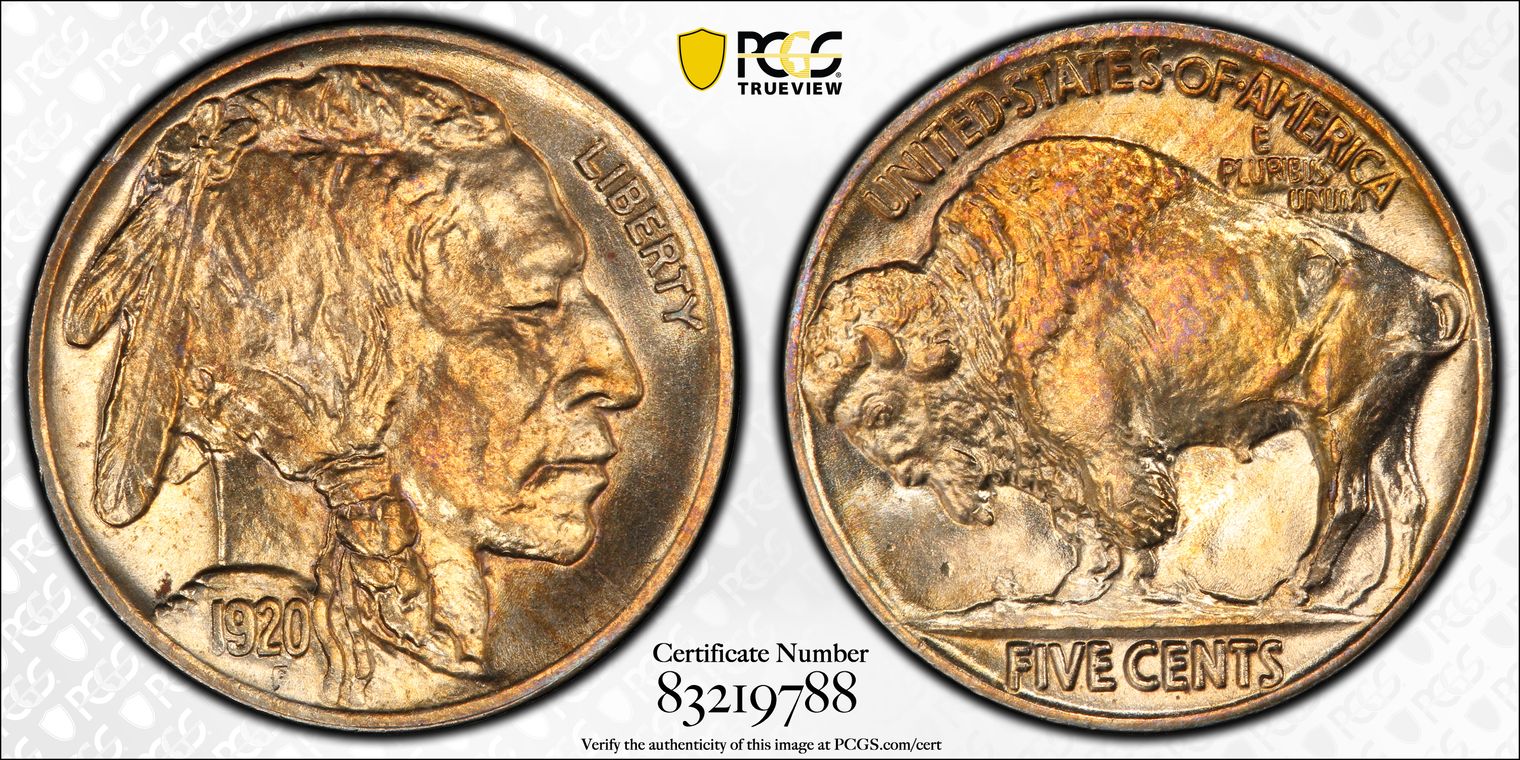
I would consider these ones about as good as it gets as far as strike:
Collector, occasional seller
One of the key areas I look at to determine full strike, is the split hair going into the knot, along with the knot details.
Some dates, like 1916 are reasonably easy to find with a Full Strike. Others, like 1926-D are nearly impossible.
@Morgan13, a question:
You state in one reply "If it has a wheel mark it's better to know now instead of sending it in for grading." But isn't this coin already graded? From the pictures it certainly looks like it is in a PCGS holder. What grade was it given in this holder?
@bammbamm Unc details wheel mark.
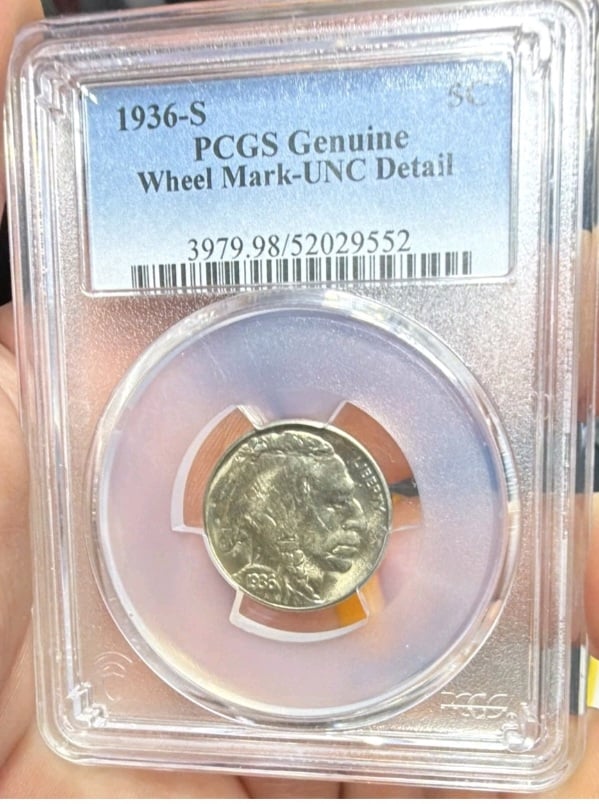
I thought the wheel mark could be removed with acetone. I thought it was just rubber from a "wheel". Then I could send it back in for grading. I did not know that it leaves scratches.
I have never bought a coin in a details holder before.
Like I said in my first post I bought it because I like the strike and what I perceived as luster surrounding the devices. I also learned that is from polishing the dies.
I am embarrassed about the whole thing and its tough for me to admit that I bought a details coin.
I should know better but I liked the coin.
I put in an early bid and forgot about it until I received notice that I had won it.
Im not in my right mind these days. Dealing with health problems has got my thinking all haywire.
Student of numismatics and collector of Morgan dollars
Successful BST transactions with: Namvet Justindan Mattniss RWW olah_in_MA
Dantheman984 Toyz4geo SurfinxHI greencopper RWW bigjpst bretsan MWallace logger7 JWP BruceS bigjpst
JWP PROMETHIUS88
I love the sort of woodgrain toning on the 1920!
I hope you're feeling better soon. It's no fun having a health problem. Best wishes.
The coin cost me $45 delivered so I am not to concerned. I will never buy a detail "wheel mark" coin again.
I honestly thought it was just rubber. I did not know that it scratches the coin.
Like I said I spent my scratch ticket budget on it.
Certainly did not turn out to be a "winner".
Student of numismatics and collector of Morgan dollars
Successful BST transactions with: Namvet Justindan Mattniss RWW olah_in_MA
Dantheman984 Toyz4geo SurfinxHI greencopper RWW bigjpst bretsan MWallace logger7 JWP BruceS bigjpst
JWP PROMETHIUS88
Im going to add it to my grandsons collection with a post it note.
Ill let him know Gramps made a mistake. Avoid details coins.
Student of numismatics and collector of Morgan dollars
Successful BST transactions with: Namvet Justindan Mattniss RWW olah_in_MA
Dantheman984 Toyz4geo SurfinxHI greencopper RWW bigjpst bretsan MWallace logger7 JWP BruceS bigjpst
JWP PROMETHIUS88
Lack of detail in the hair above the knot and the knot itself means no full strike, IMHOP.
Pete
Not fully struck but well struck. On the rev the fur on the shoulder is not full, the tail near the rim is not full, the fur on the head above the eye and around the horn is not fully distinct. On the obv the hair above the knot is not fully struck which is very typical. The extra material you asked about is from die deterioration, and the fact that the coin shows die deterioration is a very good indication that the strike may not be full.
As a side note your two rev photos highlight why I placed the qualifier "unless the photo is not true to the in hand look" in my reply to your dime grade thread. In that thread you replied that "I always use straight photos.
I do not lie to myself or this forum.". As you can see from your photos here a straight photo shot may not always tell the whole story as the wheel mark that shows in your tilted image of this nickel does not show in the straight on shot.
My Collection of Old Holders
Never a slave to one plastic brand will I ever be.
These are not my images. If they were I would have sent clear images.
Student of numismatics and collector of Morgan dollars
Successful BST transactions with: Namvet Justindan Mattniss RWW olah_in_MA
Dantheman984 Toyz4geo SurfinxHI greencopper RWW bigjpst bretsan MWallace logger7 JWP BruceS bigjpst
JWP PROMETHIUS88
Morgan13 - A 'first look' location for fullness of detail (aka: "full strike") is the top portion of lettering closest to the rim. This area has the most complex shock waves in the planchet and will often present weak, incomplete or beveled lettering. Your buffalo nickel shows this on the reverse at "United States." On some designs this is evident even if central detail seems sharp and complete.
Also, a common cause of weak detail is improper annealing (softening) of planchets. See the decades long run of New Orleans silver dollars for examples of persistence.
@RogerB
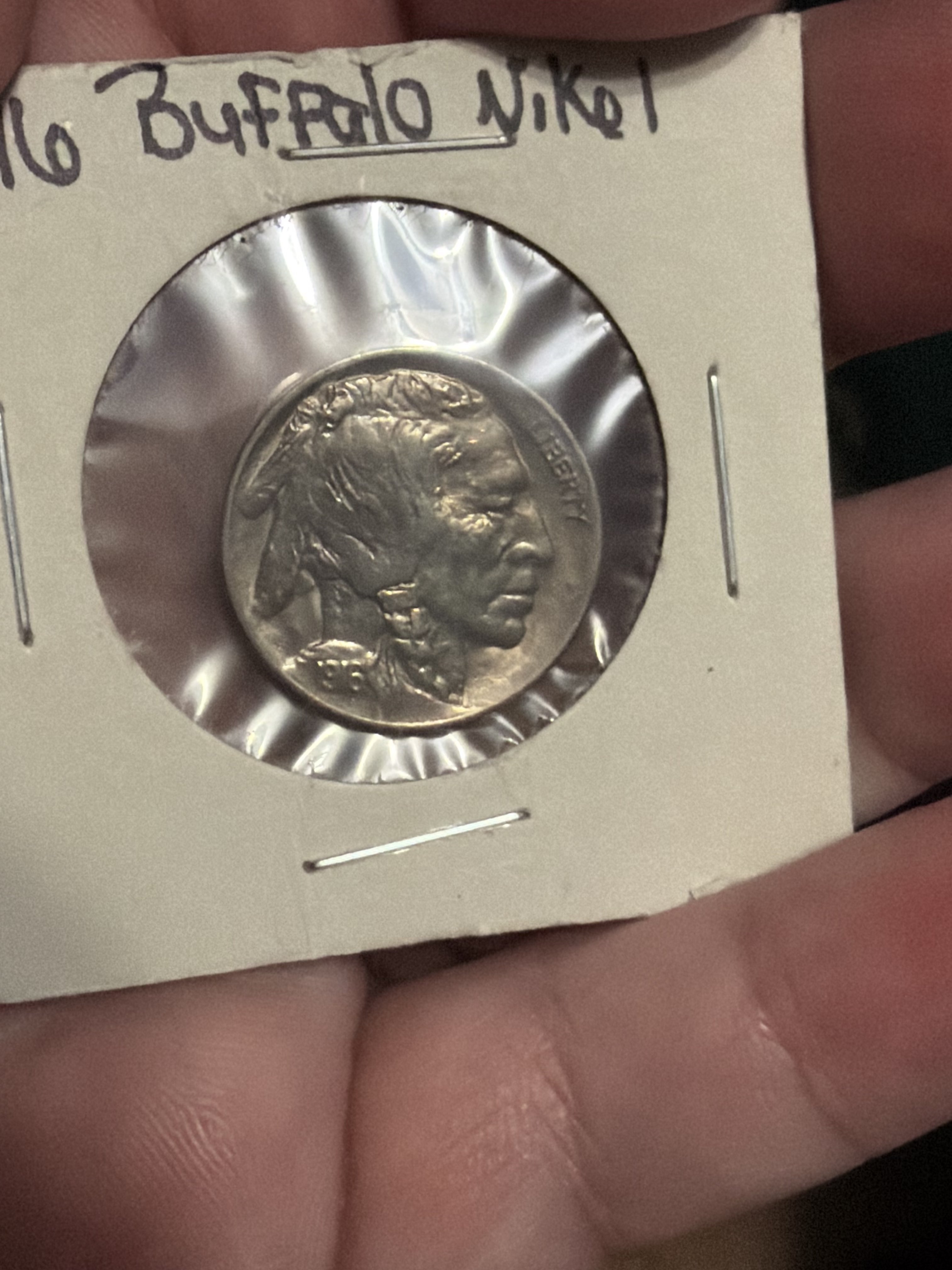
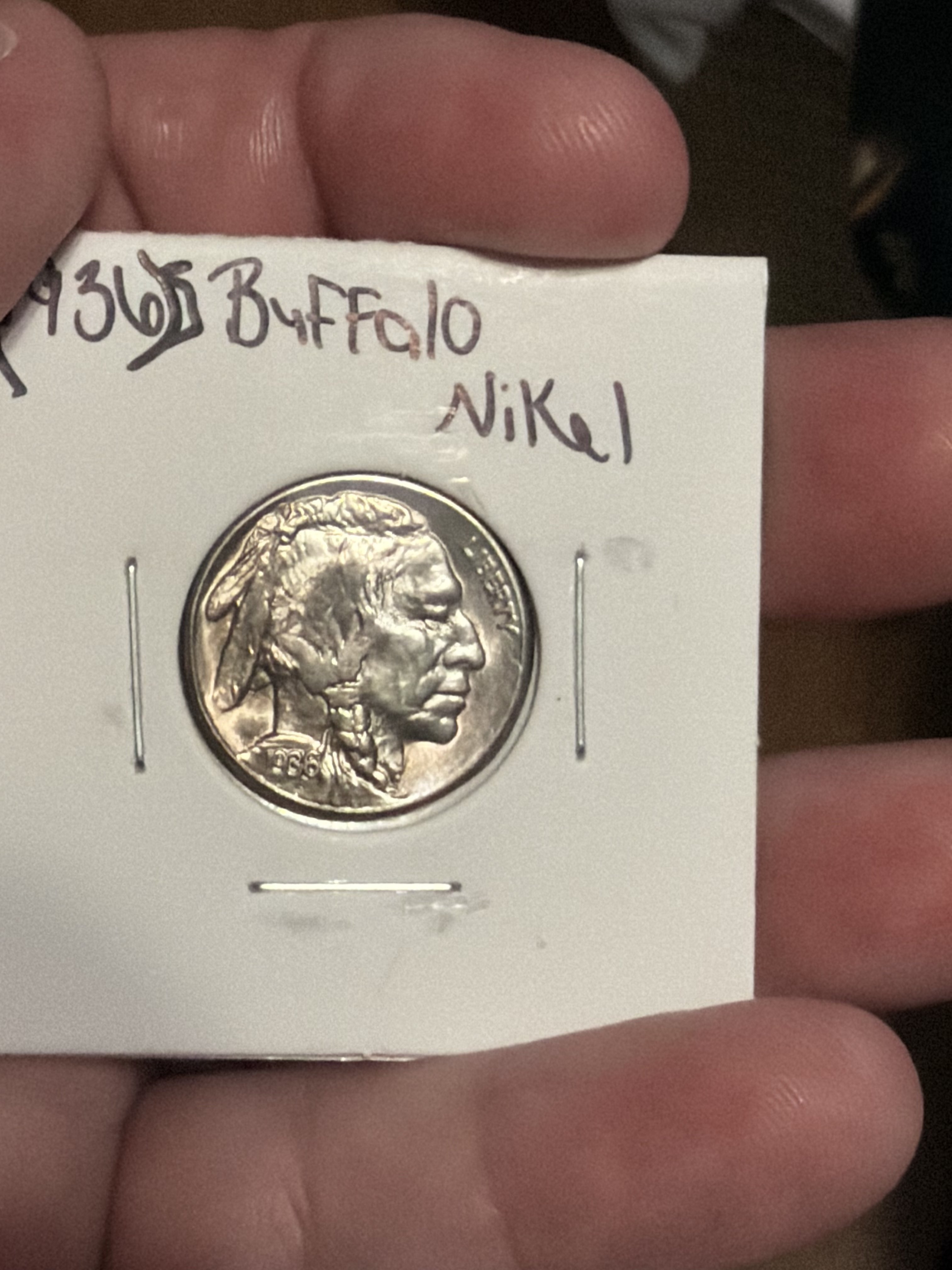
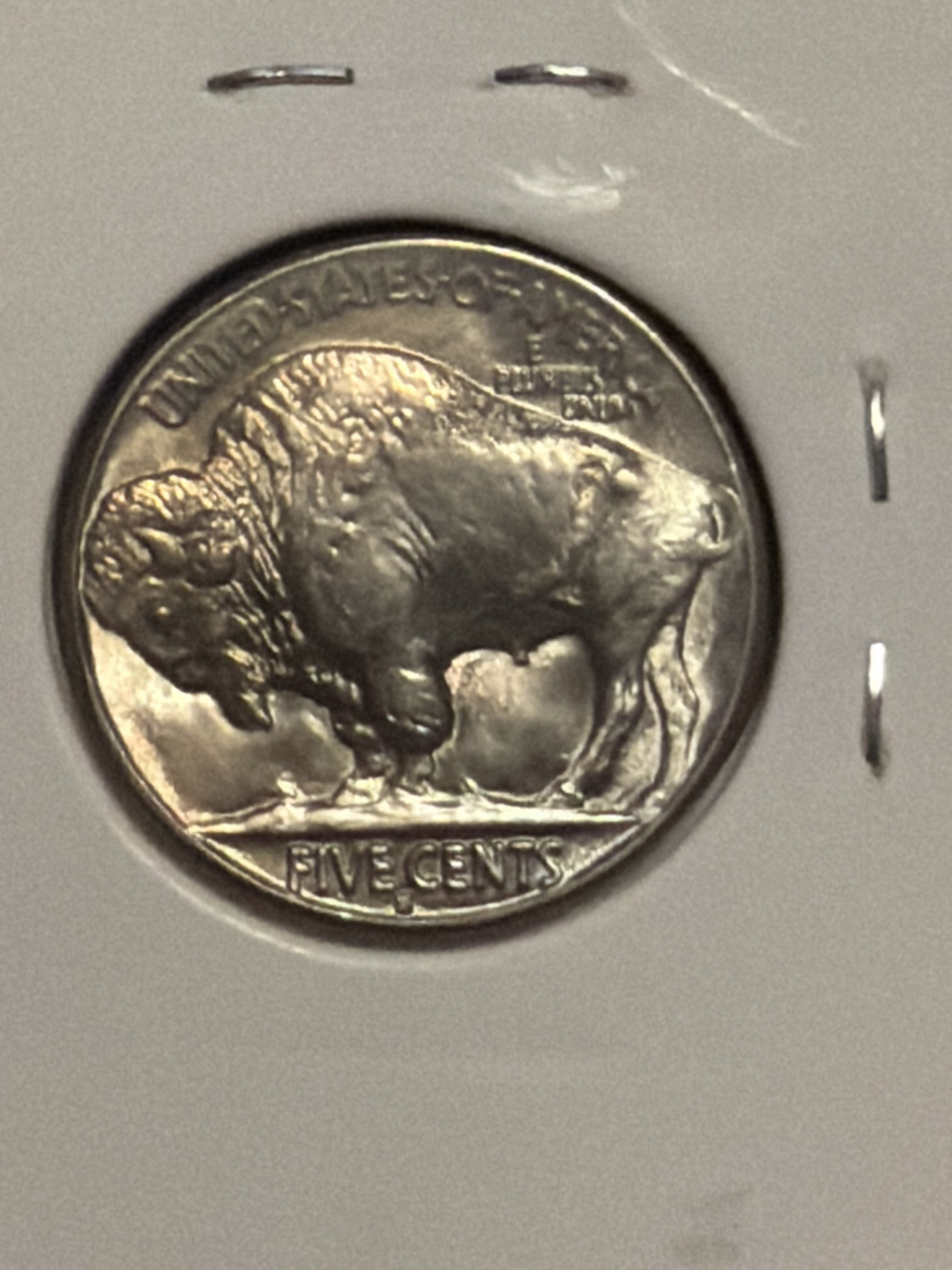
I recently purchased these two Buffalo's. They are in the mail.
I know the images aren't great but you might be able to see beyond them.
How do these look for strike?
Student of numismatics and collector of Morgan dollars
Successful BST transactions with: Namvet Justindan Mattniss RWW olah_in_MA
Dantheman984 Toyz4geo SurfinxHI greencopper RWW bigjpst bretsan MWallace logger7 JWP BruceS bigjpst
JWP PROMETHIUS88
Trying to determine grade or fine detail from photos is problematical. Please look at the lettering as mentioned in a previous post once you have the coins.
Irrelevant for the point I'm making, but in the future to avoid such confusion it might behoove you to indicate if the photos you post are not yours.
My Collection of Old Holders
Never a slave to one plastic brand will I ever be.
Both appear to me to be good (full) strikes.
However, you can separate die sharpness from strike completeness.
I consider a full strike to be a strike which reveals all the details that the die has to offer.
But one die may have better details and sharpness than another die. Contributing factors include the amount of striking wear and erosion on a working die, and the sharpness of the working hub that was used to form the die.
PS:
The 1916 nickel shown may have been subjected to a light cleaning.
The 1936-D nickel looks like it could grade MS66 or maybe even a little better (the pictures are too fuzzy to be sure).
.
@dcarr I thought the obverse looked a little dull on the 1916. I am not sure if its just the images.
I can return either one or both.
Its so difficult to tell what a coin looks like from images. I am looking forward to seeing them in hand. From what I can see the buffalo looks like it has a really detailed strike. I compare it to the coins in coinfacts.
Thank you for your opinion.
It helps.
Student of numismatics and collector of Morgan dollars
Successful BST transactions with: Namvet Justindan Mattniss RWW olah_in_MA
Dantheman984 Toyz4geo SurfinxHI greencopper RWW bigjpst bretsan MWallace logger7 JWP BruceS bigjpst
JWP PROMETHIUS88
I will start by simply stating that as much as I like the Buffalo nickel, I am not an expert in terms of determining full strikes and to a lesser extent grades at the high end of the MS spectrum. And while I am content to leave this discussion to the Buffalo experts, I feel some sense of civic duty to just remind collectors asking the question about a full strike to first consider thinking about the date and the mint as this series has peaks and valleys in terms of quality and what can be expected to be encountered. A 1938-D will look attractive... a 1925-D and 1926-D will look awful. This is a series that must be studied to appreciate quality, the variance in striking quality between mints and that certain dates simply do not exist in what some collectors expect in connection with what is contemplated by a full strike designation
Experience the World through Numismatics...it's more than you can imagine.
I would echo the comments made by coinbuf. Some of the reference books written by Ron Pope have in depth analysis of what constitutes a full strike. I always felt this one rose to that bar:
Buffalo Nickel Digital Album
Toned Buffalo Date SetDigital Album
https://pcgs.com/setregistry/mysetregistry/album/411385 7070 Registry<
I do not claim to be an expert, but have a decent knowledge as a collector. Building a complete set of Fully Struck Buffalo Nickels, even if you have unlimited funds, may be close to impossible. Maybe as difficult as a complete set of Fully Struck (not just FH) set of Standing Liberty Quarters.
My personal target is well struck examples (CAC/CACG), with as many Fully Struck or nearly Fully Struck as possible.
PS: I agree with coinkat's comments.
I really appreciate the information.
I will keep in mind the different variables involved with different dates. Thats good to know.
I do use coinfacts quite a bit to help me with grading and I also read the summary for each year that is posted on the details page of coinfacts.
I do make mistakes though.
Good information here and using coinfacts.
So much to learn.
I need to watch out for impulse purchases.
I am looking forward to receiving the two that I purchased.
As @dcarr has mentioned the 1916 may have been cleaned so I will look for that as soon as I receive the coins.
Hopefully its just the images but I expect the worst and hope for the best.
The 1936D shows promise.
I do like the idea of a full strike and has been mentioned not all years are created equal.
These are not big money coins but the information is priceless.
Ill post images when they show up.
The seller has told me returns are no problem.
He has one heck of a collection that he is selling and I hope to buy it all over time.
Fortunately he is not in any rush.
Student of numismatics and collector of Morgan dollars
Successful BST transactions with: Namvet Justindan Mattniss RWW olah_in_MA
Dantheman984 Toyz4geo SurfinxHI greencopper RWW bigjpst bretsan MWallace logger7 JWP BruceS bigjpst
JWP PROMETHIUS88
But most collectors don't know or have the faintest idea what a full strike or EDS (early die state) struck Buffalo nickel is/looks like. Nor do they care as they just haven't paid enough/close attention to whether all the details are there or not. It's a long learning process that slowly sinks in over a great deal of time. It's not until their coins go through a number of rejections and lessons from enough of those collectors that will make a stink about it and not buy their coins. It's not until such collectors have experience this failure with the coins they have blindly selected. They don't want to be told/learn about the possibility that they have wasted hundreds of dollars on coins that turn out to be undesirable to a segment of collectors. To prove my point, all we would need to do is to grade the coins with TrueViews in some collector's Registry set. Or look at the coins in past sales at the GC auction sales or eBay and note all the terribly weak struck coins that have sold. Is this a bad thing? No, it's not! It's all part of how it works. The cgc's have done an excellent job grading/dealing with sorting out the millions of coins they have been bombarded with over the years they have been grading coins. A beginner or uneducated collector is not going to be penalized in the grading of their coins over missing details! Nor when their coins lack luster, display a level of dullness or shadows or if they're marky for a grade. Many collectors just haven't learned yet as to how detailed or lustrous or perfect a coin can get! And so for all those collectors on that life--long learning path, with what quality of coins they collect, they are enjoying the adventure they are in. And the few that might happen to discover this topic being discussed, they too might learn something but it will hardly change their views on their coins. That takes time or when that VEDS example finally crosses their path.....
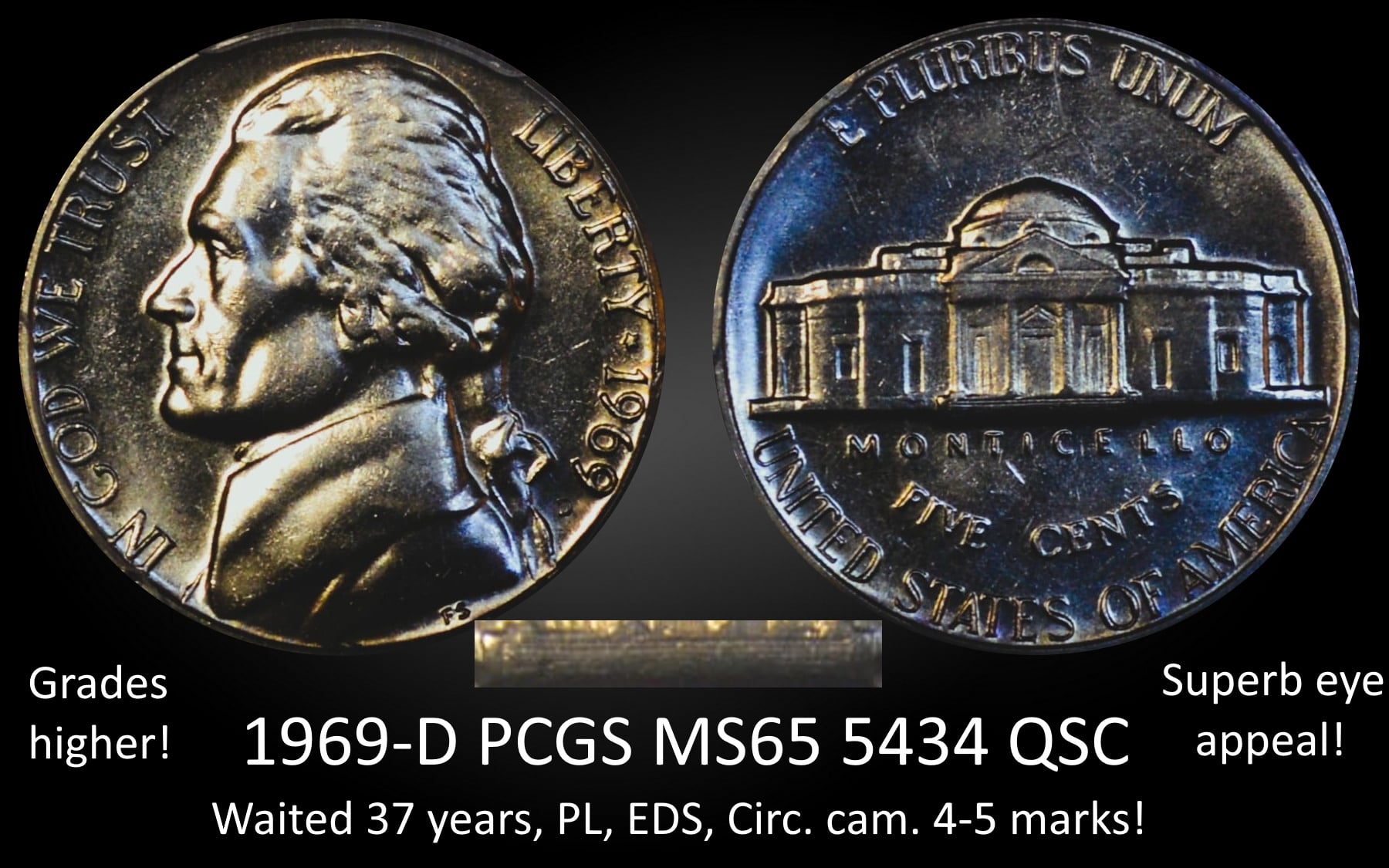
Jefferson nickels have suffered the same fate since the same planchet/coin blank that's been used to make nickels hasn't changed in over 150 years! It's a very hard alloy that's given the US Mint many years of problems transferring all the details over to make that perfect coin very few are chasing after.
Too sum up, take a close look at my newest acquisition to my collection. Sure, I would just love to go into all the details as to why I think this coin is all so great. And why I think it actually grades MS67+ PL! And how it cost me only $13.51! How it has taken me 37 years..... The majority out there who won't ever see this coin in their lifetimes, the very few who might happen upon this discussion, just wouldn't understand anyway!
Some 28 years back, I owned a similar coin. It was so well struck and PL, even the thickness of it or how high the rail rims were on that coin that made it look like a proof coin. But I naively sold that coin to a Ken Huk on eBay for $75 because I thought that there would be others that would eventually come along. But I kept in contact with Ken for a while after that sale but I think he eventually passed away in 2002. And I swore that someday I would make that venture to the East coast and try to find the whereabouts to that 1969-D. What else would I do since I'm retired, right? lol But now, I don't have to make that trip. While I don't think it's the same coin, that chapter has come to an end.
There's another individual out there I haven't heard from for a couple of months. I pray he is doing ok and hasn't dropped off the face of the Earth. But we're all headed that way someday. He has a coin I want but apparently I'm not a big enough fish to get it and rightly so.
But we could discuss which of the posted Buffalo nickels above show more details over the others, has the greater eye appeal. But it could be just the quality of the photos, right?
Great coins guys! Thanks for sharing.
Leo
The more qualities observed in a coin, the more desirable that coin becomes!
My Jefferson Nickel Collection
I read your commentary. It makes alot of sense.
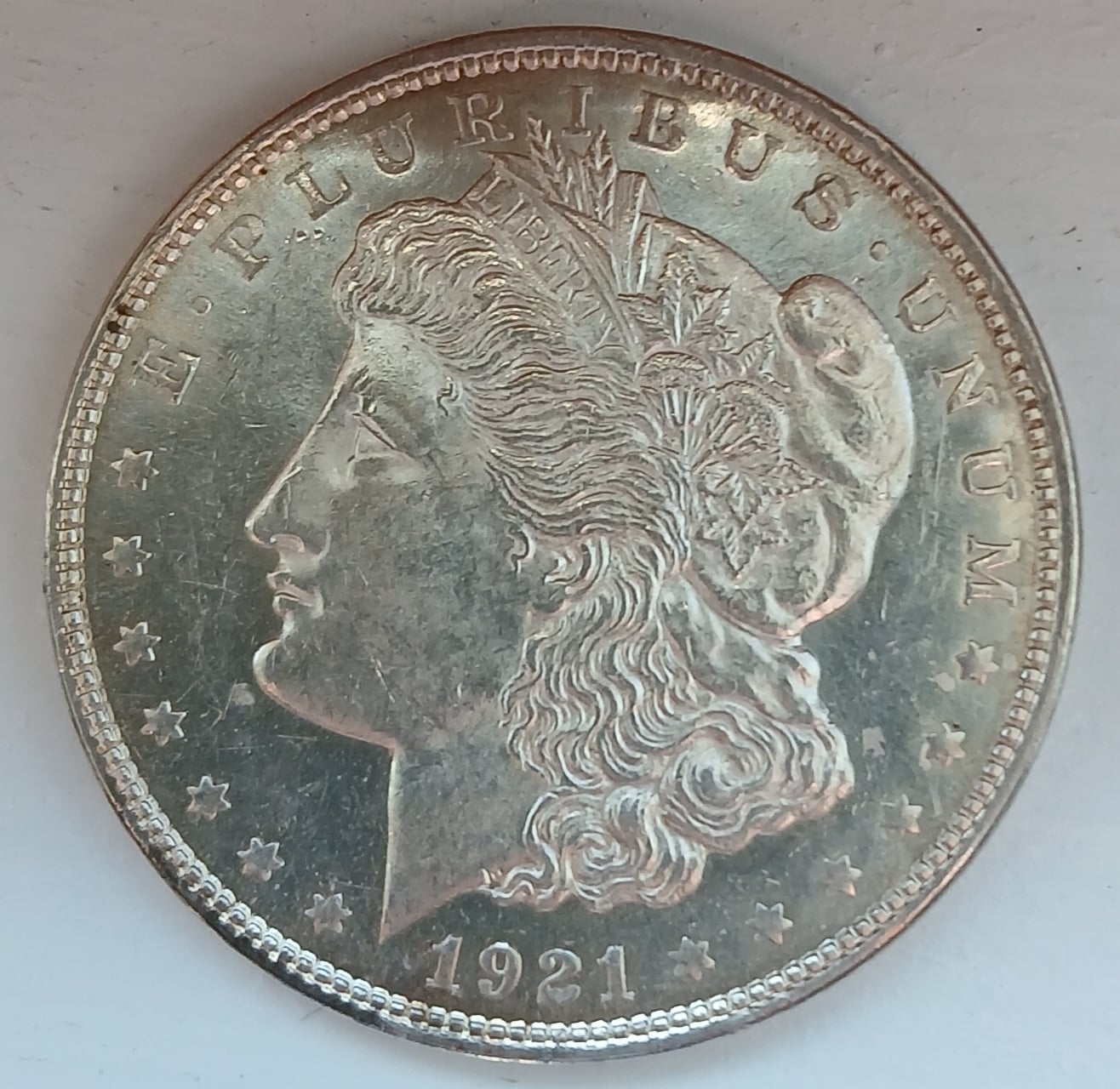
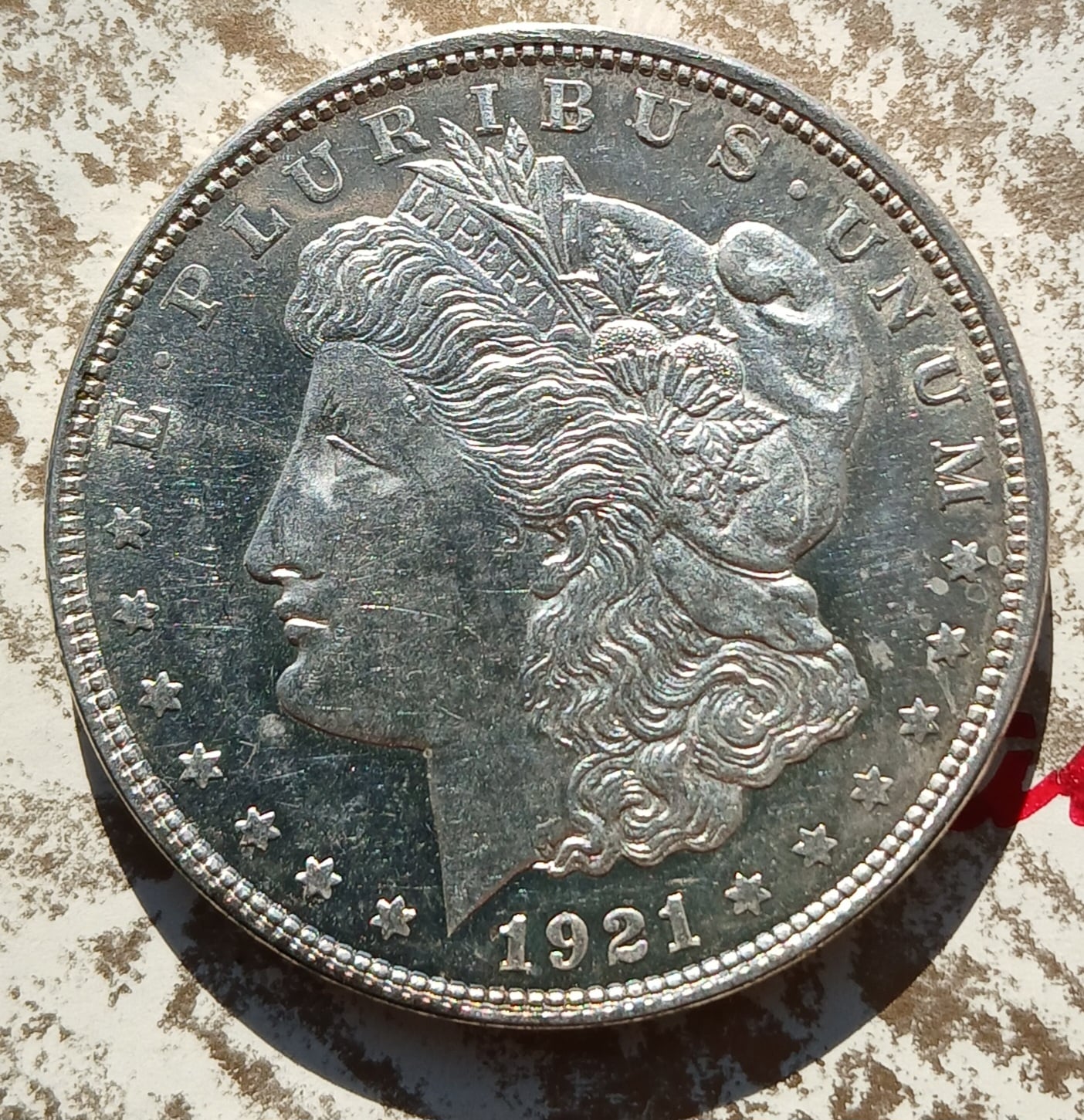
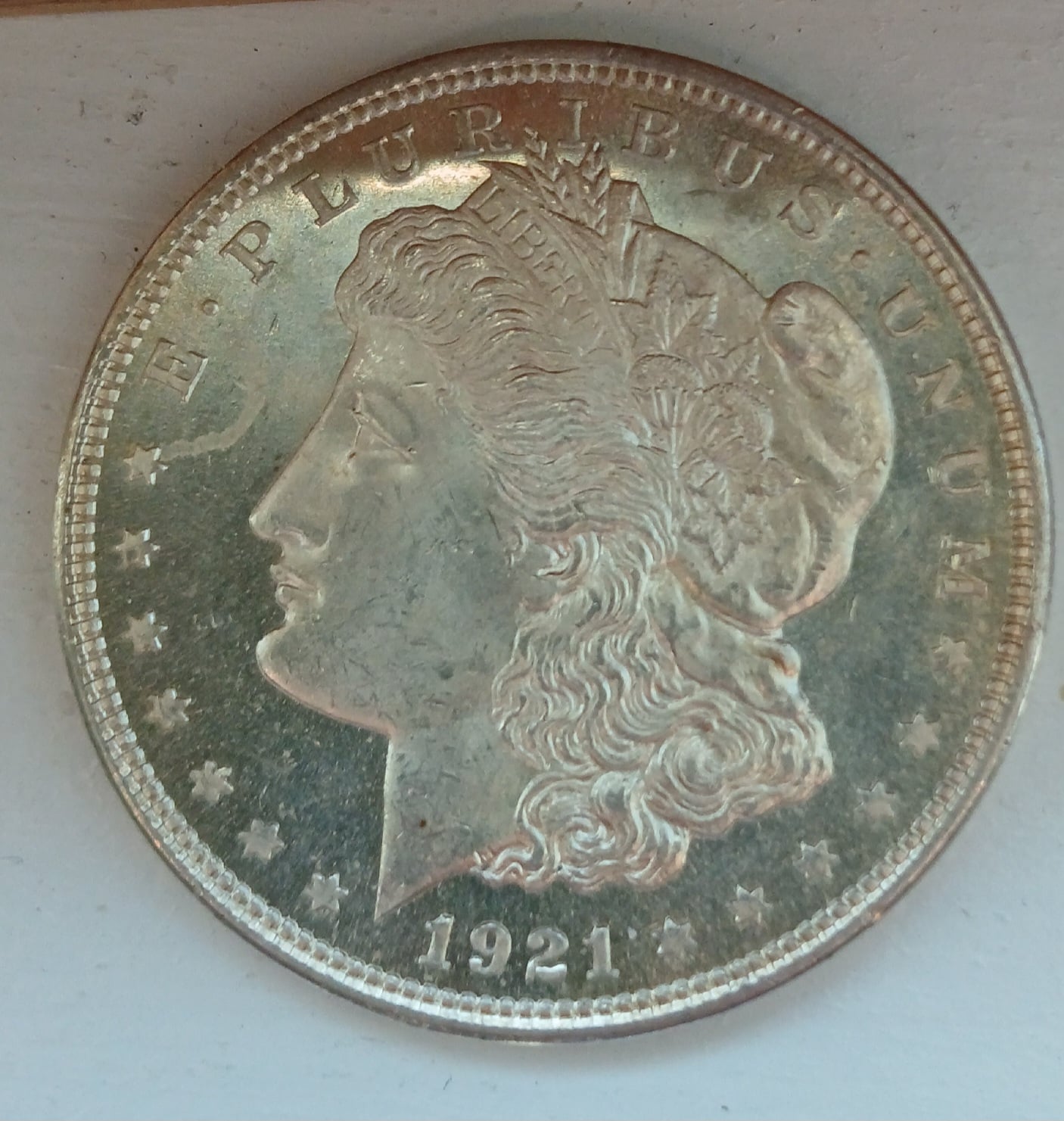
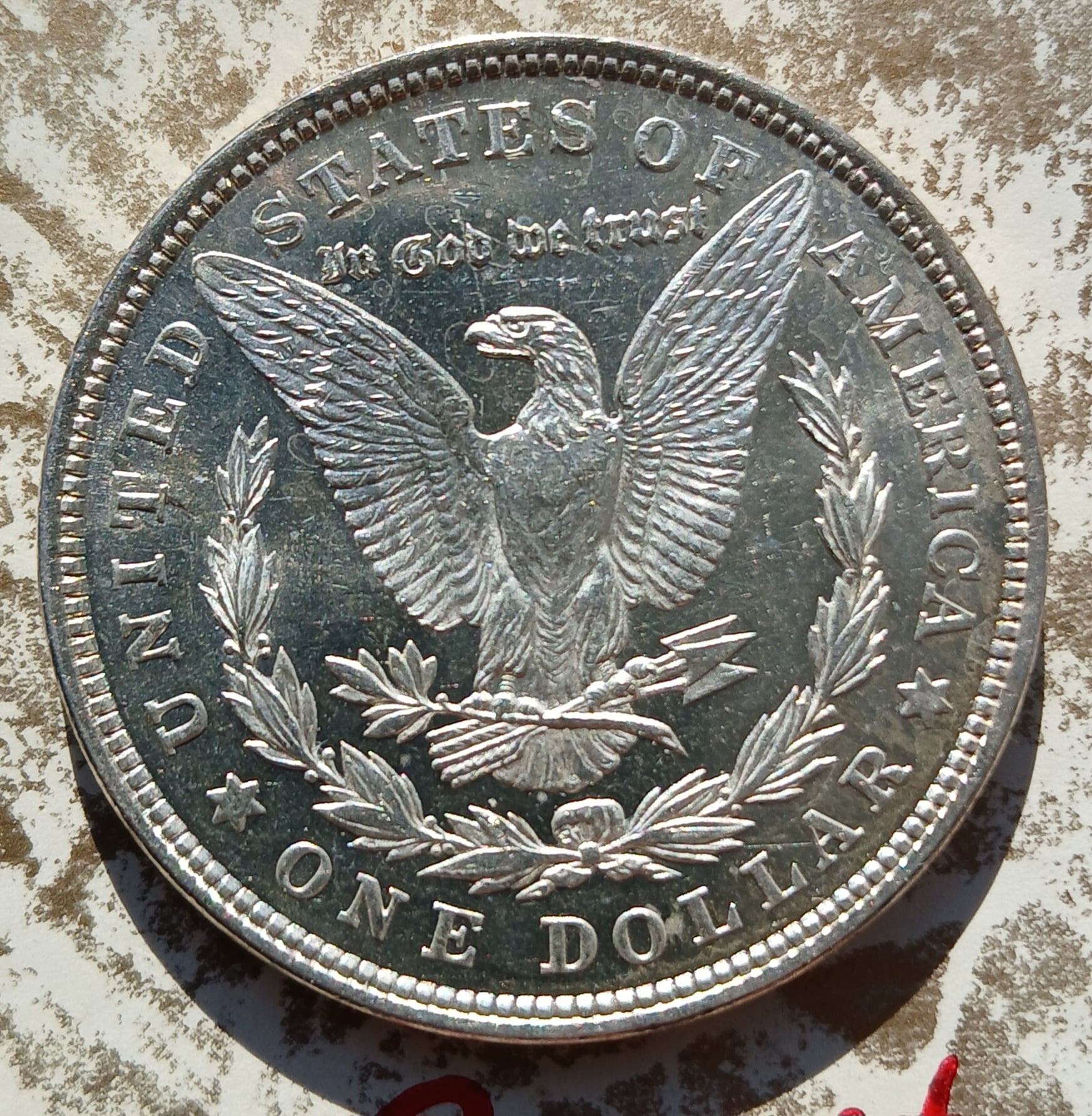
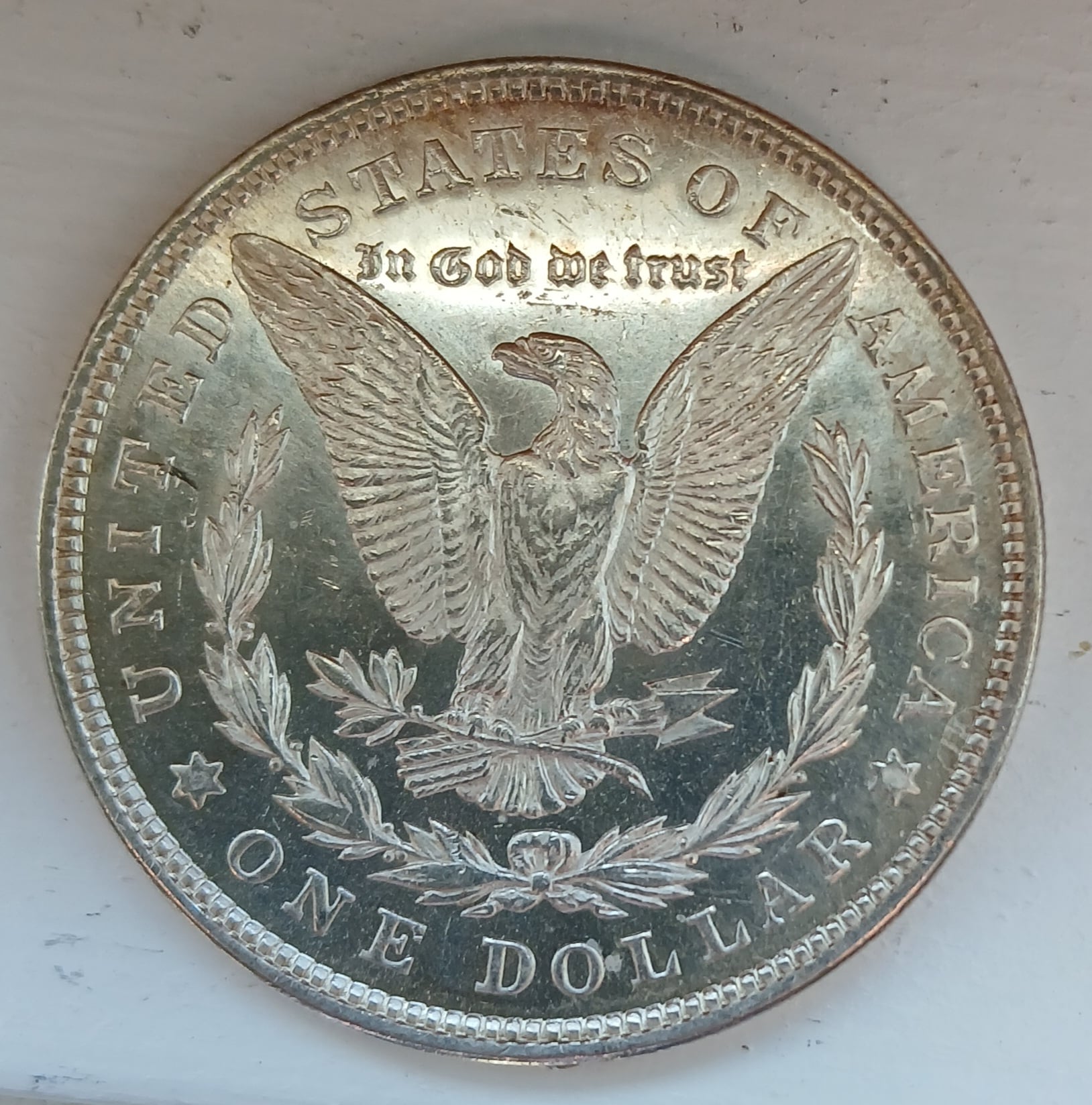
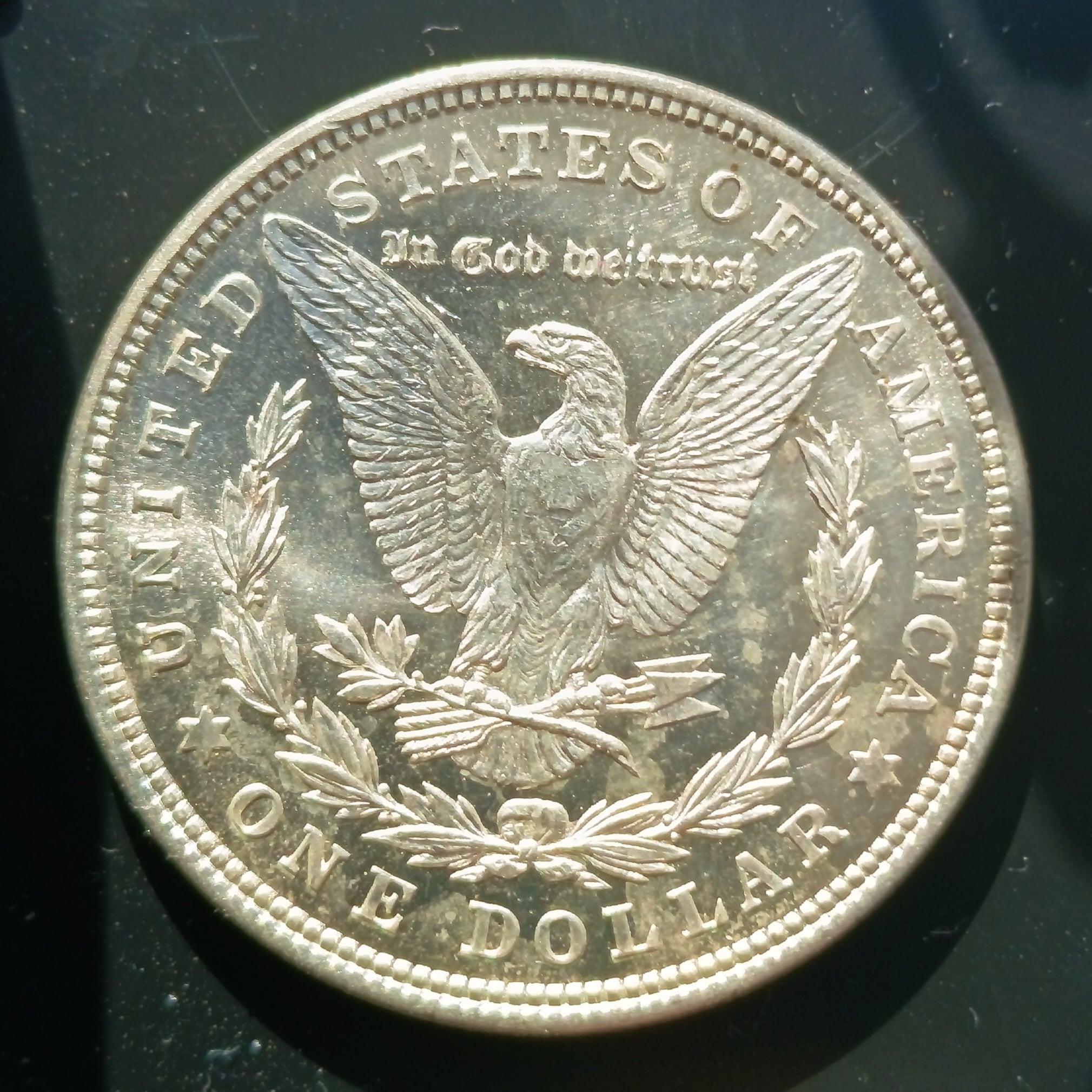
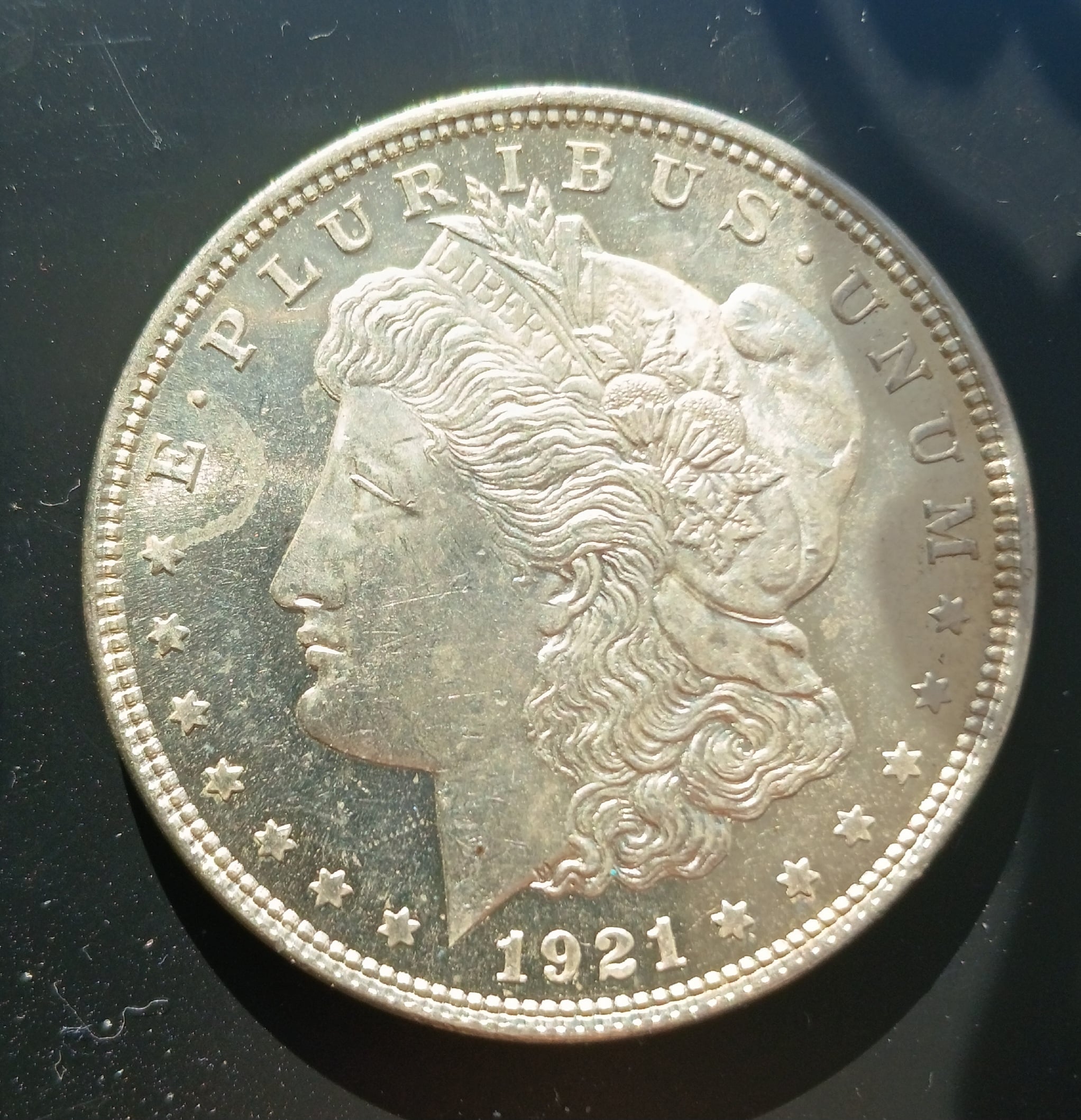
How does one go about finding the perfect strike on a buffalo nickel.
I use coinfacts and even some coins in high grade and dont appear to have the perfect strike.
How many 66 or 67 graded buffalo nickels have a soft strike.
I have achieved the perfect strike of a 1921 Morgan.
A 1921 Morgan is a prime example of a difficult coin to find the perfect strike.
I don't mean to hijack your thread just making a comment.
Student of numismatics and collector of Morgan dollars
Successful BST transactions with: Namvet Justindan Mattniss RWW olah_in_MA
Dantheman984 Toyz4geo SurfinxHI greencopper RWW bigjpst bretsan MWallace logger7 JWP BruceS bigjpst
JWP PROMETHIUS88
.
I don't know why you keep bringing up this "shock wave" dynamic. Where did you get this idea ?
I debunked it before and I will do so again in this post.
The figures I will use relate to my Denver Mint surplus coin press. Other (earlier) US Mint coin presses operate at a similar speed and rate.
Part 1.
Estimation of the speed of the dies while in contact with the planchet during striking.
At full speed, my coin press can strike close to 10,000 pieces per hour. For each strike, the lower die is stationary and the upper die travels approximately 50mm. The total distance traveled by the die in one hour is 10,000 x 50mm x 2 (up and down) = 1,000,000mm. The average speed of the die is 1,000,000mm per hour, or 1,000,000/3,600 = 278mm per second. However, the motion of the die is sinusoidal (slower at top dead center, slower the the bottom of the stroke where the striking occurs, and fastest midway through the stroke. A simple estimation of the speed of the die while in contact with a planchet is 278mm / square_root(2), which equals about 200mm per second.
Part 2.
Duration of time that the dies are in contact with planchet.
Typical depth of relief for many US coins is 0.015 inches (about 0.4mm). With the die moving 200mm per second, the actual strike takes 0.002 seconds.
Part 3.
Shock wave propagation.
The speed of a shock wave is the same as the speed of sound in solid metal. For annealed copper, the slowest geometric speed of sound is about 2,500 meters per second, or 2,500,000mm per second.
Part 4.
Conclusion.
During the time that the dies are in contact with the planchet, a shock wave would move about 5,000mm (.002 * 2,500,000).
Using a nominal planchet thickness of 0.08 inches (about 2mm), results in a shock wave that would reflect back and forth 2,500 times during the striking event. This oscillation is way too fast for any wave interference patterns to form or have any effect. In other words, the striking event is way too slow for any shock wave to affect the strike.
The simple explanation as to why some coins exhibit good strikes but weak details near the rims:
Insufficient upset rim height of the planchet.
.