Is a Proof Buffalo Nickel worth it? And general tips on purchasing one
 U1chicago
Posts: 7,056 ✭✭✭✭✭
A proof Buffalo nickel has been on my mind lately. Maybe in part due to some recent threads. 
For those who have owned at least one example (or seen one in hand), is it "special" enough to own? I know special can be defined differently by each person but the general question is if you enjoy owning an example and if you think it is worth having one? Or does a gem uncirculated business strike satisfy your collecting needs.
And if one was to go hunting for a proof as a type example, what would you recommend looking for? I have a few conditions in mind (a 1937 in PR 65 or PR 66 to keep the relative cost down, no spots, PCGS/CACG/NGC holder, a CAC sticker is not needed unless the price differential is fairly small).
Also, feel free to post your pictures of proof Buffalo nickels.
Comments
I've owned matte proof, satin and brilliant examples. In my experience I have been most drawn to the surfaces of the matte proof coins and have studied them the most, but I think the brilliant pieces have the widest audience for wow factor. I agree with finding one without spots and your grade range is very affordable on a relative basis.
Good luck!
In honor of the memory of Cpl. Michael E. Thompson
It sounds like you’re already set on a 1937, but like TomB noted, the first step is deciding what kind of proof Buffalo is most appealing. The brilliant examples are maximally flashy, but in my opinion, the reflectivity makes it challenging to fully appreciate the design. Seeking out examples of each type at a major show may help narrow the focus.
Superb collections are built more by omission than by addition.
Just make sure that once you get it, you never stop posting about it.


I am open to all but my desired price suggests that the 1937 is where I would likely focus.
The point about the reflectivity making it more challenging to fully appreciate the design is a good point to consider and not one I had considered; so thanks for sharing that!
The 1937 brilliant is flashy and common enough in PR65 and 66, so that you’ll have plenty to choose from.
The matte proofs are much more varied as to color, luster, and ‘character’, which (to me) really makes it fun to look at as many as possible, just to begin to see the often subtle differences.
30+ years coin shop experience (ret.) Coins, bullion, currency, scrap & interesting folks. Loved every minute!
I like the monster toned ones and cameo ones very much.
As a huge proponent of 1936-42 Proofs, I recommend a nice Matte. A lovely 1913 T1 is just something that can't be beat bye the later years IMO.
Coin Photography
The brilliant proofs can be amazing. I prefer the look of those to the matte proofs. The one thing i would recommend is to keep looking until you find one you absolutely love. Proof buffalo's are expensive due to the high demand, but there are plenty of them around to choose from.
Ditto. I've always liked the matte proof coins, but most everyone I know prefers the brilliant ones.
All comments reflect the opinion of the author, even when irrefutably accurate.
A 1913 T1 matte proof is where I personally would be looking. The liquid flash of a brilliant 1937 is fun, but the complexity of a matte proof is more satisfying to me.
I have had a full set for about 15 years. They are as affordable today as they were then. Demand has never been that high in my experience.
Here is my favorite that Mike Printz sold me when he was working for Larry Whitlow in 2009. I would recommend a Type 1 although they cost a little more than most of the Type 2s.
"Look up, old boy, and see what you get." -William Bonney.
I have a 1936 matte proof and a 1937 brilliant proof. I like them both.
We kick around a lot of names for coins – scare, rare, etc. Any early proof regardless of the denomination owns the title. Once you buy one – you will buy another.
WS
I'll quote your post Jeff - just so there is another image of that magnificent coin!
1936 Proofs are either Satin (Type 1) or Brilliant (Type 2).
Mark Feld* of Heritage Auctions*Unless otherwise noted, my posts here represent my personal opinions.
I find it tough to distinguish between a very nice ‘13 MS and a matte. Both are beautiful coins. The brilliant proof was one of my childhood dream coins, along with other classic 20th century proofs and a proof Morgan, so it had to be one of my first adult purchases. A carefully assembled ‘37 proof set is a visual treat.
I recently purchased the 1937, then the ‘36 Satin and just last month the more difficult to find ‘36 Brilliant.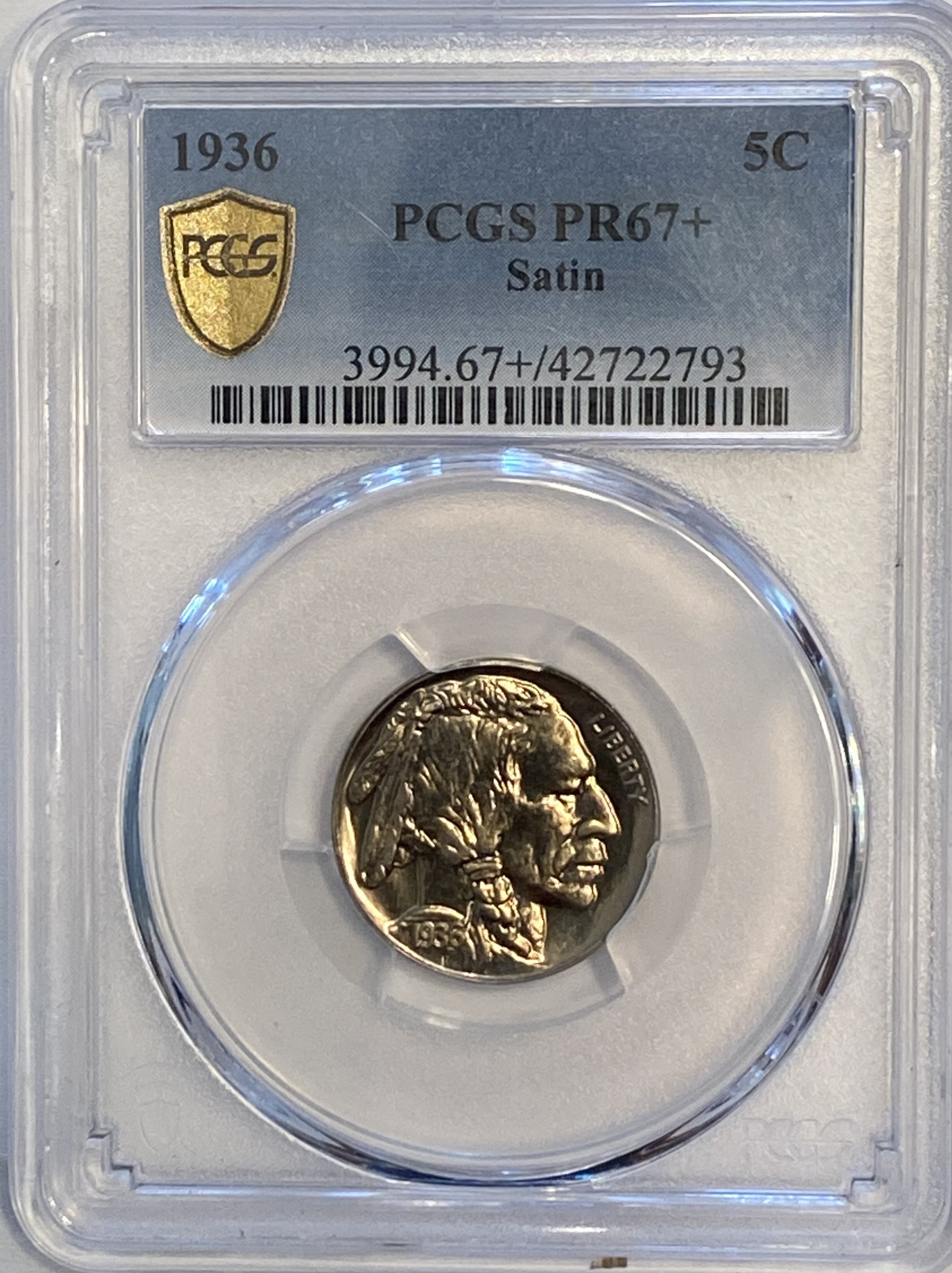
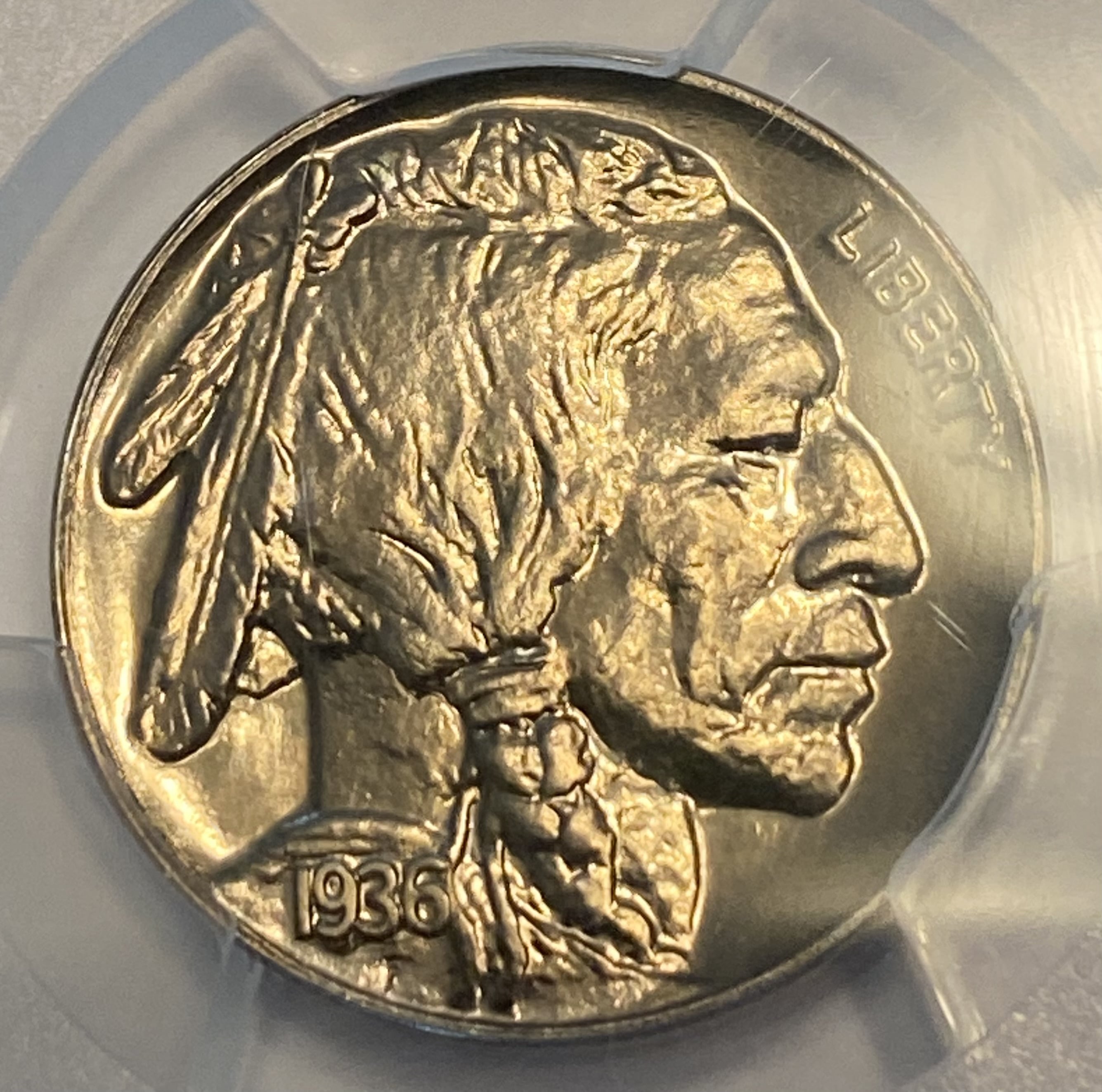
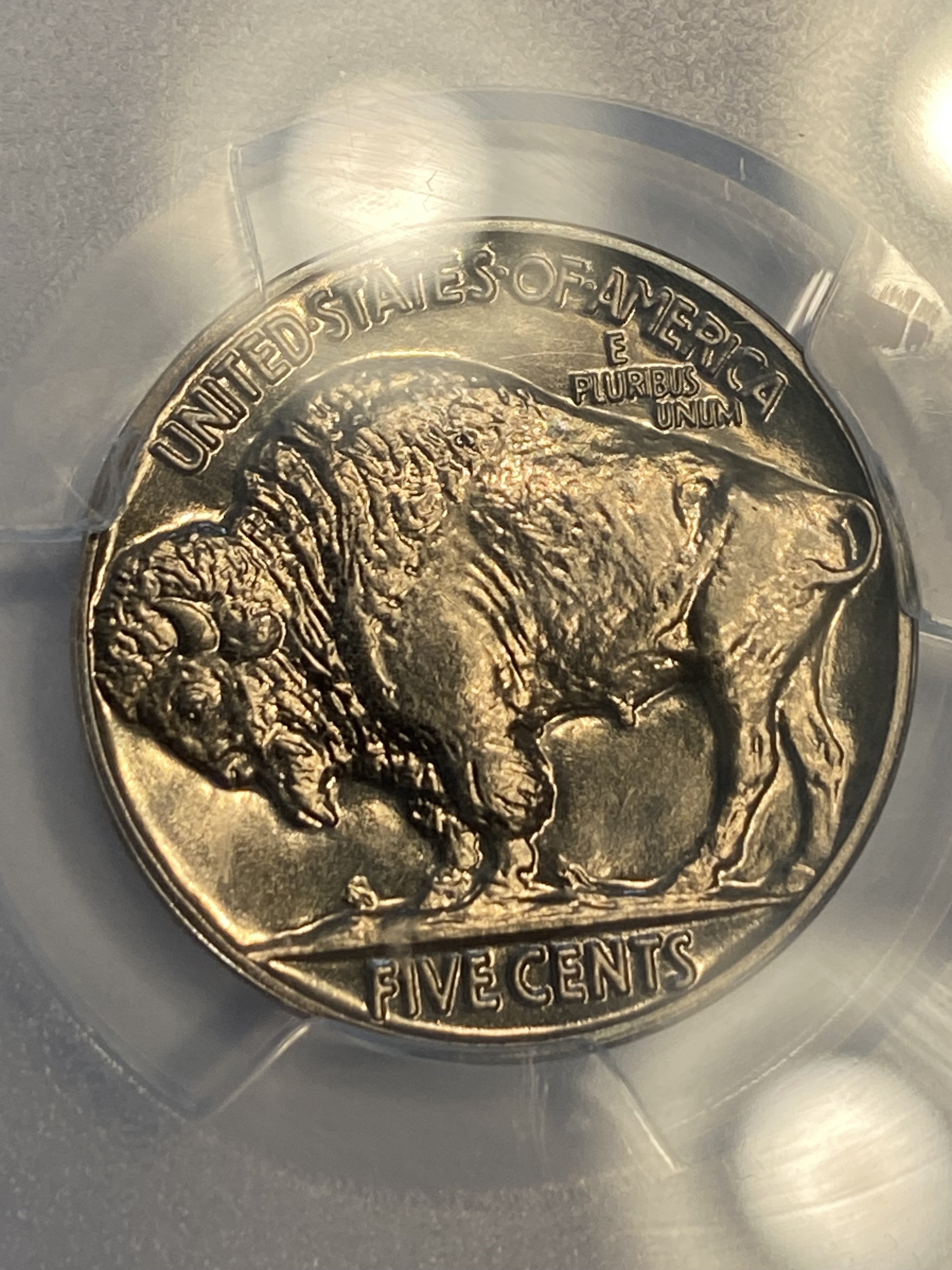
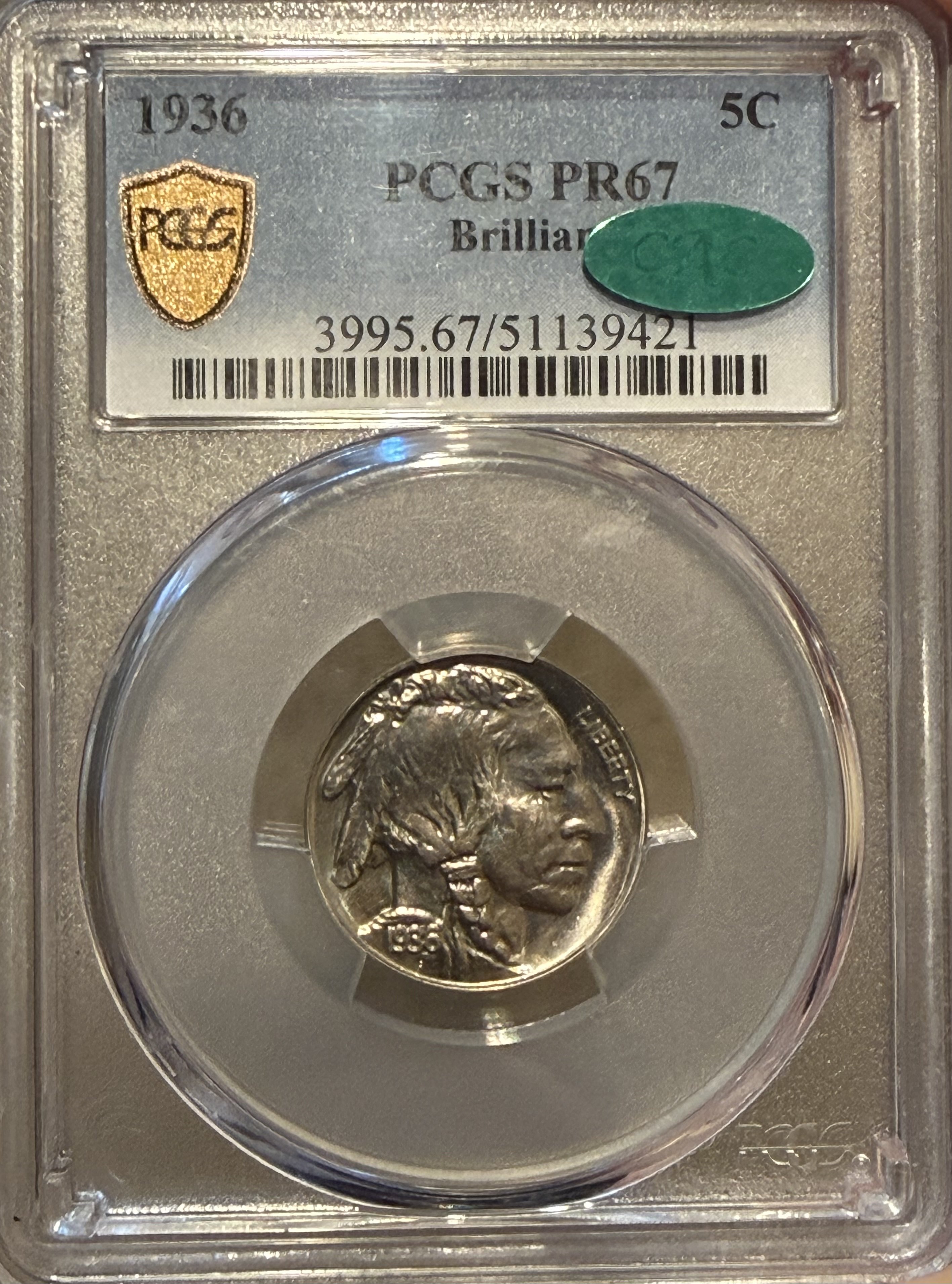
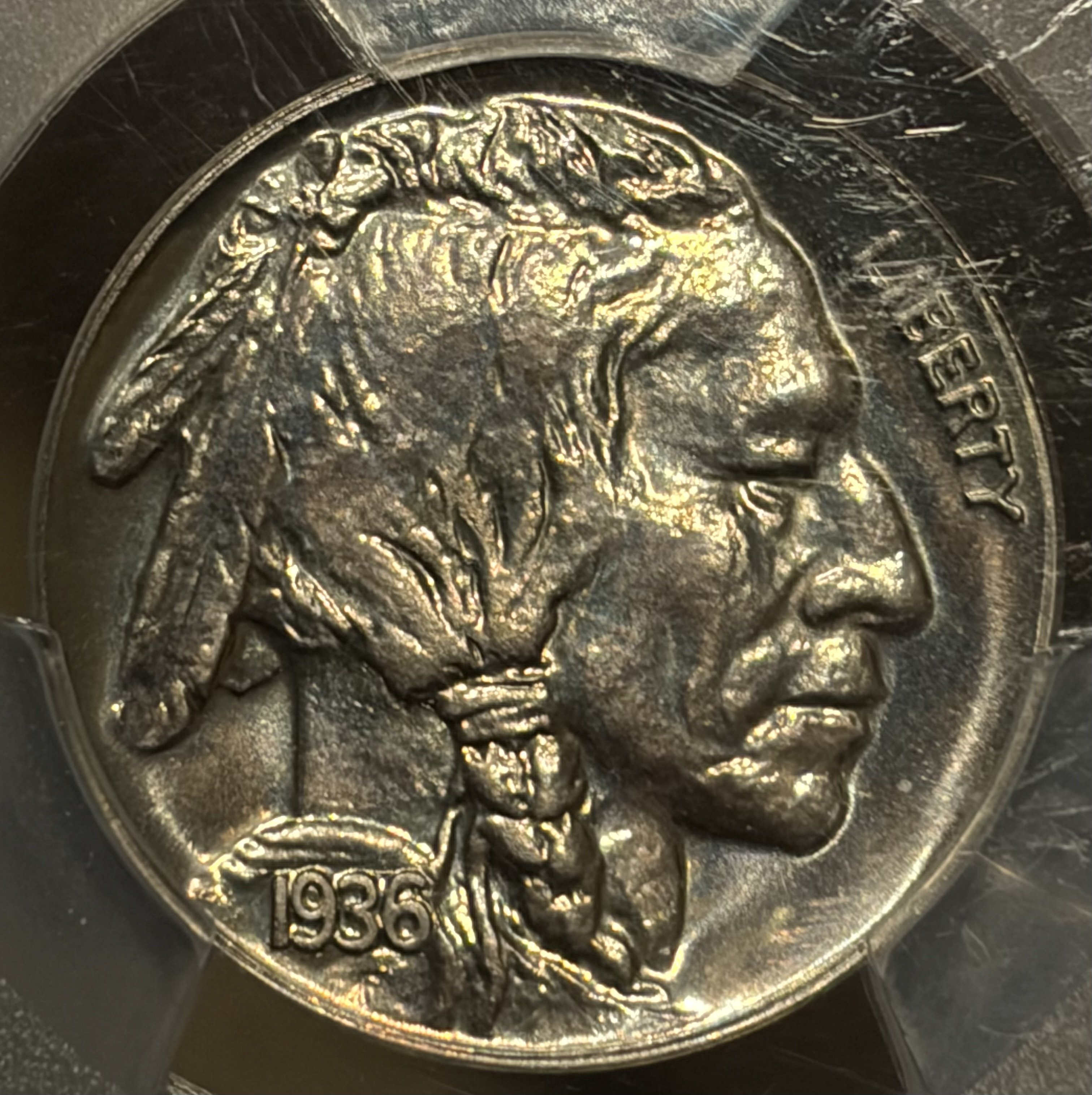
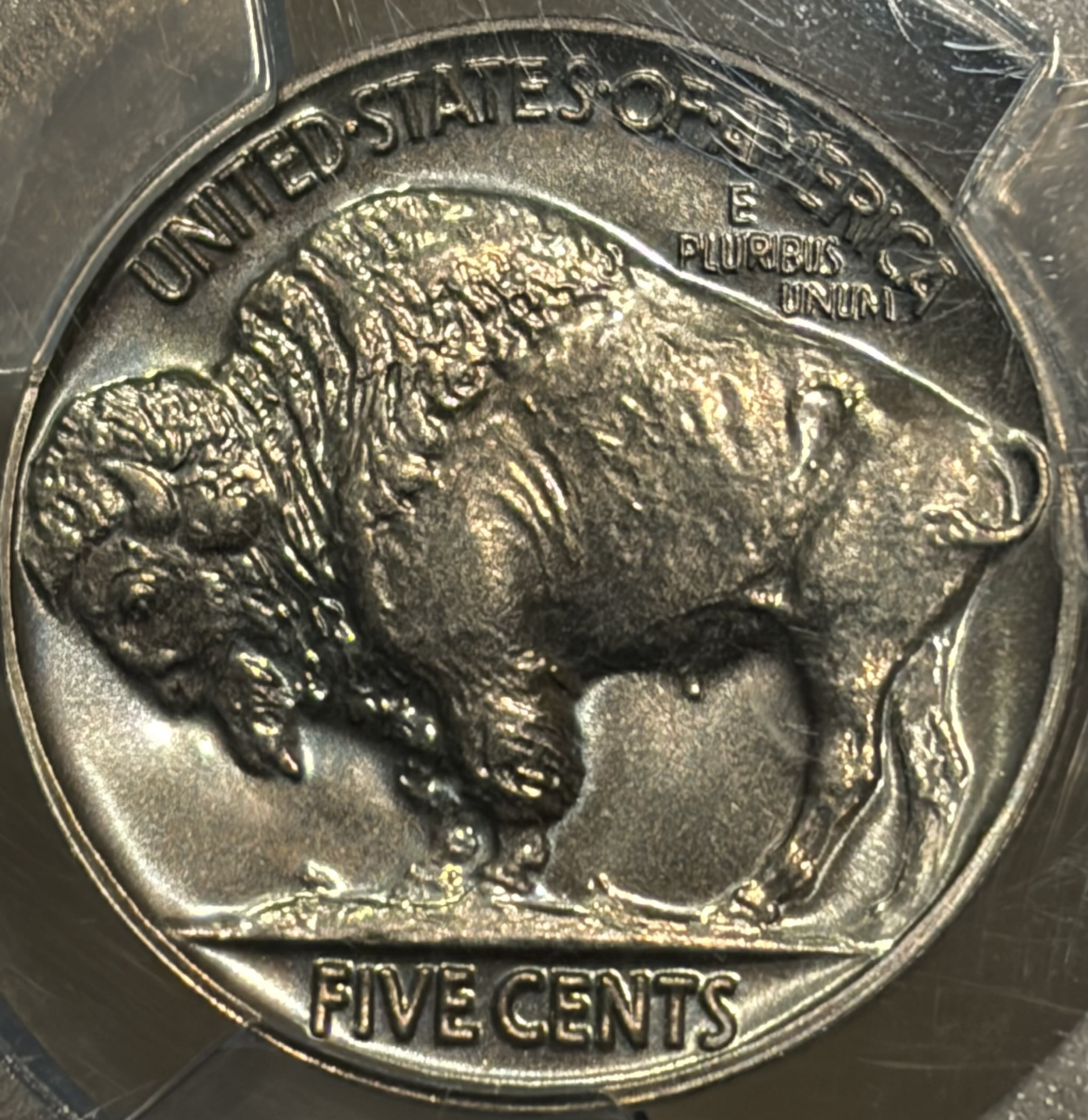
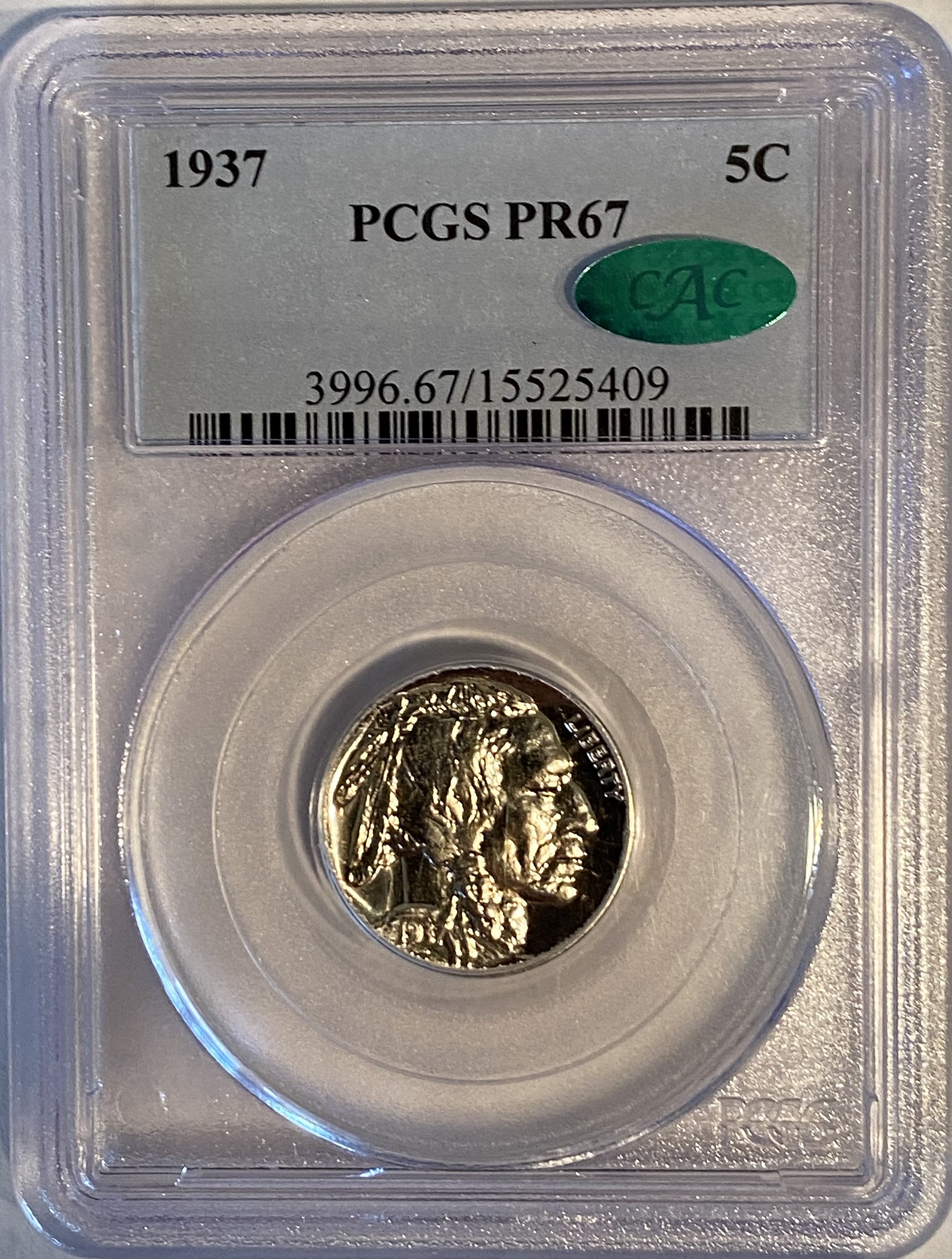
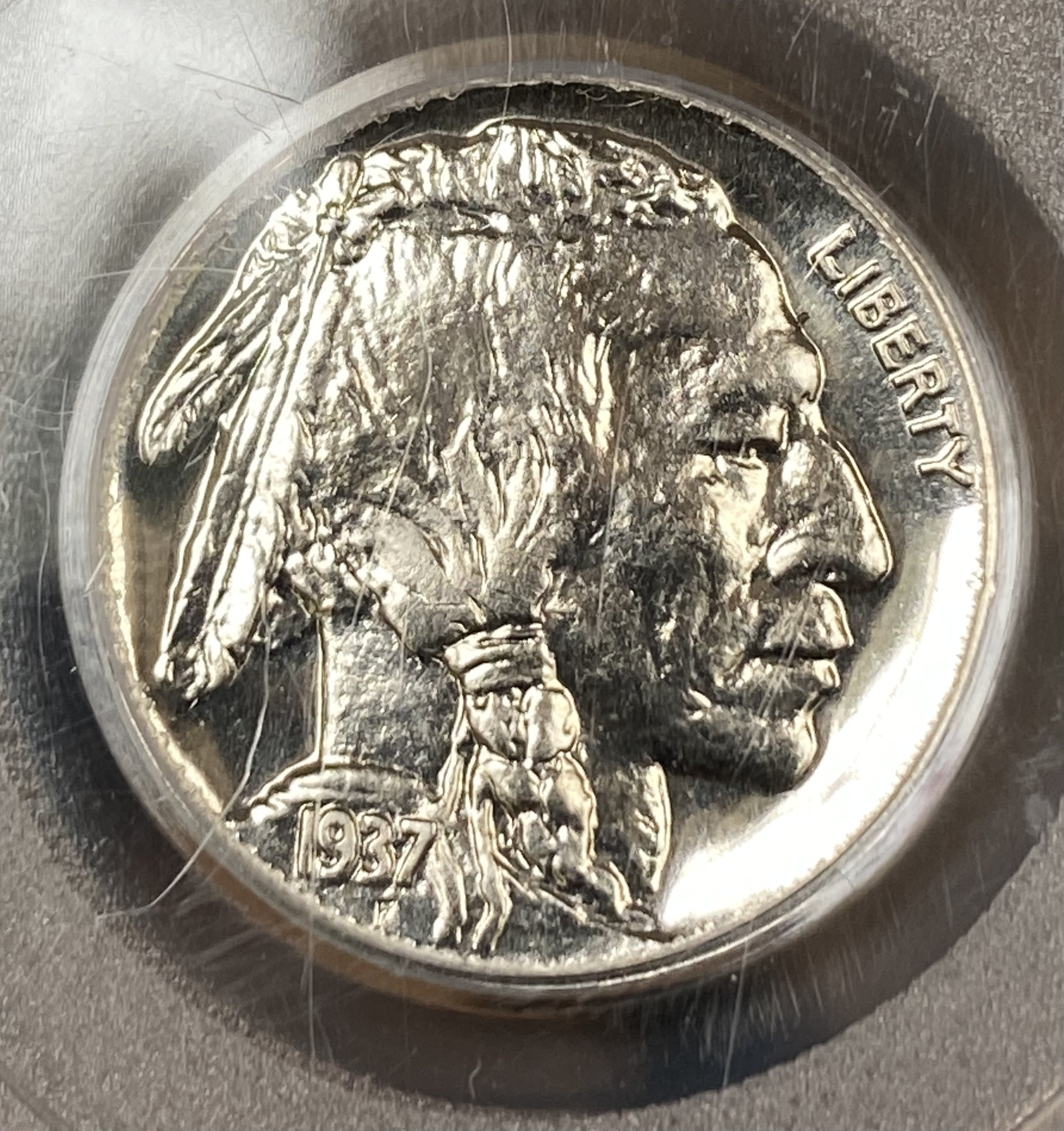
You can choose which one or ones you prefer. I like all versions. Next onto the Matte proofs of 1913-1916.
Worth it to me. My favorite coin. I think Proof 66 is the sweet spot for the price. Finding A nice 65 will take a little more Patience.
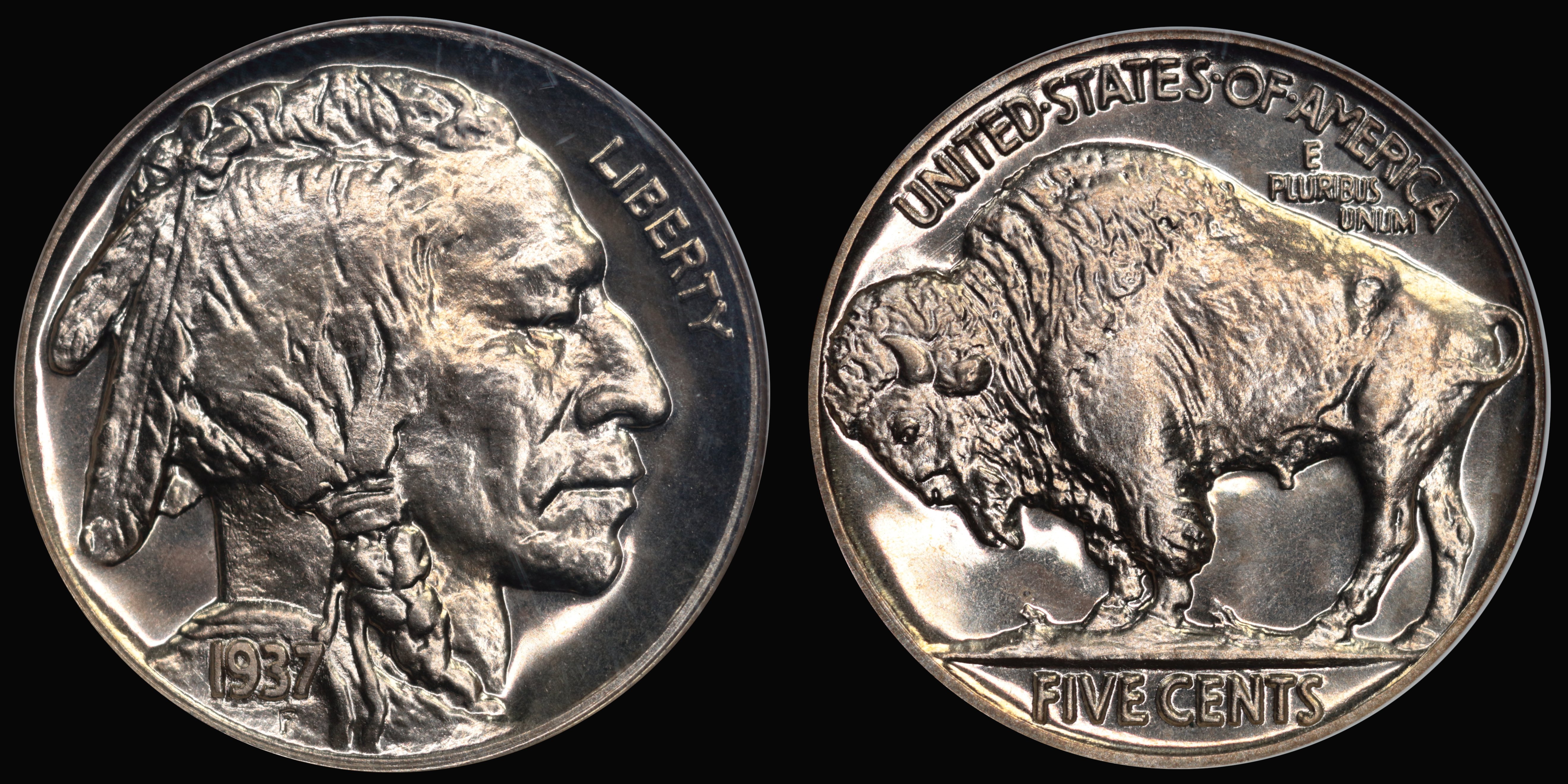
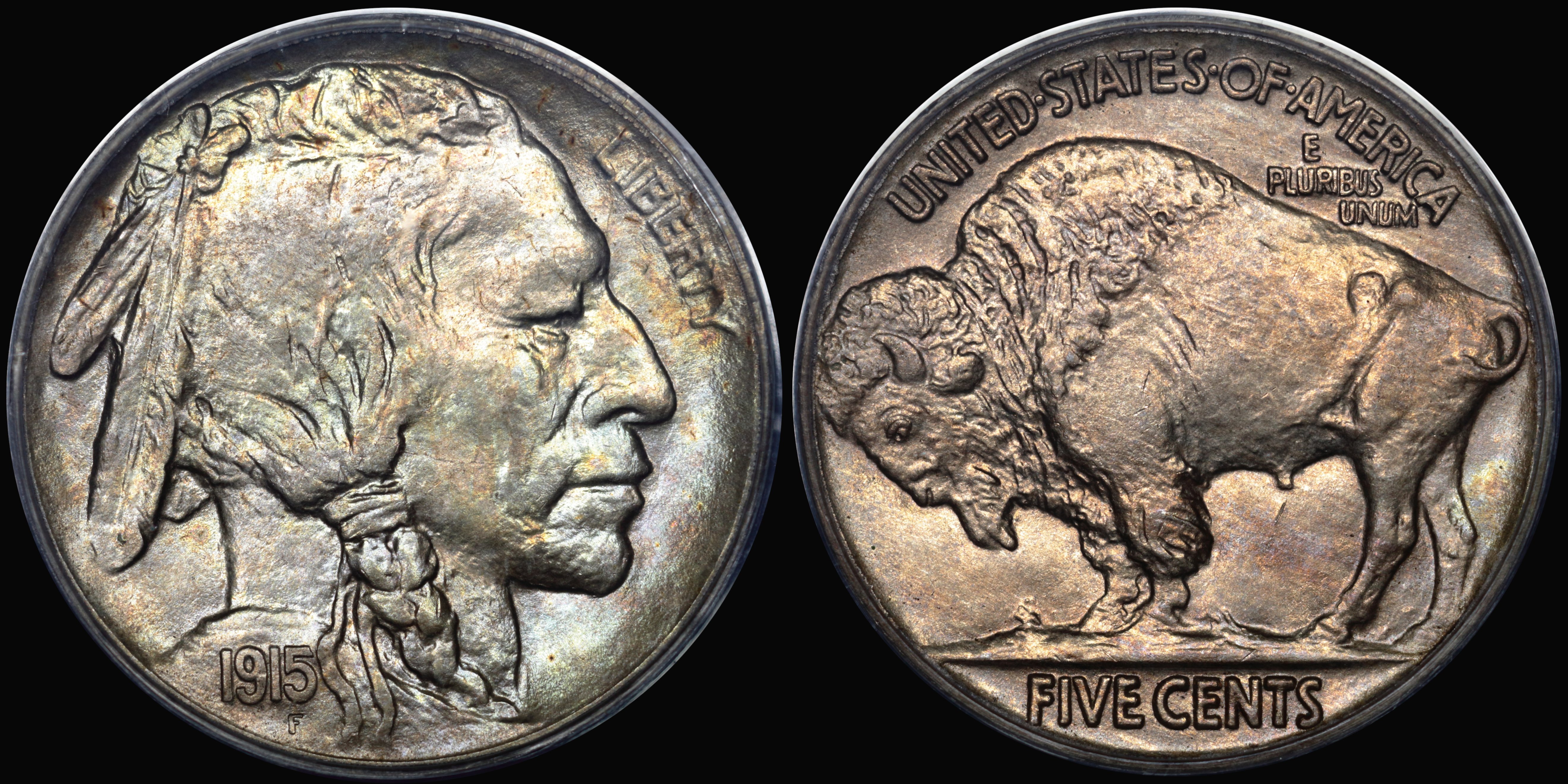
here are my two in 66
I would lean towards a 1936 Satin or a 1937 brilliant. I've had a matte proof but it didn't really do much for me, then again, it was a PR64. I really like the brilliant proofs, but they can come with varying amount of die detail, so you'll have to be a little selective if you want an earlier die state.
Collector, occasional seller
I have a 36 Satin and will probably get one of the brilliant proofs and a matte proof sooner or later. Whatever the grade you get, make sure it has fantastic eye appeal.
Keeper of the VAM Catalog • Professional Coin Imaging • Prime Number Set • World Coins in Early America • British Trade Dollars • Variety Attribution
Definitely worth the money to me. I have a complete set but it needs substantial upgrading. I was fortunate to start the upgrading with the PR68 Satin from GreatCollections:
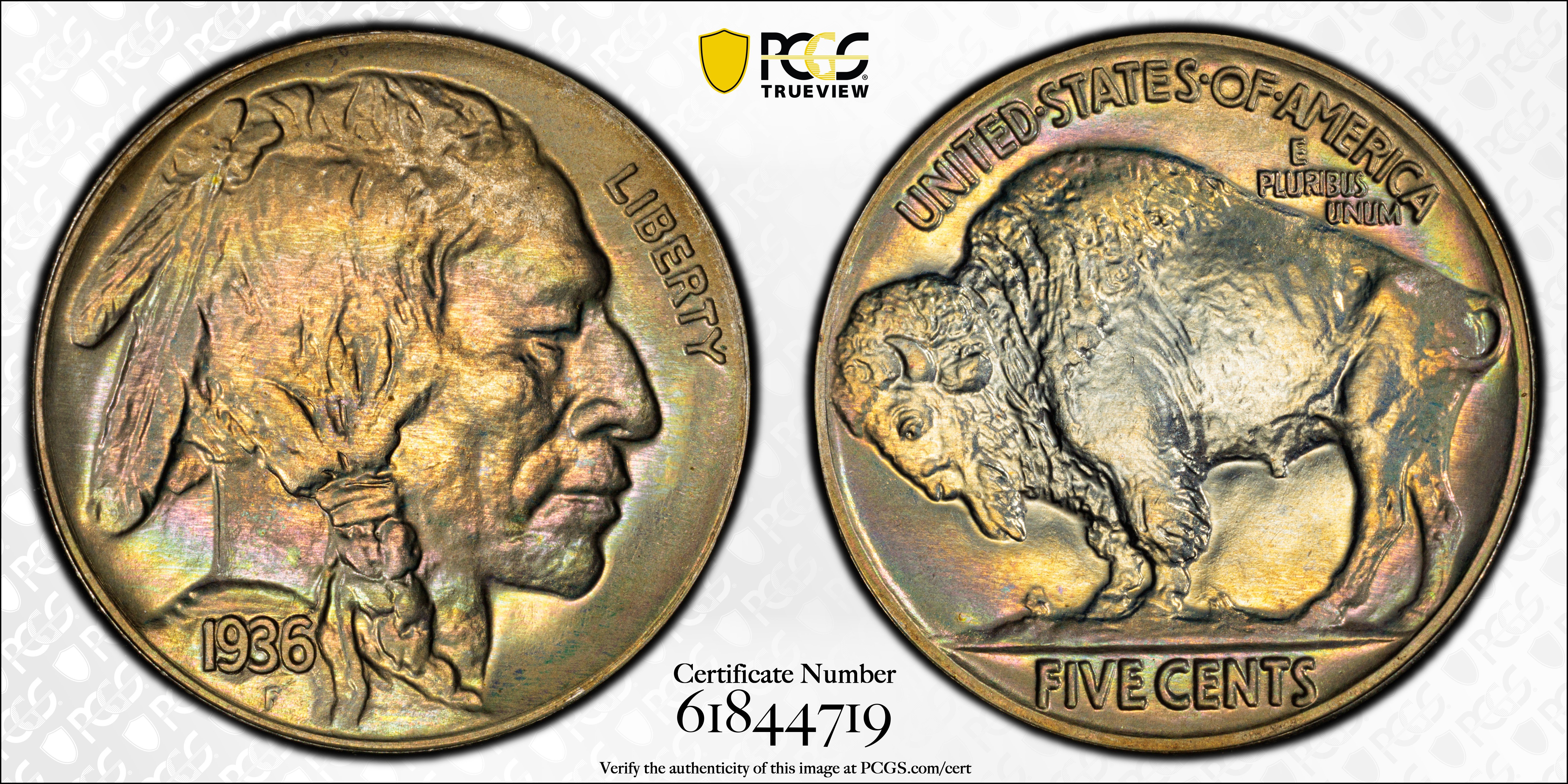
Love them!
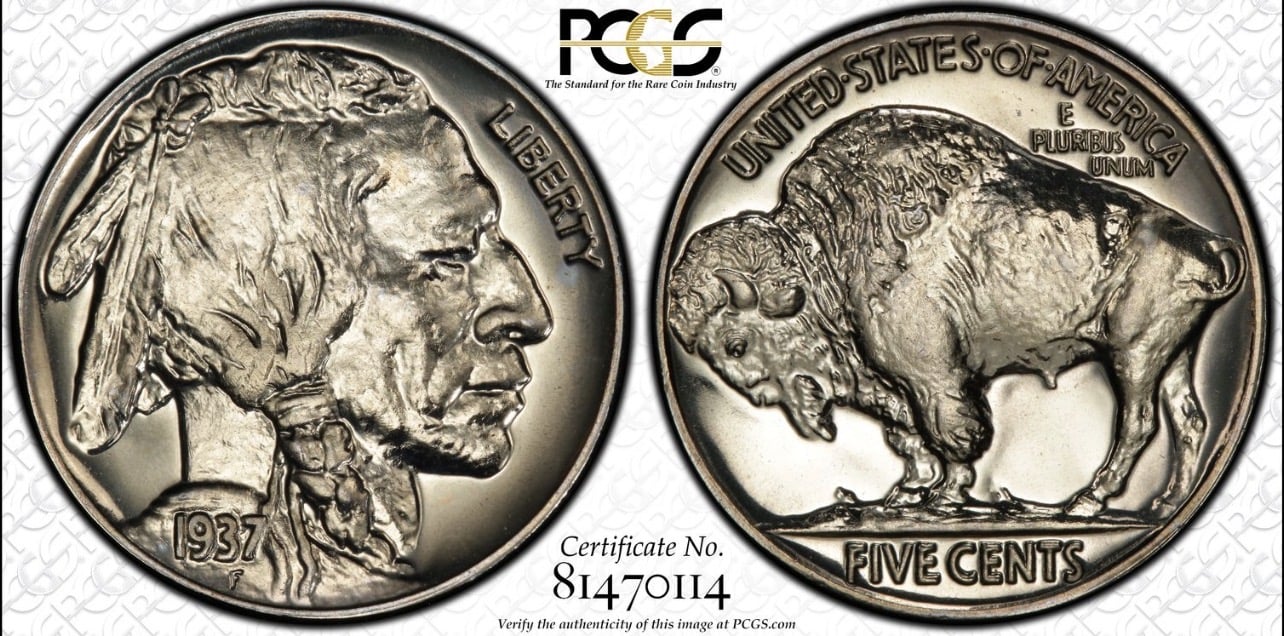
67+ CAC
Maybe @dcarr can punch out some matte proof-likes Buffalo's? That would probably be my best chance of owning one.
BST transactions: dbldie55, jayPem, 78saen, UltraHighRelief, nibanny, liefgold, FallGuy, lkeigwin, mbogoman, Sandman70gt, keets, joeykoins, ianrussell (@GC), EagleEye, ThePennyLady, GRANDAM, Ilikecolor, Gluggo, okiedude, Voyageur, LJenkins11, fastfreddie, ms70, pursuitofliberty, ZoidMeister,Coin Finder, GotTheBug, edwardjulio, Coinnmore, Nickpatton, Namvet69,...
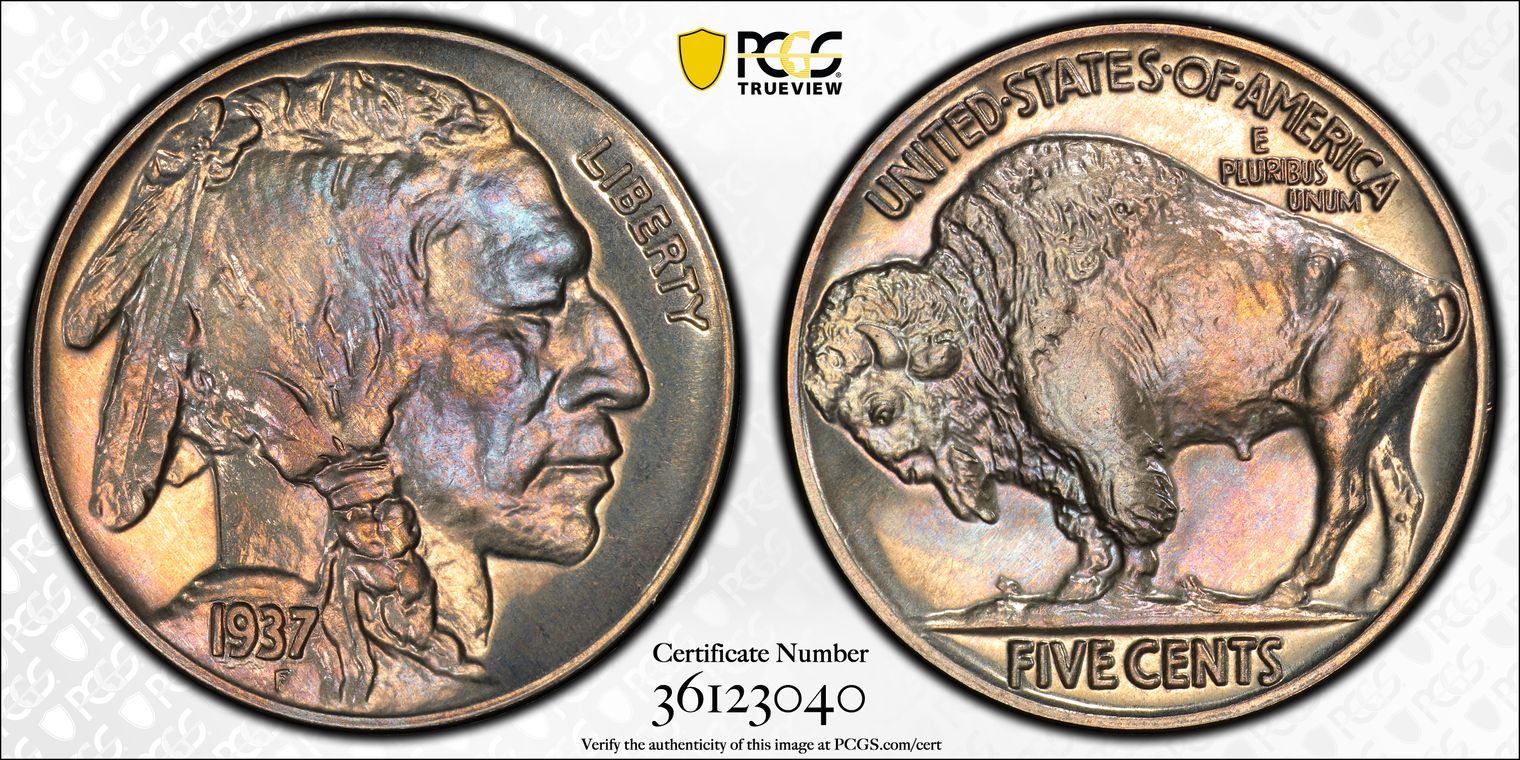
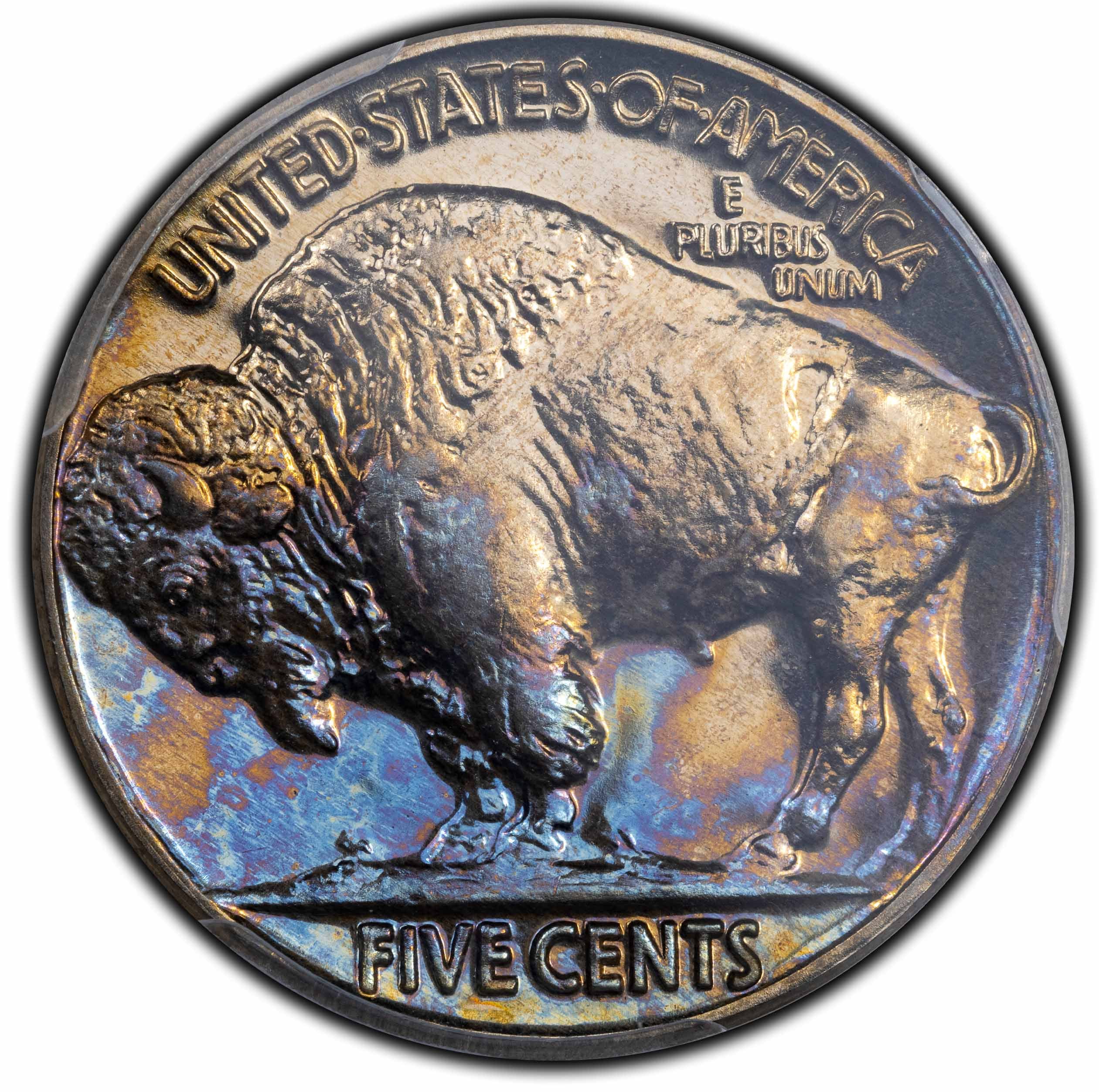
Normally, I prefer untoned proofs, but in this case I decided to do something different - I went with toned instead.
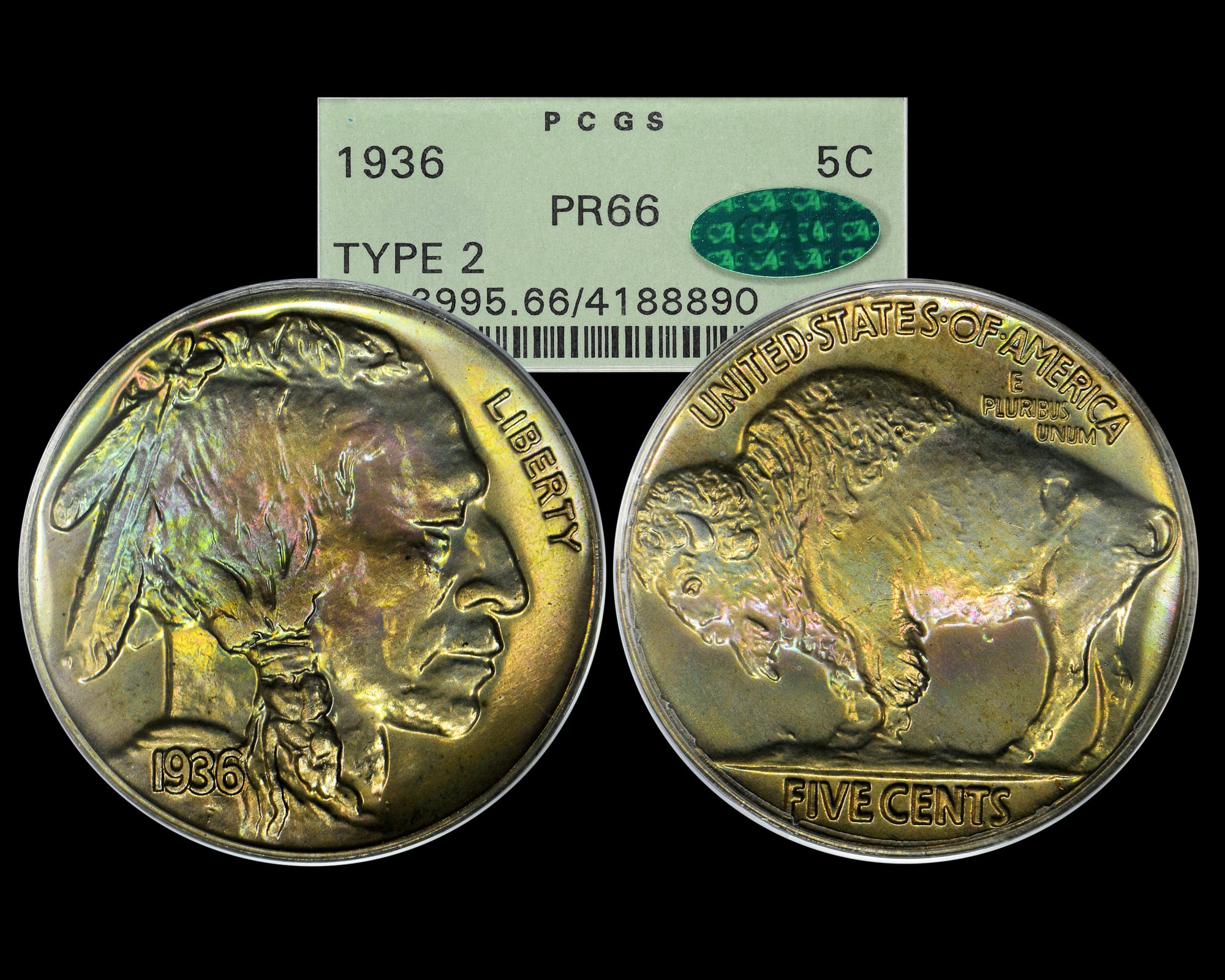
PCGS PR 66 CAC
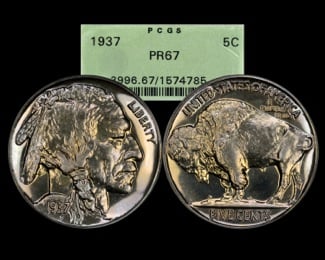
PCGS PR 67
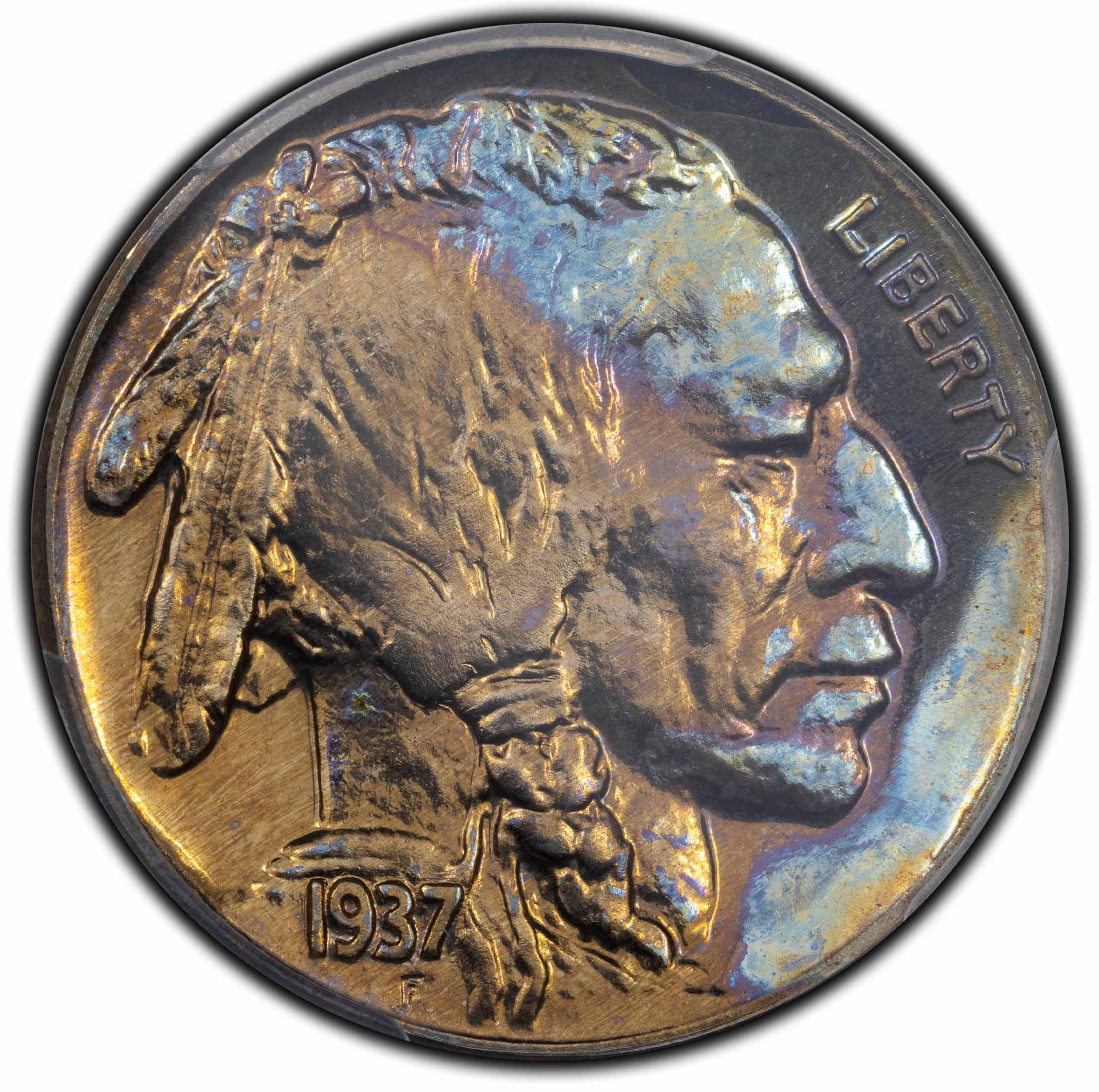
“In matters of style, swim with the current; in matters of principle, stand like a rock." - Thomas Jefferson
My digital cameo album 1950-64 Cameos - take a look!
I've never owned one, but I've noticed that occasionally a 1937 pops up that has a nice bit of contrast, not fully cameo but still really pleasant. If I were to go hunting for a type example, that's what I would look for (if not a matte proof).
I collect world proof sets, coins featuring composers, mid-20th century U.S. proof coins, U.S. type coins, and whatever else I want.
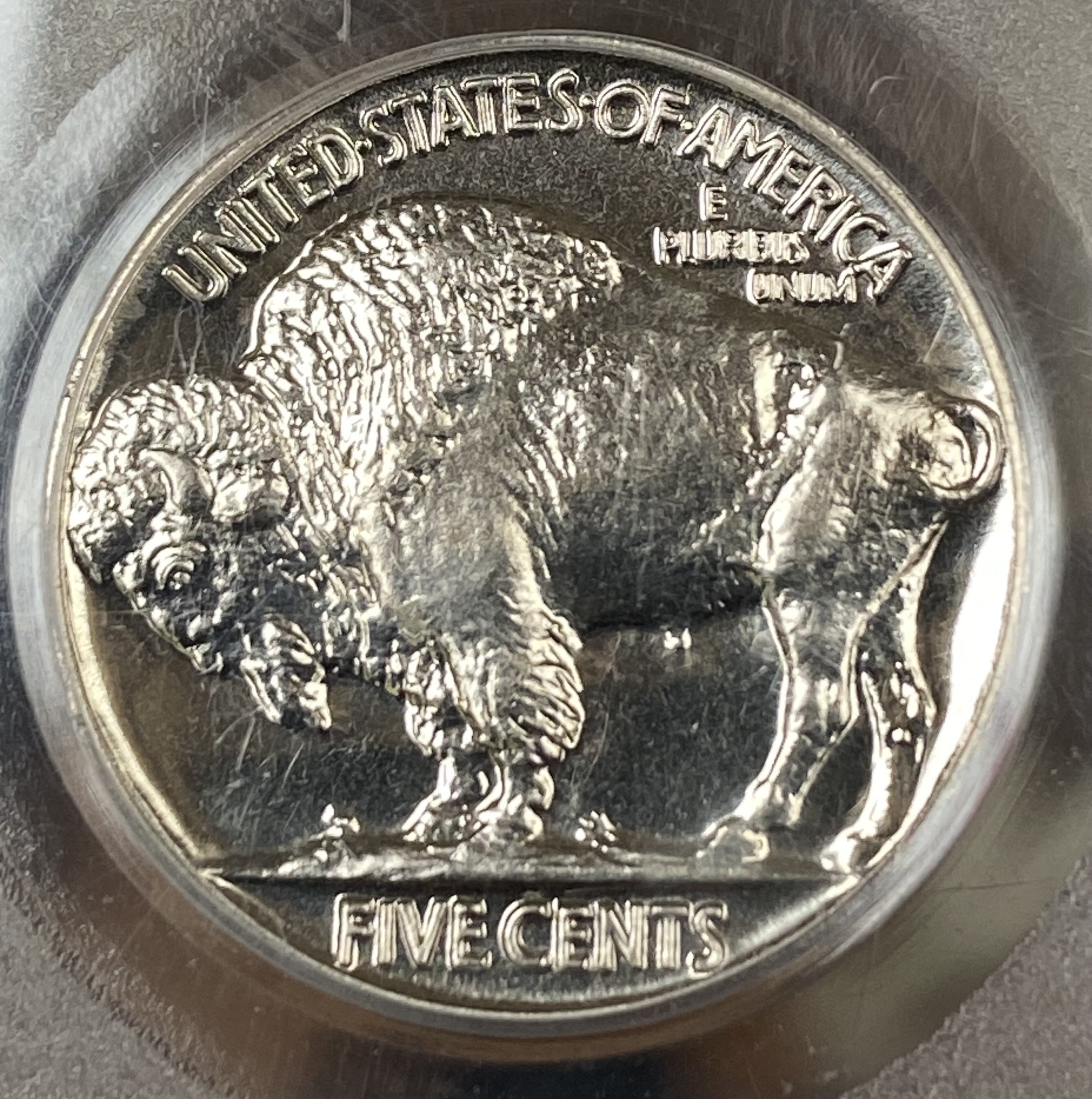
My favorite Proof Buffalo Nickel is the 1936 Satin Proof. I think that it showcases the design to its best advantage. It demonstrated why the artists of the time did not the brilliant Proofs. The shine distracted from their artwork.
Here is the Brilliant Proof.
The 1913 Type I Matte Proof is okay, but It prefer the Satin Proof.
And here is the Type II in Matte Proof.
FYSA - Matte Proofs were intentionally Matte. Satin Proofs were intended to be Brilliant, but were not because the medal room employees did not realize they needed to polish the planchets as well as the dies. They figured that out later on in the year.
Coin Photography
Leave him alone. He has every right to post what he wants to if he buys the coin.
Pete
My comment was tongue-in-cheek, Pete.
It is in reference to another thread by another poster (who has a slight tendency to beat a dead horse).
My most favorite Proofs that have crossed my desk, a Matte and a Brilliant. A good Matte can blow away a good Brilliant, but that's just my opinion of course.
Coin Photography
A matte proof (i.e., sandblasted dies) will always be sharper and better detailed than 1936/37 satin or brilliant proofs.
Matte proof master dies and hubs had been adjusted at least twice and used less than they were by 1936. Thus, there was simply more detail present. 1916 is the sharpest version - it's among the last dies adjustments made by Charles Barber before he dies. Next in line are 1936 satin which were struck from new dies without alteration. Finally are brilliant proofs which had somewhat erratic polishing by Pietz who, according to the proof coin notebook, occasionally went overboard in polishing dies.
You are correct. Plus, on the early proofs, you get your choice of both types. You get the old 1913-15 with the light LIBERTY, or the 1916 re-ingraved example with the bold LIBERTY.
You also get the Type 1 raised mound
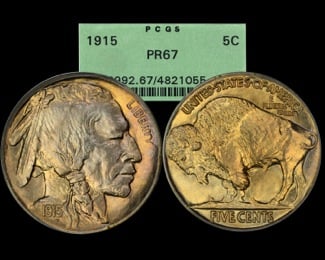
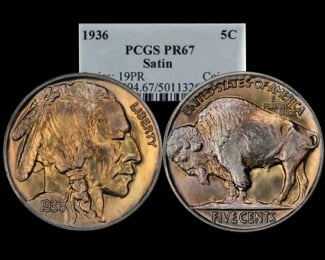
I decided that a 4 piece 'type' set was enough: Matte Ty 1, Matte Ty 2, Satin, and Brilliant All now cac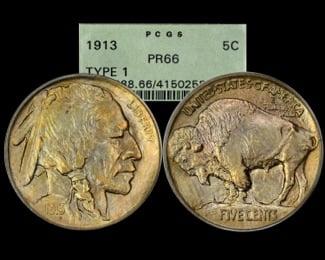
Commems and Early Type