I don't really have any non-coin side collections, because coins take up all of my disposable budget and attention. I do have a tiny collection of early-1900s postcards of doomed ships (ships that later sank or were lost in wartime). And some fossil shark teeth, including megalodons. But the only fossils I collect are the ones I've personally found.
Collector since 1976. On the CU forums here since 2001.
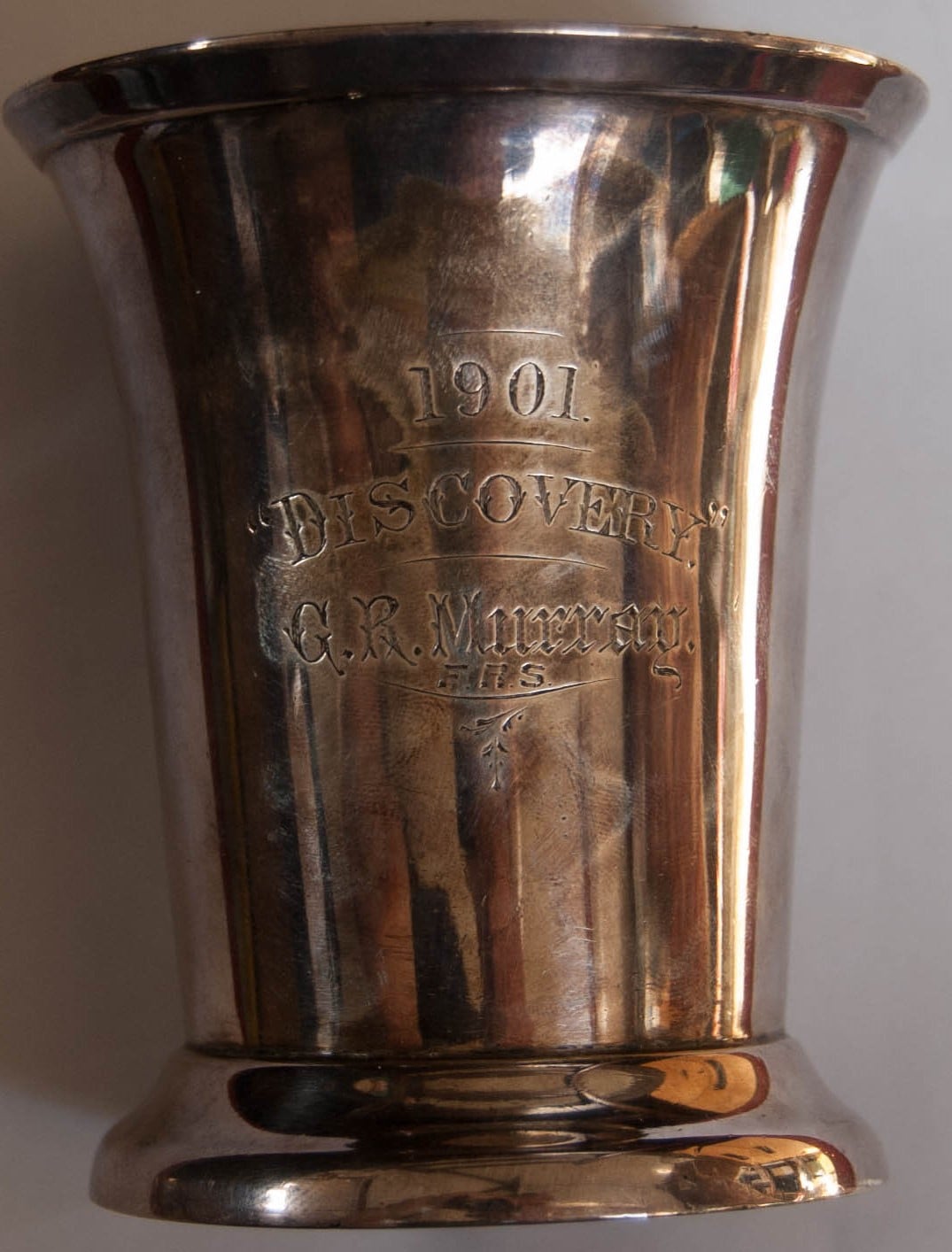
I have a small interest in Antarctic Exploration which stems from a family connection on father's side to George Murray who was the Chief Scientist of the Discovery expedition in 1901 by virtue of being Keeper of Botany at the Natural History Museum. Although only a distant cousin, he visited the family house shortly after he returned from South Africa where he left the expedition following a falling out with Scott and donated his chest and a silver cup to them. Suitably inscribed and named and this was passed down to me eventually, and now goes to my eldest son. A trip to the Discovery in Dundee is quite a useful day out for anyone interested in Polar exploration.
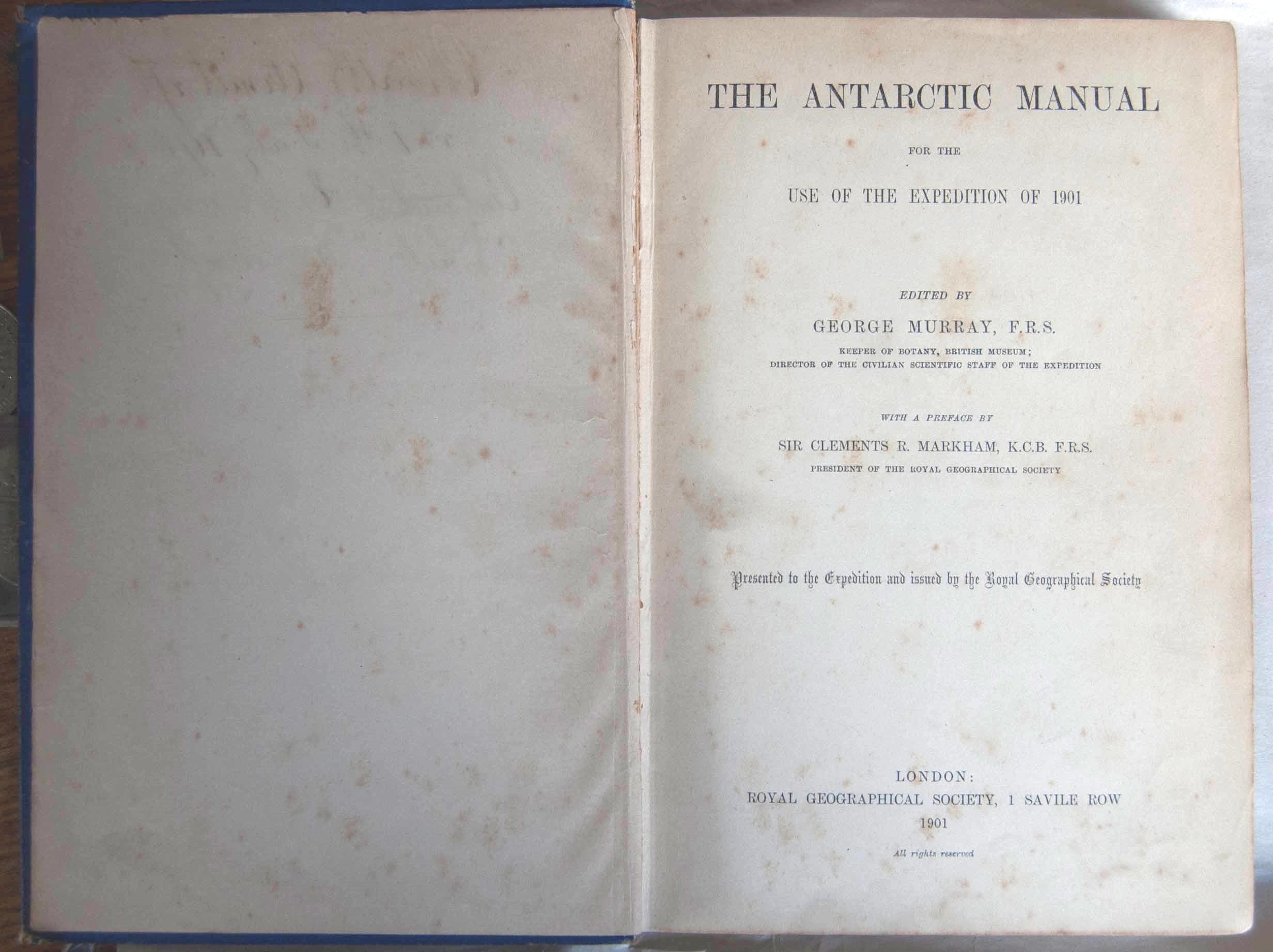
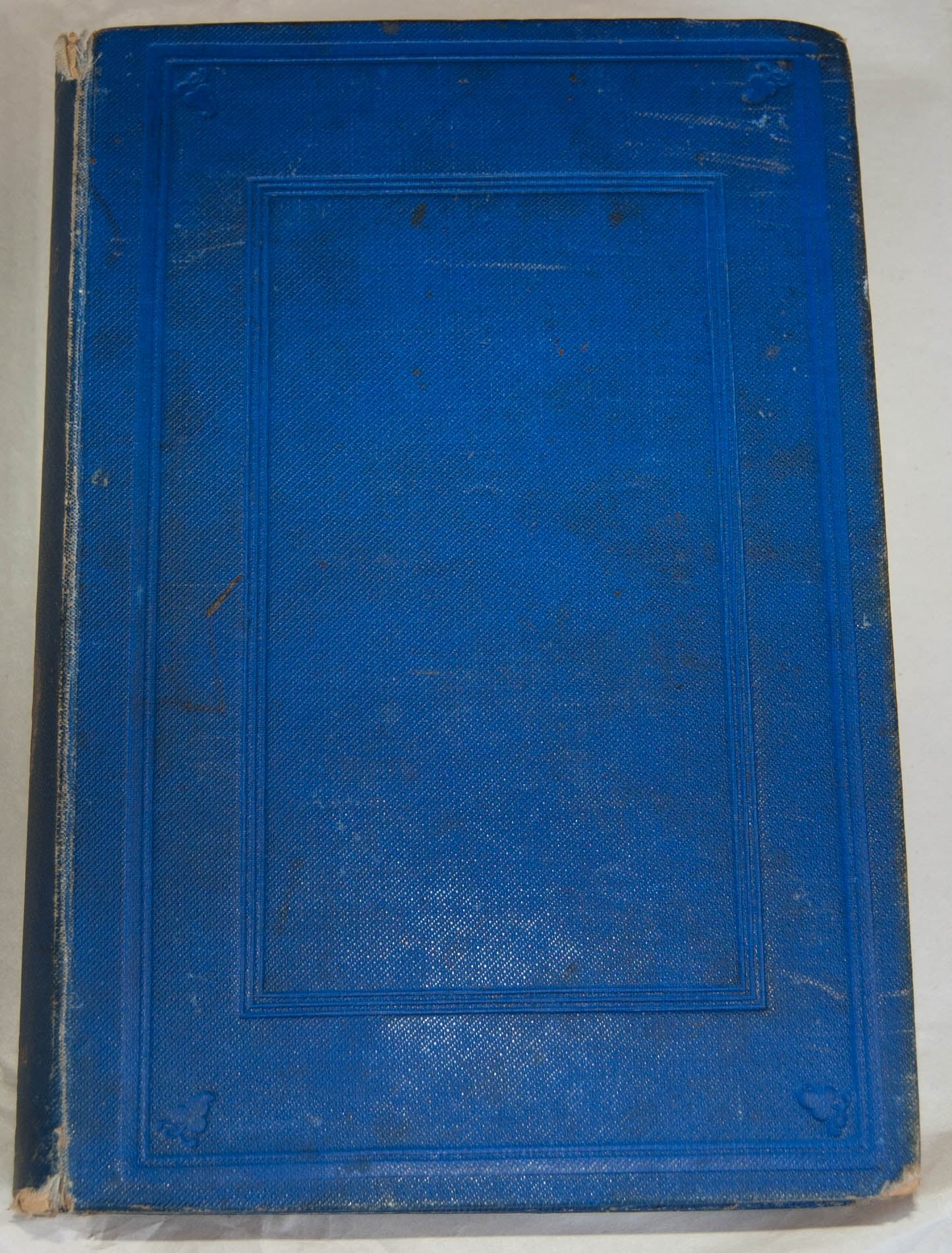
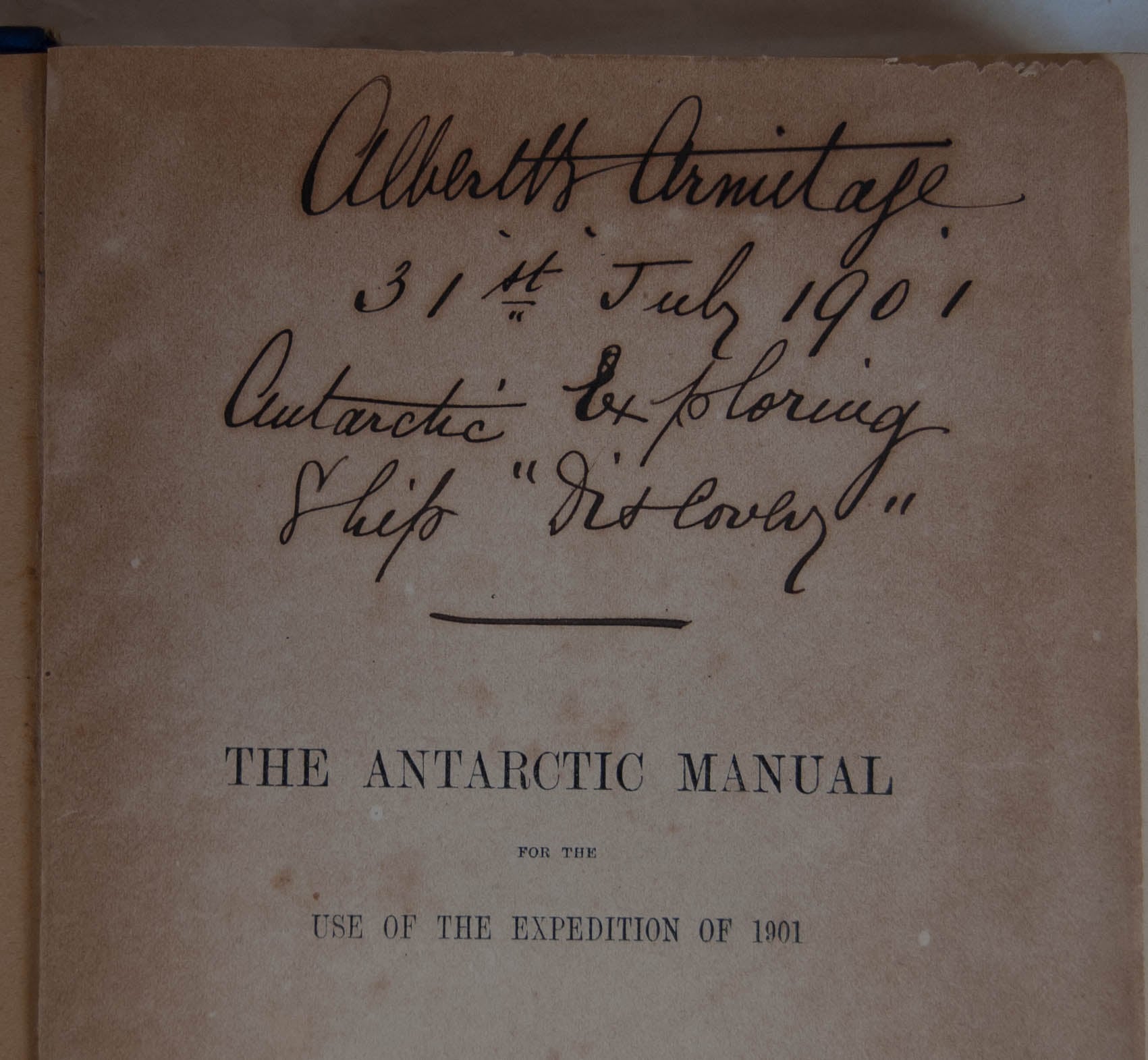
I have added a couple of books in the past few years - a copy of his work on Seaweeds (remarkably still used as a standard reference despite dating from 1895), and a copy of the Antarctic Manual which he edited as Chief Scientist, which is essentially a compilation of all the documented research published at the time.
An amusing anecdote here. The latter was acquired whilst on a viewing trip to DNW for a forthcoming auction. Having missed the last afternoon off-peak train back to Manchester and being a tight b*****d, I thought I would wait until 7pm and save a tidy sum on a fare upgrade, as I only had a cheap ticket. What to do? I know, find an upmarket bookshop and see if a signed copy is available. I was pointed in the direction of Russell Square as the best bet, and Maggs Bookshop, who had 2 copies. One in reasonable condition but unsigned, and another which was Albert Armitage's copy and relatively tatty. Because neither were signed by the author/editor, I declined, as this was the only reason I had been looking.
Musing on the train about what had been available, I had a Road to Damascus moment when a large finger appears out the cloud and pokes you in the eye. It dawned that I had just made the worst decision of the day. Given that Albert Armitage was Scott's second in Command and the expedition navigator, buying should have been a no-brainer. The book was well used and not in the best condition, but that in itself generates a degree of appeal because he actually digested the info, unlike Shackleton's copy which was pristine, signed, and barely used when sold at auction in the last few years.
A few pictures now of the expedition hierarchy, the chest (used for 55 years as a toolbox in the garage and in desperate need of restoration), the cup which was given to all officers and other important members, and the book showing the inscription of the original owner.
Murray seated left, Scott next right and Armitage to the right of him.
Next, a standard chest for personal belongings as used for the expedition. Needs repairing, but finding the original locks might be an issue.
New addition for side collection #3 (world coins except Greece, no gold)
Main collection Greece 1828- to date
Side collection #1 Japanese type set in strict unc, often gem unc 1870-1970 in its original Dansco album
Side collection #2 special world gold excluding Greece
Side collection #3 exceptional world coins , no gold
From today's Palombo sale
France, 1866A , colorful top grade 50 centimes ,PCGS MS67
Side collection #4 world banknotes, and in particular French colonies of the 1950-1966 period
Very numismatic in fact, all my side collections, now that I see what other members collect. I won't be non interested in some historical documents, old used postcards, and various bizarre exonumia
along with small silver boxes or small to medium wooden boxes over a century old.
Comments
yes, but who said coins?
I don't really have any non-coin side collections, because coins take up all of my disposable budget and attention. I do have a tiny collection of early-1900s postcards of doomed ships (ships that later sank or were lost in wartime). And some fossil shark teeth, including megalodons. But the only fossils I collect are the ones I've personally found.
Collector since 1976. On the CU forums here since 2001.
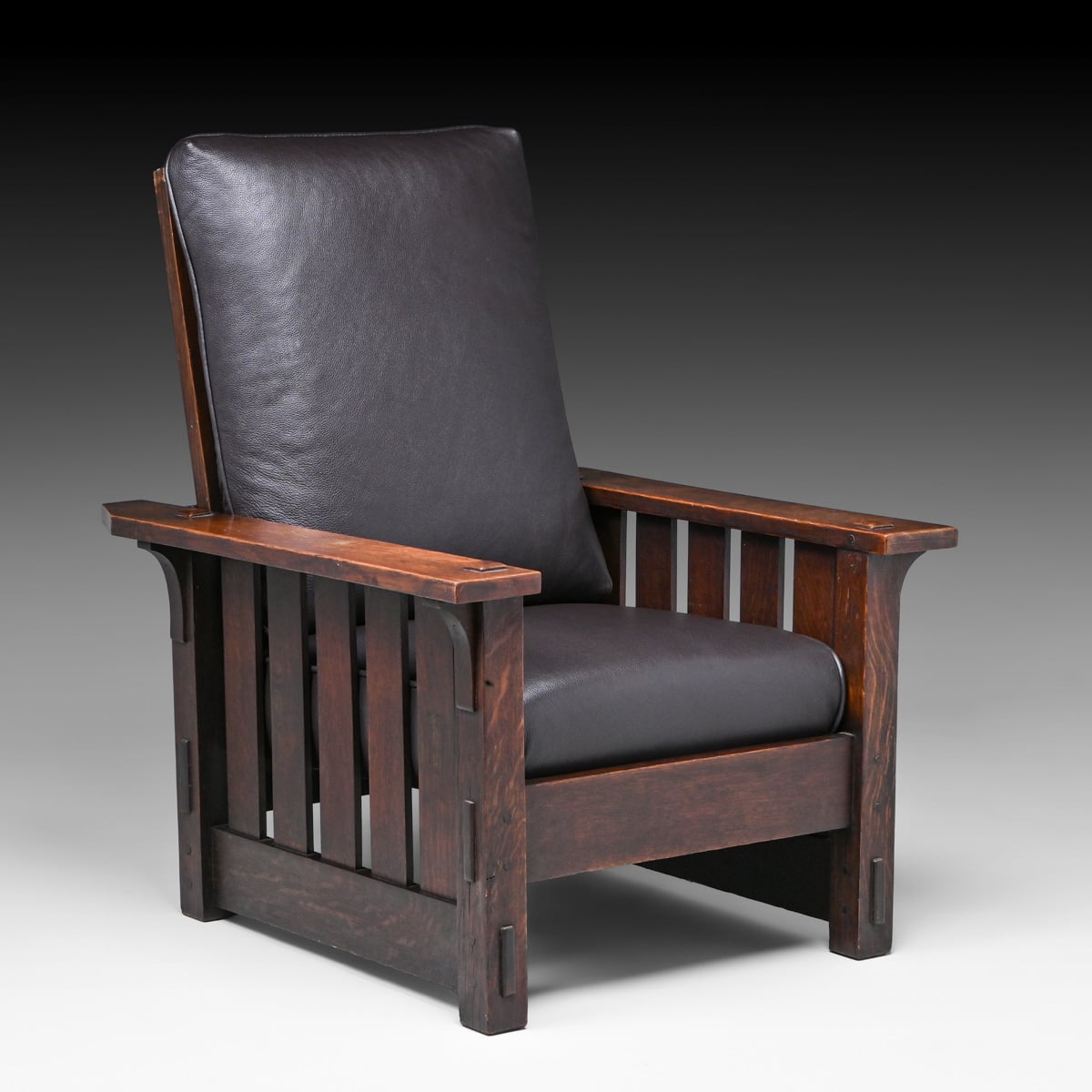
A new addition to my office furniture. Hopefully arriving in about a month from a California dealer.
https://www.pcgs.com/setregistry/gold/liberty-head-2-1-gold-major-sets/liberty-head-2-1-gold-basic-set-circulation-strikes-1840-1907/publishedset/15628
March of Time - 27 Centuries in Gold
https://coins.www.collectors-society.com/WCM/CoinCustomSetView.aspx?s=36590
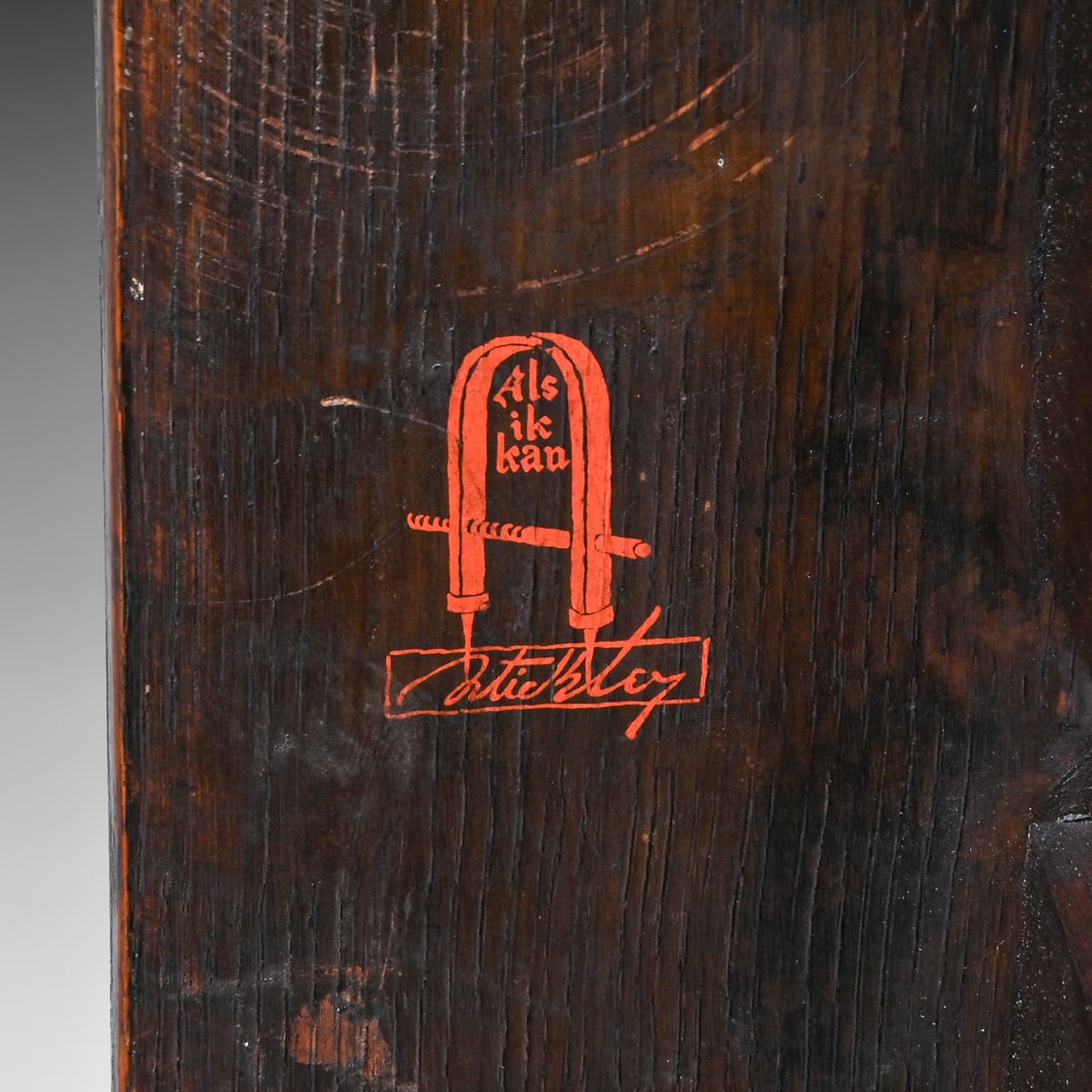
Before I saw the caption, I was fixed to ask if it was Stickley.... 'nuf said. Great chair!
Gustav Stickley's patent application for the #332 model reclining chair was submitted 125 years ago (9-10-1901). Its vintage but somehow still modern.
https://www.pcgs.com/setregistry/gold/liberty-head-2-1-gold-major-sets/liberty-head-2-1-gold-basic-set-circulation-strikes-1840-1907/publishedset/15628
March of Time - 27 Centuries in Gold
https://coins.www.collectors-society.com/WCM/CoinCustomSetView.aspx?s=36590
I like them, but I only buy the modern Stickley, not the antiques. I have enough old coins, don’t need any more antiques!
I have a small interest in Antarctic Exploration which stems from a family connection on father's side to George Murray who was the Chief Scientist of the Discovery expedition in 1901 by virtue of being Keeper of Botany at the Natural History Museum. Although only a distant cousin, he visited the family house shortly after he returned from South Africa where he left the expedition following a falling out with Scott and donated his chest and a silver cup to them. Suitably inscribed and named and this was passed down to me eventually, and now goes to my eldest son. A trip to the Discovery in Dundee is quite a useful day out for anyone interested in Polar exploration.
I have added a couple of books in the past few years - a copy of his work on Seaweeds (remarkably still used as a standard reference despite dating from 1895), and a copy of the Antarctic Manual which he edited as Chief Scientist, which is essentially a compilation of all the documented research published at the time.
An amusing anecdote here. The latter was acquired whilst on a viewing trip to DNW for a forthcoming auction. Having missed the last afternoon off-peak train back to Manchester and being a tight b*****d, I thought I would wait until 7pm and save a tidy sum on a fare upgrade, as I only had a cheap ticket. What to do? I know, find an upmarket bookshop and see if a signed copy is available. I was pointed in the direction of Russell Square as the best bet, and Maggs Bookshop, who had 2 copies. One in reasonable condition but unsigned, and another which was Albert Armitage's copy and relatively tatty. Because neither were signed by the author/editor, I declined, as this was the only reason I had been looking.
Musing on the train about what had been available, I had a Road to Damascus moment when a large finger appears out the cloud and pokes you in the eye. It dawned that I had just made the worst decision of the day. Given that Albert Armitage was Scott's second in Command and the expedition navigator, buying should have been a no-brainer. The book was well used and not in the best condition, but that in itself generates a degree of appeal because he actually digested the info, unlike Shackleton's copy which was pristine, signed, and barely used when sold at auction in the last few years.
A few pictures now of the expedition hierarchy, the chest (used for 55 years as a toolbox in the garage and in desperate need of restoration), the cup which was given to all officers and other important members, and the book showing the inscription of the original owner.
Murray seated left, Scott next right and Armitage to the right of him.
Next, a standard chest for personal belongings as used for the expedition. Needs repairing, but finding the original locks might be an issue.
The cup
The book
New addition for side collection #3 (world coins except Greece, no gold)
Main collection Greece 1828- to date
Side collection #1 Japanese type set in strict unc, often gem unc 1870-1970 in its original Dansco album
Side collection #2 special world gold excluding Greece
Side collection #3 exceptional world coins , no gold
From today's Palombo sale
France, 1866A , colorful top grade 50 centimes ,PCGS MS67
Side collection #4 world banknotes, and in particular French colonies of the 1950-1966 period
Very numismatic in fact, all my side collections, now that I see what other members collect. I won't be non interested in some historical documents, old used postcards, and various bizarre exonumia
along with small silver boxes or small to medium wooden boxes over a century old.
myEbay
DPOTD 3