Options
This Lincoln cent is not as it seems
 jonathanb
Posts: 4,167 ✭✭✭✭✭
jonathanb
Posts: 4,167 ✭✭✭✭✭
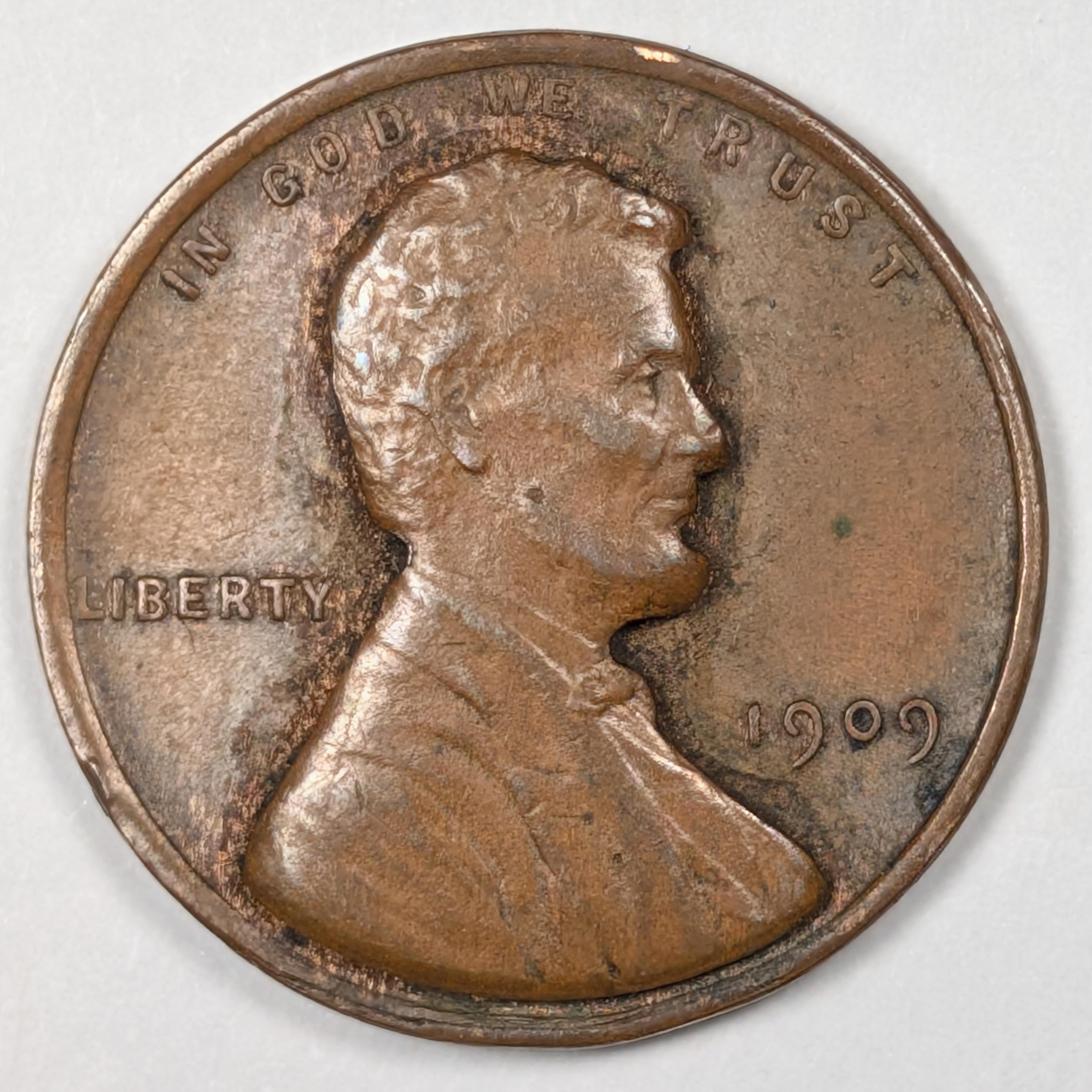
I bought this mainly because I thought it would make a fun deceptive picture. Also I've never seen this particular sort of exonumia before. I want to make people guess, but honestly I think nobody could tell what was going on from the obverse picture alone.
If you want to take a shot, see if you can tell why I'm posting, before scrolling past the first picture.
The craftsmanship is quite good, even if I have no clue the story behind it.
Has anyone seen this before @ThePennyLady ?
9
Comments
It's a repousse, or "pop-out", coin.
Popular in the early 20th century, also made in the later part of the century. Often used for jewelry but sometimes also just kept as is.
Yours is unusual in that the pushed out design is exactly the same as the design it replaces.
From eBay:
Yes, repousse is common-ish in general. I've never seen this precise vertical-only shift before.
From looking strictly at the first photo it looked 3-D like a push out to me.!Then when I scrolled down, I was glad to see that thought confirmed, but I have to say I’ve never seen one quite like this. Pretty amazing work.
The Penny Lady®
very fun - have never seen this type of effect before
Looks more like it was cut out then the bust cut out of another coin and glued back on.
My Collection of Old Holders
Never a slave to one plastic brand will I ever be.
.
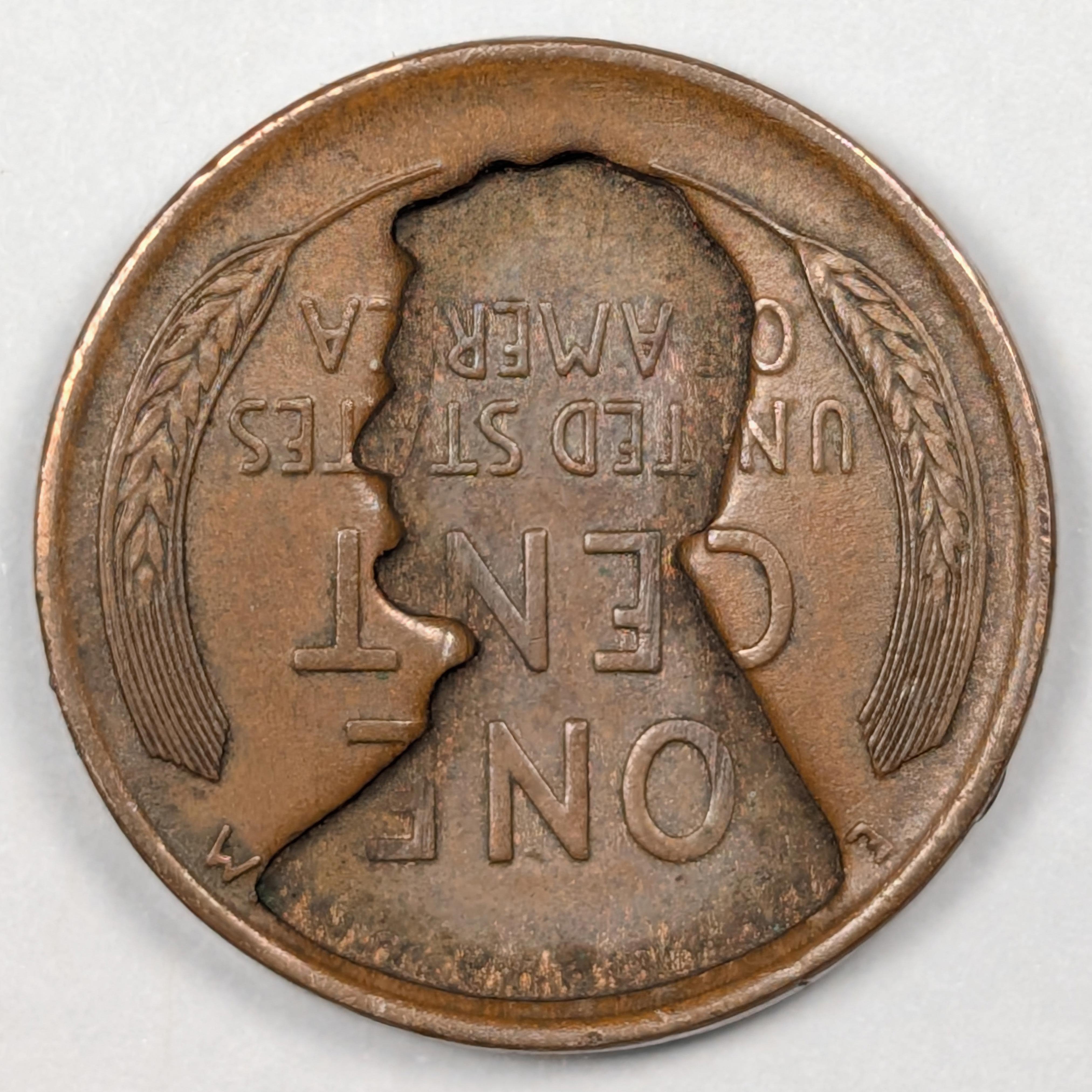
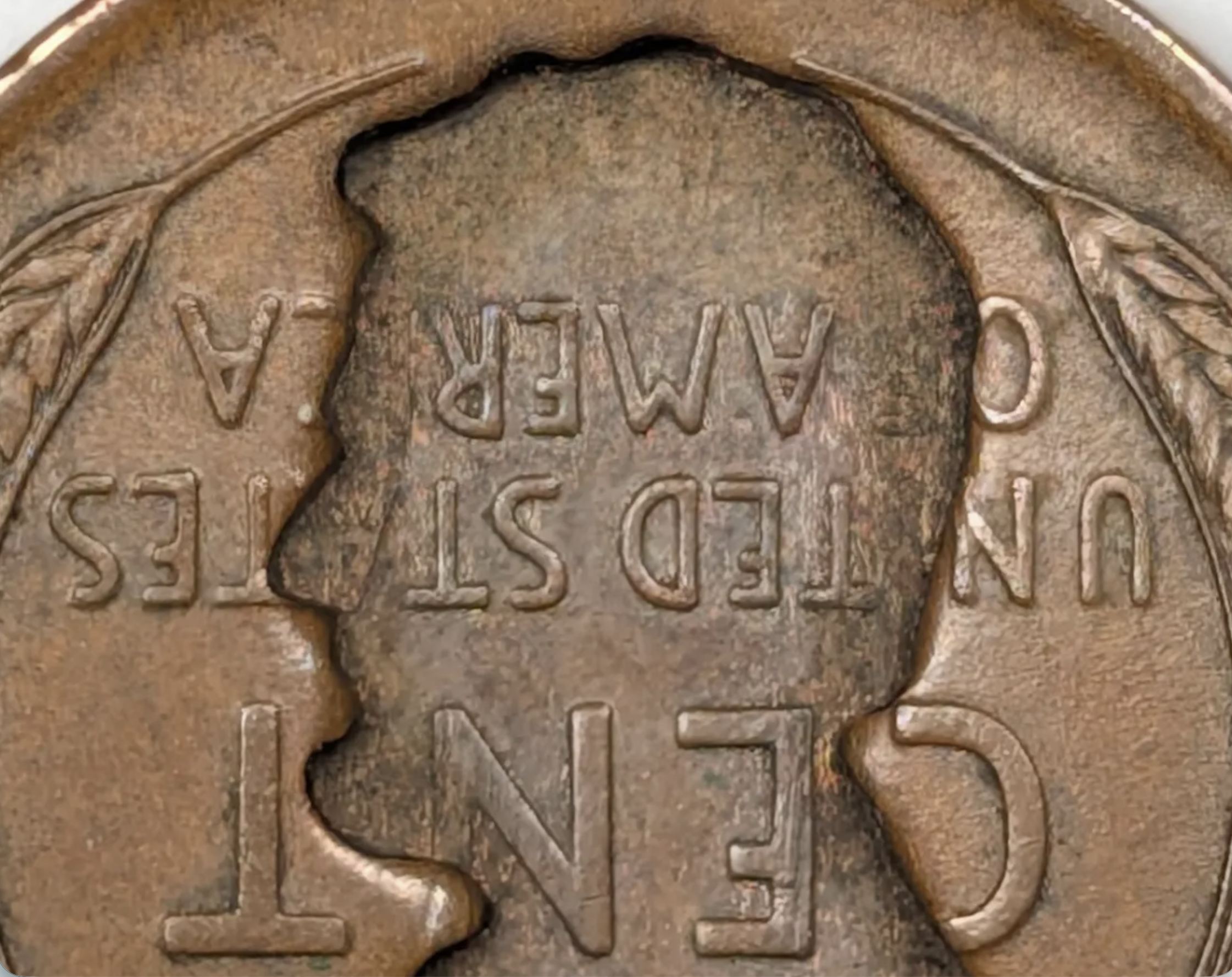
Based on the intact text of "ONE CENT" inside the recessed area, I believe the above comment is correct.
This is not a "push-out" piece, but rather, a cut out that is reattached at a different elevation.
.
Brazed on, maybe?
Super interesting. I would have bought that also.
I only own a couple of push-out coins, and one of them is apparently also owned by someone else as depicted above!
Official PCGS account of:
www.TallahasseeCoinClub.com
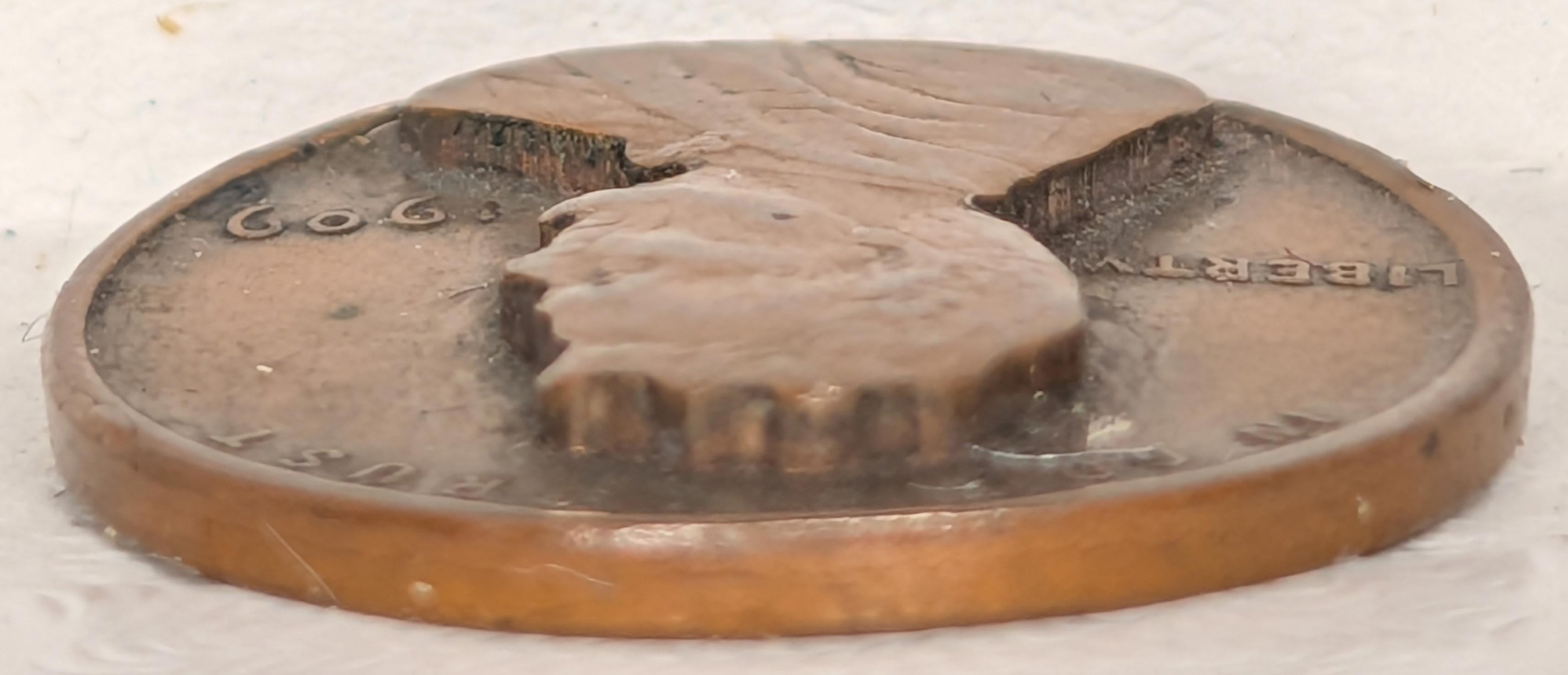
If this was made from two pieces, someone did a good job putting them back together. I don't see any light coming though, and I don't see any type of solder or other way that the pieces would have been joined together.
I'm not going to try to take it apart, though!
I was looking at this 'up close' and I am thinking the same as you. Here is what I am guessing at.
The tooling for this might have been just around the periphery and open in the center. This is due to wanting to keep the center 'as is'.
On the obverse photo I think I see 'damage' (for lack of better term) around the periphery of the device. This could be due to the tooling around the periphery and possibly heat being applied (perhaps hot tool or other) to assist in deformation.
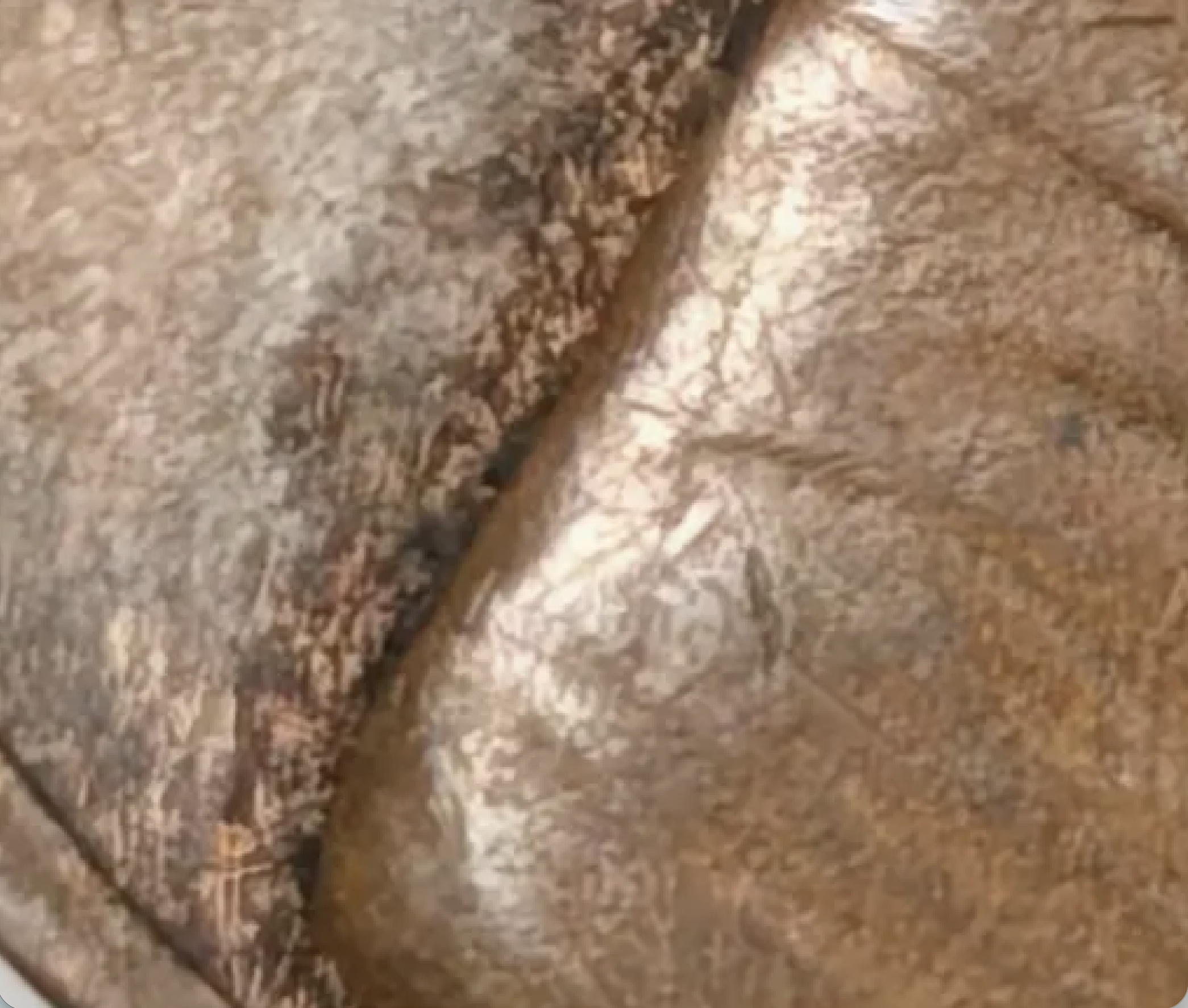
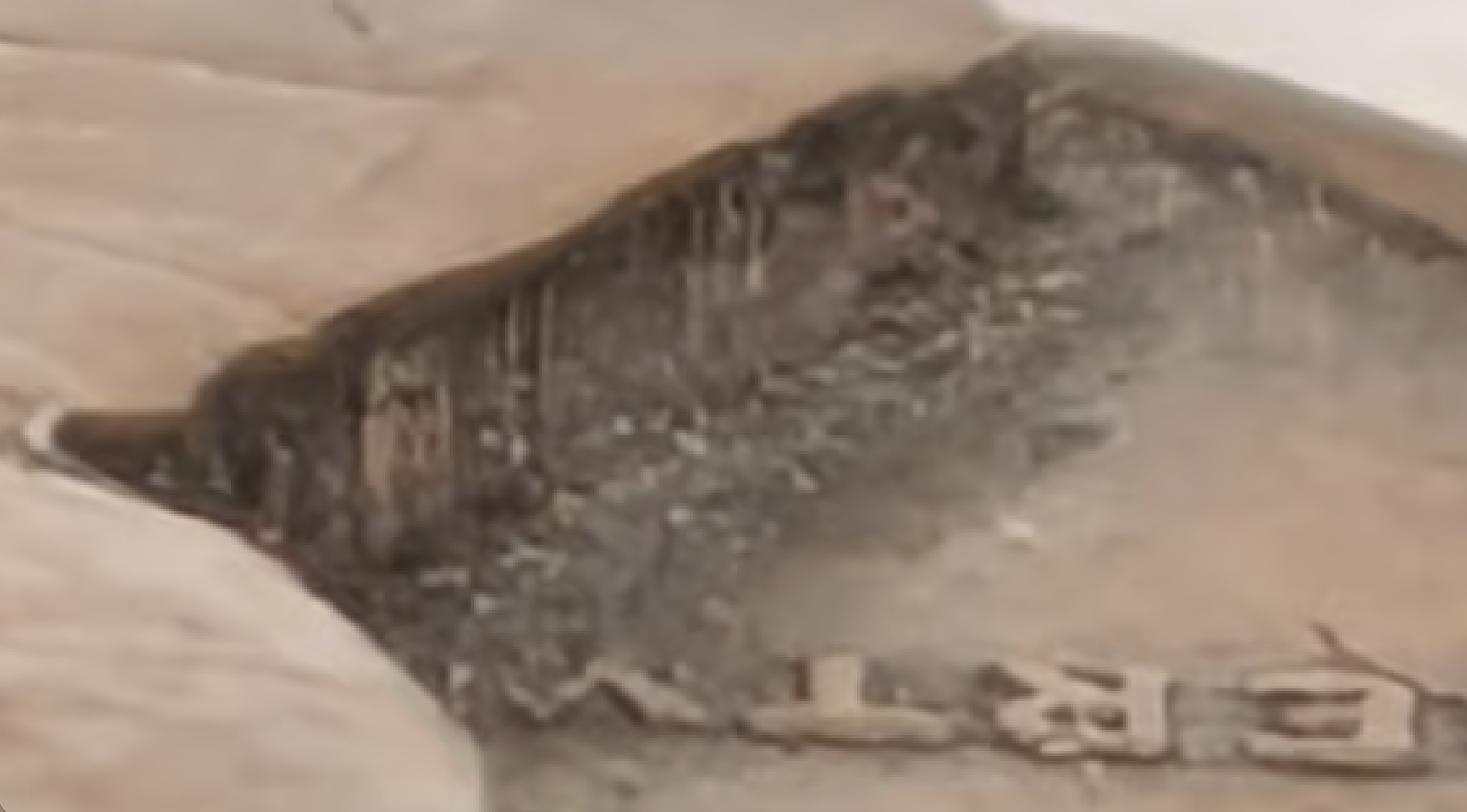
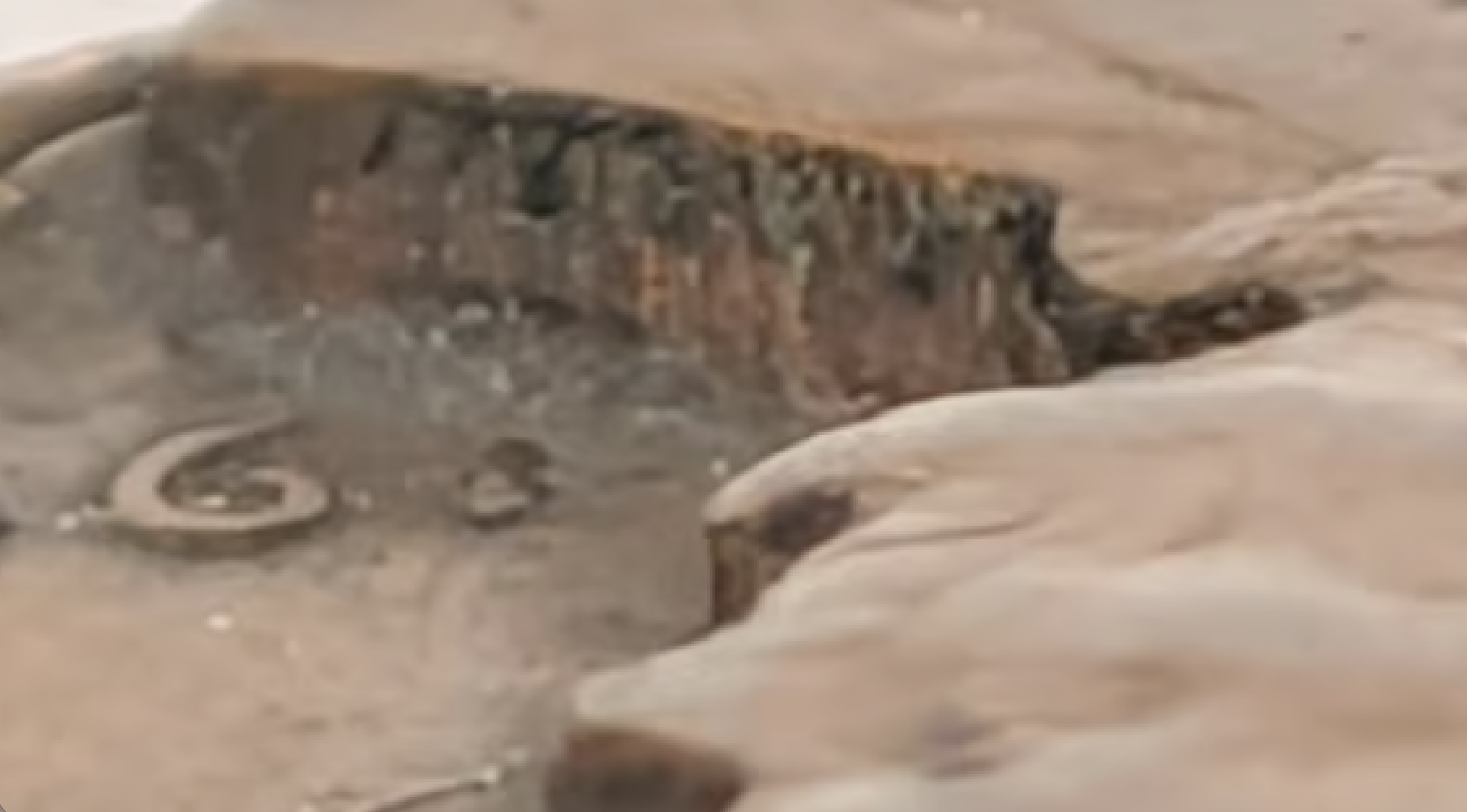
.
.
.
On the elevation picture this obverse surface 'damage' is also noted. But the thickness does not appear to be smoothly cut but rough. Lines appear to be through the thickness but again rough.
.
.
.
On the reverse a few thing to note. On the inner or modified surface around the periphery none of the letters (near the edge) are complete or strong. All appear weak and possibly due to the tooling. Around the periphery of the outer or original surface some of the letters near the edge appear to curve or bend. Then on some of the letters a continuation of them can be seen into the inner or modified surface (or vice versa).
.
.
.
.
.
.
https://youtube.com/watch?v=OwZlYz2V4AM Sophie Lloyd, guitar shred cover Paranoid (Black Sabbath)
https://youtube.com/watch?v=fbEW8BrNctI Haley Reinhart, Don't Know How To Love You Live (direct to record)
RLJ 1958 - 2023
Probably a good CNC machine using two separate wheat cents. I know my father in-law, a tool and die maker for HP could do this in his sleep.
USAF (Ret.) 1985 - 2005. E-4B Aircraft Maint. Crew Chief and Contracting Officer.
✓ Everyman Mint State Carson City Morgan Dollars (1878 – 1893)
✓ Morgan Dollar GSA Hoard (1878 – 1891)
✓ Everyman Mint State Lincoln Cents (1909 – 1958)
✓ Matte Proof Toned Lincoln Cents (1909 – 1916)
.
I think it is quite a bit older than that.
I called it a "cut-out". But, to be completely correct, it appears to actually be punched-out. Like using a non-circular planchet punch (in the shape of Lincoln's profile). In this manner, a bunch of these could be produced efficiently.
The punching technique accounts for two things:
1) The flattening of the letters just inside the punch-out perimeter on the back.
2) The curvature of the surface (trending downwards) near the outside perimeter of the punch area on the back.
.
FWIW, I think that what you see as damage is simply dirt. Or possibly lack-of-dirt. There seems to be a bit more of the original red showing nearest the raised bust relative to the rest of the fields. I can imagine that such a sharply raised area would catch dirt differently or protect the surfaces differently than we would see on normal coins.
Agreed on all counts when viewing it in hand.
That's a very interesting point that the design elements are weaker (or "smooshed") on the periphery of the inner area. I hadn't noticed that!
What's amazing is those three pennies you post on your sig line.
They've been in my personal collection for almost 20 years, and am very proud to be able to call them mine!
The Penny Lady®
All three of these pennies are absolutely delightful to behold. Your '14-D is graded PCGS MS-67?
Thank you again. They are graded MS65 RB, MS65 BN and MS65 BN, respectively
The Penny Lady®