Options
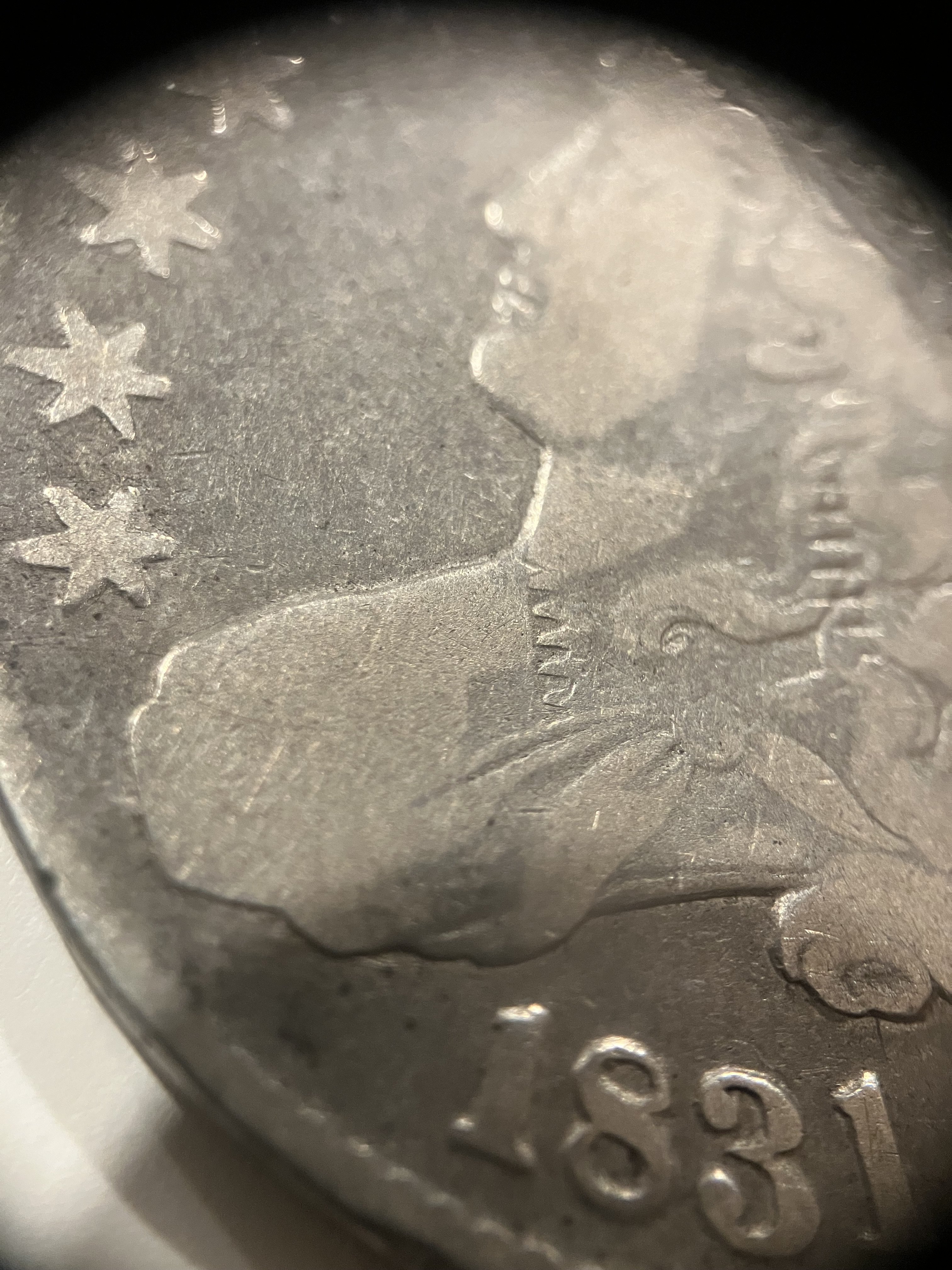
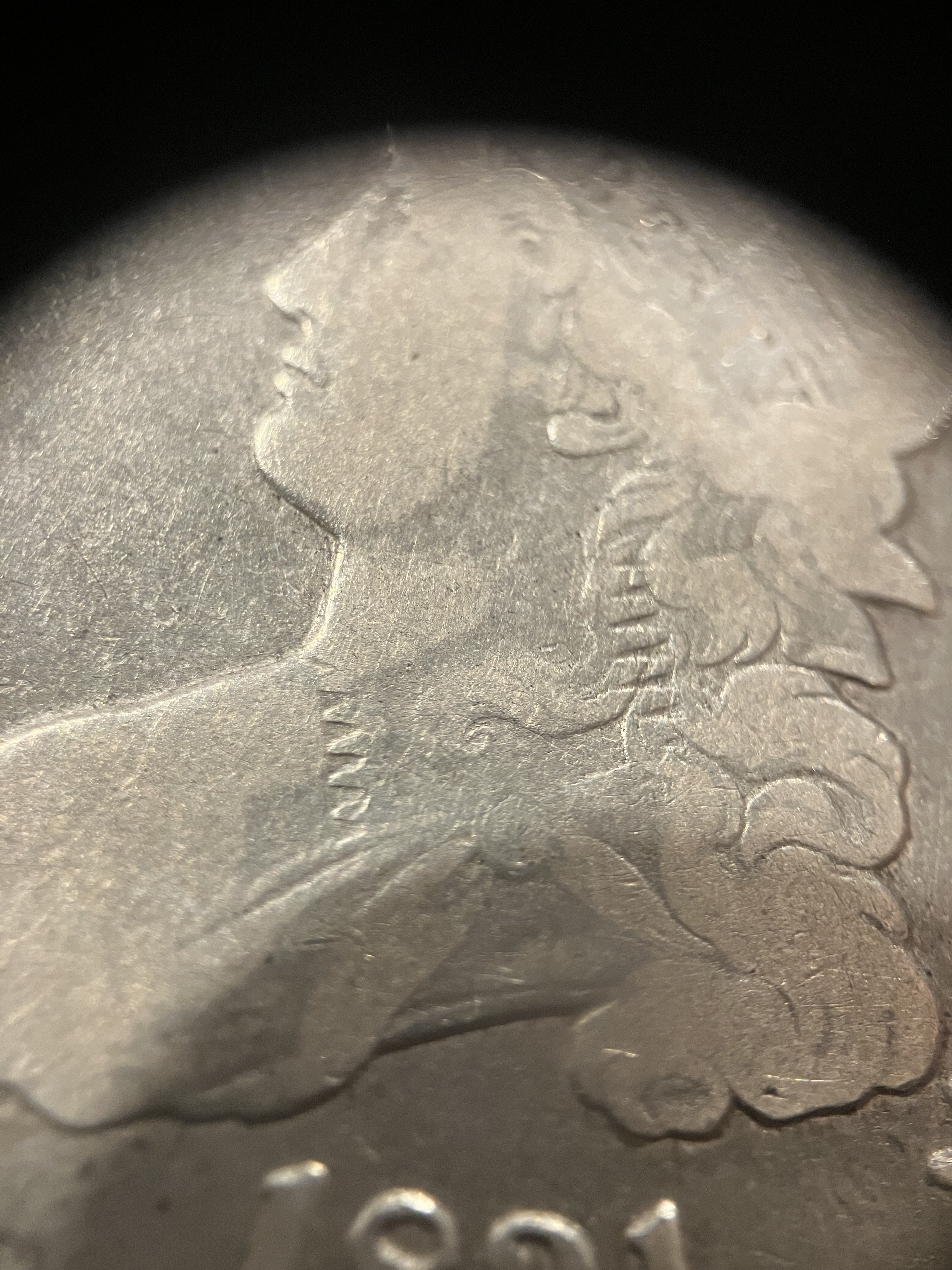
What are these impressions on this CBH?
 KensCoins2287
Posts: 168 ✭✭✭✭
KensCoins2287
Posts: 168 ✭✭✭✭
I realize it’s most likely post mint damage… but could it be from the casting machine? (the edge lettering device, I’m probably spelling it wrong) I’ve probably just been looking at it too long.
Calling @jacrispies 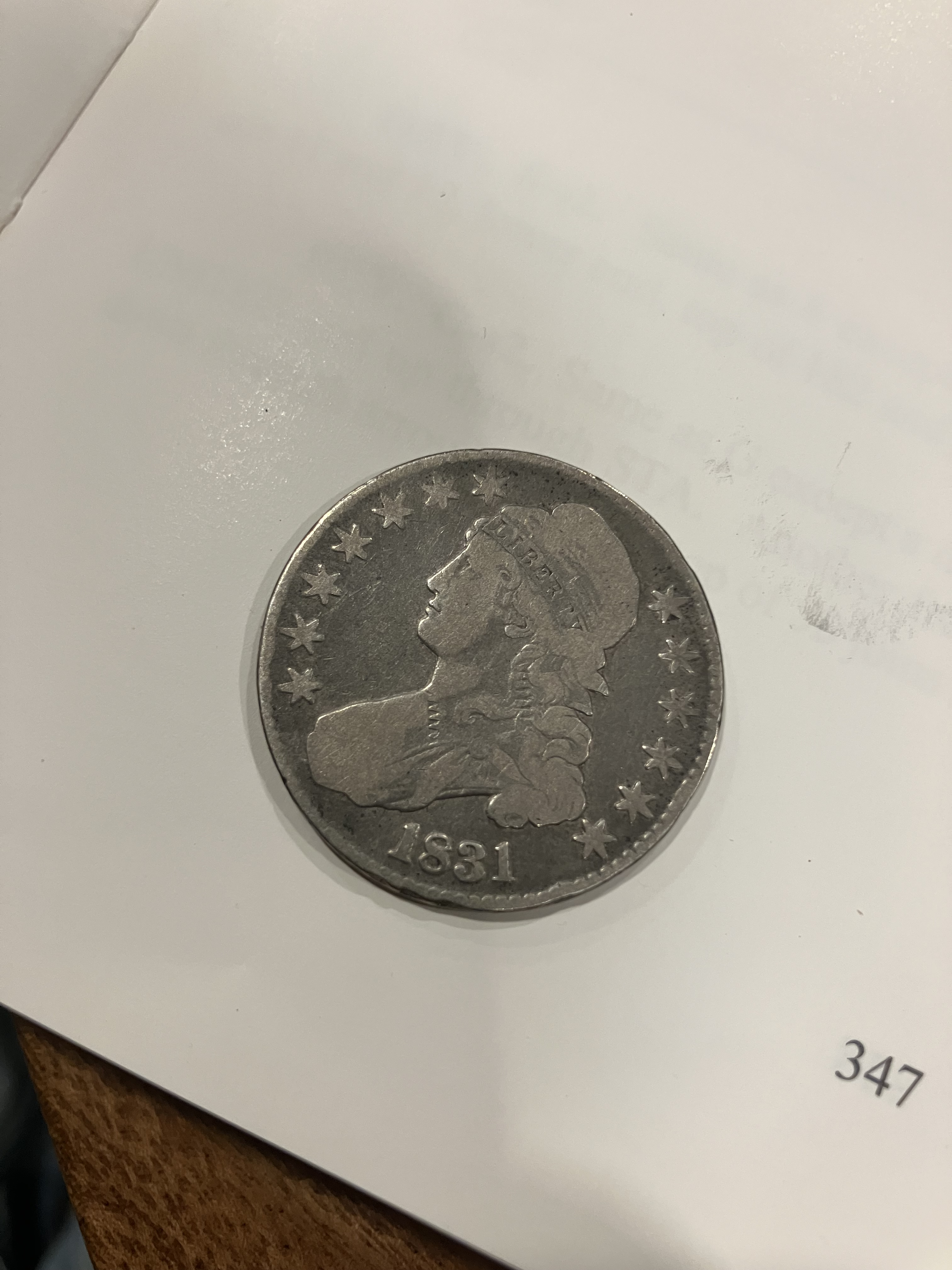
0
Comments
Impacts from the edge of a large-diameter reeded-edge coin.
I kind of like it.
If I saw that coin listed, I'd buy it.
I agree that the impressions look more consistent with contact from the edge of another reeded coin. I would also be hesitant to attribute them to the edge-lettering process without clearer evidence. The photos show an unusual pattern, but it seems more likely to be post-mint contact.
I tend to concur with the “reeding marks” theory, but I’m not 100% certain on that account.
Collector since 1976. On the CU forums here since 2001.
Post mint damage (pmd) , maybe?
Which reeding marks would be, so yes.
Collector since 1976. On the CU forums here since 2001.
If memory serves, similar marks have been noticed on numerous other CBHs, leading to suspicion that they are a part of the planchet preparation (or handling) step in the minting process.
Official PCGS account of:
www.TallahasseeCoinClub.com
.
Note that half dollars did not have reeded edges until 1836.
.
Correct - the marks have nothing to do with a reeded edge, or anything like that, but rather planchet preparation machinery (again, going by memory).
Official PCGS account of:
www.TallahasseeCoinClub.com
I've never seen anything exactly like that before. First opinion is PMD. If it could be proven to be pre-strike (no displaced metal, damage etc), that would open a jar of mint error shenanigans. It doesn't really look like clear reeding marks from impact with another coin.
Regardless, good eye and keep up the hunt. You make it to the ANA this year?
"But seek ye first the kingdom of God and His righteousness and all these things shall be added unto you" Matthew 6:33. Young fellow suffering from Bust Half fever.
BHNC #AN-10
JRCS #1606
They look parallel and like they were imparted by the teeth of a gear.
In honor of the memory of Cpl. Michael E. Thompson
Whatever the cause, the marks occurred after the coin was struck so it would be PMD.
As I’ve posted previously in a couple of other threads, this reminds me somewhat of 1804 Spiked Chin half cents.
See the area near the obverse rim at approximately 4:00.
Mark Feld* of Heritage Auctions*Unless otherwise noted, my posts here represent my personal opinions.
Forgot to mention that it was a Castaing machine that was used to apply the edges on these early half dollars.
Official PCGS account of:
www.TallahasseeCoinClub.com
I did make it to the show! I was there yesterday and today. Had a blast! Super busy, lots of good coins, what more could I ask for!
It looks to perfect for reed markings.
@dcarr - What kind of pressure would it take to make those marks in silver? I'd like to see the other side of that coin. That could tell the tail.
I guess not. 🤣
Unless there were 2 more halfs in edge when a heavy bag hit it causing that which sounds far fetched
Interesting coin Ken! Wish we would have had the chance to say Hi at the show. I just got back last night.
It looks like they may be marks on the planchet PRIOR to the strike, possibly from some of the gears of a Castaing machine, but Occam's Razor suggests to me it is more likely an impression from something else AFTER the strike.
Calling @habaraca
“We are only their care-takers,” he posed, “if we take good care of them, then centuries from now they may still be here … ”
Todd - BHNC #242
PMD to me
Marks are in a STRAIGHT line with no curvature, I say intentional.......
I took a 1964 Kennedy Half Dollar (coin #1) and laid it on a flat hard surface.
I took another similar Kennedy Half Dollar (coin #2) and held it perpendicular to coin #1.
While they were touching, I hit the edge of coin #2 on the edge, pretty hard using a small hammer.
This imparted reed marks into coin #1.
It did not cause any bending or distortion to the opposite (reverse) side of coin #1.