Home U.S. Coin Forum
Options

What is your "threshold" for getting coins certified?

lkeneficlkenefic Posts: 9,484 ✭✭✭✭✭

Hello everyone. I'm in the middle of reorganizing my collection. There are a few coins from my Dansco 7070 that I'll definitely be keeping, and some will probably make their way into my "Box of 20." I also have a partial set of circulated Liberty Nickels (including the 1912-D and 1912-S) that I've simply lost interest in, along with a partial set of circulated Buffalo Nickels that includes a respectable 1914-D.

As I sort through everything, I'll probably have a few coins reholdered. That got me wondering: What's your threshold for deciding a coin is worth certifying? Is it based on value, rarity, authentication of a commonly counterfeited issue, registry considerations, sentimental value, or something else? At what point do you decide the grading fees are worth it?

Collecting: Dansco 7070; Middle Date Large Cents (VF-AU); Box of 20;

Successful BST transactions with: SilverEagles92; Ahrensdad; Smitty; GregHansen; Lablade; Mercury10c; copperflopper; whatsup; KISHU1; scrapman1077, crispy, canadanz, smallchange, robkool, Mission16, ranshdow, ibzman350, Fallguy, Collectorcoins, SurfinxHI, jwitten, Walkerguy21D, dsessom.

Comments

  • Options
    ShaunBC5ShaunBC5 Posts: 1,968 ✭✭✭✭✭

    I’ve never submitted a coin for certification but, like you, I’ve got some set aside that will probably go some day.
    One is a 14-D Lincoln that is often counterfeited. There’s a ‘56 Type 1 proof Franklin and a small motto 2cent piece. The rest are just pretty and were bought cheaply a long time ago. I’ve heard $200 in value as a starting point for numismatic coins, but am really interested in what everyone else here has to say.

  • Options
    BigFrankieBigFrankie Posts: 41 ✭✭
    edited August 7, 2026 7:13PM

    My short answer is about $100, but it varies based on a few factors.

    Here are my examples:

    Buffalo Nickels: My primary collection is PCGS/ NGC CAC. I like a consistant look not a mix of slabs and Dansco. As a result, years ago, when I had my entire (partial) Buffalo Nickel collection in a Dansco, I flexed lower to get the $50-$100 coins in slabs. The inexpensive duplicates are still in the Dansco.

    Lincoln Cents: I kept my primary collection (which is complete x- 1909- SVDB) in a Dansco, since there are too many low value common dates. As a result, I flexed in the other direction to keep the Dansco intact. However, I had my 09-s, 14-D and 31-S certified.

  • Options
    The_Dinosaur_ManThe_Dinosaur_Man Posts: 1,576 ✭✭✭✭✭

    Getting a coin graded defeats the purpose of collecting in an album for me. Though a superb gem from pre-1900 might be worth the added protection.

    Custom album maker and numismatic photographer.
    Need a personalized album made? Design it on the website below and I'll build it for you.
    https://www.donahuenumismatics.com/.

  • Options
    MasonGMasonG Posts: 7,364 ✭✭✭✭✭

    @jmlanzaf said:
    The grading has to add more value than it costs.

    A $5000 coin that is $5000 raw and $5000 slabbed isn't worth grading. A coin that's $80 slabbed and $10 raw might be.

    On eBay, I've sold slabbed coins for $100+ that would sell raw for $15 or so. You practically never get top pop prices for raw coins.

  • Options
    Cougar1978Cougar1978 Posts: 9,983 ✭✭✭✭✭
    edited August 9, 2026 5:20PM

    It varies. I do both coins and currency. Lately just currency last couple submissions.

    As standard strategy the newly graded item is marked up accordingly cost plus (original cost plus direct grading cost). However if it’s a low single digit pop note that is Gem CU then higher tier - based on mkt analysis. I bought a number of note bundles of 100 Gem CU World from this one slab wholesaler coin dealer for super deal decades ago that now worth lots more. Then getting them graded = worth much more than raw. Successful project.

    Investor
  • Options
    privatecoinprivatecoin Posts: 3,828 ✭✭✭✭✭

    Usually about 100 for me.

    Paper money eventually returns to its intrinsic value. Zero. Voltaire. Ebay coinbowlllc

  • Options
    coinkatcoinkat Posts: 24,506 ✭✭✭✭✭

    I see a slightly different threshold…the coin has to have a look which has a potential to be further highlighted by the possible grade. There is a calculated risk but the education through what is learned can offset that risk if the grade fails to meet expectations. Developing and Managing expectations is critical.

    Experience the World through Numismatics...it's more than you can imagine.

  • Options
    124Spider124Spider Posts: 1,262 ✭✭✭✭✭

    As an old fart, I have to think about the ease of selling all this stuff some day in the not-too-distant future), either by me or my heirs.

    One is more likely to get a fair price from selling straight-graded coins than raw coins, but there is a signifiant cost to getting coins graded, and it's a PITA.

    I have never sent a coin in to be graded. I have always considered $300 to be the flex point, where it's worth getting coins graded. But I'm starting to drop that number a bit.

  • Options
    pursuitoflibertypursuitofliberty Posts: 7,887 ✭✭✭✭✭

    It's hard for me to consider certifying a coin that is worth less than maybe $150./200. with current grading fees and shipping costs, but as many have said, sometimes the plastic changes the value dynamically, so ... it depends.


    “We are only their care-takers,” he posed, “if we take good care of them, then centuries from now they may still be here … ”

    Todd - BHNC #242
  • Options
    logger7logger7 Posts: 9,755 ✭✭✭✭✭

    I keep telling an accountant friend he needs to get his collection, or at least the better coins graded, he keeps saying he wants to but puts it off. At $20 plus a coin for economies at PCGS, at $10 plus at Anacs, these are affordable and sensible price points.

  • Options
    TurtleCatTurtleCat Posts: 4,692 ✭✭✭✭✭

    I never had a threshold. It was if I wanted to do it or not :) Sometimes it made financial sense, sometimes for fun or curiosity. On occasion it was to better preserve a particular item. Which reminds me that I have a nice mint error quarter to slab someday. It’s like 20-30% offset with full date.

  • Options
    jmlanzafjmlanzaf Posts: 42,511 ✭✭✭✭✭

    @MFeld said:

    @jmlanzaf said:
    The grading has to add more value than it costs.

    A $5000 coin that is $5000 raw and $5000 slabbed isn't worth grading. A coin that's $80 slabbed and $10 raw might be.

    I’m surprised that more submitters don’t appear to think the same way.

    The value of the coin being submitted isn’t nearly as important as the difference between its value graded vs. ungraded (while taking the grading fee into account).

    I agree. Everyone should think like me. 🤣

    Kidding aside, i do hear people make arguments that lack financial consideration. In some cases, they seem to want to get the maximum price even if they have to pay $40 to unlock the last $30. In other cases, they seem to think "ease of sale" makes it worth a lower net price. I'm not sure why net proceeds isn't always part of the equation.

    Obviously, I say all of this in the context of value. People who just want them to be protected by a slab, or play the registry set game, etc. are in a different category. They aren't making the decision based on value.

    All comments reflect the opinion of the author, even when irrefutably accurate.

  • Options
    SurfinxHISurfinxHI Posts: 2,696 ✭✭✭✭✭

    My other add to this discussion is when it matters that a coin is authentic. You can still sell a $250 cc coin raw, and it can still net $250 in a slab...but the guarantee of authenticity can provide an easier and more timely sale. Thus, speed might be a factor (if not factoring in the time it takes to get it slabbed).

    For instance. I have a 1879 CC in about VG 10 - F12. So, it can be about $250 raw. But many collectors might not want to risk the purchase because it is not certified (at least as authentic). So, it may sit and sit...but slabbed, it will go, go, go!

    Now do that with a $1500 CC (that can sell as raw or slabbed at that price level). Are you willing to buy a $1500 1893 CC in MS raw, or do you want it certified as MS 62? Which will move faster?

    just two cents.

    surf

    Dead people tell interesting tales.
  • Options
    stawickstawick Posts: 576 ✭✭✭✭
    edited August 8, 2026 11:07AM

    Since the American bicentennial, I started collecting modern precious metal coins, especially the ASE and AGE series - mostly proof and reverse proof, among others. Starting around 2019 or 2020 I started submitting all of these to PCGS as I'd like to pass these on to my nieces at some point. Not every one was a winner or a break-even wash. I just wanted to make it easier to sell them if they wanted and made a financial commitment.

    I just sent in over 20 coins from when I 1st started collecting as a kid. These are my better 19th century and early 1900s coins. Not all of these will be worth it, and some are in low condition or just dont have eye appeal. But its for posterity, for myself.
    What gets me is I have more than a few Indian head cents, wheat pennies, standing liberty quarters, etc. Especially pennies, you NEED one in real nice condition to be worth it. The SLQs are not in that great shape to send in, which is a shame. :/ It'd be a shame to melt them, but ...

  • Options
    Cougar1978Cougar1978 Posts: 9,983 ✭✭✭✭✭
    edited August 9, 2026 4:32PM

    It simply depends on how many I want for the slab bus.

    Then marked up cost plus when back from grading (new cos = original cost of item plus direct grading cost).

    Investor
  • Options
    WildWestHalfDollarsWildWestHalfDollars Posts: 7,101 ✭✭✭✭✭
    edited August 8, 2026 2:56PM

    As a buyer anything valued at over 400$ I prefer buying slabbed. Especially key or semi-key dates.

    Liberty Seated Half Dollars

  • Options
    Mr_SpudMr_Spud Posts: 7,227 ✭✭✭✭✭
    edited August 8, 2026 4:43PM

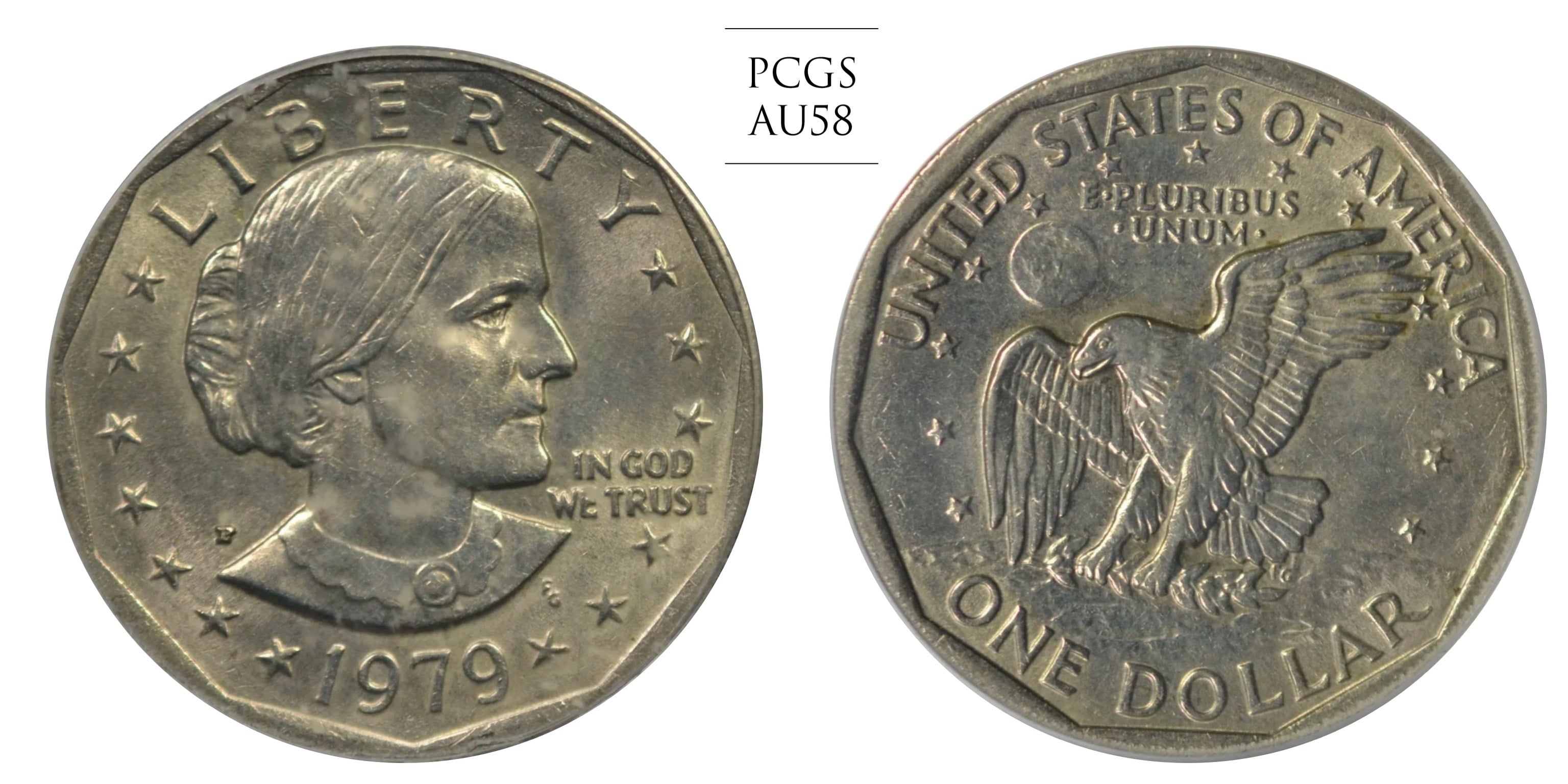
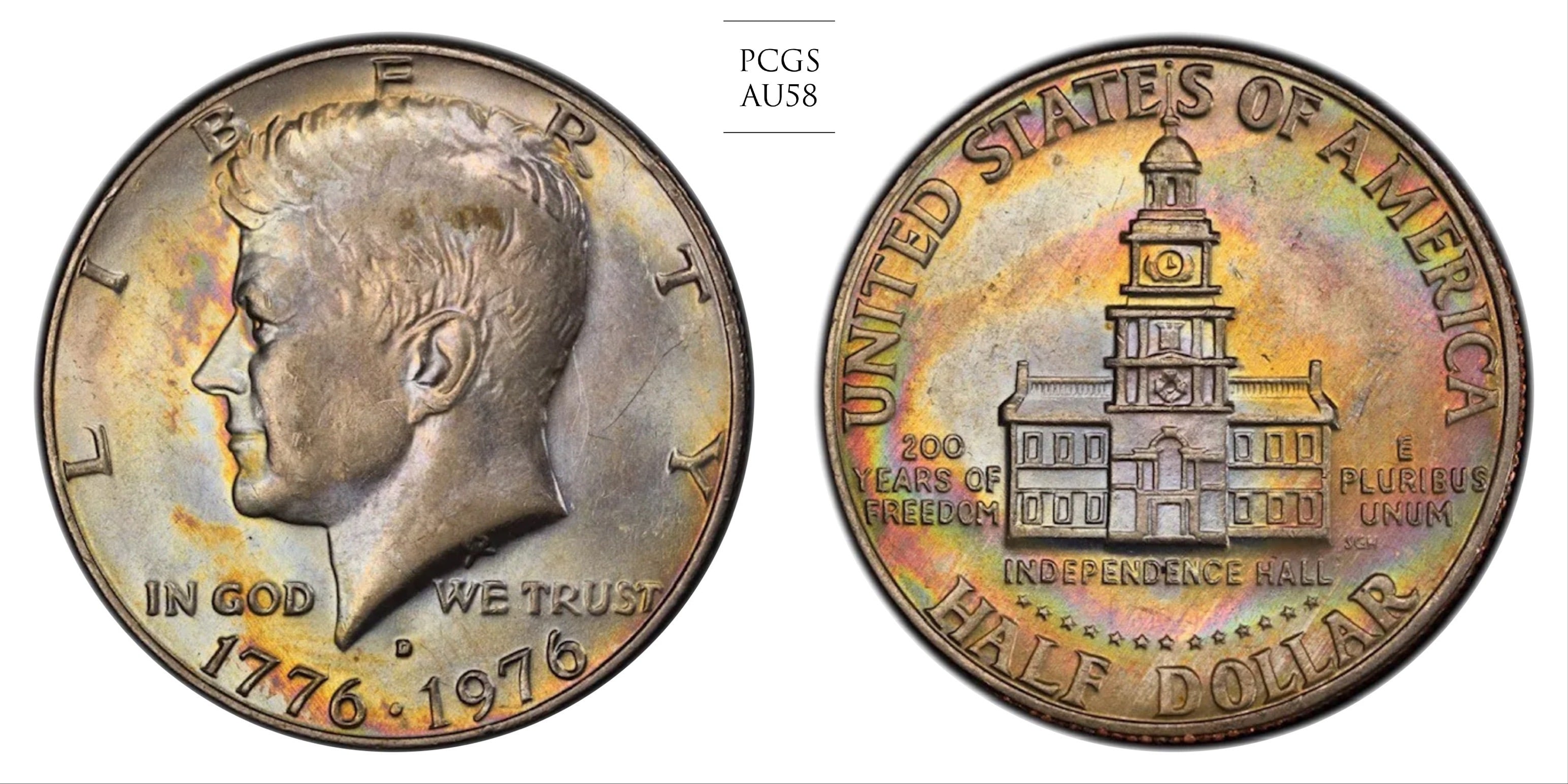
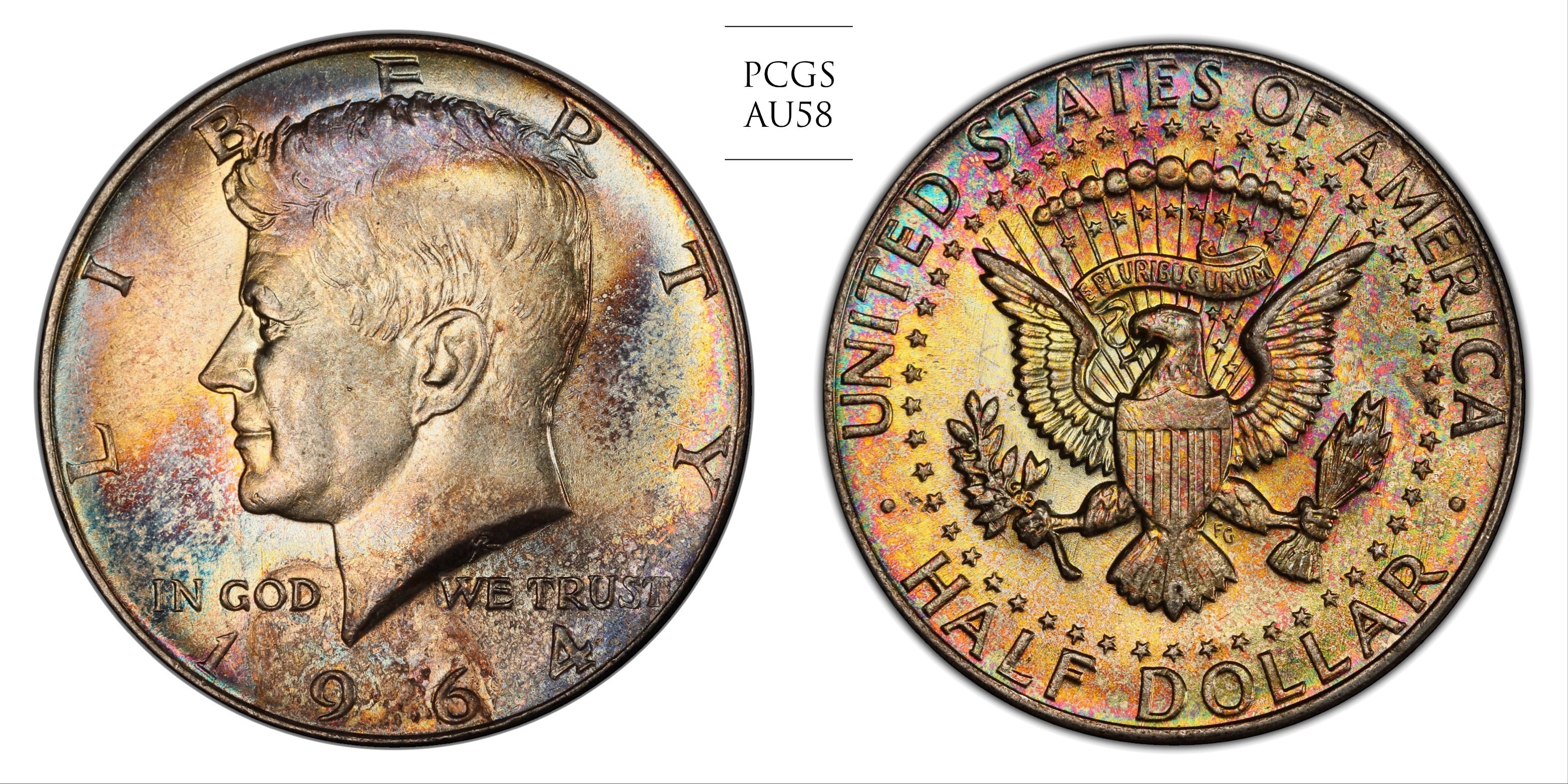
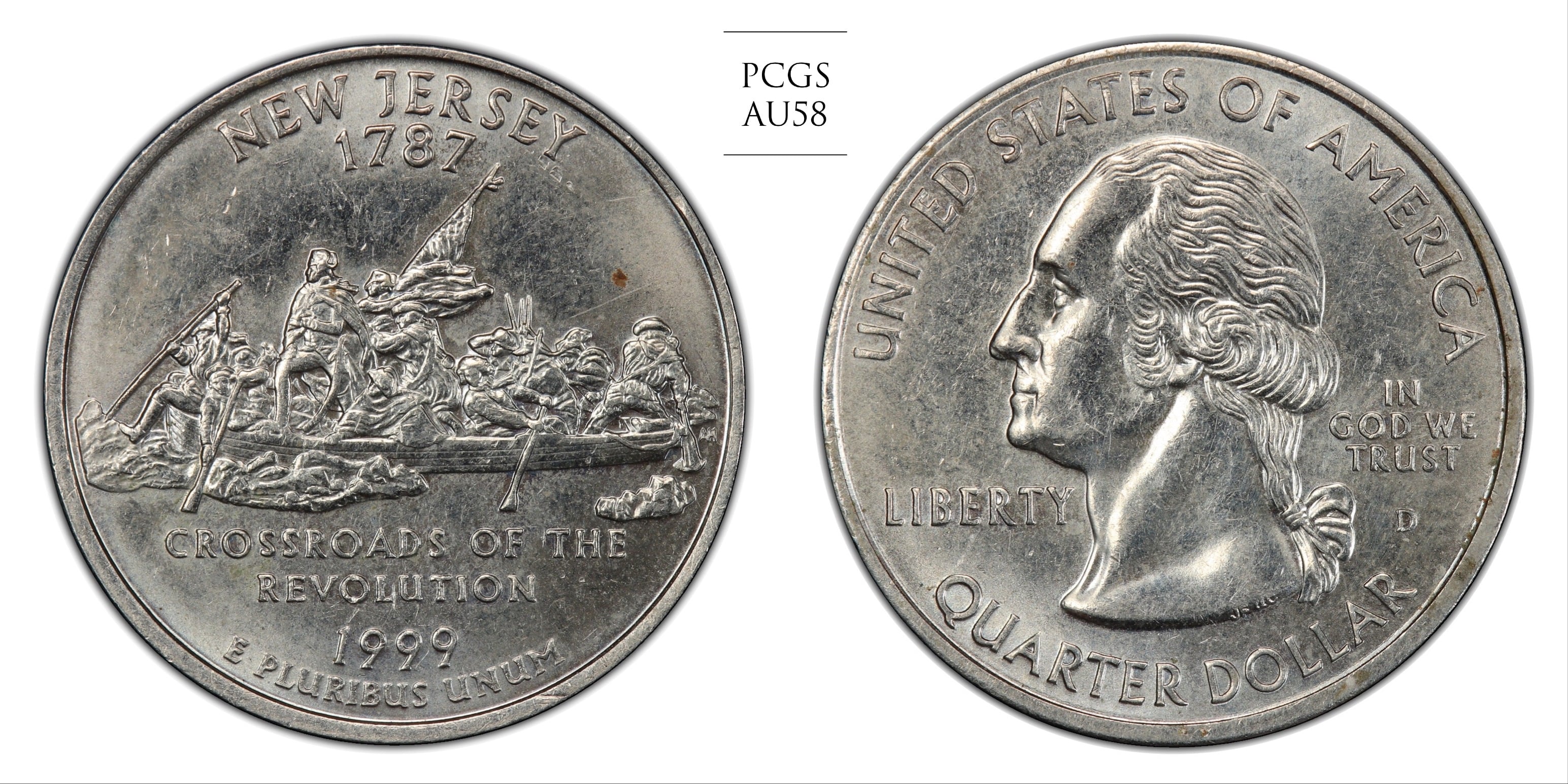
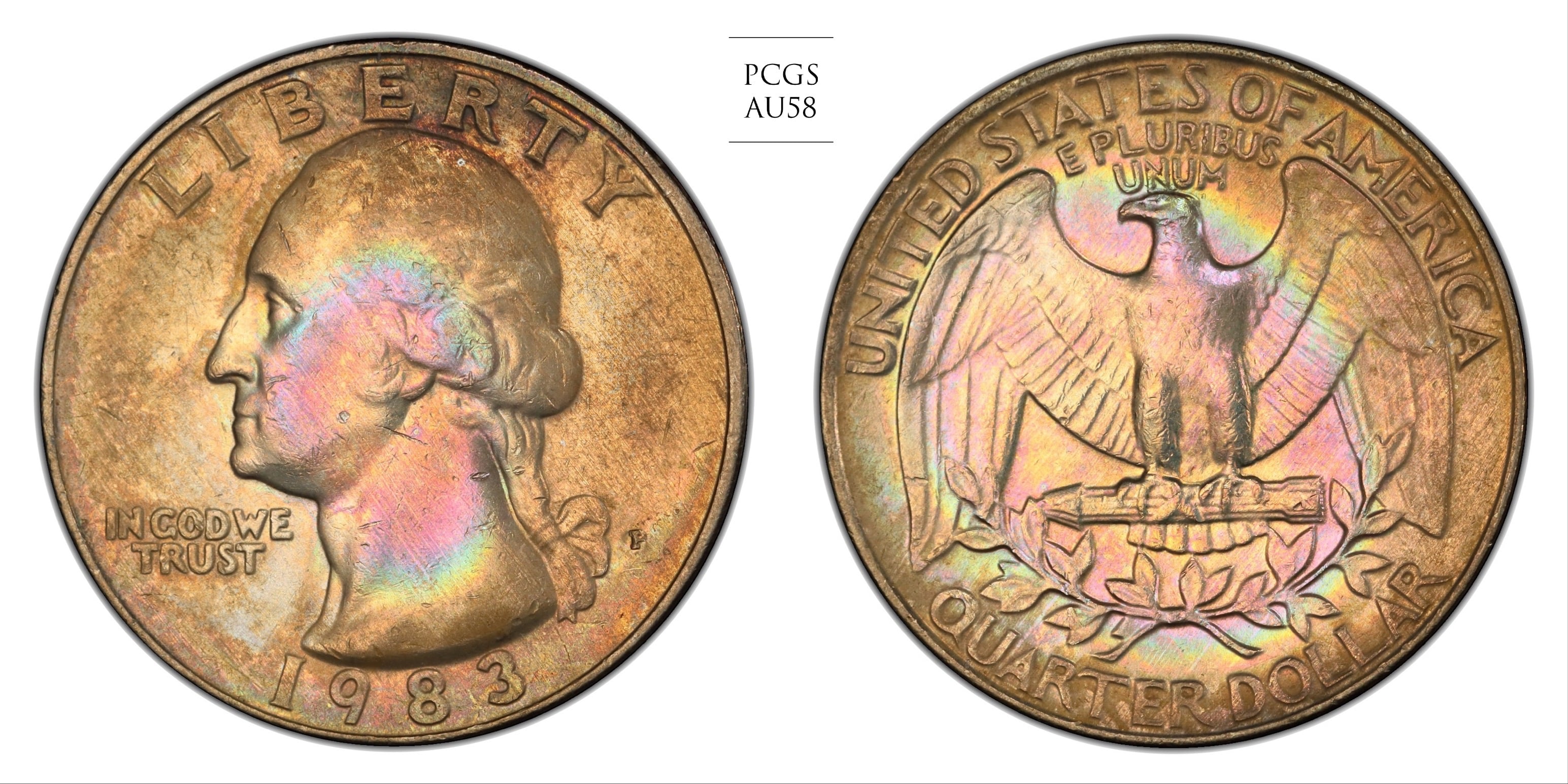
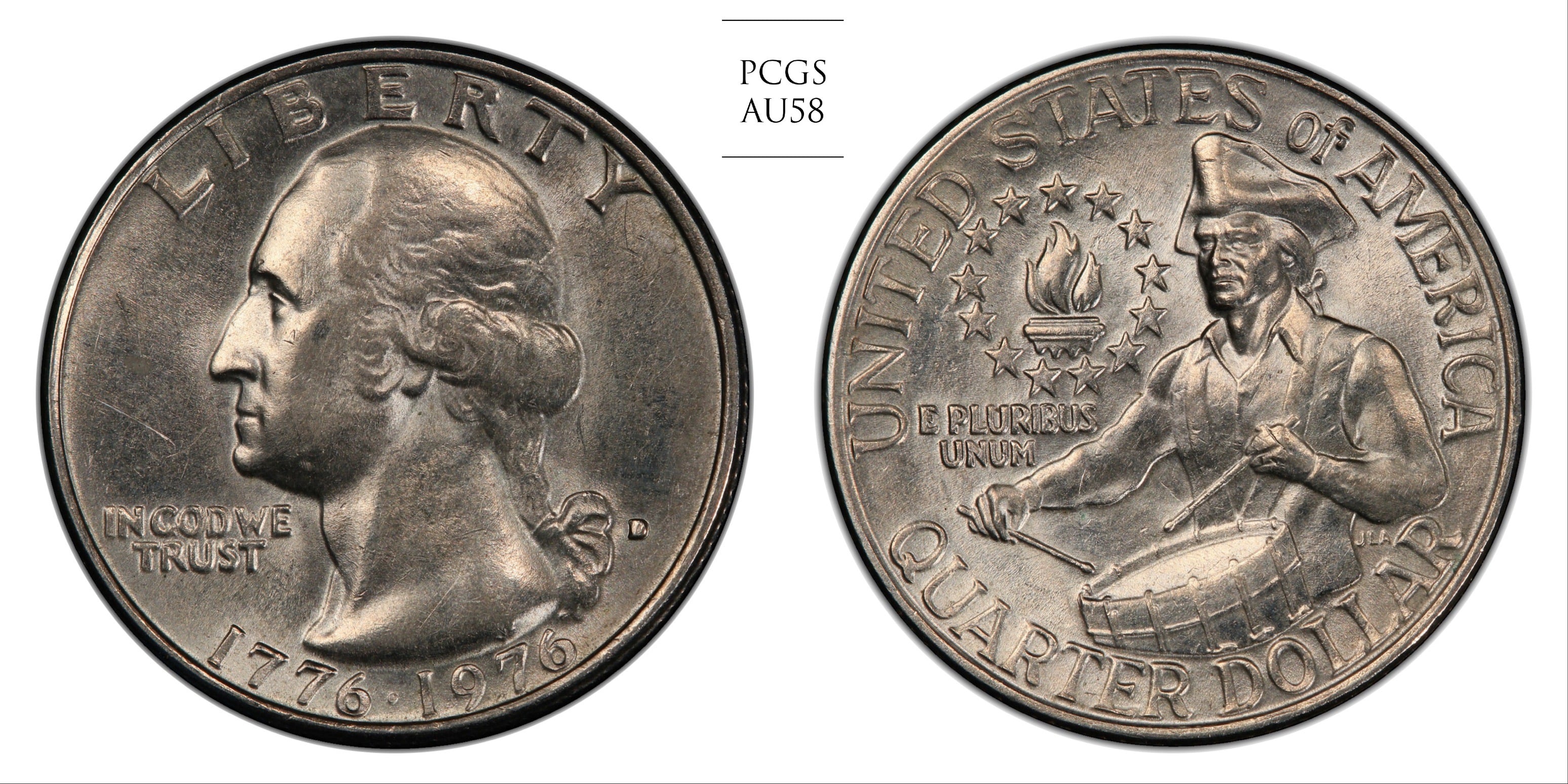
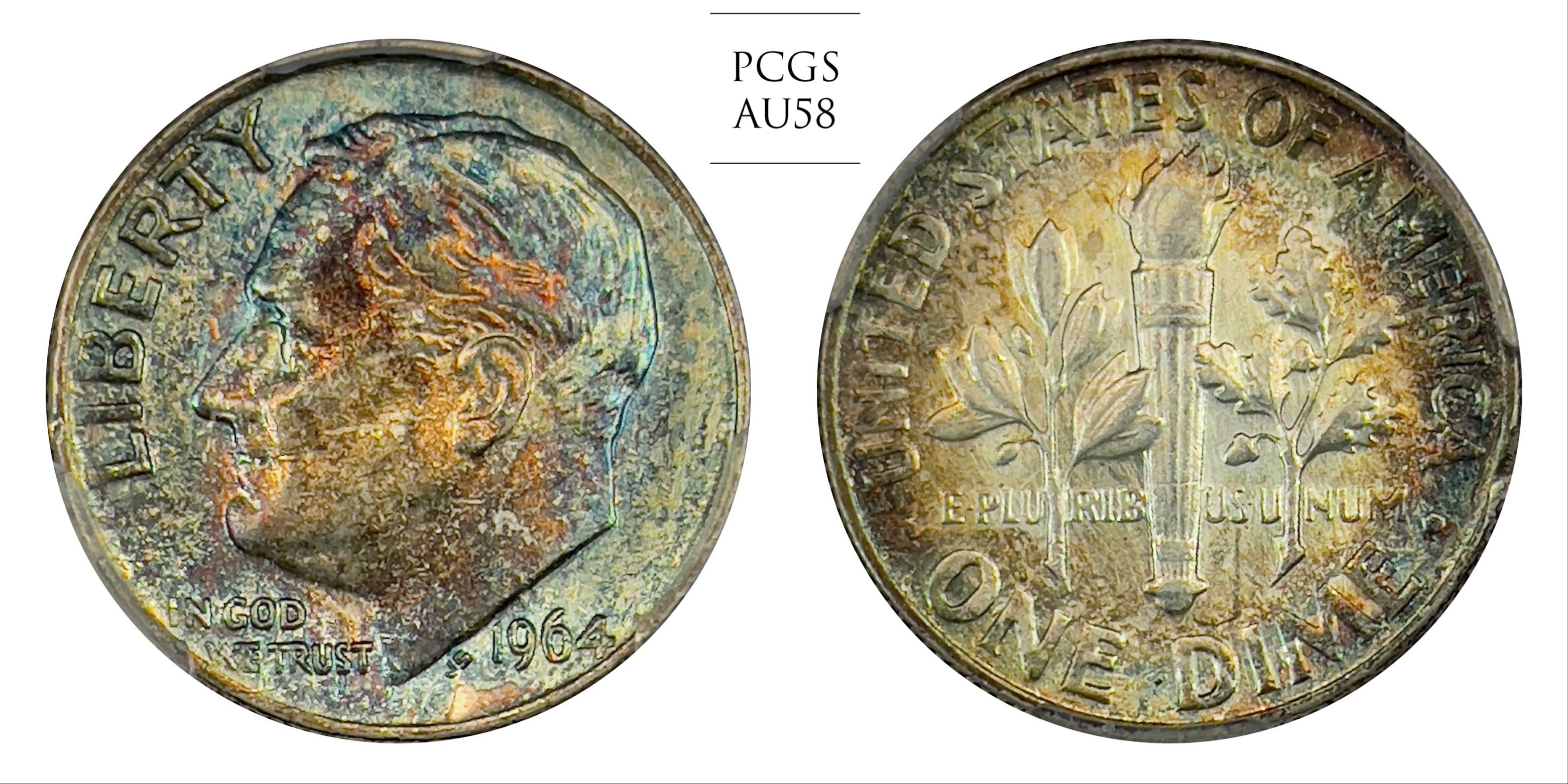
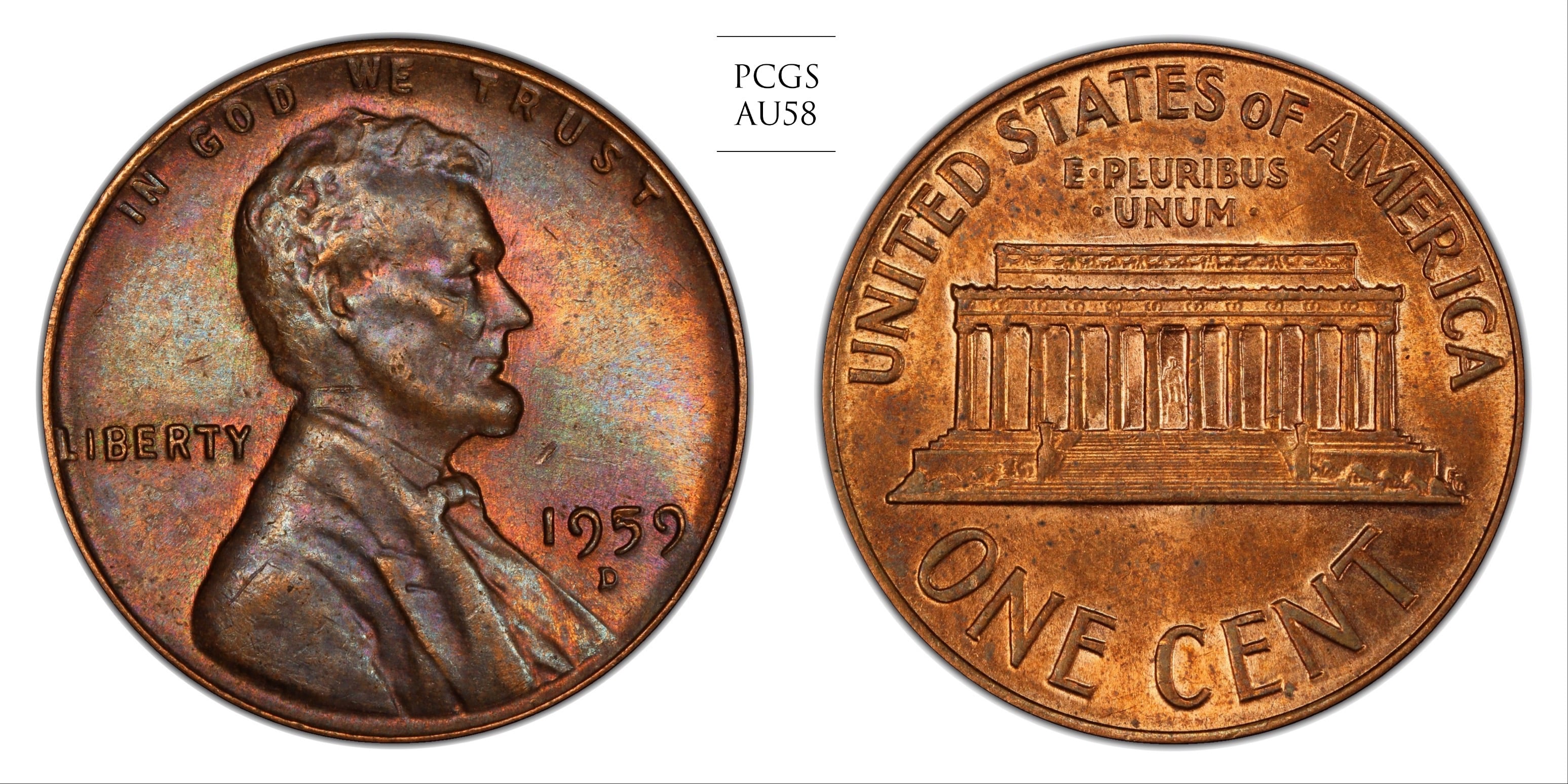
    Face value for me. I’ve tried submitting circulated moderns to get AU58s for my circulated Type sets. I have most of the 19th century and the first half of the 20th century and am working on the 2nd half of the 20th century and the 21st century. So far they all keep coming back as MS. But here’s a few examples of what I’m talking about that I bought cheap online from when others make mistakes
    Mr_Spud

  • Options
    jmlanzafjmlanzaf Posts: 42,511 ✭✭✭✭✭

    @Cougar1978 said:
    It simply depends on how many I want for the slab bus.

    So you would slab a roll of 2026 nickels just to fill the "slab bus"? PCGS thanks you.

    All comments reflect the opinion of the author, even when irrefutably accurate.

  • Options
    Cougar1978Cougar1978 Posts: 9,983 ✭✭✭✭✭

    You don’t know what I slab lol.

    Investor
  • Options
    cameonut2011cameonut2011 Posts: 10,517 ✭✭✭✭✭

    It is always a value question. The increase in value and liquidity must exceed the cost of certification. The only exception is if a coin has sentimental reasons to me which is very, very rare.

  • Options
    cameonut2011cameonut2011 Posts: 10,517 ✭✭✭✭✭

    @privatecoin said:
    Usually about 100 for me.

    With the recent spike in Silver, that would have included any generic silver eagle at one point.

  • Options
    TwoSides2aCoinTwoSides2aCoin Posts: 45,120 ✭✭✭✭✭
    edited August 8, 2026 6:03PM

    Have 184 currently submitted in 4 tiers. Restoration, Mint Error, Regular , and Bulk. I have a threshold, somewhere.

  • Options
    124Spider124Spider Posts: 1,262 ✭✭✭✭✭

    @MFeld said:

    @jmlanzaf said:
    The grading has to add more value than it costs.

    A $5000 coin that is $5000 raw and $5000 slabbed isn't worth grading. A coin that's $80 slabbed and $10 raw might be.

    I’m surprised that more submitters don’t appear to think the same way.

    The value of the coin being submitted isn’t nearly as important as the difference between its value graded vs. ungraded (while taking the grading fee into account).

    I agree with this.

    But it does not factor in the liquidity/optimizing sale price, I think.

    Selling reasonably valuable, slabbed coins is easy. There are dozens of reputable dealers who offer fair price, or one can consign them with the good auction houses. With enough coins, this will recoup pretty good value, in aggregate.

    A coin which is nominall worth, say, $300, raw or slabbed, is much easier to sell for something like that $300 point if certified by a top TPG. That coin raw likely will get you a low-ball offer at any of the coin shops anywhere near me. And I wouldn't even know how to try to sell a $300 raw coin by mail.

  • Options
    MFeldMFeld Posts: 16,989 ✭✭✭✭✭

    @124Spider said:

    @MFeld said:

    @jmlanzaf said:
    The grading has to add more value than it costs.

    A $5000 coin that is $5000 raw and $5000 slabbed isn't worth grading. A coin that's $80 slabbed and $10 raw might be.

    I’m surprised that more submitters don’t appear to think the same way.

    The value of the coin being submitted isn’t nearly as important as the difference between its value graded vs. ungraded (while taking the grading fee into account).

    I agree with this.

    But it does not factor in the liquidity/optimizing sale price, I think.

    Selling reasonably valuable, slabbed coins is easy. There are dozens of reputable dealers who offer fair price, or one can consign them with the good auction houses. With enough coins, this will recoup pretty good value, in aggregate.

    A coin which is nominall worth, say, $300, raw or slabbed, is much easier to sell for something like that $300 point if certified by a top TPG. That coin raw likely will get you a low-ball offer at any of the coin shops anywhere near me. And I wouldn't even know how to try to sell a $300 raw coin by mail.

    And I agree with this.

    Mark Feld* of Heritage Auctions*Unless otherwise noted, my posts here represent my personal opinions.

  • Options
    humanssuckhumanssuck Posts: 696 ✭✭✭✭✭

    I've seen dealers have coins or bills in their showcases raw for months at a reasonable price, with no takers, and had them sell within a week (to customers who passed on them raw at a slightly lower price) once they were slabbed.

    The dealer did not make any extra profit from slabbing them, because they just added the slabbing fee to the price they had it out at before, but they sold.

  • Options
    jmlanzafjmlanzaf Posts: 42,511 ✭✭✭✭✭

    @124Spider said:

    @MFeld said:

    @jmlanzaf said:
    The grading has to add more value than it costs.

    A $5000 coin that is $5000 raw and $5000 slabbed isn't worth grading. A coin that's $80 slabbed and $10 raw might be.

    I’m surprised that more submitters don’t appear to think the same way.

    The value of the coin being submitted isn’t nearly as important as the difference between its value graded vs. ungraded (while taking the grading fee into account).

    I agree with this.

    But it does not factor in the liquidity/optimizing sale price, I think.

    Selling reasonably valuable, slabbed coins is easy. There are dozens of reputable dealers who offer fair price, or one can consign them with the good auction houses. With enough coins, this will recoup pretty good value, in aggregate.

    A coin which is nominall worth, say, $300, raw or slabbed, is much easier to sell for something like that $300 point if certified by a top TPG. That coin raw likely will get you a low-ball offer at any of the coin shops anywhere near me. And I wouldn't even know how to try to sell a $300 raw coin by mail.

    Actually, I specifically mentioned this case. It is NOT WORTHWHILE optimizing "sale price" if you aren't optimizing "sale yield".

    A coin which is worth, say $300, raw or slabbed might well be easier to sell. But my comment suggested a difference in the slabbed versus raw price, not that they were identical. (The "low-ball" offer is irrelevant as you could also get a low-ball offer on a slabbed coin.) Your hypothetical is assuming a price difference. And, I repeat, if the price difference, even between your low-ball offer and the slabbed offer is less than the grading cost, it is NOT worth it because you are "optimizing the sale price" but DECREASING the sale yield in the process.

    It is BETTER to accept a "low-ball offer" of $50 for an $80 coin than to spend $35 to get $80 for it and net only $45. You might feel like you kept the "low-ball" dealer from taking advantage of you. Hoqwcwe, you did it at the cost of taking advantage of yourself.

    All comments reflect the opinion of the author, even when irrefutably accurate.

  • Options
    jmlanzafjmlanzaf Posts: 42,511 ✭✭✭✭✭
    edited August 9, 2026 3:09AM

    @humanssuck said:
    I've seen dealers have coins or bills in their showcases raw for months at a reasonable price, with no takers, and had them sell within a week (to customers who passed on them raw at a slightly lower price) once they were slabbed.

    The dealer did not make any extra profit from slabbing them, because they just added the slabbing fee to the price they had it out at before, but they sold.

    This is exactly the same situation, but you just phrased it so it seems different. If it didn't sell at $100 raw, then $100 raw is NOT the raw price. You have to compare the price it sold to the price it sold.

    Your scenario indicates a DIFFERENCE in raw versus slabbed price that is greater than the slab costs, not merely an easier-to-sell. coin.

    All comments reflect the opinion of the author, even when irrefutably accurate.

  • Options
    SmudgeSmudge Posts: 9,989 ✭✭✭✭✭

    $200 added value.

  • Options
    124Spider124Spider Posts: 1,262 ✭✭✭✭✭

    @jmlanzaf said:

    @124Spider said:

    @MFeld said:

    @jmlanzaf said:
    The grading has to add more value than it costs.

    A $5000 coin that is $5000 raw and $5000 slabbed isn't worth grading. A coin that's $80 slabbed and $10 raw might be.

    I’m surprised that more submitters don’t appear to think the same way.

    The value of the coin being submitted isn’t nearly as important as the difference between its value graded vs. ungraded (while taking the grading fee into account).

    I agree with this.

    But it does not factor in the liquidity/optimizing sale price, I think.

    Selling reasonably valuable, slabbed coins is easy. There are dozens of reputable dealers who offer fair price, or one can consign them with the good auction houses. With enough coins, this will recoup pretty good value, in aggregate.

    A coin which is nominall worth, say, $300, raw or slabbed, is much easier to sell for something like that $300 point if certified by a top TPG. That coin raw likely will get you a low-ball offer at any of the coin shops anywhere near me. And I wouldn't even know how to try to sell a $300 raw coin by mail.

    Actually, I specifically mentioned this case. It is NOT WORTHWHILE optimizing "sale price" if you aren't optimizing "sale yield".

    A coin which is worth, say $300, raw or slabbed might well be easier to sell. But my comment suggested a difference in the slabbed versus raw price, not that they were identical. (The "low-ball" offer is irrelevant as you could also get a low-ball offer on a slabbed coin.) Your hypothetical is assuming a price difference. And, I repeat, if the price difference, even between your low-ball offer and the slabbed offer is less than the grading cost, it is NOT worth it because you are "optimizing the sale price" but DECREASING the sale yield in the process.

    It is BETTER to accept a "low-ball offer" of $50 for an $80 coin than to spend $35 to get $80 for it and net only $45. You might feel like you kept the "low-ball" dealer from taking advantage of you. Hoqwcwe, you did it at the cost of taking advantage of yourself.

    You are stating the obvious case, which is the same as Mark Feld had written of. Nobody (least of all, me) is arguing against that point.

    My point is that, as coins get higher in price, (i) the cost of slabbing them, as a percentage of the value, goes down, (ii) the orderly market in fairly expensive, slabbed, coins is real, and (iii) the market for $300 raw coins is thin. There is a crossover point beyond which slabbing a coin is a no-brainer, IMO. I don't know exactly what that point is, but it's probably somewhere in the $150 - $250 range.

    For most of us, without access to specialized buyers, trying to sell a $1000 raw coin would be folly; nobody can contest that assertion. Conversely, paying (and taking the trouble) to slab a $30 coin is silly; nobody can contest that assertion. But, somewhere in between is the point where it makes good sense to get a nice coin certified by a good TPG.

  • Options
    jmlanzafjmlanzaf Posts: 42,511 ✭✭✭✭✭

    @124Spider said:

    @jmlanzaf said:

    @124Spider said:

    @MFeld said:

    @jmlanzaf said:
    The grading has to add more value than it costs.

    A $5000 coin that is $5000 raw and $5000 slabbed isn't worth grading. A coin that's $80 slabbed and $10 raw might be.

    I’m surprised that more submitters don’t appear to think the same way.

    The value of the coin being submitted isn’t nearly as important as the difference between its value graded vs. ungraded (while taking the grading fee into account).

    I agree with this.

    But it does not factor in the liquidity/optimizing sale price, I think.

    Selling reasonably valuable, slabbed coins is easy. There are dozens of reputable dealers who offer fair price, or one can consign them with the good auction houses. With enough coins, this will recoup pretty good value, in aggregate.

    A coin which is nominall worth, say, $300, raw or slabbed, is much easier to sell for something like that $300 point if certified by a top TPG. That coin raw likely will get you a low-ball offer at any of the coin shops anywhere near me. And I wouldn't even know how to try to sell a $300 raw coin by mail.

    Actually, I specifically mentioned this case. It is NOT WORTHWHILE optimizing "sale price" if you aren't optimizing "sale yield".

    A coin which is worth, say $300, raw or slabbed might well be easier to sell. But my comment suggested a difference in the slabbed versus raw price, not that they were identical. (The "low-ball" offer is irrelevant as you could also get a low-ball offer on a slabbed coin.) Your hypothetical is assuming a price difference. And, I repeat, if the price difference, even between your low-ball offer and the slabbed offer is less than the grading cost, it is NOT worth it because you are "optimizing the sale price" but DECREASING the sale yield in the process.

    It is BETTER to accept a "low-ball offer" of $50 for an $80 coin than to spend $35 to get $80 for it and net only $45. You might feel like you kept the "low-ball" dealer from taking advantage of you. Hoqwcwe, you did it at the cost of taking advantage of yourself.

    You are stating the obvious case, which is the same as Mark Feld had written of. Nobody (least of all, me) is arguing against that point.

    My point is that, as coins get higher in price, (i) the cost of slabbing them, as a percentage of the value, goes down, (ii) the orderly market in fairly expensive, slabbed, coins is real, and (iii) the market for $300 raw coins is thin. There is a crossover point beyond which slabbing a coin is a no-brainer, IMO. I don't know exactly what that point is, but it's probably somewhere in the $150 - $250 range.

    For most of us, without access to specialized buyers, trying to sell a $1000 raw coin would be folly; nobody can contest that assertion. Conversely, paying (and taking the trouble) to slab a $30 coin is silly; nobody can contest that assertion. But, somewhere in between is the point where it makes good sense to get a nice coin certified by a good TPG.

    I don't disagree. But I think both are baked into the price argument. If you can't get $1000 offer on a raw coin, $1000 is not the price in this discussion.

    All comments reflect the opinion of the author, even when irrefutably accurate.

  • Options
    lkeneficlkenefic Posts: 9,484 ✭✭✭✭✭

    @jmlanzaf said:

    My point is that, as coins get higher in price, (i) the cost of slabbing them, as a percentage of the value, goes down, (ii) the orderly market in fairly expensive, slabbed, coins is real, and (iii) the market for $300 raw coins is thin. There is a crossover point beyond which slabbing a coin is a no-brainer, IMO. I don't know exactly what that point is, but it's probably somewhere in the $150 - $250 range.

    For most of us, without access to specialized buyers, trying to sell a $1000 raw coin would be folly; nobody can contest that assertion. Conversely, paying (and taking the trouble) to slab a $30 coin is silly; nobody can contest that assertion. But, somewhere in between is the point where it makes good sense to get a nice coin certified by a good TPG.

    This is exactly why I put "threshold" in air-quotes. Balancing the market, the value that a TPG holder brings for authentication, the value of attribution (where needed), vs. the costs (fees and shipping) is going to be a moving target within that ~$200 range and will likely depend on the individual coin.

    Collecting: Dansco 7070; Middle Date Large Cents (VF-AU); Box of 20;

    Successful BST transactions with: SilverEagles92; Ahrensdad; Smitty; GregHansen; Lablade; Mercury10c; copperflopper; whatsup; KISHU1; scrapman1077, crispy, canadanz, smallchange, robkool, Mission16, ranshdow, ibzman350, Fallguy, Collectorcoins, SurfinxHI, jwitten, Walkerguy21D, dsessom.
  • Options
    GoobGoob Posts: 536 ✭✭✭✭✭
    edited August 9, 2026 5:41PM

    Even though basically none of the coins I’ve gotten graded were “worth it” financially, I submit coins that I think I would enjoy more in a slab versus in a basic holder. I don’t necessarily do albums for collectible coins, mainly just circulation change. I’ll include some photos, most of these were likely foolish to submit from a financial view but I like having them in slabs so in my opinion, each one was a winner!
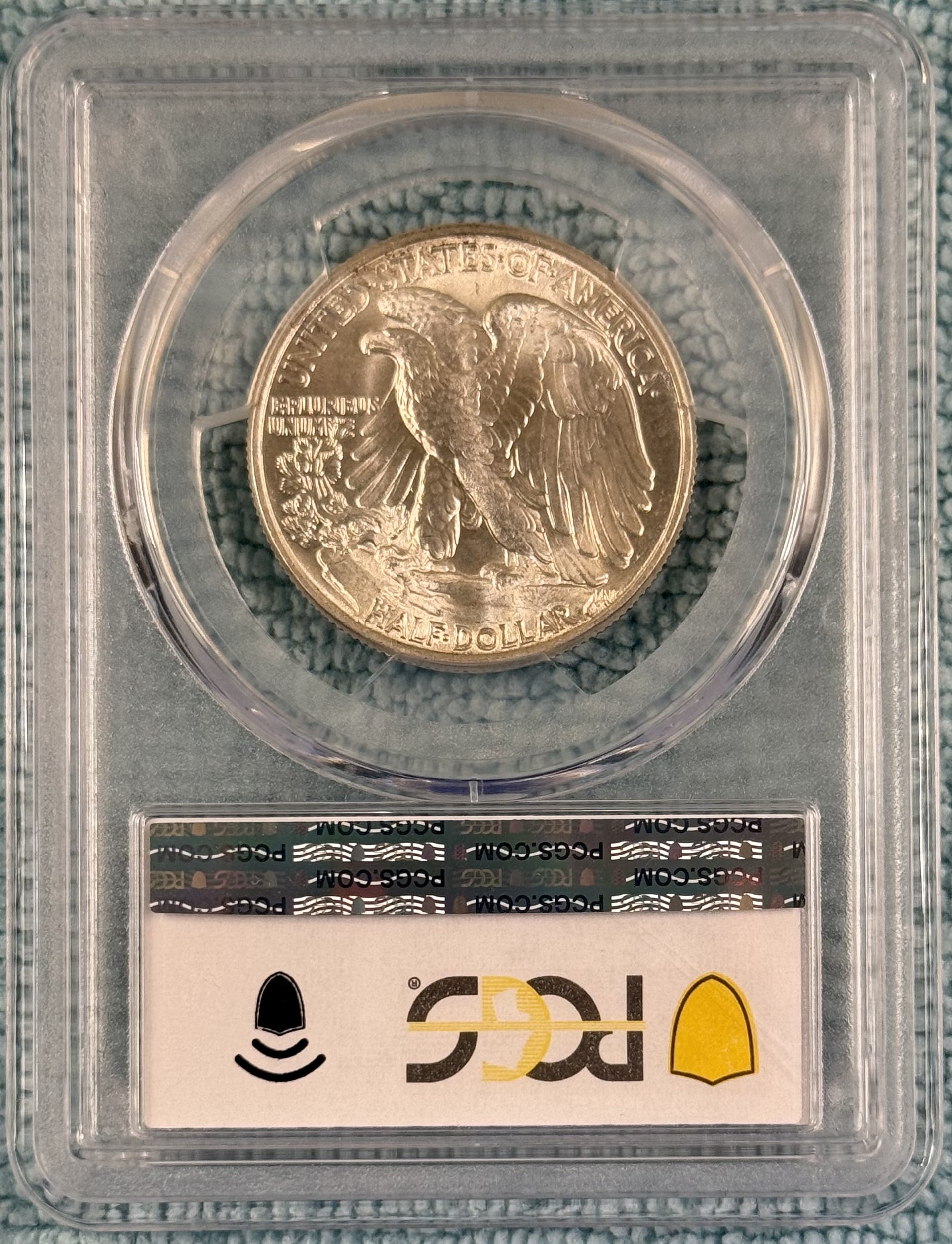
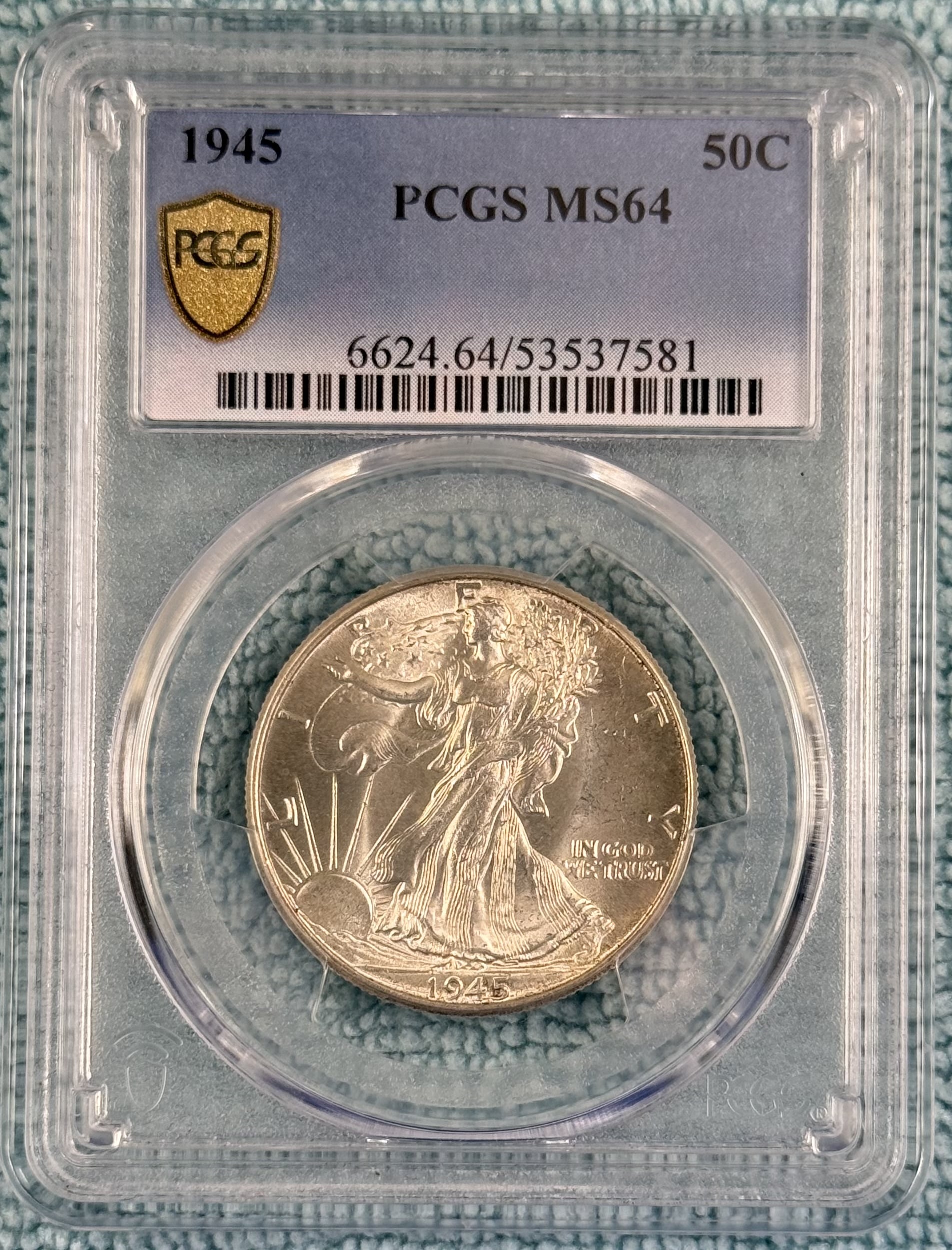
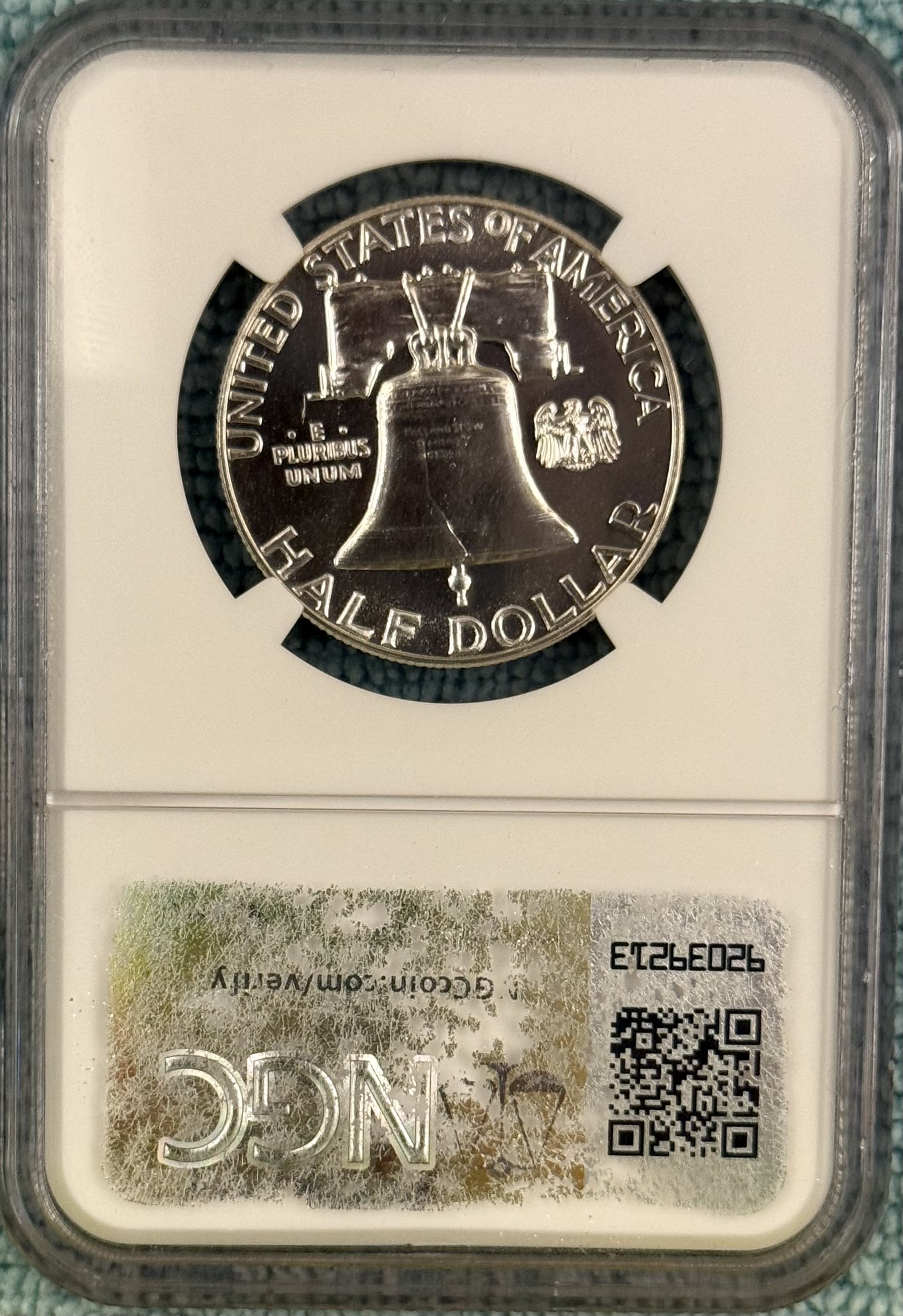
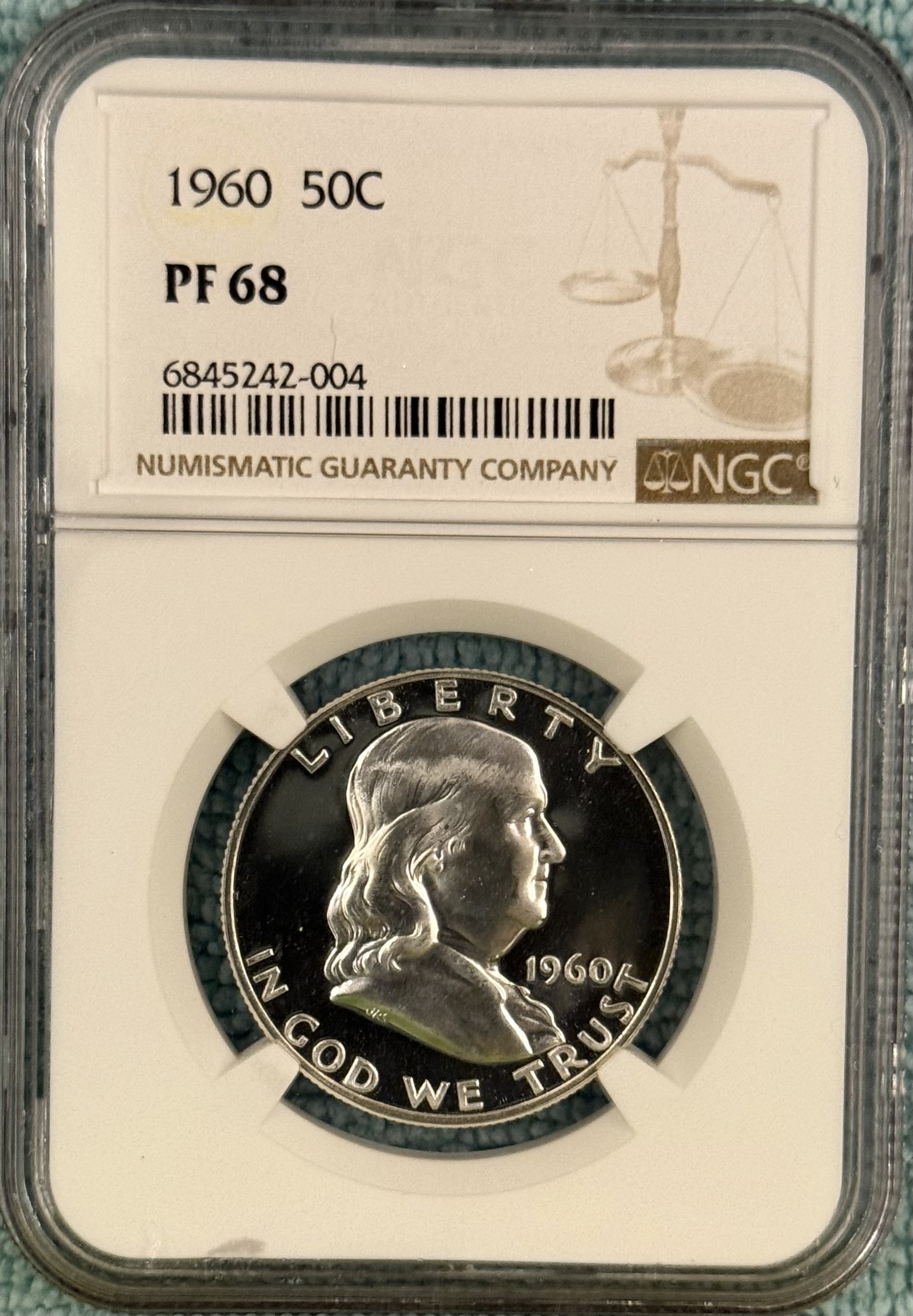
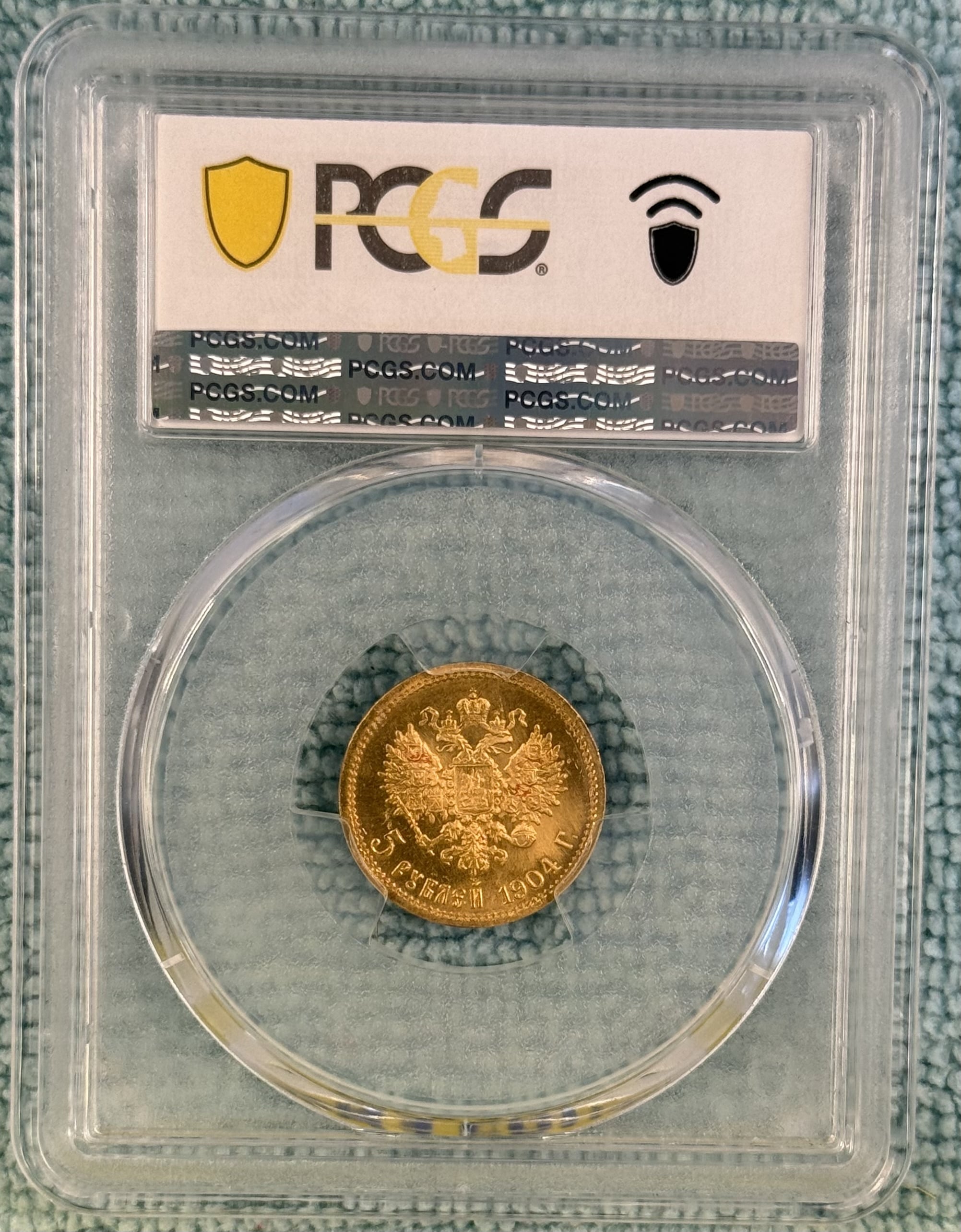
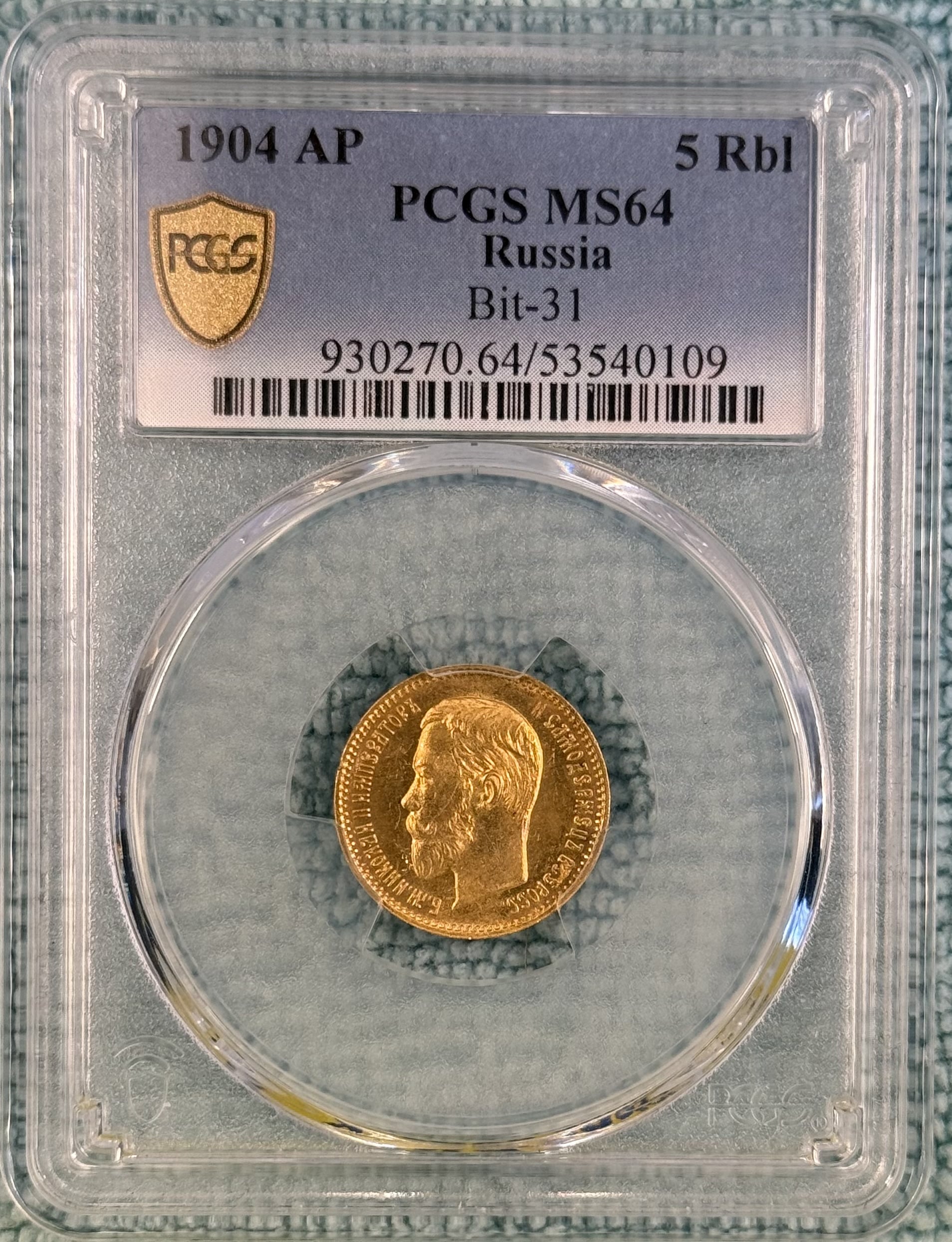
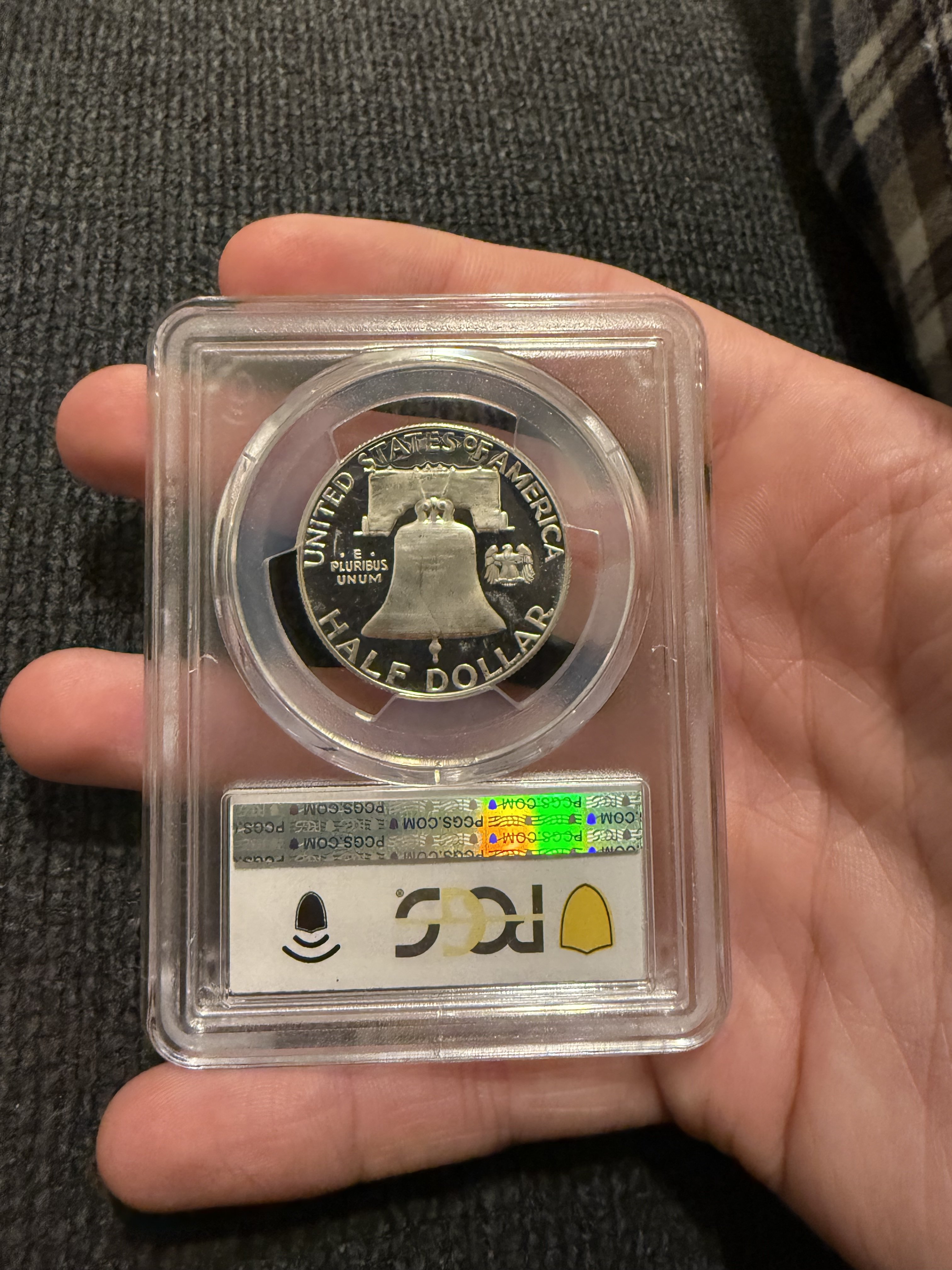
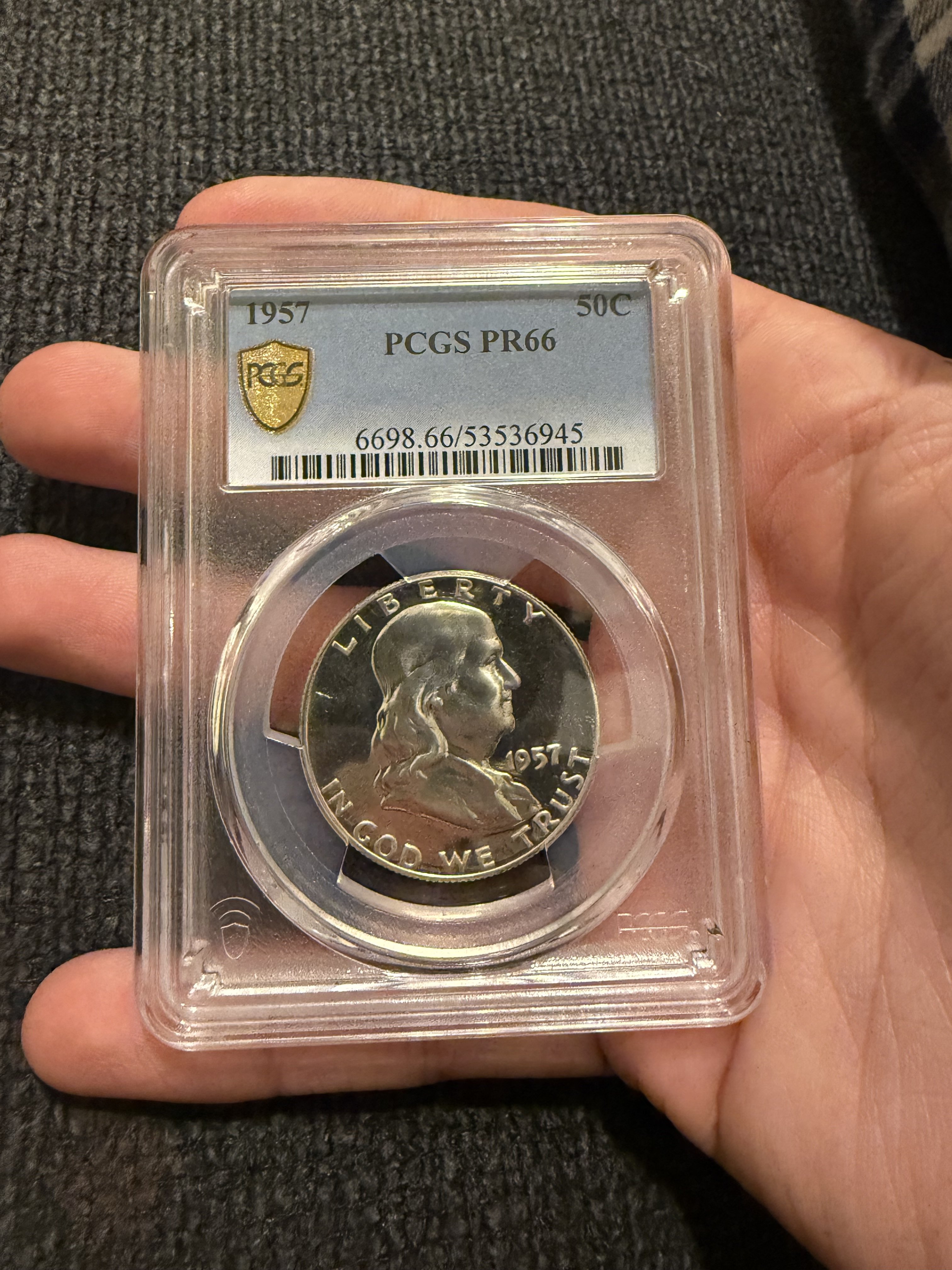
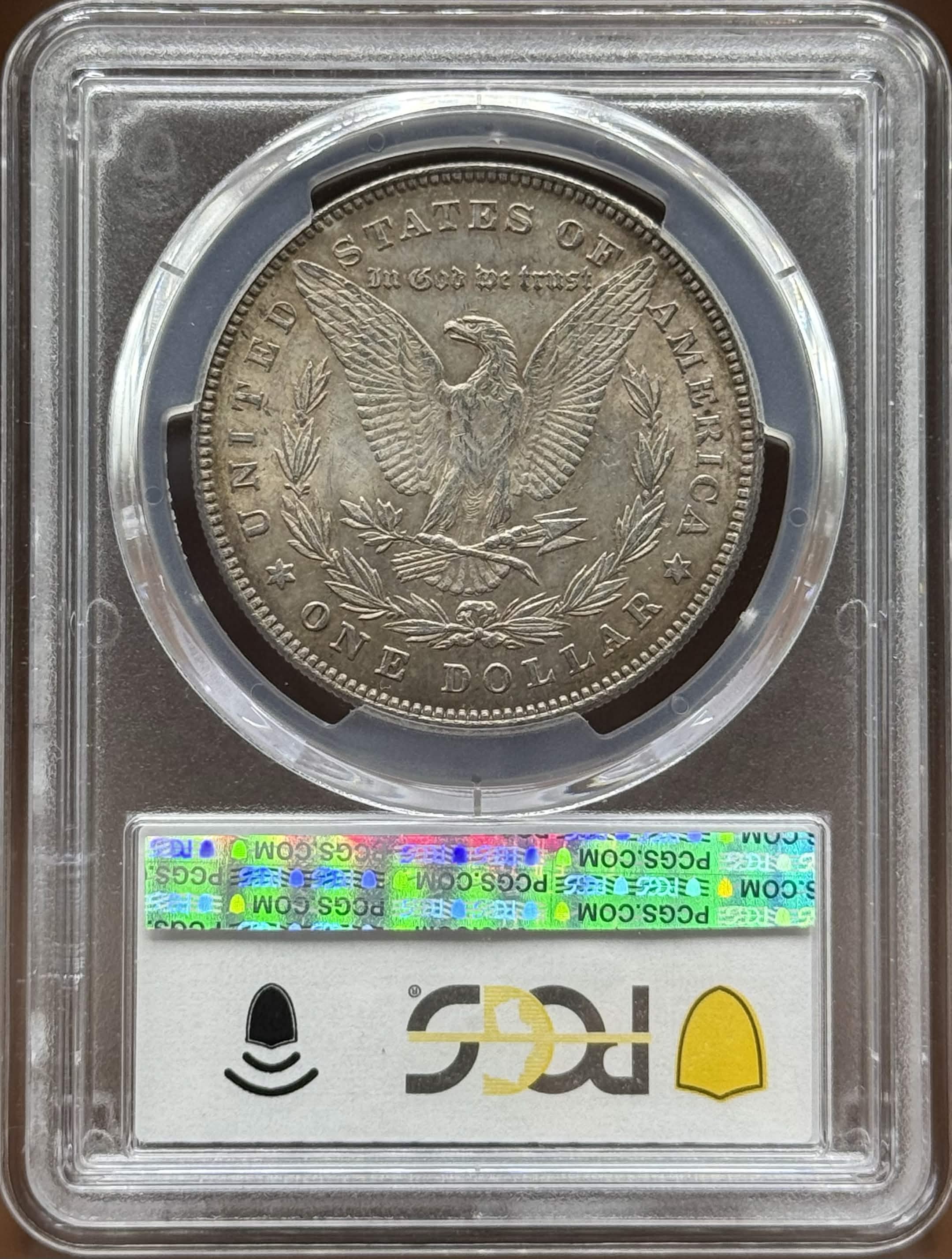
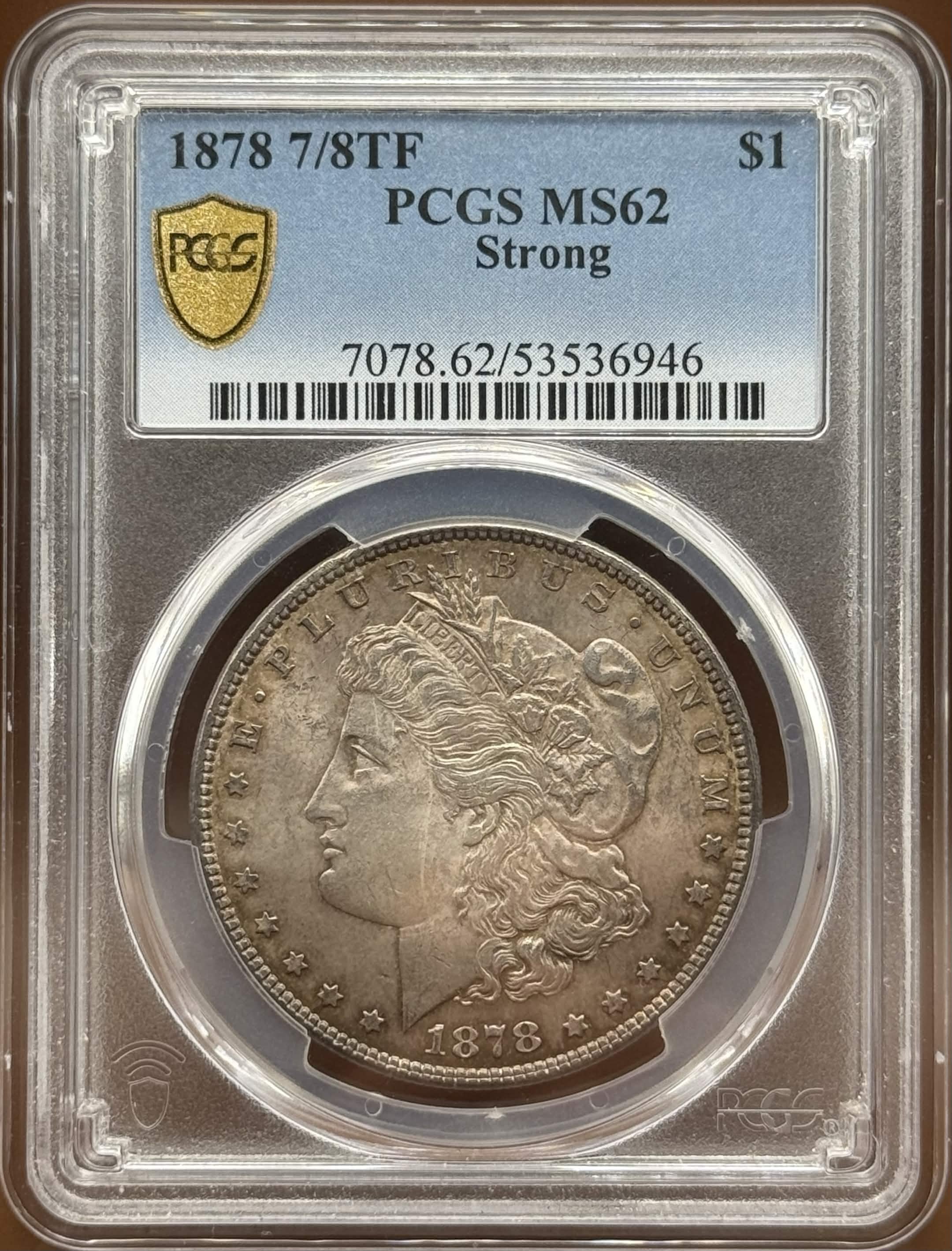
    (500th post, nice!)

    "Another day, another Collectors Universe forum scrolling session."
    - Someone, probably

  • Options
    Cougar1978Cougar1978 Posts: 9,983 ✭✭✭✭✭
    edited August 10, 2026 9:33AM

    Would guess $50.

    However a moot issue for me. Material I get graded direct grading cost added to inventory value (cost of item). Then that number x markup factor equals sell to arrive at proper retail pricing. Now ones submit gets really good TPG grade like 67 and higher - May want more.

    Have lots world currency gem CU bought decades ago (bundles) chump change then from big gun slab dealer worth a lot now and get graded if like 68 (low pop) boom, price them accordingly.

    Investor
  • Options
    privatecoinprivatecoin Posts: 3,828 ✭✭✭✭✭

    @cameonut2011 said:

    @privatecoin said:
    Usually about 100 for me.

    With the recent spike in Silver, that would have included any generic silver eagle at one point.

    Good thing I don't collect those anymore.

    Paper money eventually returns to its intrinsic value. Zero. Voltaire. Ebay coinbowlllc

Leave a Comment

BoldItalicStrikethroughOrdered listUnordered list
Emoji
Image
Align leftAlign centerAlign rightToggle HTML viewToggle full pageToggle lights
Drop image/file