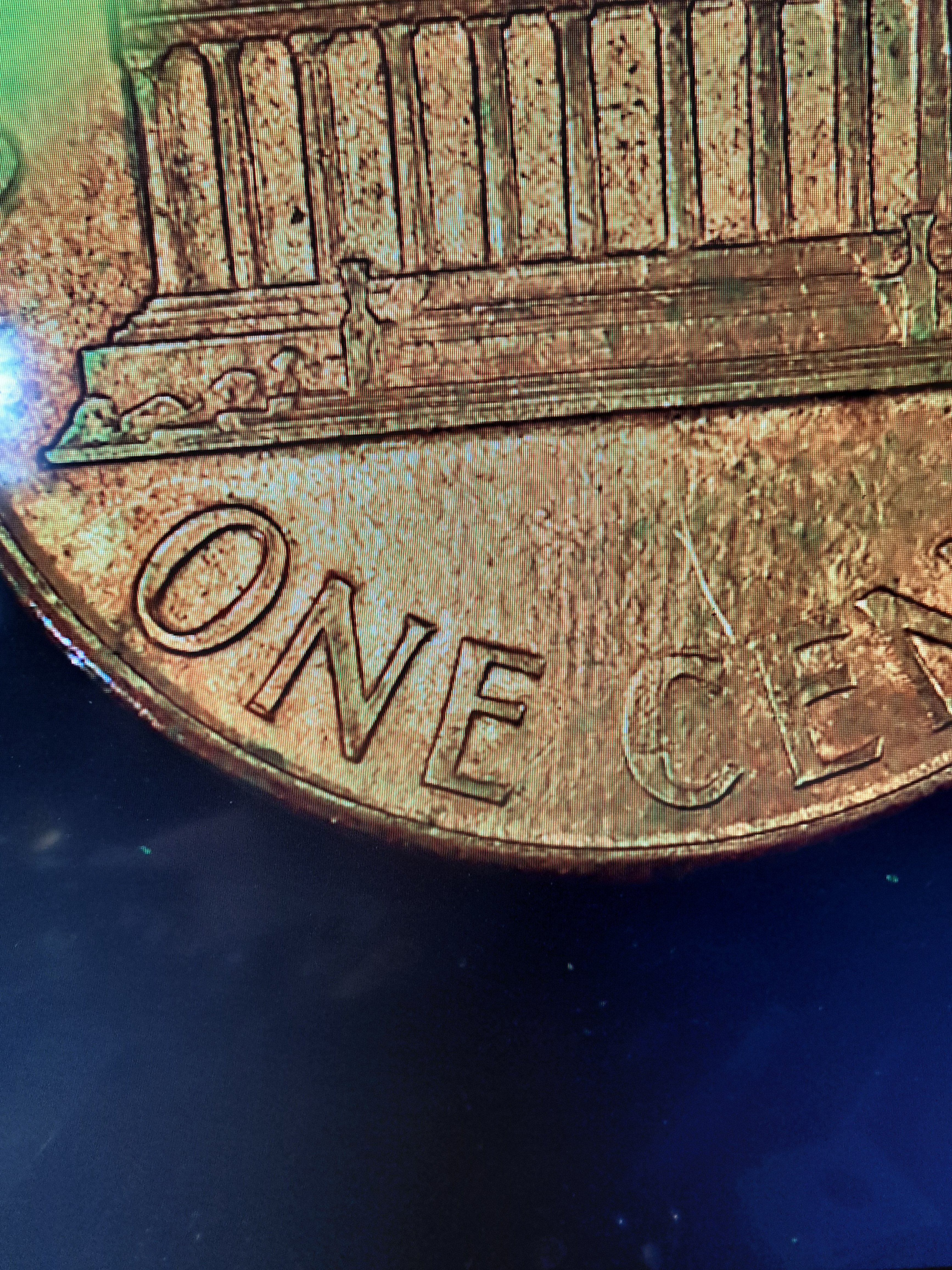
What is this on this penny?

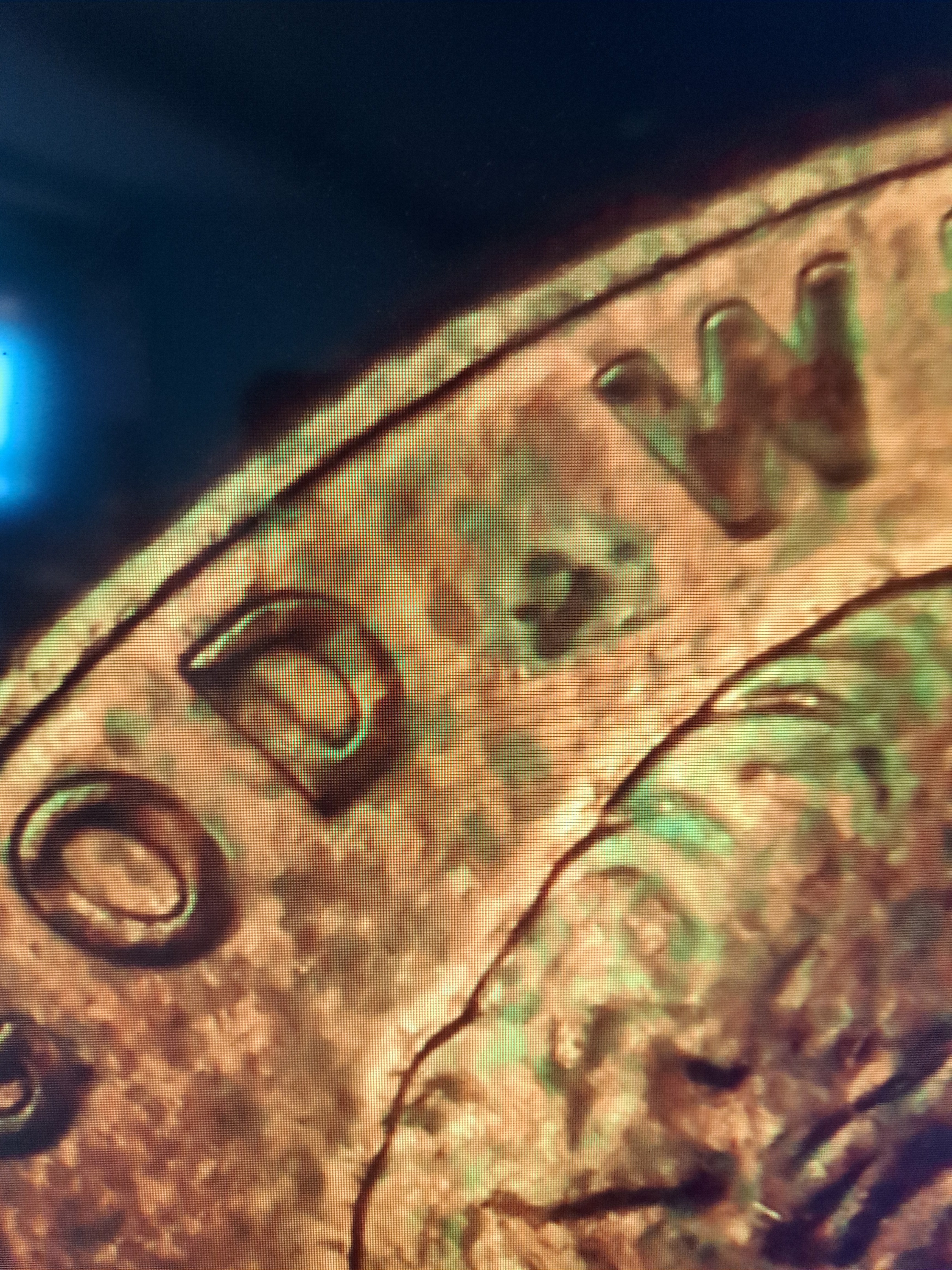
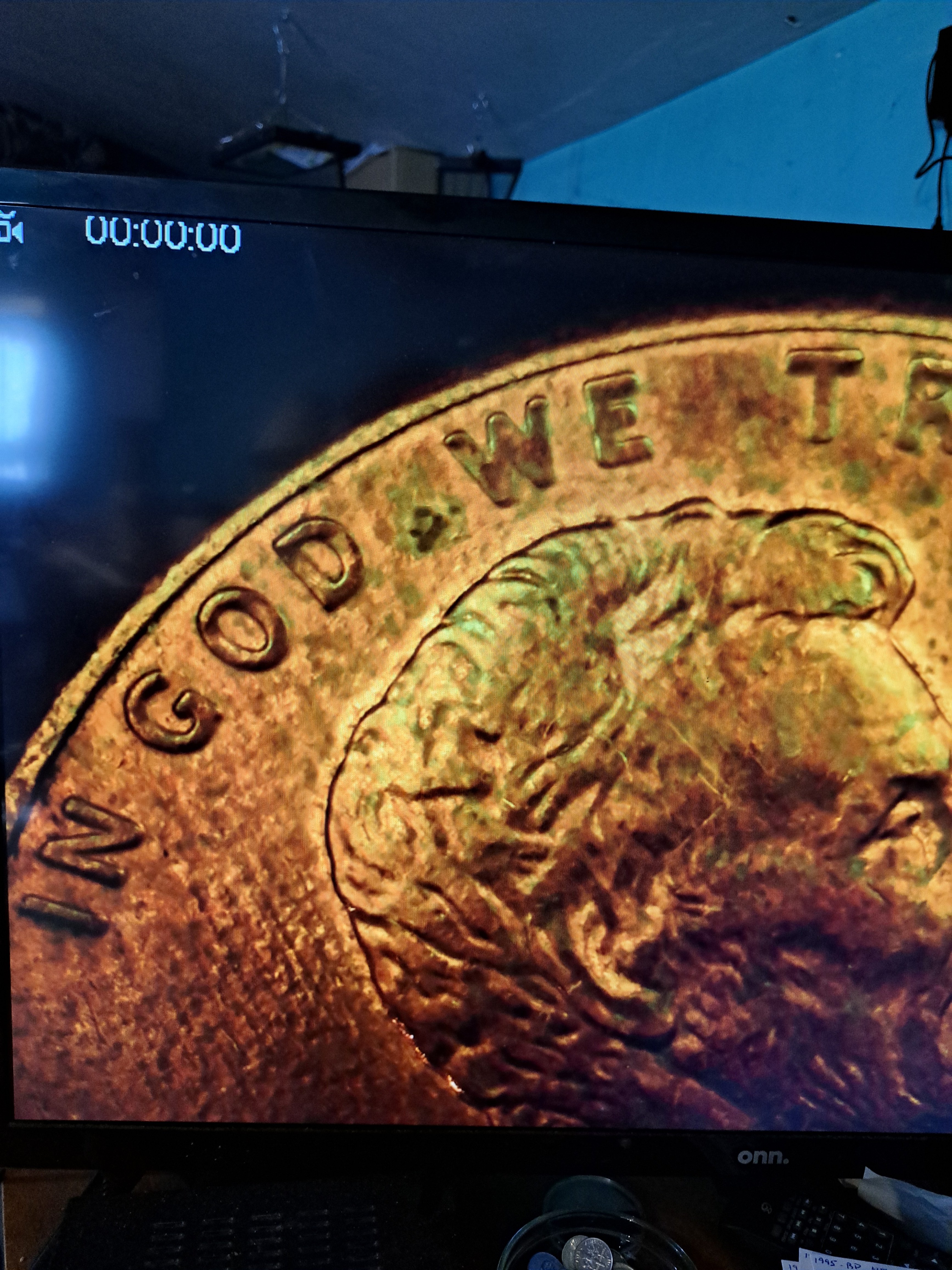
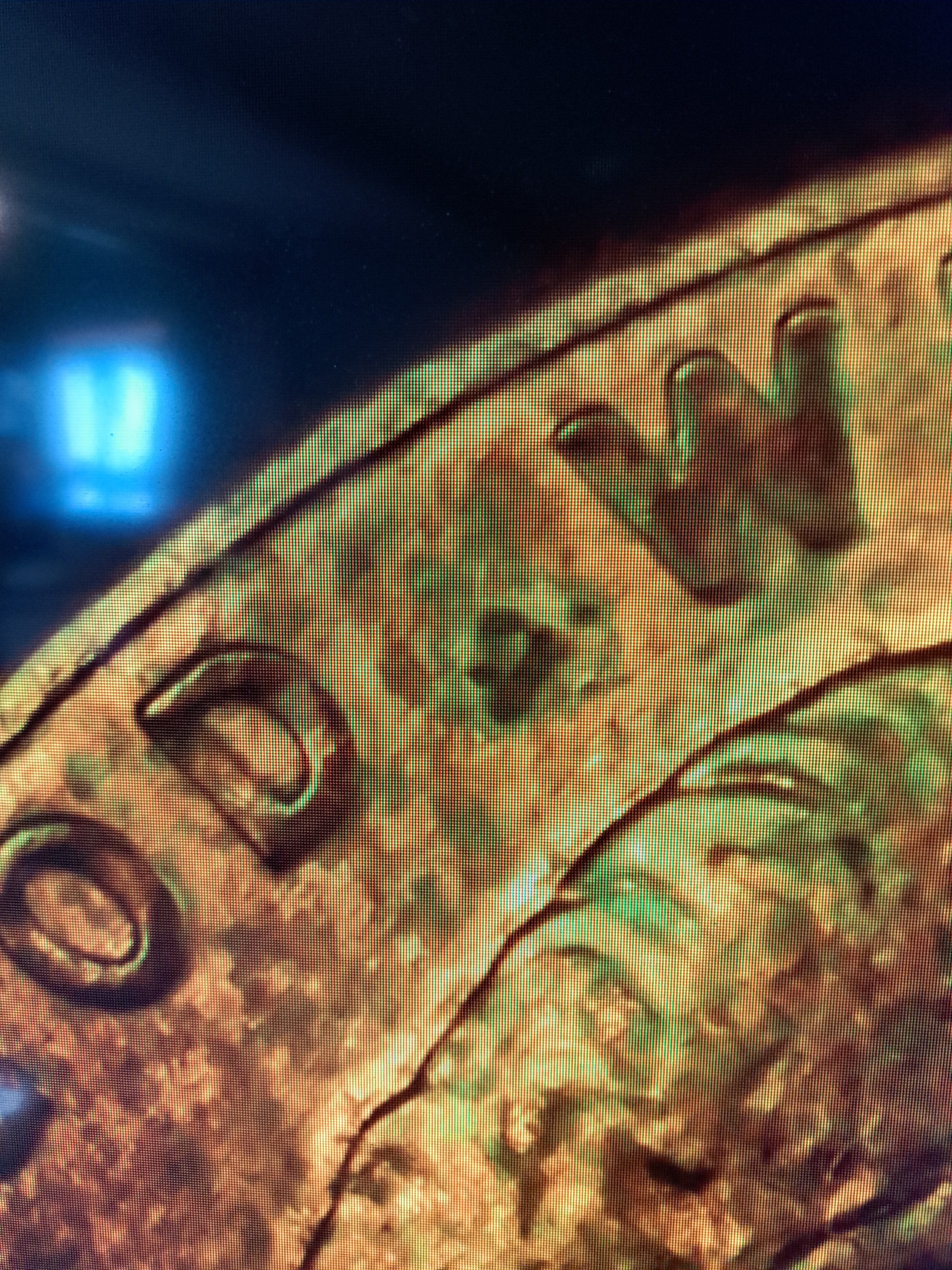
I am hoping that someone will explain what this is between "GOD" & "WE".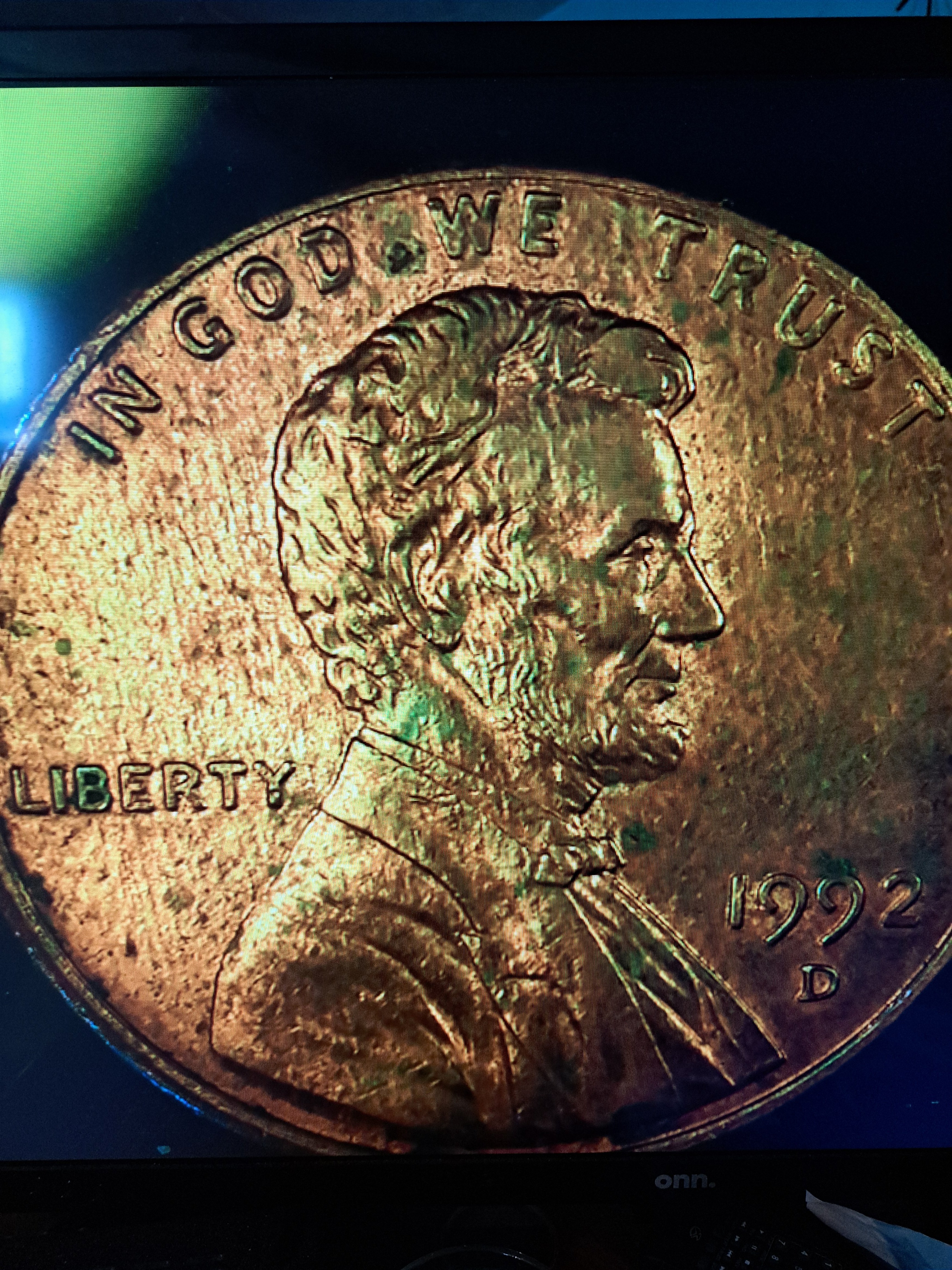
Comments
-
This is the reverse side.
0 -
 0
0 -
It's either a post Mint contaminant or a stain left by the contaminant.
Stop looking at your coins with a microscope.
1 -
It looks like a zinc blister that has broken. Considered damage.
2 -
@IkesT said:
It's either a post Mint contaminant or a stain left by the contaminant.Stop looking at your coins with a microscope.
Thank you for your opinion. I am learning by asking questions. I am curious why I should not be using a microscope? My eyesight is poor, so magnification is helpful to me.
1 -
@Greenstang said:
It looks like a zinc blister that has broken. Considered damage.Thank you for sharing your opinion. I hadn't considered it possibly being a zinc blister, but that does make sense.
0 -
@newbuddy56258 said:
@IkesT said:
It's either a post Mint contaminant or a stain left by the contaminant.Stop looking at your coins with a microscope.
Thank you for your opinion. I am learning by asking questions. I am curious why I should not be using a microscope? My eyesight is poor, so magnification is helpful to me.
It's overkill. As a beginner, there isn't anything you need to be looking for with a microscope. You don't actually know what to look for yet, and the microscope just encourages you to spend your time fixating on tiny features that are not important. In this particular case, the spot on your coin is some kind of damage (whether it's from contamination or a burst plating blister; both are reasonable possibilities). However, the microscope wasn't actually helpful; you still couldn't tell it was damage, even with the magnification. So no reason to use it.
I am learning by asking questions.
From the experiences of many different collectors, we have seen that the proper way to learn is to study something in detail first and learn it well before attempting to look for it on any of your coins. If you want to look for something like a particular error, for example, learn the error first, then look for it. Many beginners on the Forum have tried to do the opposite (look first, then learn). They search aimlessly through random coins without knowing what to look for and only come up with damage. Those that follow this approach never actually make progress or advance beyond the beginner stage.
2 -
@IkesT said:
From the experiences of many different collectors, we have seen that the proper way to learn is to study something in detail first and learn it well before attempting to look for it on any of your coins. If you want to look for something like a particular error, for example, learn the error first, then look for it. Many beginners on the Forum have tried to do the opposite (look first, then learn). They search aimlessly through random coins without knowing what to look for and only come up with damage. Those that follow this approach never actually make progress or advance beyond the beginner stage.Thank you
2 -
@newbuddy56258 said:
@IkesT said:
From the experiences of many different collectors, we have seen that the proper way to learn is to study something in detail first and learn it well before attempting to look for it on any of your coins. If you want to look for something like a particular error, for example, learn the error first, then look for it. Many beginners on the Forum have tried to do the opposite (look first, then learn). They search aimlessly through random coins without knowing what to look for and only come up with damage. Those that follow this approach never actually make progress or advance beyond the beginner stage.Thank you
You're welcome.
0


Categories
- All Categories
- 520.1K Coins and Currency - PCGS
- 328.5K U.S. Coin Forum
- 14.8K PCGS Set Registry Forum
- 5.2K Q & A Forum
- 41.4K World & Ancient Coins Forum
- 3K U.S. & World Currency Forum
- 96.4K Buy, Sell, & Trade - U.S. Coins
- 7.3K Buy, Sell & Trade - World & Ancient Coins
- 1.5K Buy, Sell & Trade - Currency
- 60 Random
- 246.2K Trading Cards, Autographs and Memorabilia - PSA
- 90.3K Trading Cards & Memorabilia Forum
- 1.7K Autographs Forum
- 16.4K PSA Set Registry Forum
- 22K Sports Talk
- 115K Buy, Sell & Trade - Cards & Memorabilia
- 663 Buy, Sell & Trade - Autographs
- 2.2K Stamps
- 1.5K Stamps Forum
- 670 Buy, Sell & Trade - Stamps
- 83 Coin Shows
- 83 General Coin Show Information and Discussion
- 11.9K Misc
- 11.9K Testing Forum