Here is a large planchet Pine Tree Shilling. It's nice, but not great. It has some AT on it IMO. The grade is EF-45
A small Pine Tree Shilling, graded VF-35
Here is a Pine Tree six pence. All examples of this variety were struck off-center,This is my highest grade piece. graded AU-55
A Pine Tree three pence. Graded AU-55
This Massachusetts Half Cent is graded MS-64, Brown
This Virginia Half Penny is an Unc. It's fairly common in Unc. from a hoard. The grade is MS-MS-64, R&B
When you said "early coins," I thought you met early U.S. Mint coins. This Chain Cent, which is also my avatar is over graded, IMO, VF-30.
Retired dealer and avid collector of U.S. type coins, 19th century presidential campaign medalets and selected medals. In recent years I have been working on a set of British coins - at least one coin from each king or queen who issued pieces that are collectible. I am also collecting at least one coin for each Roman emperor from Julius Caesar to ... ?
In looking at your posting history, you've made several WTB posts on this forum indicating your wish to buy "cheap" and I suspect perhaps the weight of your interest is to "deal" via upgrading despite your feedback by others wondering of your purpose.
I think several of the posters are advocating that you learn first about this deep niche before trying to profit. Given that you're asking the same questions from before, it's a fair assumption that you are resisting or won't make the effort to learn more first. Of course, that is your prerogative, but experienced collectors are waving caution flags so that you avoid paying unnecessary tuition.
Seated Half Society member #38
"She comes out of the sun in a silk dress, running like a water color in the rain...."
In looking at your posting history, you've made several WTB posts on this forum indicating your wish to buy "cheap" and I suspect perhaps the weight of your interest is to "deal" via upgrading despite your feedback by others wondering of your purpose.
I think several of the posters are advocating that you learn first about this deep niche before trying to profit. Given that you're asking the same questions from before, it's a fair assumption that you are resisting or won't make the effort to learn more first. Of course, that is your prerogative, but experienced collectors are waving caution flags so that you avoid paying unnecessary tuition.
The post you linked to that I made last year was regarding George II and George III and other foreign-minted colonial coins. My post here is specifically asking about US-minted coins. So very different topics. Also, as you can see, I didn't get much response in that last thread. My interest has shifted. Confused what you're getting at there.
I collect "lowball" coins. I think some or most of the wtb threads I have posted are in regards to those coins, which I never sell or "deal" in. I just like collecting them, and I have a low budget. Not sure why that matters or what that has to do with my post here or why you're bringing it up. I rarely post here (as you can see) but trying to get more active.
It's honestly a little strange that you're going through my old posts and publicly bringing them up.
I am 100% trying to learn first. This whole post is about learning. So again, no idea what you're getting at or why you're telling me that I am "resisting or making no effort to learn more first" when in fact that's all I'm trying to do is learn. Seems you've spent more time creeping on my account than actually reading my post or responses here.
There have been some really great and helpful responses here but your post is very confusing.
Here's a short list of the "most affordable" colonial era coins:
Massachusetts Silver Pine Tree
New Jersey St. Patrick Coinage
Rosa Americana Coinage
Woods Hibernia Coinage
Virginia Coinage
Elephant Token Halfpenny
Voce Populi Coinage
French Colonies Billon Coinage
Massachusetts Copper
Connecticut Copper
Machin’s Mills Copper
New Jersey Copper
Vermont Copper
Vermont Copper
Fugio Cent
This is off the top of my head. I haven't done any recent, specific research. There are expensive coins (varieties, etc.) within each type, but an example for each type can be "relatively inexpensive". (That said, Mass silver is typically more expensive that the rest of the coins on this list.)
If you are primarily a collector, pick one type - just one - and collect it. Learn all you can about it. Build a small collection of that one type. Focus is key.
If you are primarily a dealer, focus on this group because of its affordability. Alternatively, focus on those coins within this group that were minted in the colonies, such as the state coins and the Fugio, because they should appeal to a larger group of collectors.
If you are primarily an investor, stick with high grade examples straight graded by PCGS. Learn what "high grade" means for each type. Avoid problem coins. Again, focus is key.
Whether you are a collector, dealer, or investor:
Stick to "mainstream" colonial era coins found in the Redbook.
Older holders can be a sign of stability.
Pedigrees (provenance) can add some interest and value to the coin and can give you the ability to trace the coin's history.
Avoid foreign coins that circulated here as legal tender. They are fun and exciting to collect but the learning curve is much too steep when you are starting out.
Learn the market. Learn about original vs messed with surfaces on these coins (AT, tooled, fakes, cleaned, corrosion, etc) . That means attending shows whenever possible, and poking around on line (auctions, fixed price listings, etc) to the tune of 10-20 hrs per week. Go back through all the old on-line auction cats you can....which includes going back through CU threads on these coins. Free history to be mined. After 6-12 months of that you should have a decent good handle on what looks "right", what's priced "right" and which ones are not. Surfaces are probably more important than anything. You'll get a feel for what issues always seem to be messed up, weakly struck etc. Your goal should be to find the ones that stand out from the others. Even in top tier holders there are gifts, low end, mid range, and high end coins. If you're doing it with "raw" coins it's only that much harder along with higher risk. More than likely, wherever you start out, is probably not where you will finish.
I mentioned earlier about learning how to grade state copper accurately (within a plus or a minus) on a consistent basis. This is a must and it is very difficult to learn. I’ve seen so many of these coppers “graded” straight when they should be details as well as the opposite. It’s personal preference on raw coins. Some don’t like cleaned or porous coins, others are ok with it. I personally prefer a choice coin in Fine over a cleaned, scratched, or half struck up one that is XF by wear. also mentioned joining C4. Some collect low end material, others high end, but you will gain a lot of knowledge by communicating with them and viewing their coins.
Comments
Here are a few.
Here is a large planchet Pine Tree Shilling. It's nice, but not great. It has some AT on it IMO. The grade is EF-45
A small Pine Tree Shilling, graded VF-35
Here is a Pine Tree six pence. All examples of this variety were struck off-center,This is my highest grade piece. graded AU-55
A Pine Tree three pence. Graded AU-55
This Massachusetts Half Cent is graded MS-64, Brown
This Virginia Half Penny is an Unc. It's fairly common in Unc. from a hoard. The grade is MS-MS-64, R&B
When you said "early coins," I thought you met early U.S. Mint coins. This Chain Cent, which is also my avatar is over graded, IMO, VF-30.
Thanks. The pine tree pieces are definitely on my list! Yours are nice
@comma It appears that you've been asking these questions for at least a year:
https://forums.collectors.com/discussion/1099138/colonial-copper-questions#latest
In looking at your posting history, you've made several WTB posts on this forum indicating your wish to buy "cheap" and I suspect perhaps the weight of your interest is to "deal" via upgrading despite your feedback by others wondering of your purpose.
I think several of the posters are advocating that you learn first about this deep niche before trying to profit. Given that you're asking the same questions from before, it's a fair assumption that you are resisting or won't make the effort to learn more first. Of course, that is your prerogative, but experienced collectors are waving caution flags so that you avoid paying unnecessary tuition.
"She comes out of the sun in a silk dress,
running like a water color in the rain...."
The post you linked to that I made last year was regarding George II and George III and other foreign-minted colonial coins. My post here is specifically asking about US-minted coins. So very different topics. Also, as you can see, I didn't get much response in that last thread. My interest has shifted. Confused what you're getting at there.
I collect "lowball" coins. I think some or most of the wtb threads I have posted are in regards to those coins, which I never sell or "deal" in. I just like collecting them, and I have a low budget. Not sure why that matters or what that has to do with my post here or why you're bringing it up. I rarely post here (as you can see) but trying to get more active.
It's honestly a little strange that you're going through my old posts and publicly bringing them up.
I am 100% trying to learn first. This whole post is about learning. So again, no idea what you're getting at or why you're telling me that I am "resisting or making no effort to learn more first" when in fact that's all I'm trying to do is learn. Seems you've spent more time creeping on my account than actually reading my post or responses here.
There have been some really great and helpful responses here but your post is very confusing.
Ok. My error. My apologies.
"She comes out of the sun in a silk dress,
running like a water color in the rain...."
Here's a short list of the "most affordable" colonial era coins:
Massachusetts Silver Pine Tree
New Jersey St. Patrick Coinage
Rosa Americana Coinage
Woods Hibernia Coinage
Virginia Coinage
Elephant Token Halfpenny
Voce Populi Coinage
French Colonies Billon Coinage
Massachusetts Copper
Connecticut Copper
Machin’s Mills Copper
New Jersey Copper
Vermont Copper
Vermont Copper
Fugio Cent
This is off the top of my head. I haven't done any recent, specific research. There are expensive coins (varieties, etc.) within each type, but an example for each type can be "relatively inexpensive". (That said, Mass silver is typically more expensive that the rest of the coins on this list.)
If you are primarily a collector, pick one type - just one - and collect it. Learn all you can about it. Build a small collection of that one type. Focus is key.
If you are primarily a dealer, focus on this group because of its affordability. Alternatively, focus on those coins within this group that were minted in the colonies, such as the state coins and the Fugio, because they should appeal to a larger group of collectors.
If you are primarily an investor, stick with high grade examples straight graded by PCGS. Learn what "high grade" means for each type. Avoid problem coins. Again, focus is key.
Whether you are a collector, dealer, or investor:
Stick to "mainstream" colonial era coins found in the Redbook.
Older holders can be a sign of stability.
Pedigrees (provenance) can add some interest and value to the coin and can give you the ability to trace the coin's history.
Avoid foreign coins that circulated here as legal tender. They are fun and exciting to collect but the learning curve is much too steep when you are starting out.
Have fun and make it fun for others.
Obligatory post of some of the coins in my collection:
Learn the market. Learn about original vs messed with surfaces on these coins (AT, tooled, fakes, cleaned, corrosion, etc) . That means attending shows whenever possible, and poking around on line (auctions, fixed price listings, etc) to the tune of 10-20 hrs per week. Go back through all the old on-line auction cats you can....which includes going back through CU threads on these coins. Free history to be mined. After 6-12 months of that you should have a decent good handle on what looks "right", what's priced "right" and which ones are not. Surfaces are probably more important than anything. You'll get a feel for what issues always seem to be messed up, weakly struck etc. Your goal should be to find the ones that stand out from the others. Even in top tier holders there are gifts, low end, mid range, and high end coins. If you're doing it with "raw" coins it's only that much harder along with higher risk. More than likely, wherever you start out, is probably not where you will finish.
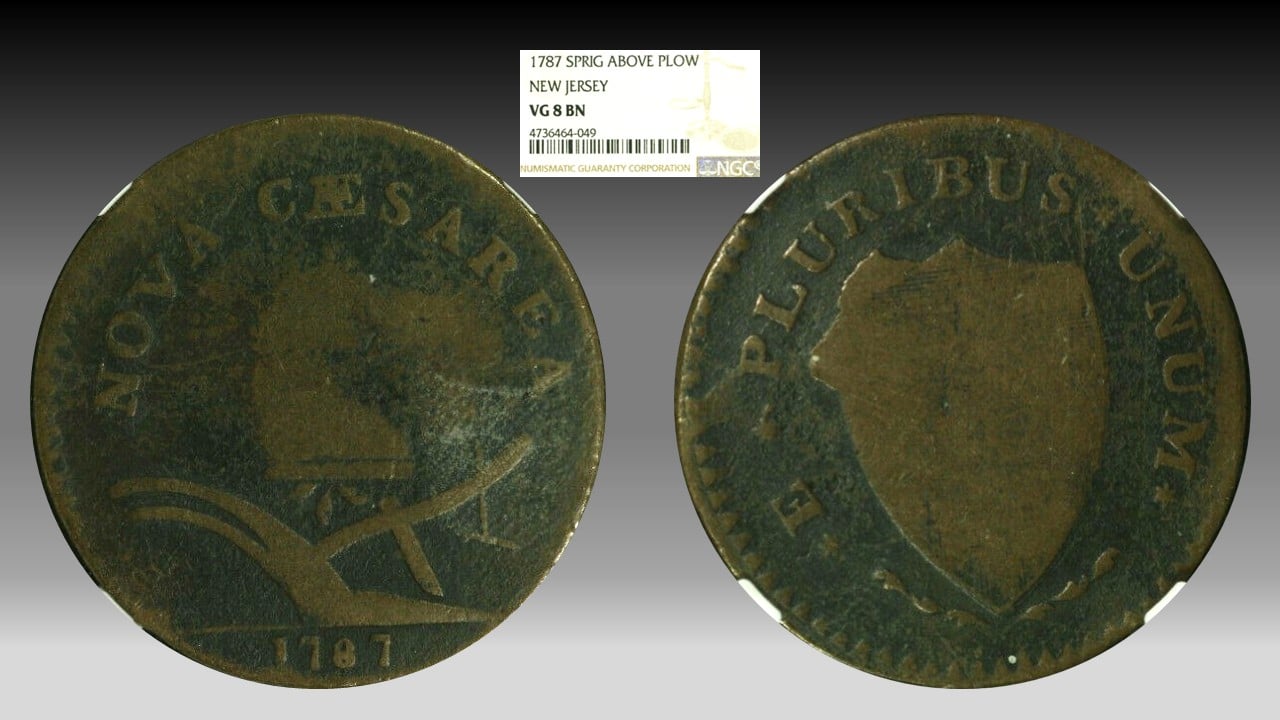
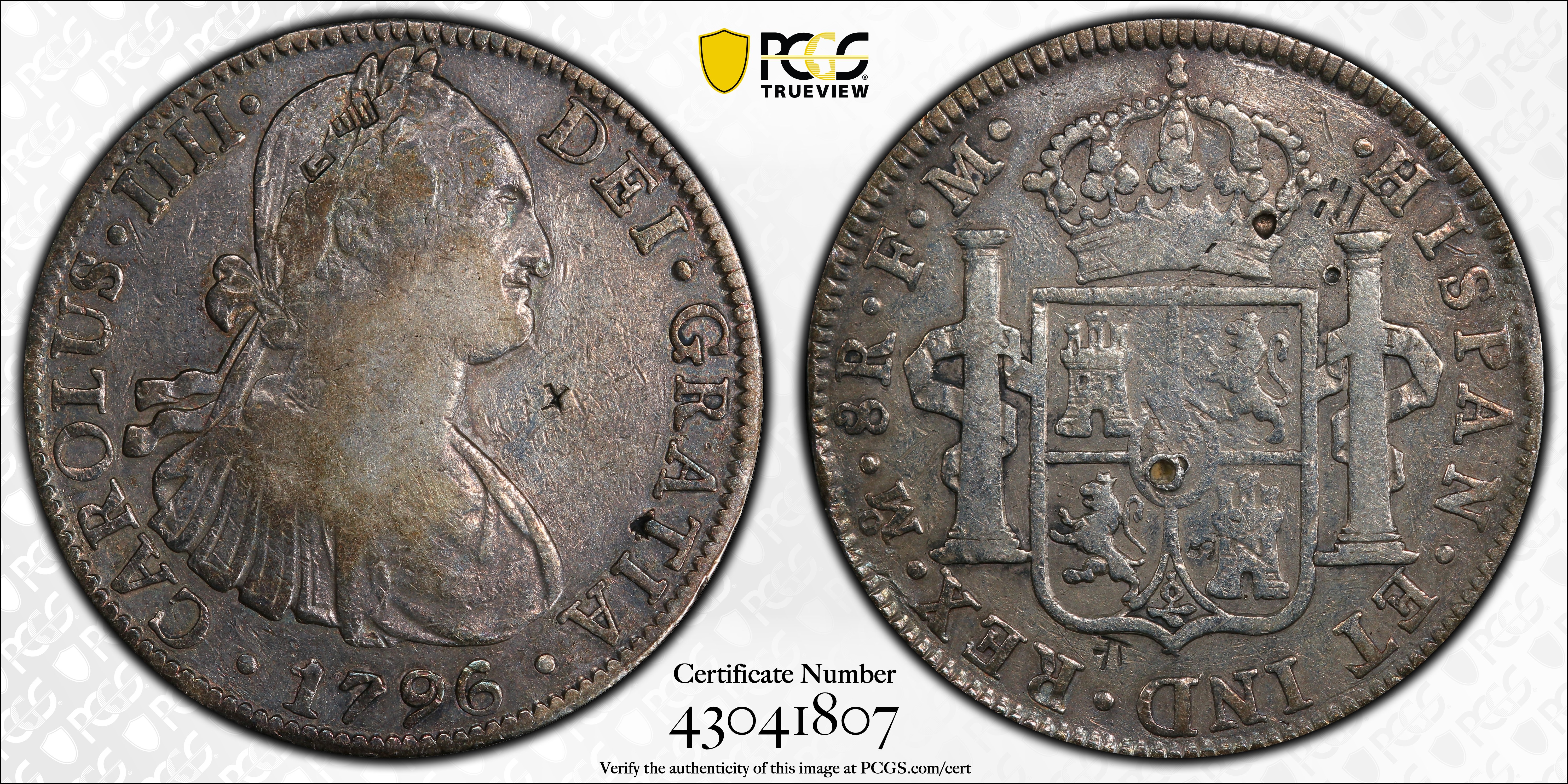
My meager offerings from the Box of 20...
Successful BST transactions with: SilverEagles92; Ahrensdad; Smitty; GregHansen; Lablade; Mercury10c; copperflopper; whatsup; KISHU1; scrapman1077, crispy, canadanz, smallchange, robkool, Mission16, ranshdow, ibzman350, Fallguy, Collectorcoins, SurfinxHI, jwitten, Walkerguy21D, dsessom.
I mentioned earlier about learning how to grade state copper accurately (within a plus or a minus) on a consistent basis. This is a must and it is very difficult to learn. I’ve seen so many of these coppers “graded” straight when they should be details as well as the opposite. It’s personal preference on raw coins. Some don’t like cleaned or porous coins, others are ok with it. I personally prefer a choice coin in Fine over a cleaned, scratched, or half struck up one that is XF by wear. also mentioned joining C4. Some collect low end material, others high end, but you will gain a lot of knowledge by communicating with them and viewing their coins.