@ProofCollection said:
I don't know that quality is a huge deal. I'm sure a few collectors will be dissuaded from owning one, but one need not look any further than the 1933 Saint Gaudens, Pop 1 in MS65 to see that you don't need MS/PR 69/70 grades to be highly desirable and valuable. Some coins you just have to take how they come.
I think one does need to look further than the 1933 Saint. It’s the single example that’s legal to own and not a valid comparison to an issue of which more than 200 are available.
Maybe. As with the 1933 Saint, for the Omegas I think it's more important for a collector to have the slot filled rather than "only" having an MS65.
In the case of the cents, yes for some collectors/buyers, but no for others. On the other hand, there’s not a choice for the collector/buyer of a/the1933 Saint.
Mark Feld* of Heritage Auctions*Unless otherwise noted, my posts here represent my personal opinions.
Another possibility is the mint was just being pretty lazy, and I hate to even use that word. They deserve credit for the idea, but with sloppy implementation. It seems like it was all thrown together in a hurry, come out and see the final striking. Don't wear gloves. Slide coins on counter boards. etc. Don't worry, it is a photo op. only. People will pay regardless (wink wink).
I’ll toss out food for thought and these are Just random thoughts but do you feel that some winners will break up sets and sell off 1 or 2 and just keep one for themselves? Or perhaps in 10-20 years the sets will break up as say a father passes the coins to their 3 kids (1 to each) kinda thing?
And/or every kid who always wanted a 1909s vdb comes out of the woods and drives bidding up to crazy numbers or some big wholesalers buy em all up to control the market?
Last thought how does say 5-15 million dollars of sales in mid December affect the market? Whiles it a big number… it’s not really, so I’m thinking it’s a mere ripple on the pond. I could also see folks taking bullion profits and buying this a a modern rarity?
I can see people bidding for two sets to make a top pop set and selling off the lower grade group, or singles. There can only be three top pop sets made given only three Denver 67s. None of the sets pair a Denver 67 with a Philly 66.
@Batman23 said:
I can see people bidding for two sets to make a top pop set and selling off the lower grade group, or singles. There can only be three top pop sets made given only three Denver 67s. None of the sets pair a Denver 67 with a Philly 66.
I would guess that many sets will be broken up. Lots of demand from type collectors out there and they certainly don’t need two omegas. Dealers will probably maximize their profits by breaking them up as well
If I collected non-circulation issues (I don’t) I would keep the best cent and sell the other. I would sell the gold as well.
I’m honestly confused at what people expected here. Last year when the Mint did the special gold privy mark, a lot of folks on the forum said it was “too much of a cash grab.” Now the Mint doesn’t do any special preparation, doesn’t polish dies, doesn’t strike anything with extra pressure, and just lets the last 232 cents come off the press naturally, and the complaint is that they’re “not nice enough” or “not special enough”?
These are literally just the final cents the Mint will ever strike. That’s the whole point. They weren’t supposed to be reverse proofs, SP70 candidates, or some kind of artificially enhanced modern rarity. They’re historic because of when they were made, not because of any special treatment. Complaining about grades on coins that were intentionally left as normal business strikes kind of misses the whole concept.
@GAC said:
I’m honestly confused at what people expected here. Last year when the Mint did the special gold privy mark, a lot of folks on the forum said it was “too much of a cash grab.” Now the Mint doesn’t do any special preparation, doesn’t polish dies, doesn’t strike anything with extra pressure, and just lets the last 232 cents come off the press naturally, and the complaint is that they’re “not nice enough” or “not special enough”?
These are literally just the final cents the Mint will ever strike. That’s the whole point. They weren’t supposed to be reverse proofs, SP70 candidates, or some kind of artificially enhanced modern rarity. They’re historic because of when they were made, not because of any special treatment. Complaining about grades on coins that were intentionally left as normal business strikes kind of misses the whole concept.
You’re ignoring the presence of fingerprints, which typically, haven’t been an issue with other cents that “come off the press naturally.”
Mark Feld* of Heritage Auctions*Unless otherwise noted, my posts here represent my personal opinions.
and don't they have a way t catch them without them banging around? i'd think so if they can pick up the cents with the omega privy well enough to fingerprint them i'd think a towel lined bin could have been used
@GAC said:
I’m honestly confused at what people expected here. Last year when the Mint did the special gold privy mark, a lot of folks on the forum said it was “too much of a cash grab.” Now the Mint doesn’t do any special preparation, doesn’t polish dies, doesn’t strike anything with extra pressure, and just lets the last 232 cents come off the press naturally, and the complaint is that they’re “not nice enough” or “not special enough”?
These are literally just the final cents the Mint will ever strike. That’s the whole point. They weren’t supposed to be reverse proofs, SP70 candidates, or some kind of artificially enhanced modern rarity. They’re historic because of when they were made, not because of any special treatment. Complaining about grades on coins that were intentionally left as normal business strikes kind of misses the whole concept.
You’re ignoring the presence of fingerprints, which typically, haven’t been an issue with other cents that “come off the press naturally.”
I get what you’re saying about fingerprints, but what other cents have ever been handled in a situation like this? The only coins we usually see treated with that level of care are proofs or specially-prepared strikes. These aren’t that. They’re the last business-strike cents off the press.
If people want pristine, perfectly handled coins, the Mint already makes those every year in the proof and mint sets. But it would honestly feel stranger to me if all 232 of these came out looking like SPS 70s. That would make it seem like the Mint staged the whole thing ahead of time and prepped the dies, the press, and the handling just to create a “collectible.”
The way they did it, letting the coins run like a normal production batch and only then deciding to preserve the last 232, actually feels more legitimate. Could the handling afterward have been a little better? Maybe. But these aren’t supposed to be perfect showpieces. They’re historic because they’re the last business-strike cents the U.S. Mint will ever make, not because they were treated like proofs.
I'd rather have the NOT-special amateur handled Ω cents since I already have some 2025 cents that were 1¢ each in rolls from the bank. Now just to look through them and pick out some nice ones to put in a 2x2 or grade. None will be $10K or more, but then again I would spend that sum on other coins. I am somewhat disappointed that the Ω cents were so poorly handled literally and figuratively.
@GAC
"The only coins we usually see treated with that level of care are proofs or specially-prepared strikes. These aren’t that. They’re the last business-strike cents off the press."
"The way they did it, letting the coins run like a normal production batch and only then deciding to preserve the last 232"
--
This was a far, far cry from being run like a normal production batch. Different deal.
They preserved 232 "circulation quality" 1C blanks. Some from P, and some from D. - and the difference in quality between P&D is obvious to me. However...
This was an entirely different production batch, in that yes, P&D std planchets were used, but they either altered, or made completely new dies to get the privy onto these coins. Not to mention all the hoopla, machine button pushing, and cameras rolling...
@GAC said:
Now the Mint doesn’t do any special preparation, doesn’t polish dies, doesn’t strike anything with extra pressure, and just lets the last 232 cents come off the press naturally, and the complaint is that they’re “not nice enough” or “not special enough”?
Most of the copper coins are problem coins, and will only get worse with age. The spots will not go away, and the fingerprints are etched into the coin now. Everybody buying must know this, or will find it out. These blanks were only electroplated with copper.
"Spots or stains often originate from microscopic pores or defects in the plated layer that trap plating solution, acids, or alkaline residues during electroplating. Later, moisture can activate these trapped chemicals, which then spread slightly and leave discoloration spots on the metal surface."
@GAC said:
I’m honestly confused at what people expected here. Last year when the Mint did the special gold privy mark, a lot of folks on the forum said it was “too much of a cash grab.” Now the Mint doesn’t do any special preparation, doesn’t polish dies, doesn’t strike anything with extra pressure, and just lets the last 232 cents come off the press naturally, and the complaint is that they’re “not nice enough” or “not special enough”?
These are literally just the final cents the Mint will ever strike. That’s the whole point. They weren’t supposed to be reverse proofs, SP70 candidates, or some kind of artificially enhanced modern rarity. They’re historic because of when they were made, not because of any special treatment. Complaining about grades on coins that were intentionally left as normal business strikes kind of misses the whole concept.
You’re ignoring the presence of fingerprints, which typically, haven’t been an issue with other cents that “come off the press naturally.”
I don't know, we could be underestimating the value of the fingerprints. While most of us consider the fingerprints to be a defect and avoid coins that have them, these fingerprints provide extra provenance and lore. Like the Banksy painting that shredded itself. Most would not want a painting that was partially shredded, but the market value went up, not down.
@GAC said:
I’m honestly confused at what people expected here. Last year when the Mint did the special gold privy mark, a lot of folks on the forum said it was “too much of a cash grab.” Now the Mint doesn’t do any special preparation, doesn’t polish dies, doesn’t strike anything with extra pressure, and just lets the last 232 cents come off the press naturally, and the complaint is that they’re “not nice enough” or “not special enough”?
These are literally just the final cents the Mint will ever strike. That’s the whole point. They weren’t supposed to be reverse proofs, SP70 candidates, or some kind of artificially enhanced modern rarity. They’re historic because of when they were made, not because of any special treatment. Complaining about grades on coins that were intentionally left as normal business strikes kind of misses the whole concept.
You’re ignoring the presence of fingerprints, which typically, haven’t been an issue with other cents that “come off the press naturally.”
I don't know, we could be underestimating the value of the fingerprints. While most of us consider the fingerprints to be a defect and avoid coins that have them, these fingerprints provide extra providence and lore. Like the Banksy painting that shredded itself. Most would not want a painting that was partially shredded, but the market value went up, not down.
It could help to prove that it was the last Omega cent struck. Maybe that was a consideration all along? There's at least three people's prints on that P-coin?
Or were one or more of those folks posing with that last cent actually holding the second to last P-cent(#231)? Or both?
They should have mentioned on the slab that not only was it the the last cent to be struck, it was also the last cent to get fingerprinted. Two for one.
In the Stacks publicity photo a cent or the cent is being held by the Treasurer using gloves. Can we surmise that someone belatedly wised him up? May say something about intent.
YouTube has some video that appears to show special handling of sorts as well. The “with gloves” photo was in their email announcement. Too lazy to dig it up.
@WCC said:
I'm reading estimates that seem too high.
For whatever it's worth, when I ranked all US series using the Heritage archives in 2022, the Lincoln wheat cent ranked 43rd with 39 sales between $50K and $100K. It ranked 22nd with 799 sales between $10K and $50K. (Most in the second group were in the lower part of the range.) It ranked 30th with 29 sales above $100K. The memorial cent is far lower, and these omega cents aren't wheat cents, at least from the image in the Stack's announcement.
I know it's not an exact comparison and this sale will presumably generate a higher level of excitement. Still, seems like a stretch to me that this sale will result in higher prices than the FH gold medal even though the FH is a medal. I'd expect it will take a good number of buyers who don't collect wheat cents as a series to really want it, maybe most of the buyers.
Also at these prices, the number of coins within the range of 232 where each sell for these prices (divided by three here) is quite low. I attempted to compile a list maybe 10 years ago of those with 150 each valued $15,000+ and that list was rather short, with the overwhelming majority other US coins.
In my judgment, the preference (not "popularity") for the Lincoln cent isn't as high as most collectors seem to believe. 232 isn't really a low number either for a manufactured rarity. These coins are more comparable to patterns and 232 isn't low mintage for a pattern.
Gross sales revenue does not reflect the popularity of the Lincoln Cent. For many years, the Linocln cent was the most popular collector coin, and the Morgan Dollar was the most popular coin among those who spend significant money on coins. There are many Lincoln Cent collectors who spend small sums of money, or who simply roll hunt.
Since the State Quarter program, which started in 1999, the quarter many have surpassed the cent in popularity. I don't know that for sure.
Collectors demonstrate their preferences by voting with their wallets, usually.
What most collector describe as "popular" isn't an actual preference. It's usually a budget limitation. There is no shortage of Lincoln cents even in very high quality, so if collectors actually preferred it in contradiction to the Heritage data, more of them could have bought it at higher prices. They didn't.
Measured by "popularity", the size of the collector base, the FDR dime is more "popular" than all 19th century and earlier US series. The prices demonstrate that its preference is dead last among all pre-SQ series.
A large collector base spending nominal amounts on a series doesn't mean any of them want to buy a coin at this price point. I'm not predicting any of the price forecasts in this thread won't be met. After all, since BTC sells for $91K (now), any price I've read here is possible in theory.
Generally speaking, I don't much care, one way or the other, what others find "collectible."
But this set, to me, seems entirely contrived. Not that there's anything wrong with that; this branch of the Mint is in business to make money. But it just seems soooooo contrived.
@124Spider said:
Generally speaking, I don't much care, one way or the other, what others find "collectible."
But this set, to me, seems entirely contrived. Not that there's anything wrong with that; this branch of the Mint is in business to make money. But it just seems soooooo contrived.
EVERY thing the Mint sells is essentially "contrived".
All comments reflect the opinion of the author, even when irrefutably accurate.
@124Spider said:
Generally speaking, I don't much care, one way or the other, what others find "collectible."
But this set, to me, seems entirely contrived. Not that there's anything wrong with that; this branch of the Mint is in business to make money. But it just seems soooooo contrived.
EVERY thing the Mint sells is essentially "contrived".
Fair point. But most things the Mint sells don't sell for as much this is expected to sell for, above and beyond melt value.
Comments
In the case of the cents, yes for some collectors/buyers, but no for others. On the other hand, there’s not a choice for the collector/buyer of a/the1933 Saint.
Mark Feld* of Heritage Auctions*Unless otherwise noted, my posts here represent my personal opinions.
Another possibility is the mint was just being pretty lazy, and I hate to even use that word. They deserve credit for the idea, but with sloppy implementation. It seems like it was all thrown together in a hurry, come out and see the final striking. Don't wear gloves. Slide coins on counter boards. etc. Don't worry, it is a photo op. only. People will pay regardless (wink wink).
I’ll toss out food for thought and these are Just random thoughts but do you feel that some winners will break up sets and sell off 1 or 2 and just keep one for themselves? Or perhaps in 10-20 years the sets will break up as say a father passes the coins to their 3 kids (1 to each) kinda thing?
And/or every kid who always wanted a 1909s vdb comes out of the woods and drives bidding up to crazy numbers or some big wholesalers buy em all up to control the market?
Last thought how does say 5-15 million dollars of sales in mid December affect the market? Whiles it a big number… it’s not really, so I’m thinking it’s a mere ripple on the pond. I could also see folks taking bullion profits and buying this a a modern rarity?
Your thoughts?
I can see people bidding for two sets to make a top pop set and selling off the lower grade group, or singles. There can only be three top pop sets made given only three Denver 67s. None of the sets pair a Denver 67 with a Philly 66.
That's a good point.
I would guess that many sets will be broken up. Lots of demand from type collectors out there and they certainly don’t need two omegas. Dealers will probably maximize their profits by breaking them up as well
If I collected non-circulation issues (I don’t) I would keep the best cent and sell the other. I would sell the gold as well.
I’m honestly confused at what people expected here. Last year when the Mint did the special gold privy mark, a lot of folks on the forum said it was “too much of a cash grab.” Now the Mint doesn’t do any special preparation, doesn’t polish dies, doesn’t strike anything with extra pressure, and just lets the last 232 cents come off the press naturally, and the complaint is that they’re “not nice enough” or “not special enough”?
These are literally just the final cents the Mint will ever strike. That’s the whole point. They weren’t supposed to be reverse proofs, SP70 candidates, or some kind of artificially enhanced modern rarity. They’re historic because of when they were made, not because of any special treatment. Complaining about grades on coins that were intentionally left as normal business strikes kind of misses the whole concept.
You’re ignoring the presence of fingerprints, which typically, haven’t been an issue with other cents that “come off the press naturally.”
Mark Feld* of Heritage Auctions*Unless otherwise noted, my posts here represent my personal opinions.
and don't they have a way t catch them without them banging around? i'd think so if they can pick up the cents with the omega privy well enough to fingerprint them i'd think a towel lined bin could have been used
I haven’t seen a mint set in many years. What shape are they in when they come from the mint?
I get what you’re saying about fingerprints, but what other cents have ever been handled in a situation like this? The only coins we usually see treated with that level of care are proofs or specially-prepared strikes. These aren’t that. They’re the last business-strike cents off the press.
If people want pristine, perfectly handled coins, the Mint already makes those every year in the proof and mint sets. But it would honestly feel stranger to me if all 232 of these came out looking like SPS 70s. That would make it seem like the Mint staged the whole thing ahead of time and prepped the dies, the press, and the handling just to create a “collectible.”
The way they did it, letting the coins run like a normal production batch and only then deciding to preserve the last 232, actually feels more legitimate. Could the handling afterward have been a little better? Maybe. But these aren’t supposed to be perfect showpieces. They’re historic because they’re the last business-strike cents the U.S. Mint will ever make, not because they were treated like proofs.
I'd rather have the NOT-special amateur handled Ω cents since I already have some 2025 cents that were 1¢ each in rolls from the bank. Now just to look through them and pick out some nice ones to put in a 2x2 or grade. None will be $10K or more, but then again I would spend that sum on other coins. I am somewhat disappointed that the Ω cents were so poorly handled literally and figuratively.
@GAC
"The only coins we usually see treated with that level of care are proofs or specially-prepared strikes. These aren’t that. They’re the last business-strike cents off the press."
"The way they did it, letting the coins run like a normal production batch and only then deciding to preserve the last 232"
--
This was a far, far cry from being run like a normal production batch. Different deal.
They preserved 232 "circulation quality" 1C blanks. Some from P, and some from D. - and the difference in quality between P&D is obvious to me. However...
This was an entirely different production batch, in that yes, P&D std planchets were used, but they either altered, or made completely new dies to get the privy onto these coins. Not to mention all the hoopla, machine button pushing, and cameras rolling...
Different deal.
Most of the copper coins are problem coins, and will only get worse with age. The spots will not go away, and the fingerprints are etched into the coin now. Everybody buying must know this, or will find it out. These blanks were only electroplated with copper.
"Spots or stains often originate from microscopic pores or defects in the plated layer that trap plating solution, acids, or alkaline residues during electroplating. Later, moisture can activate these trapped chemicals, which then spread slightly and leave discoloration spots on the metal surface."
I don't know, we could be underestimating the value of the fingerprints. While most of us consider the fingerprints to be a defect and avoid coins that have them, these fingerprints provide extra provenance and lore. Like the Banksy painting that shredded itself. Most would not want a painting that was partially shredded, but the market value went up, not down.
http://ProofCollection.Net
It could help to prove that it was the last Omega cent struck. Maybe that was a consideration all along? There's at least three people's prints on that P-coin?
Or were one or more of those folks posing with that last cent actually holding the second to last P-cent(#231)? Or both?
P-cent #231 was also fingered just as bad as P-cent #232. Notice how those two coins - #231 & #232 are full of prints, and discolored to the lighter side - as if they (our hosts ?) tried to dip the prints out? or did Stacks adjust the contrast on those two coins?
No other zincs in the entire collection look like those two final P-cents...
https://auctions.stacksbowers.com/lots/view/3-1OMVP3/omega-privy-mark-2025-lincoln-cents-three-coin-set-the-last-circulating-cents-set-number-231-of-232-pcgs
They should have mentioned on the slab that not only was it the the last cent to be struck, it was also the last cent to get fingerprinted. Two for one.
In the Stacks publicity photo a cent or the cent is being held by the Treasurer using gloves. Can we surmise that someone belatedly wised him up? May say something about intent.
...
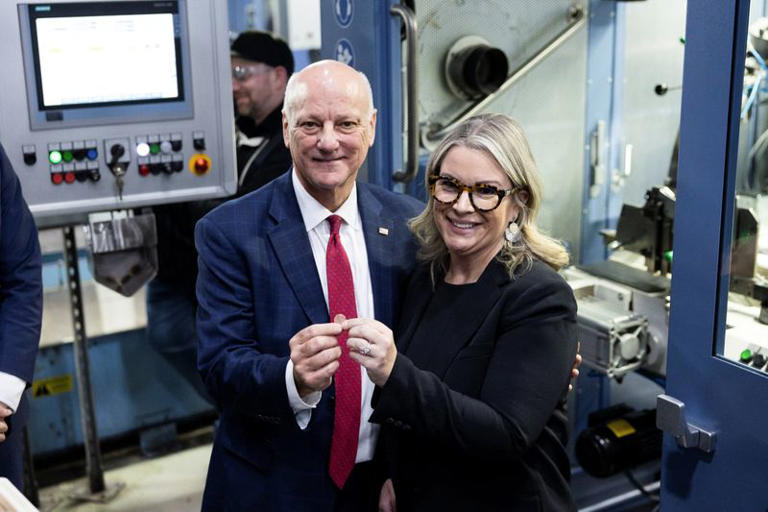
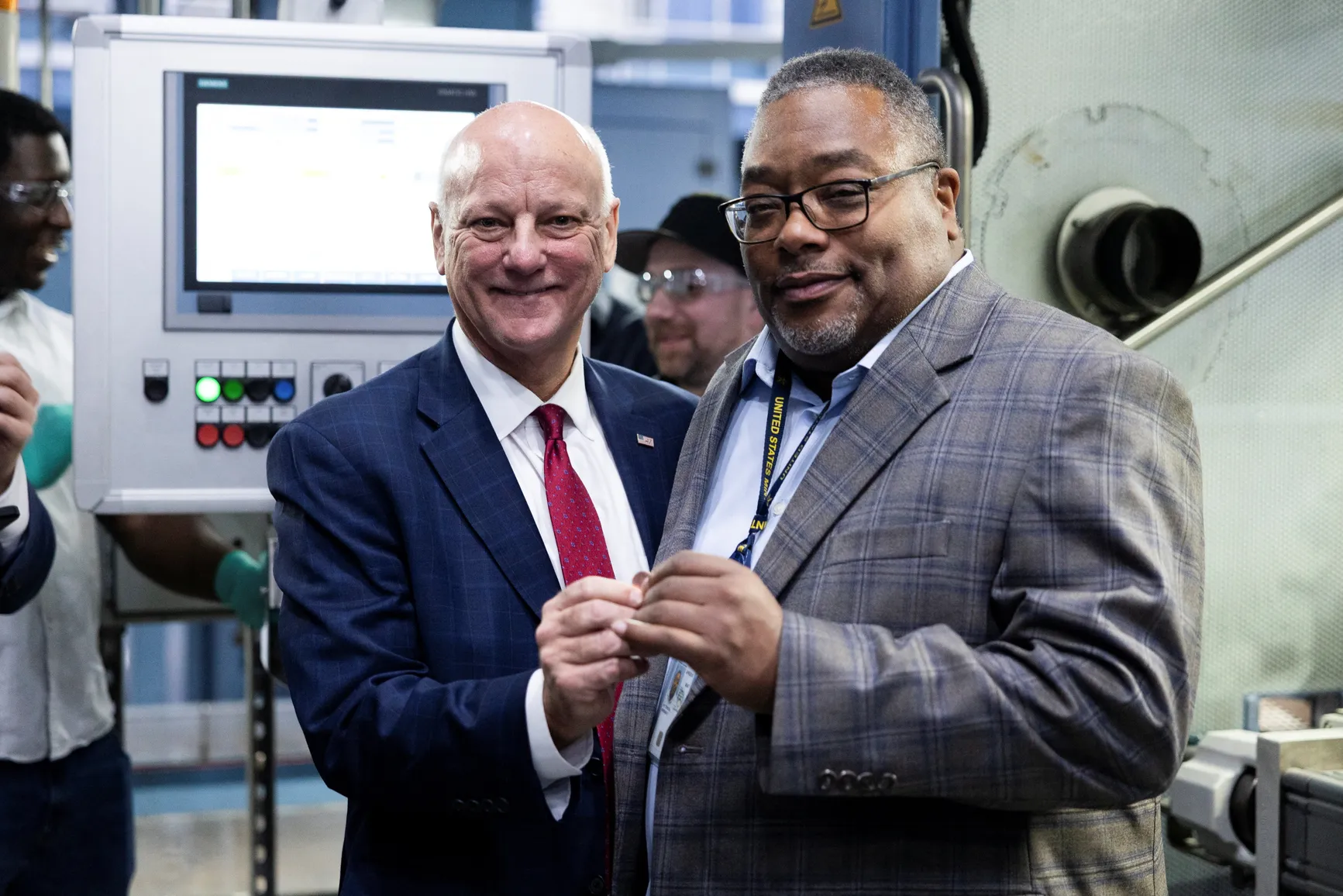
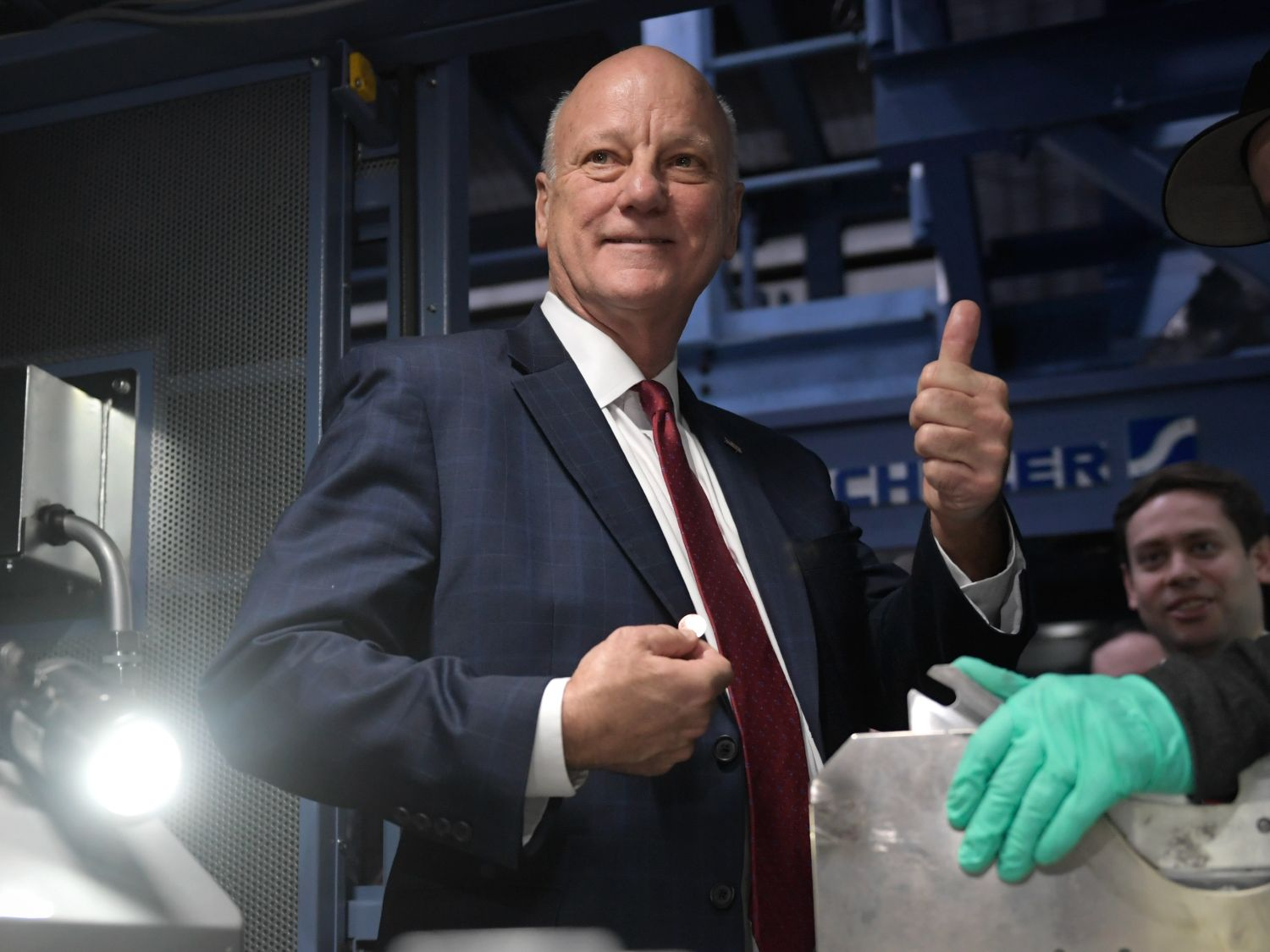
YouTube has some video that appears to show special handling of sorts as well. The “with gloves” photo was in their email announcement. Too lazy to dig it up.
Collectors demonstrate their preferences by voting with their wallets, usually.
What most collector describe as "popular" isn't an actual preference. It's usually a budget limitation. There is no shortage of Lincoln cents even in very high quality, so if collectors actually preferred it in contradiction to the Heritage data, more of them could have bought it at higher prices. They didn't.
Measured by "popularity", the size of the collector base, the FDR dime is more "popular" than all 19th century and earlier US series. The prices demonstrate that its preference is dead last among all pre-SQ series.
A large collector base spending nominal amounts on a series doesn't mean any of them want to buy a coin at this price point. I'm not predicting any of the price forecasts in this thread won't be met. After all, since BTC sells for $91K (now), any price I've read here is possible in theory.
Can someone who buys the three die pairs strike up some more canceled cents? They seem to be ready for striking more:
They could strike up 232 canceled sets.
Yes
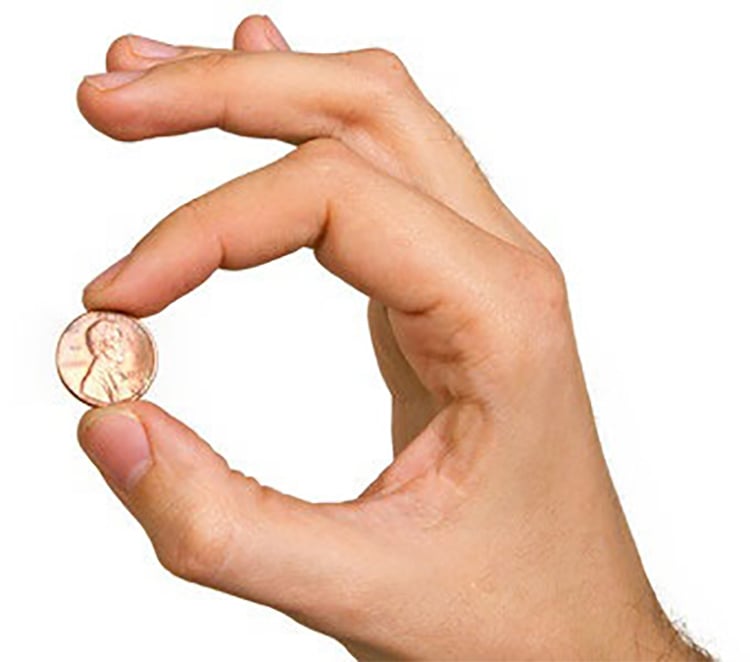
Then, imagine this.
Successful BST transactions- Bfjohnson, Collectorcoins, 1peter223, Shrub68, Byers, Greencopper, Coinlieutenant, Coinhunter4, SurfinxHI, ProfLiz
Generally speaking, I don't much care, one way or the other, what others find "collectible."
But this set, to me, seems entirely contrived. Not that there's anything wrong with that; this branch of the Mint is in business to make money. But it just seems soooooo contrived.
I just got this email from the mint about the last penny and auctioning of all the Pennies.
It's all about what the people want...
EVERY thing the Mint sells is essentially "contrived".
All comments reflect the opinion of the author, even when irrefutably accurate.
Fair point. But most things the Mint sells don't sell for as much this is expected to sell for, above and beyond melt value.
Whatever they go for, in short time they will cost you less.
If you understand what is coming, then you can duck. If not, then you get sucker-punched. - Martin Armstrong