TV Show Mystery Shipwreck solved by Coins Aboard
 1northcoin
Posts: 5,395 ✭✭✭✭✭
1northcoin
Posts: 5,395 ✭✭✭✭✭
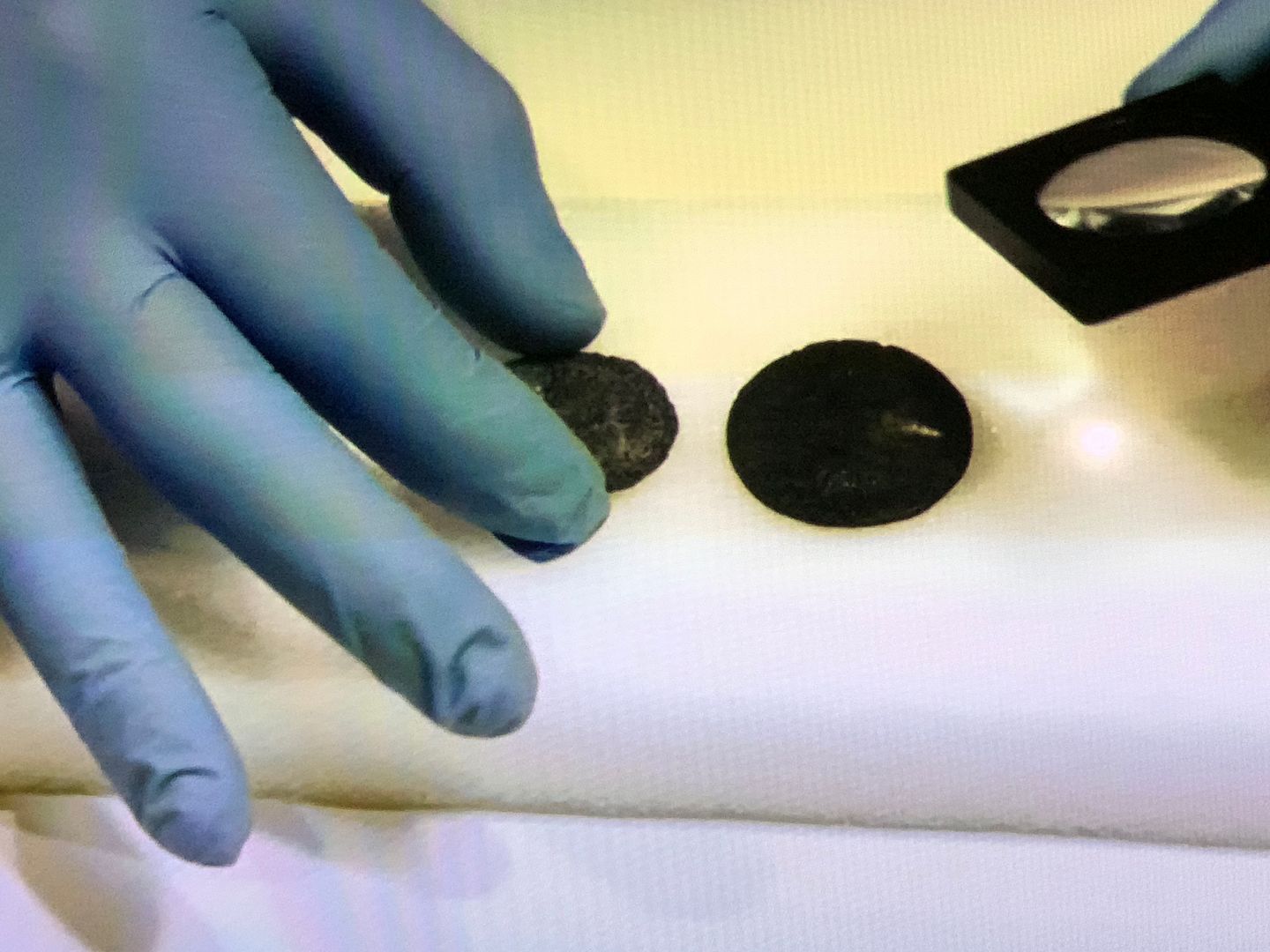
There have been several threads here regarding coins in TV shows and movies. In that vein here is another. This week the National Geographic Channel aired an episode from the "Drain the Oceans" series which focused on a Roman Shipwreck found in the Mediterranean. Thanks to two Roman coins found in the debri field they were able to date the wreck to a time when Nero ruled Rome with its included cargo of a ton of lead ingots headed to rebuild the city that legend has it Nero watched burn as he played his fiddle. The coins were identified as "brass."
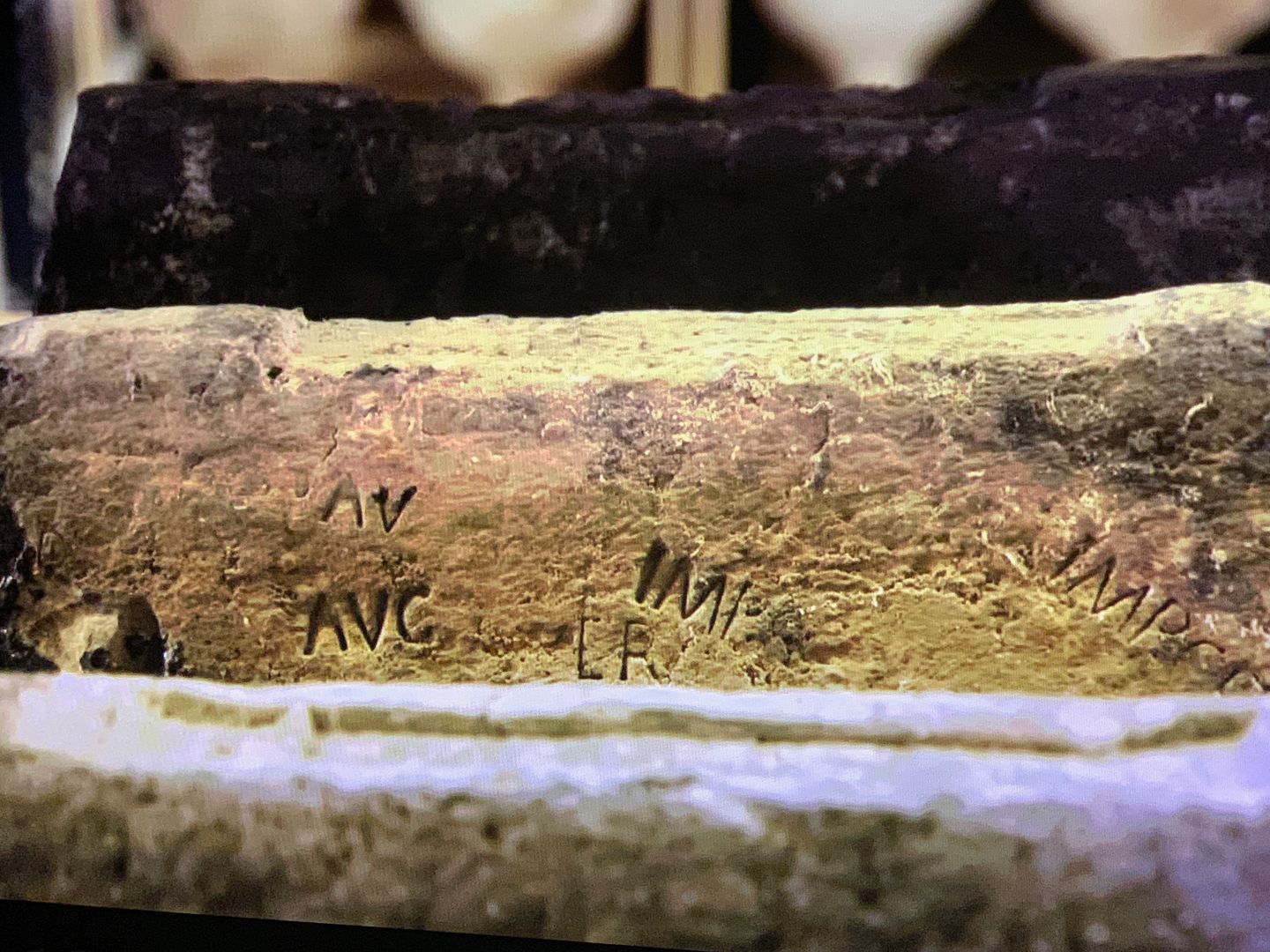
Rome burned in 64 AD and the wreck was pinpointed to 68 AD. Of added interest the lead ingots themselves were stamped "IMP" designating they were the Emperor's and likely headed to rebuild his own properties such as a public bath that would have used lead in its piping. (Although not mentioned by the show, some have speculated that Rome's extensive use of lead to transport its water supply may well have contributed at least indirectly to the downfall of Rome.)
Here are some relevant screen shots:
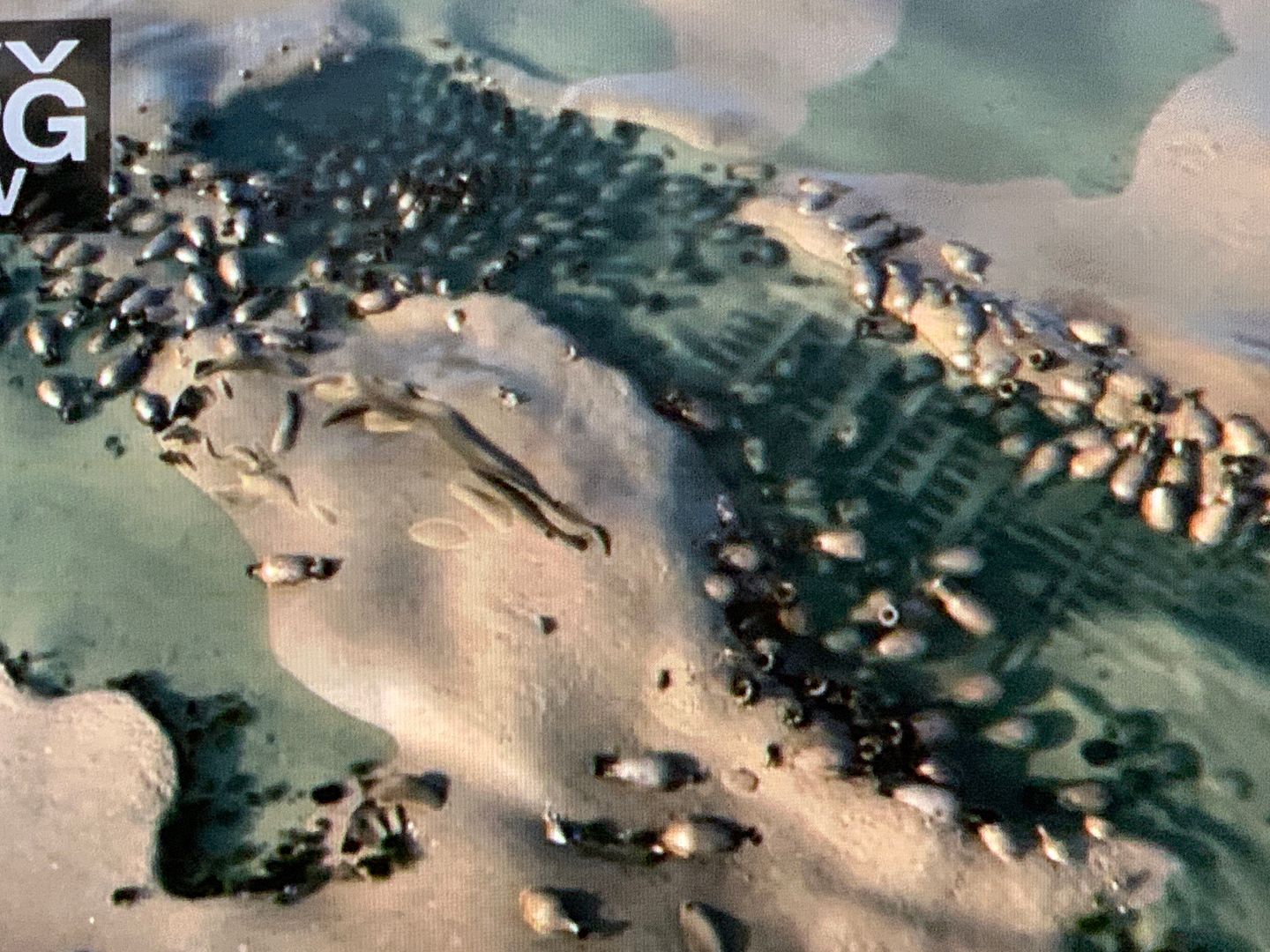
First, the wreck as it appears on the Mediterranean Ocean floor with the scattered amphorae (ancient large pottery storage jars) outlining its shape.
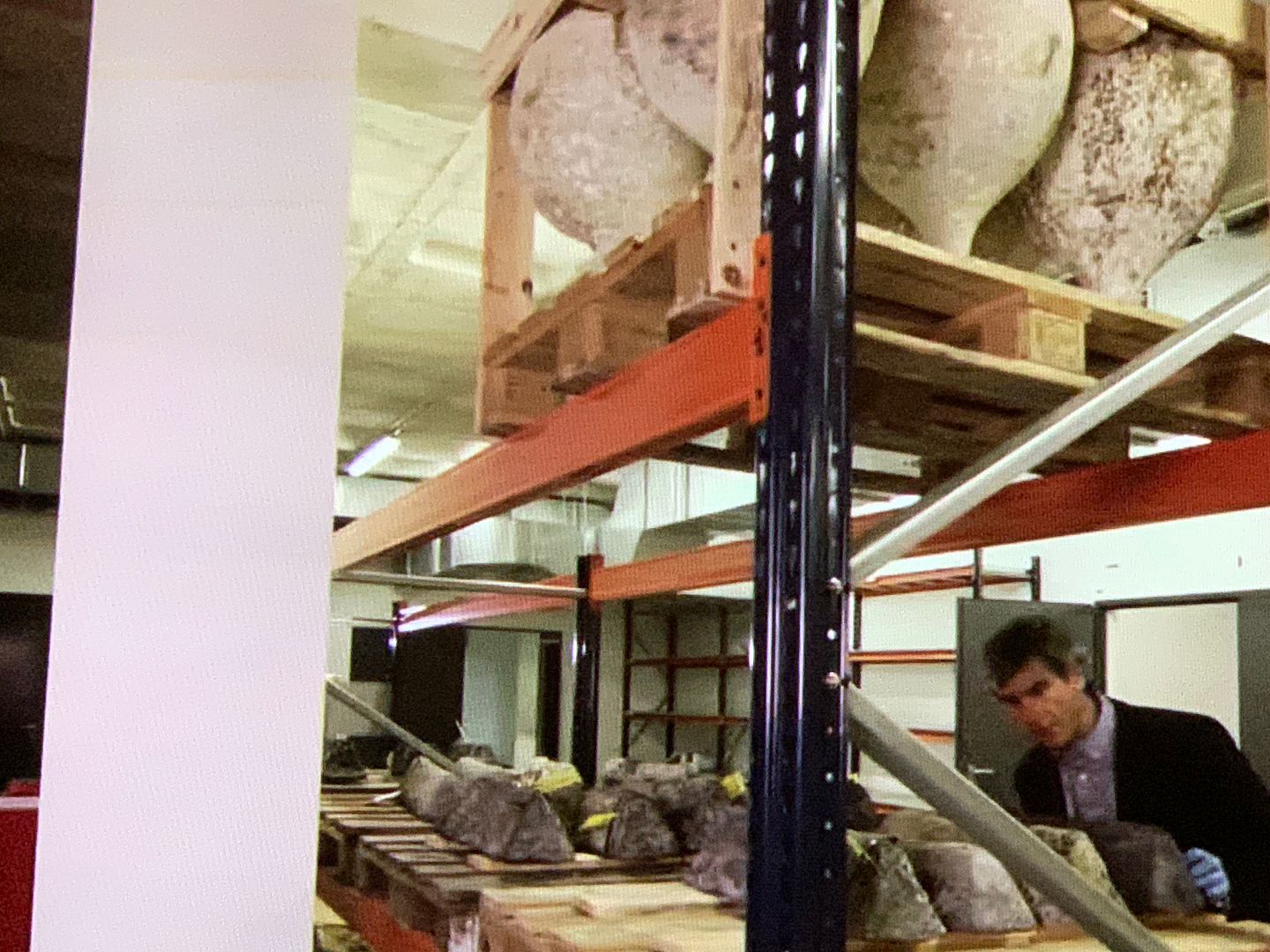
Next, the retrieved amphorae (above) and lead ingots (below):
The two retrieved Roman coins under inspection.
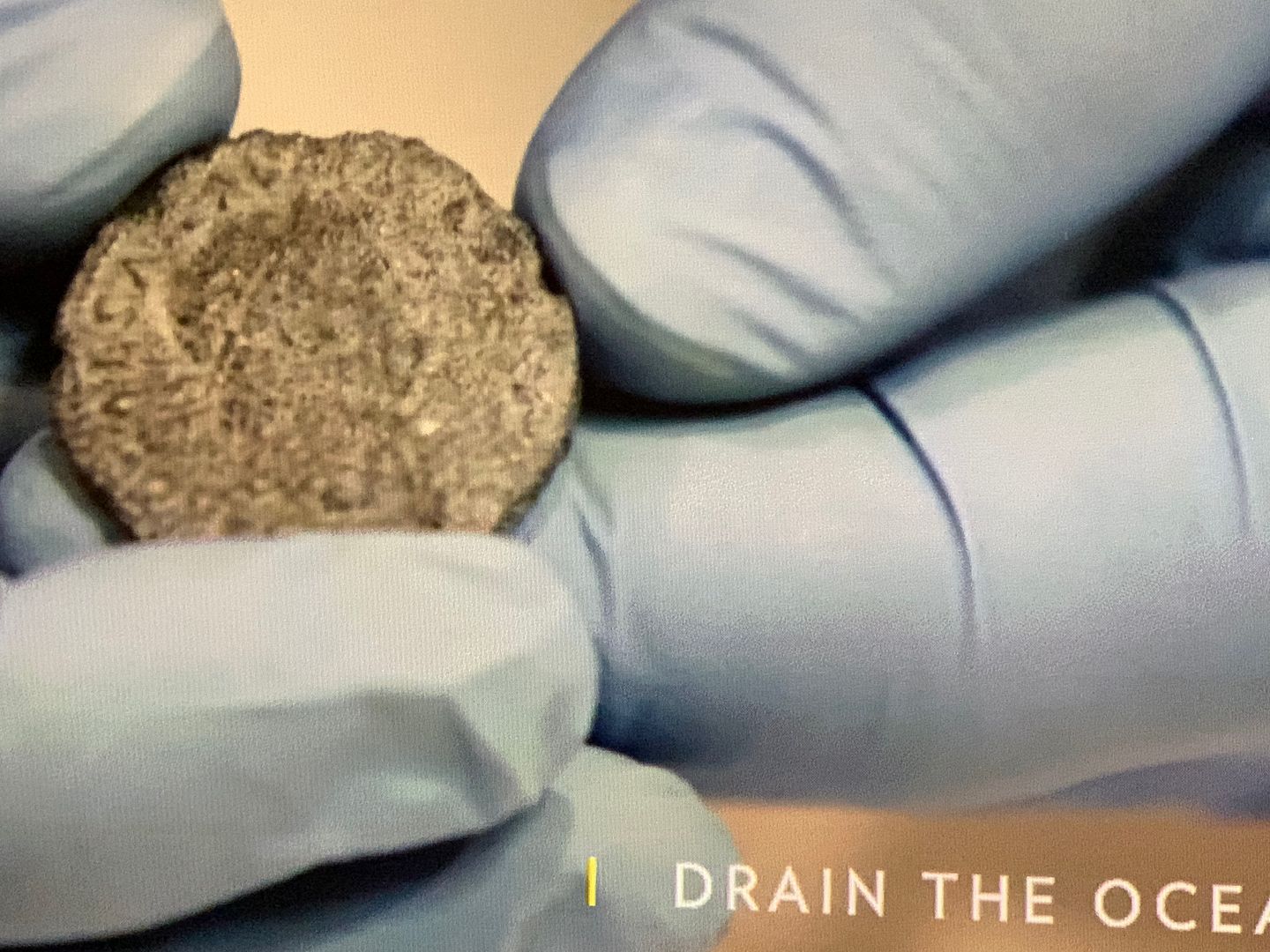
The circa 66 AD coin with the image of the then Roman Emperor Nero:
One of the lead ingots with the Imperial inscription from the shipwreck:
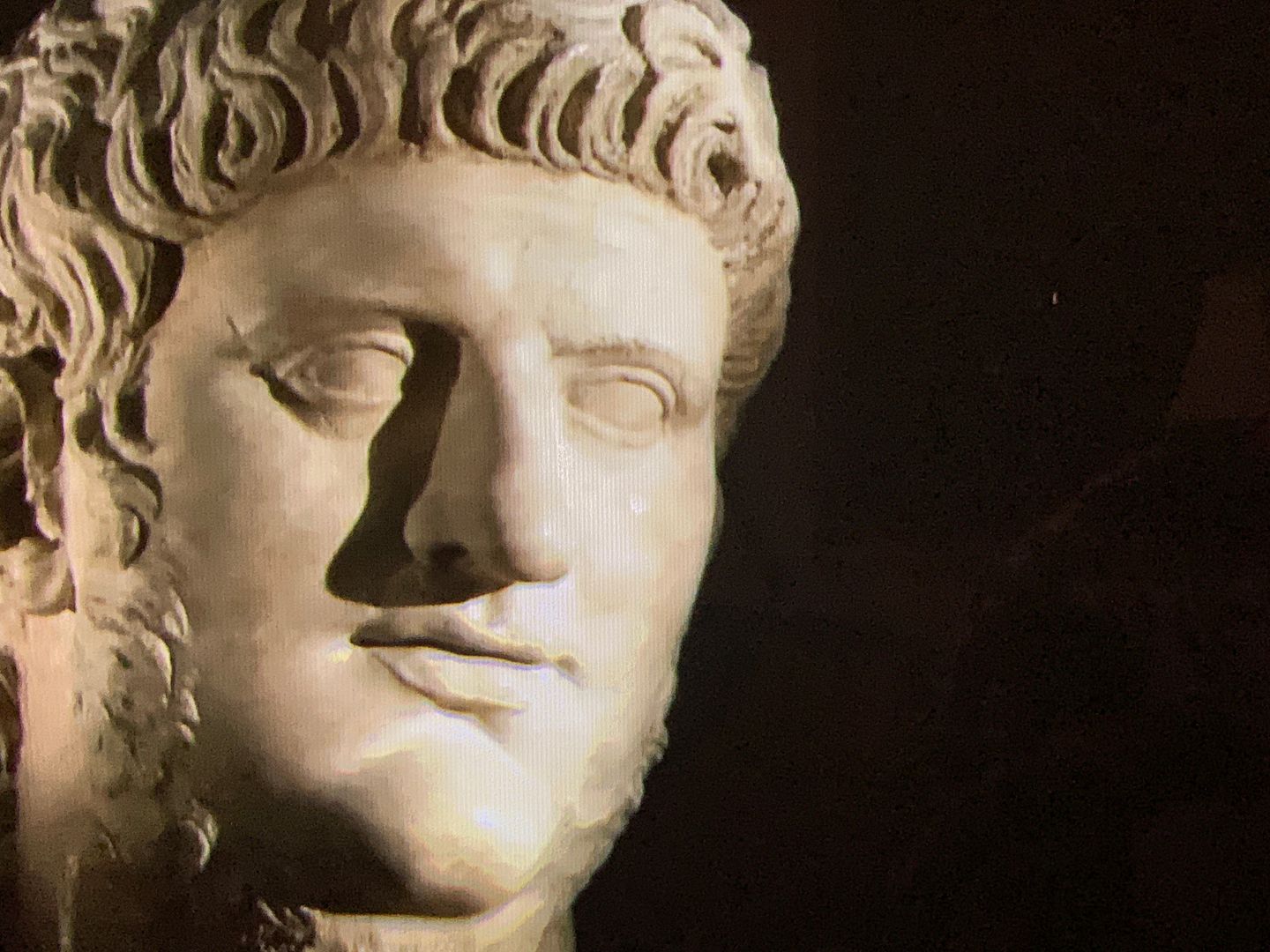
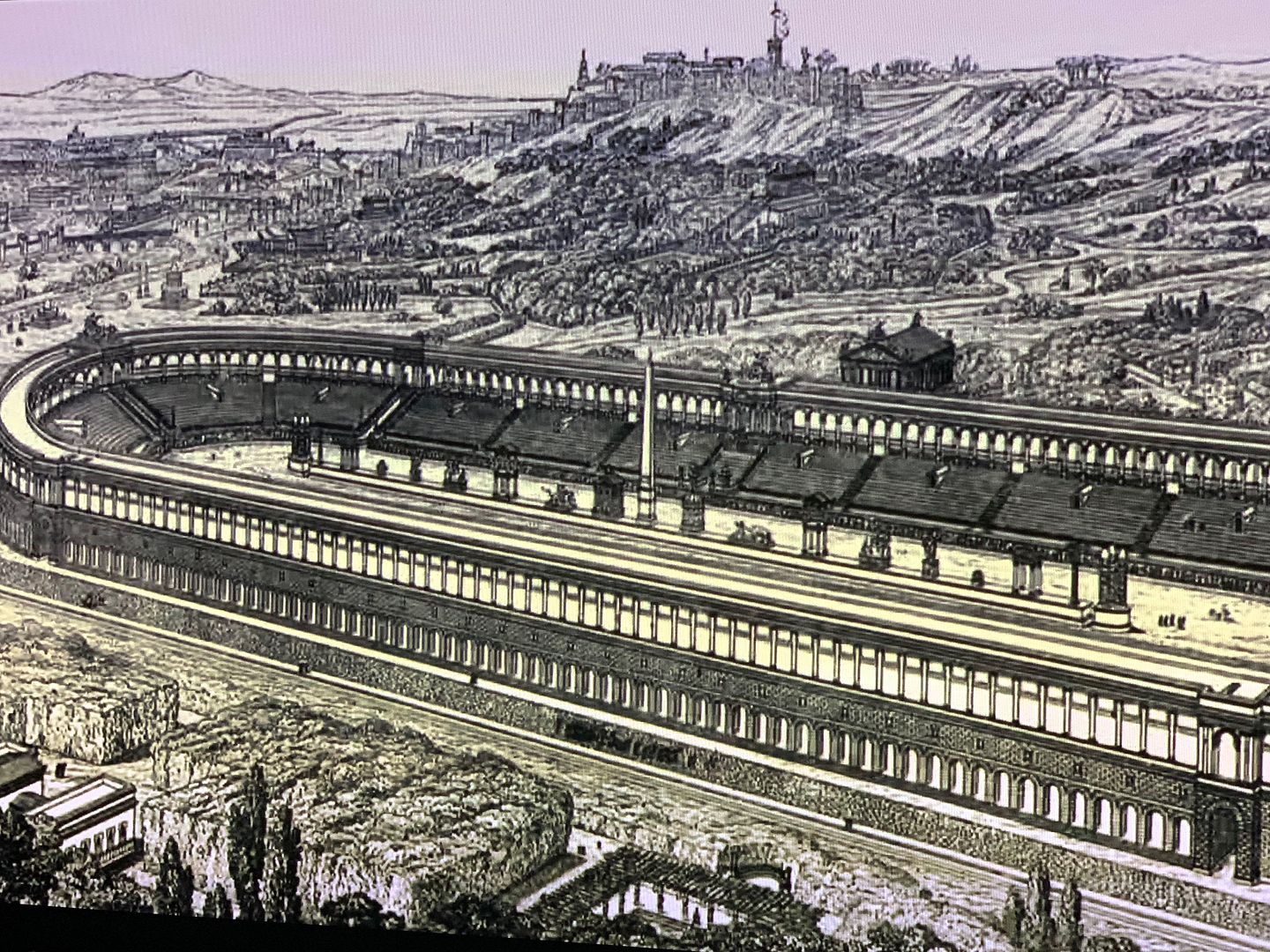
Nero as depicted in sculpture along with a recreation of Rome Burning.
.jpg)
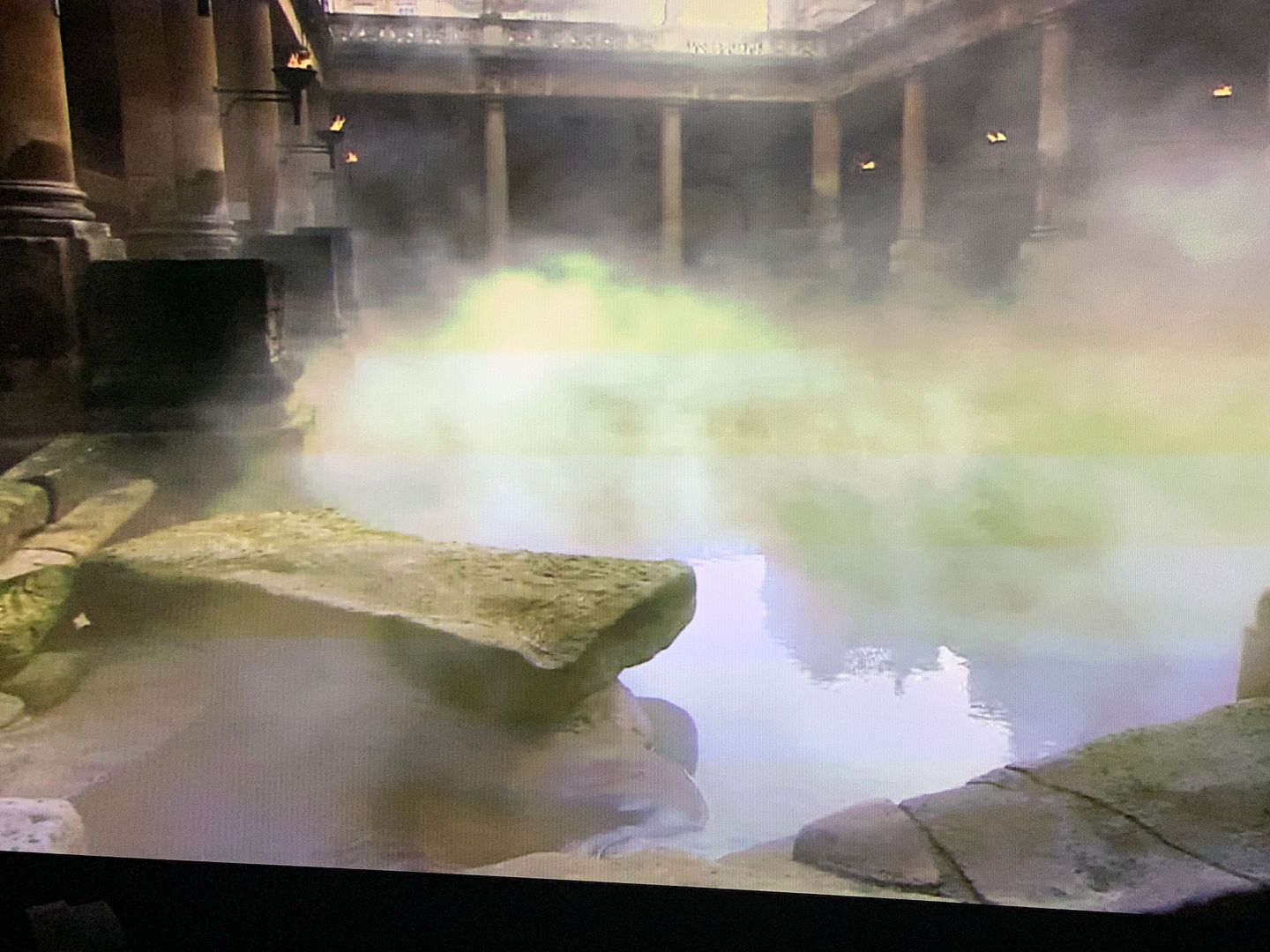
The Roman structure and Roman Bath hypothecated to be under construction for which the lead was intended:
Comments
Interesting. Thanks for posting
A cool read
Nice!
Interesting.... and thanks for the pictures, brings the story to life. Cheers, RickO
This series is on Disney plus. They cover Atocha as well!
A must watch.
"It's like God, Family, Country, except Sticker, Plastic, Coin."
Wow, those Romans were really into their baths.
Interesting read.
Drain The Oceans is an awesome show, which reminds me- I have about 5 episodes to watch on the DVR.
Thanks all.
For those interested in my comment regarding lead as having been speculated to have contributed to the fall of Rome here is an interesting article. Of note the fish sauce condiment referenced in the article was in fact the substance that was determined to have been stored for transport in the large ceramic jars (amphorae) found having been aboard this particular ship along with the lead ingots:
"The Fall of Rome is a heavily debated topic with an extraordinary range of theories as to how such a great power ultimately fell, and how it either limped on or even how it still lives today. Some theories, such as contamination from lead pipes, seem outrageous, while others, such as the loss of civic virtue, could be applied to some modern nations. Here are some of the most common ideas about the Fall of Rome.
Keep in mind that many of the reasons identified for the fall are given as important contributors, not the sole cause. Most historians acknowledge that, while a variety of problems plagued Rome, the Barbarian invasions were the literal cause of Rome’s fall in the West.
Let’s get this one out of the way first. Lead poisoning is often dismissed as a major cause for the decline of Rome, but the theory does have some merit. The Romans used lead in a variety of ways, many involving food and water.
A particular sweetener and preservative, Defrutum, was boiled down in specific lead pots, where extended cooking times aided in the lead contamination. This mixture was added to many wines and to extend the life of soldier’s rations. It was also mixed with a fish sauce whose popularity roughly equates to that of modern ketchup. It was also used in animal feed, where the lead could easily contaminate the meat and be absorbed by humans.
In addition, many water pipes were lined with lead and lead was used in storage amphorae. Lead also found its way into Roman makeup. Though all these cases only provide small amounts of lead, it could still prove to be dangerous. Lead stays in the body for a long time and even tiny amounts on a regular basis can build up to toxic levels.
Lead poisoning would have caused infertility, a loss of memory and reduced cognitive ability, among many other symptoms, largely among the nobility. It is easy to see that if the population wasn’t sustained and the ruling classes were becoming steadily less intelligent, that could very well cause a breakdown leading to a much easier barbarian conquest.
This theory has been heavily debated. Notably, the Romans were aware of lead and its impact on health. Lead pots seemed to have made the best tasting Defrutum, though it seems that other metals proved more practical or common.
Not all aqueducts had lead pipes, and even so the manner of water travel was not likely to pick up the lead. The water traveled fast enough to not stagnate over the lead but slow enough that crusts of sediment often built up in the pipes, naturally preventing most contamination. Though the debate continues, it is plausible that lead poisoning did have at least some impact on Roman people sometime during their decline."
https://warhistoryonline.com/ancient-history/the-reasons-why-rome-fell-lead-poisoning-is-often-dismissed-as-a-major-cause-for-the-decline-of-rome-but-the-theory-does-have-some-merit.html
The pictured Nero sestertius has definitely been under water for that patina to have developed. Here's mine depicting the Port of Ostia from 64AD, right around the events depicted in the episode:
Thanks! fun read!