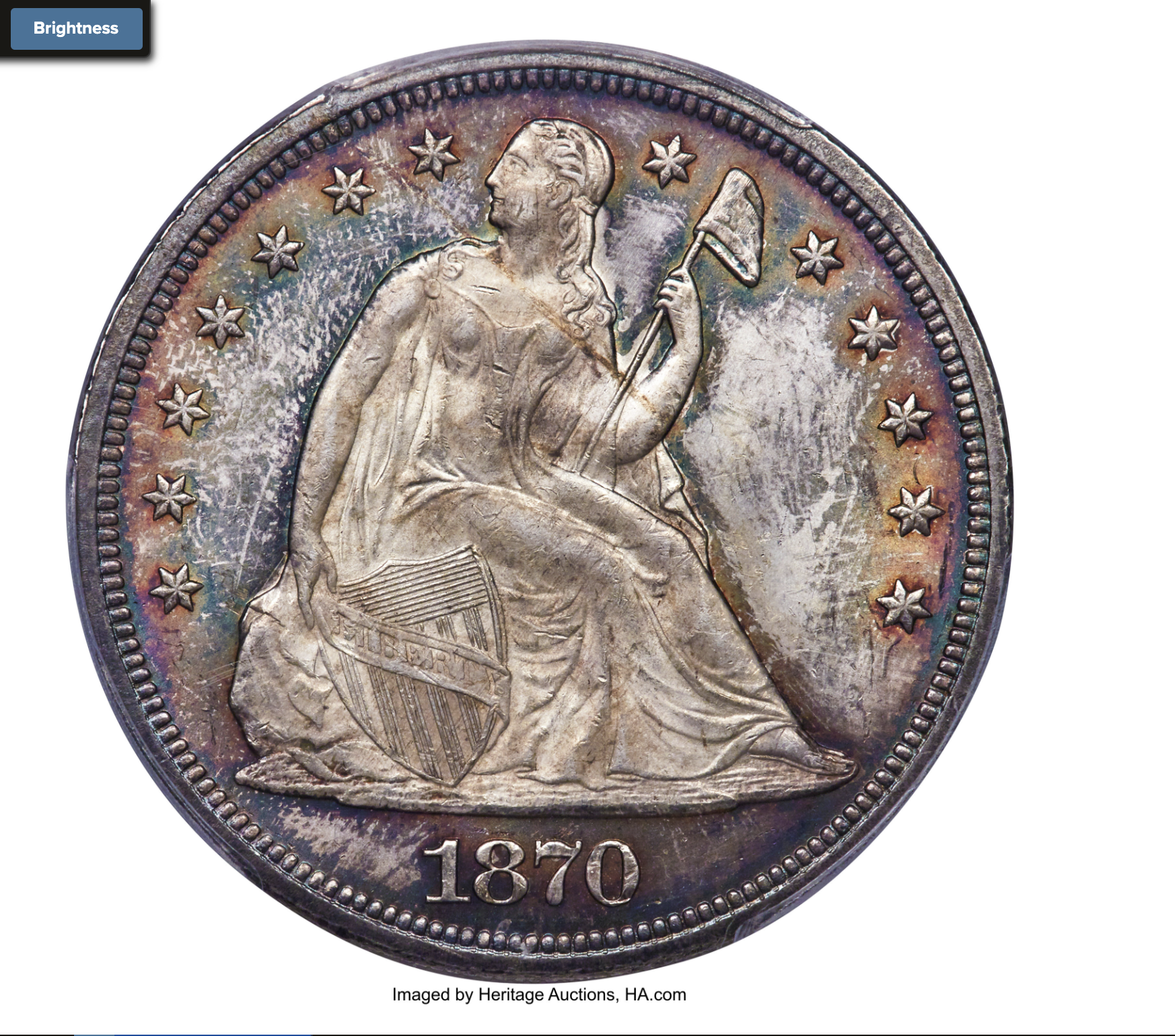
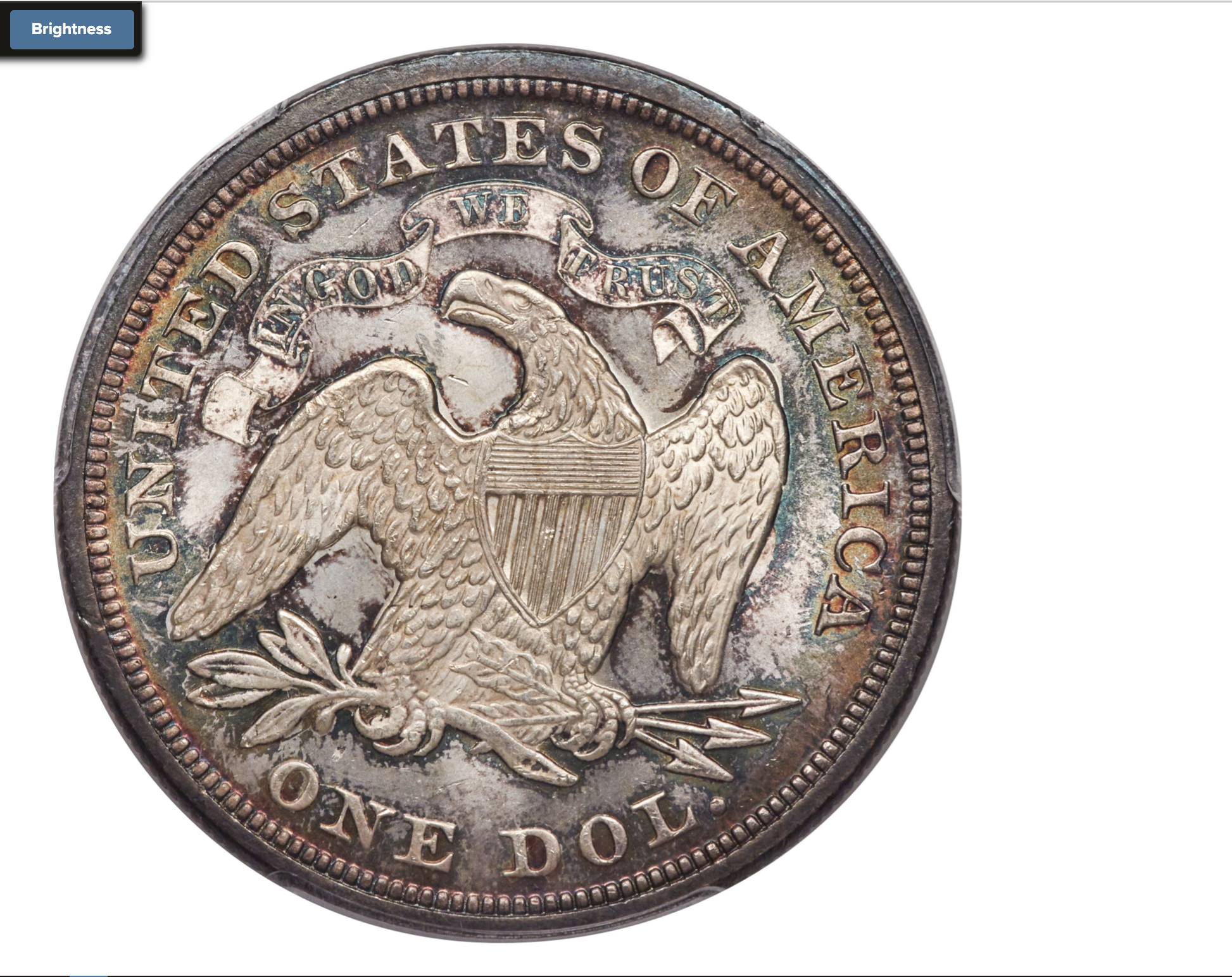
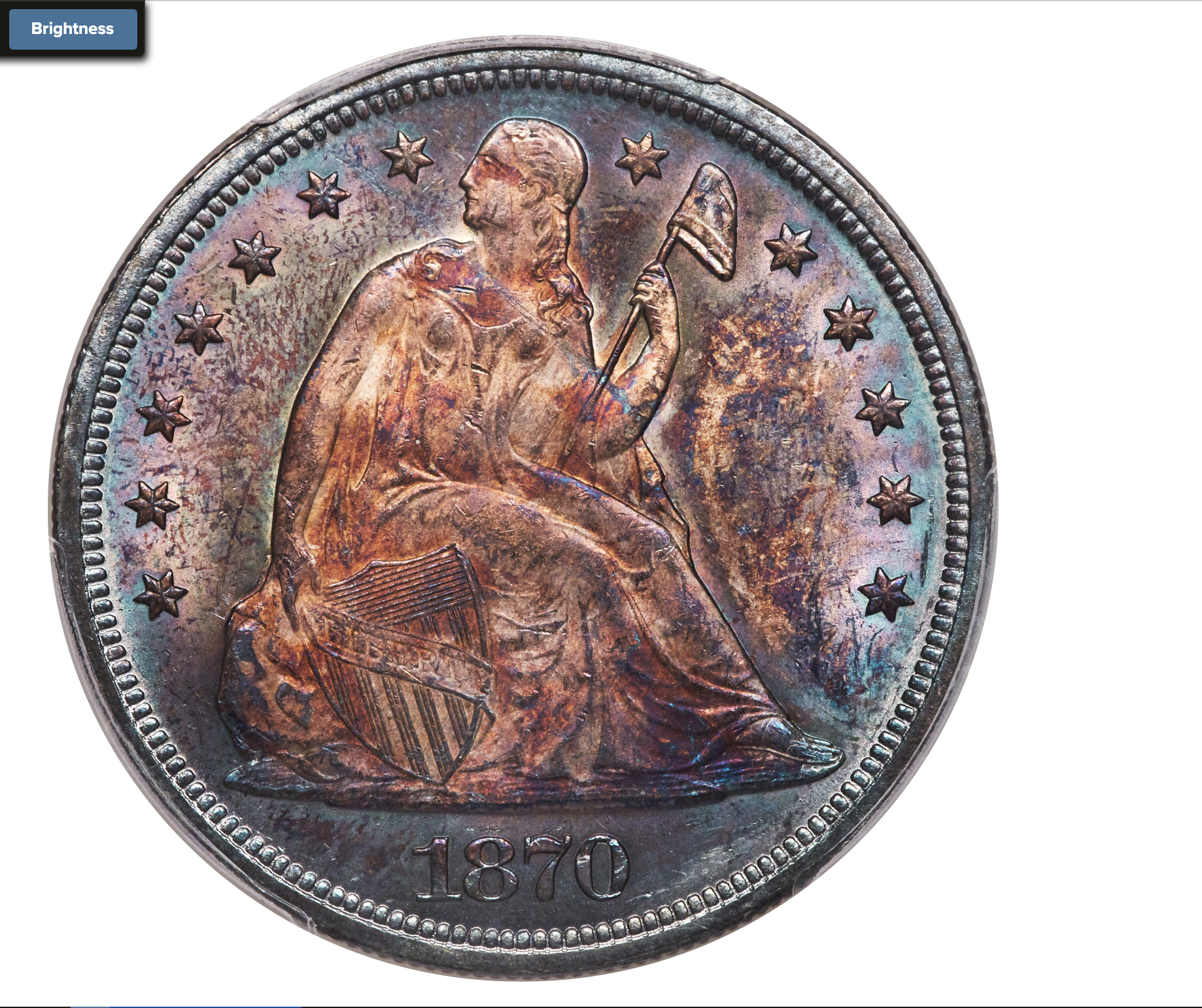
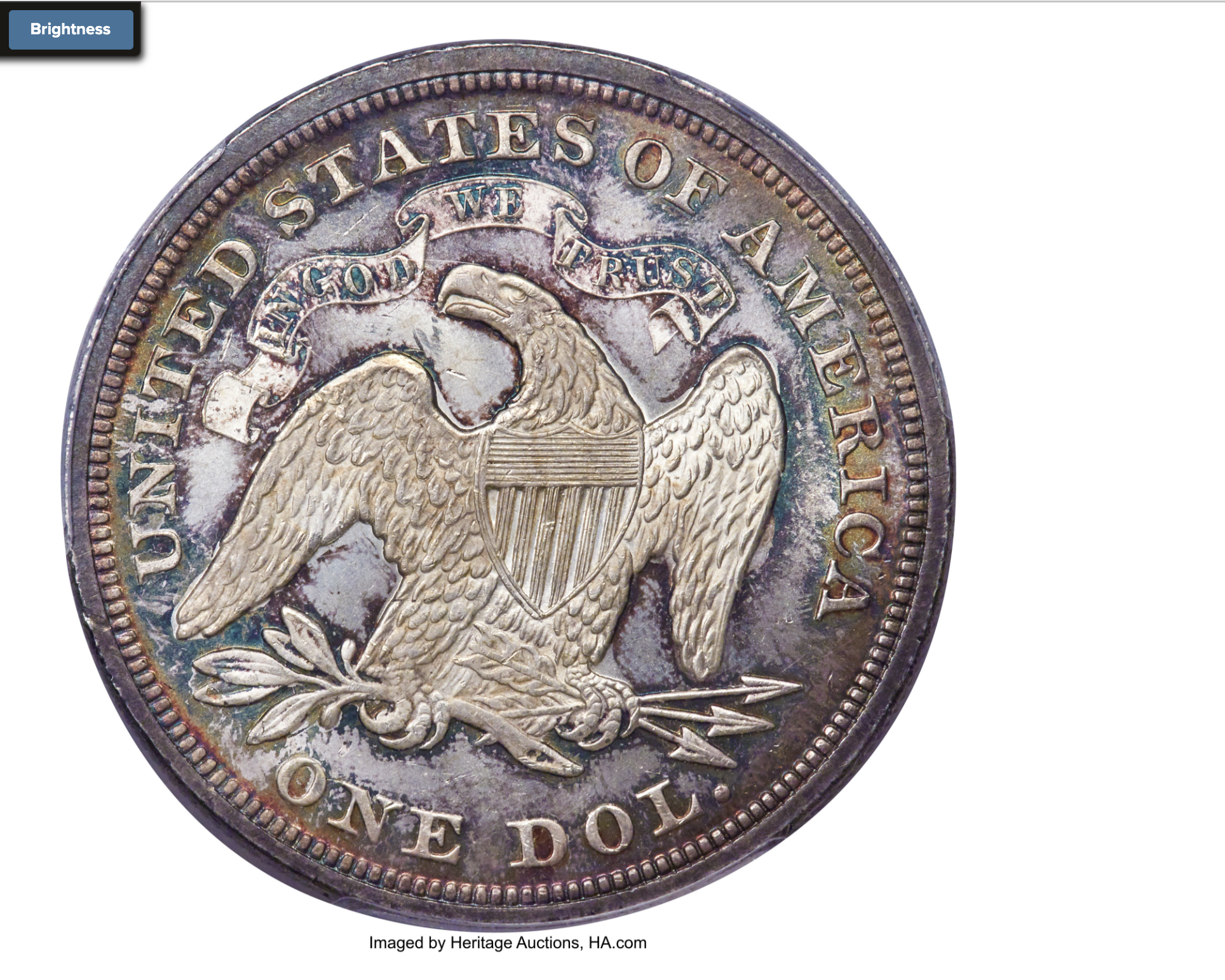
I really liked the coin when it was in the 4+ holder, especially the reverse. That's what tipped me off, as the obverse is completely unrecognizable without seeing the pictures side-by-side.
@stealer I clicked "like" on your post not because I like what was apparently done to the coin but because I liked your research. Assuming it's not just a difference in pictures, I agree with your: What a shame.
good job on the research. I'm no expert but it looks to me like the obv in the first images was touched up with some dilute dip maybe on a q tip, wasn't rinsed properly and then turned . just my speculation. I always enjoy these "forensic detective" threads!
I thought the secure holders were supposed to stop this?
this is a good point. I understood that with the Secure service each coin was "scanned/mapped" to identify its unique characteristics and prevent any doctoring. the only plausible explanation to me is that the Conservation was performed by PCGS or they deemed it acceptable as worked on by the submitter.
Do they actually scan every coin automatically though to see if it’s been cracked out or is that only something done if requested? If someone is trying to work on a coin and get away with it, I’d assume they aren’t going to mention that.
Collector of randomness. Photographer at PCGS. Lover of Harry Potter.
@kaz said:
good job on the research. I'm no expert but it looks to me like the obv in the first images was touched up with some dilute dip maybe on a q tip, wasn't rinsed properly and then turned . just my speculation. I always enjoy these "forensic detective" threads!
That very well could be... with the patchy uneven edges of the toned edges on the first photos. Certainly appears to have been tampered with; if one looks at the linked photos for the whole slab, the original looks totally 'washed out' on the figure.
Since they are in different slabs, I suspect the coin was tampered with further before submitting again, resulting in a fugly color (and a lower grade since it was originally a 64+... guess they were shooting for the 65).
@Broadstruck said:
Well apparently bells, whistles, and paper confetti aren't dispersed when a suspicious coin crosses.
I suspect this exact coin will resurface a third time as blast white.
I think that coin will be a very ugly "blast white". It already looked dipped to me in its original incarnation. After being toned darker and then dipped again, you are likely to have some ugly surfaces.
There's no resurrecting this no matter what as just lightening with a very diluted dip won't make it look any better either.
To Err Is Human.... To Collect Err's Is Just Too Much Darn Tootin Fun!
as I understand it, the device "maps" the surface of the coin and compares it with the scanner database. once there is a match with an existing file I would imagine that they can compare the coin with the picture of the coin already on file(every Secure submission is photographed). this coin has too many marks on the obverse for the scanner not to be able to give a conclusive match.
Enough to question your assertion that the system MUST be able to recognize that coin.
that's not MY assertion, that's what PCGS told us when they started to use it. this is another case of "who do you trust" like the toned Peace Dollar thread. I will trust PCGS, who no doubt did some rigorous testing on a device that might hold them open to liability, before I would trust a chat room participant I know nothing about who says he's a 2d/3d imaging expert(my word, not yours).
I suggest you don't listen to anything I say and listen even less to what your "experience" in the 2d/3d imaging field tells you. instead, call PCGS customer service and maybe they'll answer your questions and sort things out for you.

Comments
Is there a doctor in the house??
 Cheers, RickO
@stealer I clicked "like" on your post not because I like what was apparently done to the coin but because I liked your research. Assuming it's not just a difference in pictures, I agree with your: What a shame.
Mark
PS: Your first link doesn't work for me.
I am not so sure the first one isn’t doctored too and it just continued to change after the fact. They both look painted.
Clearly the same coin, and good eye
11.5$ Southern Dollars, The little “Big Easy” set
good job on the research. I'm no expert but it looks to me like the obv in the first images was touched up with some dilute dip maybe on a q tip, wasn't rinsed properly and then turned . just my speculation. I always enjoy these "forensic detective" threads!
I thought the secure holders were supposed to stop this?
Your first link does not work ... you need to take out the http:// when you copy/paste addresses
https://coins.ha.com/itm/seated-dollars/silver-and-related-dollars/1870-1-ms64-pcgs-secure-oc-6-r2/a/1291-3743.s?ic4=GalleryView-Thumbnail-071515
I think I could find it within myself to "PASS" on either iteration of the coin. it is just not appealing to me at all.
I thought the secure holders were supposed to stop this?
this is a good point. I understood that with the Secure service each coin was "scanned/mapped" to identify its unique characteristics and prevent any doctoring. the only plausible explanation to me is that the Conservation was performed by PCGS or they deemed it acceptable as worked on by the submitter.
Do they actually scan every coin automatically though to see if it’s been cracked out or is that only something done if requested? If someone is trying to work on a coin and get away with it, I’d assume they aren’t going to mention that.
Collector of randomness. Photographer at PCGS. Lover of Harry Potter.
Whew what a beast now
Didn't turn in the holder as someone just very poorly worked on trying to coverup the obverse.
If acetone bathed after doctoring the sniffer won't detect anything it can't smell.
That very well could be... with the patchy uneven edges of the toned edges on the first photos. Certainly appears to have been tampered with; if one looks at the linked photos for the whole slab, the original looks totally 'washed out' on the figure.
Since they are in different slabs, I suspect the coin was tampered with further before submitting again, resulting in a fugly color (and a lower grade since it was originally a 64+... guess they were shooting for the 65).
OK, I stand corrected. understanding that, there seems no reason that PCGS wouldn't flag the changes at the scanner.
Probably just missed when it was resubmitted raw.
Well apparently bells, whistles, and paper confetti aren't dispersed when a suspicious coin crosses.
I suspect this exact coin will resurface a third time as blast white.
There's no resurrecting this no matter what as just lightening with a very diluted dip won't make it look any better either.
But I'm not sure how that "scanner" works.
as I understand it, the device "maps" the surface of the coin and compares it with the scanner database. once there is a match with an existing file I would imagine that they can compare the coin with the picture of the coin already on file(every Secure submission is photographed). this coin has too many marks on the obverse for the scanner not to be able to give a conclusive match.
for someone who claims not to know how it works you sure seem to know how it doesn't work.
Enough to question your assertion that the system MUST be able to recognize that coin.
that's not MY assertion, that's what PCGS told us when they started to use it. this is another case of "who do you trust" like the toned Peace Dollar thread. I will trust PCGS, who no doubt did some rigorous testing on a device that might hold them open to liability, before I would trust a chat room participant I know nothing about who says he's a 2d/3d imaging expert(my word, not yours).
I suggest you don't listen to anything I say and listen even less to what your "experience" in the 2d/3d imaging field tells you. instead, call PCGS customer service and maybe they'll answer your questions and sort things out for you.
Kool-Aid per Jim Jones recipe.
Looks like someone left the oven on too long, but only on the obverse mainly.
Thank you for bringing this to our attention. We are currently investigating.
Heather Boyd
PCGS Senior Director of Marketing