Options
What's a "coin doctor?" Are you one?
 Insider2
Posts: 14,452 ✭✭✭✭✭
Probably an old discussion before I joined CU a year ago:
Look, there are "coin  doctors" and "COIN
 DOCTORS". I even consider myself a "rookie" coin doctor as I can usually make coins look better. The difference should be fairly clear but unfortunately it gets blurred when intent, degree, and method of changing the coin's appearance (all alterations) are considered. If you can detect the appearance of a coin has been changed is it altered? Of course it has. Is it a "bad" or "good" change? Was it done to fool someone? Who are you to judge intent? See what I'm saying?
0
Comments
The change can either be 'bad' or 'good'. Some years back, a Forum member (who rarely posts nowadays) announced that he bid on, and won, an early 19th-century U.S. gold coin. I think the auction house was Heritage. Anyway, he showed the Heritage images, and a firestorm of a discussion erupted. The reverse had been tooled in at least 2 places (by the rim), and there was no mention of the tooling in the lot description. The spots where the tooling was done exactly matched a known die state having two rim cuds. So, a prior owner evidently didn't like them and (had) smoothed them out. Go figure. BAD!
I understand why some work is done, particularly to put a stop to corrosive processes that would further damage a coin. However, such work is rarely disclosed. Maybe some would call this 'good'.
Honestly, I cannot think of a 'good' change involving more than this---tooling (frequently followed by retoning) is typically done to fool buyers. I have seen large cents very cleverly tooled/recolored, sitting in top-tier slabs, being marketed by experienced dealers who should know better. The names of some of them would surprise many Forum members.
RMR: 'Wer, wenn ich schriee, hörte mich denn aus der Engel Ordnungen?'
CJ: 'No one!' [Ain't no angels in the coin biz]
I imagine many a worked-on coin, to one degree or another of "market acceptability" and beyond that, sits blissfully unknown in collections and inventories. For my part, I am not a coin doctor, except I did once dip some funky brown toning off an UNC 1951 dime. The toning wasn't pretty, but compared to the shiny results, I decided the toning had been better.
Oh, and part of my junior high school job at the coin/card shop was to take the sun-faded 1.5x1.5 holders of proof clad quarters out of the tray in the window, repackaging them with my excellent penmanship in blue, red and green sharpie descriptions -- but only after giving them a rinse of jewelluster followed by tapwater (!) to counteract the yellowing effects of the sun.
Remember, at one time very long ago, "improving" a Large cent by tooling was nothing "bad."
True. I will say one thing in 'defense' of coin doctors. The really good ones have a remarkable appreciation (perhaps even a sense of connoisseurship) for the surfaces of coins. More so than most experienced coin dealers IMO.
RMR: 'Wer, wenn ich schriee, hörte mich denn aus der Engel Ordnungen?'
CJ: 'No one!' [Ain't no angels in the coin biz]
I dipped my Mom Morgans in silver jewelry cleaning solution @Insider2 .... is it called doctoring?
No. I have put some bullion rounds in old time manilla coin holders for years just to see what would happen, but never with a collector coin. Oh yeah, manilla coin holders mostly do not tone pretty.
More than a decade ago, a poster put up an astonishing image of a small room in a coin doctor's home. It had a humidifier and a fan, and was lined with shelves that were filled with old coin albums (Wayte Raymond, I think) filled with coins and set upright with their pages spread out a bit. There were thousands of coins in that room. AT jobs are not necessarily reproducible, but clearly there was a strong financial incentive for that guy to do what he was doing.
RMR: 'Wer, wenn ich schriee, hörte mich denn aus der Engel Ordnungen?'
CJ: 'No one!' [Ain't no angels in the coin biz]
No. I don't try to save them. I just put them on hospice.
All comments reflect the opinion of the author, even when irrefutably accurate.
Some purists insist it is. I think you should tell us how you did it because if coin is not dipped "properly" and more importantly "neutralized properly" it will stain over time.
While testifying in a Federal case against a "Boiler Room" operation, I got my first view inside the operation. I was told that every Morgan dollar sold as a BU was put the Ultrasonic cleaner. What an eye-opener! I was not surprised to find one of these units also used in several conservation labs I've been in - including at museums.
Oh yeah....ultra sonic cleaning my jeweler always use to clean my jewelry. I think there is no chemical involved in the solution
Try a little dishwasher soap in the water - it is harmless to your jewelry and will make the diamonds sparkle. I take care of the stuff of the women in the office.
Funny story, At one place I worked, many of the guys would have me clean all their gold chains before they left for vacations.
Would this be considered doctoring?
- Bob -

MPL's - Lincolns of Color
Central Valley Roosevelts
Many,many years ago, I remember that most b&m coin shops carried item like deller's darkener for copper coins and different "improvement liquids" of various names. I was always told that original was greatly better, but that some coins just needed the help. I am sure I tried most of them, but not regularly, just as an experiment, Not once do I remember actually improving a coin, so that ended in my teens. It was within the last 20 years that coin doctoring became an issue and now its devastating to the market. Many fairly knowledgeable(I mean fairly) collectors have bought expensive key coins from the early 1800's that had been "doctored", tooled, professionally repaired and they sit in safes, sdb's, albums and closets across the country. No one knows how many of these coins exist, but I fear it to be a frightening amount.
When a man who is honestly mistaken hears the truth, he will either quit being mistaken or cease to be honest....Abraham Lincoln
Patriotism is supporting your country all the time, and your government when it deserves it.....Mark Twain
".... It was within the last 20 years that coin doctoring became an issue and now its devastating to the market..."
No. Coin doctoring has been around for longer than any of us has been living. Experienced collectors knew. [Of course, some of them also got taken by total fakes, pushed by dealers like John Ford.] Older dealers told me stories about cents being recolored in the 1950's, for example. The difference is that there are TPGs and the internet now---collectors have more access to neutral opinions and to information more generally.
Regarding dipping and other types of 'gentle' cleaning, I used to see this routinely done in B&M shops in the 1960's and 1970's. Dealers would commonly clean coins, sitting behind a counter, when business was slow. A customer could even ask a dealer to dip a coin prior to purchase, and it would be done while the customer waited.
RMR: 'Wer, wenn ich schriee, hörte mich denn aus der Engel Ordnungen?'
CJ: 'No one!' [Ain't no angels in the coin biz]
The variety of chemicals and swabs and picks and brushes in the average coin shop ....restroom.... could scare you.

No...I have not even stayed at a Holiday Inn Express.
BST transactions: dbldie55, jayPem, 78saen, UltraHighRelief, nibanny, liefgold, FallGuy, lkeigwin, mbogoman, Sandman70gt, keets, joeykoins, ianrussell (@GC), EagleEye, ThePennyLady, GRANDAM, Ilikecolor, Gluggo, okiedude, Voyageur, LJenkins11, fastfreddie, ms70, pursuitofliberty, ZoidMeister,Coin Finder, GotTheBug, edwardjulio, Coinnmore, Nickpatton, Namvet69,...
You should see what I have access to.
RMR: 'Wer, wenn ich schriee, hörte mich denn aus der Engel Ordnungen?'
CJ: 'No one!' [Ain't no angels in the coin biz]
Few shops even HAVE a Janvier Reduction Lathe.
For a couple of years.... early 2000's, I did a lot of experimentation... learned a lot. No coins I worked on ever left my possession. Cheers, RickO
Back in the 70's, when I was about 12 yo, I used cream of tartar to get grit out of a few vf common date Morgan dollars. I was trying to go for the luster on the few pieces my grandfather gave to me. lol...
More recently, I've used acetone to try to cure PVC damage. I've had hit or miss success... and these coins are still in my collection or were sold for melt.
Does this make me a "coin doctor" in the strict sense of the word?
Successful BST transactions with: SilverEagles92; Ahrensdad; Smitty; GregHansen; Lablade; Mercury10c; copperflopper; whatsup; KISHU1; scrapman1077, crispy, canadanz, smallchange, robkool, Mission16, ranshdow, ibzman350, Fallguy, Collectorcoins, SurfinxHI, jwitten, Walkerguy21D, dsessom.
I am dreaming of a 3-D printer that can do 1 micron resolution, so that metal flow could be simulated in a prototype. Of course, the thing would take a year to print out and the alloy wouldn't be correct.....
RMR: 'Wer, wenn ich schriee, hörte mich denn aus der Engel Ordnungen?'
CJ: 'No one!' [Ain't no angels in the coin biz]
The only "doctoring" I have ever done involved putting a coin in hot, soapy water to get crud off.
Pete
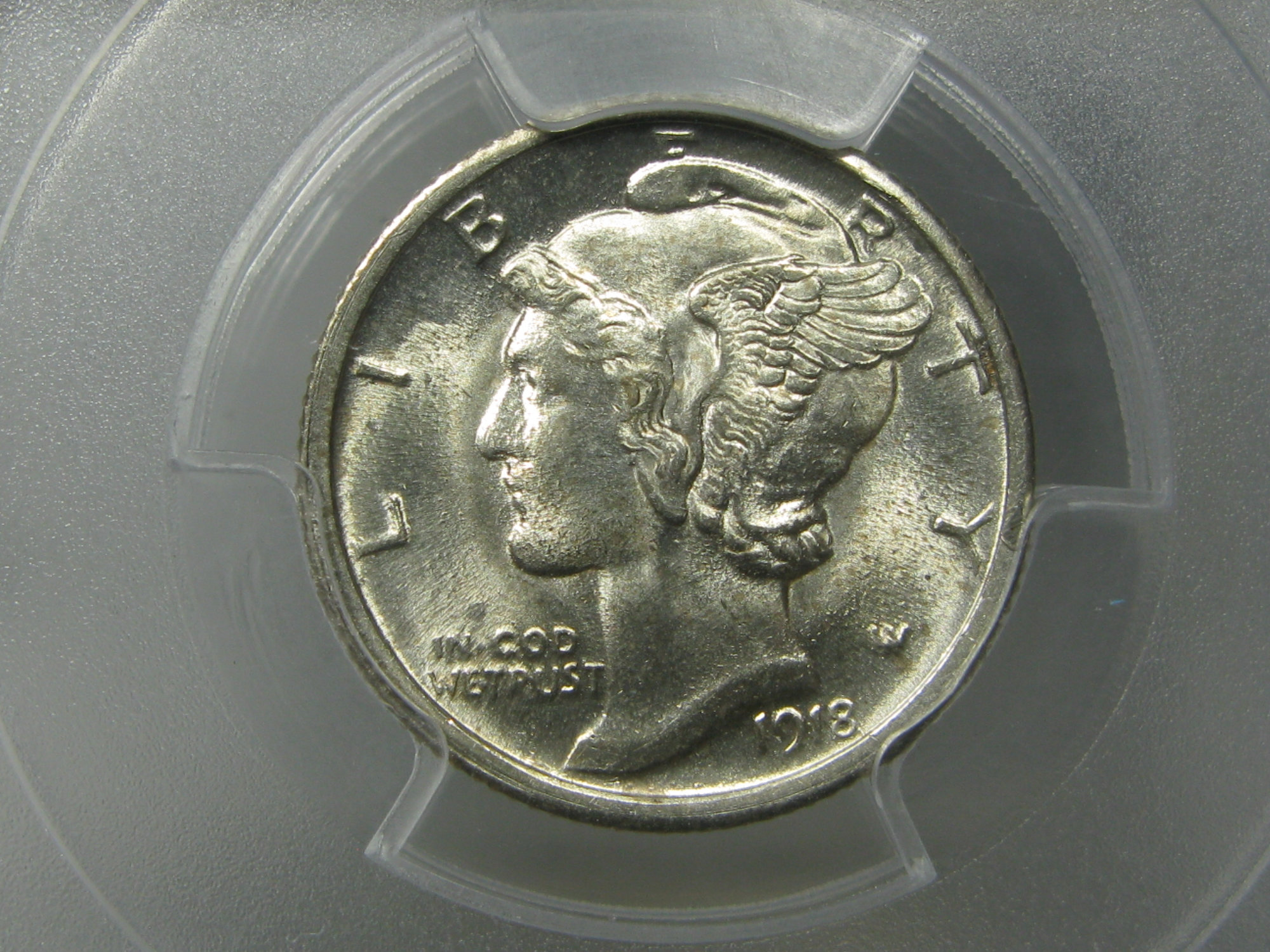
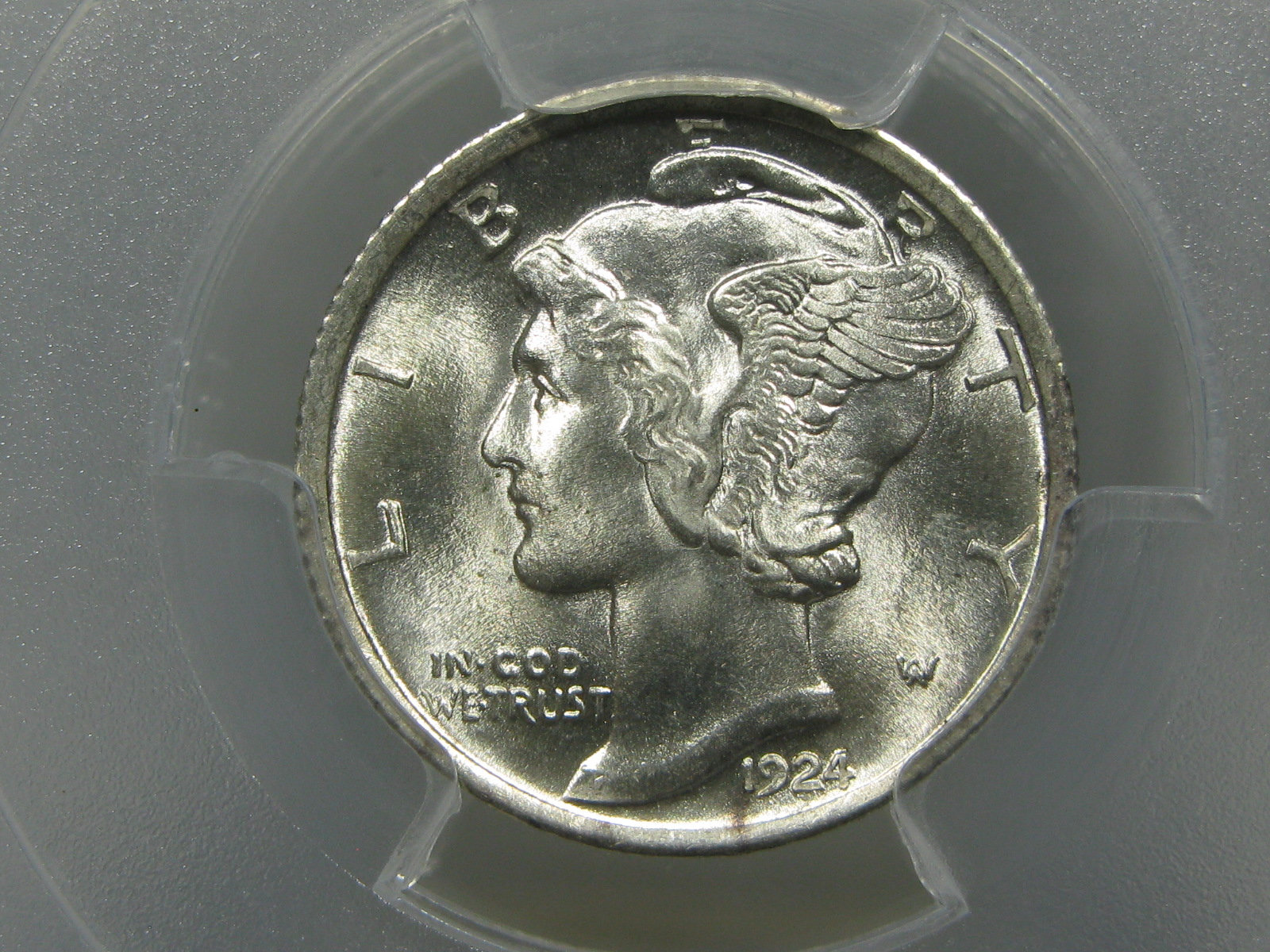
Call me one I guess. All dipped to be improved and all still with me.
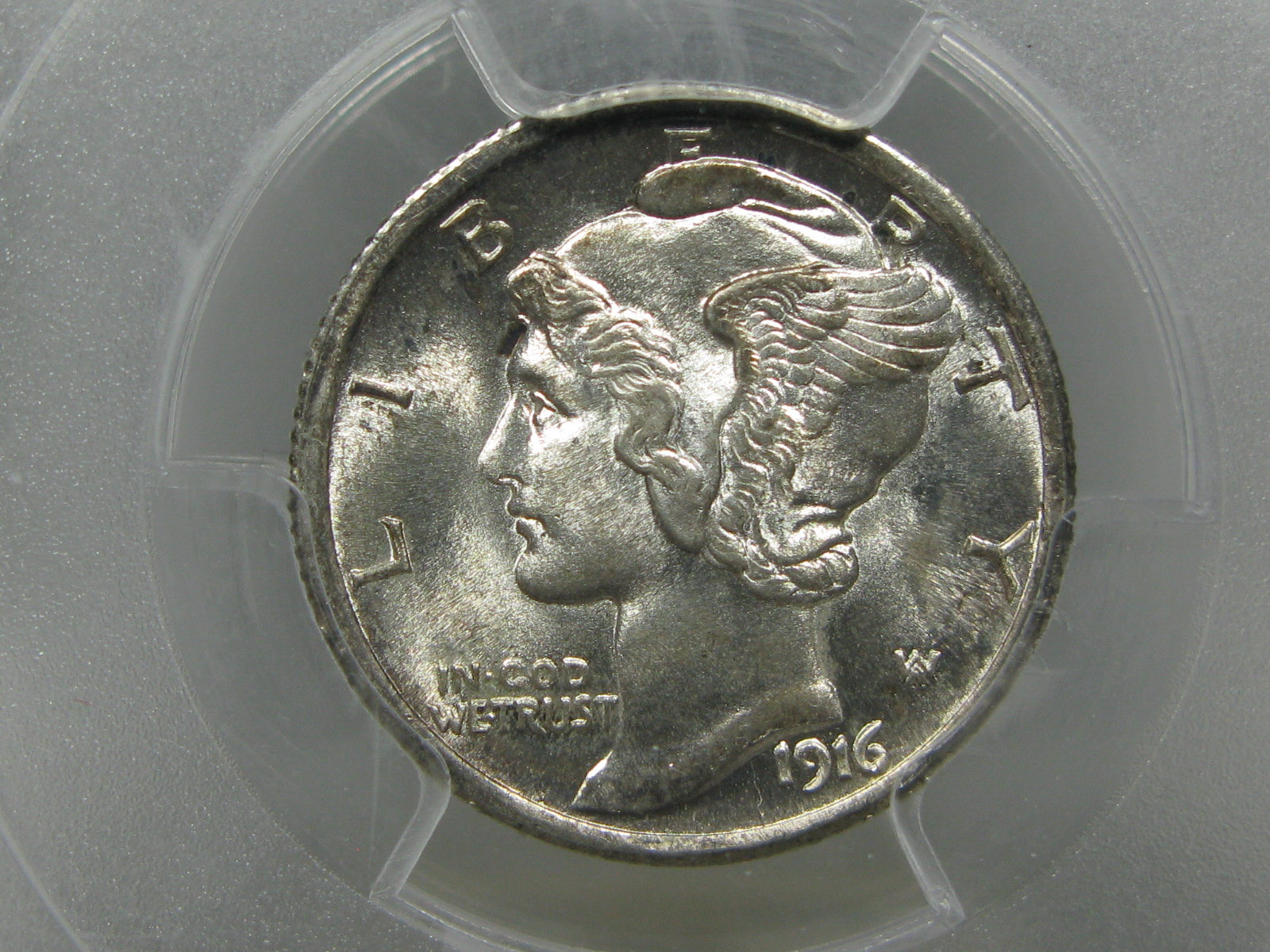
1916P PCGS MS66FB
1918P MS64 which had Very Ugly Tone.
1924P PCGS MS66
Please Forgive Me.
Ken
I wonder how much air pressure a modern coin could take before damage to the surface occurred. They have air compressors that go over 450 bars(1 bar =14.5038 psi). Does anyone know how much pressure a nickel, dime , quarter, half or dollar would take and at what nozzle size could be used. I can see such a method truly cleaning coins, but, of course, a difference in color would exist underneath once the crud is removed and pvc if pitted into the metal would not be totally removed if that is even a problem with moderns. I feel copper and silver would allow much less pressure. Just interested.
Jim
When a man who is honestly mistaken hears the truth, he will either quit being mistaken or cease to be honest....Abraham Lincoln
Patriotism is supporting your country all the time, and your government when it deserves it.....Mark Twain
Not exactly, however, I have seen very tiny pits appear on post 1990 Proof gold from an air compressor. I'm assuming there were micro-laminations already on the surface that the air pressure "ripped-away."
Air pressure would not neutralize an acidic molecular residue sitting on the surface of a coin.
RMR: 'Wer, wenn ich schriee, hörte mich denn aus der Engel Ordnungen?'
CJ: 'No one!' [Ain't no angels in the coin biz]
Also, I guess the cleanliness of the air storage tank might come into play, as it could turn it into a particle blaster. BTW, this is just for curiosities sake. Creating a holding device for the coin, that wouldn't damage it, might be the issue. I'm sure that anything that actually damages the surface and once removed the damage will still be there.
Jim
When a man who is honestly mistaken hears the truth, he will either quit being mistaken or cease to be honest....Abraham Lincoln
Patriotism is supporting your country all the time, and your government when it deserves it.....Mark Twain
One reason I never really liked using 'house air' lines in a lab is the possibility of aerosolized pump oil residue coming out.
RMR: 'Wer, wenn ich schriee, hörte mich denn aus der Engel Ordnungen?'
CJ: 'No one!' [Ain't no angels in the coin biz]
I also had a lot of curiosity about what happens when you use different methods to clean coins including: ultrasonic cleaning in - distilled water, soapy water, 100% acetone and then 100% isopropyl alcohol; dipping in diluted acids and bases - citric acid, vinegar; dipping in commercially available "coin cleaners"; cleaning using a baking soda/aluminum foil electrolytic process; lightly polishing with submicron diamond paste polishing compounds; soaking coins in olive oil; and a few other methods. I also was curious about experimenting so see the effects of exposing coins to compounds containing chlorine or sulfur.
After doing minimal initial research about numismatics, I realized that altering a coin is generally agreed to be taboo, so I never did any experiments. So I like your question @Insider2 relating to the questions that arise related to a coin that is considered to be altered if the alteration can't be detected? My opinion is that evaluating the words "doctor" and "acceptable" is all it takes, and intent is the key to answering all questions that arise.
If I performed any of these experiments to satisfy my curiosity on my own coins with no intent to ever exchange them with anyone, no concerns regarding those two words arise.
In the general lexicon, the word "doctor" as a noun is related to healing and has a positive connotation. As a verb means to "alter to deceive" and has a negative connotation. Doctoring a coin is not healing a defect, it is altering with the _intent _ to deceive. This is unambiguous... intent to deceive = BAD. So in Numismatics, if a coin is altered for any reason other than to prevent further damage or to repair damage or remove contamination that has been deemed "acceptable" to repair or remove, then it must be "doctored".
Next, how does the word "acceptable" fit into the the equation? "Acceptable" is not a true/false adjective and implies judgment. If something is acceptable it has been agreed that it is suitable, allowed or tolerable. Agreed by whom and for what purpose? In Numismatics, if a coin is to be exchanged between two parties or is to be assigned a grade/value, it has to be deemed acceptable. As previous posters have stated, during past periods of time, various methods of coin alteration that would technically be defined as doctoring were considered as acceptable by consensus of the market. Think of whizzing, wiping, polishing, dipping, artificial toning as being perfectly acceptable practices.
So if any of these things were done to alter a coin, why were they done? Is there any answer other than to "improve it's perceived appearance" and increase it's value? Isn't that intent to deceive - doctoring = BAD? Well apparently not at the time because whomever for whatever reasons deemed the practices acceptable.
So what about today? If you are a fundamentalist or purist, then there are many coins graded, holdered, and traded in today's market that have been doctored. (remember - intent to deceive, bad) So why have doctored coins been deemed acceptable and by whom?
That's a question to start another thread with, but imagine if every coin that had been technically doctored at any time was deemed unacceptable and removed from the coin collecting universe, what would the hobby be like today?
"That's a question to start another thread with, but imagine if every coin that had been technically doctored at any time was deemed unacceptable and removed from the coin collecting universe, what would the hobby be like today?"
The hobby would be a bit less crazy. Doctored coins still have value, just not what unmolested examples bring. So the pricing tables would have to be expanded.
RMR: 'Wer, wenn ich schriee, hörte mich denn aus der Engel Ordnungen?'
CJ: 'No one!' [Ain't no angels in the coin biz]
Make sure there are no phosphates in the soap
Just considering untoned Morgan Dollars in TPG plastic, who has an opinion as to what percentage have been acceptably dipped (in a solution that has the potential to alter the surface metallic structure) ? What's your number?
I'm a coin junkie, not a coin doctor.
On the flip side, I can work with about any metal / or tool. And we all know this trade has a lot of tools.
AFAIK, most of the time, air is used to dry coins. It is also used to blow them and the slab pieces off before assembly.
They have filters. The main danger is blowing trapped moisture on to the coin's surface.
Why? What would phosphate in soap do to silver? Copper?
I'll guess at least 85% of the dollars in slabs have been cleaned at some time. Members here have written that they dip everything in acetone before submitting it. That may not be what you mean by "dip." Coin brighteners as dip and ammonia alone my lower my guess to at least 75%. I'll bet the guesses go as high as 95% and they ought to know.
PS I'll answer your long post later.
Correction: @Insider2 I clarified what I meant by dipped. I'm amazed by your answer. Would love to hear more opinions.
I can handle a coin that has been brushed with Care or Blue Ribbon. The coins that bother me are the ones that have been expertly plugged, had engraving removed, had putty put on the item, etc without telling the potential buyer. Just leave the problem coins alone and sell it as is.
Another thing that bothers me is when I see bleached and ironed currency!