Options
One cent one of a kind
 Manolo29
Posts: 3 ✭
Manolo29
Posts: 3 ✭
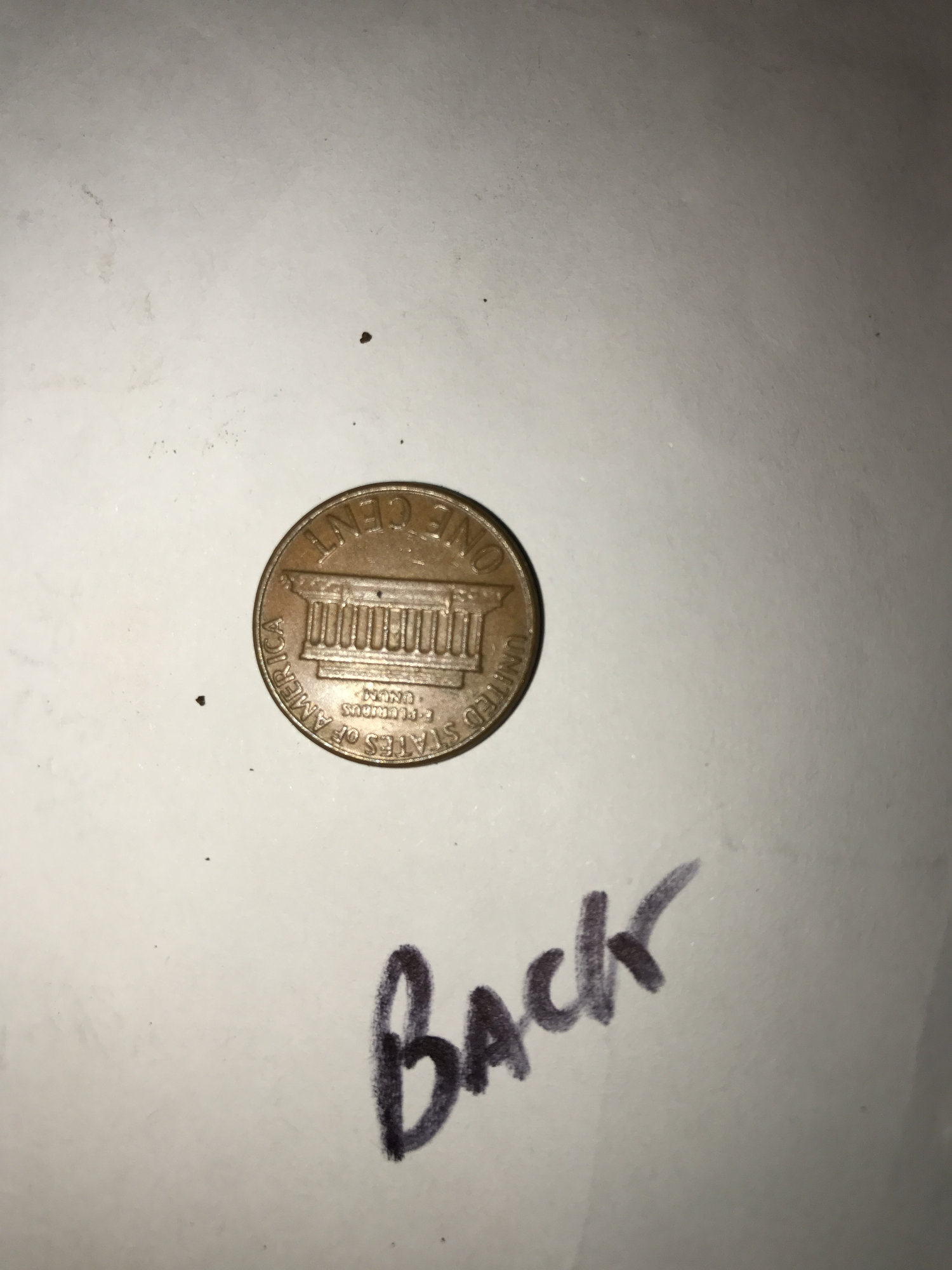
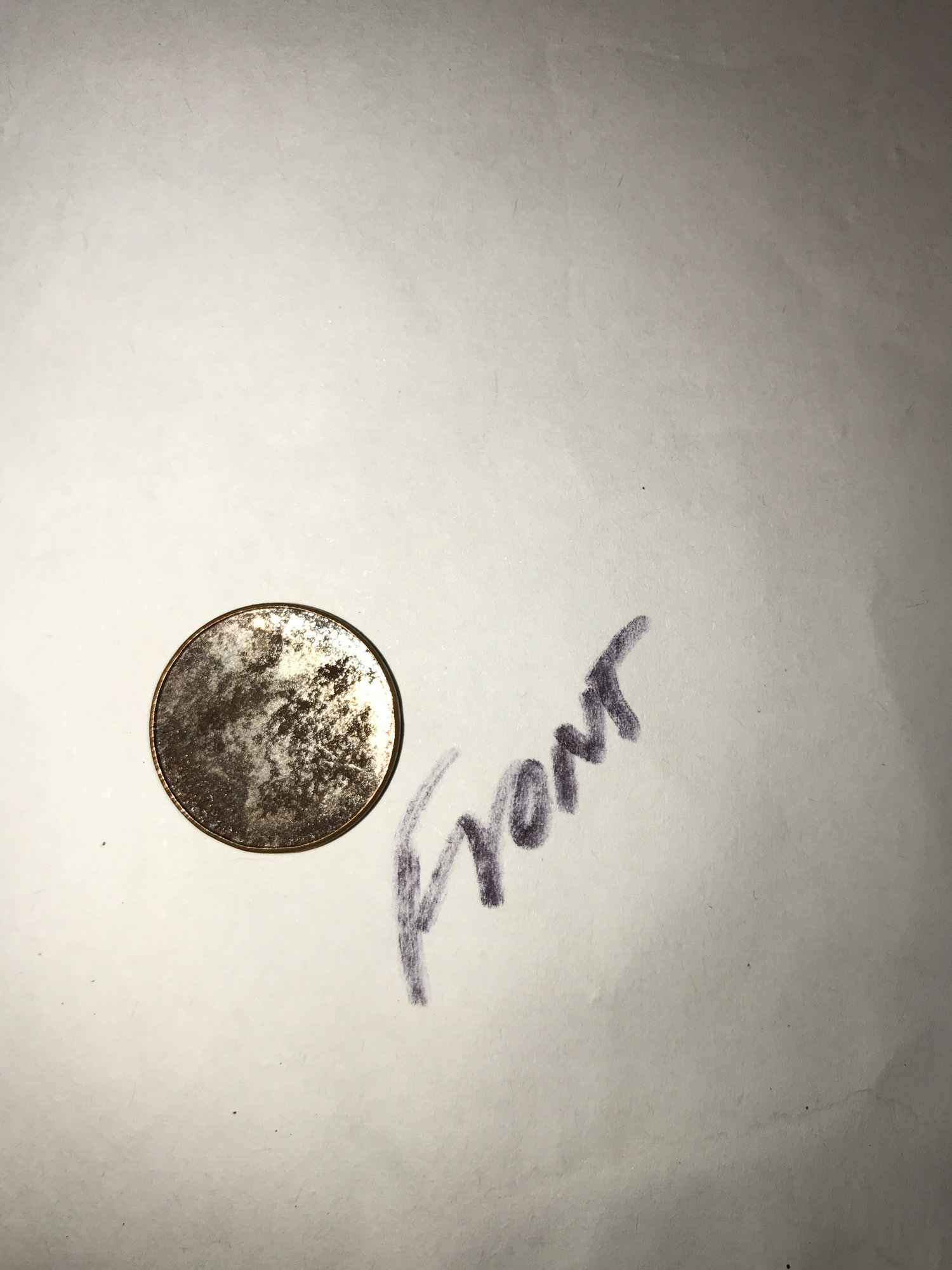
I had this rare one cent with missing face. This one cent had some steel in it. Someone can help me with it. 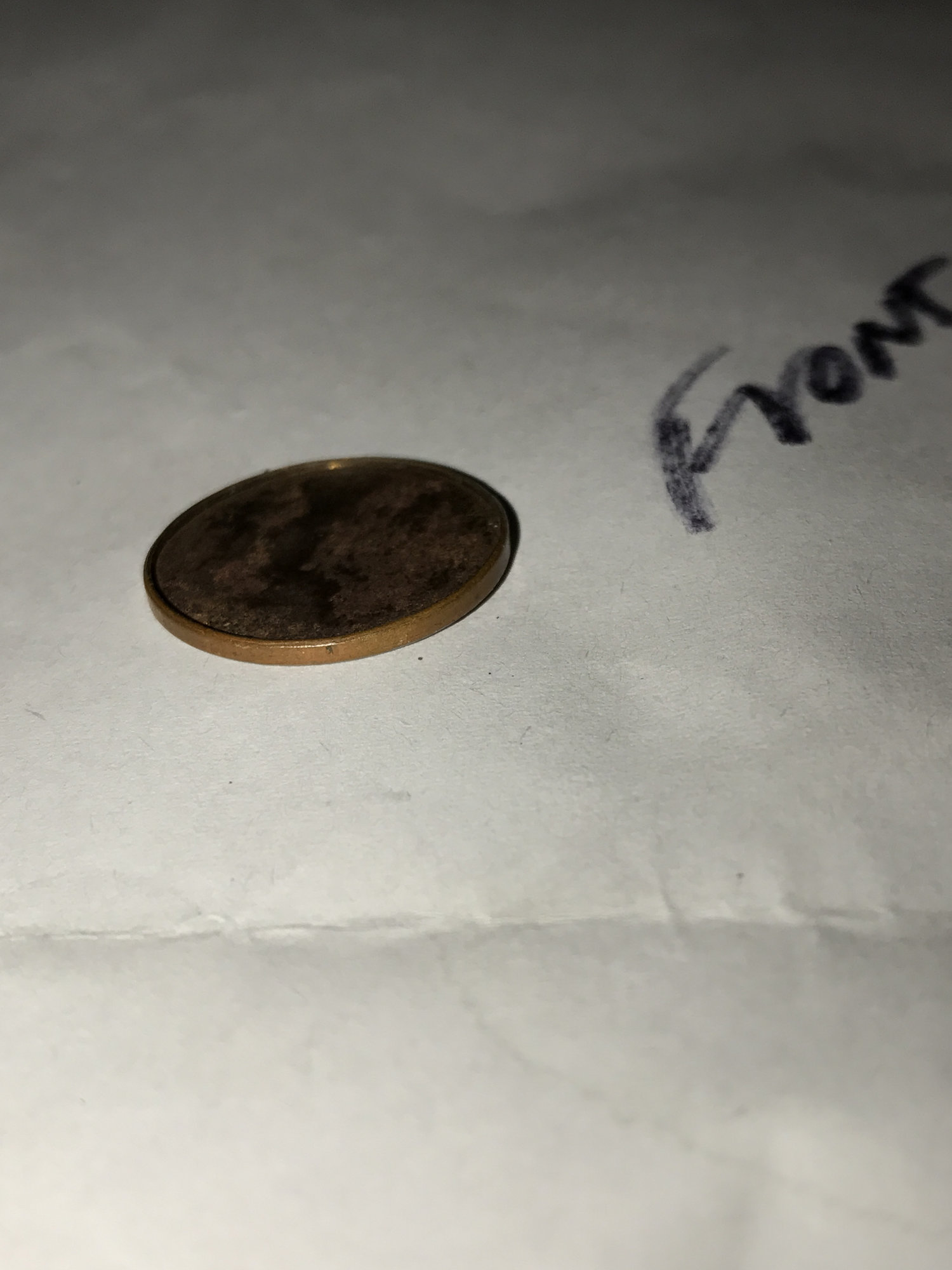
1
Comments
Welcome and congrats on your first post. That looks like post-mint damage of some kind because the reverse looks like a normal 60s-era reverse. Need a better picture of the obverse to be more conclusive.
I will let the experts weigh in but I think it is impossible for that coin to be struck legitimately like that. The scenarios where the obverse would be "missing" would; involve major errors and the coin would not be so well formed.
If the inner part is truly steel I imagine you might have half of a magician's coin. The steel might have been used to keep the other half in place, etc.
It looks like the front (obverse) might have been machined off with a lathe. Cents minted from 1983 through present are mostly zinc with a copper coating, so that may be zinc rather than steel. Knowing the weight would also help in determining exactly what has been done to this cent after it left the mint. It doesn't appear to be a mint error.
Judging by the deep obverse rim, I'd say machined.
Cheers
Bob
How did you determine it "had" some steel in it? Also, you say you "had" this rare one cent with missing face. Did you sell it?
You are correct, of course - I had assumed it was copper by the appearance of the reverse, but that is probably not a reliable test.
And not to pick on anyone, but how does someone know it is "rare" if they don't know what it is? Unusual, maybe, since they don't all come like that...
Next post is going to be for a 1964 'speshul strick' Lincoln 'penny'.
If the other side is machined zinc, then obviously this is correct, but that reverse definitely looks like the higher relief (and 95% copper) reverse of the 60s and 70s. Clearly discerning that from a photo is tough, though. It's possible that the "steel" color could not actually be the coin, but could be part of the adhesive or bonding that connected the "half cent" to whatever it was connected to. Zinc would likely be pitted and darker.
Just a damaged/mutilated cent of no numismatic value.
@Manolo29.... Welcome aboard..... It does appear that you have a damaged cent... likely machined as noted above, for some purpose. Cheers, RickO
Really I don't know, This penny was saved by my mother-in-law for many years. I can not know if it was machined by someone, I do not know what machinery could have done this, but I can tell you that it is also attracted by a magnet. I have a video in which the penny is seen attracted by the magnet, I could not post it because the forum does not give option for videos.
Welcome to the nut house Where every one get's a chance to talk, Have fun posting.
Hoard the keys.
It was machined by someone,
and there are lots of machines
that can, and do it, all the time
to coins - either out of boredom
by someone, or more likely,
it was going to be a two-tailed
magician's coin at some point.
It looks copper to me, and there
might be some added plating
that makes it a bit magnetic.
In any case, we can all assure
you that it did not leave the
US Mint like that.
Here is how the "Change a cent into a dime" trick (as used to be advertised at the back of comic books, along with the "X-ray glasses" and the "sea monkeys") works:
Take a cent and hollow out the obverse, leaving the edge intact.
Glue a thin magnet inside the shell.
Take a second cent and grind off the reverse and the edge, leaving just the obverse. Make it fairly thin.
Take a dime and grind off the reverse. No need to remove the edge; you want it to be about the same diameter as the thin obverse above. Make it thin.
Glue the two obverses together with a thin steel plate (that can be attracted to the magnet) between them.
Place the two-headed piece inside the shell with the cent head showing. The magnet will hold it in place. Show somebody the "perfectly normal cent," then put it behind your back, flip the two-headed piece over, and show your audience the "dime." Don't let them look at it or they will see the cent reverse part of the shell. Some practice required.
TD
The coin looks perfectly smooth internally.
Machining can do that.