Options
Removing PVC without using acetone?
 AmazonX
Posts: 681 ✭✭✭✭
AmazonX
Posts: 681 ✭✭✭✭
Does anyone know what I can use to remove PVC without using acetone? I have a contemporary counterfeit that is gilted(could also be paint?) that has active PVC and I don't want the gilt to removed.
Appreciate any help.
0
Comments
You could try this stuff, has a video on the site: http://www.conservcoins.com/
Acetone only affects biologics, not metal. Would not harm the gilt.
bob
If it's paint the acetone may dissolve it.
it's crackers to slip a rozzer the dropsy in snide
@AUandAG @tommy44 I'm posting a photo. What do you guys think?
Edit: PVC is on the rim and edge of the rim.
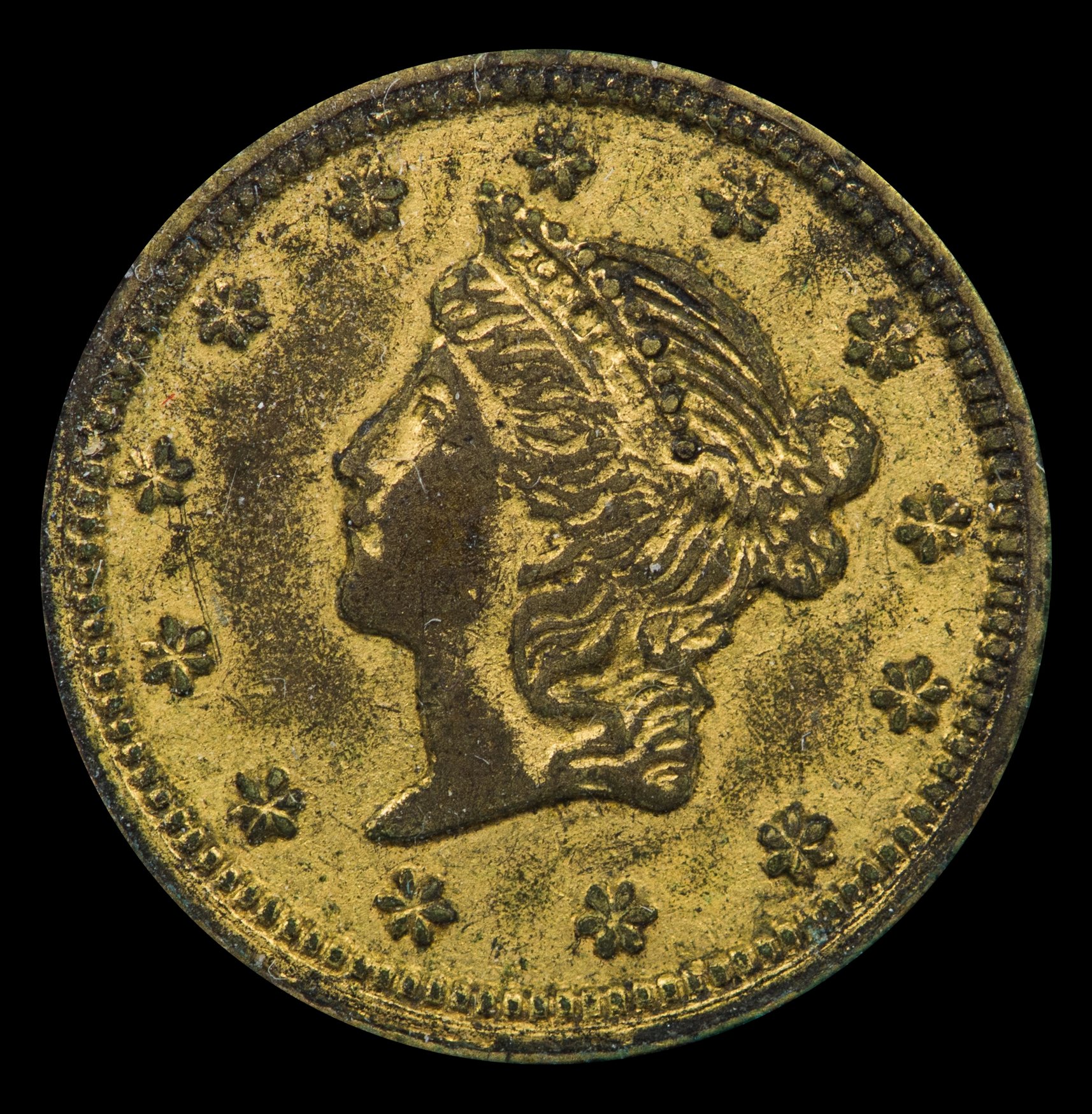
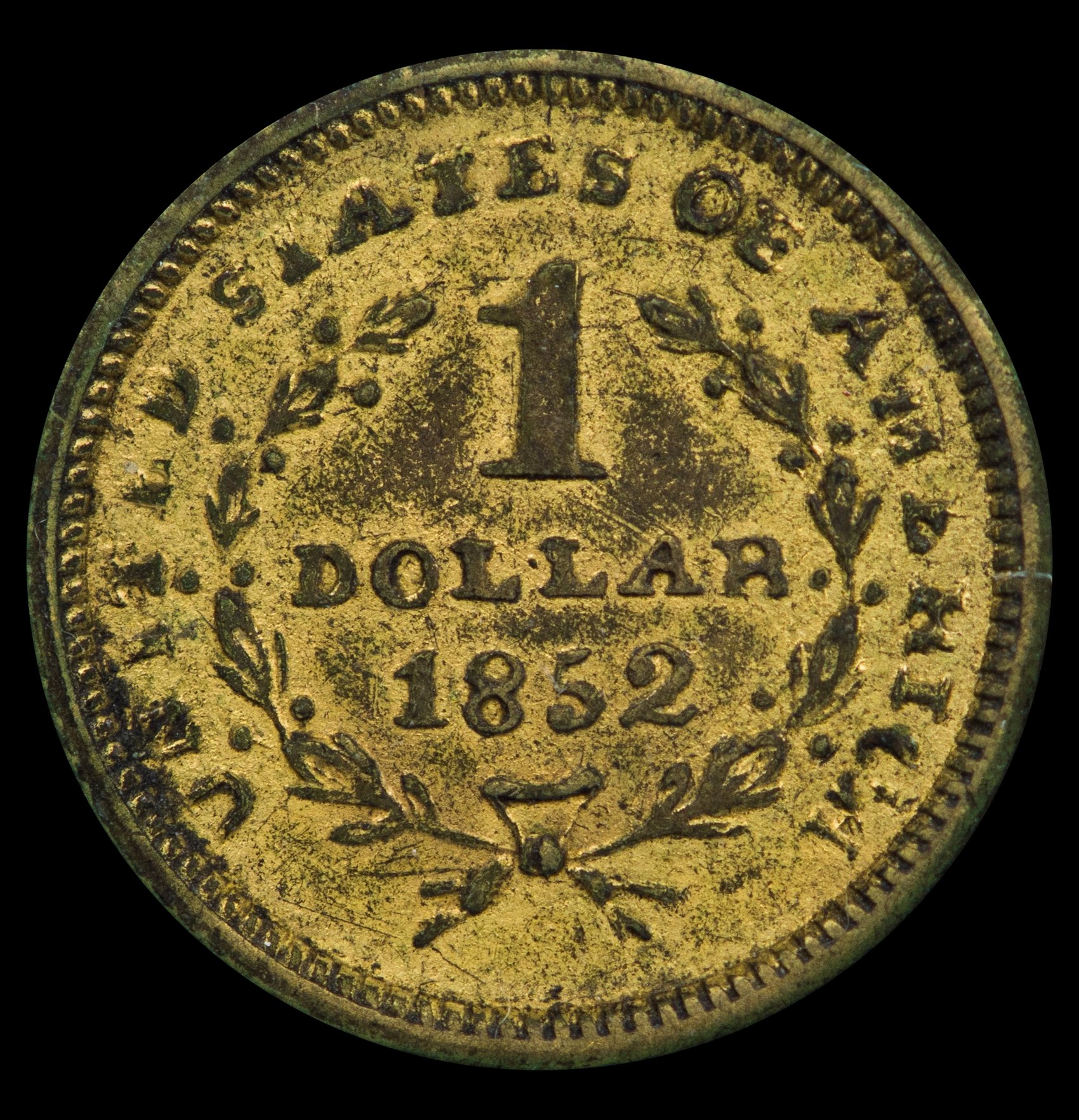
Real nice piece! Acetone should not hurt it. Anyway, swish it around in hot soapy water and dry with hair dryer, Don't rub it - swish it around with your fingers. You can soak it first and then swish it. Then if you don't know what you are doing - I would not go further.
Edit: Some green on the obverse rim. Sharpen a tooth pick after the soak and see if it pushes off. Only try once in an outward direction - field to edge. After soap & water, take a clean toothpick, dip it in acetone and see if it removes any "gilt" between the reeding. If it does not, go ahead and swish it in acetone.
@Insider2 Good suggestions. Would the soap water get it off? Would it be possible that some of the contamination would spread that way?
Your coin appears dirty w/traces of the green gunk that happens to copper alloys. If this coin were sent to NCS. ICG or PGGS for conservation it would have already been done in the time it has taken me to type this sentence!
You and I are not professionals. There are several ways to tackle the coin that I don't wish to post so that someone does not ruin their coins. What I have shared with you so far cannot hurt your coin. I use a heated Ultrasonic cleaner. With that, If done properly, hot water alone would remove most of the crud. The Verdi-Care or Coin Care will work also but you do not want to rub a dirty coin when you apply the product as you may cause hairlines. As I wrote, I'm making more of conserving this coin than necessary.
Do the "gilt test. Take a toothpick, slice the point with a razorblade a few times to make a "micro-brush" to soak up some acetone. Dab it on the edge. Then, take the sharp point on the other end and push it into the hollow of the reeding where the acetone is. If no gilt comes off, you can use the acetone.
Step one 1. soap and water soak - no rubbing
2. dry
3. test edge
4. (you probably don't have this) Coin Care soak.
5. Remove stubborn crud. The real lab rats do much of this using a microscope to "push off" stubborn debris. 6. acetone rinse.
Practice makes perfect. IF you have some other dirty coins, play with them first. The coin you posted will still be there.
The crud, I don't mind. Shows that it actually circulated.
Ah, this makes sense. I didn't get before. I just figured you were saying to gently scrap the pvc off.
Thanks for the help! Will work on it this weekend(suppose to rain again. Boo!)
Doesn't look genuine to me when compared to the images on our host's CoinFacts site. Also doesn't look like paint on the surface. I don't think a long soak in acetone would do any damage.
it's crackers to slip a rozzer the dropsy in snide
Acetone will dissolve organic compounds, not only biological compounds. Acetone is an organic solvent and, as stated above, will not dissolve metal.
See http://www.doubledimes.com for a free online reference for US twenty-cent pieces
It's a contemporary counterfeit
I recently placed a coin with "hidden" PVC residue in a glass dish of acetone. I was surprised at how green the acetone turned after a few minutes. My guess is there was quite a bit of PVC that had adhered to the edge of the coin as well as some residue on the obverse and reverse.
See http://www.doubledimes.com for a free online reference for US twenty-cent pieces
acetone should be safe. The other alternative I can think of is a very alkaline solution, that might damage the gilt.
MS70 on a Qtip, slowly roll the qtip across the coin without rubbing. Rinse in very warm water.
The suggestions from Insider2 should definitely produce results.... if not, you have a different problem - perhaps copper underneath the gilt producing verdigris.... Is this for a collection of counterfeits? Cheers, RickO
amazing piece, congrats on the pick up
BHNC #203
Good advice. I've been pushing "ultrasonic" here for years.
The slug is forming on the rim and the edge of the rim so I don't think it's from the copper, just from improper storage.
Yes, I collect contemporary counterfeits.
Duh! Someone remind me to pay attention to what I'm reading in the original post.
it's crackers to slip a rozzer the dropsy in snide
Verdi-Care will remove PVC along with many other contaminants and is extremely safe. Just expensive relative to acetone. You can buy it at wizard coin supply or ebay
@SoCalBigMark said: "MS70 on a Qtip, slowly roll the qtip across the coin without rubbing. Rinse in very warm water."
You sir are to be congratulated for posting what the conservation gang uses much of the time. That is the "dirty" fast way to fix it. I should still suggest the slow route to a beginner. Hot soapy water, Coin Care, acetone, and then the MS-70 as each step should remove stuff. Warm water is not enough rinse for MS-70. You'll need very hot soapy water to remove it followed by distilled water rinse. While we are divulging secrets-of-the-trade, deionized water rinse if you can get it.
The Colonel is correct. If you are going to clean your coins at home. Get an Ultrasonic cleaner. The more expensive the coins, the more you should spend. I use a Branson heated unit with holes for four different solutions. These units can destroy a coin quickly if you don't know what you are doing!
@AmazonX said: "I collect contemporary counterfeits."
I collect all C/F's. My favorites are the extremely deceptive ones coming out now. Hard to pry them loose from the dealers who have paid big money and gotten stung.
I would use Acetone.