Options
Copper for the weekend
 Ed62
Posts: 857 ✭✭
Ed62
Posts: 857 ✭✭
Ed
0
Ed62
Posts: 857 ✭✭
Comments
.
CoinsAreFun Toned Silver Eagle Proof Album
.
Gallery Mint Museum, Ron Landis& Joe Rust, The beginnings of the Golden Dollar
.
More CoinsAreFun Pictorials NGC FOR SALE
<< <i>
Very nice. What is the grade?
Currency Wants: Any note with serial number 00000731
<< <i>Very nice. What is the grade? >>
65RD. I paid way too much.
Lance.
I ofter see these coins with rough and discolored planchets, while the 1839 Silly and Booby Heads, and the Type of 1840 often come very nice. Is there any reference work that discusses the minting and the source of the copper for these coins?
The example below was purchased from Heritage. The TrueView is true to the reddish discolorations.
For myself, I like the obverse die crack, but that's my own wierd way of looking at coins and the technology of the day.
Grade is PCGS F15BN:
==Looking for pre WW2 Commems in PCGS Rattler holders, 1851-O Three Cent Silvers in all grades
Successful, problem free and pleasant transactions with: illini420, coinguy1, weather11am,wayneherndon,wondercoin,Topdollarpaid,Julian, bishdigg,seateddime, peicesofme,ajia,CoinRaritiesOnline,savoyspecial,Boom, TorinoCobra71, ModernCoinMart, WTCG, slinc, Patches, Gerard, pocketpiececommems, BigJohnD, RickMilauskas, mirabella, Smittys, LeeG, TomB, DeusExMachina, tydye
<< <i>
cool, i like
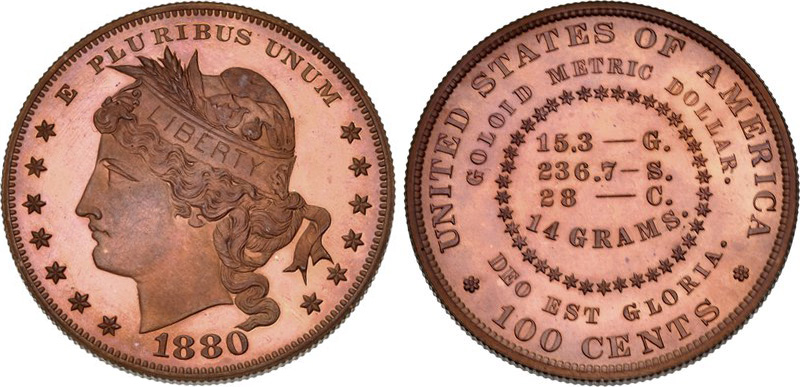
"Goloid is an alloy of silver, gold and copper patented by Dr. William Wheeler Hubbell on May 22, 1877 (U.S. patent #191,146). The patent specifies 1 part gold (about 3.6%), 24 parts silver (about 87.3%), and 2.5 parts copper (about 9.1%, all by weight); however, the patent also states that "The proportions may be slightly varied" and goes on to specify that the silver portion can range from 20 times to 30 times that of the gold, and the copper could range from one-eighth to one-twelfth (from 12.5% to 8.33%) of the total mixture. The patent specifies that the metals be separately melted, then mixed, along with "sulphate of sodium or sulphate of potassium" in the amount of one part sulfate to one thousand parts metal. The alloy, in varying proportions (sometimes slightly out of these specifications), was used by the United States Mint to strike pattern dollars, sometimes called "metric dollars" (some were marked with "metric" in the coin design, while all had metal proportions and total coin weight as design features) from 1878 to 1880. Patterns of the same design were struck in other metals, including aluminum, copper, normal coin silver, lead, and white metal.
In the end, goloid was rejected as a coinage metal because it could not be distinguished from the normal U.S. 90% silver coin alloy without chemical analysis, thus inviting counterfeiters to use silver-copper alloys alone to make lower-value copies."
Source and further information:
http://en.wikipedia.org/wiki/Goloid
Cheers, RickO
My Collection of Old Holders
Never a slave to one plastic brand will I ever be.
-~-~-~-~-~-~-~-~-~-~-~-~-~-~-~-~-~-~-~-~-~-~-~-~-~-~-~-~-~-~-~-~-~-~-~-~-~-~-~-~-~-~-~-~-~-~-~-~-~-~-~-~-
My sets: [280+ horse coins] :: [France Sowers] :: [Colorful world copper] :: [Beautiful world coins]
-~-~-~-~-~-~-~-~-~-~-~-~-~-~-~-~-~-~-~-~-~-~-~-~-~-~-~-~-~-~-~-~-~-~-~-~-~-~-~-~-~-~-~-~-~-~-~-~-~-~-~-~-
1946-S PCGS MS64 BOOKER T.WASHINGTON 50 CENT
My Ebay
1934-1958 RB Lincoln Short Set
Currency Wants: Any note with serial number 00000731
My Ebay
1934-1958 RB Lincoln Short Set
1789 Isaac Perrins, Warwickshire D&H-13, 1 Penny
This large 34mm diameter copper token/medal was struck to promote the upcoming fight between Perrins and Johnson. It's a tough to locate D&H variety issue free in XF condition and above as most seen are holed for suspension, heavily scratched, or environmentally damaged.
Isaac Perrins:
Born in 1751 was an English bareknuckle prizefighter, engineer, and a man reputed to possess prodigious strength but a mild manner. He fought and lost one of the most notorious boxing matches of the era which was a physically mismatched contest against the English Champion Tom Johnson.
During the period when he was prizefighting Perrins worked for Matthew Boulton and James Watt manufacturers of steam engines at their Soho Foundry in Birmingham. He also traveled around the country and acted as an informant on people who were thought to have breached his employer's patents. In the later years of his life he also ran a public house in Manchester and undertook engineering work on his own account. He was appointed to lead the Manchester fire brigade in 1799 and died a year later in the performance of his duties.
Bareknuckle fighting was particularly popular during Perrins lifetime. Fights ran the risk of being classified as disorderly assemblies but in practice the authorities were concerned mainly about the number of criminals congregating there as the patronage of the aristocracy included royal princes and dukes and other wealthy people.
Isaac Perrins fighting Thomas Johnson in 1789:
London was the premier center for boxing because the aristocratic supporters of the sport. Birmingham was often portrayed as second only to London for the sport and in 1789 there were a series of challenges issued by fighters from the Birmingham area to opponents based around London. These challenges were intended to demonstrate the level of organization and confidence among the Birmingham boxers and their supporters. Three of these challenges were accepted, including that from Perrins to Tom Johnson. Perrins had already issued a general challenge offering to fight any man in England having already beaten all challengers in the counties around Birmingham.
The fight took place on 22 October 1789 and was billed as a battle between Birmingham and London as well as for the English Championship. The two men were around the same age but physically very different. Perrins stood 6' 2" tall and weighed 238 pounds while Johnson was 5' 10" and weighed 196 pounds. It was claimed that Perrins had lifted 896 pounds of iron with ease. The physical mismatch was later described as a fight between Hercules in the form of Perrins and Johnson as a Boy.
The first five minutes of competition saw neither man strike a blow and then when Perrins tried to make contact and Johnson dodged Perrins in return. Although Perrins held the upper hand in the first few rounds, Johnson then began to dance around the ring forcing Perrins to follow in order to make a fight of it. This shifting confused Perrins because the custom at the time was for the fighters to stand still and hit each other but the rules for this particular fight did not prevent it. Nor did they specify what should happen if a contestant fell to the ground which is what Johnson did in order to avoid being hit. Before long both fighters showed signs of their opponent's attacks with first Perrins and then Johnson suffering cut eyes and then further damage to their faces and by the fight's end Perrins head had scarce traces left of a human being. The fight lasted 62 rounds which took a total of 75 minutes to complete until Perrins became totally exhausted.
Chris' Complete Lincoln Variety Set 1909-date
Here are a few highlights from my upcoming "Penny Potpourri" exhibit at the Chicago ANA....
The Penny Lady®
Not really looking for much these days but if I were, it might be a toner.
Chris' Complete Lincoln Variety Set 1909-date