Options
Post Your Split Dies
 USSID18
Posts: 704 ✭✭✭✭✭
USSID18
Posts: 704 ✭✭✭✭✭
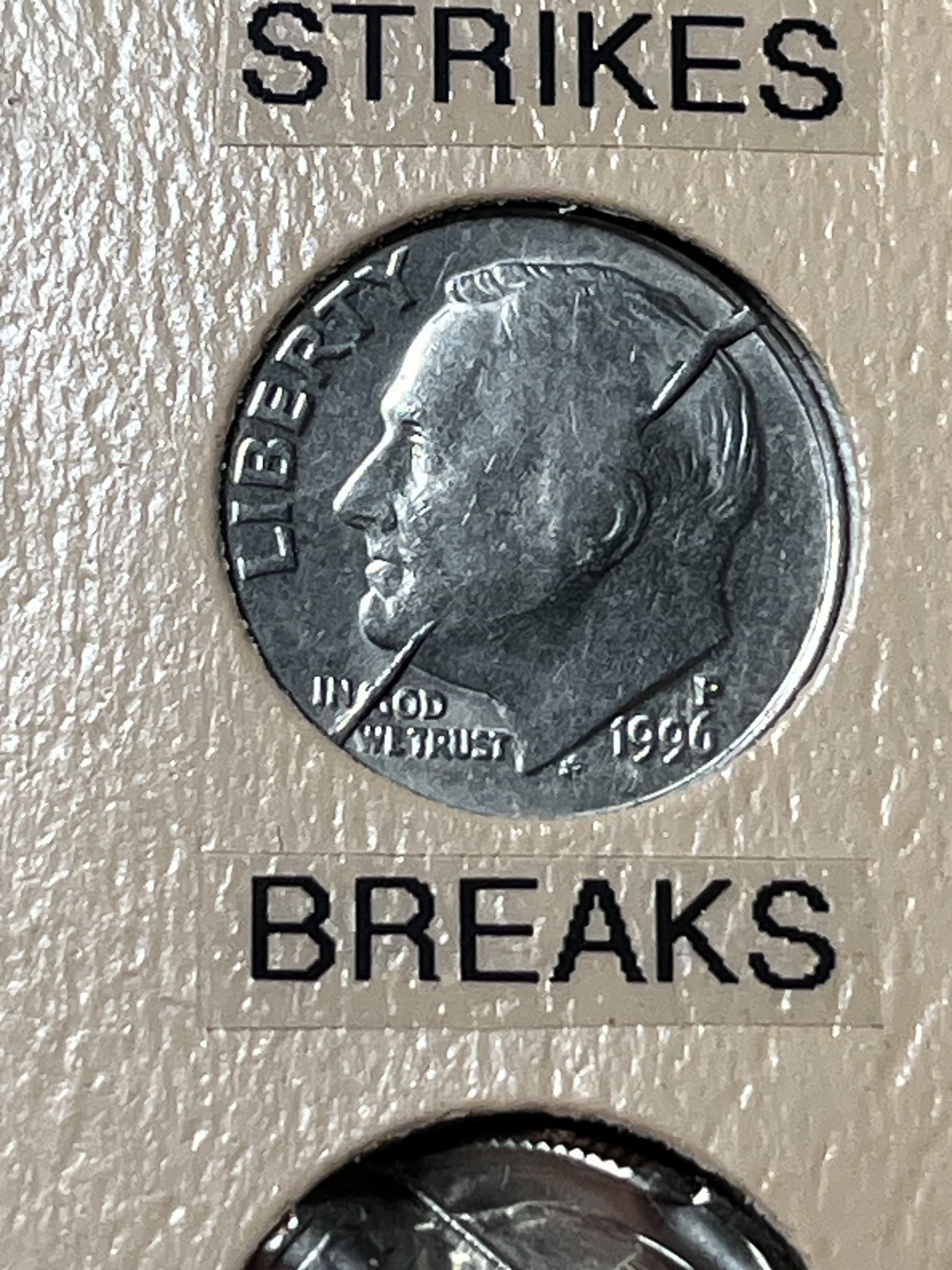
Rather then totally hijack @Kurisu thread, thought I'd start a new one. Always found these types of anomalies interesting. Postem' if you gottem'.
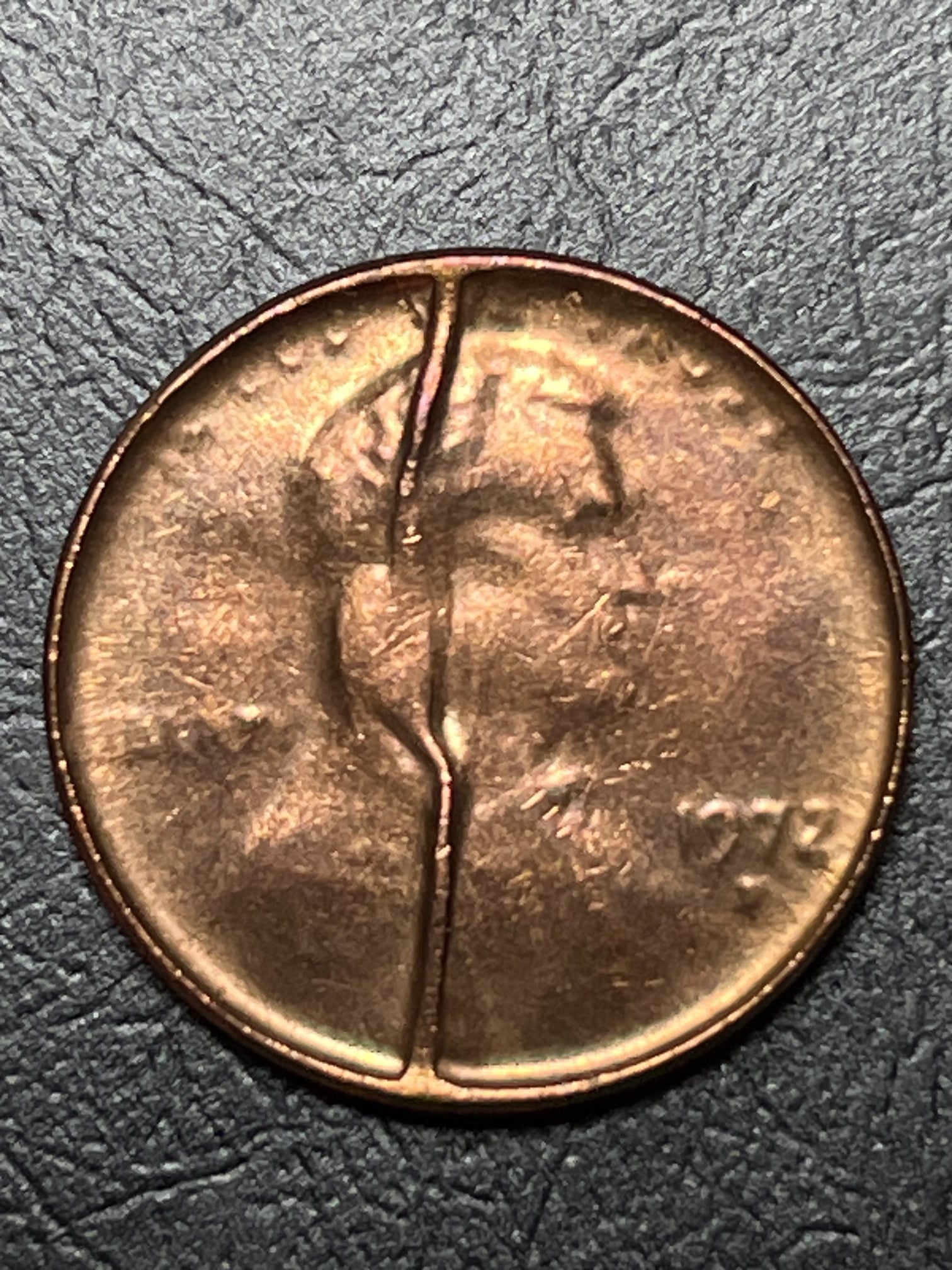
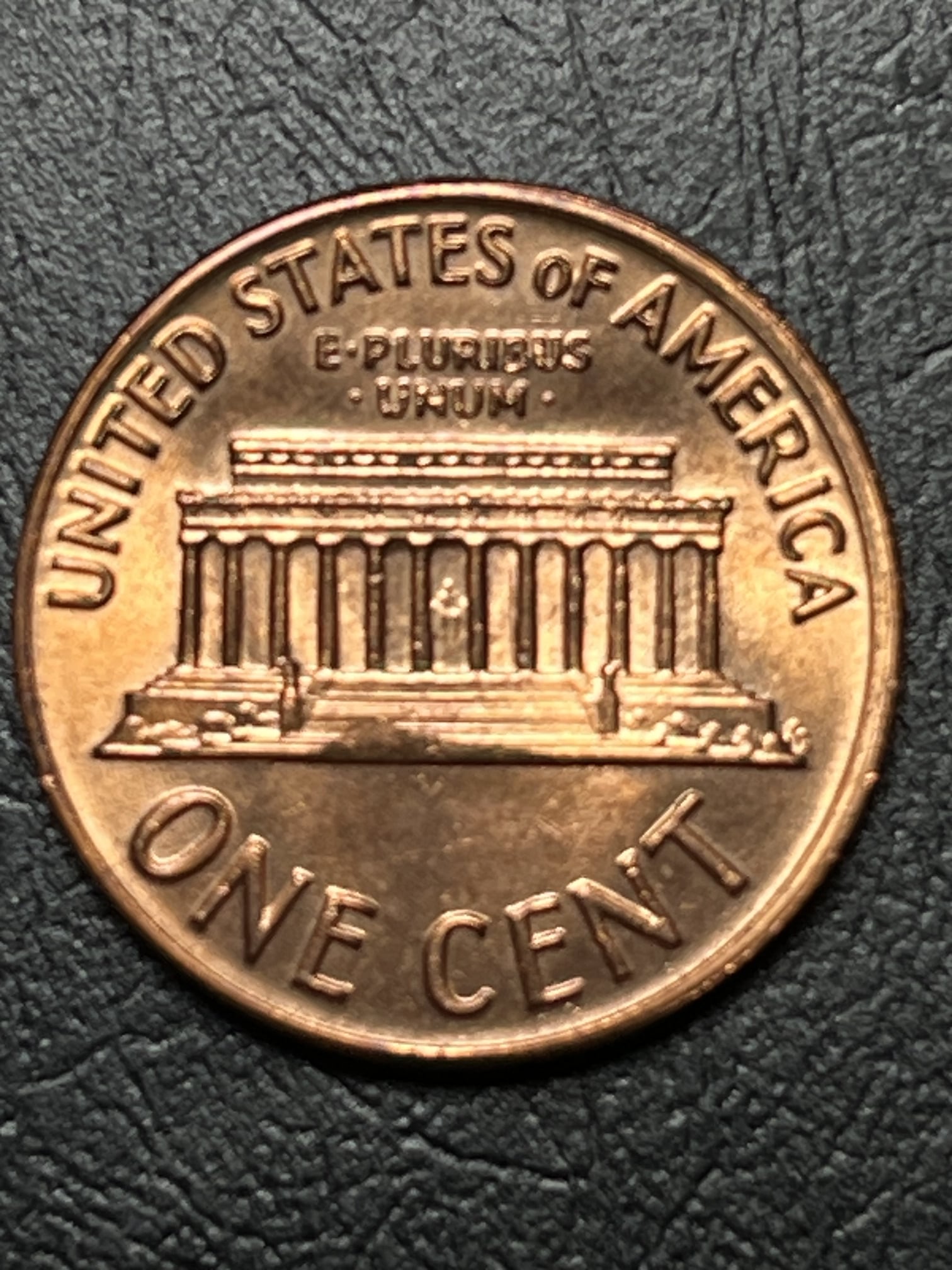
Disclaimer: I'm not a dealer, trader, grader, investor or professional numismatist. I'm just a hobbyist. (To protect me but mostly you! 🤣 ) "Formerly OAKSTAR with 8,777 posts"
10
Comments
Georgia
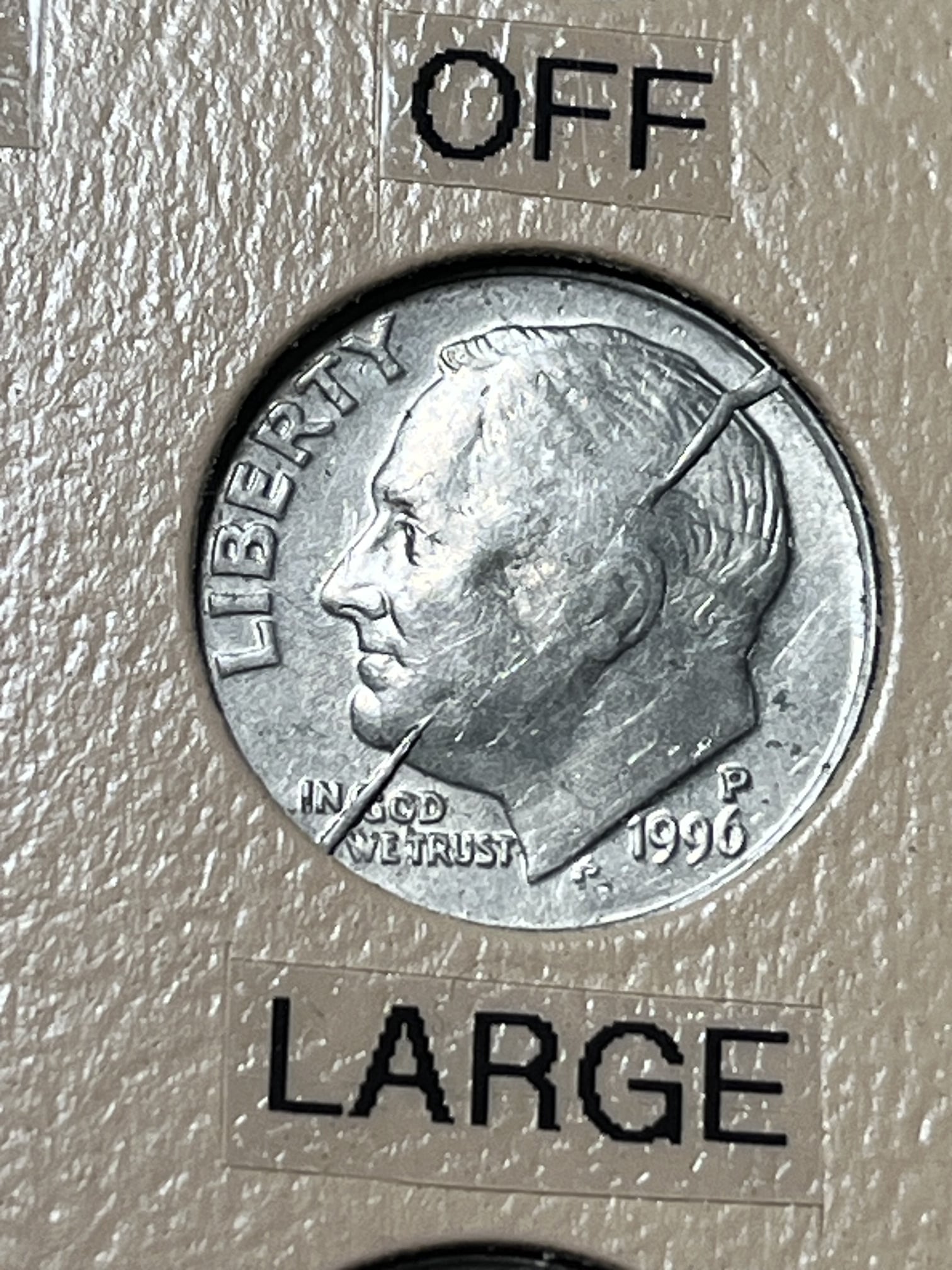
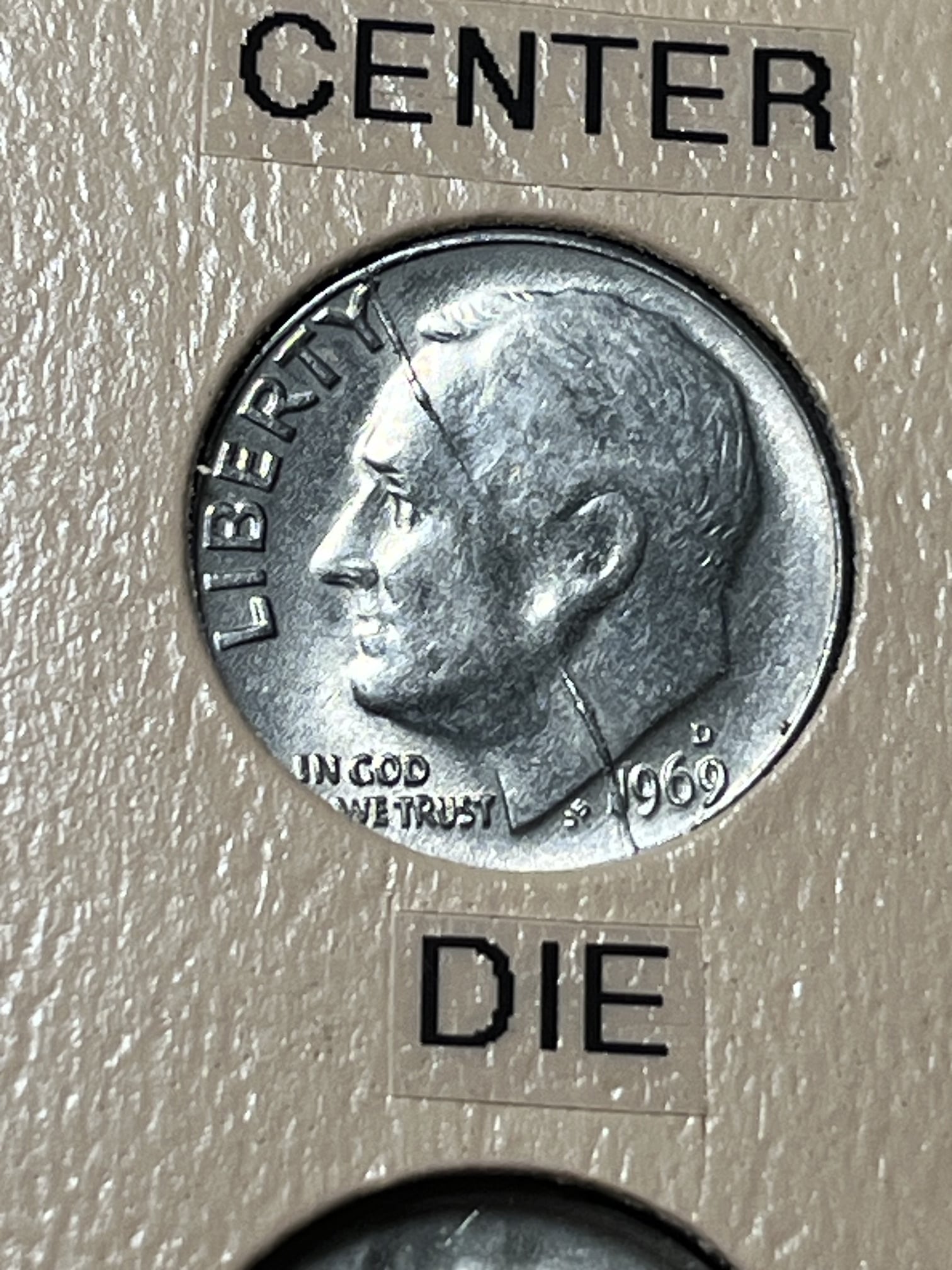
@johnny9434 are we talking about this?
Disclaimer: I'm not a dealer, trader, grader, investor or professional numismatist. I'm just a hobbyist. (To protect me but mostly you! 🤣 ) "Formerly OAKSTAR with 8,777 posts"
Yes 🤢
I think this one qualifies
“We are only their care-takers,” he posed, “if we take good care of them, then centuries from now they may still be here … ”
Todd - BHNC #242
@johnny9434 @pursuitofliberty I don't think those are split dies we're talking about. I think those are rather common die cracks... I might be wrong.
Disclaimer: I'm not a dealer, trader, grader, investor or professional numismatist. I'm just a hobbyist. (To protect me but mostly you! 🤣 ) "Formerly OAKSTAR with 8,777 posts"
While I agree with the cracks that @johnny9434 showed are just that, Die Cracks ... mine can probably be debated.
If you follow the crack from the R in AMERICA it traverses the entire dies (across the Eagle and to the rim just below the U in UNITED). Other Die cracks have also formed.
To me a "split" die is, in essence, a retained CUD that crosses the die from one side to the other. Your example in the OP is incredibly dynamic due to the complete sinking of both portions of the Obverse Die, and it is surprising to me that the Reverse struck up like it did. I would suspect a large amount of grease was on the obverse die causing that pressure.
Mine is also sinking, and if you look at the obverse, the striking weakness is noticeable.
Both sides for clarity;
“We are only their care-takers,” he posed, “if we take good care of them, then centuries from now they may still be here … ”
Todd - BHNC #242
@pursuitofliberty Thanks for that feedback. Still a beautiful coin and great conversation piece. 👍
Disclaimer: I'm not a dealer, trader, grader, investor or professional numismatist. I'm just a hobbyist. (To protect me but mostly you! 🤣 ) "Formerly OAKSTAR with 8,777 posts"
1799 BB-168
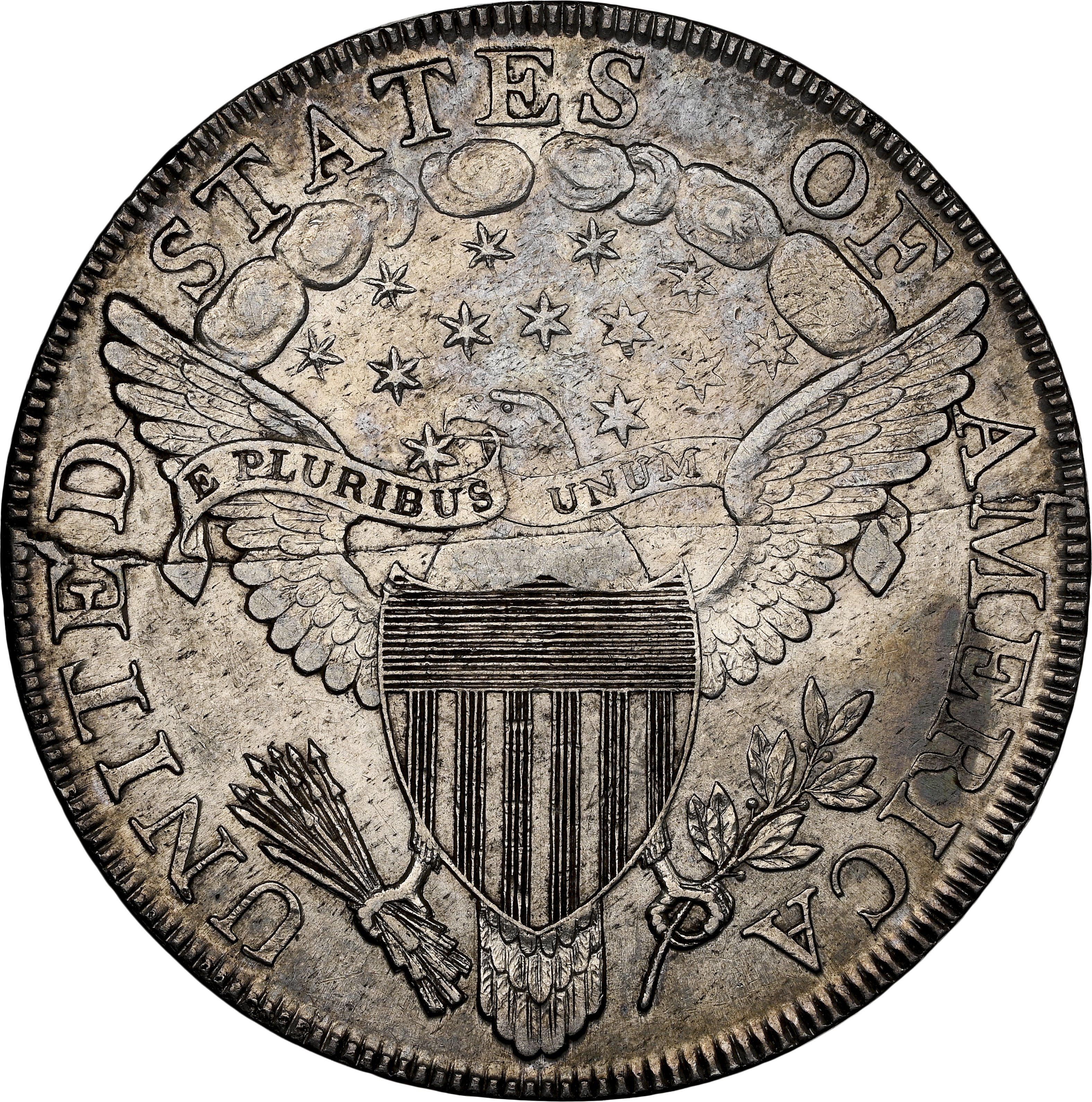
I think there somewhat related. The ones posted are much better then I posted
No, you are right. "Split" is broken rim to rim.
The top coin in the thread is a late stage capped die strike. Apparently a planchet got stuck in the crack as it was being struck and became a cap, which spread out and became thin enough to let much of the obverse design show through.
Here’s an interesting one for sale on eBay
https://www.ebay.com/itm/318503822814
I heard they are very rare in that once the die begins to split you only have so many strikes maybe a bakers dozen ?
What is consensus on the reverse damage on this piece? Could it be die fragment gouges during ejection? Or PMD ?
It's all about what the people want...
Pmd
Those gouges on the reverse are PMD (post mintage damage).
Worry is the interest you pay on a debt you may not owe.
"Paper money eventually returns to its intrinsic value---zero."----Voltaire
"Everything you say should be true, but not everything true should be said."----Voltaire
@LukeMarshall Is the 72-D slabbed?
Disclaimer: I'm not a dealer, trader, grader, investor or professional numismatist. I'm just a hobbyist. (To protect me but mostly you! 🤣 ) "Formerly OAKSTAR with 8,777 posts"
Its not slabbed , I gave a coin roll hunter around a hundred for it after becoming a bit fascinated with errors.
Im a sucker for wishful thinking, but I figured it was post mint damaged on the reverse.
Still, I am happy to have an example of the split die regardless.
It's all about what the people want...
The obv is still great! 👍
Disclaimer: I'm not a dealer, trader, grader, investor or professional numismatist. I'm just a hobbyist. (To protect me but mostly you! 🤣 ) "Formerly OAKSTAR with 8,777 posts"