Options
1943 Steel Cents
 gashmios
Posts: 504 ✭✭✭
gashmios
Posts: 504 ✭✭✭
I'm not sure how we ever know how if these coins are plated or not
These were picked up cheap
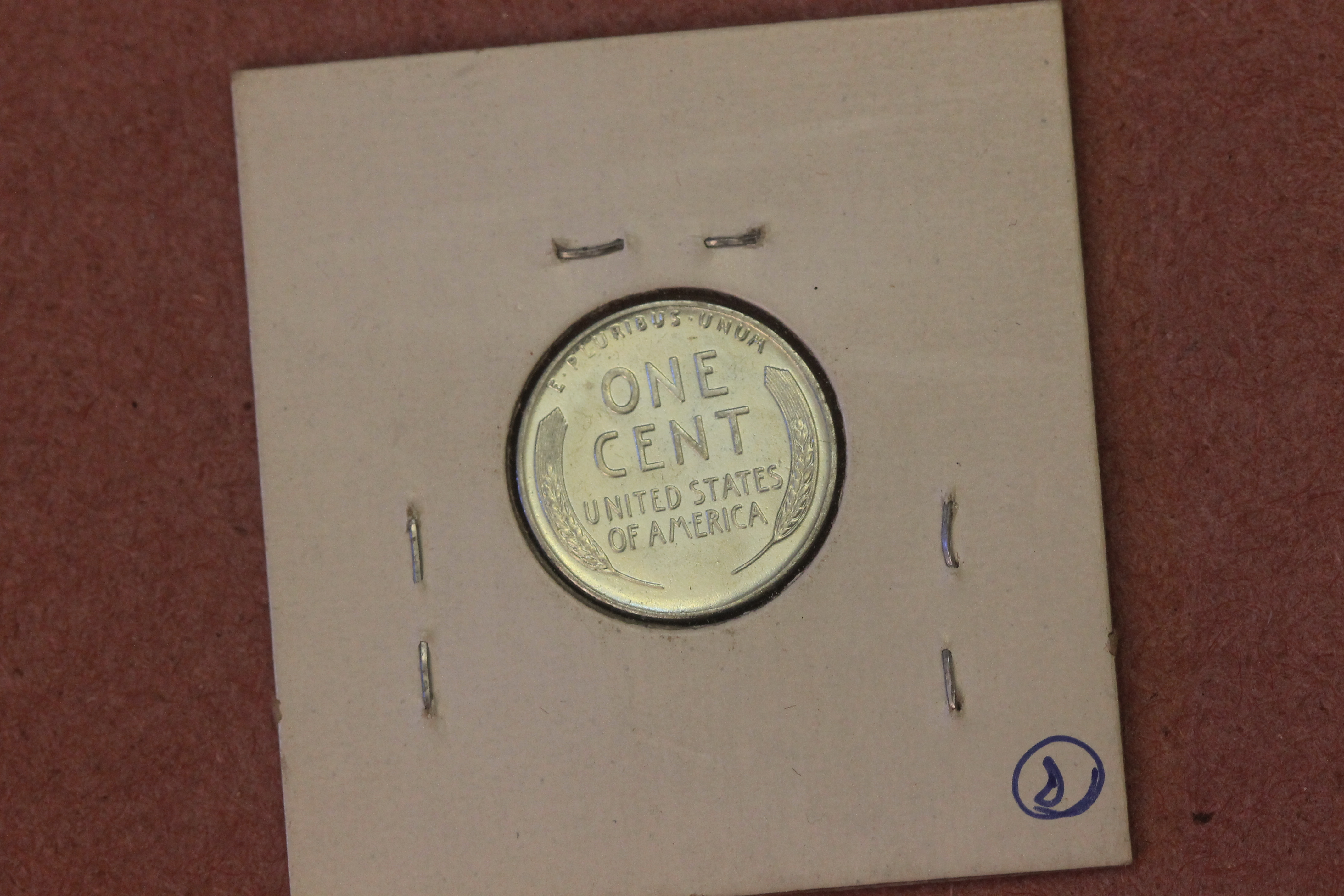
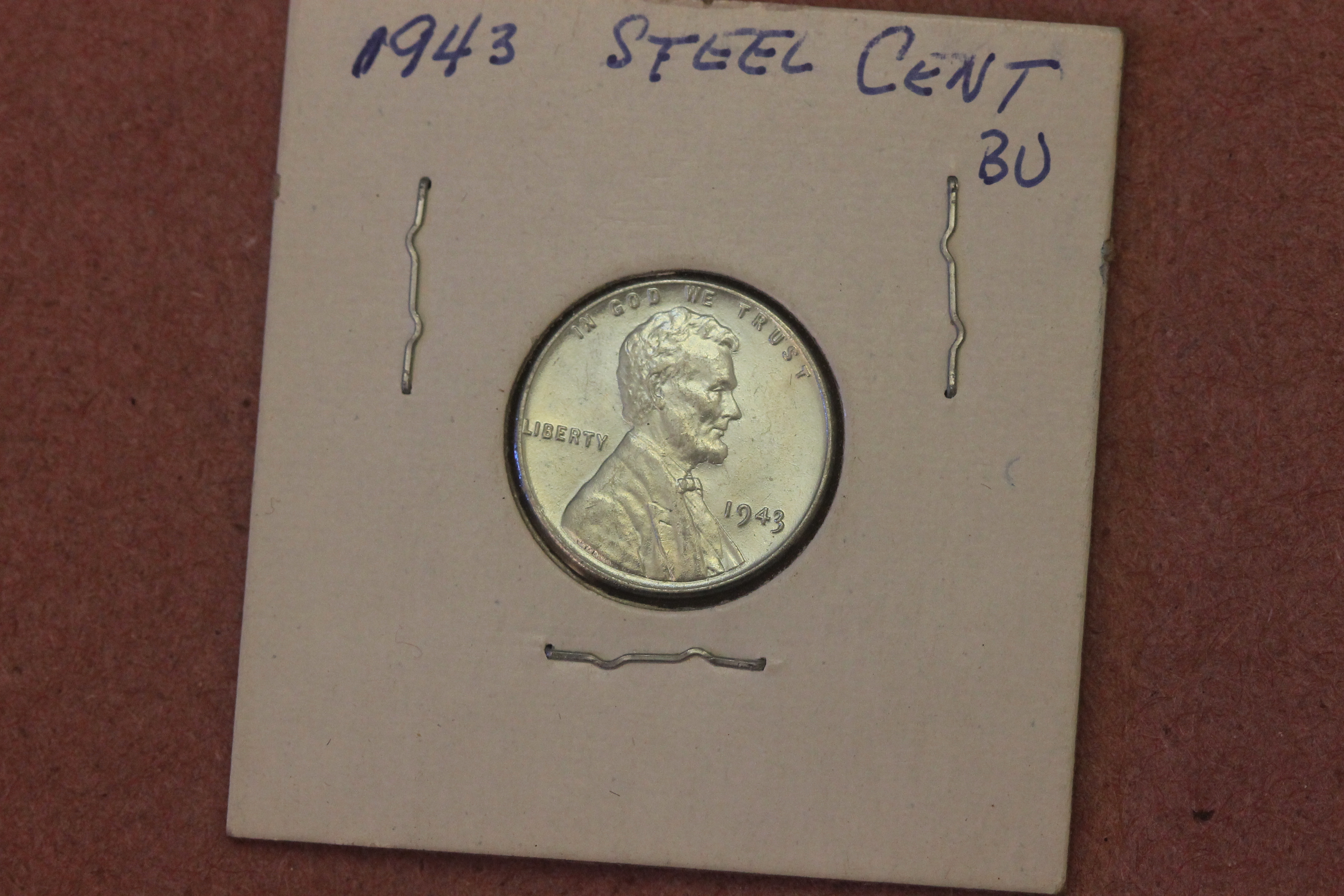
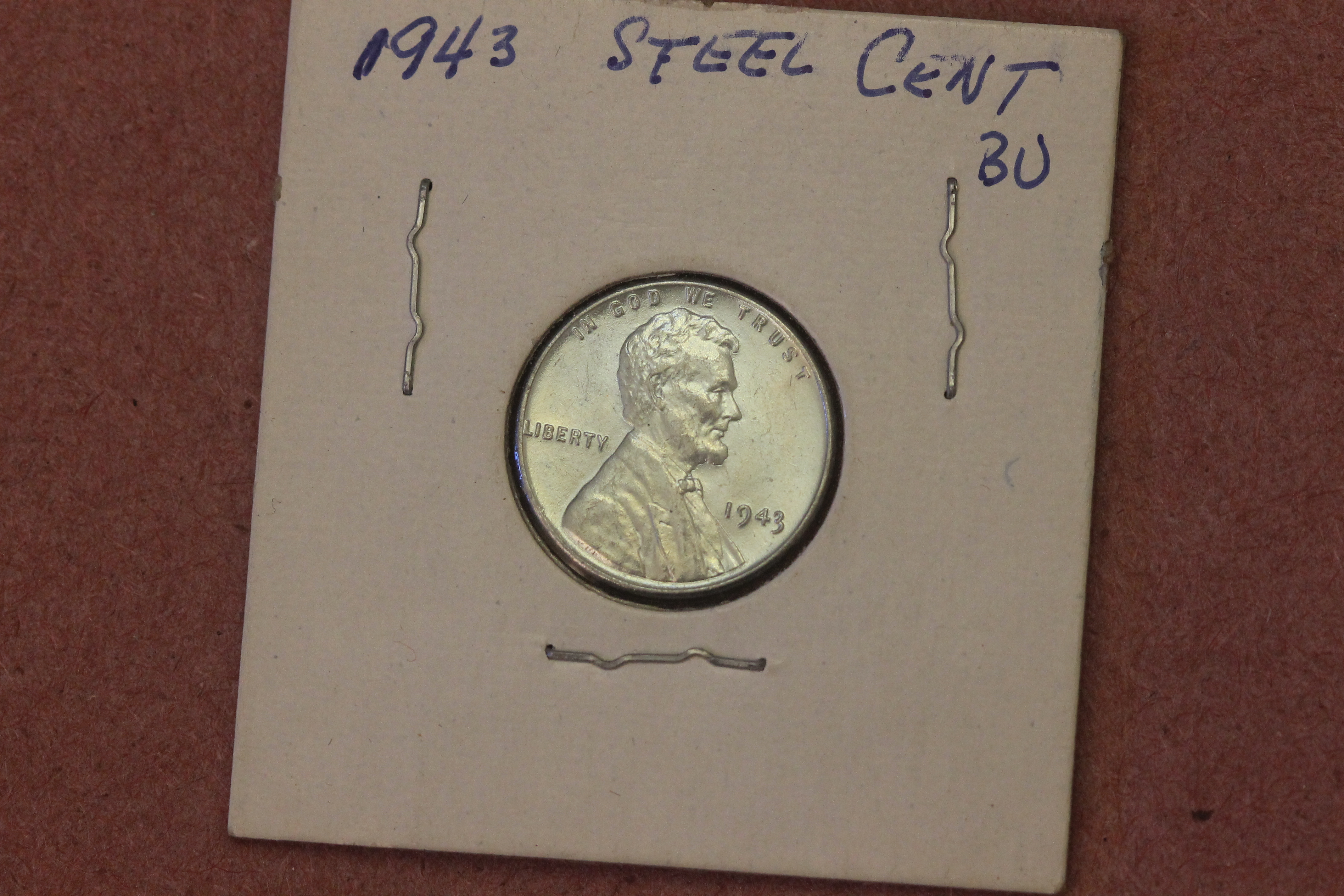
So many immigrant groups have swept through our town that Brooklyn, like Atlantis, reaches mythological proportions in the mind of the world - RI Safir 1998
1
Comments
All 1943 cents are plated.
Your pictures seem to show normal 1943 cents, so it's an good bet that they're plated like they're supposed to be.
Might be referring to the “reprocessed” 43 steelies sold back in the ‘60s
https://www.ngccoin.com/news/article/6810/counterfeit-detection-september-2018/
I guess he knew how all along. What a roller coaster ride this thread has been. Talk about twists and turns!
These coins were actually body bagged from PCGS over 15 years ago. So I always wondered how the determination could be made. HS students can do electrolysis.
Why were they sent in in to pcgs the first place?
Micah Langford - https://www.oldglorycoinsandcurrency.com/
They look painted.
They were body bagged because they have been replated. As soon as I saw them, I knew that they were too bright. The original pieces are duller, sort of matte.
The reprocessed cents don't have any cartwheel effect, they're just uniformly bright with no flow lines.
A sure giveaway is the edge. Steel cent blanks were punched out of sheets of plated steel, so an original-skin 1943 steelie will show the "edge sandwich" of two layers of zinc plating surrounding the steel core, not entirely unlike a modern clad coin, with the zinc layers a definitely different colour to the steel core. Unless the replaters have gone to way more trouble than an Unc steelie is worth, the edge of a replated steelie is going to be plated too, leaving no discernible "layers" to see on the edge.
Roman emperor Marcus Aurelius, "Meditations"
Apparently I have been awarded the DPOTD twice.
Thank You for that wonderful information!
Please keep in mind one way that a 1943 coin was excluded from a statement and did not follow any rule.
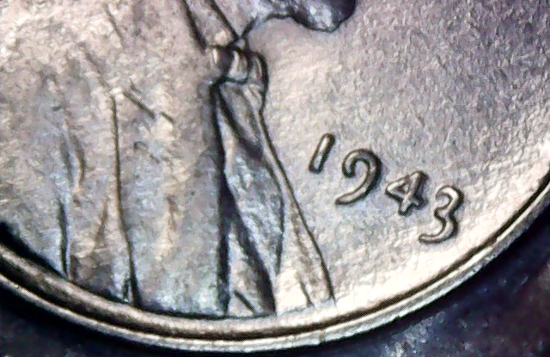
This careless assumption did follow the rule, of a fool, and to this day, I'll never say which auction house allows this customer servant to destroy their own inventory.
Let me explain.
In 1943 you receive this coin. You think it needs to be put away and saved. In the jar it goes.
Sixty five years later, your family decides to dump the coins in your jar at the bank.That's now done.
Your 1943 steel cent slams its self against a super magnet with no other movement for 10 more years inside a coin counting machine. I come along and disassemble the out dated machine.
I pull the super magnet out and low and behold, whats this ? The photo below.
The "edge sandwich" of two layers of zinc plating surrounding the steel core.
.
This could happen to you.
I have a whole roll of re-plated 1943’s once you’ve had a look at one it is easy to recognize.
It is not just the 1943.
A plating company near me had a bag of non zinc cents. Mostly memorials, but a fair amount of wheat cents. They would toss 5 - 10 into each lot of parts being processed to check the efficiency of the cleaning processes (the cents glowed brilliant copper after a clean) and then off to plating, mostly zinc. There was an ultrasonic tool to check plating thickness.
afterwards, the cents went would typically be spent, as it was not worth the cost to strip the zinc plating off of them.
I thought the reprocessing of these was usually on lower grade coins to make them "look new". I don't know why it would ever be done to an uncirculated coin.
Collector, occasional seller
People get ideas in their head...(as most parents come to learn)