Options
Matte Heads......BN or RB
 robec
Posts: 7,027 ✭✭✭✭✭
robec
Posts: 7,027 ✭✭✭✭✭
robec
Posts: 7,027 ✭✭✭✭✭
robec
Posts: 7,027 ✭✭✭✭✭

Comments
WS
-Paul
It's Brown/Red...
https://pcgs.com/setregistry/showcase/2819
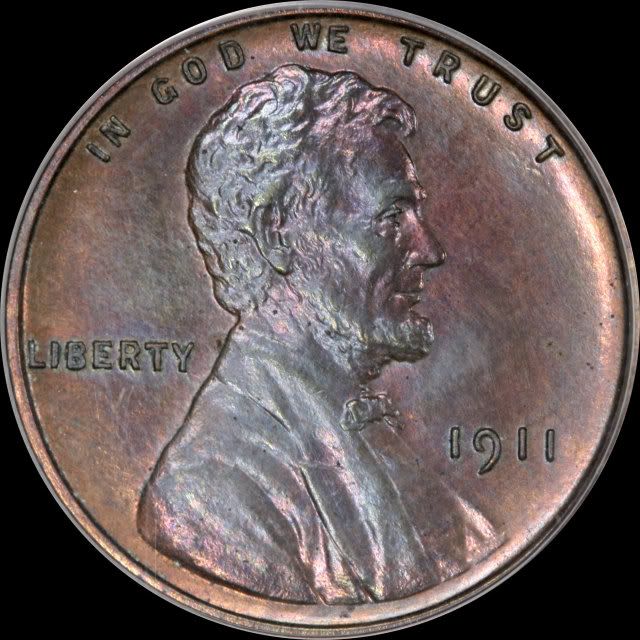
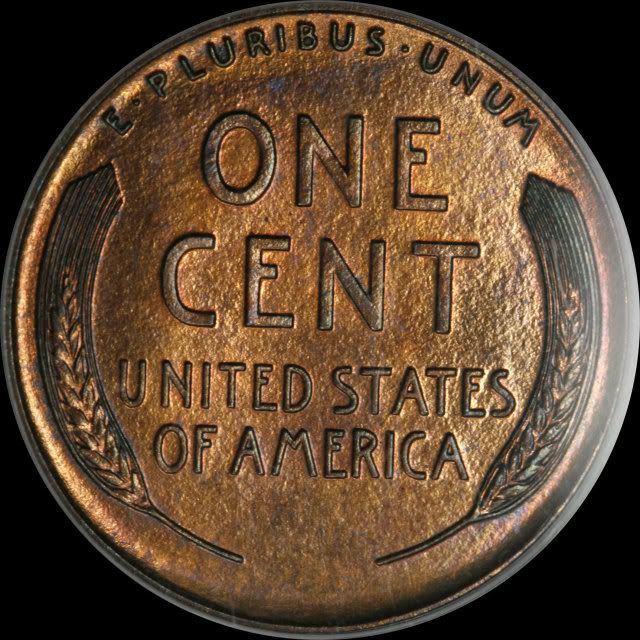
Why is the obverse so different in color AND appearance ???
Stewart
I would say either a B/B (BodyBag) or a genuine holder
<< <i>Why is the obverse so different in color AND appearance ???
Stewart
I would say either a B/B (BodyBag) or a genuine holder >>
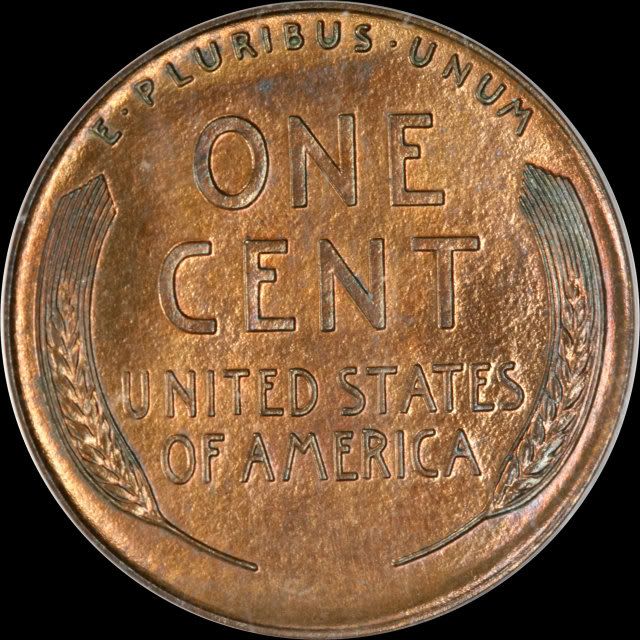
I don't know why the difference. The obverse is relatively dark and an obvious Brown. The reverse is mostly Red, very comparable to the 1909 shown below except the red is covering more area. It is currently in a PCGS 65BN holder.
- Bob -

MPL's - Lincolns of Color
Central Valley Roosevelts
- Bob -

MPL's - Lincolns of Color
Central Valley Roosevelts
Did that answer it or did this hedge guy hedge too much?
Empty Nest Collection
<< <i>Why is the obverse so different in color AND appearance ???
Stewart
I would say either a B/B (BodyBag) or a genuine holder >>
BN
I think what Stewart is seeing is a worn obverse die resulting in a satiny appearance and a more matte like reverse. I believe 1911 and 1913 are most commonly found with satin and matte finishes.
Knowledge is the enemy of fear
WS
So far, all good answers. I'm just trying to learn and understand.
- Bob -

MPL's - Lincolns of Color
Central Valley Roosevelts
WS
I don't think the coins were played with on the obverses, and I'm sure of the reverses being red and red-brown - no BBs.
In terms of favorites? Coin dependent. BN, RB and RD, depending on the coin. But has to be natural, and have eye appeal.
Almost forgot: Bob - the '11 has reverse crack through the "O" in ONE on the reverse, if you have not caught it. That with smooth obverse, it's a LDS, IMO. The'09 I can't figure.
Brian's 1915 is a very nice coin. But is slightly darker on both sides than the other two.
Agreed. Please do read the new MPL book. Without letting the cat out of the bag, using MPLs as examples, I wrote an article or two about coins, but more importantly, as I mention in the book, one of the articles is now being flushed out in greater detail and filed as a patent application to address some of the aspects of grading, and your idea is respectfully being given some coverage. What you mention is technically important and challenging, but can but pulled off. The patent talks more about specific aspects of grading in the larger eye appeal sense that I hope the industry will pick up on, as it will make for a better "sight-unseen" trading. Please read - any feedback will be appreciated. I don't have all the answers, but am trying to make our hobby better, and add another level of certainty to the way we grade our beautiful treasures.
I think (hope) that you will find the ideas stimulating.
Duane