RE: "This is the only time that NGC has designated a modern restrike from a genuine U.S. Mint uncancelled die on the actual NGC insert, so Roger saying that it is trivial is…."
Yes. It is a trivial product, and restriking something from an old official die pair - by anyone - outside the Mint is equally trivial, as is any "TPG" or other group sticking such products in plastic slabs. If this were performed inside the Philadelphia Mint, that would be completely different - it would signify U.S. Mint acceptance. Then the "certification" would have real meaning.....of course that leads to official sanction of the U.S. Mint making and selling restrikes and novodels as a policy. That is much deeper than Alice's rabbit hole.
@RogerB said:
Zoins, The information posted immediately above has no connection to experimental pieces; and the argument below it is a propositional fallacy.
Then situation is:
Experimental pieces were made at a U.S. Mint for specific purposes contributing to coinage design and production machinery. Originals. Pieces of history. Made to answer questions or supply data.
"Restrikes" imitations, and other items manufactured by any entity except the U.S. Mint serve no coinage purpose. They are amusements produced for private profit and have only the most superficial connection to U.S. coinage.
These trifles might be attractive, or made with precious metals, or made with dies once used within a U.S. Mint; but they never served a purpose. At present they are innocuous "cash catchers," yet in future will they create confusion just as Mickley 19th century restrikes or New Haven restrikes, or Haseltine's 'proof' bust dollars have?
Coinage purpose isn't a requirement for enjoyment for many.
As mentioned, many "pattern" coins from the 1800s served no coinage purpose and were struck expressly for collectors. Additionally, the US Mint is still making items with arguably no "coinage purpose" other than for collector enjoyment, for purchase on USMint.gov and mentioned in the U.S.Mint Annual Report.
From a collector's view I want the real thing: an original. I might acquire a restrike as a token - a substitute for a much more costly or unavailable "real thing."
Everyone can have their own opinion, but since there are many different ways to collect, it's generally better not to call someone else's preferences "rubbish". Here, specifically it appears that the original strikes are not available in precious metals, only base metals. From an art perspective, I very much appreciate seeing US Mint designs in gold and silver, so I'm glad these have been struck.
@RogerB said:
RE: "This is the only time that NGC has designated a modern restrike from a genuine U.S. Mint uncancelled die on the actual NGC insert, so Roger saying that it is trivial is…."
Yes. It is a trivial product, and restriking something from an old official die pair - by anyone - outside the Mint is equally trivial, as is any "TPG" or other group sticking such products in plastic slabs. If this were performed inside the Philadelphia Mint, that would be completely different - it would signify U.S. Mint acceptance. Then the "certification" would have real meaning.....of course that leads to official sanction of the U.S. Mint making and selling restrikes and novodels as a policy. That is much deeper than Alice's rabbit hole.
Are you writing from personal experience? Have you done a restriking with an old official die pair?
Have any other U.S. Mint pattern dies been restruck in gold or silver?
@RogerB said:
Zoins, The information posted immediately above has no connection to experimental pieces; and the argument below it is a propositional fallacy.
Then situation is:
Experimental pieces were made at a U.S. Mint for specific purposes contributing to coinage design and production machinery. Originals. Pieces of history. Made to answer questions or supply data.
"Restrikes" imitations, and other items manufactured by any entity except the U.S. Mint serve no coinage purpose. They are amusements produced for private profit and have only the most superficial connection to U.S. coinage.
These trifles might be attractive, or made with precious metals, or made with dies once used within a U.S. Mint; but they never served a purpose. At present they are innocuous "cash catchers," yet in future will they create confusion just as Mickley 19th century restrikes or New Haven restrikes, or Haseltine's 'proof' bust dollars have?
Coinage purpose isn't a requirement for enjoyment for many.
As mentioned, many "pattern" coins from the 1800s served no coinage purpose and were struck expressly for collectors. Additionally, the US Mint is still making items with arguably no "coinage purpose" other than for collector enjoyment, for purchase on USMint.gov and mentioned in the U.S.Mint Annual Report.
From a collector's view I want the real thing: an original. I might acquire a restrike as a token - a substitute for a much more costly or unavailable "real thing."
Everyone can have their own opinion, but since there are many different ways to collect, it's generally better not to call someone else's preferences "rubbish". Here, specifically it appears that the original strikes are not available in precious metals, only base metals. From an art perspective, I very much appreciate seeing US Mint designs in gold and silver, so I'm glad these have been struck.
Exactly, John!
Roger has no business calling these rubbish (trash garbage).
Everyone has their own preferences what to collect. But calling someone's numismatic items rubbish, (trash and garbage) is uncalled for and likely violates PCGS rules.
You were too polite stating to Roger:
“ it's generally better not to call someone else's preferences "rubbish”.
mikebyers.com Dealer in Major Mint Errors, Die Trials & Patterns - Author of NLG Best World Coin Book World's Greatest Mint Errors - Publisher & Editor of minterrornews.com.
RE: "Roger has no business calling these rubbish (trash garbage)."
Agree. I should have qualified the comment. It was not intended as a generality about potential buyers [or Byers ? ] but only in the implication being made that this stuff was some sort of numismatic wonder.
Consider this letter from Ed Maris, although referring to masses of restrikes, off-metal “experimental” pieces and other cash-catcher pieces made by the Philadelphia Mint, the overall sentiment applies today to modern restrikes, counterfeits, overstrikes, tribute imitations and other flotsam.
Esteemed Friend,
I have observed that the Mint Cabinet has lately received quite an accession, in the Case containing patterns, of pieces struck in copper, that were designed for gold or silver coins, only; such as a $50 gold piece and dollars, half dollars, etc. For many years I have seen such experimental pieces, that had been struck in the Mint, not only in copper but also in aluminum and nickel alloy.
The explanation that I have heard given for this remarkable issue, has been that they were made to try the dies. This is doubtless true in some cases, but will not explain the large number of some of them. Suppose at some remote period in the future, these pieces should be seen. Would they not falsify history and suggest a corrupt state of the Coining branch of the government, that we know does not exist? For it would not be difficult to prove that they were made by the government dies.
There is no necessity for the preservation of any such pieces. May I not, therefore, suggest that hereafter all trial pieces in metals not intended or allowed by law to be issued, shall be destroyed as soon as the die sinker and Coiner shall be satisfied of the perfection of the dies?
[RG104 Entry 1 Box 136 Oct-Dec 1885. Letter dated November 24, 1885 to Fox from Edward Maris.]
(Editing SW won't permit highlighting of paragraph 2 and the first sentence of paragraph 3.)
@RogerB said:
RE: "Roger has no business calling these rubbish (trash garbage)."
Agree. I should have qualified the comment. It was not intended as a generality about potential buyers [or Byers ? ] but only in the implication being made that this stuff was some sort of numismatic wonder.
I don't think qualification would help here. My suggestion is to simply not use derogatory words
Consider this letter from Ed Maris, although referring to masses of restrikes, off-metal “experimental” pieces and other cash-catcher pieces made by the Philadelphia Mint, the overall sentiment applies today to modern restrikes, counterfeits, overstrikes, tribute imitations and other flotsam.
Esteemed Friend,
I have observed that the Mint Cabinet has lately received quite an accession, in the Case containing patterns, of pieces struck in copper, that were designed for gold or silver coins, only; such as a $50 gold piece and dollars, half dollars, etc. For many years I have seen such experimental pieces, that had been struck in the Mint, not only in copper but also in aluminum and nickel alloy.
The explanation that I have heard given for this remarkable issue, has been that they were made to try the dies. This is doubtless true in some cases, but will not explain the large number of some of them. Suppose at some remote period in the future, these pieces should be seen. Would they not falsify history and suggest a corrupt state of the Coining branch of the government, that we know does not exist? For it would not be difficult to prove that they were made by the government dies.
There is no necessity for the preservation of any such pieces. May I not, therefore, suggest that hereafter all trial pieces in metals not intended or allowed by law to be issued, shall be destroyed as soon as the die sinker and Coiner shall be satisfied of the perfection of the dies?
[RG104 Entry 1 Box 136 Oct-Dec 1885. Letter dated November 24, 1885 to Fox from Edward Maris.]
Luckily these were not destroyed as suggested by Edward Maris, but saved for posterity by collectors by calmer heads like Archibald Loudon Snowden, William Woodin, and others.
Imagine if the glass patterns and INCO/Gould blanks you cataloged had been destroyed, you would have no physical specimens to research and catalog.
All of these, including the glass experimental pieces, were legitimate products as part of US Mint research and experiments. The subjects of this thread are not and never were. They are made to earn a profit for the promoters, just as were confederate half dollar restrikes, Lovett confederate cent restrikes, and many similar items now consigned to the numismatic trash bin.
It does not matter if anyone agrees or disagrees. Collectors will collect as they please which is what the whole hobby is about. But....at least think about it.
@RogerB said:
All of these, including the glass experimental pieces, were legitimate products as part of US Mint research and experiments. The subjects of this thread are not and never were. They are made to earn a profit for the promoters, just as were confederate half dollar restrikes, Lovett confederate cent restrikes, and many similar items now consigned to the numismatic trash bin.
To me, there's little difference as the U.S. Mint has been destroying their experimental work including modern pattern coins. While you may be of the opinion they are different, or "legitimate", modern U.S. Mint practices suggest they may feel otherwise.
See modern pattern pieces sent to the waffle canceller and trash in this other Martha Washington pattern thread:
BTW, thanks for the images and records Mike @Byers !
@RogerB said:
It does not matter if anyone agrees or disagrees. Collectors will collect as they please which is what the whole hobby is about. But....at least think about it.
However, language choice does matter on PCGS forums. Some language may not be acceptable.
No they do not suggest otherwise. The US Mint makes experimental pieces for legitimate reasons and does not sell them. I totally agree that examples should be retained by the Smithsonian for historical purposes and future research. (Debunking the "1964 SMS" situation used pieces sent to SI in 1963 and 1964 80 years ago!)
Mint Director Moy made progress in this direction but the engineers within the Mint view the pieces much as they were a century or more ago: temporary objects to be used, consumed and discarded.
@RogerB said:
RE: "Roger has no business calling these rubbish (trash garbage)."
Agree. I should have qualified the comment. It was not intended as a generality about potential buyers [or Byers ? ] but only in the implication being made that this stuff was some sort of numismatic wonder.
I don't think qualification would help here. My suggestion is to simply not use derogatory words
Consider this letter from Ed Maris, although referring to masses of restrikes, off-metal “experimental” pieces and other cash-catcher pieces made by the Philadelphia Mint, the overall sentiment applies today to modern restrikes, counterfeits, overstrikes, tribute imitations and other flotsam.
Esteemed Friend,
I have observed that the Mint Cabinet has lately received quite an accession, in the Case containing patterns, of pieces struck in copper, that were designed for gold or silver coins, only; such as a $50 gold piece and dollars, half dollars, etc. For many years I have seen such experimental pieces, that had been struck in the Mint, not only in copper but also in aluminum and nickel alloy.
The explanation that I have heard given for this remarkable issue, has been that they were made to try the dies. This is doubtless true in some cases, but will not explain the large number of some of them. Suppose at some remote period in the future, these pieces should be seen. Would they not falsify history and suggest a corrupt state of the Coining branch of the government, that we know does not exist? For it would not be difficult to prove that they were made by the government dies.
There is no necessity for the preservation of any such pieces. May I not, therefore, suggest that hereafter all trial pieces in metals not intended or allowed by law to be issued, shall be destroyed as soon as the die sinker and Coiner shall be satisfied of the perfection of the dies?
[RG104 Entry 1 Box 136 Oct-Dec 1885. Letter dated November 24, 1885 to Fox from Edward Maris.]
Luckily these were not destroyed as suggested by Edward Maris, but saved for posterity by collectors by calmer heads like Archibald Loudon Snowden, William Woodin, and others.
Imagine if the glass patterns and INCO/Gould blanks you cataloged had been destroyed, you would have no physical specimens to research and catalog.
John’s correct. Don’t use derogatory words.
mikebyers.com Dealer in Major Mint Errors, Die Trials & Patterns - Author of NLG Best World Coin Book World's Greatest Mint Errors - Publisher & Editor of minterrornews.com.
@RogerB said:
No they do not suggest otherwise. The US Mint makes experimental pieces for legitimate reasons and does not sell them. I totally agree that examples should be retained by the Smithsonian for historical purposes and future research. (Debunking the "1964 SMS" situation used pieces sent to SI in 1963 and 1964 80 years ago!)
Mint Director Moy made progress in this direction but the engineers within the Mint view the pieces much as they were a century or more ago: temporary objects to be used, consumed and discarded.
Regarding discarded, are there any specimens of Judd-2225 at the Smithsonian?
@RogerB said:
All of these, including the glass experimental pieces, were legitimate products as part of US Mint research and experiments. The subjects of this thread are not and never were. They are made to earn a profit for the promoters, just as were confederate half dollar restrikes, Lovett confederate cent restrikes, and many similar items now consigned to the numismatic trash bin.
To me, there's little difference as the U.S. Mint has been destroying their experimental work including modern pattern coins. While you may be of the opinion they are different, or "legitimate", modern U.S. Mint practices suggest they may feel otherwise.
See modern pattern pieces sent to the waffle canceller and trash in this other Martha Washington pattern thread:
BTW, thanks for the images and records Mike @Byers !
@RogerB said:
It does not matter if anyone agrees or disagrees. Collectors will collect as they please which is what the whole hobby is about. But....at least think about it.
However, language choice does matter on PCGS forums. Some language may not be acceptable.
You are welcome, John. My extensive research on the entire U.S. Mint testing using Martha Washington dies from 1965 to the present, is published in Mint Error News and available for everyone to read.
mikebyers.com Dealer in Major Mint Errors, Die Trials & Patterns - Author of NLG Best World Coin Book World's Greatest Mint Errors - Publisher & Editor of minterrornews.com.
@RogerB said:
RE: "Roger has no business calling these rubbish (trash garbage)."
Agree. I should have qualified the comment. It was not intended as a generality about potential buyers [or Byers ? ] but only in the implication being made that this stuff was some sort of numismatic wonder.
I don't think qualification would help here. My suggestion is to simply not use derogatory words
Consider this letter from Ed Maris, although referring to masses of restrikes, off-metal “experimental” pieces and other cash-catcher pieces made by the Philadelphia Mint, the overall sentiment applies today to modern restrikes, counterfeits, overstrikes, tribute imitations and other flotsam.
Esteemed Friend,
I have observed that the Mint Cabinet has lately received quite an accession, in the Case containing patterns, of pieces struck in copper, that were designed for gold or silver coins, only; such as a $50 gold piece and dollars, half dollars, etc. For many years I have seen such experimental pieces, that had been struck in the Mint, not only in copper but also in aluminum and nickel alloy.
The explanation that I have heard given for this remarkable issue, has been that they were made to try the dies. This is doubtless true in some cases, but will not explain the large number of some of them. Suppose at some remote period in the future, these pieces should be seen. Would they not falsify history and suggest a corrupt state of the Coining branch of the government, that we know does not exist? For it would not be difficult to prove that they were made by the government dies.
There is no necessity for the preservation of any such pieces. May I not, therefore, suggest that hereafter all trial pieces in metals not intended or allowed by law to be issued, shall be destroyed as soon as the die sinker and Coiner shall be satisfied of the perfection of the dies?
[RG104 Entry 1 Box 136 Oct-Dec 1885. Letter dated November 24, 1885 to Fox from Edward Maris.]
Luckily these were not destroyed as suggested by Edward Maris, but saved for posterity by collectors by calmer heads like Archibald Loudon Snowden, William Woodin, and others.
Imagine if the glass patterns and INCO/Gould blanks you cataloged had been destroyed, you would have no physical specimens to research and catalog.
Considering that Maris had some copper pattern half dollars in his own collection, I’m guessing he wasn’t quite the purist RWB would like him to have been.
Andy Lustig
Doggedly collecting coins of the Central American Republic. Visit the Society of US Pattern Collectors at USPatterns.com.
@RogerB said:
All of these, including the glass experimental pieces, were legitimate products as part of US Mint research and experiments. The subjects of this thread are not and never were. They are made to earn a profit for the promoters, just as were confederate half dollar restrikes, Lovett confederate cent restrikes, and many similar items now consigned to the numismatic trash bin.
It does not matter if anyone agrees or disagrees. Collectors will collect as they please which is what the whole hobby is about. But....at least think about it.
.
It seems like you hate free enterprise.
And exonumia.
Not everyone has (or is willing to part with) $70,000 for a piece of numismatic history.
Sometimes a person likes things that are affordable and/or have precious metals content with modest premiums.
And here you go again implying that another valuable item (shown below) belongs in the "trash bin".
I have looked at a couple of these and find them interesting. If not for the fairly high price I would buy one.
Spot on, Dan. Roger has added trash bin to his derogatory vocabulary describing these pieces.
mikebyers.com Dealer in Major Mint Errors, Die Trials & Patterns - Author of NLG Best World Coin Book World's Greatest Mint Errors - Publisher & Editor of minterrornews.com.
@RogerB said:
All of these, including the glass experimental pieces, were legitimate products as part of US Mint research and experiments. The subjects of this thread are not and never were. They are made to earn a profit for the promoters, just as were confederate half dollar restrikes, Lovett confederate cent restrikes, and many similar items now consigned to the numismatic trash bin.
It does not matter if anyone agrees or disagrees. Collectors will collect as they please which is what the whole hobby is about. But....at least think about it.
.
It seems like you hate free enterprise.
And exonumia.
Not everyone has (or is willing to part with) $70,000 for a piece of numismatic history.
Sometimes a person likes things that are affordable and/or have precious metals content with modest premiums.
And here you go again implying that another valuable item (shown below) belongs in the "trash bin".
I have looked at a couple of these and find them interesting. If not for the fairly high price I would buy one.
Spot on, Dan. Roger has added trash bin to his derogatory vocabulary describing these pieces.
@RogerB , there's no need for you to use derogatory terms like "rubbish" and "trash bin" for collectibles to get your point across.
Here’s what I would call a $44K piece of “minimal numismatic importance”. (I wouldn’t use the word “rubbish” because it offends some.) And it was struck by the US Mint. The point being that we all make our own personal value judgments about these things, and it often informs our decisions on what to collect for ourselves and what to leave for others. On the other hand, sometimes price is an important factor. For 5K, I’d happily buy and collect one of the Privy gold pieces, just because it’s cool enough to me at that price. At 44K, I would not. Same goes for the Martha restrikes. At some price, it would appeal to me. At a higher price, it might not.
Andy Lustig
Doggedly collecting coins of the Central American Republic. Visit the Society of US Pattern Collectors at USPatterns.com.
@Namvet69 said:
I seem to recall that someone refurbished an old press and found some inside the machinery.
You are confusing two articles. My Martha Washington uncancelled obverse die was not found inside machinery.
You are referring to an article published in Mint Error News regarding Dan Carr’s (Moonlight Mint) U.S. Mint press that he purchased, which had feeder fingers and mint parts included.
mikebyers.com Dealer in Major Mint Errors, Die Trials & Patterns - Author of NLG Best World Coin Book World's Greatest Mint Errors - Publisher & Editor of minterrornews.com.
The example of a collector paying $44k for a modern restrike in gold (NCLT) struck by the U.S. Mint shows that restrikes in gold are special.
Whether its a Martha Washington pattern gold restrike (fantasy) selling out at 3x gold with a mintage of 100, or a Flowing Hair Dollar gold restrike (NCLT) selling at $44k with a mintage of 230, collectors know what they want.
Neither of these were originally struck in gold. Both of these were restruck in gold for collectors. The Dollar was originally struck in silver and the Martha Washington pattern ‘Half Dollar’ was originally struck in clad.
No one should use derogatory terms like "rubbish" and "trash bin" for collectibles just because your personal taste does not align with the numismatic item being discussed!
Collecting and sharing your numismatic items is fun, enjoyable and exciting. Keep it positive.
mikebyers.com Dealer in Major Mint Errors, Die Trials & Patterns - Author of NLG Best World Coin Book World's Greatest Mint Errors - Publisher & Editor of minterrornews.com.
@MrEureka said:
Here’s what I would call a $44K piece of “minimal numismatic importance”. (I wouldn’t use the word “rubbish” because it offends some.) And it was struck by the US Mint. The point being that we all make our own personal value judgments about these things, and it often informs our decisions on what to collect for ourselves and what to leave for others. On the other hand, sometimes price is an important factor. For 5K, I’d happily buy and collect one of the Privy gold pieces, just because it’s cool enough to me at that price. At 44K, I would not. Same goes for the Martha restrikes. At some price, it would appeal to me. At a higher price, it might not.
Yes, please don't use the word "rubbish" or "trash bin". While interests and budges differ, collecting is a big tent.
The particular piece here has a PCGS Price Guide value of $57,500 and a pop of 191/0 so there is quite a bit of demand for this.
For another example, this private restrike by @Dwight_M commands a hefty premium, with a PCGS Price Guide Value of $70,000.
For those that think restrikes with vintage dies are trivial, please do one first, and then write with first hand experience rather than speculation.
@MrEureka said:
Here’s what I would call a $44K piece of “minimal numismatic importance”. (I wouldn’t use the word “rubbish” because it offends some.) And it was struck by the US Mint. The point being that we all make our own personal value judgments about these things, and it often informs our decisions on what to collect for ourselves and what to leave for others. On the other hand, sometimes price is an important factor. For 5K, I’d happily buy and collect one of the Privy gold pieces, just because it’s cool enough to me at that price. At 44K, I would not. Same goes for the Martha restrikes. At some price, it would appeal to me. At a higher price, it might not.
Yes, please don't use the word "rubbish" or "trash bin". While interests and budges differ, collecting is a big tent.
This particular piece has a PCGS Price Guide value of $57,500 and a pop of 191/0 so there is quite a bit of demand for this.
For another example, this private restrike by @Dwight_M commands a hefty premium, with a PCGS Price Guide Value of $70,000.
For those that think restrikes with vintage dies are trivial, please do one first, and then write with first hand experience rather than speculation.
Great point, John. The Kellogg restrike in gold uses original dies but was privately restruck, like the gold Martha Washingtons.
mikebyers.com Dealer in Major Mint Errors, Die Trials & Patterns - Author of NLG Best World Coin Book World's Greatest Mint Errors - Publisher & Editor of minterrornews.com.
@MrEureka said:
Here’s what I would call a $44K piece of “minimal numismatic importance”. (I wouldn’t use the word “rubbish” because it offends some.) And it was struck by the US Mint. The point being that we all make our own personal value judgments about these things, and it often informs our decisions on what to collect for ourselves and what to leave for others. On the other hand, sometimes price is an important factor. For 5K, I’d happily buy and collect one of the Privy gold pieces, just because it’s cool enough to me at that price. At 44K, I would not. Same goes for the Martha restrikes. At some price, it would appeal to me. At a higher price, it might not.
Yes, please don't use the word "rubbish" or "trash bin". While interests and budges differ, collecting is a big tent.
This particular piece has a PCGS Price Guide value of $57,500 and a pop of 191/0 so there is quite a bit of demand for this.
For another example, this private restrike by @Dwight_M commands a hefty premium, with a PCGS Price Guide Value of $70,000.
For those that think restrikes with vintage dies are trivial, please do one first, and then write with first hand experience rather than speculation.
Great point, John. The Kellogg restrike in gold uses original dies but was privately restruck, like the gold Martha Washingtons.
Mike, these coins really show a strong demand from collectors for proof restrikes using original designs on both sides. Since the Martha Washington proof dies exist, it would be amazing to restrike these with both original dies, in proof, and in gold. This could be an amazing result for these pieces.
@MrEureka said:
At some price, it would appeal to me. At a higher price, it might not.
Could the same be said of any piece, even those with any level of numismatic importance?
No. Some coins wouldn’t appeal to me at any price, because they’re ugly or boring or too common or otherwise uncool. In the case of the gold Martha, I actually like the coin. Doesn’t mean I think it’s as historically important as the official US Mint productions, but it’s cool in its own way.
Andy Lustig
Doggedly collecting coins of the Central American Republic. Visit the Society of US Pattern Collectors at USPatterns.com.
@MrEureka said:
At some price, it would appeal to me. At a higher price, it might not.
Could the same be said of any piece, even those with any level of numismatic importance?
No. Some coins wouldn’t appeal to me at any price, because they’re ugly or boring or too common or otherwise uncool. In the case of the gold Martha, I actually like the coin. Doesn’t mean I think it’s as historically important as the official US Mint productions, but it’s cool in its own way.
Thanks for the explanation, Andy. I hope you get the chance to pick up a gold Martha!
@MrEureka said:
Here’s what I would call a $44K piece of “minimal numismatic importance”. (I wouldn’t use the word “rubbish” because it offends some.) And it was struck by the US Mint. The point being that we all make our own personal value judgments about these things, and it often informs our decisions on what to collect for ourselves and what to leave for others. On the other hand, sometimes price is an important factor. For 5K, I’d happily buy and collect one of the Privy gold pieces, just because it’s cool enough to me at that price. At 44K, I would not. Same goes for the Martha restrikes. At some price, it would appeal to me. At a higher price, it might not.
Yes, please don't use the word "rubbish" or "trash bin". While interests and budges differ, collecting is a big tent.
This particular piece has a PCGS Price Guide value of $57,500 and a pop of 191/0 so there is quite a bit of demand for this.
For another example, this private restrike by @Dwight_M commands a hefty premium, with a PCGS Price Guide Value of $70,000.
For those that think restrikes with vintage dies are trivial, please do one first, and then write with first hand experience rather than speculation.
Great point, John. The Kellogg restrike in gold uses original dies but was privately restruck, like the gold Martha Washingtons.
The Kellogg restrike pictured above was not struck from the original dies. The restrike dies were created (with modifications) from the original dies.
This was discussed in the following thread here covering two different proof issues.
The one here is what PCGS calls the "Original Dies Restrike" exhibiting rust and without a restrike date counterstamp. The thread includes discussion that these with rust and without counterstamp were struck with the original dies. Are you discussing this specific issue with the rust and without the restrike counterstamp date?
I have no dog anywhere near this fight, but it really highlights both the good and bad aspects of this forum, part of the reason that I dubbed it the NutRanch some time ago.
We all have strong opinions and often cannot overcome the urge to express them. When we each do we often don’t get the sort of replies we expect. It’s caused more than a few members to leave.
"Those who would give up essential Liberty, to purchase a little temporary Safety, deserve neither Liberty nor Safety," --- Benjamin Franklin
@Byers said:
No one should use derogatory terms like "rubbish" and "trash bin" for collectibles just because your personal taste does not align with the numismatic item being discussed!
Collecting and sharing your numismatic items is fun, enjoyable and exciting. Keep it positive.
Not all of us can buy $70k glass coins and I dare say I enjoy the coins I collect on my budget as much as the people who can afford such things. In many cases, I'm sure (100% sure), I enjoy mine more. I love learning about them and showing them. This is the best hobby in the world.
@MrEureka said:
Here’s what I would call a $44K piece of “minimal numismatic importance”. (I wouldn’t use the word “rubbish” because it offends some.) And it was struck by the US Mint. The point being that we all make our own personal value judgments about these things, and it often informs our decisions on what to collect for ourselves and what to leave for others. On the other hand, sometimes price is an important factor. For 5K, I’d happily buy and collect one of the Privy gold pieces, just because it’s cool enough to me at that price. At 44K, I would not. Same goes for the Martha restrikes. At some price, it would appeal to me. At a higher price, it might not.
Yes, please don't use the word "rubbish" or "trash bin". While interests and budges differ, collecting is a big tent.
This particular piece has a PCGS Price Guide value of $57,500 and a pop of 191/0 so there is quite a bit of demand for this.
For another example, this private restrike by @Dwight_M commands a hefty premium, with a PCGS Price Guide Value of $70,000.
For those that think restrikes with vintage dies are trivial, please do one first, and then write with first hand experience rather than speculation.
Great point, John. The Kellogg restrike in gold uses original dies but was privately restruck, like the gold Martha Washingtons.
Mike, these coins really show a strong demand from collectors for proof restrikes using original designs on both sides. Since the Martha Washington proof dies exist, it would be amazing to restrike these with both original dies, in proof, and in gold. This could be an amazing result for these pieces.
Yes! These dies are amazing!
mikebyers.com Dealer in Major Mint Errors, Die Trials & Patterns - Author of NLG Best World Coin Book World's Greatest Mint Errors - Publisher & Editor of minterrornews.com.
@Maywood said:
I have no dog anywhere near this fight, but it really highlights both the good and bad aspects of this forum, part of the reason that I dubbed it the NutRanch some time ago.
We all have strong opinions and often cannot overcome the urge to express them. When we each do we often don’t get the sort of replies we expect. It’s caused more than a few members to leave.
Good points, Al! Collecting is a big tent and there are many different opinions and ways to collect, so it's important to be cordial and respectful in our discussions, even when we have different points of view.
I get concerned when disrespectful and derogatory language is used because it can really turn people off from our hobby. For example, some of the pieces criticized by others in this thread include the confederate half dollar restrikes and Lovett confederate cent restrikes, which have had threads created by other collectors here. While I don't collect these, I find the discussions enjoyable and I wonder what those collectors would think seeing their interests discussed in such terms.
Mike - Which "contracted vendors" and "which experiments?" An authorized contractor is fine. Once that terminates, the dies and anything produced from them maintains only coincidental, unofficial connection to the US Mint.
As for the US Mint's imitations they are, regardless of how trite, ugly and disrespectful of the originals legally sanctioned. The others are not and no amount of slabbing will change that.
Good business decisions are not necessarily the better decisions.
Nice to see a broader conversation. I won't interrupt the back-slapping and colorful pom pom shaking further. Have fun!
@Maywood said:
I have no dog anywhere near this fight, but it really highlights both the good and bad aspects of this forum, part of the reason that I dubbed it the NutRanch some time ago.
We all have strong opinions and often cannot overcome the urge to express them. When we each do we often don’t get the sort of replies we expect. It’s caused more than a few members to leave.
Good points, Al! Collecting is a big tent and there are many different opinions and ways to collect, so it's important to be cordial and respectful in our discussions, even when we have different points of view.
I get concerned when disrespectful and derogatory language is used because it can really turn people off from our hobby. Some pieces criticized by others in this thread include the confederate half dollar restrikes and Lovett confederate cent restrikes, which have had threads created by other collectors here. While I don't collect these, I find the discussions enjoyable and I wonder what those collectors would think seeing their interests discussed in such terms.
Well spoken.
There are so many well informed dealers, numismatists and collectors here that they need to feel comfortable sharing their coins.
mikebyers.com Dealer in Major Mint Errors, Die Trials & Patterns - Author of NLG Best World Coin Book World's Greatest Mint Errors - Publisher & Editor of minterrornews.com.
@MrEureka said:
Here’s what I would call a $44K piece of “minimal numismatic importance”. (I wouldn’t use the word “rubbish” because it offends some.) And it was struck by the US Mint. The point being that we all make our own personal value judgments about these things, and it often informs our decisions on what to collect for ourselves and what to leave for others. On the other hand, sometimes price is an important factor. For 5K, I’d happily buy and collect one of the Privy gold pieces, just because it’s cool enough to me at that price. At 44K, I would not. Same goes for the Martha restrikes. At some price, it would appeal to me. At a higher price, it might not.
Yes, please don't use the word "rubbish" or "trash bin". While interests and budges differ, collecting is a big tent.
This particular piece has a PCGS Price Guide value of $57,500 and a pop of 191/0 so there is quite a bit of demand for this.
For another example, this private restrike by @Dwight_M commands a hefty premium, with a PCGS Price Guide Value of $70,000.
For those that think restrikes with vintage dies are trivial, please do one first, and then write with first hand experience rather than speculation.
Great point, John. The Kellogg restrike in gold uses original dies but was privately restruck, like the gold Martha Washingtons.
Mike, these coins really show a strong demand from collectors for proof restrikes using original designs on both sides. Since the Martha Washington proof dies exist, it would be amazing to restrike these with both original dies, in proof, and in gold. This could be an amazing result for these pieces.
John- several people have asked and a project is in the works. I will keep you posted!
mikebyers.com Dealer in Major Mint Errors, Die Trials & Patterns - Author of NLG Best World Coin Book World's Greatest Mint Errors - Publisher & Editor of minterrornews.com.
@MrEureka said:
Here’s what I would call a $44K piece of “minimal numismatic importance”. (I wouldn’t use the word “rubbish” because it offends some.) And it was struck by the US Mint. The point being that we all make our own personal value judgments about these things, and it often informs our decisions on what to collect for ourselves and what to leave for others. On the other hand, sometimes price is an important factor. For 5K, I’d happily buy and collect one of the Privy gold pieces, just because it’s cool enough to me at that price. At 44K, I would not. Same goes for the Martha restrikes. At some price, it would appeal to me. At a higher price, it might not.
Yes, please don't use the word "rubbish" or "trash bin". While interests and budges differ, collecting is a big tent.
This particular piece has a PCGS Price Guide value of $57,500 and a pop of 191/0 so there is quite a bit of demand for this.
For another example, this private restrike by @Dwight_M commands a hefty premium, with a PCGS Price Guide Value of $70,000.
For those that think restrikes with vintage dies are trivial, please do one first, and then write with first hand experience rather than speculation.
Great point, John. The Kellogg restrike in gold uses original dies but was privately restruck, like the gold Martha Washingtons.
The Kellogg restrike pictured above was not struck from the original dies. The restrike dies were created (with modifications) from the original dies.
This was discussed in the following thread here covering two different proof issues.
The one here is what PCGS calls the "Original Dies Restrike" exhibiting rust and without a restrike date counterstamp. The thread includes discussion that these with rust and without counterstamp were struck with the original dies. Are you discussing this specific issue with the rust and without the restrike counterstamp date?
Actually, I took down my post (before you replied) when I realized the image was not the coin I had in mind. I need to read up on the other restrikes. I’ve been hearing about them for many years, but I’ve never seen one and I probably don’t have all of the information.
Andy Lustig
Doggedly collecting coins of the Central American Republic. Visit the Society of US Pattern Collectors at USPatterns.com.
@Mr Lindy said:
Fred had a couple of these 1759 dies for sale. As did Byers at last Denver ANA years ago. There's more than one of these dies loose, in the wild.
There's alot of firsthand info out there, you know from dealers who've owned them, had them in inventory. I only googled up 2 pages. None are cancelled in person or images what I have seen.
Maybe Carr should get one on loan or purchase so he can do his magic with it/them.
Fred only had the Martha Washington Cent Die, which I purchased.
mikebyers.com Dealer in Major Mint Errors, Die Trials & Patterns - Author of NLG Best World Coin Book World's Greatest Mint Errors - Publisher & Editor of minterrornews.com.
@MrEureka said:
Here’s what I would call a $44K piece of “minimal numismatic importance”. (I wouldn’t use the word “rubbish” because it offends some.) And it was struck by the US Mint. The point being that we all make our own personal value judgments about these things, and it often informs our decisions on what to collect for ourselves and what to leave for others. On the other hand, sometimes price is an important factor. For 5K, I’d happily buy and collect one of the Privy gold pieces, just because it’s cool enough to me at that price. At 44K, I would not. Same goes for the Martha restrikes. At some price, it would appeal to me. At a higher price, it might not.
Yes, please don't use the word "rubbish" or "trash bin". While interests and budges differ, collecting is a big tent.
This particular piece has a PCGS Price Guide value of $57,500 and a pop of 191/0 so there is quite a bit of demand for this.
For another example, this private restrike by @Dwight_M commands a hefty premium, with a PCGS Price Guide Value of $70,000.
For those that think restrikes with vintage dies are trivial, please do one first, and then write with first hand experience rather than speculation.
Great point, John. The Kellogg restrike in gold uses original dies but was privately restruck, like the gold Martha Washingtons.
The Kellogg restrike pictured above was not struck from the original dies. The restrike dies were created (with modifications) from the original dies.
This was discussed in the following thread here covering two different proof issues.
The one here is what PCGS calls the "Original Dies Restrike" exhibiting rust and without a restrike date counterstamp. The thread includes discussion that these with rust and without counterstamp were struck with the original dies. Are you discussing this specific issue with the rust and without the restrike counterstamp date?
Actually, I took down my post (before you replied) when I realized the image was not the coin I had in mind. I need to read up on the other restrikes. I’ve been hearing about them for many years, but I’ve never seen one and I probably don’t have all of the information.
Andy- great minds think alike!
My “ Dream Box of 100 American Coins” is a different list than yours, but like your list, none were officially authorized by the government. Here are three in my box:
mikebyers.com Dealer in Major Mint Errors, Die Trials & Patterns - Author of NLG Best World Coin Book World's Greatest Mint Errors - Publisher & Editor of minterrornews.com.
Comments
RE: "This is the only time that NGC has designated a modern restrike from a genuine U.S. Mint uncancelled die on the actual NGC insert, so Roger saying that it is trivial is…."
Yes. It is a trivial product, and restriking something from an old official die pair - by anyone - outside the Mint is equally trivial, as is any "TPG" or other group sticking such products in plastic slabs. If this were performed inside the Philadelphia Mint, that would be completely different - it would signify U.S. Mint acceptance. Then the "certification" would have real meaning.....of course that leads to official sanction of the U.S. Mint making and selling restrikes and novodels as a policy. That is much deeper than Alice's rabbit hole.
Coinage purpose isn't a requirement for enjoyment for many.
As mentioned, many "pattern" coins from the 1800s served no coinage purpose and were struck expressly for collectors. Additionally, the US Mint is still making items with arguably no "coinage purpose" other than for collector enjoyment, for purchase on USMint.gov and mentioned in the U.S.Mint Annual Report.
Everyone can have their own opinion, but since there are many different ways to collect, it's generally better not to call someone else's preferences "rubbish". Here, specifically it appears that the original strikes are not available in precious metals, only base metals. From an art perspective, I very much appreciate seeing US Mint designs in gold and silver, so I'm glad these have been struck.
Are you writing from personal experience? Have you done a restriking with an old official die pair?
Have any other U.S. Mint pattern dies been restruck in gold or silver?
Exactly, John!
Roger has no business calling these rubbish (trash garbage).
Everyone has their own preferences what to collect. But calling someone's numismatic items rubbish, (trash and garbage) is uncalled for and likely violates PCGS rules.
You were too polite stating to Roger:
“ it's generally better not to call someone else's preferences "rubbish”.
RE: "Roger has no business calling these rubbish (trash garbage)." ] but only in the implication being made that this stuff was some sort of numismatic wonder.
Agree. I should have qualified the comment. It was not intended as a generality about potential buyers [or Byers ?
Consider this letter from Ed Maris, although referring to masses of restrikes, off-metal “experimental” pieces and other cash-catcher pieces made by the Philadelphia Mint, the overall sentiment applies today to modern restrikes, counterfeits, overstrikes, tribute imitations and other flotsam.
Esteemed Friend,
I have observed that the Mint Cabinet has lately received quite an accession, in the Case containing patterns, of pieces struck in copper, that were designed for gold or silver coins, only; such as a $50 gold piece and dollars, half dollars, etc. For many years I have seen such experimental pieces, that had been struck in the Mint, not only in copper but also in aluminum and nickel alloy.
The explanation that I have heard given for this remarkable issue, has been that they were made to try the dies. This is doubtless true in some cases, but will not explain the large number of some of them. Suppose at some remote period in the future, these pieces should be seen. Would they not falsify history and suggest a corrupt state of the Coining branch of the government, that we know does not exist? For it would not be difficult to prove that they were made by the government dies.
There is no necessity for the preservation of any such pieces. May I not, therefore, suggest that hereafter all trial pieces in metals not intended or allowed by law to be issued, shall be destroyed as soon as the die sinker and Coiner shall be satisfied of the perfection of the dies?
[RG104 Entry 1 Box 136 Oct-Dec 1885. Letter dated November 24, 1885 to Fox from Edward Maris.]
(Editing SW won't permit highlighting of paragraph 2 and the first sentence of paragraph 3.)
I don't think qualification would help here. My suggestion is to simply not use derogatory words
Luckily these were not destroyed as suggested by Edward Maris, but saved for posterity by collectors by calmer heads like Archibald Loudon Snowden, William Woodin, and others.
Imagine if the glass patterns and INCO/Gould blanks you cataloged had been destroyed, you would have no physical specimens to research and catalog.
All of these, including the glass experimental pieces, were legitimate products as part of US Mint research and experiments. The subjects of this thread are not and never were. They are made to earn a profit for the promoters, just as were confederate half dollar restrikes, Lovett confederate cent restrikes, and many similar items now consigned to the numismatic trash bin.
It does not matter if anyone agrees or disagrees. Collectors will collect as they please which is what the whole hobby is about. But....at least think about it.
To me, there's little difference as the U.S. Mint has been destroying their experimental work including modern pattern coins. While you may be of the opinion they are different, or "legitimate", modern U.S. Mint practices suggest they may feel otherwise.
See modern pattern pieces sent to the waffle canceller and trash in this other Martha Washington pattern thread:
https://forums.collectors.com/discussion/comment/13209910/#Comment_13209910
BTW, thanks for the images and records Mike @Byers !
However, language choice does matter on PCGS forums. Some language may not be acceptable.
No they do not suggest otherwise. The US Mint makes experimental pieces for legitimate reasons and does not sell them. I totally agree that examples should be retained by the Smithsonian for historical purposes and future research. (Debunking the "1964 SMS" situation used pieces sent to SI in 1963 and 1964 80 years ago!)
Mint Director Moy made progress in this direction but the engineers within the Mint view the pieces much as they were a century or more ago: temporary objects to be used, consumed and discarded.
John’s correct. Don’t use derogatory words.
Regarding discarded, are there any specimens of Judd-2225 at the Smithsonian?
You are welcome, John. My extensive research on the entire U.S. Mint testing using Martha Washington dies from 1965 to the present, is published in Mint Error News and available for everyone to read.
Considering that Maris had some copper pattern half dollars in his own collection, I’m guessing he wasn’t quite the purist RWB would like him to have been.
Doggedly collecting coins of the Central American Republic.
Visit the Society of US Pattern Collectors at USPatterns.com.
.
It seems like you hate free enterprise.
And exonumia.
Not everyone has (or is willing to part with) $70,000 for a piece of numismatic history.
Sometimes a person likes things that are affordable and/or have precious metals content with modest premiums.
And here you go again implying that another valuable item (shown below) belongs in the "trash bin".
I have looked at a couple of these and find them interesting. If not for the fairly high price I would buy one.
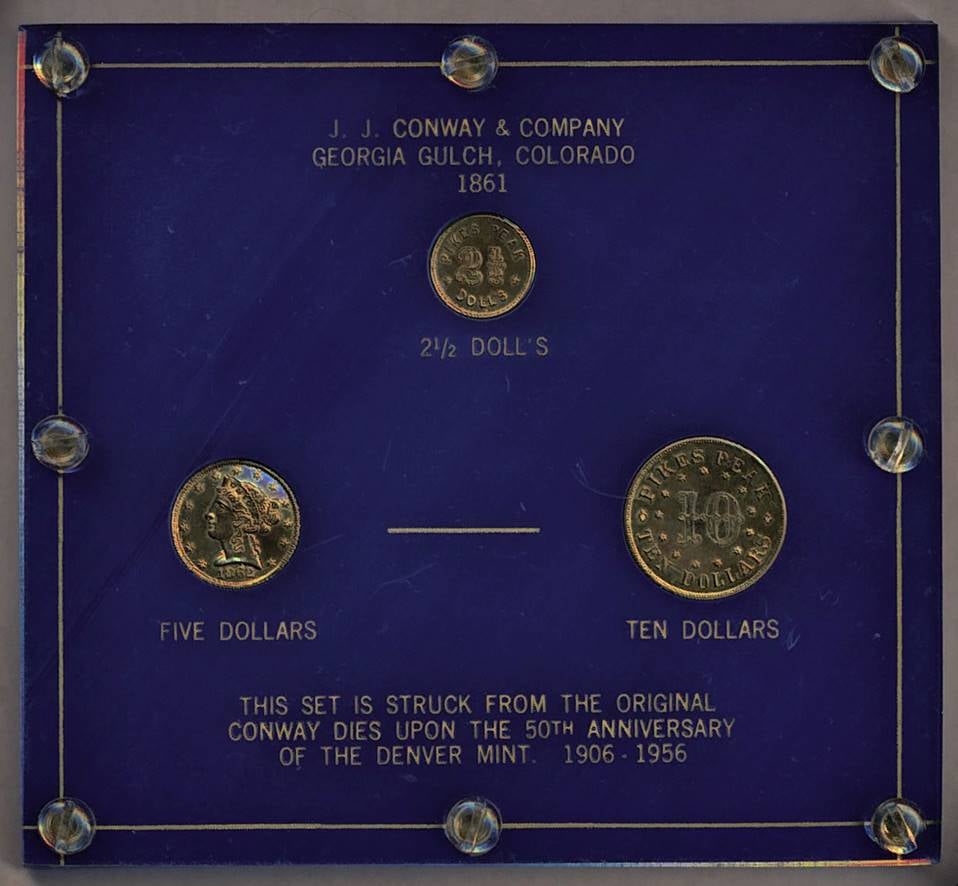
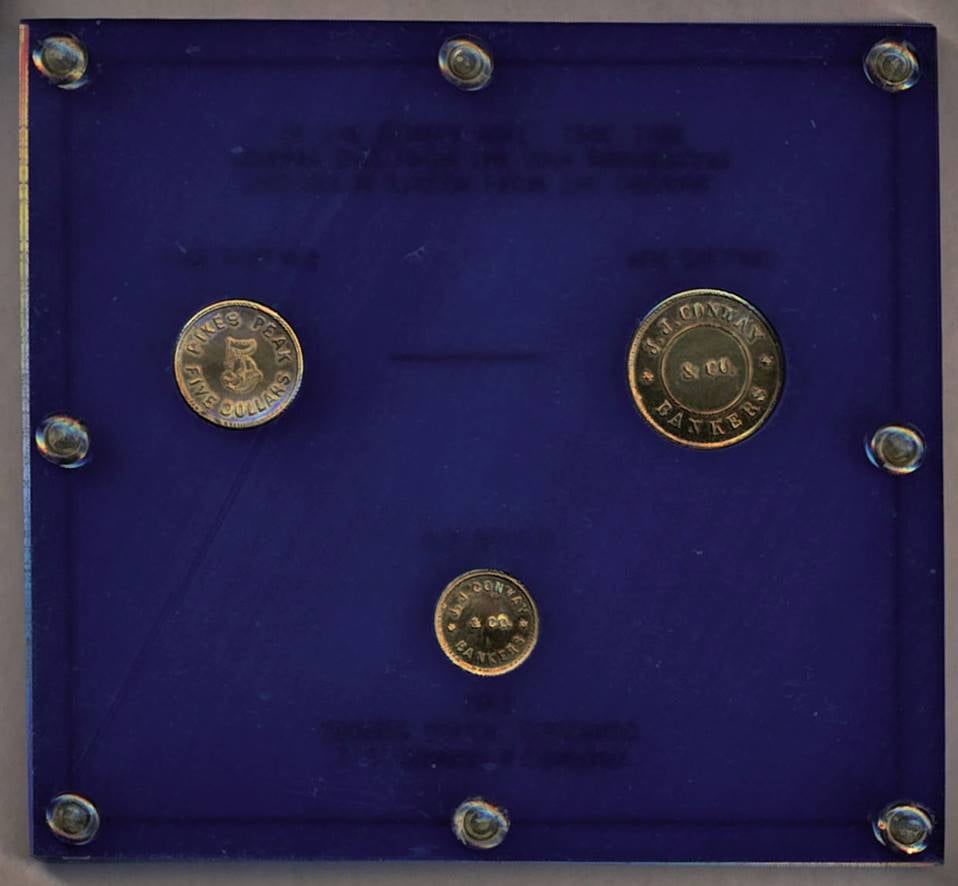
Another re-strike item that I enjoy having in my collection:
Spot on, Dan. Roger has added trash bin to his derogatory vocabulary describing these pieces.
I guess I like "rubbish". I want to eventually add one to my collection.
@RogerB , there's no need for you to use derogatory terms like "rubbish" and "trash bin" for collectibles to get your point across.
Here’s what I would call a $44K piece of “minimal numismatic importance”. (I wouldn’t use the word “rubbish” because it offends some.) And it was struck by the US Mint. The point being that we all make our own personal value judgments about these things, and it often informs our decisions on what to collect for ourselves and what to leave for others. On the other hand, sometimes price is an important factor. For 5K, I’d happily buy and collect one of the Privy gold pieces, just because it’s cool enough to me at that price. At 44K, I would not. Same goes for the Martha restrikes. At some price, it would appeal to me. At a higher price, it might not.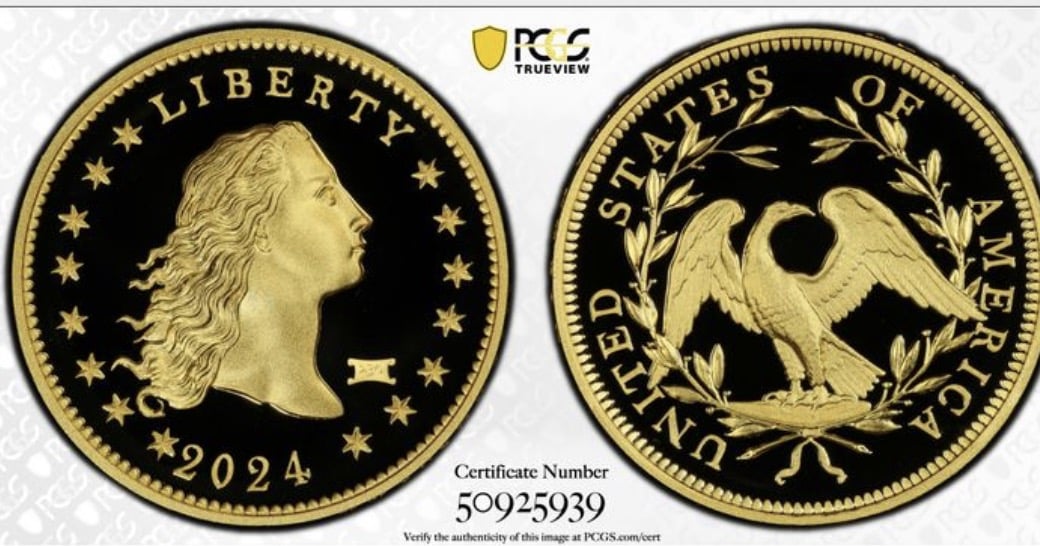
Doggedly collecting coins of the Central American Republic.
Visit the Society of US Pattern Collectors at USPatterns.com.
Could the same be said of any piece, even those with any level of numismatic importance?
You are confusing two articles. My Martha Washington uncancelled obverse die was not found inside machinery.
You are referring to an article published in Mint Error News regarding Dan Carr’s (Moonlight Mint) U.S. Mint press that he purchased, which had feeder fingers and mint parts included.
https://minterrornews.com/discoveries-8-10-19-ngc-certifies-unique-us-25c-feeder-finger-from-the-denver-mint-grabener-press.html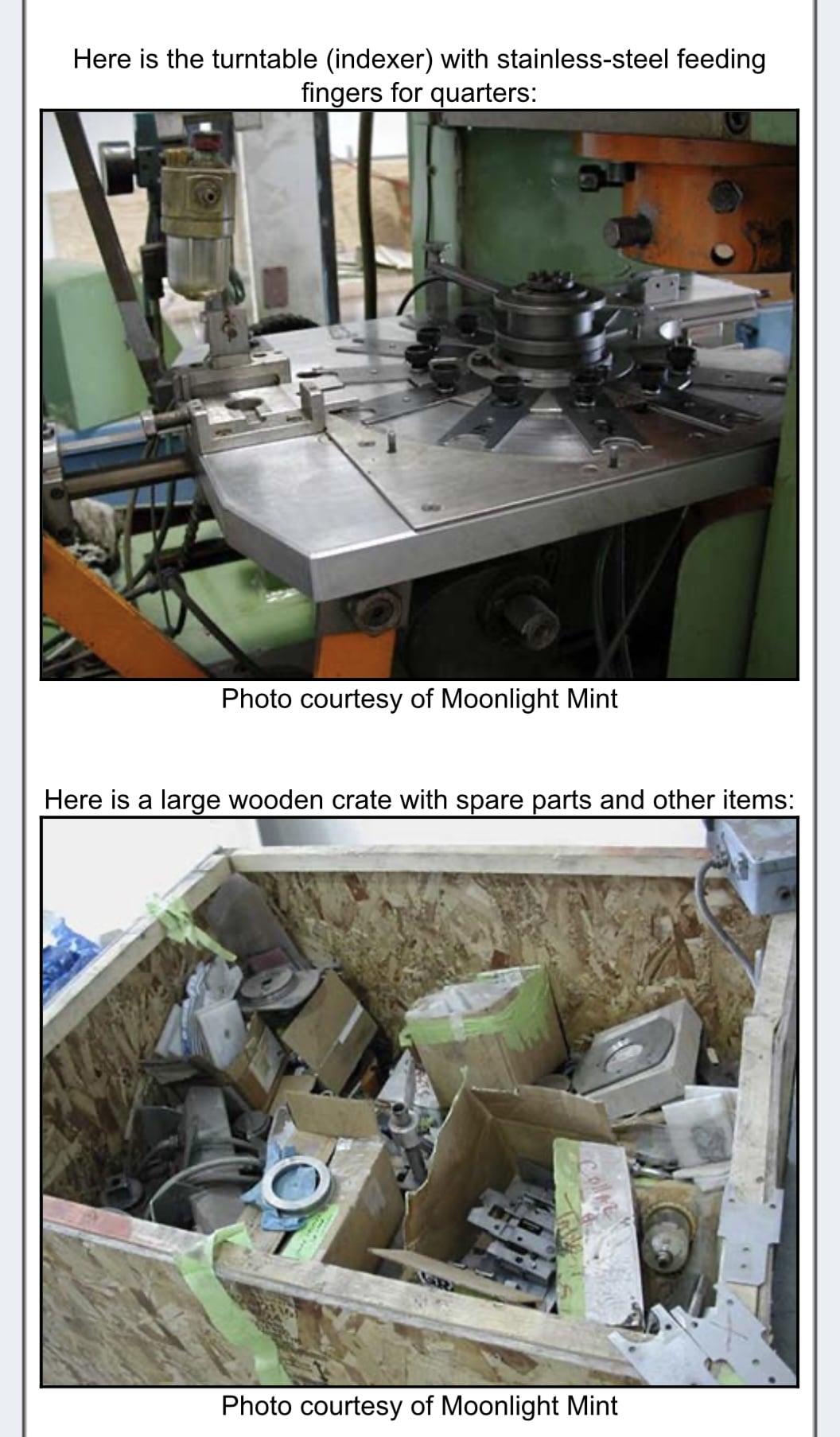
The example of a collector paying $44k for a modern restrike in gold (NCLT) struck by the U.S. Mint shows that restrikes in gold are special.
Whether its a Martha Washington pattern gold restrike (fantasy) selling out at 3x gold with a mintage of 100, or a Flowing Hair Dollar gold restrike (NCLT) selling at $44k with a mintage of 230, collectors know what they want.
Neither of these were originally struck in gold. Both of these were restruck in gold for collectors. The Dollar was originally struck in silver and the Martha Washington pattern ‘Half Dollar’ was originally struck in clad.
No one should use derogatory terms like "rubbish" and "trash bin" for collectibles just because your personal taste does not align with the numismatic item being discussed!
Collecting and sharing your numismatic items is fun, enjoyable and exciting. Keep it positive.
Yes, please don't use the word "rubbish" or "trash bin". While interests and budges differ, collecting is a big tent.
The particular piece here has a PCGS Price Guide value of $57,500 and a pop of 191/0 so there is quite a bit of demand for this.
For another example, this private restrike by @Dwight_M commands a hefty premium, with a PCGS Price Guide Value of $70,000.
For those that think restrikes with vintage dies are trivial, please do one first, and then write with first hand experience rather than speculation.
Great point, John. The Kellogg restrike in gold uses original dies but was privately restruck, like the gold Martha Washingtons.
Mike, these coins really show a strong demand from collectors for proof restrikes using original designs on both sides. Since the Martha Washington proof dies exist, it would be amazing to restrike these with both original dies, in proof, and in gold. This could be an amazing result for these pieces.
No. Some coins wouldn’t appeal to me at any price, because they’re ugly or boring or too common or otherwise uncool. In the case of the gold Martha, I actually like the coin. Doesn’t mean I think it’s as historically important as the official US Mint productions, but it’s cool in its own way.
Doggedly collecting coins of the Central American Republic.
Visit the Society of US Pattern Collectors at USPatterns.com.
.
Doggedly collecting coins of the Central American Republic.
Visit the Society of US Pattern Collectors at USPatterns.com.
Thanks for the explanation, Andy. I hope you get the chance to pick up a gold Martha!
This was discussed in the following thread here covering two different proof issues.
The one here is what PCGS calls the "Original Dies Restrike" exhibiting rust and without a restrike date counterstamp. The thread includes discussion that these with rust and without counterstamp were struck with the original dies. Are you discussing this specific issue with the rust and without the restrike counterstamp date?
I have no dog anywhere near this fight, but it really highlights both the good and bad aspects of this forum, part of the reason that I dubbed it the NutRanch some time ago.
We all have strong opinions and often cannot overcome the urge to express them. When we each do we often don’t get the sort of replies we expect. It’s caused more than a few members to leave.
"Those who would give up essential Liberty, to purchase a little temporary Safety, deserve neither Liberty nor Safety," --- Benjamin Franklin
Not all of us can buy $70k glass coins and I dare say I enjoy the coins I collect on my budget as much as the people who can afford such things. In many cases, I'm sure (100% sure), I enjoy mine more. I love learning about them and showing them. This is the best hobby in the world.
Yes! These dies are amazing!
Good points, Al! Collecting is a big tent and there are many different opinions and ways to collect, so it's important to be cordial and respectful in our discussions, even when we have different points of view.
I get concerned when disrespectful and derogatory language is used because it can really turn people off from our hobby. For example, some of the pieces criticized by others in this thread include the confederate half dollar restrikes and Lovett confederate cent restrikes, which have had threads created by other collectors here. While I don't collect these, I find the discussions enjoyable and I wonder what those collectors would think seeing their interests discussed in such terms.
Mike - Which "contracted vendors" and "which experiments?" An authorized contractor is fine. Once that terminates, the dies and anything produced from them maintains only coincidental, unofficial connection to the US Mint.
As for the US Mint's imitations they are, regardless of how trite, ugly and disrespectful of the originals legally sanctioned. The others are not and no amount of slabbing will change that.
Good business decisions are not necessarily the better decisions.
Nice to see a broader conversation. I won't interrupt the back-slapping and colorful pom pom shaking further. Have fun!
Well spoken.
There are so many well informed dealers, numismatists and collectors here that they need to feel comfortable sharing their coins.
John- several people have asked and a project is in the works. I will keep you posted!
FWIW, my “Dream Box of 100 American Coins” would include the following, none of which was authorized by the government:
Templeton Reid $10
Brasher Doubloon
Higley Threepence
Jefferson Head Cent
Standish Barry Threepence and Doubloon
Chalmers Shilling
Actually, I took down my post (before you replied) when I realized the image was not the coin I had in mind. I need to read up on the other restrikes. I’ve been hearing about them for many years, but I’ve never seen one and I probably don’t have all of the information.
Doggedly collecting coins of the Central American Republic.
Visit the Society of US Pattern Collectors at USPatterns.com.
Fred only had the Martha Washington Cent Die, which I purchased.
Andy- great minds think alike!
My “ Dream Box of 100 American Coins” is a different list than yours, but like your list, none were officially authorized by the government. Here are three in my box: