Options
Some $20 Libs. that sold last night
 logger7
Posts: 10,031 ✭✭✭✭✭
"Liberty coin" sold these $20 Libs. last night, including an 1861-O that is details:
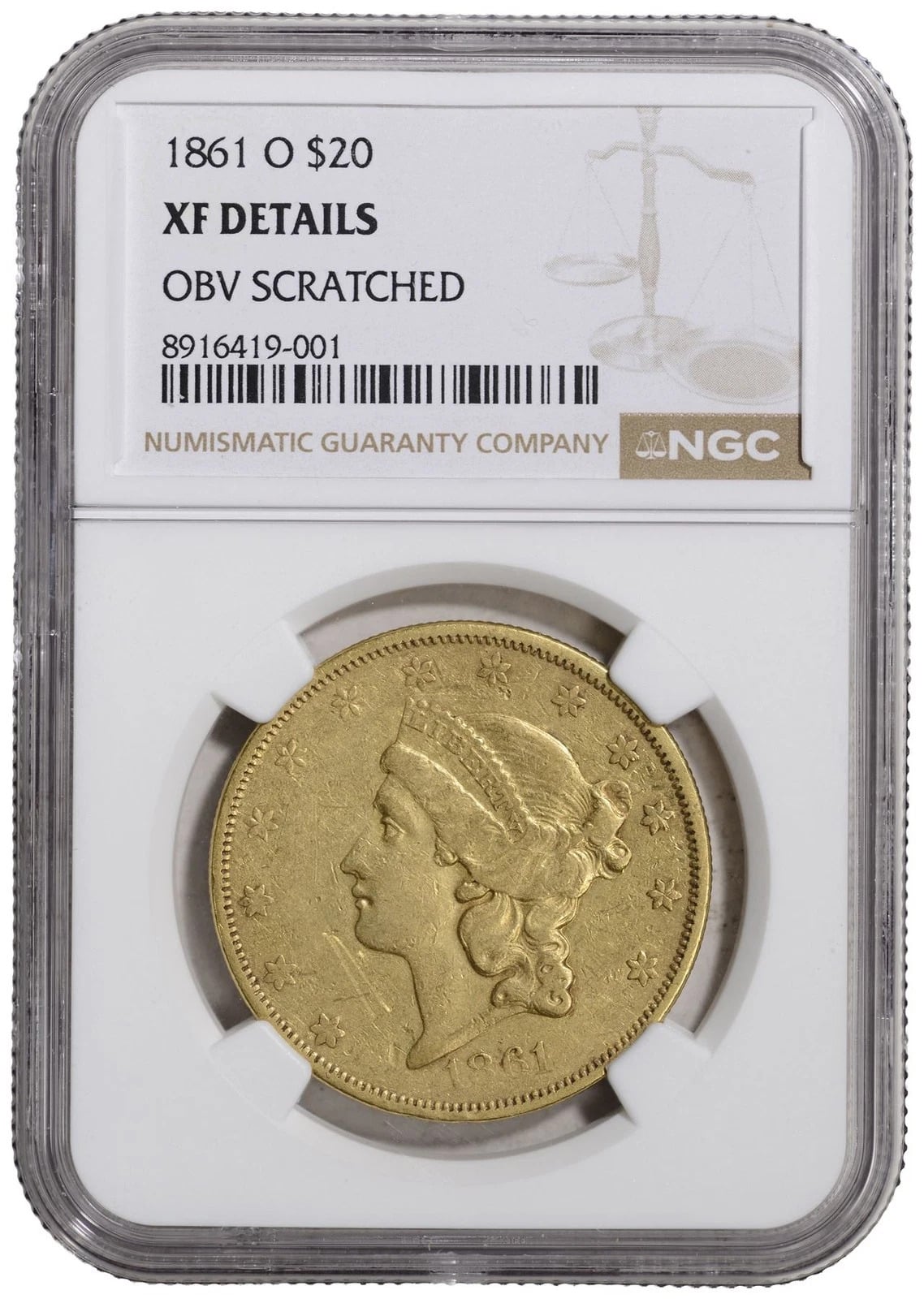
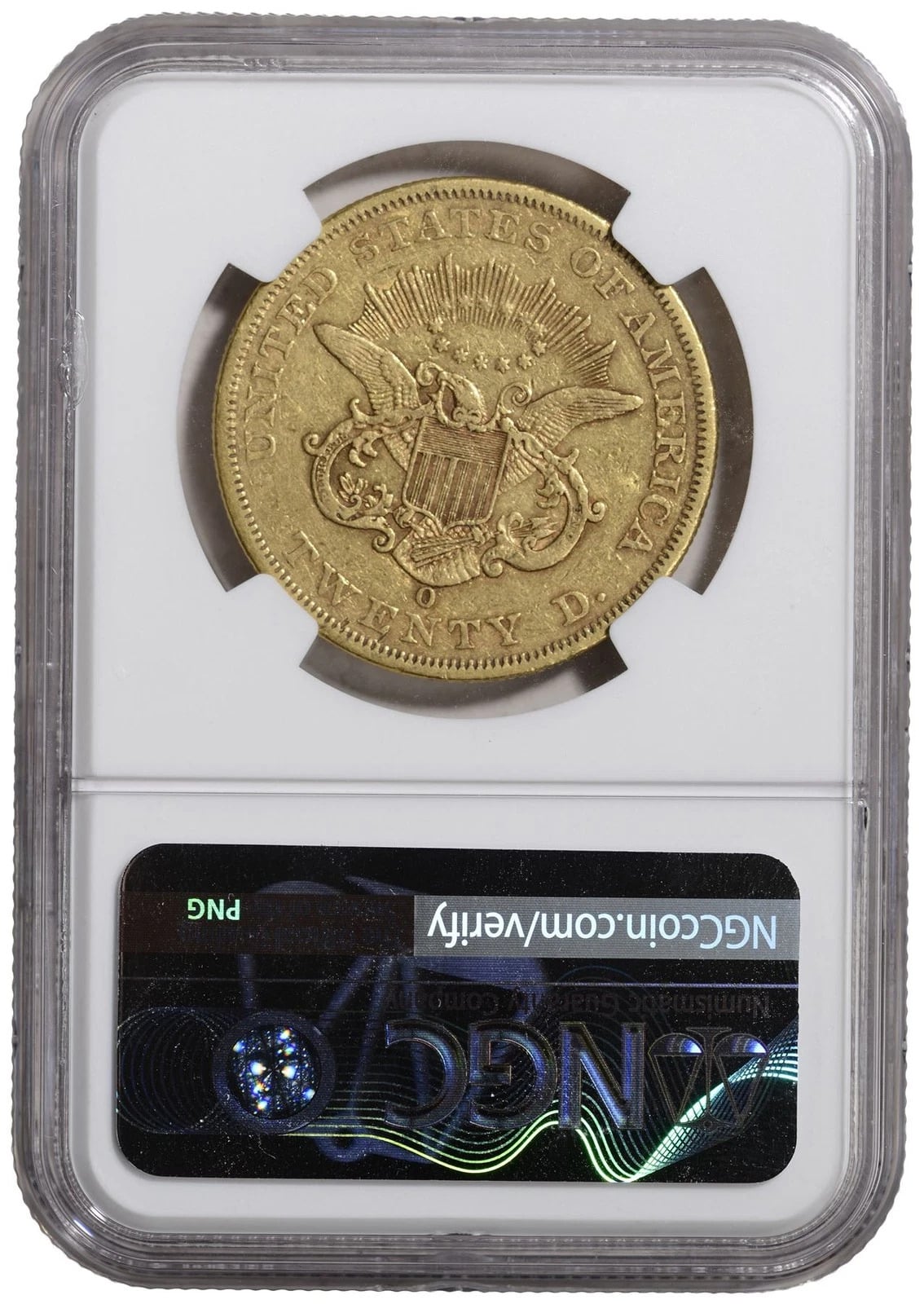
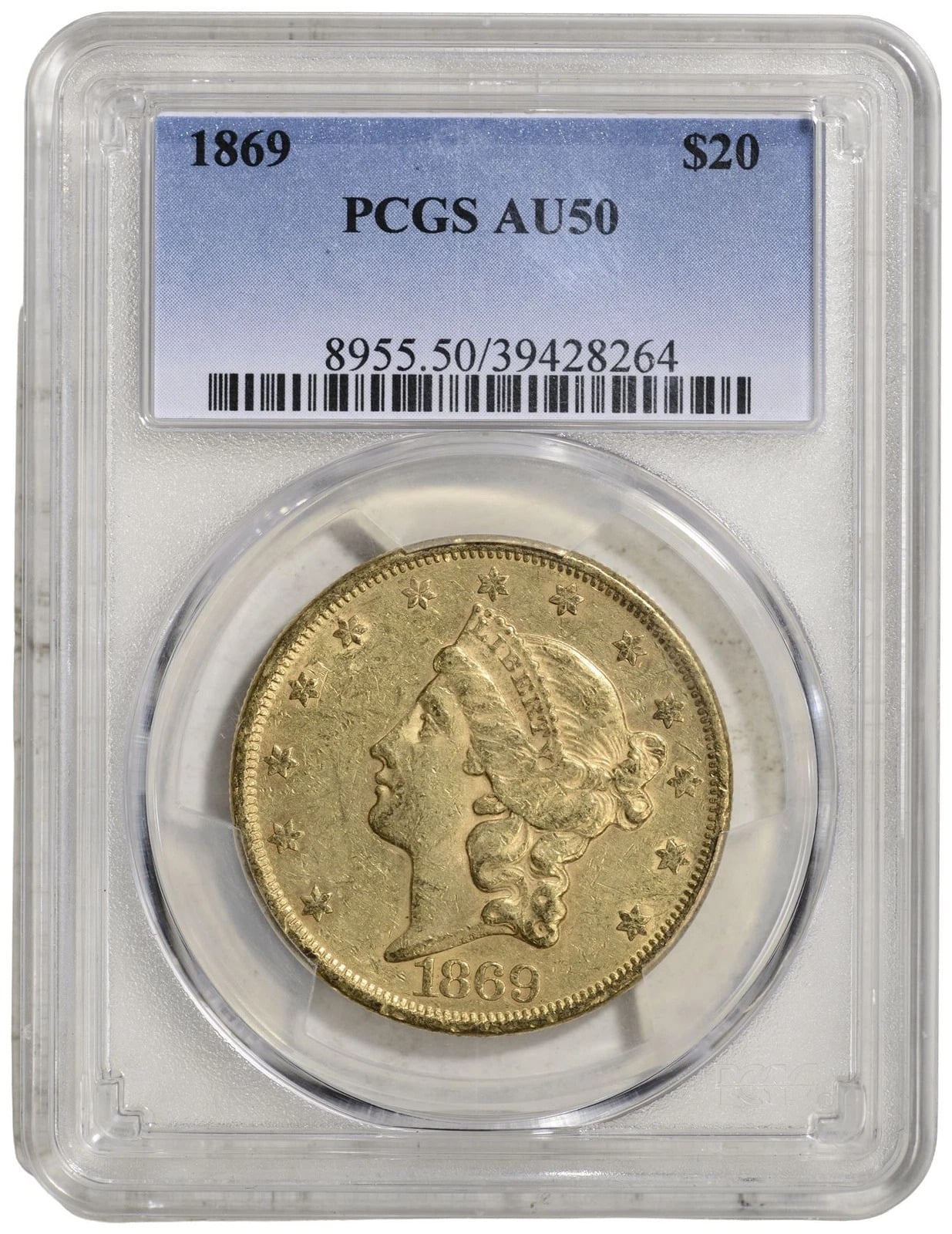
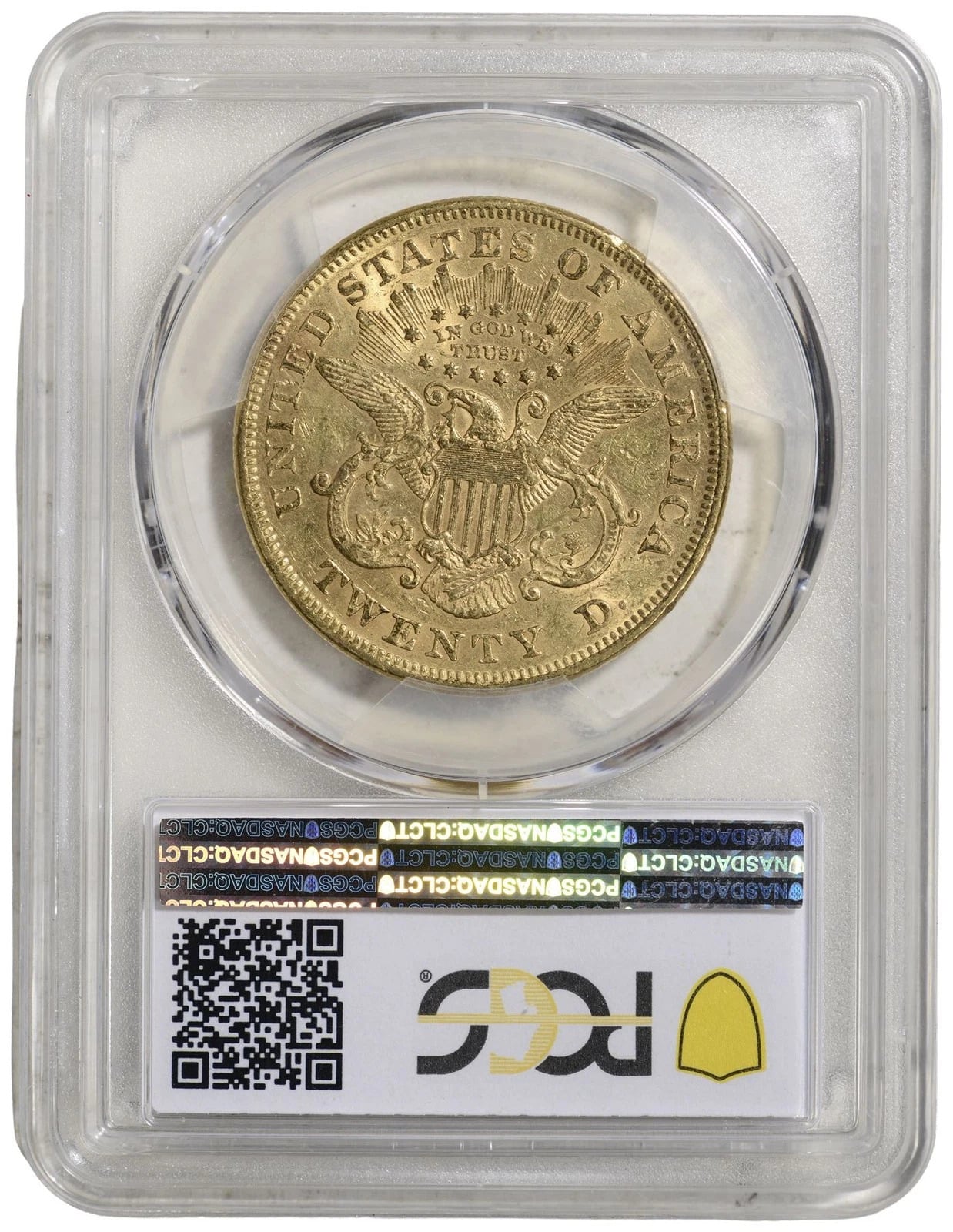
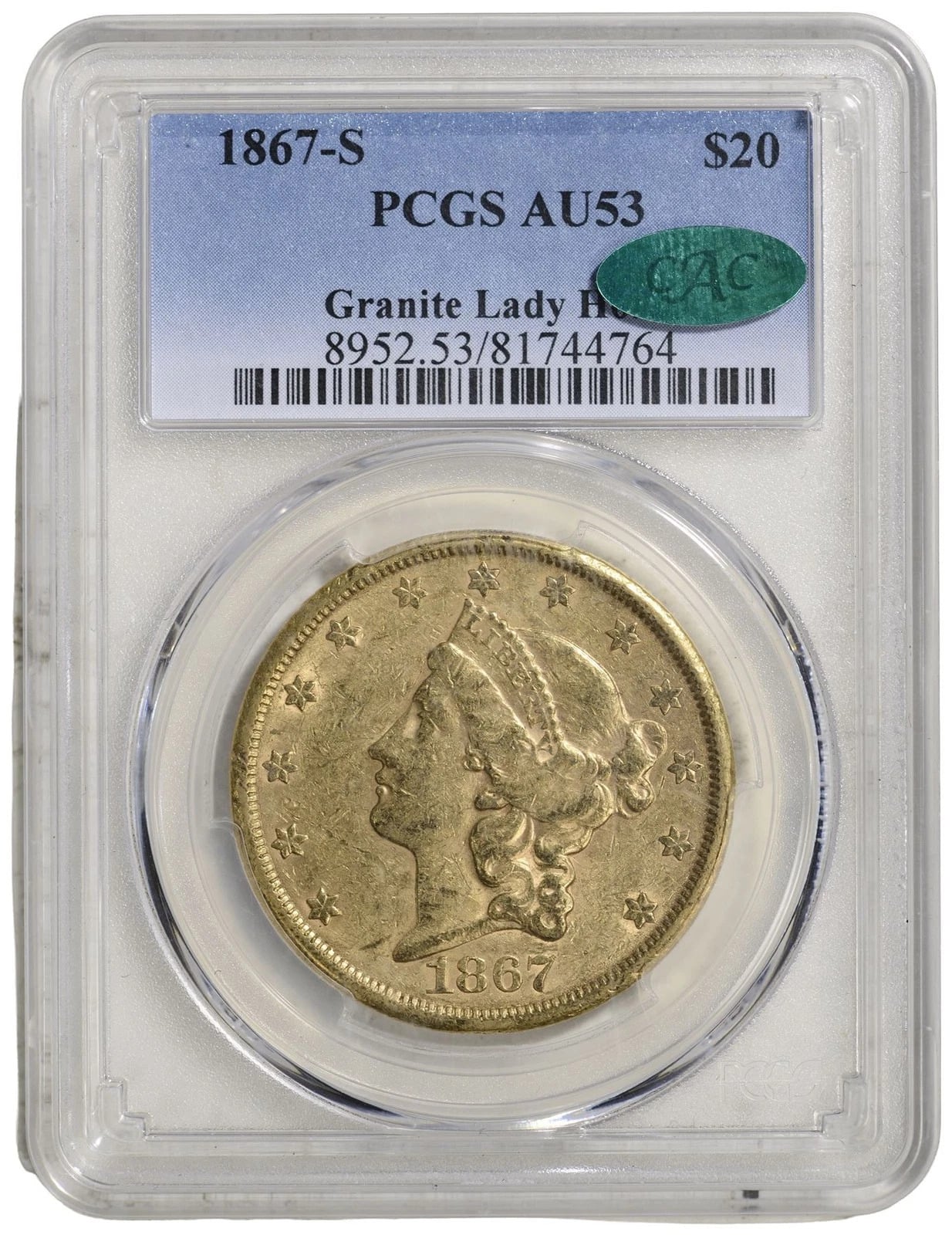
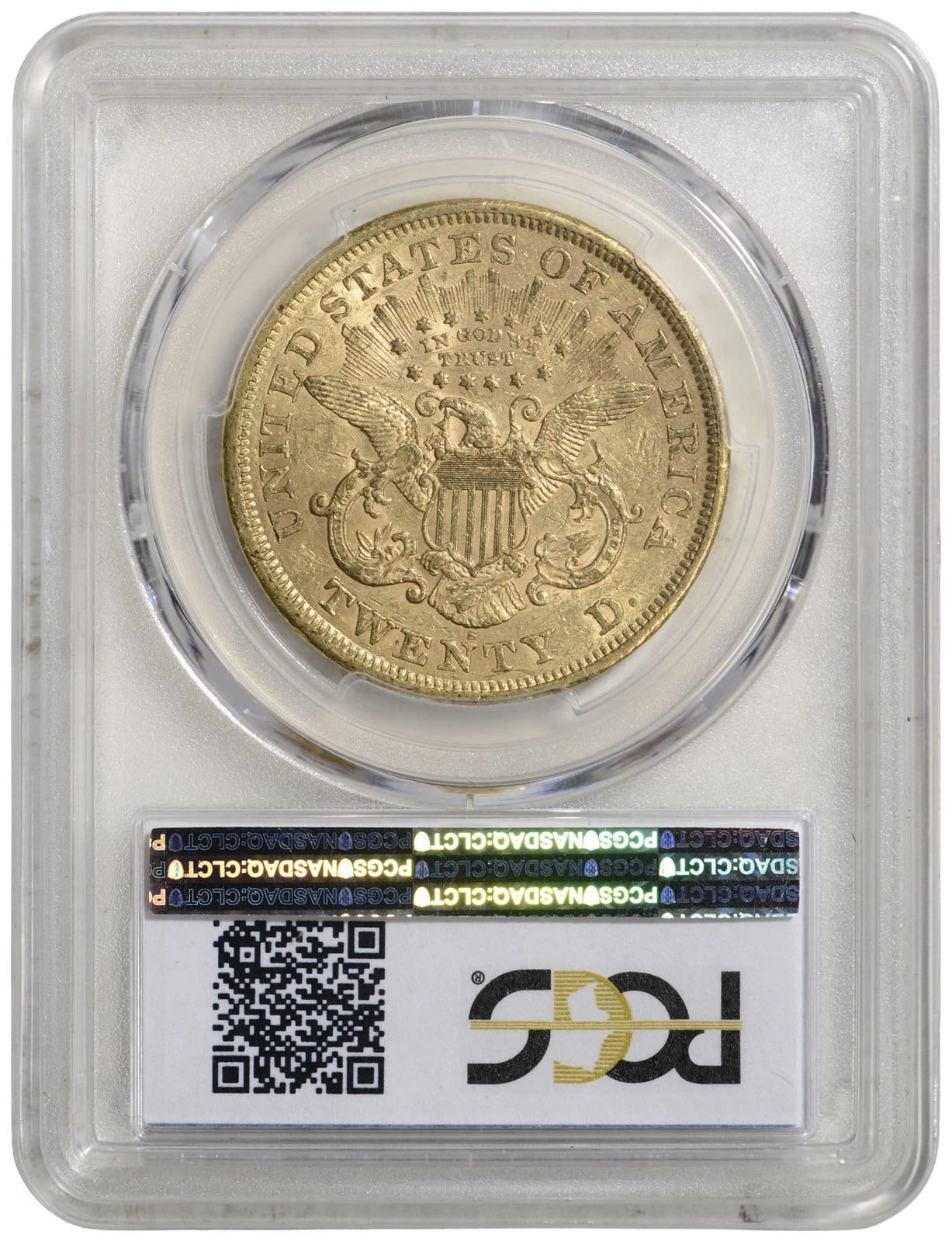
Do you think that the 1869 $20 would pass muster with cac? There were also 71-s and 72-s $20 Libs. in AU58 cac that sold. The 1861-o only sold for $15,200, the rest sold for low $4000s.
2
Comments
Unless gold continues to tank and premiums go up it probably doesn’t financially make sense to send the 69 to CAC even though it’s a better date.
If gold tanks and the premium goes up, aren't we at the same price points.
All comments reflect the opinion of the author, even when irrefutably accurate.
As the premium component increases a sticker will add more value to the coin.
Is that true? I'm not sure the grade premium necessarily increases just because the numismatic premium is higher.
All comments reflect the opinion of the author, even when irrefutably accurate.
Yes imo the 1869 would pass CAC. Nice coin.
CACG holder or stickered coins are priced higher in CDN CPG than non stickered coins. Really great for investment.
Wow, I take it's a Key Date ? It got an XF Details grade with an obvious scratch and still went for almost 4x the price of gold.
That's a tough date; some were struck before and after the civil war started. It seemed to me the marks were not that bad to make it a "cull" or "damaged" coin. It seems to have gone cheap.
Wouldn't the pricing 1 grade higher and wherever the "inflection point" is be more important ? You could have a coin with a sizeable numismatic premium and a bit more of a premium 1 grade higher, but maybe it's only 10% higher in price.
A CAC might only be between 2 grades without much of a price bump.
Look at CDN Bid / Cpg on them.
Another one blasted off last night:
$4627. It seems like there is a lot of opportunity if you see strength in these markets especially with the crazy stock market money out there.
Is that the hammer price or total w/bp ?
It's eBay, so all in. People get 1-2% back on their credit cards. So I'd think a good deal unless the gold price falls significantly which would happen under certain circumstances.
Nice coin. CPG is $5500
$4627 for an AU 1855 in an OGH is a good deal for the buyer and a lousy deal for the seller after paying commission.
Best case the seller if they're not doing a consignment on someone else's account, pays around $200 to eBay; the buyer would be smart to try cac.
So there's a middling VF that resembles used sandpaper, and several EFs.... This is stuff European banks sold in the 1970s to Americans 'cause French and Italians wouldn't touch it.
Looks ok.
With all due respect, I realize that these were seen as bullion coins for years until some numismatists made a market in them. Bowers and Doug Winters had books on them date by date. Perhaps you could enlighten us on the last 50 years or so perspectives on the $20 Liberties, how Breen and other writers saw them.
Not sure why European standards re VF were mentioned--aside from the 1861-O (XF Details), the coins identified in this thread are AU and above, not VFs. Reference that EF coins were rejected by Europeans is also not strictly accurate. Apologize for the slight detour--just to correct that mistake....
European exchanges (like the Paris Bourse) set the qualité boursable ("good delivery") at TTB (Très Très Beau, equivalent to EF-40/45). Problem-free EFs and AUs traded at standard bullion rate. VF (Très Beau) and lower—were rejected as cote refus (melt).
After the U.S. lifted its private gold ownership ban on December 31, 1974, domestic supply was scarce due to the 1933 recall of gold. Uncirculated Double Eagles largely remained in Europe because retail buyers there demanded mint-state bullion--so banks sold their circulated to U.S. dealers who readily paid above melt given scarcity of supply to meet new demand.
That new demand in 1975 is an interesting, but separate topic--e.g. premium over melt in that market.
Post WW-II European bankers kept uncirculated and slightly circulated DE and E. These were traded between them. Anything of lesser condition, such as the pieces posted above, were traded at a discount or sold on bourse or other public markets to individual buyers -- the general gold buying public. The Swiss were also habitual "bag shakers" so they could scrape off fine bits of gold then burn the bags. (A European bag was $25,000; a US bag was $5,000.)
As to the pictured coins, my opinion is that all are overgraded, with the first one being no better than an damaged VF, and then others EF. None reach the classical About Uncirculated "slight trace of wear" level. I maintain the same preservation designations I learned from Frank Katen. I know my opinion on coin grades is not supported by TPGs and others who use the absence of firm standards to squeeze more cash out of collectors. That's OK.
Guy shared table with bought some like those walking the floor then sold some nice ones and retailed a few considerably over bid. He set the rest aside for the big bonanza down the line.
The mental image of bespectacled Swiss bankers standing around shaking 90-pound, $25,000 bags of Double Eagles up and down to scrape off a few cents of dust sure is an entertaining numismatic folktale.
.
So your claim is that Swiss bankers held on to the better-grade coins, only to grind them down to recover tiny bits of gold ?
That doesn't seem to make much sense. The coins wouldn't be "uncirculated" or nearly uncirculated, after such treatment.
Do you have any evidence of this activity by "Swiss bankers" ?
The practice of tumbling gold coins to then recover cast-off particles of gold was an actual activity.
It occurred in the United States and elsewhere. The technique is sometimes called "sweating".
.
.
I personally do not have a disagreement with the grades as assigned on the holders.
.
My understanding was that European-based buyers working with American dealers -- like Paul Wittlin with Paramount -- were sending coins back from the 1950's onward. I recall David Akers saying Paul and others were still finding hoards from banks and SDBs when he started at Paramount in the early-1970's.
I assumed they got both AU circulateds and MS uncirculateds.....the sellers (banks or private individuals) needed dollars and wanted to sell gold, esp. when they could get a premium to the official $35 price.
I do know that David Bowers wrote in his Red Book on DEs that he would get quotes that were good for hundreds of DEs as told by his European/Swiss bank sales guy....who said he would have to see what the price was for a few thousand or tens of thousands !!
The point being if you had a big enough checkbook, you could buy thousands of DEs at the official price and maybe get a discount on an even larger purchase.