@JWP said:
I'm in the process of getting a refund for 3-Declaration of Independence July 4th Privy quarters. it is not an easy process so far. I have gotten a refund on the 1st quarter and the 2nd quarters refund. I'm currently in the process of getting the refund for the 3rd quarter. Ebay does not make it easy to get a refund either. Hopefully I will be fully refunded for these 3 quarters.
I'm not sure these went through the Authenticity Guarantee process. They might have been "regular" eBay transactions where the buyer filed for a refund.
Aren't Hennings against ebay policy? And PCGS doesn't certify them either. Although the eBay message doesn't exactly specify that.
I'm guessing it was listed at or over $500, but a best offer was made and accepted at $400. Even though the sale price was under $500, I think the listing price would have triggered the authenticity route.
I'm surprised that the Henning counterfeit nickels have become so valuable. They used to be worth around $30. @ianrussell Would Great Collections accept this coin for one of their auctions?
Worry is the interest you pay on a debt you may not owe.
"Paper money eventually returns to its intrinsic value---zero."----Voltaire
"Everything you say should be true, but not everything true should be said."----Voltaire
@PerryHall said:
I'm surprised that the Henning counterfeit nickels have become so valuable. They used to be worth around $30. @ianrussell Would Great Collections accept this coin for one of their auctions?
They just sold an Omega counterfeit, so why wouldn't they?
They are probably willing to accept some negativity from selling an Omega on occasion, but I don't see them opening it up to routine listings of other counterfeits like Hennings.
@PerryHall said:
I'm surprised that the Henning counterfeit nickels have become so valuable. They used to be worth around $30. @ianrussell Would Great Collections accept this coin for one of their auctions?
They just sold an Omega counterfeit, so why wouldn't they?
They are probably willing to accept some negativity from selling an Omega on occasion, but I don't see them opening it up to routine listings of other counterfeits like Hennings.
So they are willing to sell counterfeits as long as the price is right? I would hope that if they sell one they'd sell both, or neither.
I think that's probably the case. Occasionally sell a popular high value counterfeit like an Omega, then quietly sweep it under the rug. Not saying I agree, but that's the way it appears to me.
I'm wondering if behind the scenes buyer behavior trends on selling prices are more likely to pickup above that $500 threshold if buyers know that gets the verification for a coin?
I've mentioned previously that I don't buy or sell coins on eBay. But my neighbor does. He just received a coin he purchased thru the new eBay authentication program. He purchased a PCGS-slabbed coin. When it arrived, the slab was enclosed in a protector bag, and the bag was sealed with the sticker shown below. He allowed me to take a foto of the sticker, but didn't want to share the coin.
I hadn't seen the eBay sticker before, so I thought I would post it here. I guess it's up to the recipient whether to leave the authentication sticker untouched, or whether to open the bag and invalidate the sticker. I'd open it.. Your thoughts?
@JDark said:
Easy to get a refund when it gets killed at the authenticator; it is immediate then.
Seems a waste of time and money to weed out junk.
eBay is paying for and feels it helps.
I'm not sure they have enough data to prove that yet. The program is still relatively new and they may close it if they feel it isn't helping enough, or in the right way.
@cinque1543 said:
I've mentioned previously that I don't buy or sell coins on eBay. But my neighbor does. He just received a coin he purchased thru the new eBay authentication program. He purchased a PCGS-slabbed coin. When it arrived, the slab was enclosed in a protector bag, and the bag was sealed with the sticker shown below. He allowed me to take a foto of the sticker, but didn't want to share the coin.
I hadn't seen the eBay sticker before, so I thought I would post it here. I guess it's up to the recipient whether to leave the authentication sticker untouched, or whether to open the bag and invalidate the sticker. I'd open it.. Your thoughts?
Just fyi -- by showing the QR Code, anyone can scan it and see what the coin is.
@jdimmick said:
Glad you posted this, was curious as to what happens with non legit stuff, didnt know because I dont sell non genuine, or no accurately described stuff
God bless the black market.
Paper money eventually returns to its intrinsic value. Zero. Voltaire. Ebay coinbowlllc
Does anyone know if the seller's original invoice and anything else included in the package still gets sent to customer after the coin has been successfully authenticated? Someone told me last week at the ANA that the customer doesn't get anything other than the coin from PCGS, but I am skeptical of that information.
I looked at eBay's Terms and Conditions, they don't say anything specific one way or the other about seller invoices. I would guess, when you consider the difficulties that would be involved in keeping track of all the stuff that might come in the mail along with thousands of coins waiting to be authenticated, that invoices, business cards and other non-coin related items end up in the trash.
@JDark said:
Easy to get a refund when it gets killed at the authenticator; it is immediate then.
Seems a waste of time and money to weed out junk.
eBay is paying for and feels it helps.
I'm not sure they have enough data to prove that yet. The program is still relatively new and they may close it if they feel it isn't helping enough, or in the right way.
But this is after using the same program type in 4 different categories prior. They have 5+ years of experience and data with it.
It's eBay. They can't possibly know what they're doing. You'd get better ideas by finding a bunch of guys sitting around the pizzeria drinking beer and asking them how to run the website.
@JDark said:
Easy to get a refund when it gets killed at the authenticator; it is immediate then.
Seems a waste of time and money to weed out junk.
eBay is paying for and feels it helps.
I'm not sure they have enough data to prove that yet. The program is still relatively new and they may close it if they feel it isn't helping enough, or in the right way.
But this is after using the same program type in 4 different categories prior. They have 5+ years of experience and data with it.
Those other categories may have issues and challenges that coins do not. Those may or may not be significant. There's also perhaps the ratio of how many items in each category qualify for this level of protection and whether the associated costs are balanced by other fees. I'm not a business major, but I know it has to be more complicated than just "it works for other categories so it has to work here".
@PerryHall said:
I'm surprised that the Henning counterfeit nickels have become so valuable. They used to be worth around $30. @ianrussell Would Great Collections accept this coin for one of their auctions?
@MasonG said:
I looked at eBay's Terms and Conditions, they don't say anything specific one way or the other about seller invoices. I would guess, when you consider the difficulties that would be involved in keeping track of all the stuff that might come in the mail along with thousands of coins waiting to be authenticated, that invoices, business cards and other non-coin related items end up in the trash.
But maybe not- who knows?
I've been wondering the same thing. I asked a buyer if they got the "thank you" card, but they didn't remember.
Anecdotally, I've heard examples of buyers from other eAG programs (cards, watches, etc) say that they did receive the seller receipt.
I'm guessing it's a 'sometimes, but not guaranteed' scenario...it's easy to see a business card or thank you note getting discarded during the unpacking process.
For what it's worth, it does say on the eAG T&C that they "may refuse" ineligible items (I would say receipts, business cards, gifts are ineligible items) , and are "not responsible for storage, delivery, return".
"Ineligible items will not be authenticated. Furthermore, eBay may refuse to accept ineligible items (including, but not limited to, additional coins or items that are gifted to buyers as a bonus and free of charge) and is not responsible for storage, delivery, return, damage or loss of such items. eBay reserves the right to donate or otherwise dispose of such ineligible items in our sole and absolute discretion."
My experience selling with the new program : Two customers never got my pen, or candy, or packing slip. And believe me when I say : that’s not kosher. The least they could do is not tell the customer their new item comes from Ebay when it comes from ….
Some small shop in Nebraska
Silvertowne got one of the coins.
I’m not saying the program doesn’t work, but who is supplying the market with products and doing the work ? ebay ? Hardly.
Practice makes perfect & nobody is perfect. So, practice being nobody and be perfect !
Ok thanks, but it's not like it's a big deal- there's no clubhouse or secret handshake or anything. Anyone who's interested could do what I did to find out.
Comments
I have had 3 immediate refunds for "coins" that failed authenticity "inspection"...
I'm not sure these went through the Authenticity Guarantee process. They might have been "regular" eBay transactions where the buyer filed for a refund.
Easy to get a refund when it gets killed at the authenticator; it is immediate then.
And my 3rd one did not go well...
I'm guessing it was listed at or over $500, but a best offer was made and accepted at $400. Even though the sale price was under $500, I think the listing price would have triggered the authenticity route.
I'm surprised that the Henning counterfeit nickels have become so valuable. They used to be worth around $30.
@ianrussell Would Great Collections accept this coin for one of their auctions?
Worry is the interest you pay on a debt you may not owe.
"Paper money eventually returns to its intrinsic value---zero."----Voltaire
"Everything you say should be true, but not everything true should be said."----Voltaire
They are probably willing to accept some negativity from selling an Omega on occasion, but I don't see them opening it up to routine listings of other counterfeits like Hennings.
I think that's probably the case. Occasionally sell a popular high value counterfeit like an Omega, then quietly sweep it under the rug. Not saying I agree, but that's the way it appears to me.
One more time ...
...
No idea; I have bookmarked the sellers for follow-up.
I'm wondering if behind the scenes buyer behavior trends on selling prices are more likely to pickup above that $500 threshold if buyers know that gets the verification for a coin?
I've mentioned previously that I don't buy or sell coins on eBay. But my neighbor does. He just received a coin he purchased thru the new eBay authentication program. He purchased a PCGS-slabbed coin. When it arrived, the slab was enclosed in a protector bag, and the bag was sealed with the sticker shown below. He allowed me to take a foto of the sticker, but didn't want to share the coin.
I hadn't seen the eBay sticker before, so I thought I would post it here. I guess it's up to the recipient whether to leave the authentication sticker untouched, or whether to open the bag and invalidate the sticker. I'd open it.. Your thoughts?
Maybe you should take a class at ANA.
Practice makes perfect & nobody is perfect. So, practice being nobody and be perfect !
Seems a waste of time and money to weed out junk.
Practice makes perfect & nobody is perfect. So, practice being nobody and be perfect !
I'm not sure they have enough data to prove that yet. The program is still relatively new and they may close it if they feel it isn't helping enough, or in the right way.
Just fyi -- by showing the QR Code, anyone can scan it and see what the coin is.
Thank you.
God bless the black market.
Paper money eventually returns to its intrinsic value. Zero. Voltaire. Ebay coinbowlllc
Does anyone know if the seller's original invoice and anything else included in the package still gets sent to customer after the coin has been successfully authenticated? Someone told me last week at the ANA that the customer doesn't get anything other than the coin from PCGS, but I am skeptical of that information.
I looked at eBay's Terms and Conditions, they don't say anything specific one way or the other about seller invoices. I would guess, when you consider the difficulties that would be involved in keeping track of all the stuff that might come in the mail along with thousands of coins waiting to be authenticated, that invoices, business cards and other non-coin related items end up in the trash.
But maybe not- who knows?
It's eBay. They can't possibly know what they're doing. You'd get better ideas by finding a bunch of guys sitting around the pizzeria drinking beer and asking them how to run the website.
Those other categories may have issues and challenges that coins do not. Those may or may not be significant. There's also perhaps the ratio of how many items in each category qualify for this level of protection and whether the associated costs are balanced by other fees. I'm not a business major, but I know it has to be more complicated than just "it works for other categories so it has to work here".
Good thing that's so, or message boards all over the intertubes would shutting down.
From my conversation I would expect not...
Thanks @jmlanzaf ; maybe I should ...
...
I've been wondering the same thing. I asked a buyer if they got the "thank you" card, but they didn't remember.
Anecdotally, I've heard examples of buyers from other eAG programs (cards, watches, etc) say that they did receive the seller receipt.
I'm guessing it's a 'sometimes, but not guaranteed' scenario...it's easy to see a business card or thank you note getting discarded during the unpacking process.
For what it's worth, it does say on the eAG T&C that they "may refuse" ineligible items (I would say receipts, business cards, gifts are ineligible items) , and are "not responsible for storage, delivery, return".
"Ineligible items will not be authenticated. Furthermore, eBay may refuse to accept ineligible items (including, but not limited to, additional coins or items that are gifted to buyers as a bonus and free of charge) and is not responsible for storage, delivery, return, damage or loss of such items. eBay reserves the right to donate or otherwise dispose of such ineligible items in our sole and absolute discretion."
How does one become “ unknown” with content removed ? I have a pretty good guess “who” , just not sure how.
Practice makes perfect & nobody is perfect. So, practice being nobody and be perfect !
Wish I had superpowers like the “unknown”.
Practice makes perfect & nobody is perfect. So, practice being nobody and be perfect !
I know how.
I don’t. You must be one of them “ privy” guys.
Practice makes perfect & nobody is perfect. So, practice being nobody and be perfect !
My experience selling with the new program : Two customers never got my pen, or candy, or packing slip. And believe me when I say : that’s not kosher. The least they could do is not tell the customer their new item comes from Ebay when it comes from ….
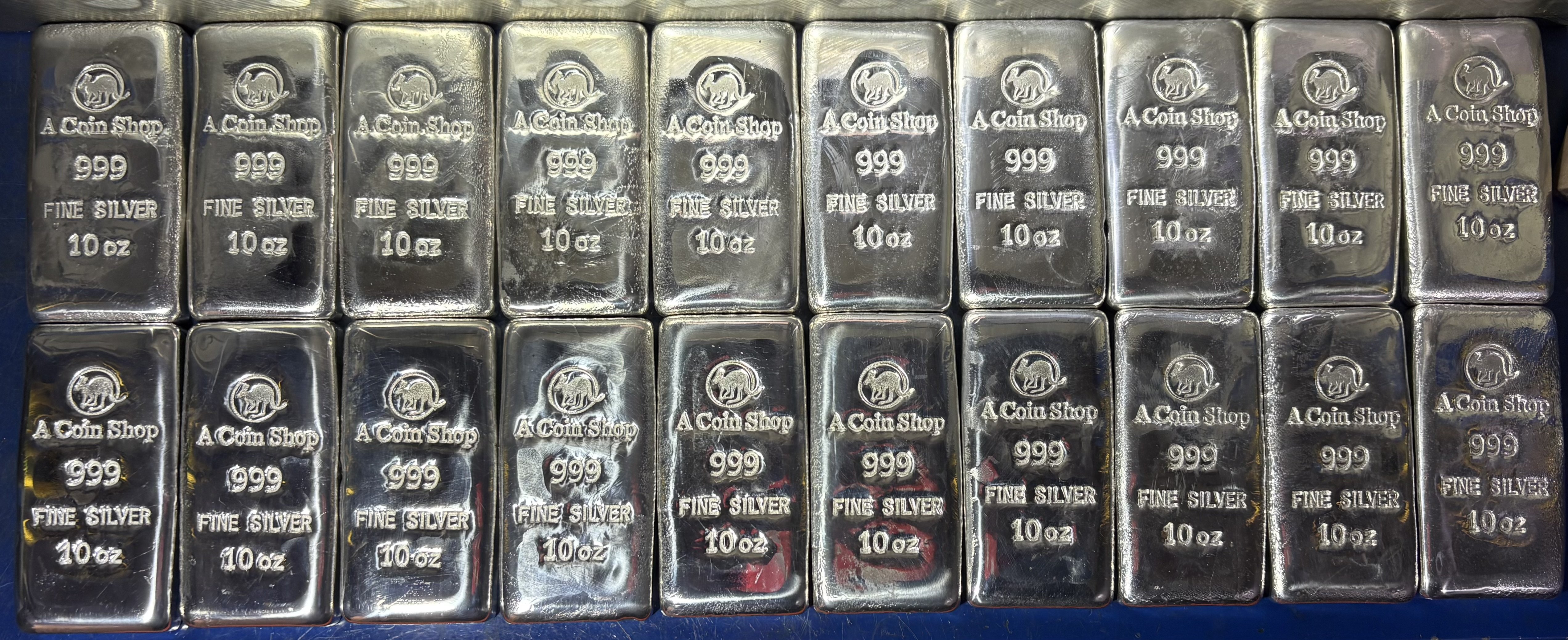
Some small shop in Nebraska
Silvertowne got one of the coins.
I’m not saying the program doesn’t work, but who is supplying the market with products and doing the work ? ebay ? Hardly.
Practice makes perfect & nobody is perfect. So, practice being nobody and be perfect !
??? I don't know what a privy guy is.
Practice makes perfect & nobody is perfect. So, practice being nobody and be perfect !
I asked him.
So then .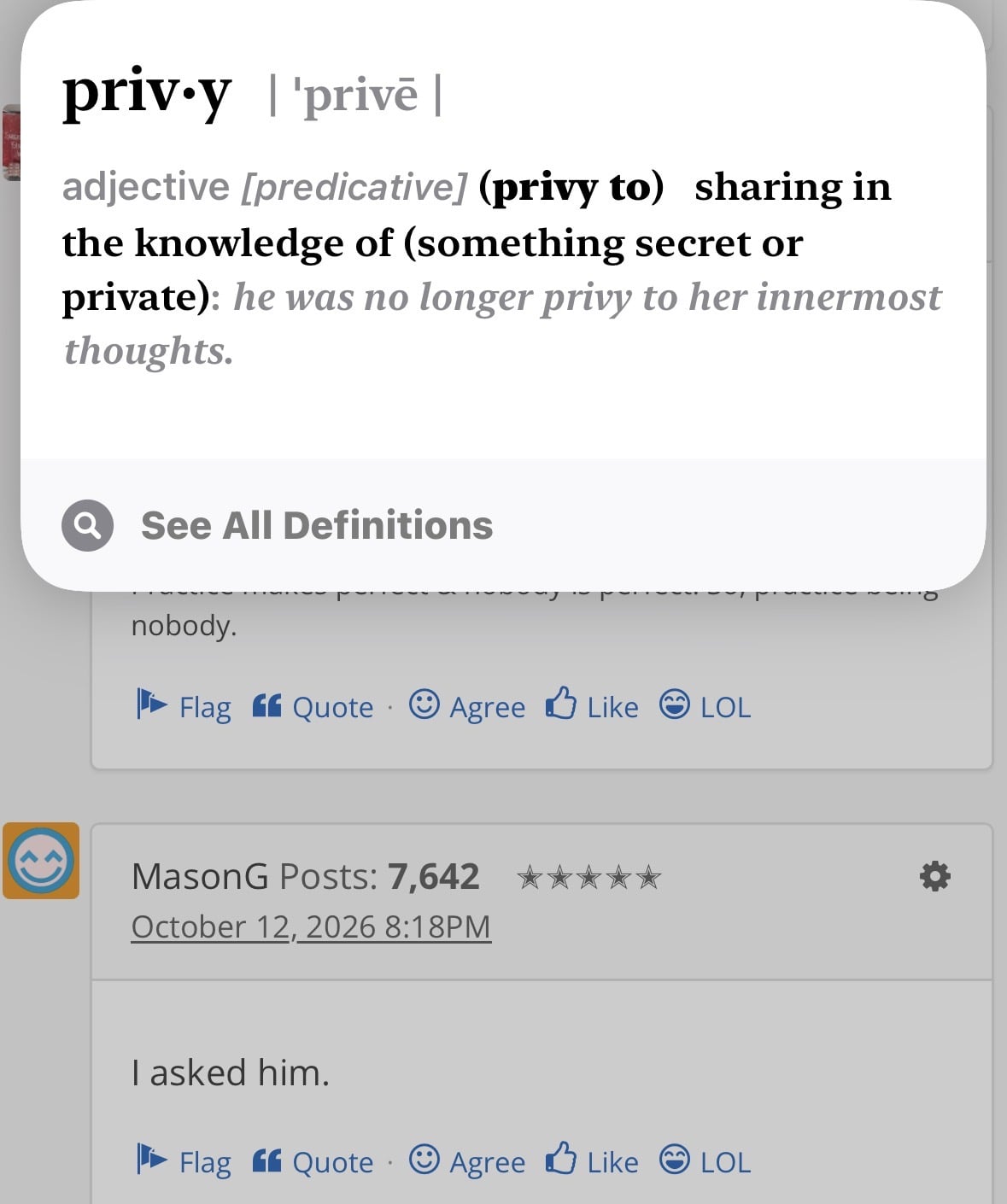
One of them guys privy to something secret. At least not known to all.
Practice makes perfect & nobody is perfect. So, practice being nobody and be perfect !
Ok thanks, but it's not like it's a big deal- there's no clubhouse or secret handshake or anything. Anyone who's interested could do what I did to find out.
@unknown
100
Practice makes perfect & nobody is perfect. So, practice being nobody and be perfect !