1920 Lincoln Wheat Penny: Is this a legitimate "Woody"?
 ricarf2386
Posts: 242 ✭✭✭
ricarf2386
Posts: 242 ✭✭✭
Hello forum, hope you are all doing well!
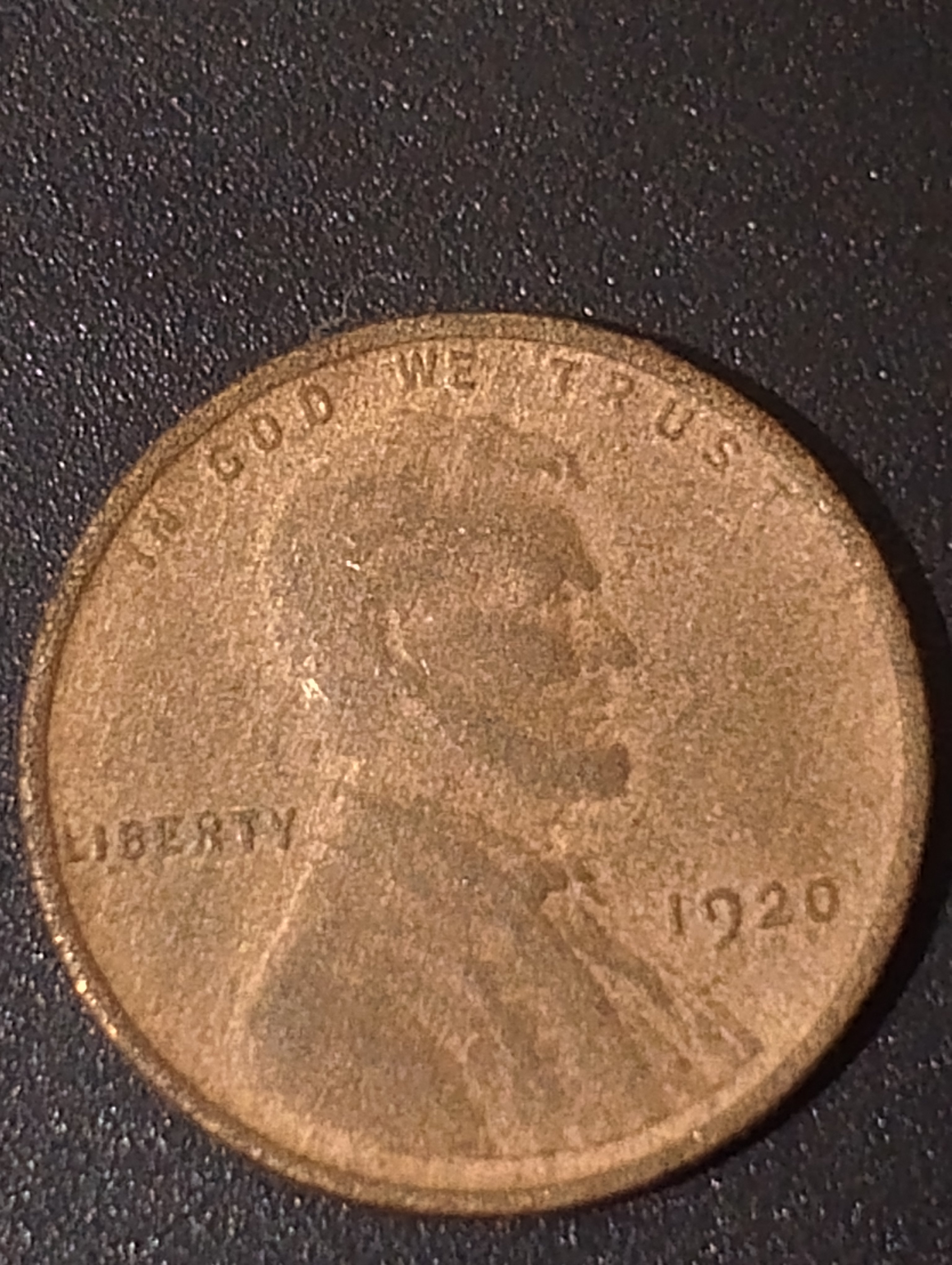
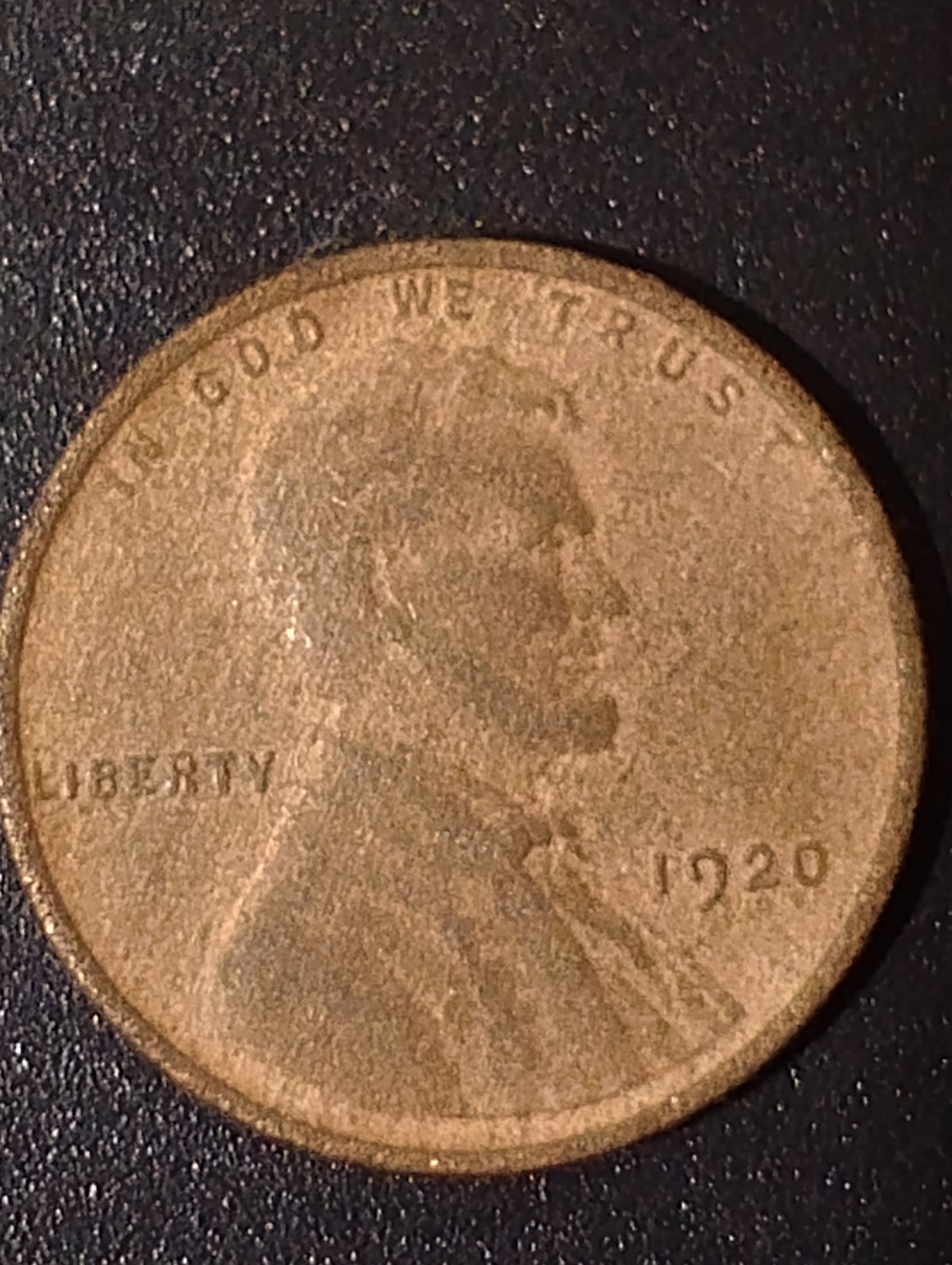
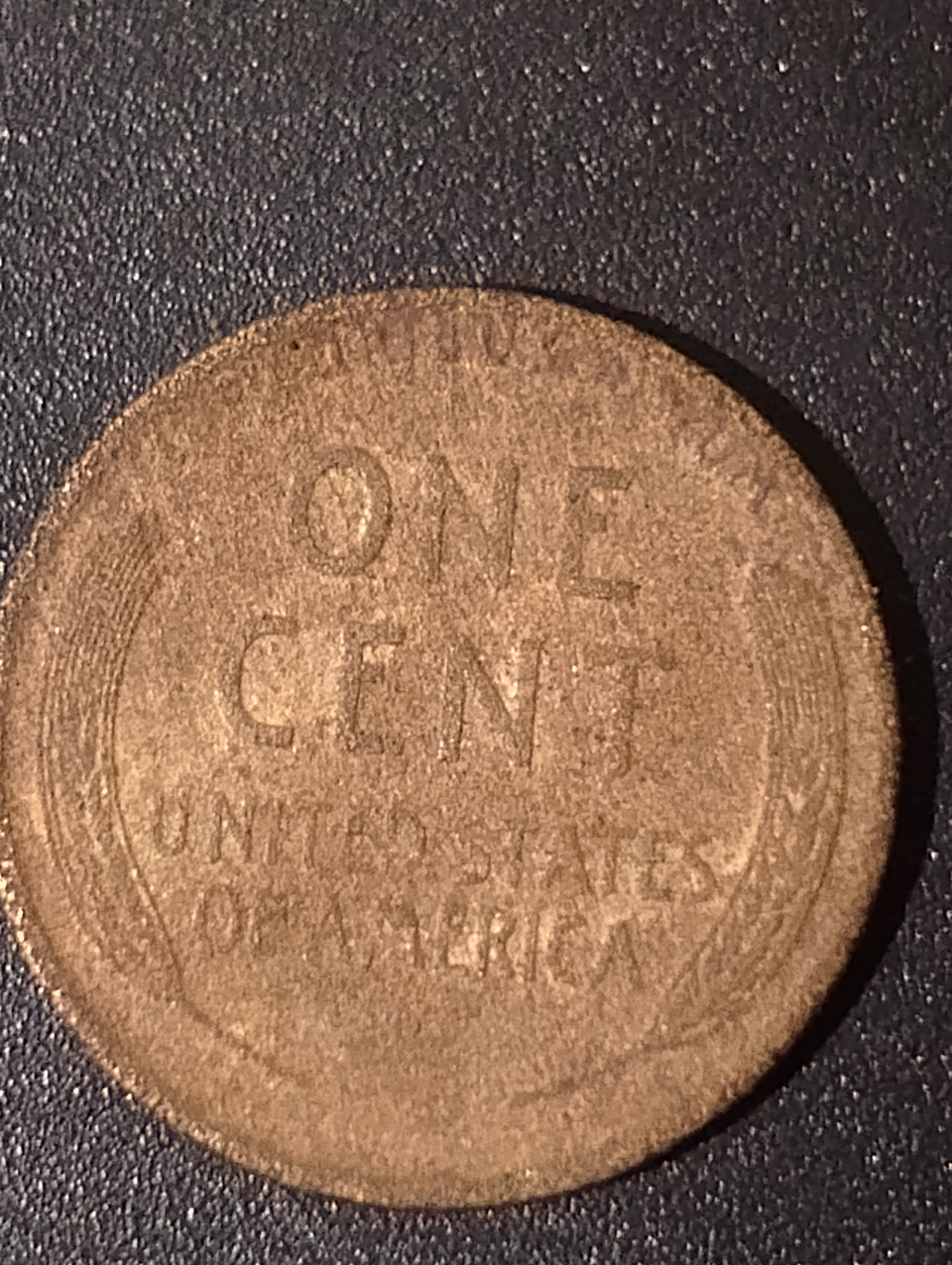
I recently purchased this 1920 Lincoln cent from a friend. He had several incomplete coin folders and decided to pull all the pennies out to sell them. While searching through his bulk lot, this particular cent caught my eye because it looked odd. My friend was actually almost certain it was a fake coin!
However, from browsing this forum before, I remembered seeing similar pieces that you all refer to as "Woodies." To be safe, I weighed it on a scale and it came in at 2.9g, which I believe is well within the acceptable range for a circulated copper cent.
Adding to the technical details, when holding it in hand, I notice the texture is quite porous. To me, it feels like cardboard or even dry, brittle wood rather than smooth metal. Furthermore, in my opinion, the coin might not have seen much circulation because the wheat stalks on the reverse still show full details.
I’m attaching some clearer photos this time. I would really appreciate your insight to determine if this is indeed a legitimate Woody cent.
Thanks for looking!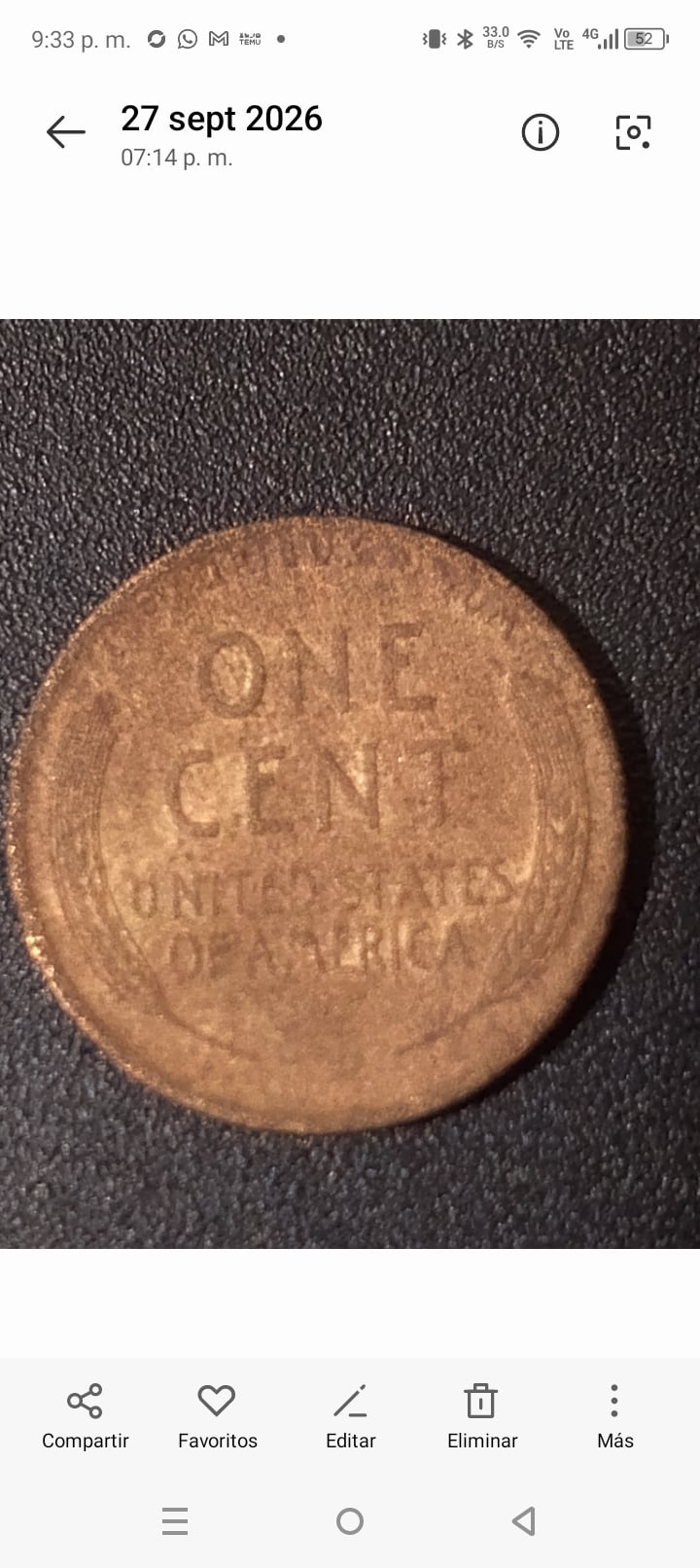
Comments
not a wood grain cent
Okay, great observation! What do you think could be going on with this coin then? Why do you think it has this specific look and texture? I'd love to hear your thoughts.
Just a damaged or as your friend suspected a counterfeit coin. If real it may have been subjected to a mild corrosive like swimming pool acid.
My Collection of Old Holders
Never a slave to one plastic brand will I ever be.
Okay, great observation! What do you think could be going on with this coin then? Why do you think it has this specific look and texture? I'd love to hear your thoughts.
Interesting point, Coinbuf! I didn't know that pool acid could leave that specific texture. If it were a contemporary counterfeit, do you think it would maintain a weight so close to the official Mint standard?
Honestly, I slightly doubt it's a fake because, from being mixed in a bulk lot, it has two or three tiny scratches that clearly reveal a bright copper base underneath.
Thanks for the technical insight!
I doubt it is a counterfeit with that given weight, but considering where you are located I would not automictically rule it out, just unlikely. A mild acid would also explain the low weight, what does the rim look like? Same pebbly look?
My Collection of Old Holders
Never a slave to one plastic brand will I ever be.
Yes, the edge has the exact same grainy texture as the rest of the coin, but it shows a slightly dark, blackish copper tone.
Regarding the counterfeit theory, I strongly doubt it. I'm located in Ecuador, and US coins only started circulating here in the year 2000, so a 1920 cent holds absolutely no local transactional value to be faked here. If it were a contemporary counterfeit from the Great Depression era in the US, I still doubt it due to the copper core showing under the scratches, though I know those historical fakes exist.
Environmental damage over the past 126 years.
Oops, 106 years, not 126,
Looks like it has been cleaned. I have a 1929 wheat and it is nowhere near that clean looking.
Looks corroded and cleaned to me. Some sort of acid or etching compound... all the cleaning lines are orientated in the same direction.
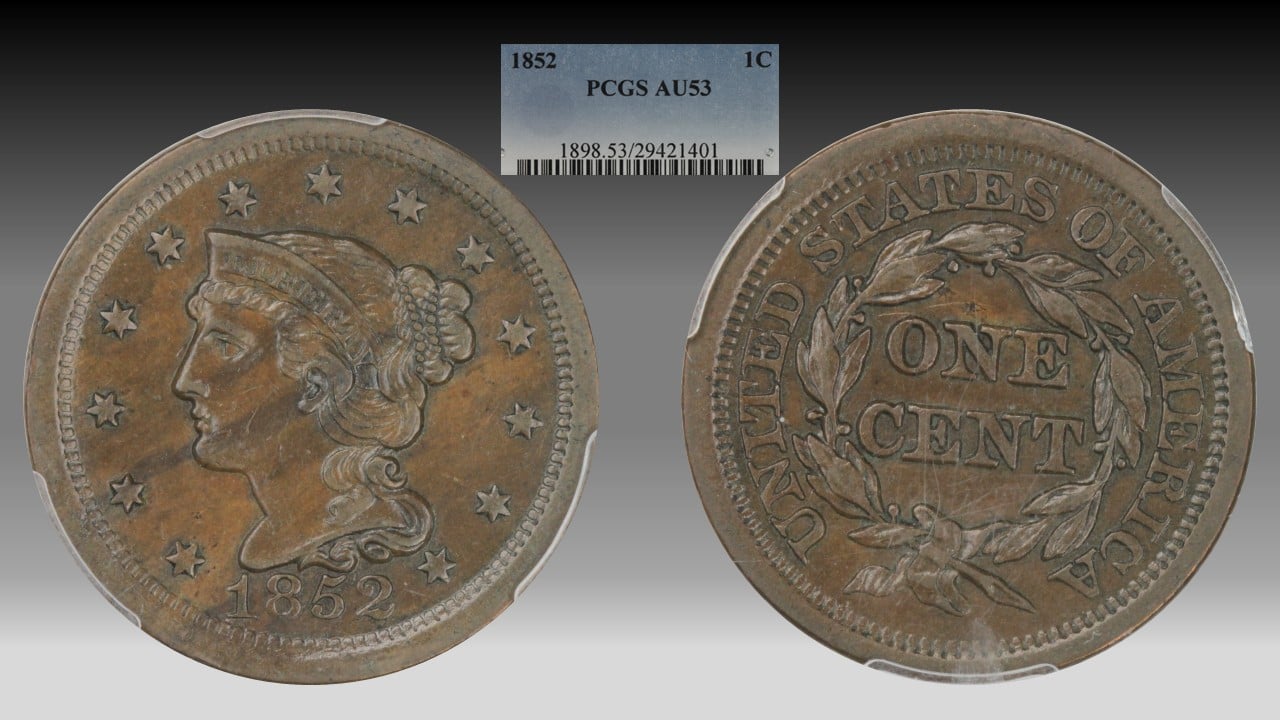
Here's a Large Cent I consider to be woodgrain...
Successful BST transactions with: SilverEagles92; Ahrensdad; Smitty; GregHansen; Lablade; Mercury10c; copperflopper; whatsup; KISHU1; scrapman1077, crispy, canadanz, smallchange, robkool, Mission16, ranshdow, ibzman350, Fallguy, Collectorcoins, SurfinxHI, jwitten, Walkerguy21D, dsessom.
.
Large cents are 100% copper - can't be a "Woodie" as there is no alloy mix. The streaks have to be some kind of staining.
"When they can't find anything wrong with you, they create it!"
The OP coin is just a previous harshly cleaned coin that is retoning - possibly a metal detector find.
"When they can't find anything wrong with you, they create it!"
Based on its appearance (noticeable pitting/porosity on both faces and the edge) and its underweight status (2.9g instead of the standard 3.11g), I am concluding that it suffered acid corrosion at some point.
Since I only paid $2 for it, I’d say this was a very cheap and valuable numismatic lesson learned.
Thanks again and best regards to all!
You're correct that Large Cents were nominally pure copper, so the mechanism isn't necessarily the same as the classic “Woodies” seen on Indian Head and Lincoln cents. Those later coins are copper alloys, and incomplete homogenization of the alloy, followed by rolling of the metal, can produce the familiar lighter or golden streaking.
But I don't think that means a Large Cent can't properly be described as having a woodgrain appearance.
“Woodgrain” describes the streaked visual pattern; an improperly mixed alloy is one mechanism that can produce it.
Early U.S. copper was nominally pure, but that doesn't mean it was chemically pure. Copper produced by 18th- and 19th-century smelting and refining could contain trace impurities, and the Mint also obtained copper and prepared planchets from different sources over the history of the Large Cent. English suppliers such as Boulton & Watt provided large quantities of planchets, while Crocker Brothers of Taunton, Massachusetts became an important domestic supplier beginning in the 1830s. Differences in copper refining, casting, and planchet manufacture therefore have to be considered as well.
Rolling is particularly interesting because any heterogeneity already present in the copper... whether from trace impurities or differences created during refining/casting... could potentially be elongated into streaks during production of the copper strip. Those regions could then oxidize or tone differently over the next 170+ years. That would produce a woodgrain-like appearance without requiring the tin/zinc alloy segregation associated with later cents.
The coloration also tends to look different. Indian Head and Lincoln “Woodies” often show conspicuous tan or golden streaks, whereas streaking on early copper can be much more subdued... different shades of brown, gray, reddish-brown, or nearly charcoal. I wouldn't attribute that specifically to iron or any other contaminant without metallurgical analysis of the coin, but impurities in historical copper are certainly a plausible contributor.
Successful BST transactions with: SilverEagles92; Ahrensdad; Smitty; GregHansen; Lablade; Mercury10c; copperflopper; whatsup; KISHU1; scrapman1077, crispy, canadanz, smallchange, robkool, Mission16, ranshdow, ibzman350, Fallguy, Collectorcoins, SurfinxHI, jwitten, Walkerguy21D, dsessom.