Eliasberg's Colonials
 MidLifeCrisis
Posts: 10,616 ✭✭✭✭✭
MidLifeCrisis
Posts: 10,616 ✭✭✭✭✭
I've often wondered about the overall quality of Eliasberg's colonial era coins. In fact, years ago I formed a somewhat negative opinion of his colonial coins and didn't not value the provenance highly, or at least not as high as Ford, Norweb, or Garrett. My opinion changed when I picked up a couple of Eliasberg colonials. (I sold these coins a few years ago. I wish I had them back!)
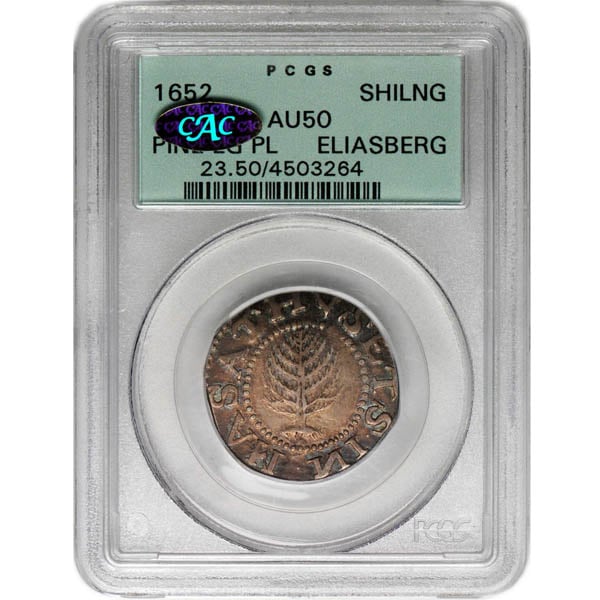
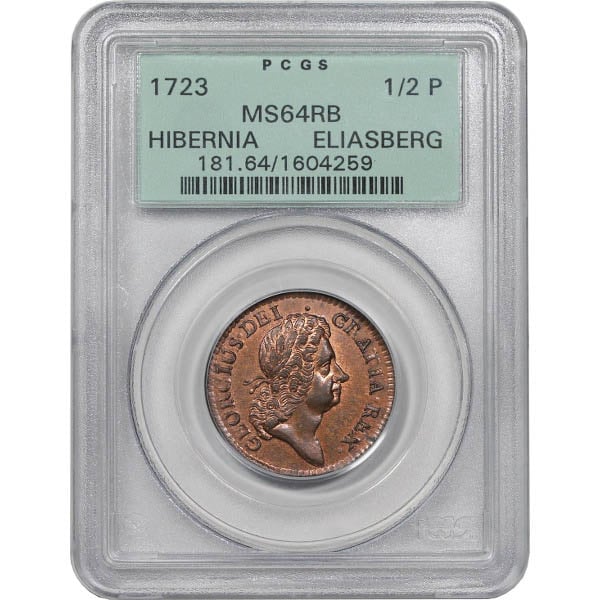
Now I'm wondering what I based my negative opinion on, and if any other collectors or dealers have a similar negative opinion of his colonials. If so, I think Eliasberg got a bad rap!
The Colonial and Early American Coins section of Bowers May 1996 sale of the Louis E. Eliasberg, Sr. Collection, Part I included 108 individual lots plus a group of 27 coins in one additional lot. The coins in that group were relatively low grade early American issues.
The Introduction to the Colonial and Early American Coins section of the auction includes this comment:
Regarding grading, there are no published standards for most colonials, and individual techniques are apt to vary, and widely so. Thus, while we (Q. David Bowers and Mark Borckardt working as a team) have assigned grades based upon our experience, opinions may differ. We have endeavored to be conservative and have eschewed the use of high numbers (above MS-65) for gem early coins, although commercial grading services in some instances would probably be more liberal.
It seems likely, therefore, that many of the coins were undergraded...certainly by today's standards.
The catalog goes on to say the following:
Louis E. Eliasberg, Sr., emphasized the United States federal series from 1792-1793 onward, but along the way he also acquired many outstanding pieces related to the “colonial” series. The watch¬ word, was quality, and among the lots to follow there are numerous Condition Census and finest known examples. The April 27, 1953, issue of Life magazine featured the Eliasberg Collection in an article titled “Gems From the Greatest Collection of U.S. Coins.” Highlights from the cabinet were illustrated in color, including these representative pieces from the early American series, reflective of the owner’s pride of possession:
1. (1652) Massachusetts “NE” (New England) silver shilling.
2. 1652 Massachusetts Pine Tree silver shilling, large planchet.
3. 1786 Vermont copper, “landscape” type.
4. Maryland silver sixpence circa 1659.
5. Carolina Elephant token, Bolen copy in silver.
6. 1787 New York EXCELSIOR copper with state arms.
7. 1739 Higley copper threepence, standing deer motif.
8. 1786 New Jersey copper.
9. 1787 Fugio cent, copper.
10. 1786 New York NON VI VIRTUTE VICI copper.
11. 1791 WASHINGTON PRESIDENT cent, copper.
12. 1792 Washington silver Getz “half dollar.”
13. 1796 Myddelton token, silver.
14. 1776 Continental “dollar” in pewter.
Among these, the Massachusetts NE Shilling, the Higley Copper, and the Myddelton Token are very rare and highly valued coins in any condition. These three coins alone would be noteworthy highlights of any collection.
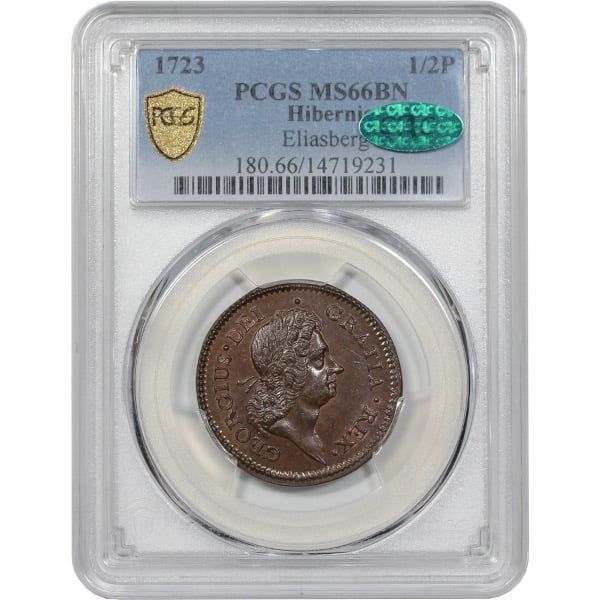
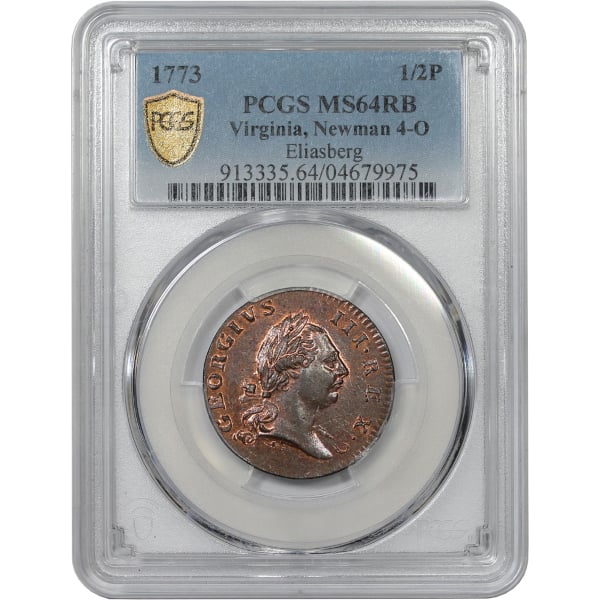
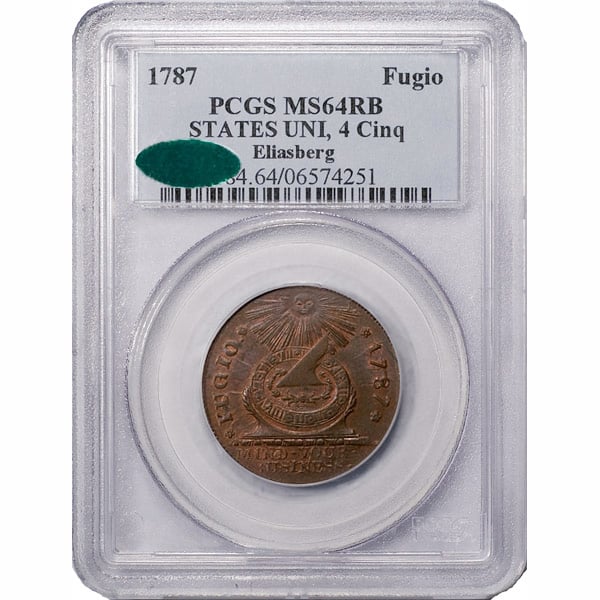
Here are three of Eliasberg's colonials that I currently own. I would be proud and happy to add more of his colonials to my collection!
Comments
I like that OGH Pine tree shilling. Some very nice looking pieces.
Thanks for the post.... I learned something!
I have a couple of Eliasberg's coins like I imagine many here do. They ae usually pretty darn nice and always comes toned due to the wooden cases housing them and the storage that Clapp provided. Yours are no different, extremely original and naturally toned fine high grade specimens.