Options
1869 Spanish 5 Peseta?
.JPG) ledzep87
Posts: 1,116 ✭✭✭
ledzep87
Posts: 1,116 ✭✭✭
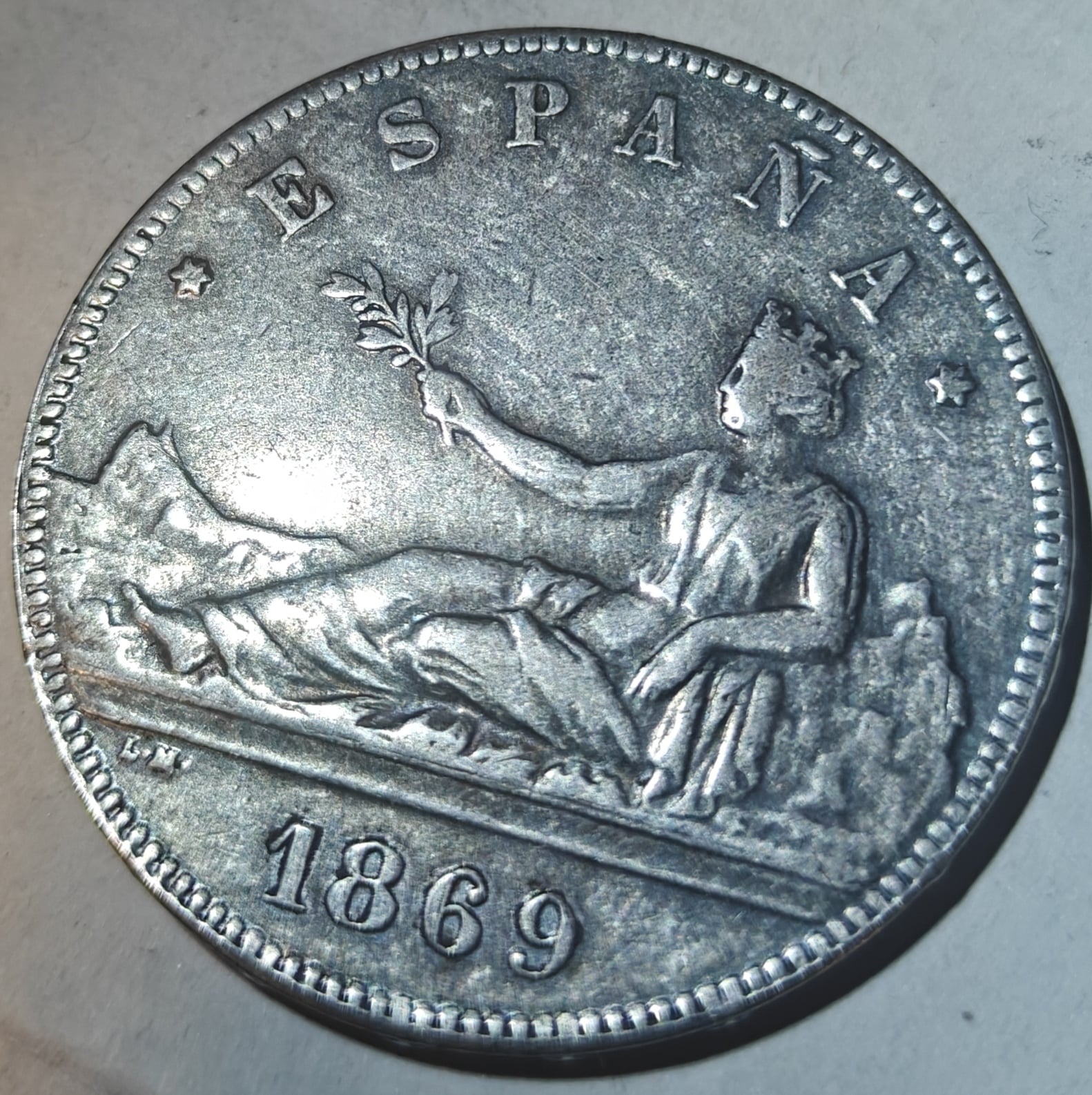
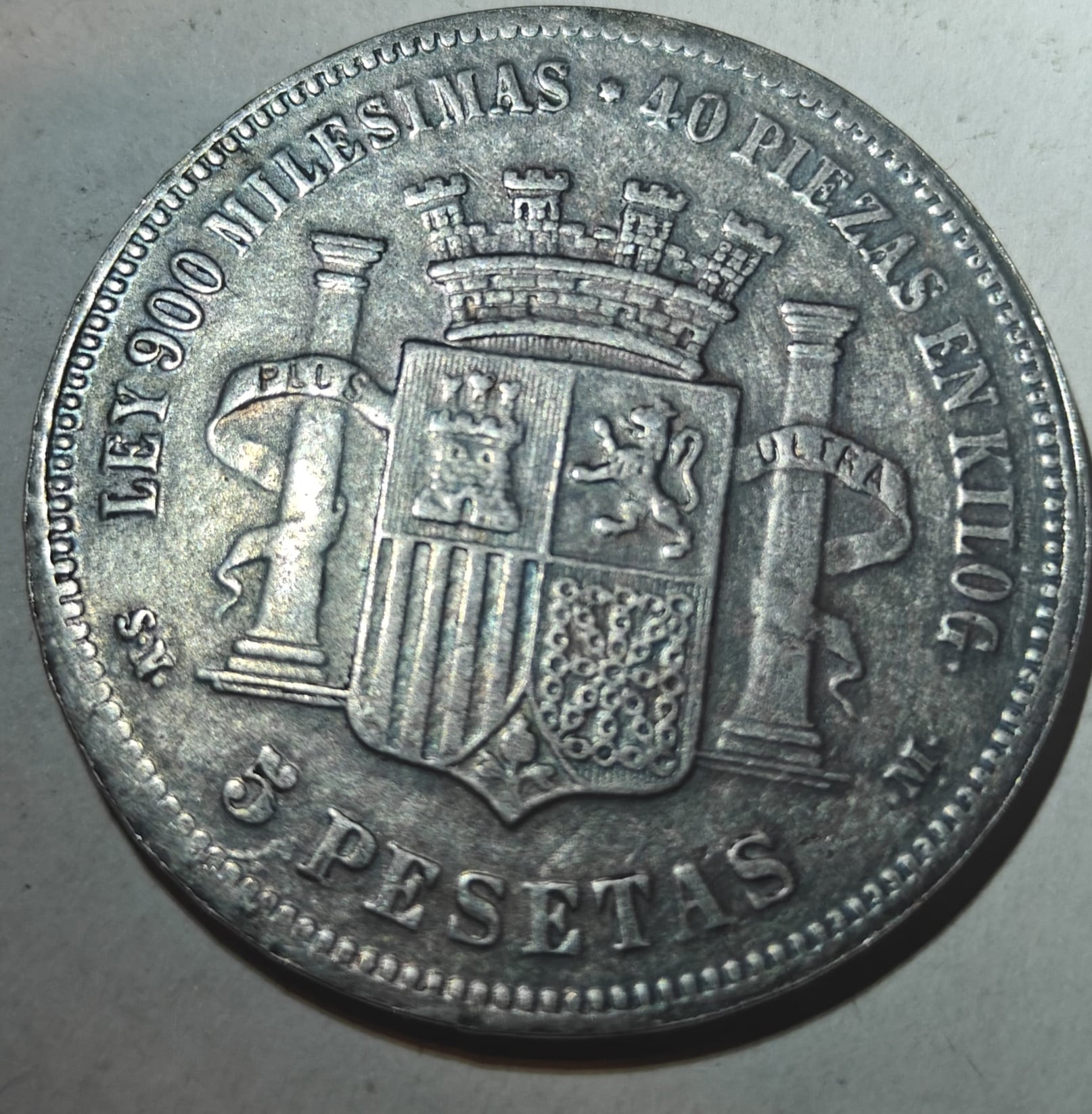
Is this the real deal?
Great transaction with: Relaxn, Collectorcoins, OKCC
0
Comments
I really doubt it
I'm BACK!!! Used to be Billet7 on the old forum.
Anything in particular I can check to find out one way or another?
You could start by checking to see if the weight is right.
Not my series but I'll go with no
I'll see about getting it weighed
The field/surface looks kinda rough. Also, to me, it looks like the "wear" on the obverse is more than the reverse, or the die used for the obverse just was not as good as the reverse. The "wear patterns" themselves look off but, again, it just might be the wear/construction of the dies. I have to go with fake.
I’m going with fake as well.
It's certainly fake.
Sic semper tyrannis.
Weighed and measured it, and it's underweight and sticks to magnet. Thanks all
I once found half a dozen very similar fake early Spanish 5 peseta coins mixed in with a bulk world coin lot. My 1869 5 pesetas looks even worse than this one, with the poor lady on the obverse totally decapitated (missing her neck). These coins also were all underweight and stuck-to-a-magnet. There must have been a spate of them made, perhaps locally in Spain, at some point.
Roman emperor Marcus Aurelius, "Meditations"
Apparently I have been awarded the DPOTD twice.