“Off Metal” Proofs
 MrEureka
Posts: 24,728 ✭✭✭✭✭
MrEureka
Posts: 24,728 ✭✭✭✭✭
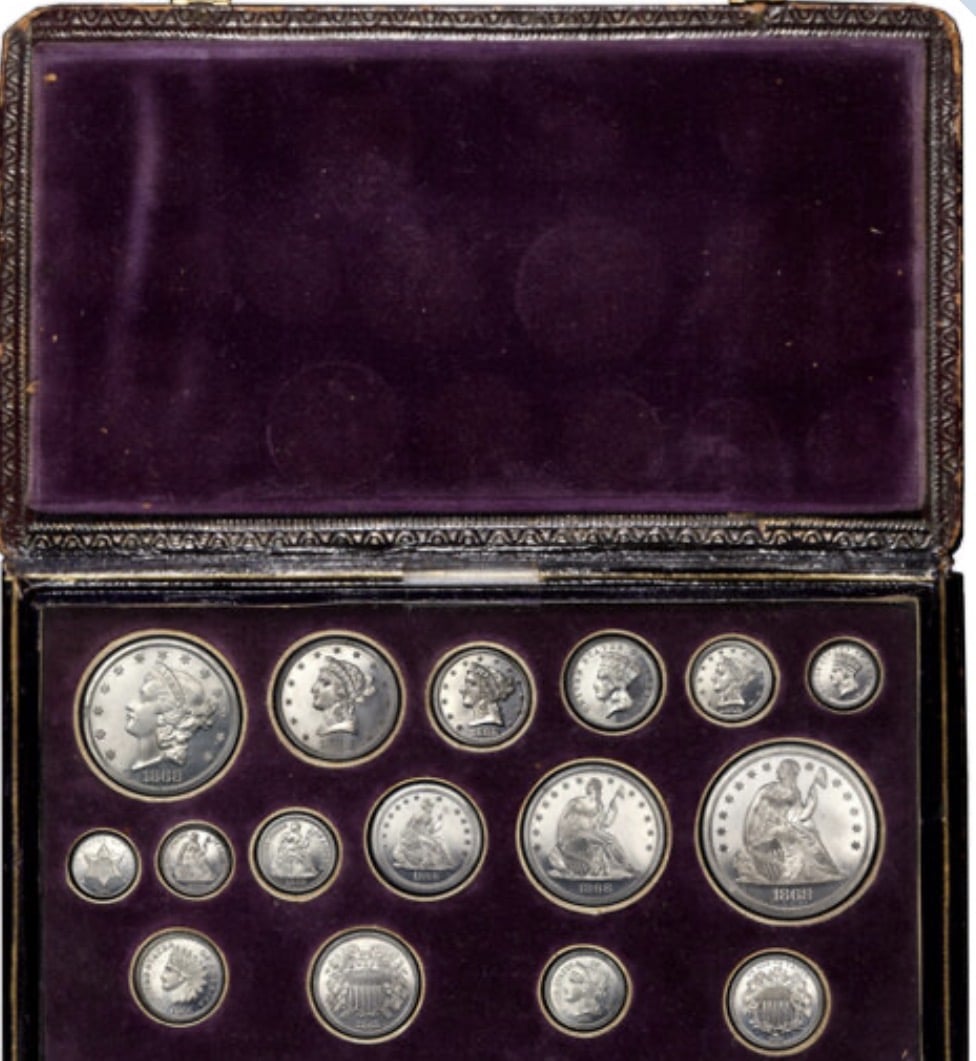
In the early days of the U.S. Mint, die trials of silver and gold issues would occasionally be produced in copper, presumably because copper was cheaper. Then, from 1867-1875, and then again in 1884-1885, off metal proof sets were produced in tiny quantities, mostly for collectors on special order, but sometimes for official presentation purposes. (The 1868 aluminum set below is a good example.)
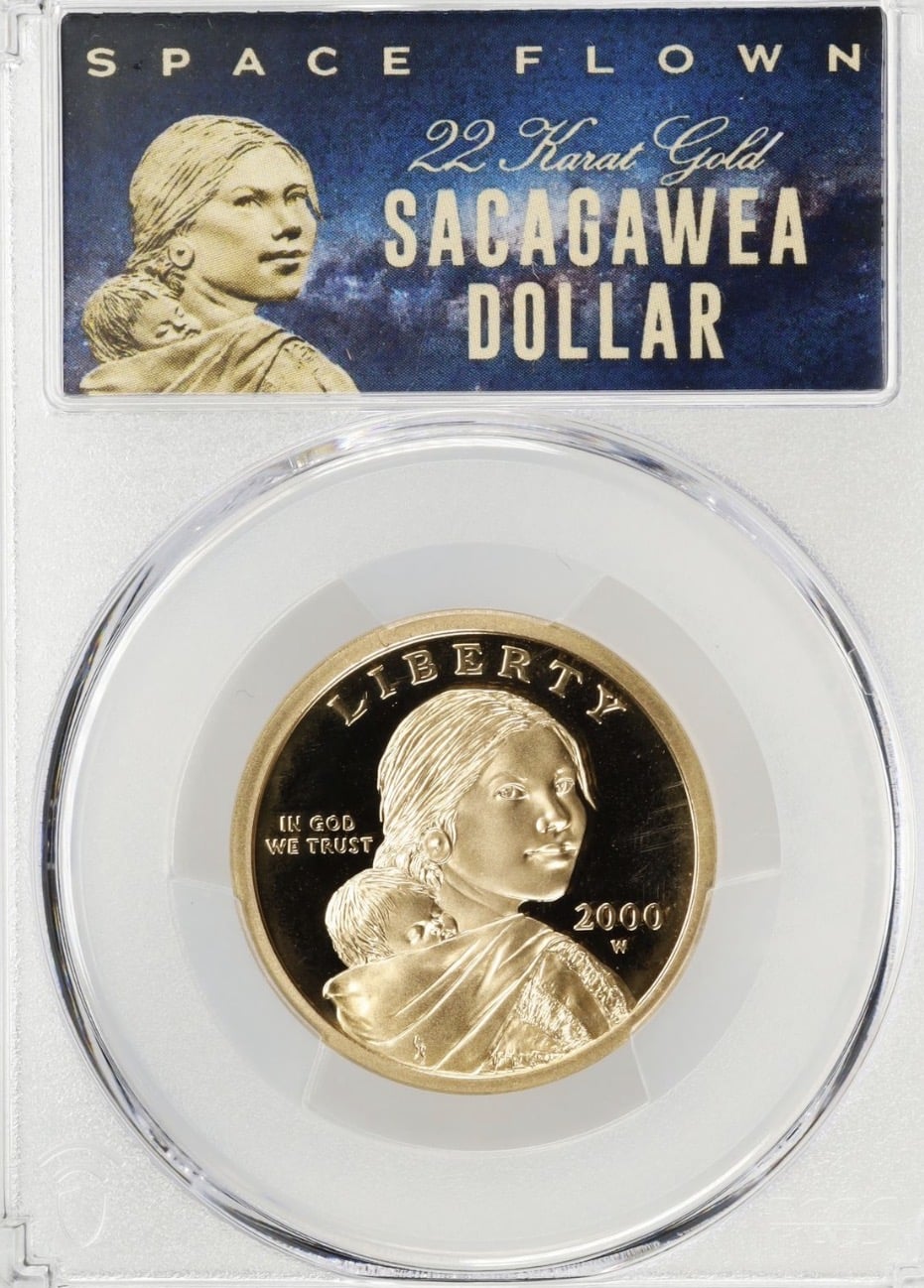
These off metal proofs have long been listed in Judd, the standard reference on patterns, but not in the Red Book. Then, in 2000, the Mint produced 12 Sacagawea Dollars in gold. These were also assigned Judd numbers. So far, so good.
But then the Mint started producing silver proof sets for the mass market, and those off metal proof sets were never even considered for inclusion in Judd. Instead, they went into the Red Book, described simply as what they were. Nothing wrong there in itself, but there’s an annoying inconsistency about it.
The question is, if you were in a position to change where and how all of these coins were listed, what would you do?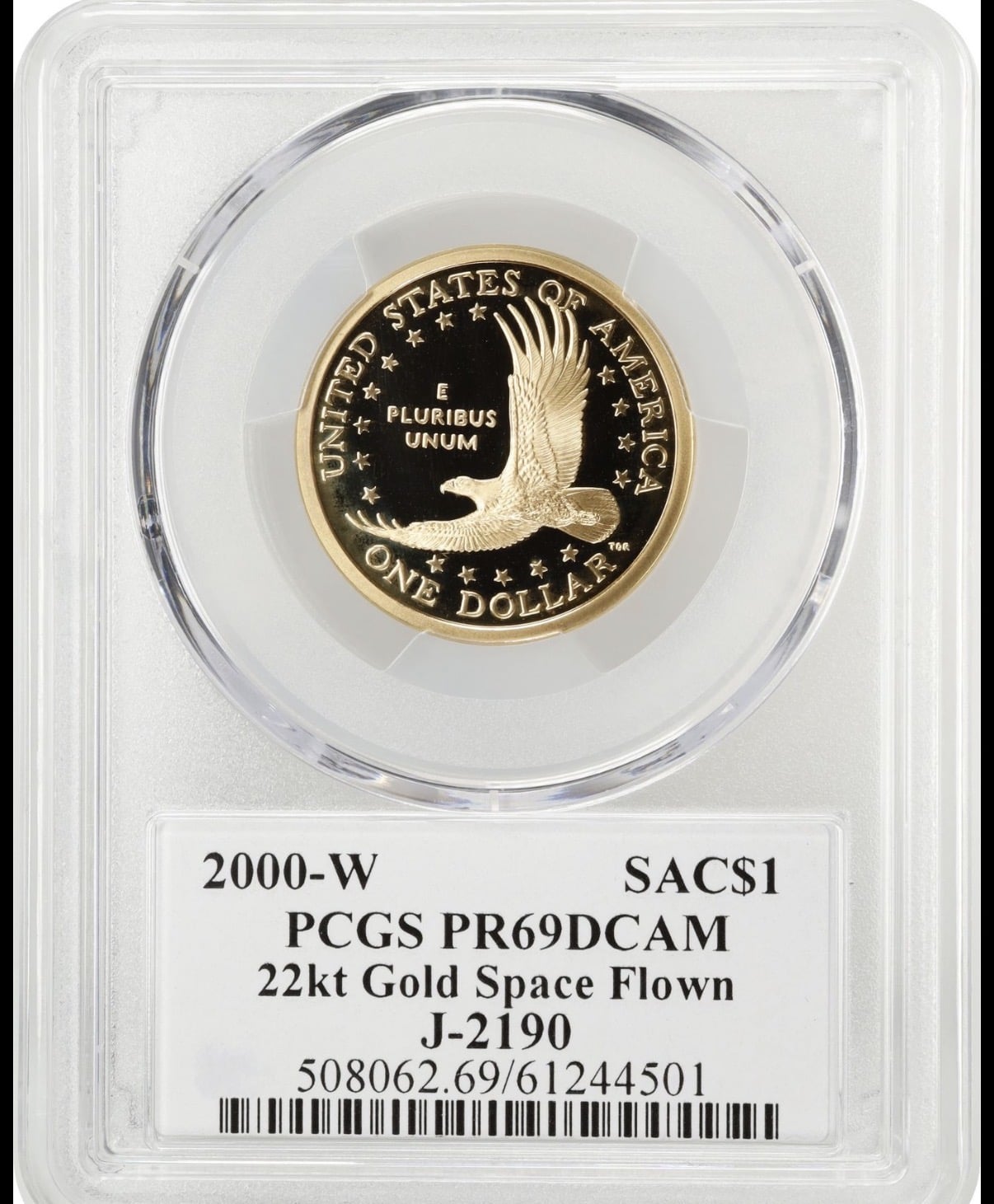
Doggedly collecting coins of the Central American Republic.
Visit the Society of US Pattern Collectors at USPatterns.com.
Comments
Good question!
The difference is that the copper proof sets of the nineteenth century were more like one-offs rather than commercial products made in the thousands like the silver proof sets of today.
I’m ok with how things stand in the catalogs today.
FYI, Roger Burdette is working on a significant book that will address the issue of 19th Century off-metal Proofs in al least one chapter. I have read the manuscript copies of several chapters, and I am really looking forward to the finished book!
TD
I think the difference is the scale and type of production. The aluminum/copper patterns were struck in a non-traditional metal for non-traditional small-scale reasons, the silver proof sets are a traditional metal for traditional mass production reasons.
Same deal with the Sacs.
Coin Photography
One of the most awesome things I've ever seen was the space shuttle, commanded by the first female shuttle commander, Eileen Collins (who I'd met previously at NASA Open House in Houston), re-enter over Dallas at night carrying the gold Sacajawea dollars.
I don't think the 22kt Sacagawea Dollars would have received Judd numbers if the Mint's authority to produce them wasn't questioned, thereby allowing them to be sold in quantity as intended.
Perhaps there should be a "minimum quantity" attribute to determine whether an off-metal strike is a pattern versus a Mint product fo sale
Custom album maker and numismatic photographer.
Need a personalized album made? Design it on the website below and I'll build it for you.
https://www.donahuenumismatics.com/.
I consider these to be regular issue as they were intended to be issued, and actually issued, on those metals.
The 22kt Sacagawea Dollars are different because while they were intended to be issued, they were not.