Home U.S. Coin Forum
Options

Best way to remove verdigris on 90% silver coins?

WildWestHalfDollarsWildWestHalfDollars Posts: 7,070 ✭✭✭✭✭
edited July 27, 2026 12:56PM in U.S. Coin Forum

Have any of you had experience with this? And if so once removed did it come back or not? Do any of you have before and after pics?

Liberty Seated Half Dollars

Comments

  • Options
    WildWestHalfDollarsWildWestHalfDollars Posts: 7,070 ✭✭✭✭✭

    I imagine this is one option:

    Liberty Seated Half Dollars

  • Options
    jacrispiesjacrispies Posts: 1,570 ✭✭✭✭✭

    Can you provide a photo of what specific coin you are referring to? Some coins require specific treatment.

    In general, silver is a very stable metal in environmental conditions, and oil based preservative substances aren't required. I use only acetone on silver and gold coins. Copper is more corrosive, thus requires oil based preserves like verdicare etc to prevent further damage.

    "But seek ye first the kingdom of God and His righteousness and all these things shall be added unto you" Matthew 6:33. Young fellow suffering from Bust Half fever.
    BHNC #AN-10
    JRCS #1606

  • Options
    WildWestHalfDollarsWildWestHalfDollars Posts: 7,070 ✭✭✭✭✭
    edited July 27, 2026 2:36PM

    @jacrispies said:
    Can you provide a photo of what specific coin you are referring to? Some coins require specific treatment.

    In general, silver is a very stable metal in environmental conditions, and oil based preservative substances aren't required. I use only acetone on silver and gold coins. Copper is more corrosive, thus requires oil based preserves like verdicare etc to prevent further damage.

    It was more of a question in general not a personal one (as of yet anyways). Say a very tiny spot? Acetone removes verdigris on 90% silver coins?

    Liberty Seated Half Dollars

  • Options
    jacrispiesjacrispies Posts: 1,570 ✭✭✭✭✭

    @WildWestHalfDollars said:

    @jacrispies said:
    Can you provide a photo of what specific coin you are referring to? Some coins require specific treatment.

    In general, silver is a very stable metal in environmental conditions, and oil based preservative substances aren't required. I use only acetone on silver and gold coins. Copper is more corrosive, thus requires oil based preserves like verdicare etc to prevent further damage.

    It was more of a question in general not a personal one (as of yet anyways). Say a very tiny spot? Acetone removes verdigris on 90% silver coins?

    Yes, 100% acetone works no problem. I would use a Q-Tip to spot remove, or dunk the coin in a glass jar/bowl filled with acetone if there is greater surface area problems. There is very little risk in using acetone, the only being scratching the coin with the Q-Tip, or removing too much dirt originality from the coin and reduce the crusty appeal. But really no harm. Just don't drink it or get it in your eyes.

    "But seek ye first the kingdom of God and His righteousness and all these things shall be added unto you" Matthew 6:33. Young fellow suffering from Bust Half fever.
    BHNC #AN-10
    JRCS #1606

  • Options
    WildWestHalfDollarsWildWestHalfDollars Posts: 7,070 ✭✭✭✭✭

    @jacrispies said:

    @WildWestHalfDollars said:

    @jacrispies said:
    Can you provide a photo of what specific coin you are referring to? Some coins require specific treatment.

    In general, silver is a very stable metal in environmental conditions, and oil based preservative substances aren't required. I use only acetone on silver and gold coins. Copper is more corrosive, thus requires oil based preserves like verdicare etc to prevent further damage.

    It was more of a question in general not a personal one (as of yet anyways). Say a very tiny spot? Acetone removes verdigris on 90% silver coins?

    Yes, 100% acetone works no problem. I would use a Q-Tip to spot remove, or dunk the coin in a glass jar/bowl filled with acetone if there is greater surface area problems. There is very little risk in using acetone, the only being scratching the coin with the Q-Tip, or removing too much dirt originality from the coin and reduce the crusty appeal. But really no harm. Just don't drink it or get it in your eyes.

    And will this neutralize the coin I mean the verdigris will not come back?

    Liberty Seated Half Dollars

  • Options
    jacrispiesjacrispies Posts: 1,570 ✭✭✭✭✭

    @WildWestHalfDollars said:

    @jacrispies said:

    @WildWestHalfDollars said:

    @jacrispies said:
    Can you provide a photo of what specific coin you are referring to? Some coins require specific treatment.

    In general, silver is a very stable metal in environmental conditions, and oil based preservative substances aren't required. I use only acetone on silver and gold coins. Copper is more corrosive, thus requires oil based preserves like verdicare etc to prevent further damage.

    It was more of a question in general not a personal one (as of yet anyways). Say a very tiny spot? Acetone removes verdigris on 90% silver coins?

    Yes, 100% acetone works no problem. I would use a Q-Tip to spot remove, or dunk the coin in a glass jar/bowl filled with acetone if there is greater surface area problems. There is very little risk in using acetone, the only being scratching the coin with the Q-Tip, or removing too much dirt originality from the coin and reduce the crusty appeal. But really no harm. Just don't drink it or get it in your eyes.

    And will this neutralize the coin I mean the verdigris will not come back?

    Yes, the organic material will completely dissolve. I've treated very expensive coins.

    "But seek ye first the kingdom of God and His righteousness and all these things shall be added unto you" Matthew 6:33. Young fellow suffering from Bust Half fever.
    BHNC #AN-10
    JRCS #1606

  • Options
    WildWestHalfDollarsWildWestHalfDollars Posts: 7,070 ✭✭✭✭✭

    @jacrispies said:

    @WildWestHalfDollars said:

    @jacrispies said:

    @WildWestHalfDollars said:

    @jacrispies said:
    Can you provide a photo of what specific coin you are referring to? Some coins require specific treatment.

    In general, silver is a very stable metal in environmental conditions, and oil based preservative substances aren't required. I use only acetone on silver and gold coins. Copper is more corrosive, thus requires oil based preserves like verdicare etc to prevent further damage.

    It was more of a question in general not a personal one (as of yet anyways). Say a very tiny spot? Acetone removes verdigris on 90% silver coins?

    Yes, 100% acetone works no problem. I would use a Q-Tip to spot remove, or dunk the coin in a glass jar/bowl filled with acetone if there is greater surface area problems. There is very little risk in using acetone, the only being scratching the coin with the Q-Tip, or removing too much dirt originality from the coin and reduce the crusty appeal. But really no harm. Just don't drink it or get it in your eyes.

    And will this neutralize the coin I mean the verdigris will not come back?

    Yes, the organic material will completely dissolve. I've treated very expensive coins.

    How long did you leave the coin in acetone?

    Liberty Seated Half Dollars

  • Options
    jacrispiesjacrispies Posts: 1,570 ✭✭✭✭✭

    @WildWestHalfDollars said:

    @jacrispies said:

    @WildWestHalfDollars said:

    @jacrispies said:

    @WildWestHalfDollars said:

    @jacrispies said:
    Can you provide a photo of what specific coin you are referring to? Some coins require specific treatment.

    In general, silver is a very stable metal in environmental conditions, and oil based preservative substances aren't required. I use only acetone on silver and gold coins. Copper is more corrosive, thus requires oil based preserves like verdicare etc to prevent further damage.

    It was more of a question in general not a personal one (as of yet anyways). Say a very tiny spot? Acetone removes verdigris on 90% silver coins?

    Yes, 100% acetone works no problem. I would use a Q-Tip to spot remove, or dunk the coin in a glass jar/bowl filled with acetone if there is greater surface area problems. There is very little risk in using acetone, the only being scratching the coin with the Q-Tip, or removing too much dirt originality from the coin and reduce the crusty appeal. But really no harm. Just don't drink it or get it in your eyes.

    And will this neutralize the coin I mean the verdigris will not come back?

    Yes, the organic material will completely dissolve. I've treated very expensive coins.

    How long did you leave the coin in acetone?

    If you agitate the liquid or use a Q-tip, not very long at all, maybe a couple minutes. Acetone works fast, especially if you swirl the jar lightly in a circle, swirling the liquid over the coin's surfaces. You could leave the coin in acetone for weeks and the surfaces will be perfectly fine.

    "But seek ye first the kingdom of God and His righteousness and all these things shall be added unto you" Matthew 6:33. Young fellow suffering from Bust Half fever.
    BHNC #AN-10
    JRCS #1606

  • Options
    WildWestHalfDollarsWildWestHalfDollars Posts: 7,070 ✭✭✭✭✭

    And how much damage can verdigris do to a 90% silver coin I imagine it cannot attack the silver correct? So it would be minor little spots in general unless the mixture for the coin was not done to distribute the copper properly when minted?

    Liberty Seated Half Dollars

  • Options
    jacrispiesjacrispies Posts: 1,570 ✭✭✭✭✭

    Post a photo of a coin. Or else this is a meaningless hypothetical if it never happens. Verdigris does not develop on silver the same as copper.

    "But seek ye first the kingdom of God and His righteousness and all these things shall be added unto you" Matthew 6:33. Young fellow suffering from Bust Half fever.
    BHNC #AN-10
    JRCS #1606

  • Options
    jmlanzafjmlanzaf Posts: 41,953 ✭✭✭✭✭

    @jacrispies said:

    @WildWestHalfDollars said:

    @jacrispies said:

    @WildWestHalfDollars said:

    @jacrispies said:
    Can you provide a photo of what specific coin you are referring to? Some coins require specific treatment.

    In general, silver is a very stable metal in environmental conditions, and oil based preservative substances aren't required. I use only acetone on silver and gold coins. Copper is more corrosive, thus requires oil based preserves like verdicare etc to prevent further damage.

    It was more of a question in general not a personal one (as of yet anyways). Say a very tiny spot? Acetone removes verdigris on 90% silver coins?

    Yes, 100% acetone works no problem. I would use a Q-Tip to spot remove, or dunk the coin in a glass jar/bowl filled with acetone if there is greater surface area problems. There is very little risk in using acetone, the only being scratching the coin with the Q-Tip, or removing too much dirt originality from the coin and reduce the crusty appeal. But really no harm. Just don't drink it or get it in your eyes.

    And will this neutralize the coin I mean the verdigris will not come back?

    Yes, the organic material will completely dissolve. I've treated very expensive coins.

    Verdigris is NOT organic.

    All comments reflect the opinion of the author, even when irrefutably accurate.

  • Options
    WildWestHalfDollarsWildWestHalfDollars Posts: 7,070 ✭✭✭✭✭
    edited July 27, 2026 3:13PM

    @jmlanzaf said:

    @WildWestHalfDollars said:
    And how much damage can verdigris do to a 90% silver coin I imagine it cannot attack the silver correct? So it would be minor little spots in general unless the mixture for the coin was not done to distribute the copper properly when minted?

    That whole conversation misidentifies "verdigris".

    "Verdigris" is NOT organic.

    "Verdigris" absolutely can NOT be removed by acetone.

    In the strictest sense of the term, you can't even have "verdigris" on a silver coin, it's a copper compound. The copper is part of 90% silver alloy.

    In the looser sense of verdigris, tr is still a metal salt and will usually be untouched by acetone. Removal of verdigris MUST result in surface damage to the coin, though it may be microscopic.

    Sorry I am confused.

    So it is impossible for verdigris to be on a 90% silver coin containing 10% copper? Is that what you are saying (so it is always PVC)? If not then what would remove it and make sure it is neutralized to avoid it coming back?

    Liberty Seated Half Dollars

  • Options
    jacrispiesjacrispies Posts: 1,570 ✭✭✭✭✭

    @jmlanzaf said:

    @jacrispies said:

    @WildWestHalfDollars said:

    @jacrispies said:

    @WildWestHalfDollars said:

    @jacrispies said:
    Can you provide a photo of what specific coin you are referring to? Some coins require specific treatment.

    In general, silver is a very stable metal in environmental conditions, and oil based preservative substances aren't required. I use only acetone on silver and gold coins. Copper is more corrosive, thus requires oil based preserves like verdicare etc to prevent further damage.

    It was more of a question in general not a personal one (as of yet anyways). Say a very tiny spot? Acetone removes verdigris on 90% silver coins?

    Yes, 100% acetone works no problem. I would use a Q-Tip to spot remove, or dunk the coin in a glass jar/bowl filled with acetone if there is greater surface area problems. There is very little risk in using acetone, the only being scratching the coin with the Q-Tip, or removing too much dirt originality from the coin and reduce the crusty appeal. But really no harm. Just don't drink it or get it in your eyes.

    And will this neutralize the coin I mean the verdigris will not come back?

    Yes, the organic material will completely dissolve. I've treated very expensive coins.

    Verdigris is NOT organic.

    Curious, why is it not organic?

    "But seek ye first the kingdom of God and His righteousness and all these things shall be added unto you" Matthew 6:33. Young fellow suffering from Bust Half fever.
    BHNC #AN-10
    JRCS #1606

  • Options
    WildWestHalfDollarsWildWestHalfDollars Posts: 7,070 ✭✭✭✭✭
    edited July 27, 2026 3:18PM

    I have a coin with a tiny little green crystal on it....not there anymore it fell off the other day when I rubbed the coin in that spot gently (with a q-tip). Can PVC cause that?

    Liberty Seated Half Dollars

  • Options
    MasonGMasonG Posts: 7,255 ✭✭✭✭✭

    @jacrispies said:
    Curious, why is it not organic?

    From the intertubes:

    In chemistry, organic compounds must contain carbon-hydrogen (C-H) bonds and are usually associated with living organisms. Verdigris is a mixture of copper salts (like basic copper carbonate or copper acetate) created by a purely mineral, non-living chemical reaction.

  • Options
    jacrispiesjacrispies Posts: 1,570 ✭✭✭✭✭

    @MasonG said:

    @jacrispies said:
    Curious, why is it not organic?

    From the intertubes:

    In chemistry, organic compounds must contain carbon-hydrogen (C-H) bonds and are usually associated with living organisms. Verdigris is a mixture of copper salts (like basic copper carbonate or copper acetate) created by a purely mineral, non-living chemical reaction.

    Makes perfect sense, thank you

    "But seek ye first the kingdom of God and His righteousness and all these things shall be added unto you" Matthew 6:33. Young fellow suffering from Bust Half fever.
    BHNC #AN-10
    JRCS #1606

  • Options
    WildWestHalfDollarsWildWestHalfDollars Posts: 7,070 ✭✭✭✭✭

    @jacrispies said:

    @MasonG said:

    @jacrispies said:
    Curious, why is it not organic?

    From the intertubes:

    In chemistry, organic compounds must contain carbon-hydrogen (C-H) bonds and are usually associated with living organisms. Verdigris is a mixture of copper salts (like basic copper carbonate or copper acetate) created by a purely mineral, non-living chemical reaction.

    Makes perfect sense, thank you

    So you were most likely dealing with PVC then?

    Liberty Seated Half Dollars

  • Options
    WildWestHalfDollarsWildWestHalfDollars Posts: 7,070 ✭✭✭✭✭

    Sorry I am confused.

    So it is impossible for verdigris to be on a 90% silver coin containing 10% copper? Is that what you are saying (so it is always PVC)? If not then what would remove it and make sure it is neutralized to avoid it coming back?

    Liberty Seated Half Dollars

  • Options
    jacrispiesjacrispies Posts: 1,570 ✭✭✭✭✭

    @WildWestHalfDollars said:

    @jacrispies said:

    @MasonG said:

    @jacrispies said:
    Curious, why is it not organic?

    From the intertubes:

    In chemistry, organic compounds must contain carbon-hydrogen (C-H) bonds and are usually associated with living organisms. Verdigris is a mixture of copper salts (like basic copper carbonate or copper acetate) created by a purely mineral, non-living chemical reaction.

    Makes perfect sense, thank you

    So you were most likely dealing with PVC then?

    It is likely that you were dealing with PVC.

    "But seek ye first the kingdom of God and His righteousness and all these things shall be added unto you" Matthew 6:33. Young fellow suffering from Bust Half fever.
    BHNC #AN-10
    JRCS #1606

  • Options
    SapyxSapyx Posts: 2,577 ✭✭✭✭✭

    This is a good example of "this thread is useless without pictures". Because, as jmlanzaf said, "verdigris" is impossible to develop on silver coins, as it requires a copper-based alloy; while copper is present in 90% silver alloy, there isn't enough of it for verdigris to form under normal environmental circumstances.

    90% silver is vulnerable to attack by PVC goo, which can form greenish deposits which might be labelled "verdigris" (since "verdigris" literally means "Greek green" one could broadly us it to describe anything greenish on a piece of metal). But PVC comes off in acetone; normal verdigris does not come off bronze coins.

    Which is why we need to see pictures of your specific coin, so we might have some idea as to what we're dealing with. Silver coins can, under unusual circumstances, acquire verdigris-like corrosion. This cannot be removed with acetone, and requires something stronger. sulfuric-acid-thiourea "coin dips" such as e-z-est ought to work at removing such corrosion, as they are acidic. Ammonia also works quite well at removing corrosion deposits from silver (it's what they often use to clean up ancient silver coins after they're dug up from the ground).

    You should not have to worry about it "coming back". Bronze and copper coins are vulnerable to "bronze disease", which is a particularly nasty and contagious form of verdigris, but this does not affect silver coins.

    Waste no more time arguing what a good man should be. Be one.
    Roman emperor Marcus Aurelius, "Meditations"

    Apparently I have been awarded the DPOTD twice. B)
  • Options
    WildWestHalfDollarsWildWestHalfDollars Posts: 7,070 ✭✭✭✭✭

    Thanks Sapyx

    I have a coin with a tiny little green crystal on it....not there anymore it fell off the other day when I rubbed the coin in that spot gently (with a q-tip). Can PVC cause that?

    Liberty Seated Half Dollars

  • Options
    jmlanzafjmlanzaf Posts: 41,953 ✭✭✭✭✭

    @jacrispies said:

    @WildWestHalfDollars said:

    @jacrispies said:

    @WildWestHalfDollars said:

    @jacrispies said:
    Can you provide a photo of what specific coin you are referring to? Some coins require specific treatment.

    In general, silver is a very stable metal in environmental conditions, and oil based preservative substances aren't required. I use only acetone on silver and gold coins. Copper is more corrosive, thus requires oil based preserves like verdicare etc to prevent further damage.

    It was more of a question in general not a personal one (as of yet anyways). Say a very tiny spot? Acetone removes verdigris on 90% silver coins?

    Yes, 100% acetone works no problem. I would use a Q-Tip to spot remove, or dunk the coin in a glass jar/bowl filled with acetone if there is greater surface area problems. There is very little risk in using acetone, the only being scratching the coin with the Q-Tip, or removing too much dirt originality from the coin and reduce the crusty appeal. But really no harm. Just don't drink it or get it in your eyes.

    And will this neutralize the coin I mean the verdigris will not come back?

    Yes, the organic material will completely dissolve. I've treated very expensive coins.

    Verdigris is NOT organic. > @jacrispies said:

    @jmlanzaf said:

    @jacrispies said:

    @WildWestHalfDollars said:

    @jacrispies said:

    @WildWestHalfDollars said:

    @jacrispies said:
    Can you provide a photo of what specific coin you are referring to? Some coins require specific treatment.

    In general, silver is a very stable metal in environmental conditions, and oil based preservative substances aren't required. I use only acetone on silver and gold coins. Copper is more corrosive, thus requires oil based preserves like verdicare etc to prevent further damage.

    It was more of a question in general not a personal one (as of yet anyways). Say a very tiny spot? Acetone removes verdigris on 90% silver coins?

    Yes, 100% acetone works no problem. I would use a Q-Tip to spot remove, or dunk the coin in a glass jar/bowl filled with acetone if there is greater surface area problems. There is very little risk in using acetone, the only being scratching the coin with the Q-Tip, or removing too much dirt originality from the coin and reduce the crusty appeal. But really no harm. Just don't drink it or get it in your eyes.

    And will this neutralize the coin I mean the verdigris will not come back?

    Yes, the organic material will completely dissolve. I've treated very expensive coins.

    Verdigris is NOT organic.

    Curious, why is it not organic?

    It's a copper compound. It's inorganic by nature.

    All comments reflect the opinion of the author, even when irrefutably accurate.

  • Options
    jmlanzafjmlanzaf Posts: 41,953 ✭✭✭✭✭

    @Sapyx said:
    This is a good example of "this thread is useless without pictures". Because, as jmlanzaf said, "verdigris" is impossible to develop on silver coins, as it requires a copper-based alloy; while copper is present in 90% silver alloy, there isn't enough of it for verdigris to form under normal environmental circumstances.

    90% silver is vulnerable to attack by PVC goo, which can form greenish deposits which might be labelled "verdigris" (since "verdigris" literally means "Greek green" one could broadly us it to describe anything greenish on a piece of metal). But PVC comes off in acetone; normal verdigris does not come off bronze coins.

    Which is why we need to see pictures of your specific coin, so we might have some idea as to what we're dealing with. Silver coins can, under unusual circumstances, acquire verdigris-like corrosion. This cannot be removed with acetone, and requires something stronger. sulfuric-acid-thiourea "coin dips" such as e-z-est ought to work at removing such corrosion, as they are acidic. Ammonia also works quite well at removing corrosion deposits from silver (it's what they often use to clean up ancient silver coins after they're dug up from the ground).

    You should not have to worry about it "coming back". Bronze and copper coins are vulnerable to "bronze disease", which is a particularly nasty and contagious form of verdigris, but this does not affect silver coins.

    This is very well written and explains it very well.

    I am also sometimes guilty of casually using the term "verdigris" for green crystalline deposits on silver. But, whatever you call it, it is a metal compound and not organic and should be immune to acetone.

    All comments reflect the opinion of the author, even when irrefutably accurate.

  • Options
    SapyxSapyx Posts: 2,577 ✭✭✭✭✭

    @WildWestHalfDollars said:
    Thanks Sapyx

    I have a coin with a tiny little green crystal on it....not there anymore it fell off the other day when I rubbed the coin in that spot gently (with a q-tip). Can PVC cause that?

    PVC goo is called "goo" for a reason - it's sticky and normally a thin film, rather than lumps or blobs. Certainly not something "crystalline" that would simply fall off with a dry rub. That might have been a speck of corrosion, it might have been merely a green-coloured piece of literal dirt or other debris. The key question would be: did it leave a crater behind? If not, then no harm no foul.

    Waste no more time arguing what a good man should be. Be one.
    Roman emperor Marcus Aurelius, "Meditations"

    Apparently I have been awarded the DPOTD twice. B)
  • Options
    Klif50Klif50 Posts: 802 ✭✭✭✭

    Sounds like you sneezed on the coin. Don't do that!

  • Options
    WildWestHalfDollarsWildWestHalfDollars Posts: 7,070 ✭✭✭✭✭
    edited July 27, 2026 6:46PM

    @Sapyx said:

    @WildWestHalfDollars said:
    Thanks Sapyx

    I have a coin with a tiny little green crystal on it....not there anymore it fell off the other day when I rubbed the coin in that spot gently (with a q-tip). Can PVC cause that?

    PVC goo is called "goo" for a reason - it's sticky and normally a thin film, rather than lumps or blobs. Certainly not something "crystalline" that would simply fall off with a dry rub. That might have been a speck of corrosion, it might have been merely a green-coloured piece of literal dirt or other debris. The key question would be: did it leave a crater behind? If not, then no harm no foul.

    It do not leave anything behind. Am I suppose to now give it an acetone bath or since the greenish ''crystal'' fell off it is now fine?

    Liberty Seated Half Dollars

  • Options
    SapyxSapyx Posts: 2,577 ✭✭✭✭✭

    If acetone wouldn't have removed it (and it sounds like it would not have), then acetone won't help with anything still stuck there.

    Acetone won't hurt, either, but no point wasting acetone when it won't do anything.

    Waste no more time arguing what a good man should be. Be one.
    Roman emperor Marcus Aurelius, "Meditations"

    Apparently I have been awarded the DPOTD twice. B)
  • Options
    Cougar1978Cougar1978 Posts: 9,848 ✭✭✭✭✭

    Would dip it in jewel luster.

    Investor
  • Options
    USSID18USSID18 Posts: 417 ✭✭✭✭

    @WildWestHalfDollars said:

    @jacrispies said:
    Can you provide a photo of what specific coin you are referring to? Some coins require specific treatment.

    In general, silver is a very stable metal in environmental conditions, and oil based preservative substances aren't required. I use only acetone on silver and gold coins. Copper is more corrosive, thus requires oil based preserves like verdicare etc to prevent further damage.

    It was more of a question in general not a personal one (as of yet anyways). Say a very tiny spot? Acetone removes verdigris on 90% silver coins?

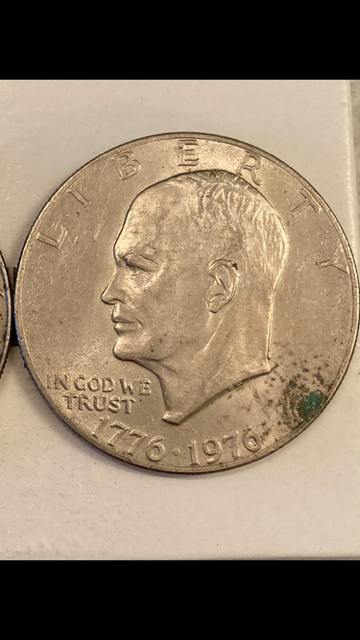
    You mean it doesn't look like this? 😂 🤣

  • Options
    hummingbird_coinshummingbird_coins Posts: 1,640 ✭✭✭✭✭

    Verdigris can develop on a 90% silver coin. It is typically paired with dark brown surfaces (I assume this is because there is a bit more copper in the alloy than there should be) Here is an example:
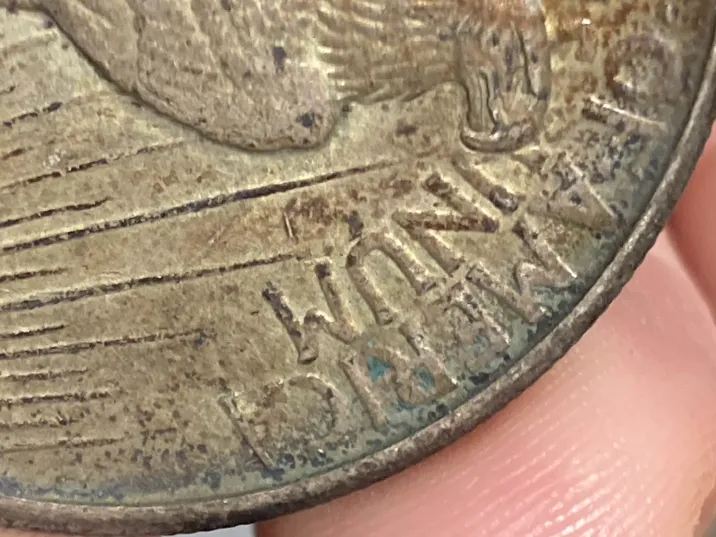
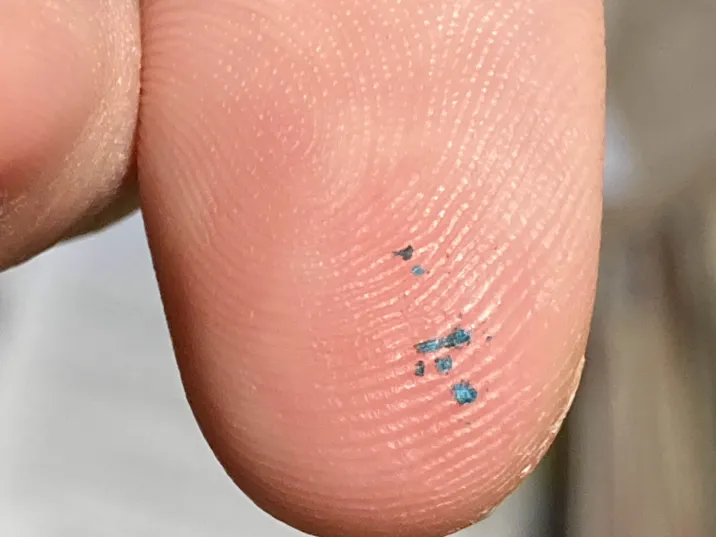
    Young Numismatist • My Toned Coins
    Life is roadblocks. Don't let nothing stop you, 'cause we ain't stopping. - DJ Khaled

  • Options
    SapyxSapyx Posts: 2,577 ✭✭✭✭✭
    edited July 29, 2026 9:10PM

    @hummingbird_coins said:
    Verdigris can develop on a 90% silver coin. It is typically paired with dark brown surfaces (I assume this is because there is a bit more copper in the alloy than there should be)...

    Greenish deposits can form on silver coins - but it usually requires some kind of unusual chemical environment. Perhaps somewhere with acid fumes, or getting buried in a certain kind of soil. I'd assume the dark brown coloration is likewise a result of an odd chemical environment, rather than an alloying issue; perhaps the "pairing with dark brown surfaces" may indicate a ground find of some kind.

    Waste no more time arguing what a good man should be. Be one.
    Roman emperor Marcus Aurelius, "Meditations"

    Apparently I have been awarded the DPOTD twice. B)
  • Options
    orevilleoreville Posts: 12,299 ✭✭✭✭✭

    I always assume that it is PVC not verdigris.

    A Collectors Universe poster since 1997!
  • Options
    hummingbird_coinshummingbird_coins Posts: 1,640 ✭✭✭✭✭

    @Sapyx said:

    @hummingbird_coins said:
    Verdigris can develop on a 90% silver coin. It is typically paired with dark brown surfaces (I assume this is because there is a bit more copper in the alloy than there should be)...

    Greenish deposits can form on silver coins - but it usually requires some kind of unusual chemical environment. Perhaps somewhere with acid fumes, or getting buried in a certain kind of soil. I'd assume the dark brown coloration is likewise a result of an odd chemical environment, rather than an alloying issue; perhaps the "pairing with dark brown surfaces" may indicate a ground find of some kind.

    All the silver coins I've obtained from metal detecting have either been as white as if they were cleaned, tarnished black, or a mixture of both. And almost all of them that come out with white surfaces start rapidly toning (fully orange/blue/purple toned in weeks) for some reason. I don't think the coin I posted was a ground find, but there was definitely something unique about its storage.

    Young Numismatist • My Toned Coins
    Life is roadblocks. Don't let nothing stop you, 'cause we ain't stopping. - DJ Khaled

Leave a Comment

BoldItalicStrikethroughOrdered listUnordered list
Emoji
Image
Align leftAlign centerAlign rightToggle HTML viewToggle full pageToggle lights
Drop image/file