Options
Rare coin Indian head cent
 Hush2025
Posts: 15 ✭
Hush2025
Posts: 15 ✭
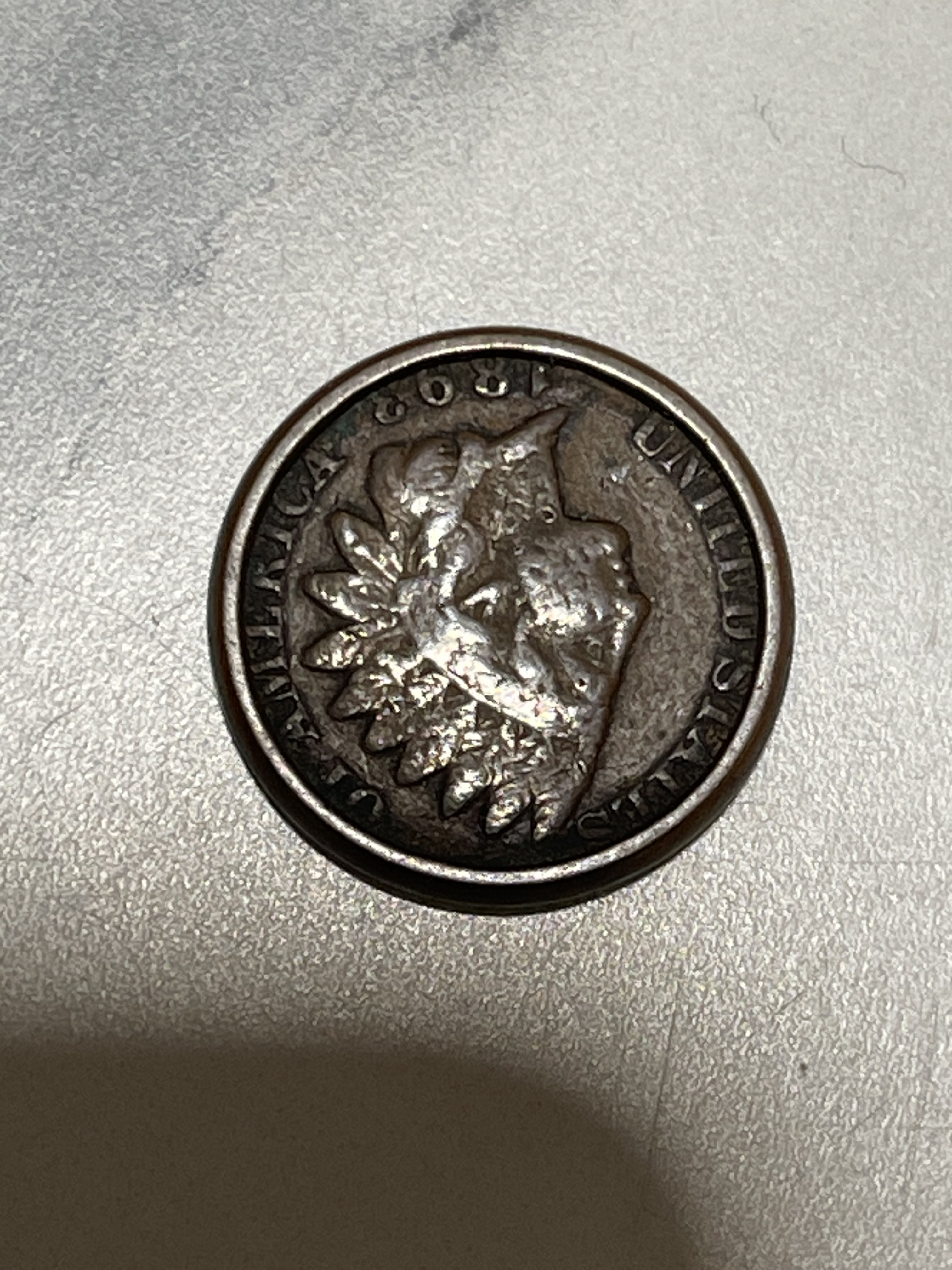
Is it real how much it worth? Thank you 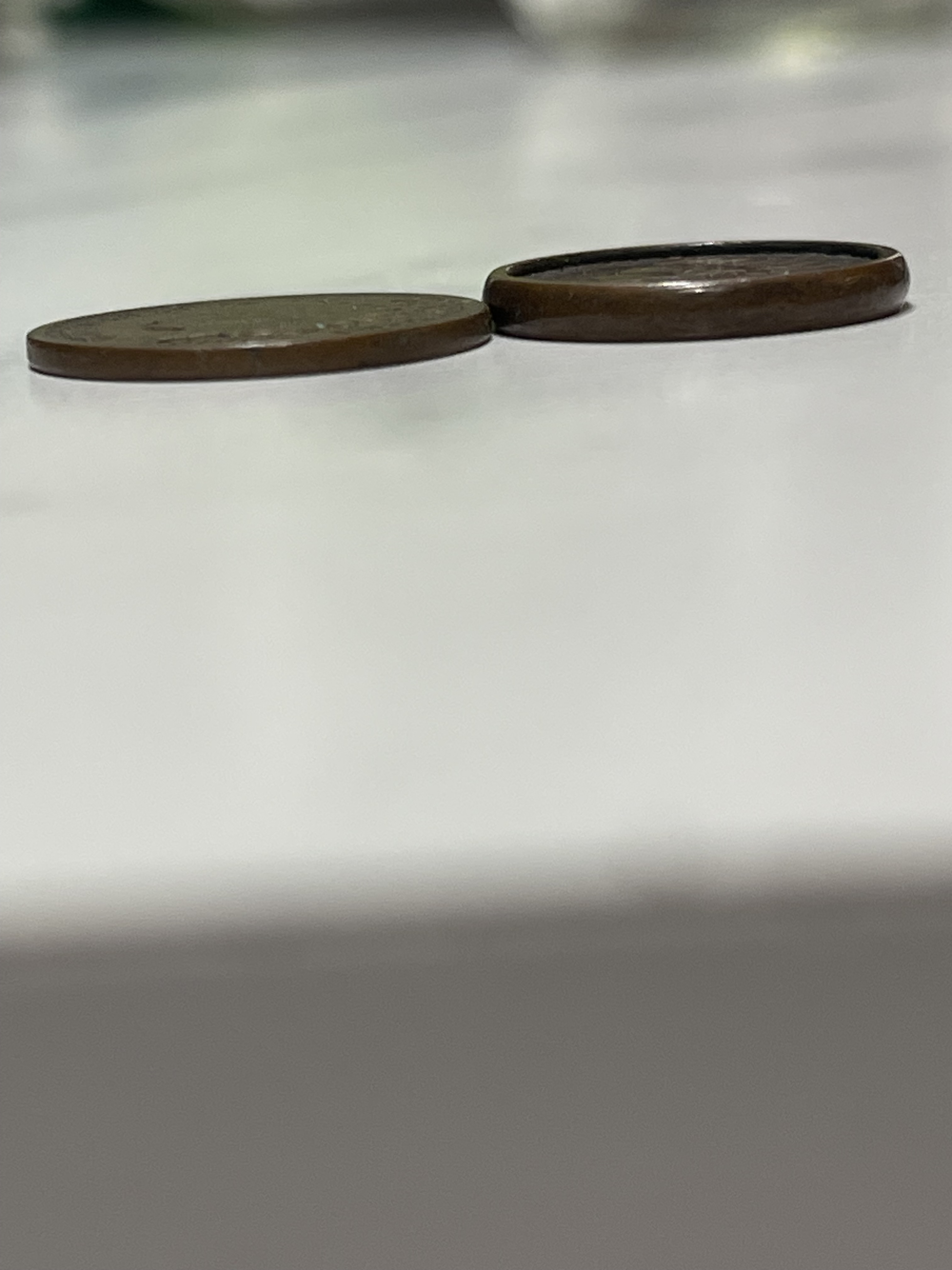
0
Comments
Either someone tried to make a ring out of it by tapping the edge with a spoon until it flattened out, or it's encased in a bezel of some sort. Either way, this did not happen at the mint.
3.2 grams
You are correct, that is rare. No value, but rare.
Howdy and welcome.
It appears real and appears to be post-mint damage in the form of what some might call "spooning"
In honor of the memory of Cpl. Michael E. Thompson
Sounds about right, I weighed original coin and same weight
Thank you
Coins often get caught in commercial clothes dryers and end up looking like this, google dryer coin to see others like yours.
My Collection of Old Holders
Never a slave to one plastic brand will I ever be.
damage to the edge that caused it to be pressed towards the center, with the edge being pushed up in the process
it is a real coin, but it's damaged
Welcome. Common date and post mint damage. Has minimal worth.
But how you can do perfect inside edge with “spooning “
I google it, there is round inside edge, but mine is sharp and perfect, look at the picture
then someone did an exceptional job spooning it.
dies and collars have only so many ways they are made back then. the rim height only so high. there is no possible combination of dies and collars that would produce that. plus, it's a spoon job
You are asking the wrong question.
You are asking, "How could this be produced via spooning?" Spooning is simply a guess. It's a good guess, but it's still just a guess. There are an unlimited number of ways that a coin could be damaged outside of the mint. Someone else suggested this was a dryer coin. I personally think that's a less good guess, but it's also a guess.
The only question that matters is "How could this have been produced during the normal minting process in the US Mint?" There is no answer to that question. It is IMPOSSIBLE for a coin to have received this appearance during the normal minting process. Can't be done.
Since this could not possibly have been produced this way during the normal minting process, the only other option is that it is modified (damaged) after the fact. The specific type of damage is unimportant.
The only way to understand mint errors is to understand the minting process.
Looks real, albeit damaged
In that condition, I’d suspect if it were damage-free, it could go for $2, maybe $2.50 but with damage I’d expect it to be worth around $1.50.
"Another day, another Collectors Universe forum scrolling session."
- Someone, probably
With damage, it is "worth" far less than a buck. If anyone paid more than 25 cents or so, it's because they want it as a novelty.
All comments reflect the opinion of the author, even when irrefutably accurate.