British Coinage, all of them, post yours too!
 SimonW
Posts: 1,601 ✭✭✭✭✭
SimonW
Posts: 1,601 ✭✭✭✭✭
I tend to be a set collector, it’s my nature to try to organize and calm a chaotic world, also the hunt for rarity fills me with excitement.
One thing I really enjoy in collecting coinage is the history involved. Roman history is incredibly rich, as is English history.
My main area of focus is Spanish Colonial pillar coinage, especially Guatemala and Peru, but also Bolivia and a type set of Mexico. That isn’t bound to change anytime soon.
I also collect Bolivian republic coinage.
Over the last year or so adding a new piece is rare, and it seems likely to get even more difficult, because upgrades are almost nonexistent for many of the dates. Point is, I started dabbling elsewhere…. Scary I know.
I started two sets that aim to fulfill my collecting nature. One, Roman coinage (one per ruler) from Julius Caesar though Constantine. The other is British coinage, one per monarch. Recent coins will be shillings, stretching back to Henry VIII when it will shift to any silver coin (usually silver pennies.)
Planning on trying (trying) to keep this a budget set. Decent coins in mid-grade that don’t get too expensive. A few will challenge that notion for sure.
Here are some of the coins and history I’ve been collecting of late:
I'm BACK!!! Used to be Billet7 on the old forum.
Comments
Henry VI, 1421-1471) was King of England from 1422-1461 and again from 1470-1471, and claimant to the French throne from 1422-1453
Henry was born during the Hundred Years' War (1337–1453). He is the only English monarch to have been crowned King of France
In contrast to his father, Henry VI was described as timid, passive, benevolent and averse to warfare and violence.
Henry was deposed in March 1461 by York's eldest son, who took the throne as Edward IV. Henry was captured by Edward's forces in 1465 and imprisoned in the Tower of London. Henry was restored to the throne by Richard Neville ("Warwick the Kingmaker") in 1470. However, in 1471, Edward retook power, killing Henry's only son, Edward of Westminster, and imprisoning Henry once again. Henry died in the Tower in May 1471, possibly (or probably) killed on the orders of King Edward. He was likely bludgeoned to death.
I'm BACK!!! Used to be Billet7 on the old forum.
Shillings should be relatively painless, except Henry VIII when you're really talking about a testoon and not a budget coin by any definition. Groats are the easier portrait denomination from him back to Edward I although again not always cheaply.
Here's Charles I, who has the richest coinage in terms of history and variety except perhaps George III.
Charles I Briot’s First Milled Halfgroat, 1631-1632
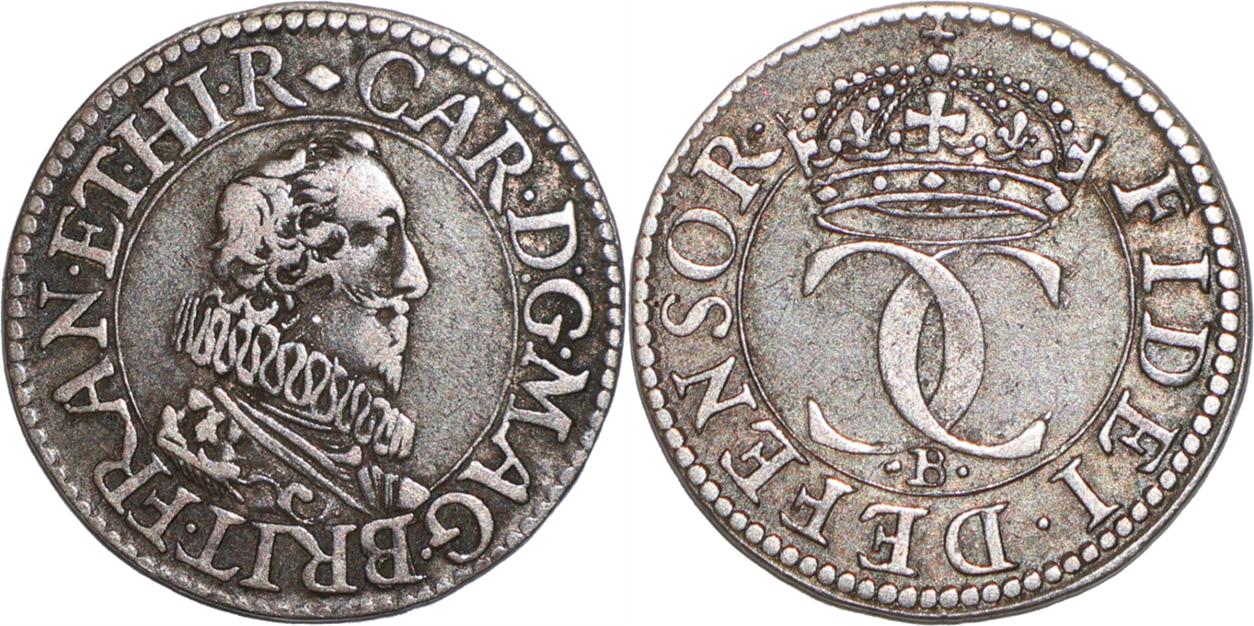
London. Silver, 16.5mm, 1.47g. King Charles I right, no crown, ruff. Two crowned interlocked Cs indicating denomination (S 2856A).
Nicholas Briot was a French engraver who had to flee for his life several times after being accused of counterfeiting, when in reality he was trying to mechanise coin production and in doing so upset the mint workers. After leaving Paris he introduced a mill press at the Tower Mint in 1631, which produced coins to a much higher standard than the hammered although not always more quickly. He also milled coins in Edinburgh. These weren't Britain's first milled coins (Elizabeth I briefly milled some) but by the time of his son, Charles II, milled coins were the norm.
Cool piece @John Conduitt I have a pretty average XF shilling for Charles I, but I like it.
Charles was the guy that almost broke the country, he was put to death. For years afterwards there was no monarch and parlament ruled, Cornwallis was important (kinda the ruler) during the time I believe; the interregnum they call it.
I'm BACK!!! Used to be Billet7 on the old forum.
1 Pound silver piedfort (my coin and picture)
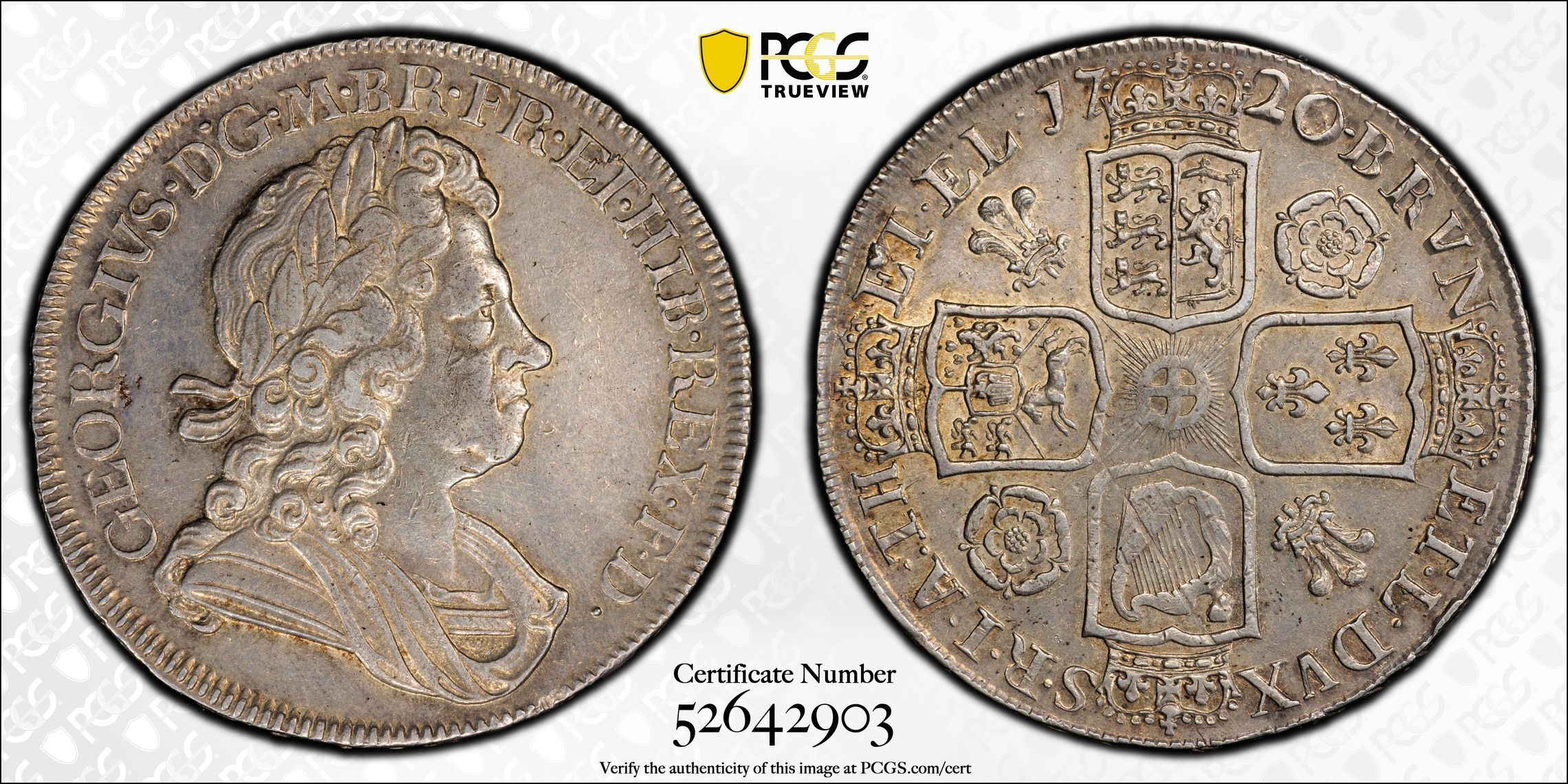
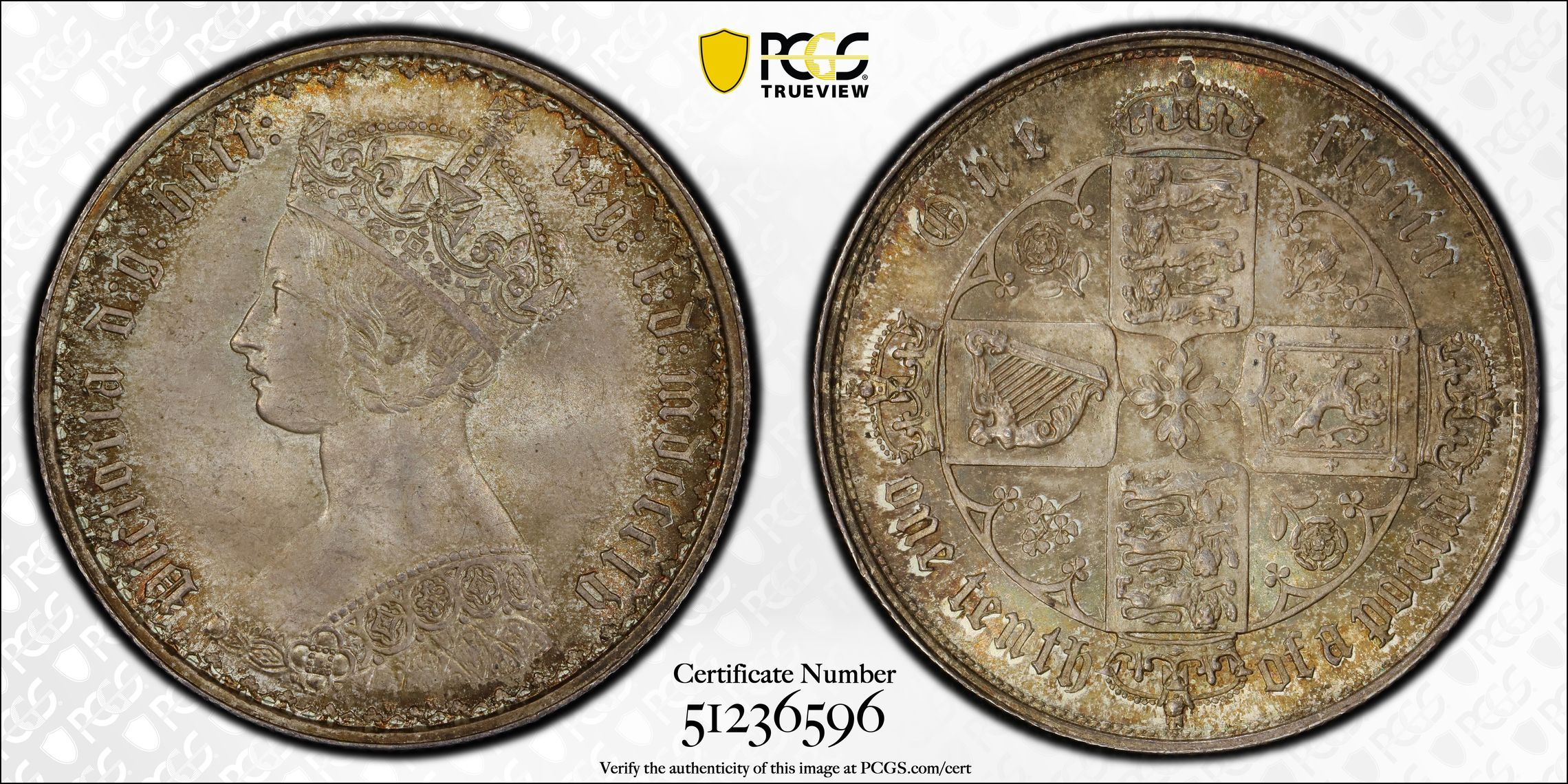
I have been sharing submission results in various threads for a number of years- I suspect the number of British coins posted on the forum likely is in the range of 30-50. So I thought I will limit this to 4 - one from each century 1600-1900
1677 Charles II Crown
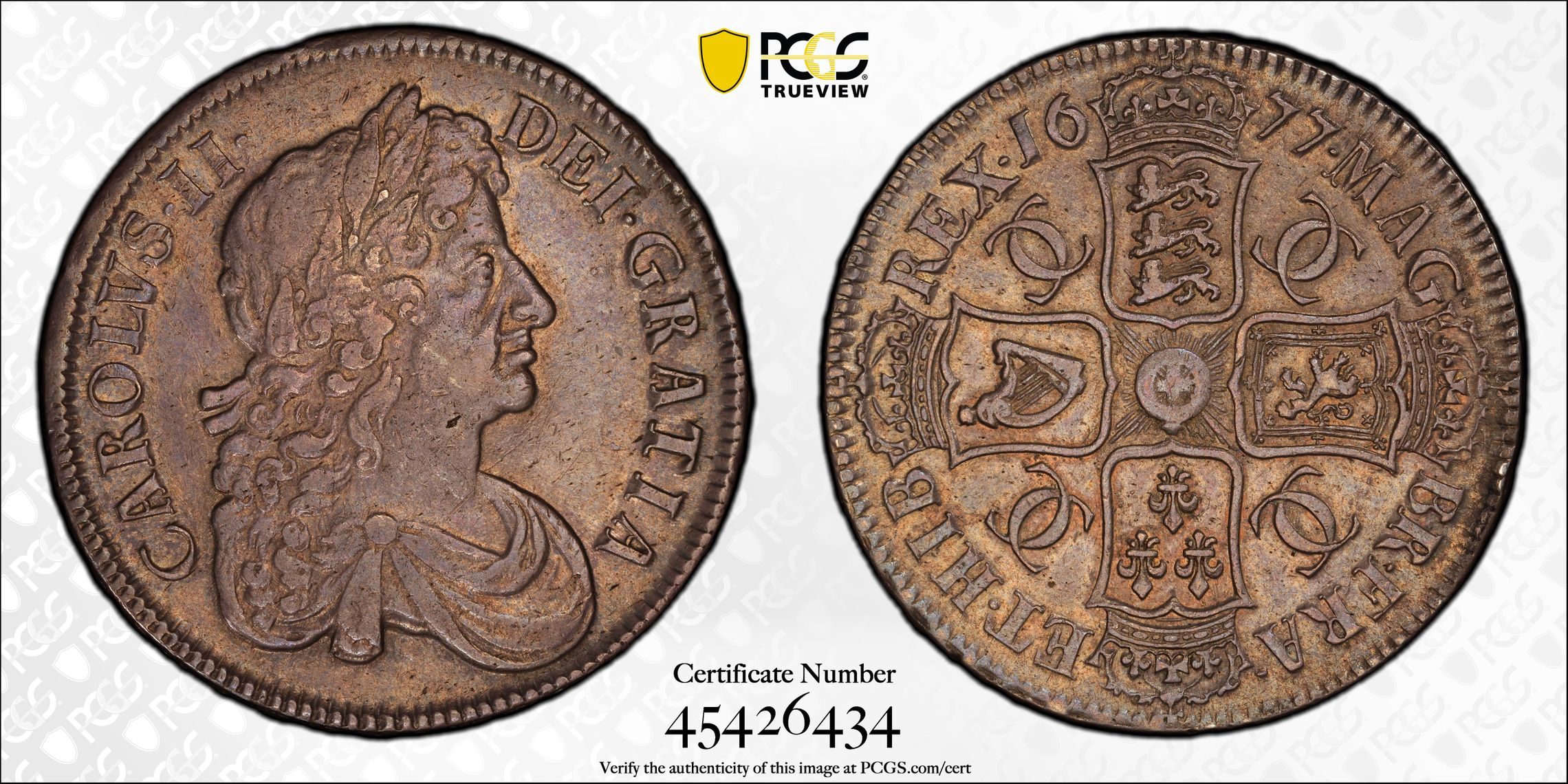
1720/18 Geroge I Crown
1855 Gothic Florin
1907 B Trade Dollar- something a little different for the 20th Century
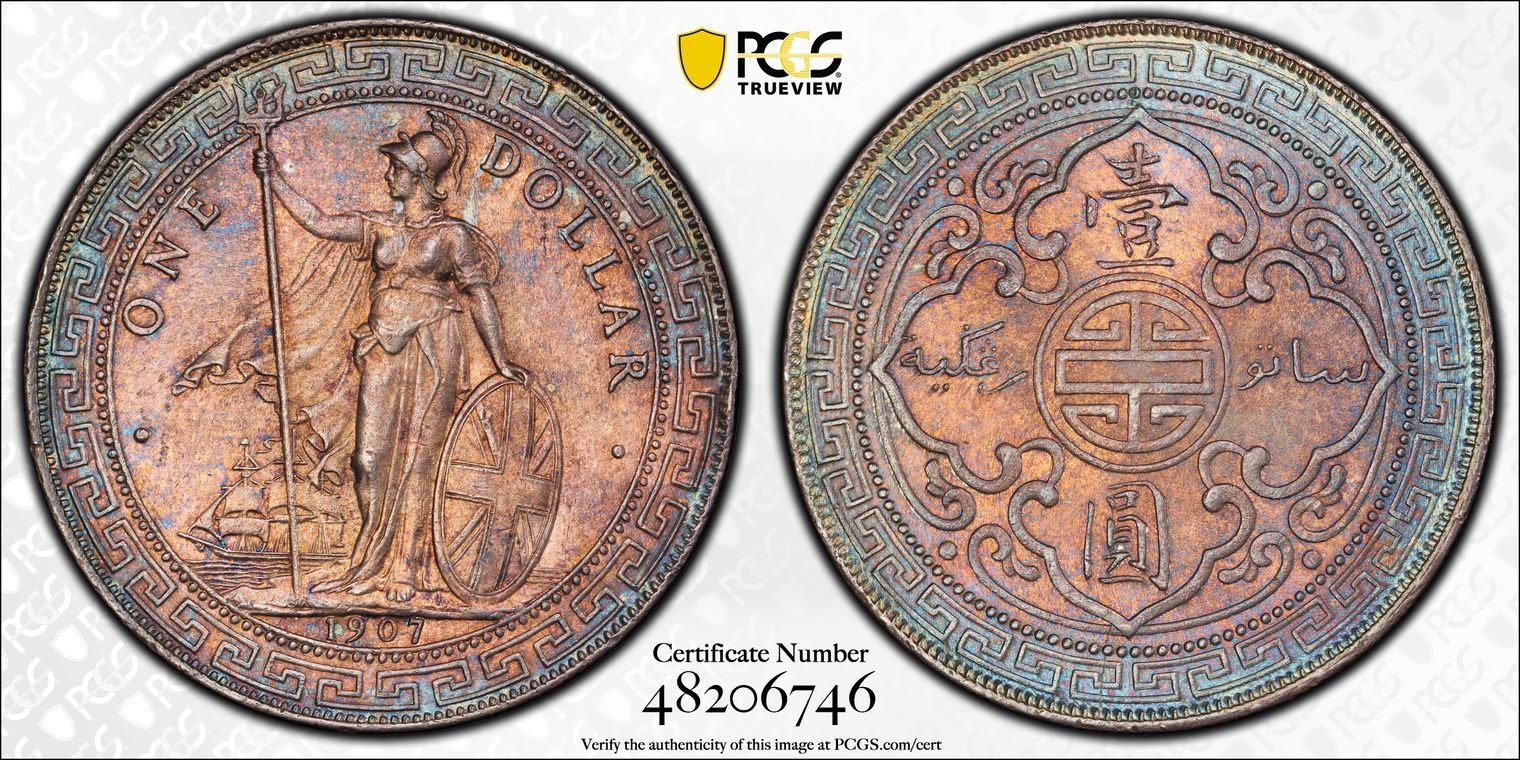
Experience the World through Numismatics...it's more than you can imagine.
1723 SSC Shilling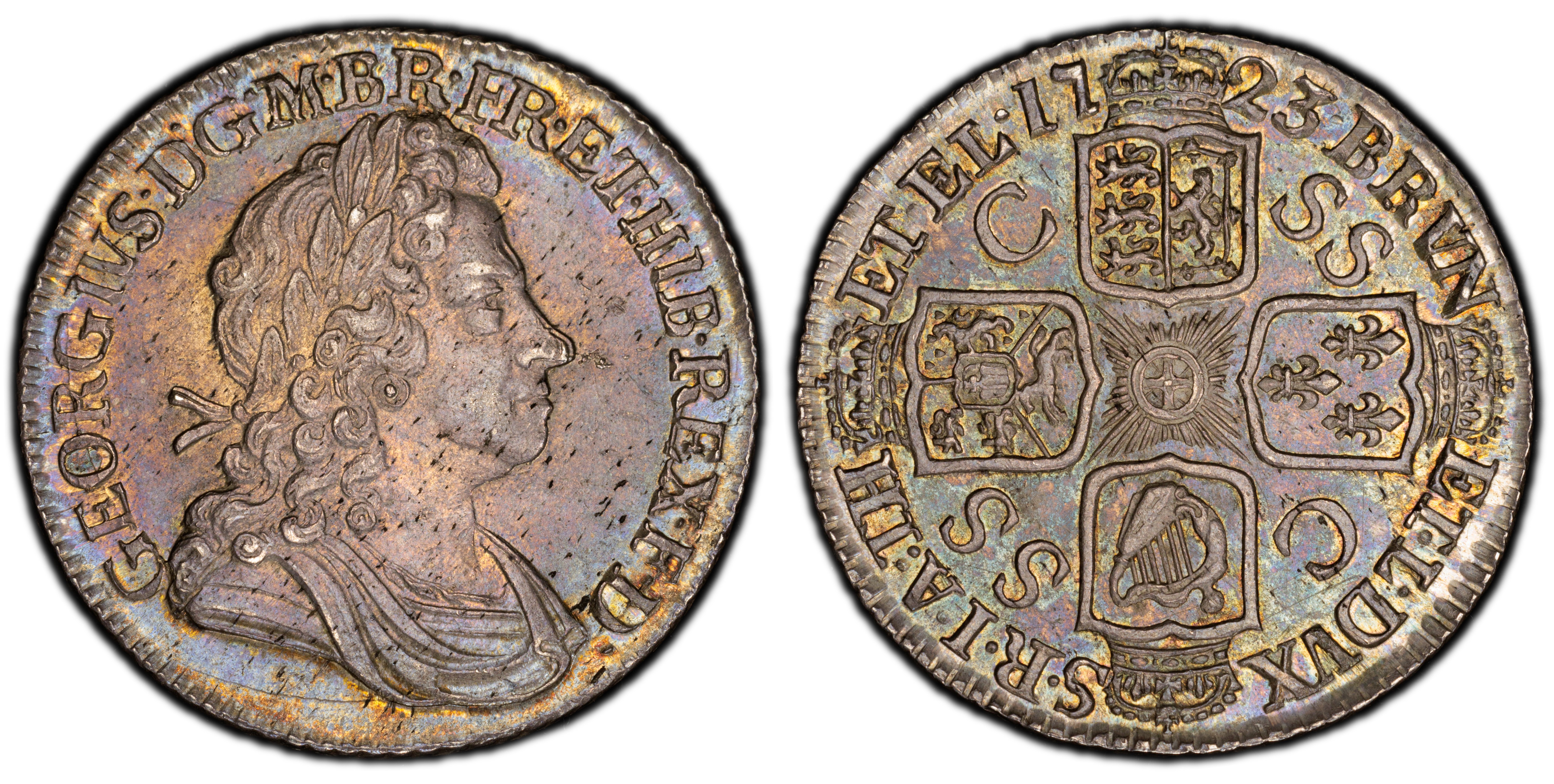
This one I purchased as a hopeful upgrade for my set but sadly it fell short condition wise. Still an outstanding example with great toning and surfaces.
https://numismaticmuse.com/ My Web Gallery
The best collecting goals lie right on the border between the possible and the impossible. - Andy Lustig, "MrEureka"
The OP said "British Coinage" so I'll slip in my James VI of Scotland Ryal, later to become James I of England, as a geographical association.
Oliver Cromwell was the head of state of the Commonwealth of England during the Interregnum.
Following @coinkat's example, I'll just post one per century from my collection
I like British coins of all eras
Celtic stater, Verica
Anglo-Saxon gold thrymsa, EAN type
Anglo-Saxon silver sceatta, series Z-related
Anglo-Saxon copper styca, Eanred of Northumbria
Anglo-Saxon early penny, Ecgberht II of Kent
Anglo-Saxon era Danelaw (Viking) penny, Anlaf II Sihtricsson
Anglo-Saxon late penny, Edward the Confessor
Norman penny, William I (the Conqueror)
Plantagenet penny, John
Lancastrian groat, Henry VI
Yorkist groat, Edward IV
Tudor groat, Henry VIII
Stuart groat, Charles I
Hanoverian shilling, George II
Windsor shilling, George VI
I am doing something similar, shillings from the time of Henry VIII to the present, groats and pennies before that.
I have a goal to put together a set of every monarch, not just of England, but including Scotland and the petty kingdoms of the Anglo-Saxon period. I am still undecided whether to try to include a set of the Celtic tribal leaders who put their names on coins and Roman emperors from Claudius to Honorius (who held title over Britannia). These additions make the set quite large and unwieldy, as well as adding significant additional cost, but it might make sense if I'm trying to tell the story of 2000 years of history.
Such a set as above actually cannot be completed, as some of the rulers are simply impossible, with no known examples
outside of museum collections (i.e. Beorhtric of Wessex, 3 known, all in museums). So it must remain forever incomplete, but the plan is to get as close to comprehensive as budget and coin availability allows.
James II as depicted on the 1688 American Plantations Token.
A colorful Farthing with a minor rim ding.
Custom album maker and numismatic photographer.
Need a personalized album made? Design it on the website below and I'll build it for you.
https://www.donahuenumismatics.com/.
One of my favorites I purchased a few decades ago for 50 Pounds not knowing any different.
"Inspiration exists, but it has to find you working" Pablo Picasso
You folks are really cool. Many wonderful coins! Definitely have some people showing up strongly.
I'm BACK!!! Used to be Billet7 on the old forum.
PCGS XF45
Bury St. Edmonds
King Edward II (1284–1327) ruled England from 1307 to 1327. His disastrous reign was defined by military failures—most notably the catastrophic loss to the Scots at the Battle of Bannockburn—and severe civil conflicts.
The short reign of Edward II is commonly seen as a disastrous period in English history. Edward, who was the first king to officially reside at Eltham Palace, faced military defeats, political crises and civil war. The king’s downfall was due in part to his reliance on his ‘favourites’, Piers Gaveston and Hugh Despenser, who were rumoured to be his lovers
His unconventional rule and political ineptitutde ultimately led to his unprecedented downfall.
I'm BACK!!! Used to be Billet7 on the old forum.
@HoledandCreative
Interesting image that I suspect has a story worth sharing... Not to sound more ignorant than usual... what is this?
Experience the World through Numismatics...it's more than you can imagine.
1703 VIGO 6p
Just a story about bought, kept for years, sent in for plastic to both companies, then rejected by both. PCGS - Authenticity unverifiable, Eimer 188b - Gilt. NGC - Not suitable for certification, MI409-45 Gilt. Both companies obviously think it is counterfeit or whatever else is possible. If not authentic, what was a 38mm genuine gilt medal of Cromwell worth in the mid 1960's? TIA.
Thanks for sharing the story… I am not familiar with this medal. Have you seen others for comparison purposes? It does have cast look about it but do they all have this look? Are there non gilt examples that exist with different attributes?
Definitely an interesting medal.
Experience the World through Numismatics...it's more than you can imagine.
1771!
https://photos.app.goo.gl/CLnf9bHh3wLzFBbe7
British Historical Medals
https://photos.app.goo.gl/fW9LtvfRaf7Jo6HY74
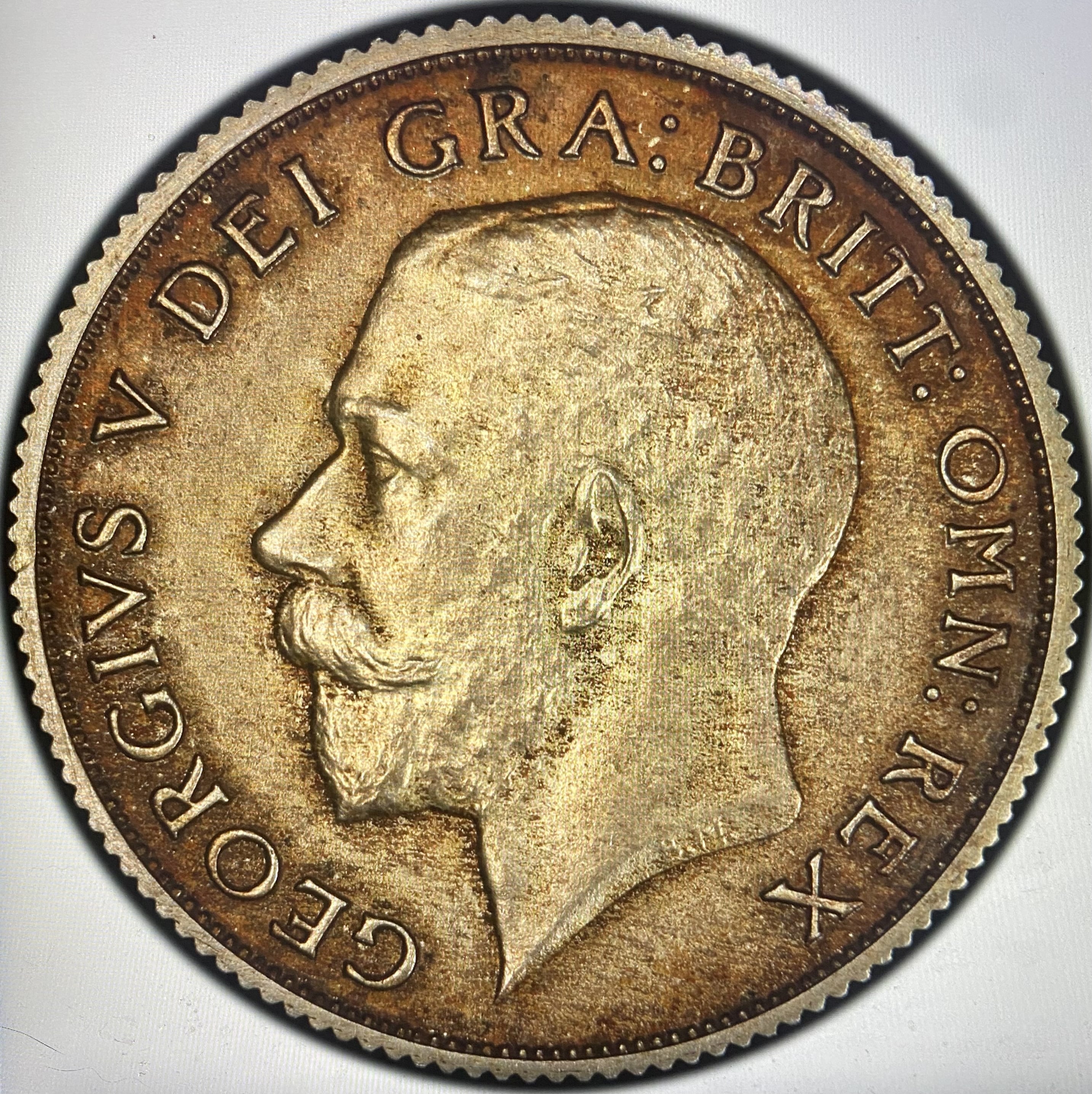
Find another. LOL. 1962 Record Proof Halfcrown:
Unique Satin Proof "Ducktailed" 1920 Great Britain Florin
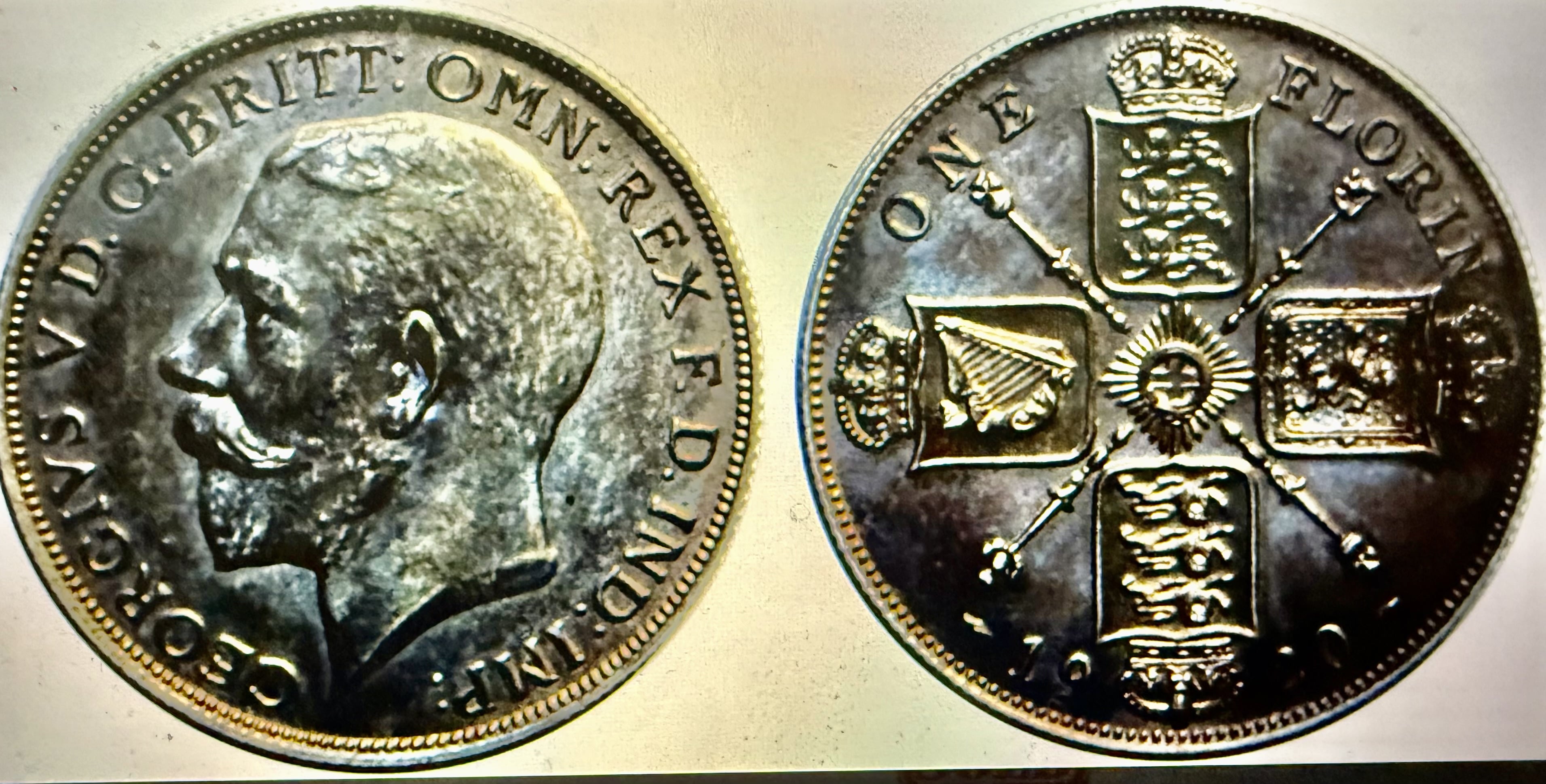
Well, just Love coins, period.
Two Roman coins which allude to Roman Britain.
Antoninus Pius Sestertius depicting Britannia with shield seating on a rock. This sestertius commemorates Antoninus Pius' campaign against the lowland tribes of Scotland. The word BRITANNIA faces the bust. On this sestertius unfortunately largely not visible.
Pius also built the Antonine wall.
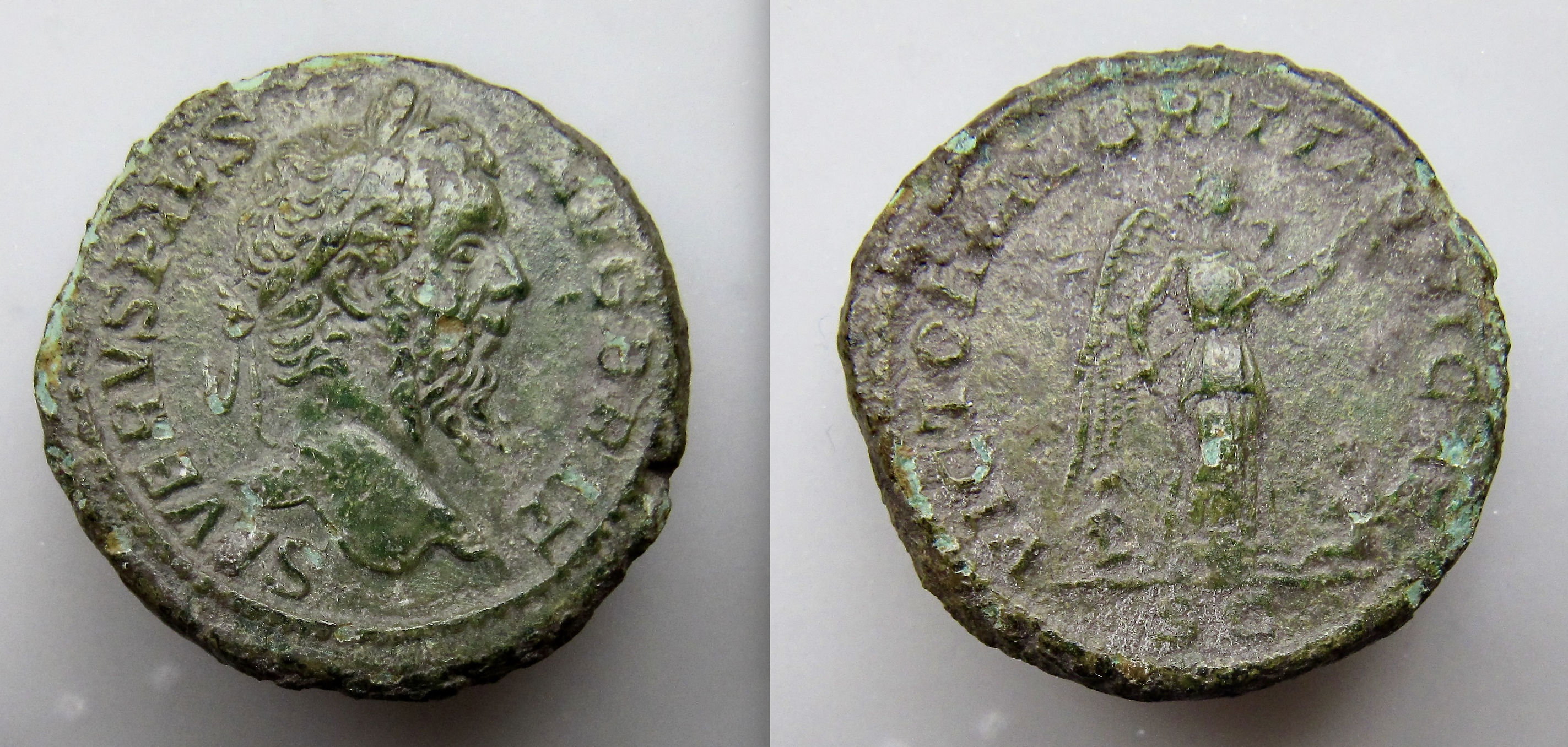
As of Septimius Severus - This coin refers to Severus' victories in Britannia. Severus died at his headquarter in York in 211 AD
My 15th century and 18th century coins in my March of Time set.
Edward IV 1/2 Ryal
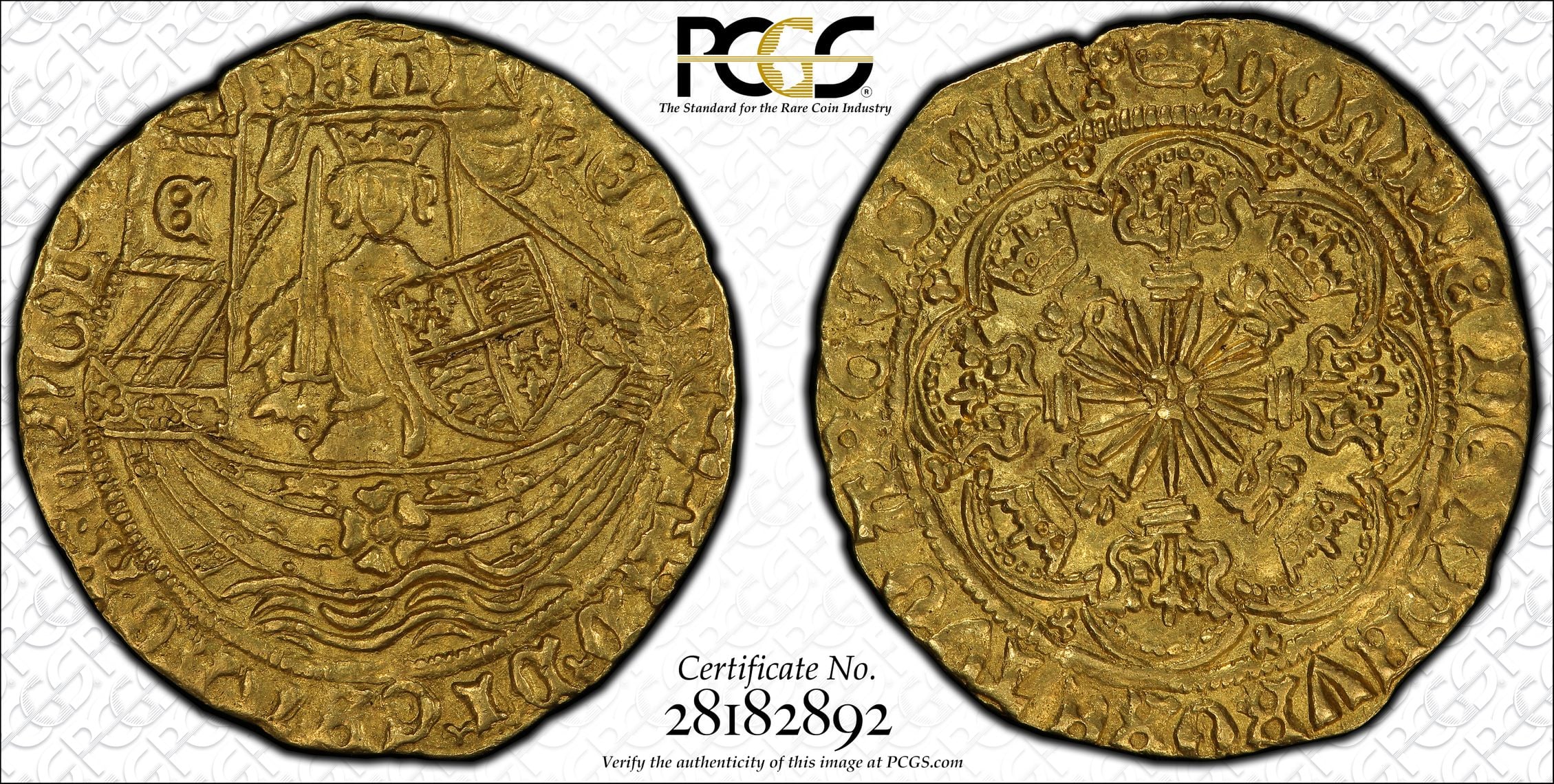
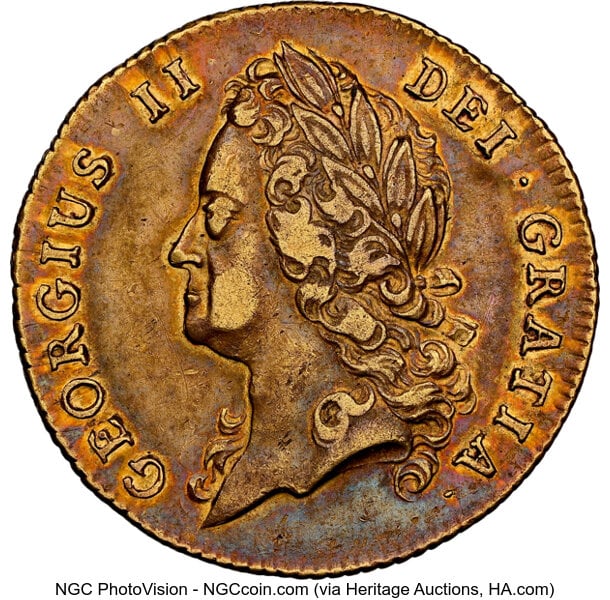
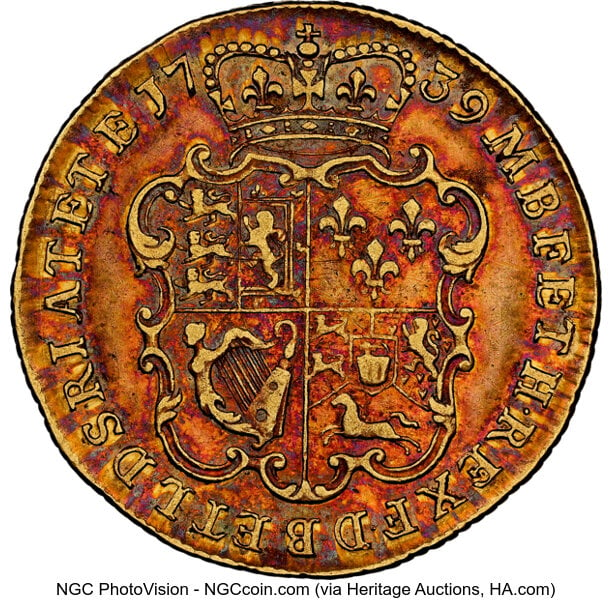
George II Sovereign
https://www.pcgs.com/setregistry/gold/liberty-head-2-1-gold-major-sets/liberty-head-2-1-gold-basic-set-circulation-strikes-1840-1907/publishedset/15628
March of Time - 27 Centuries in Gold
https://coins.www.collectors-society.com/WCM/CoinCustomSetView.aspx?s=36590
I wonder what the George II looks like in hand. Sort of a tough coin to grade solely based on the images. I am thinking 45 based on the pattern of wear which may be exaggerated based on the color. I have yet to find a George II Guinea. I like these two.
Experience the World through Numismatics...it's more than you can imagine.
Here are a couple of major rarities that I have posted previously:
Well, just Love coins, period.
coinkat, the George II is a NGC XF40. Slab photos below. I do not specialize in guinea collecting and cannot comment on NGC's assigned grade. In my opinion NGC's PhotoVision photos portray the in hand look better than Heritage's slab photos. I purchased based on the bold toning when looking for a coin to fill the 18th century slot of my 27 century set.
https://www.pcgs.com/setregistry/gold/liberty-head-2-1-gold-major-sets/liberty-head-2-1-gold-basic-set-circulation-strikes-1840-1907/publishedset/15628
March of Time - 27 Centuries in Gold
https://coins.www.collectors-society.com/WCM/CoinCustomSetView.aspx?s=36590
I haven't added much to my collection for several years, but these are still a few of my favorites (sorry for those of you who have seen these many times before).
-~-~-~-~-~-~-~-~-~-~-~-~-~-~-~-~-~-~-~-~-~-~-~-~-~-~-~-~-~-~-~-~-~-~-~-~-~-~-~-~-~-~-~-~-~-~-~-~-~-~-~-~-
My sets: [290+ horse coins] :: [France Sowers] :: [Colorful world copper] :: [Beautiful world coins]
-~-~-~-~-~-~-~-~-~-~-~-~-~-~-~-~-~-~-~-~-~-~-~-~-~-~-~-~-~-~-~-~-~-~-~-~-~-~-~-~-~-~-~-~-~-~-~-~-~-~-~-~-
@brg5658
Outstanding coins… sort of wondering about the 2/6 and why it graded 64. It looks amazing. Great images too
Experience the World through Numismatics...it's more than you can imagine.
@brg5658
Those are just wonderful!
I'm BACK!!! Used to be Billet7 on the old forum.
Here are a few more, the "DRITANNIAR" looks much better in person..
Well, just Love coins, period.
1702-1714
Anne was the daughter of King James and Anne Hyde. Her story is tied to her father James and her uncle Charles II. She was plagued by health problems her entire life, wasn’t able to bear children (or they died young…17 pregnancies) became fairly overweight later in life and eventually became Queen because she was the last person standing.
She was raised Protestant on orders of her uncle, was at odds with her father James who was a Catholic and wildly unpopular. She abandoned him when he was deposed. Eventually she was crowned after her sister Mary and William, then later William alone, reigned.
I'm BACK!!! Used to be Billet7 on the old forum.
Eventually she was crowned after her sister Mary and William, then later William alone, reigned.
I'd like to have a conjoined bust crown of William & Mary. It's on my wish list. It's one of my favorite designs, and I don't like very many life portraits that much.
There is also a coronation medal of theirs pictured in Gilboy's pillar book I'd like to have even more, but I've never seen one with that reverse.
Correction: The medal pictured in Gilboy is actually the 1670 colonization medal of James II but is a conjoined bust too. It's not hard to buy.
I forgot that I purchased this little Vicky in mid-2024.
-~-~-~-~-~-~-~-~-~-~-~-~-~-~-~-~-~-~-~-~-~-~-~-~-~-~-~-~-~-~-~-~-~-~-~-~-~-~-~-~-~-~-~-~-~-~-~-~-~-~-~-~-
My sets: [290+ horse coins] :: [France Sowers] :: [Colorful world copper] :: [Beautiful world coins]
-~-~-~-~-~-~-~-~-~-~-~-~-~-~-~-~-~-~-~-~-~-~-~-~-~-~-~-~-~-~-~-~-~-~-~-~-~-~-~-~-~-~-~-~-~-~-~-~-~-~-~-~-
Trying to get a proof set from every country I can, got something nice (by my standards) for Britain.
I collect world proof sets, coins featuring composers, mid-20th century U.S. proof coins, U.S. type coins, and whatever else I want.
@WCC
I have one of those, not one to brag about though 😂
I'm BACK!!! Used to be Billet7 on the old forum.
Unique Satin Proof 1920 Shilling, this is also the "duck tailed" pattern example. Screen shot of TruView.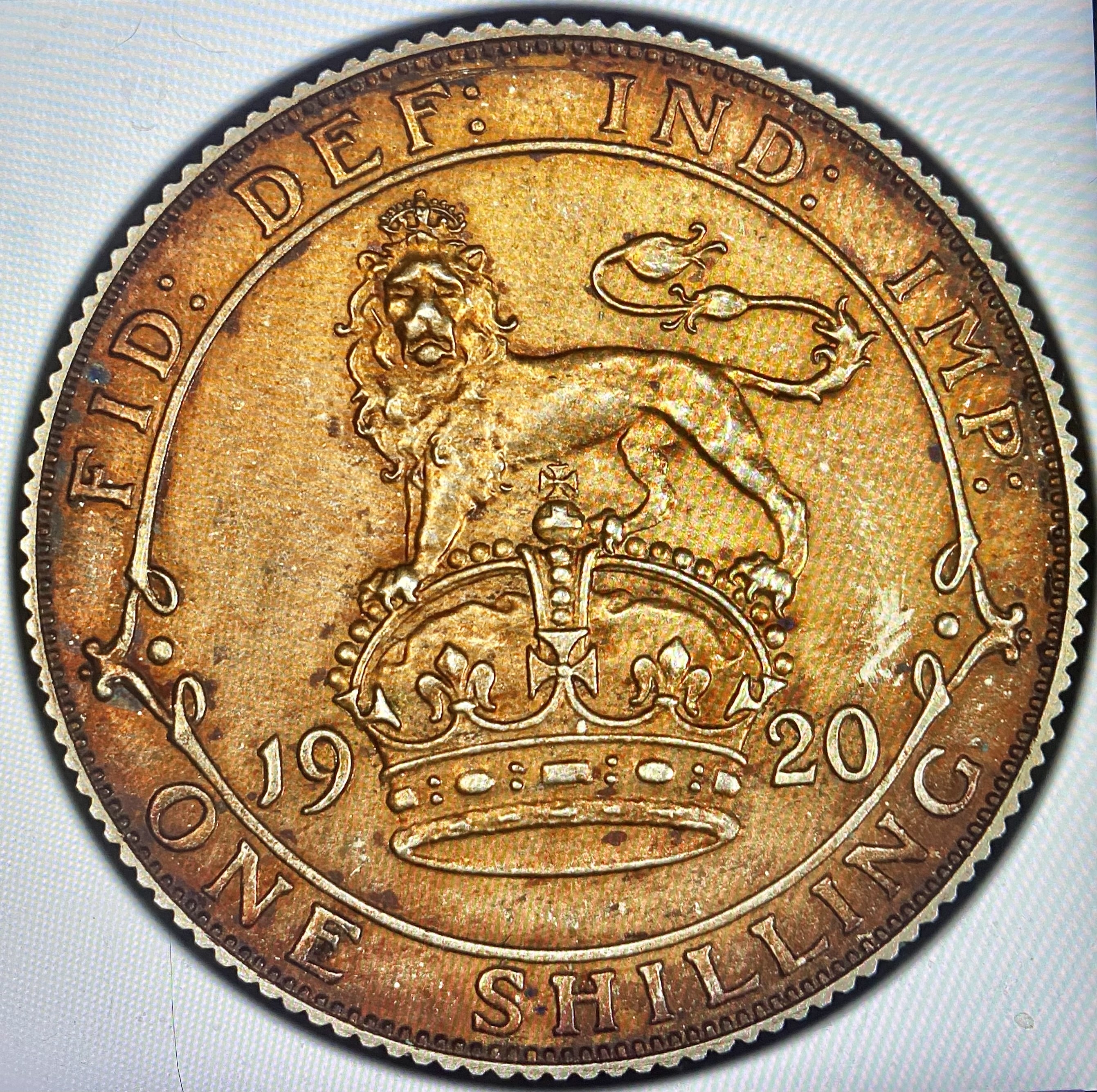
Well, just Love coins, period.
Love the Gothic Florin.....rare indeed!
Love the Gothic Florin. Rare indeed!
@Reveries
Thanks for comment on the Florin… it graded MS65. High grade examples of the Gothic Florins are challenging.
Experience the World through Numismatics...it's more than you can imagine.
Nice on the 1855 Gothic. I am still having problems getting an unc. specimen! The 1854 is nearly impossible to find nice and have never seen a true MS specimen although Martin Platt was reported to have one. These come very softly struck on the obverse and mine is no exception with the reverse nearly there. I was able to get both the currency and proof 1863 which are also extremely rare in MS63 and Proof63 and above.
Well, just Love coins, period.
The only Shilling I have in the collection. Bought almost 20yrs ago.
That's an incredible example! You have great taste. Would love to have owned such a nice Northumberland.
https://numismaticmuse.com/ My Web Gallery
The best collecting goals lie right on the border between the possible and the impossible. - Andy Lustig, "MrEureka"
Although this piece is listed in NGC's British census for Patterns, restrikes and off-metal coins, it might also be recognized by Conder token collectors as an Ayrshire 5 halfpenny in silver.
NGC PR66CA 3827970-009
https://photos.app.goo.gl/CLnf9bHh3wLzFBbe7
British Historical Medals
https://photos.app.goo.gl/fW9LtvfRaf7Jo6HY74
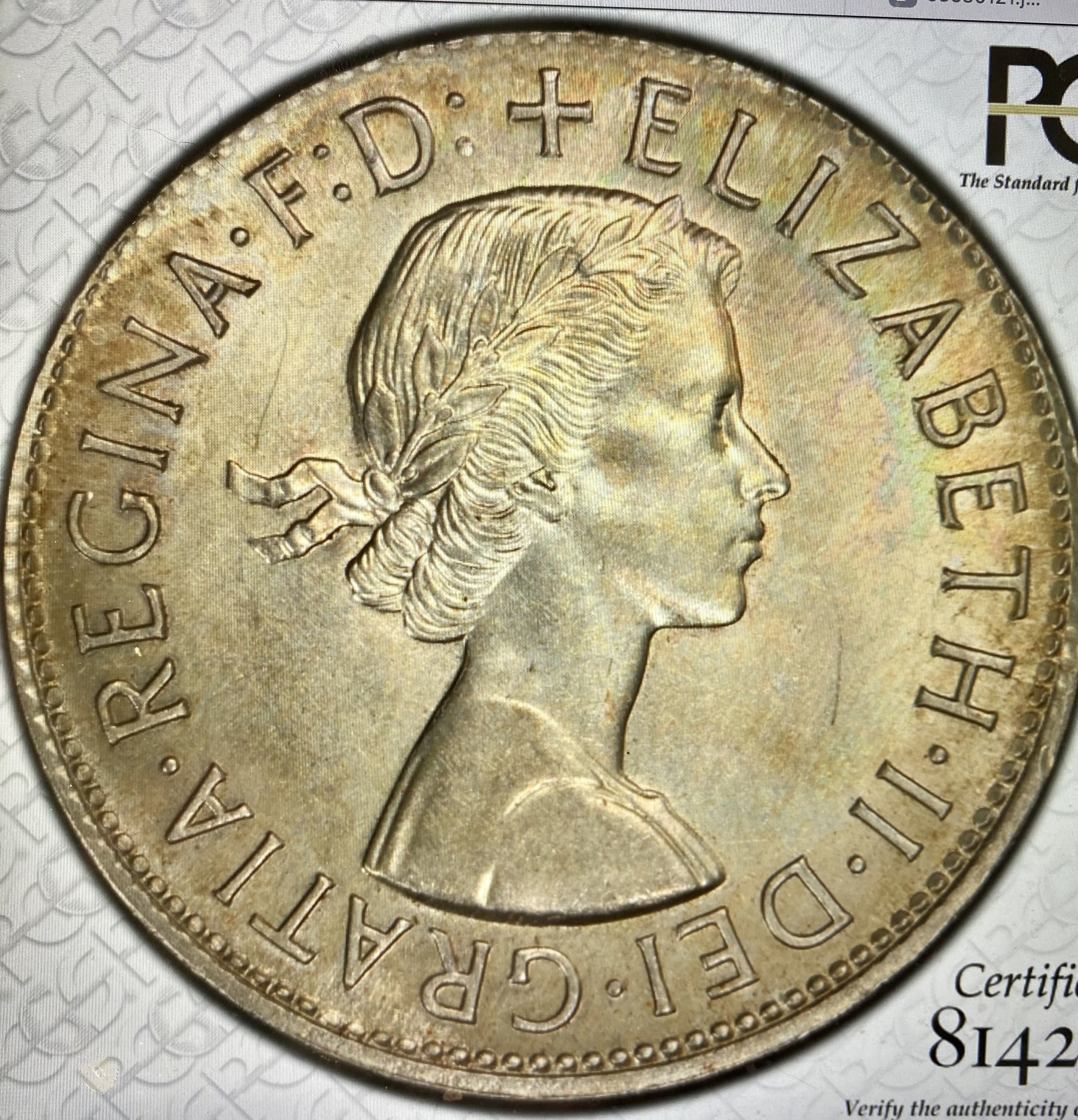
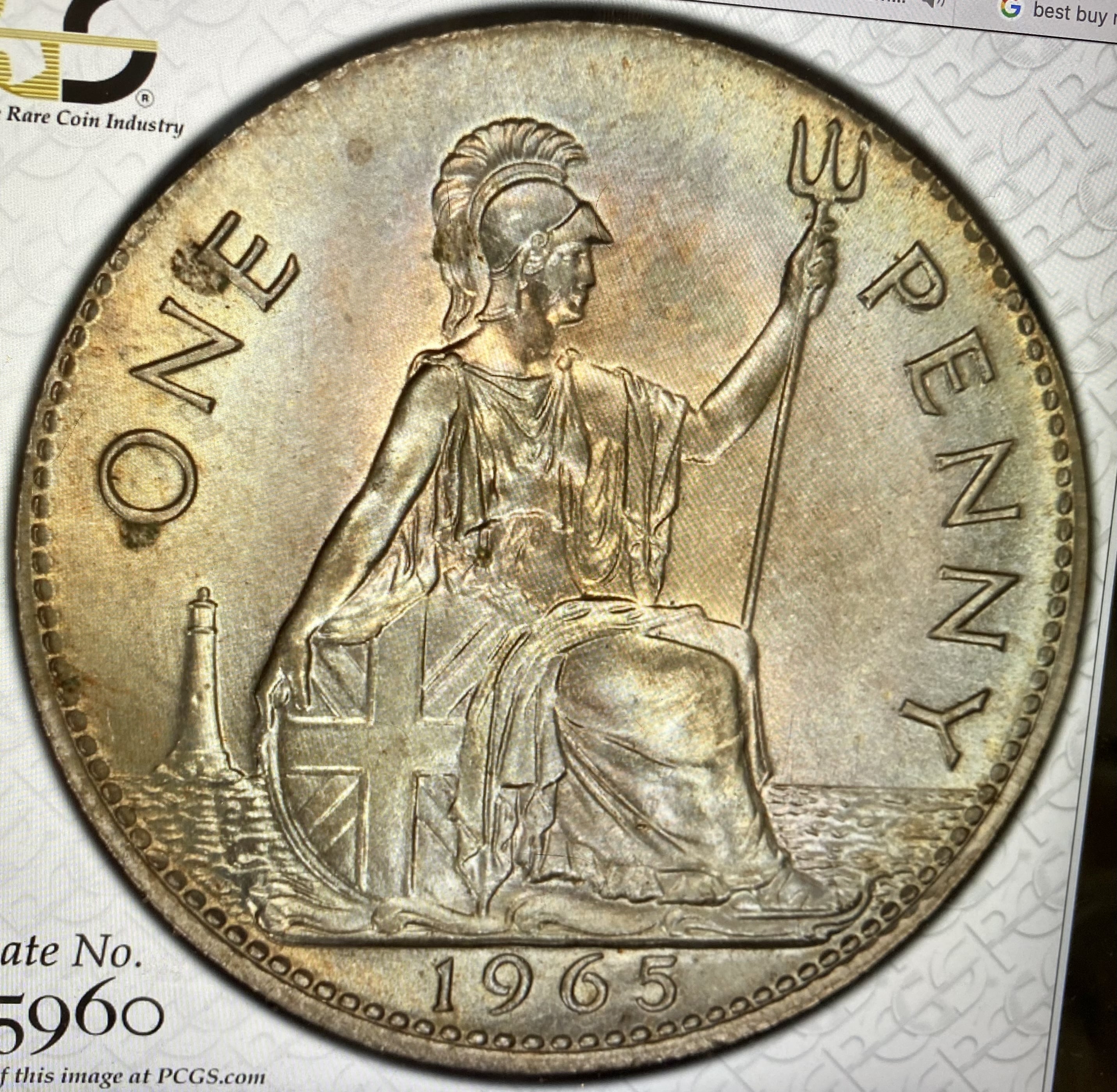
Here are a couple of pennies that I really like, they are off metal strikes in copper nickel - probably florin flans as they weigh about 11.3 gms...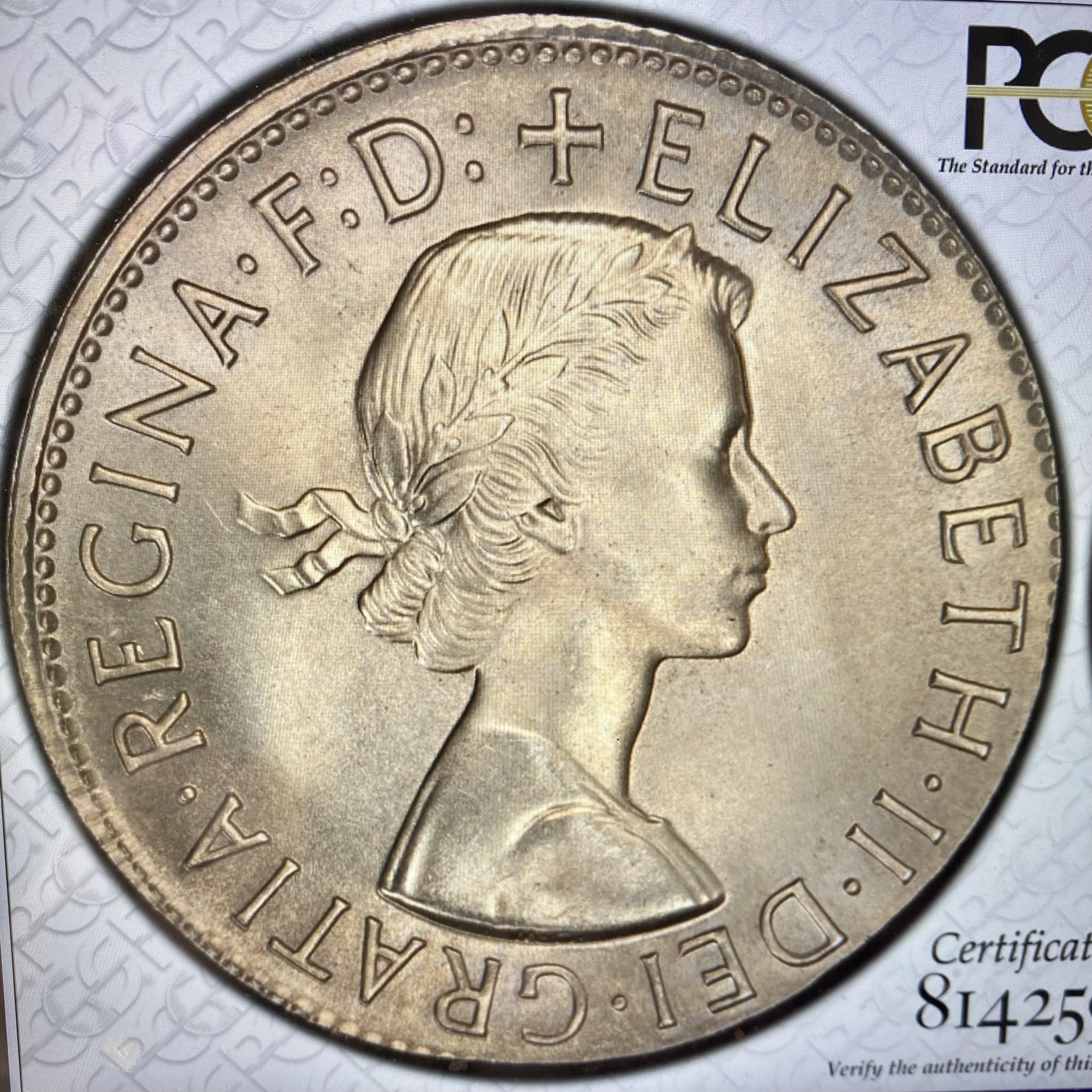
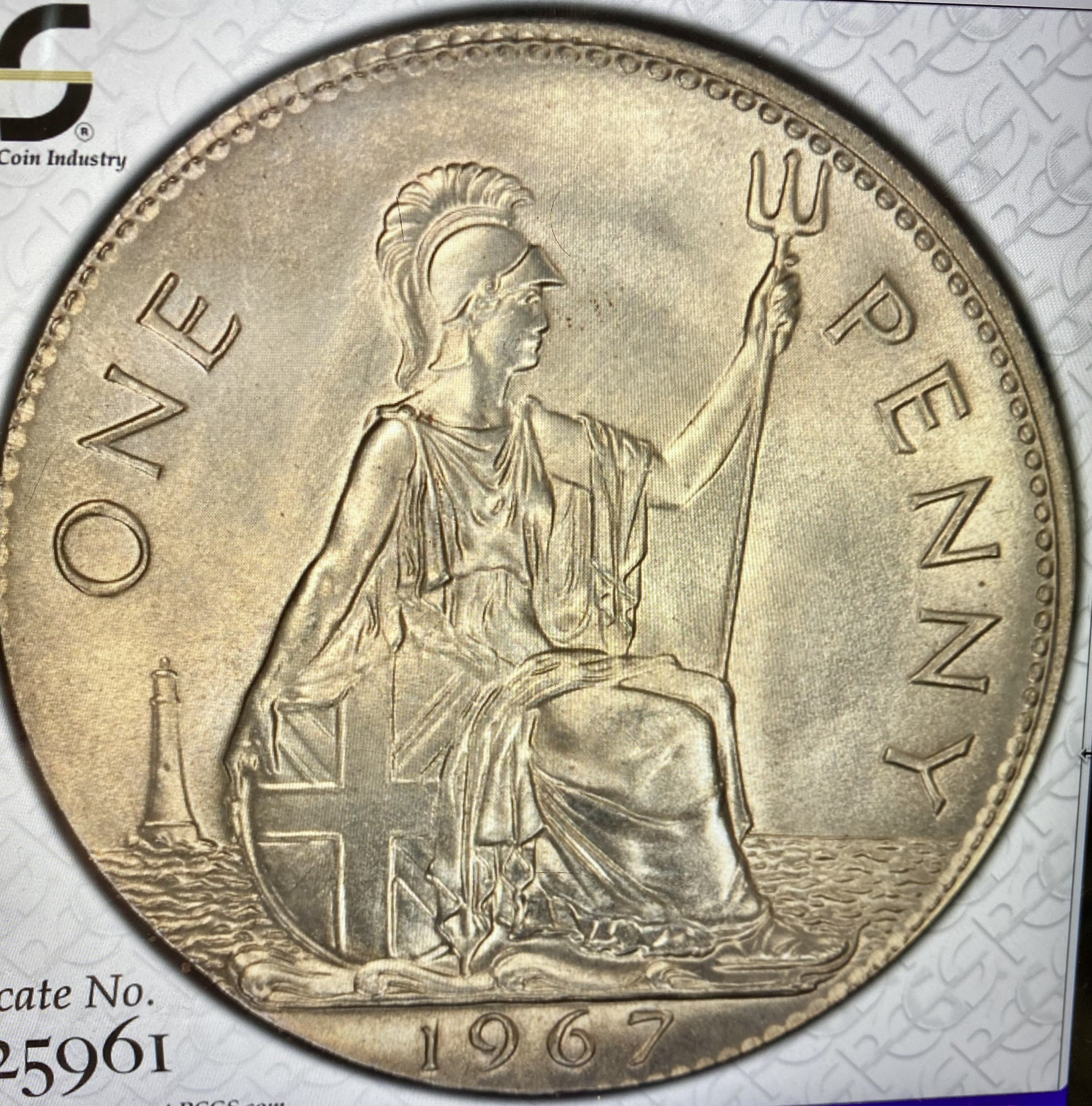
Well, just Love coins, period.