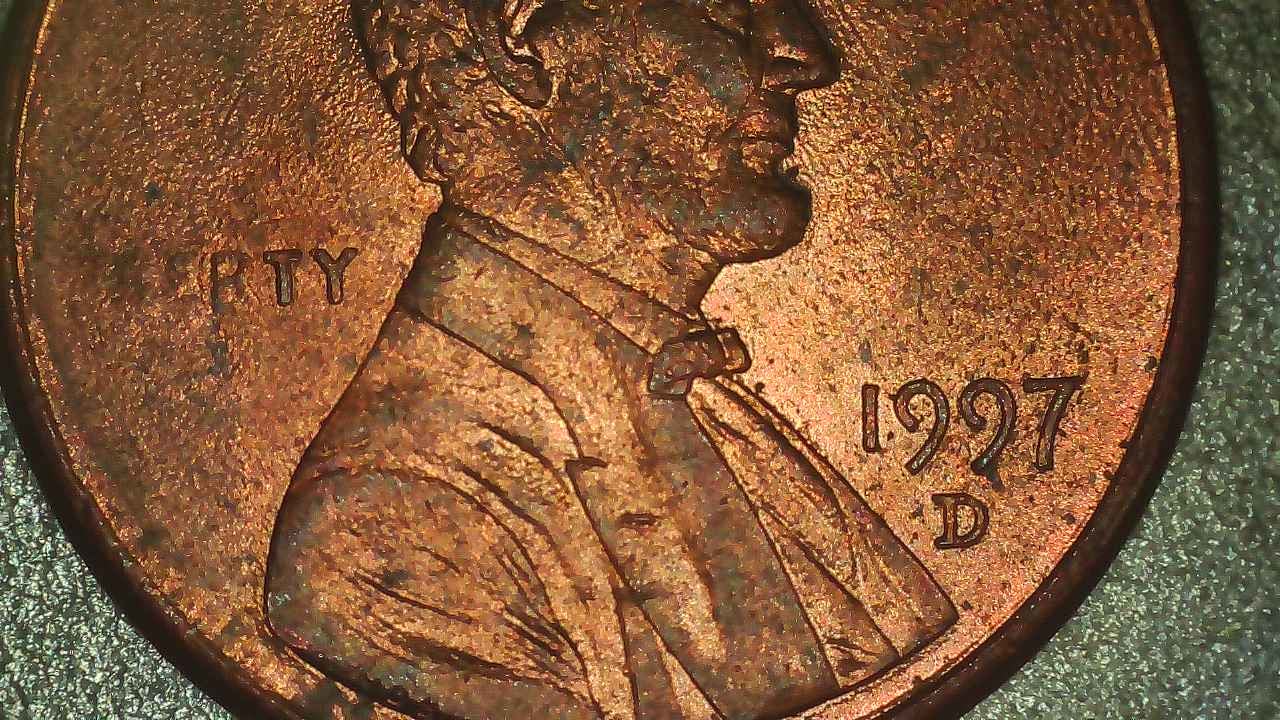
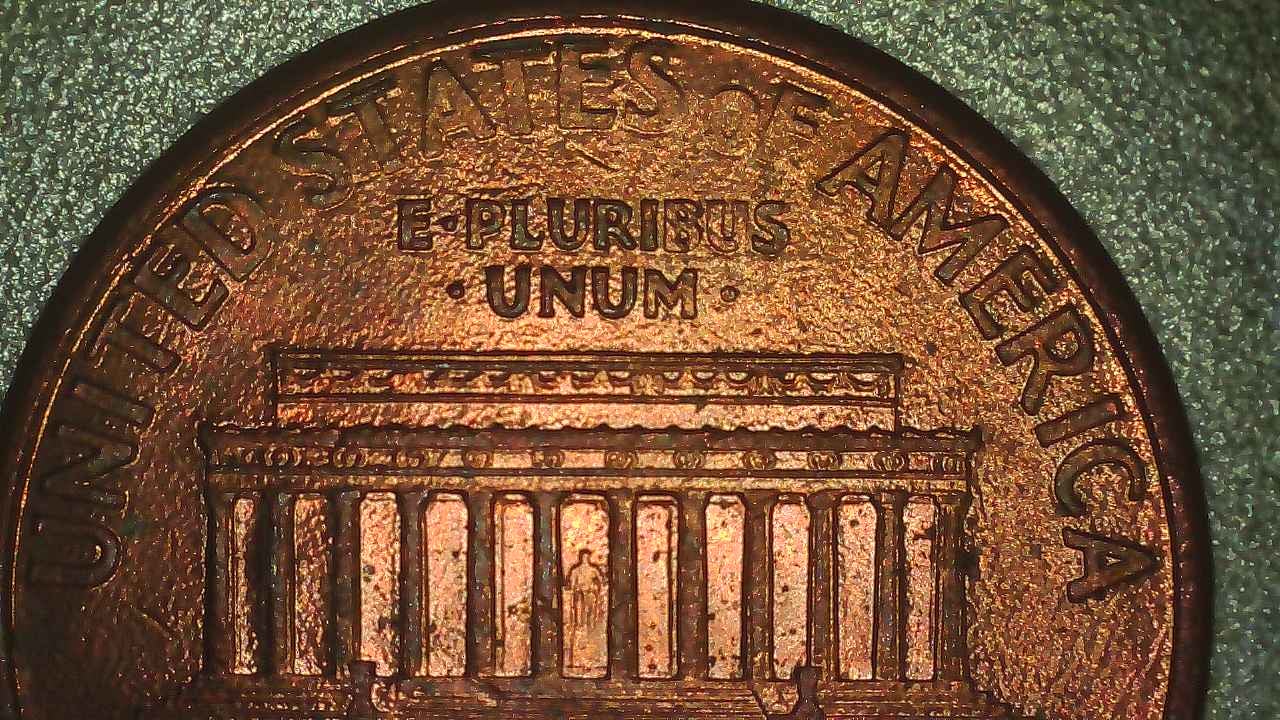
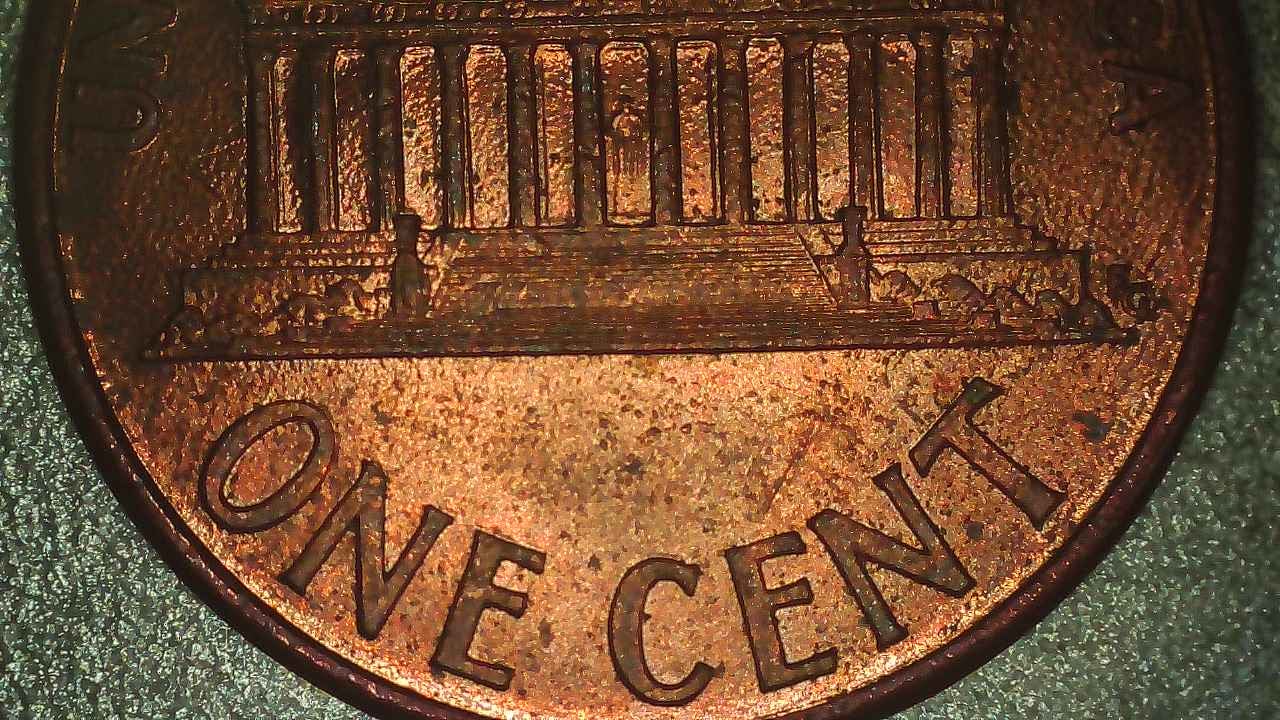
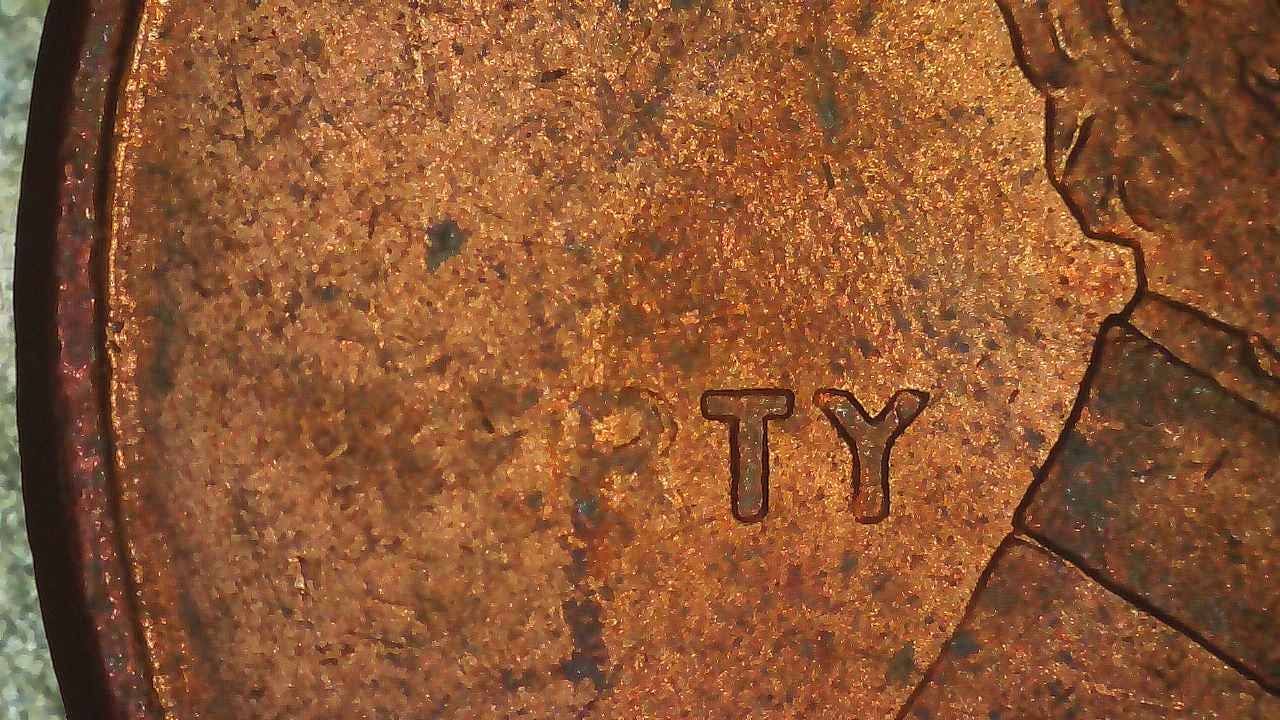
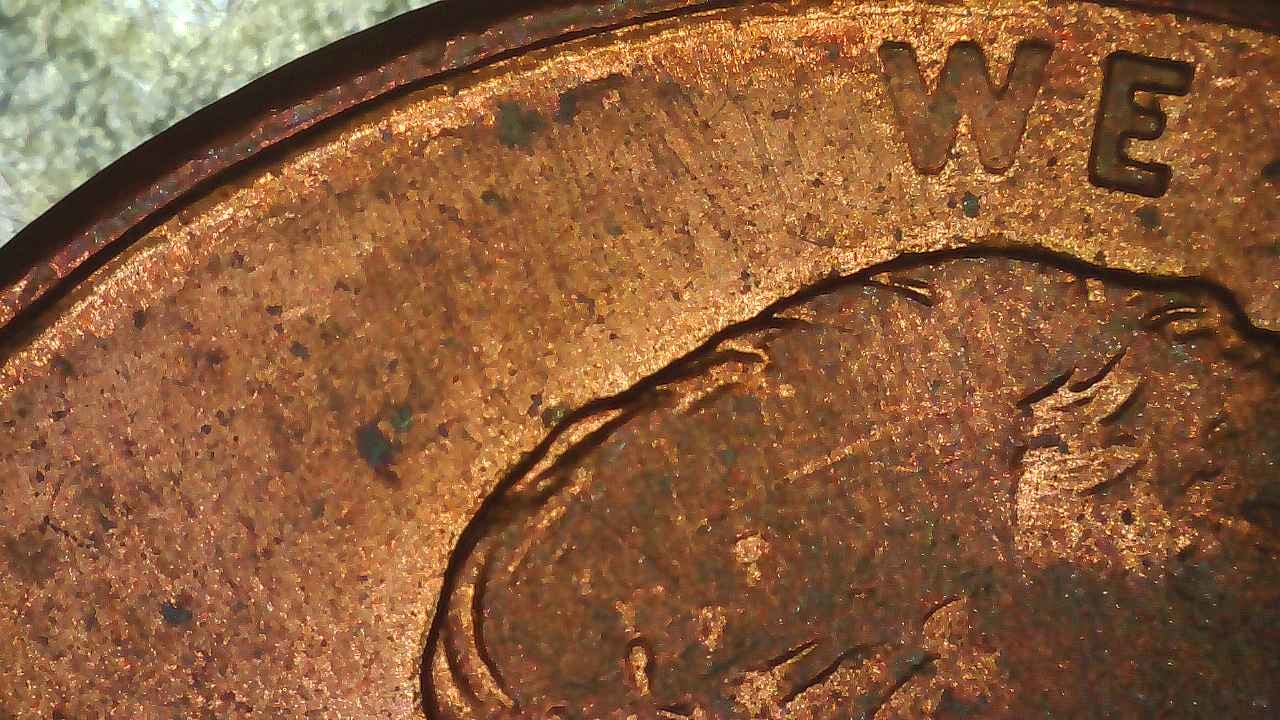
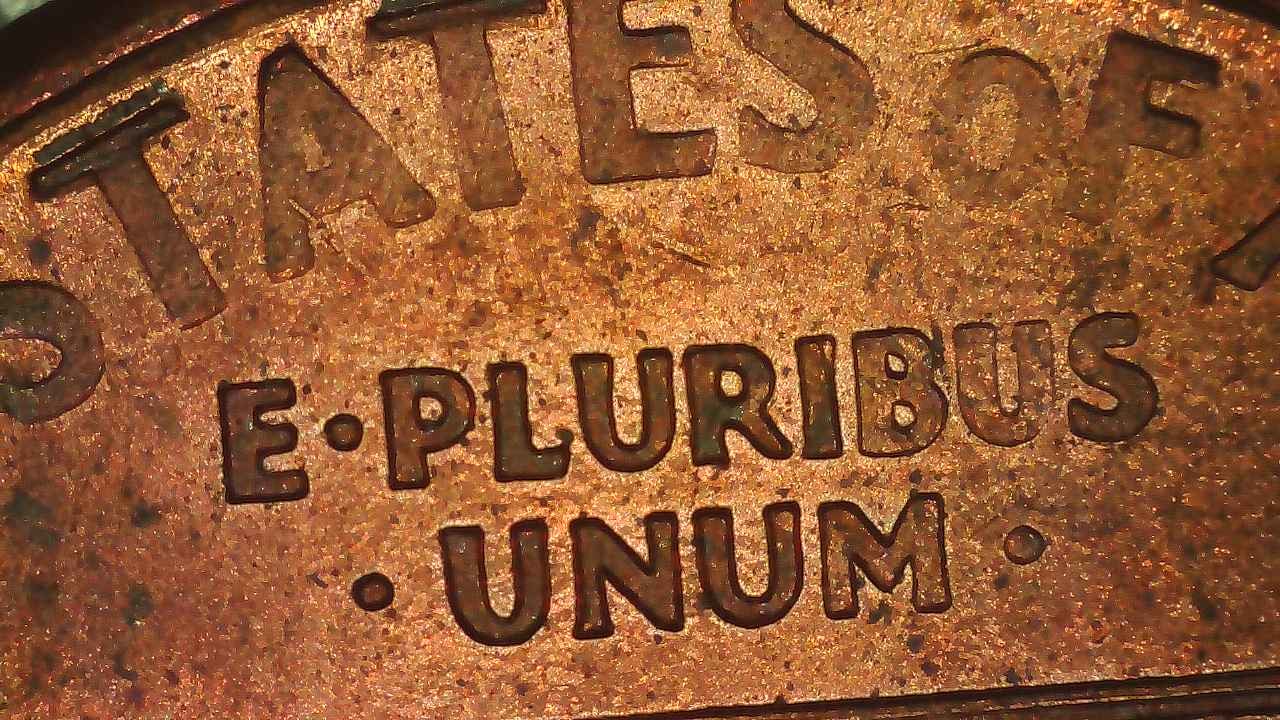
Would this partial omission be attributed to grease?
 Stillookin
Posts: 10 ✭
Stillookin
Posts: 10 ✭
My last post revealed my need to learn more about grease. And its interaction with the striking process. Would this penny reflect its contact with grease while being struck?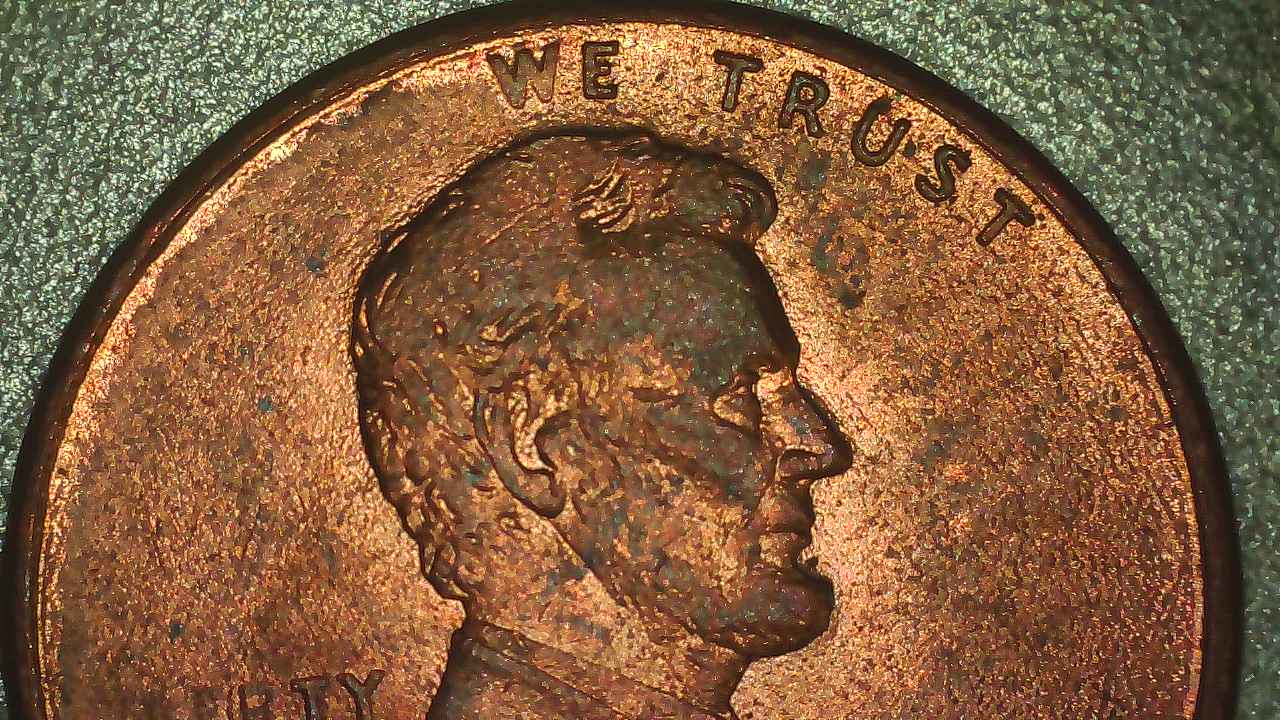
0
Comments
I see no damage to rim or Abe, so I would say yes, grease filled die.
bob
PS: do they still use grease at the mint?
Modern high-speed, high-pressure coin presses would not last long if they were not lubricated. So yes, some kind of industrial grease still needs to be used.
We sometimes get the wrong idea when talking about this "grease", as if it was the same brownish slimy stuff used in car doors. I've often heard people say "if it's just grease, why doesn't it simply squirt out?". But this kind of "normal" grease would be useless in a high-speed coin press; it would liquefy or even evaporate at the temperatures and pressures experienced.
It's my understanding that the mints generally don't use off-the-shelf industrial grease, but instead formulate their own in-house, specifically designed for optimal performance under standard operating conditions.
The industrial grease used by Mints worldwide is normally a solid or near-solid at room temperature; it melts and lubricates while in contact with the high temperatures that coin presses operate at. And while it does "flow like grease" when it's warm, clean and fresh, in use it quickly accumulates lots of microscopic particles of metal. When this old contaminated grease cools to room temperature, it becomes rock hard, and it looks metallic so it's hard to see on visual inspection of a die. This is the "grease" that causes grease-filled dies.
Roman emperor Marcus Aurelius, "Meditations"
Apparently I have been awarded the DPOTD twice.
moving parts need grease. perfectionists looking for all 70s in mint sets will be disappointed
they also lubricate the dies
Just out of curiosity, how is the lubricant applied during the striking process?
Jim
When a man who is honestly mistaken hears the truth, he will either quit being mistaken or cease to be honest....Abraham Lincoln
Patriotism is supporting your country all the time, and your government when it deserves it.....Mark Twain
@Sapyx
Thanks for that explanation. I was thinking of the grease they used to protect the dies while sitting on the shelf back pre 1900. Different critter for sure.
bob
It's my understanding that a modern industrial high-speed coining press is essentially self-lubricating; you put the lubricant blocks in and the computers controlling the press decide when, where, and how much grease is needed. An engineer with a hot grease gun would only need to step in if things went wrong.
Roman emperor Marcus Aurelius, "Meditations"
Apparently I have been awarded the DPOTD twice.
Always amazed at someone that can offer up a concise answer using only a few lines. Not chapters! Great stuff guys and greatly appreciated. Thanks again.