Options
Indian Head Nickel Lamination Error-1918S
 mr1931S
Posts: 7,367 ✭✭✭✭✭
mr1931S
Posts: 7,367 ✭✭✭✭✭
A lamination error in coins refers to a defect where the surface of a coin cracks and flakes due to impurities or contaminants in the metal alloy. This can occur when foreign bodies or impurities are trapped inside the metal during the production process, leading to the peeling away of the coin's surface layer. Essentially, it is a planchet error that affects the integrity of the coin's surface.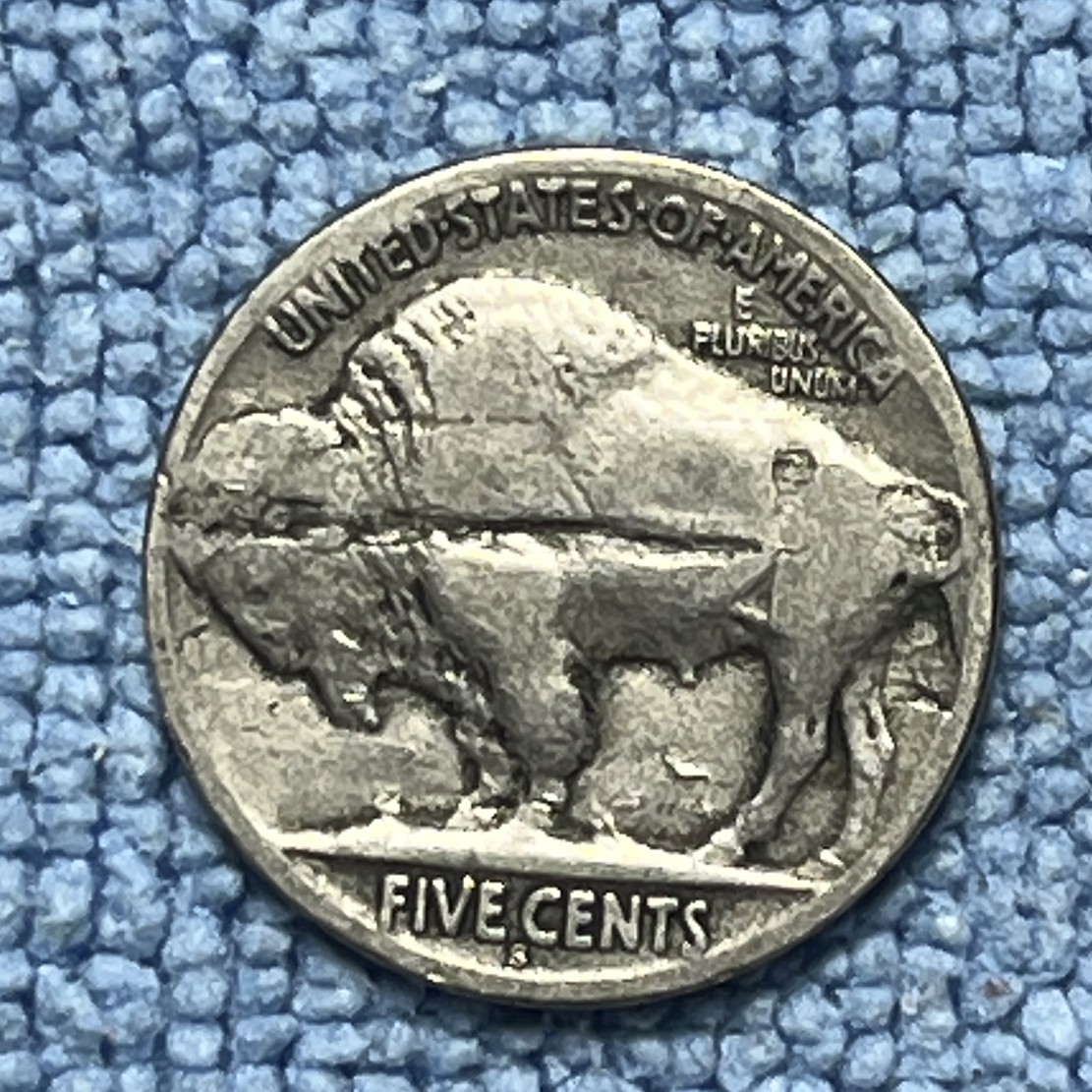
“Never let yesterday use up too much of today.”
Will Rogers
1
Comments
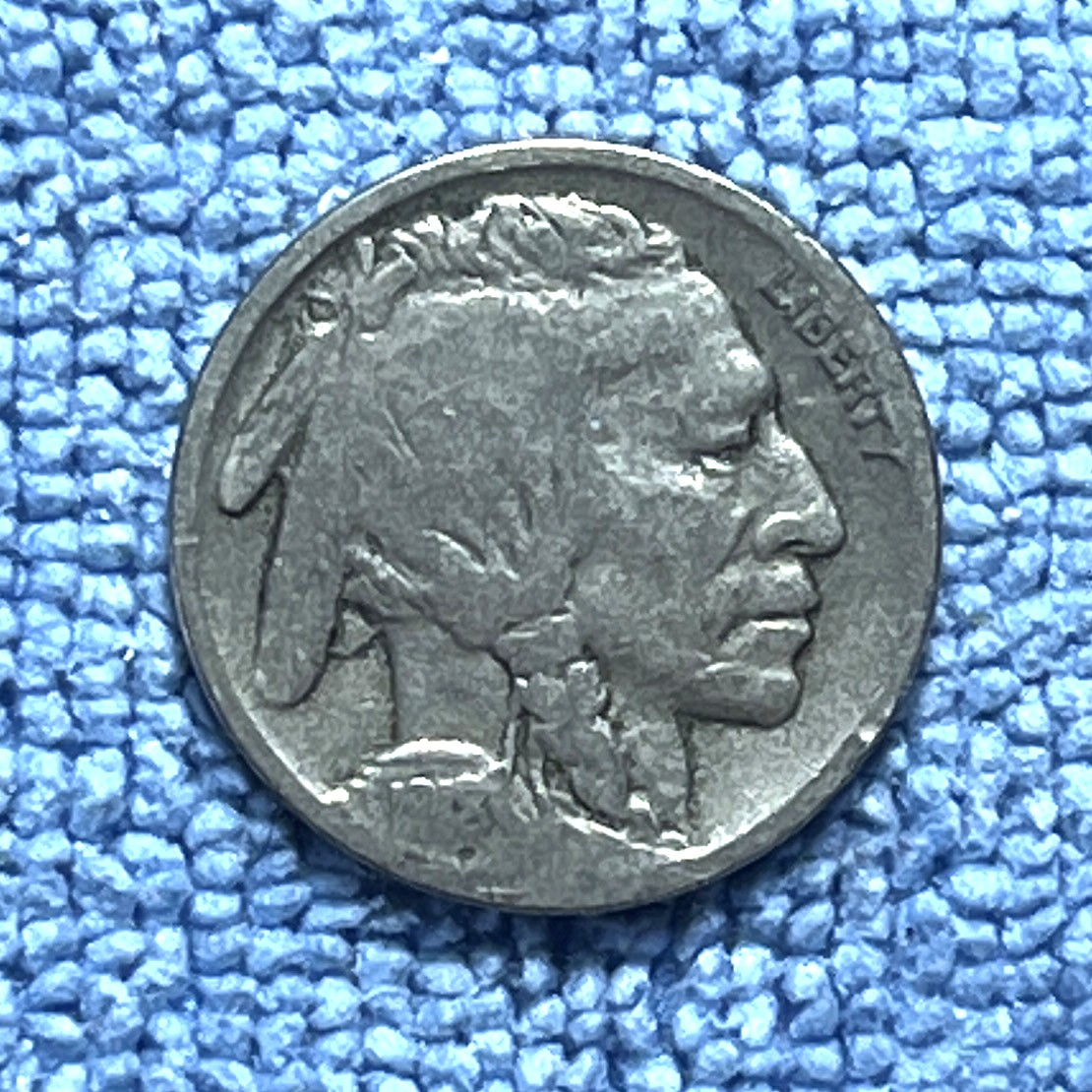
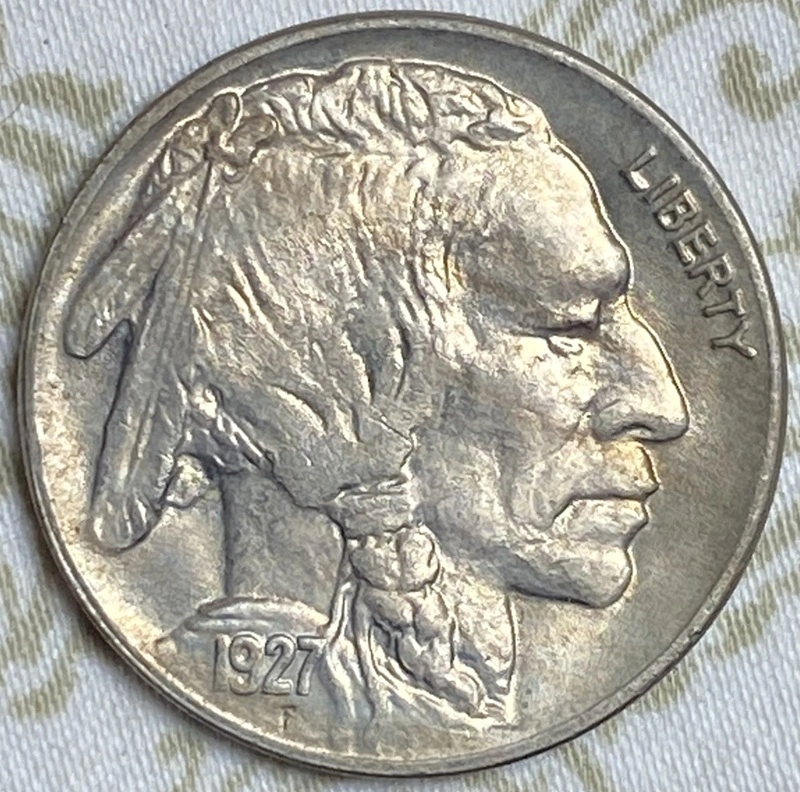
Here's the obverse of this error piece
“Never let yesterday use up too much of today.”
Will Rogers
Gonna send it in?
That is a possible explanation but I suspect that many if not most laminations are caused by a bad (uneven) mix of the alloy.
Maybe that's what you are calling "impurities".
How would an uneven mix result? There's probably more than one reason for that to happen.
Here's one idea:
Nickel occurs in nature in sulfide ores. Sulfide deposits contain nickel minerals like pentlandite, where nickel is chemically bonded with sulfur. A batch of what's supposed to be pure nickel made from pentlandite might have too much sulfur in it resulting in an uneven mix with what's supposed to be pure copper when US nickel planchets are made.
How much of an impurity like sulphur in the nickel is too much for Cu-Ni planchets is a question for the metal alloy experts to answer.
“Never let yesterday use up too much of today.”
Will Rogers
Not economically feasible to send in for grading. $20 coin, maybe bump in value to $25-$30 for it being a kind of dramatic example of an IHN lamination error.
“Never let yesterday use up too much of today.”
Will Rogers
That was my point. It doesn't have to be a foreign impurity. If the 25% nickel and 75% copper aren't properly/fully mixed then you can get a lamination.
The melting pot didn't get stirred enough. Makes sense. Improper or incomplete annealing of planchet could also play a role in the formation of laminations on a coin.
“Never let yesterday use up too much of today.”
Will Rogers
Annealing is a heating process that is done on the planchets to make the metal softer. Nickel is quite a bit harder than copper which suggests to me that annealing process of planchets for nickel coins might be more critical to get right than say annealing bronze penny planchets. There are lots of nickel lamination errors seen, especially among Indian Head nickels it seems.
“Never let yesterday use up too much of today.”
Will Rogers
I have a bad feeling about this thread...........
"When they can't find anything wrong with you, they create it!"
Anything to add regarding laminations on IHNs?
“Never let yesterday use up too much of today.”
Will Rogers
.
Laminations are from "Impurities" being mixed into the coin alloy metal. Whereas an "Improper Alloy Mix" results in the "Woody" coin effect.
I mostly collect Lamination errors and Woody examples in the Lincoln Wheat cent category.
.
Some of my "Lamination" errors:
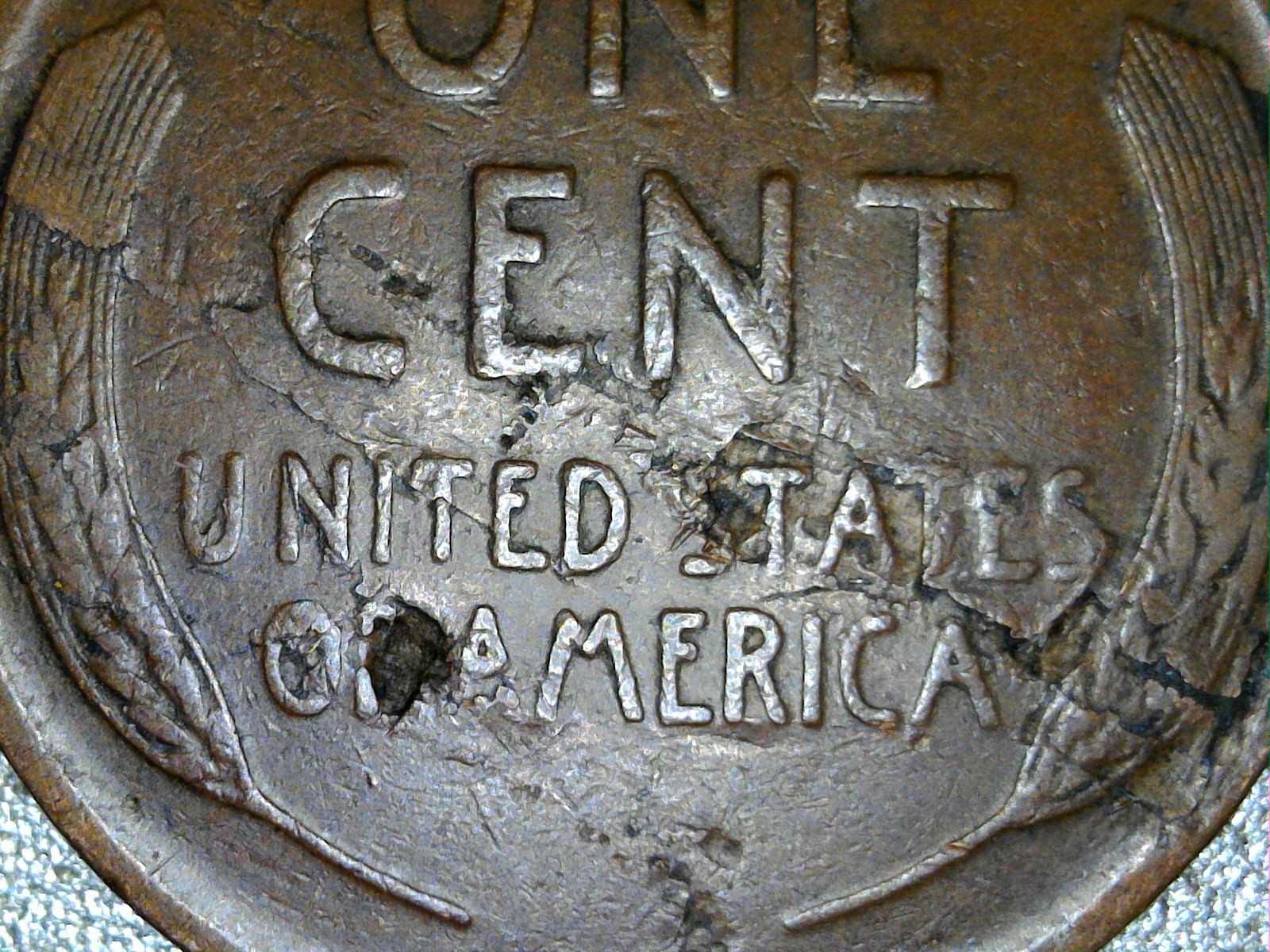
.
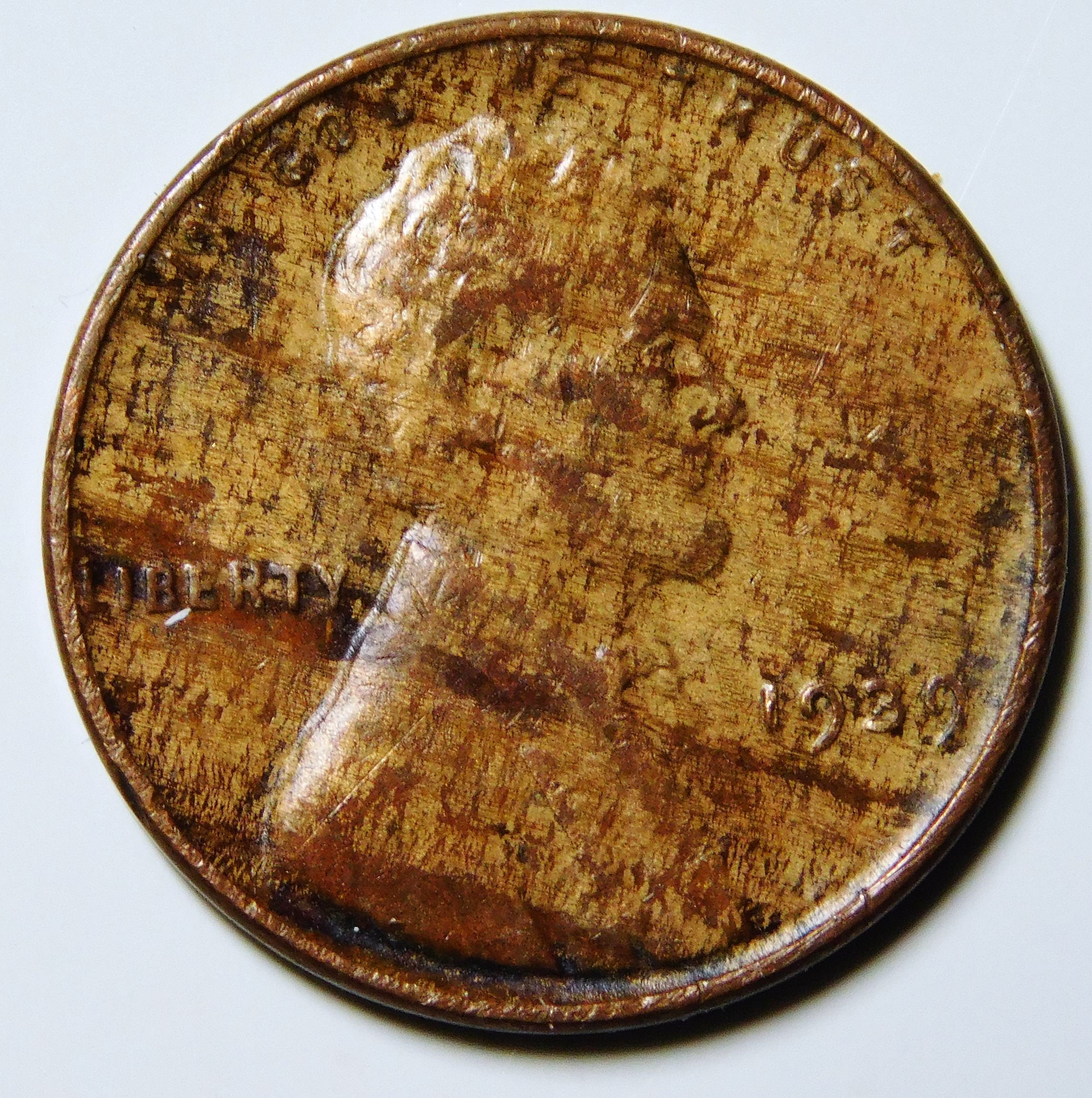
And some of my "Woody" cents:
"When they can't find anything wrong with you, they create it!"
Steven59, those are cool.
Laminations are from "Impurities" being mixed into the coin alloy metal. Whereas an "Improper Alloy Mix" results in the "Woody" coin effect.
I can imagine that in 1918 the purity of both the nickel and the copper used to make nickel planchets was not particularly consistent.
What would a "woody" nickel look like?
“Never let yesterday use up too much of today.”
Will Rogers
"Imagination will often carry us to worlds that never were. But without it we go nowhere."
Carl Sagan
"Imagination is more important than knowledge. For knowledge is limited, whereas imagination embraces the entire world."
Albert Einstein
Now, what would a "woody" nickel look like?
“Never let yesterday use up too much of today.”
Will Rogers
I've had Buffalo nickels (or for the sake of this thread, Indian head nickels) with streaky, wood-like toning. They wern't wood looking in color, but I've had many gray and even a couple of pink examples. I'm not sure I still own any, but I'll look.
I just stole John's '36 proof obverse picture as an example. In this case a pretty orange.
I belong to the "Wooden of the World" society.
Pete
.
"They look "Streaky".......not so much "Woody" as coppers.........
(Not my coin, just a random example off of the internet)
.
"When they can't find anything wrong with you, they create it!"
Some have said that my 3- legged Buff is a “Woody”
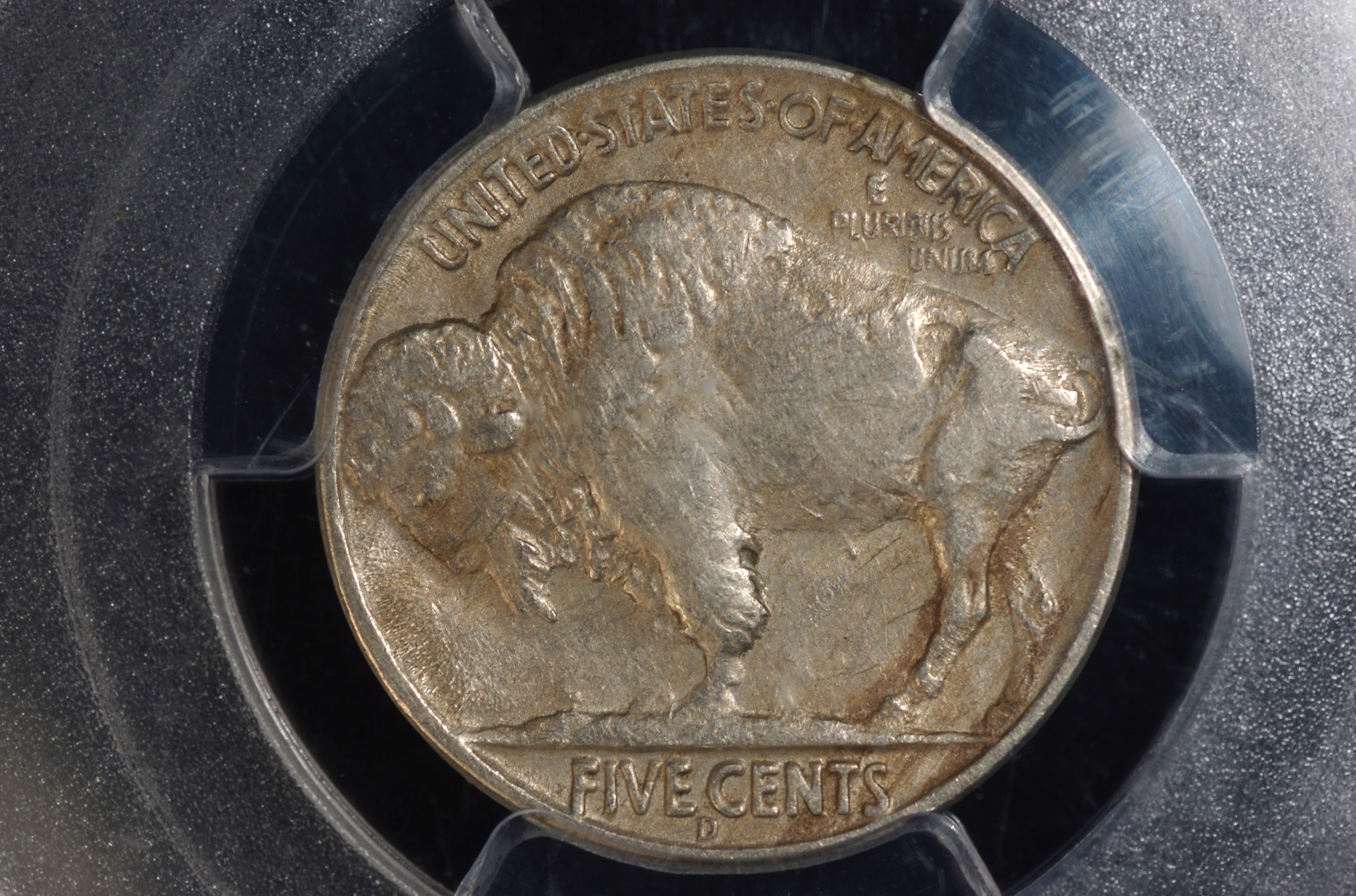
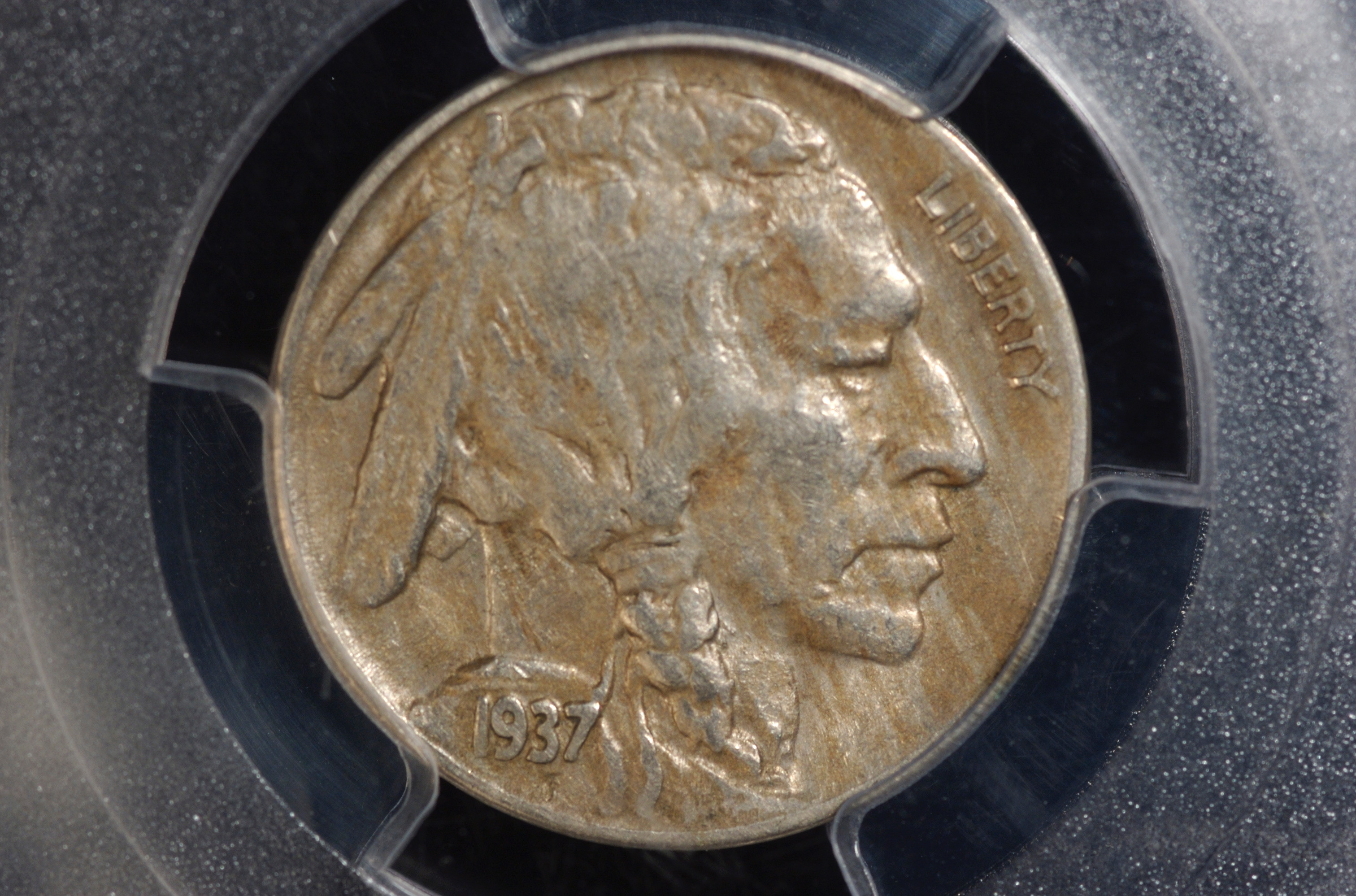
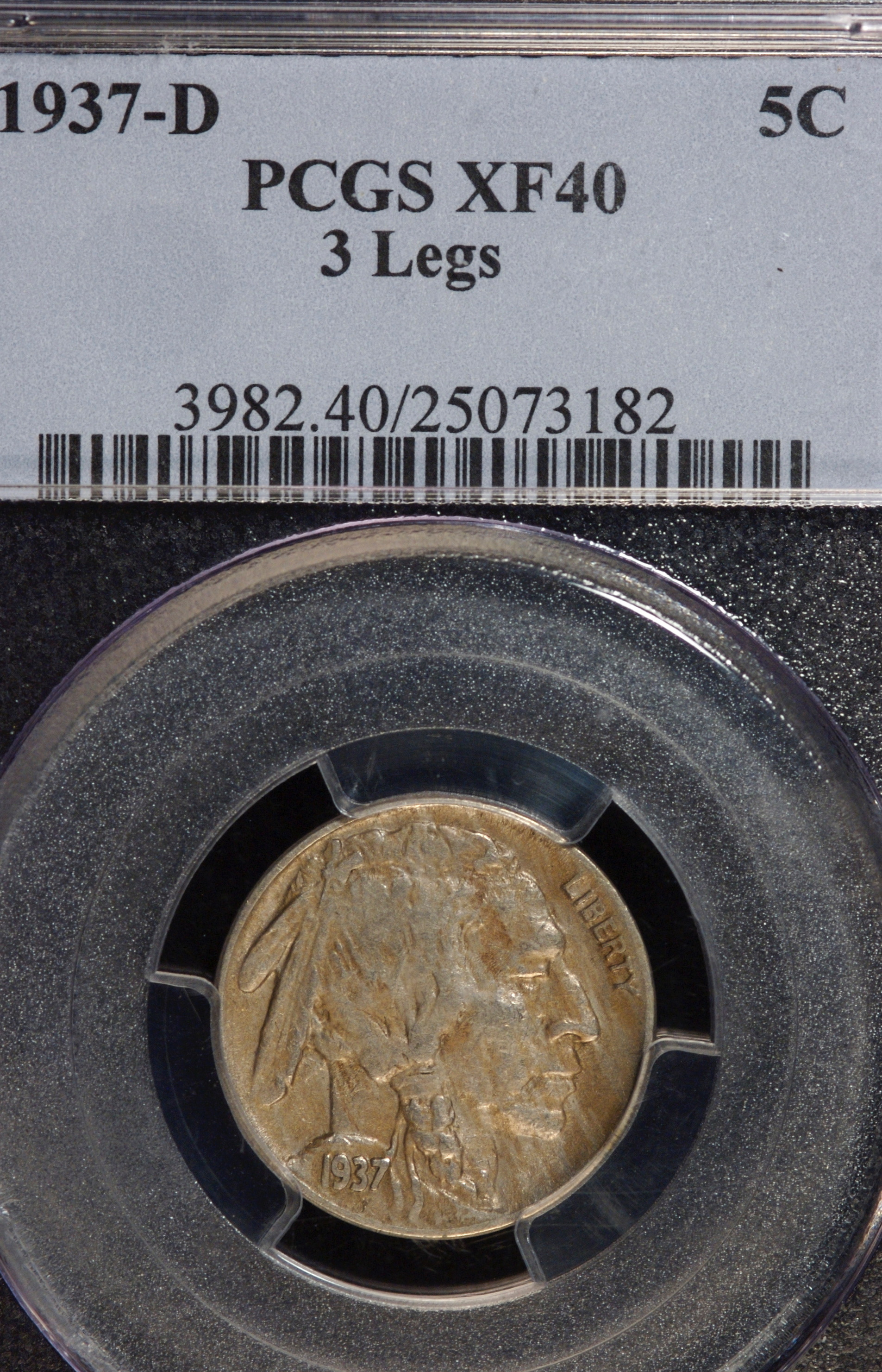
Maybe? Maybe not?
Happy, humble, honored and proud recipient of the “You Suck” award 10/22/2014
I think it's a woody and I like it.
“Never let yesterday use up too much of today.”
Will Rogers
Is there such a thing in existence as a woody Indian Head Nickel with laminations? Improper alloy mix planchet with impurities in the copper and/or nickel in the planchet resulting in lamination(s) on the struck coin?
“Never let yesterday use up too much of today.”
Will Rogers
Neat woody 1948 Jefferson nickel. I've got a 1948 penny with laminations. 1948 was a year with quality control issues of planchets used to make nickels and pennies at the Philadelphia mint?
“Never let yesterday use up too much of today.”
Will Rogers
Me thinks that an improper alloy mix could be the precursor of a lamination flaw. IMO. Peace Roy
BST: endeavor1967, synchr, kliao, Outhaul, Donttellthewife, U1Chicago, ajaan, mCarney1173, SurfinHi, MWallace, Sandman70gt, mustanggt, Pittstate03, Lazybones, Walkerguy21D, coinandcurrency242 , thebigeng, Collectorcoins, JimTyler, USMarine6, Elkevvo, Coll3ctor, Yorkshireman, CUKevin, ranshdow, CoinHunter4, bennybravo, Centsearcher, braddick, Windycity, ZoidMeister, mirabela, JJM, RichURich, Bullsitter, jmski52, LukeMarshall, coinsarefun, MichaelDixon, NickPatton, ProfLiz, Twobitcollector,Jesbroken oih82w8, DCW
Me thinks that an improper alloy mix could be the precursor of a lamination flaw. IMO. Peace Roy
Very well could be the case. Planchet with uneven distribution of metals comprising it fractures on it's surface when subjected to pressure and heat generated by the strike.
“Never let yesterday use up too much of today.”
Will Rogers
Not sure about a nickel but here's a combination Woody/Lamination cent I found recently........
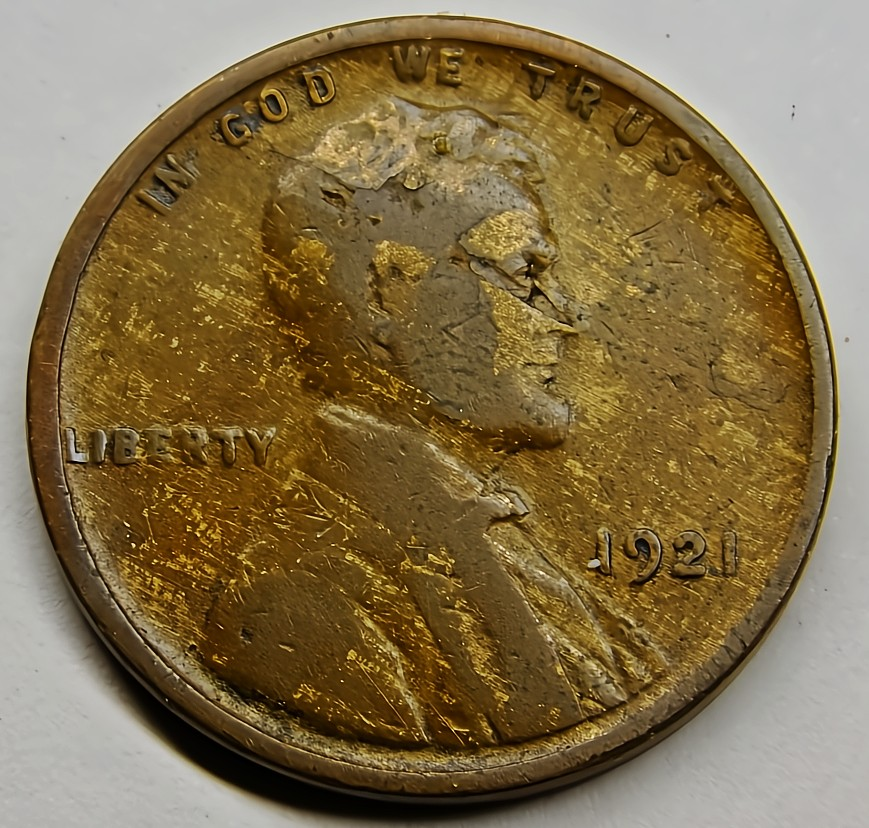
.
"When they can't find anything wrong with you, they create it!"
The "mix" seems to be especially irregular where we see laminations on Lincoln's head.
“Never let yesterday use up too much of today.”
Will Rogers
@mr1931S
Normally I would've not even noticed, but spotted this on another forum...........figure it would fit here for a "Woody" example.........
.
"When they can't find anything wrong with you, they create it!"