PR68 Classic Coinage - The Peak of US Mint Production
 FlyingAl
Posts: 4,516 ✭✭✭✭✭
FlyingAl
Posts: 4,516 ✭✭✭✭✭
Midterms just ended for the semester, so it's time to... relax? Say, do any of you know what that word means? 
I had the opportunity to image some really nice coins a while back ago, but never really had the time to do a full write up. As such, this is long overdue and my writing senses are tingling for something that has absolutely nothing to do with mechanical engineering.
I was torn between the choice of writing about Proof $2.5s or doing this one, but I ultimately settled here. The boards as of late have been a bit... off. What the board needs in my opinion is some great coins, and as great as some Proof quarter eagles are, I've only had the pleasure of imaging four of them. On the bright side, one of those four fits right in here, and I still get to share some more great coins with a little more variety.
For clarity, I consider Proof classic coinage to end in 1942, although I'd imagine someone has a more official date on when that cutoff is. Like I said, I'm relaxing so I'm going to be lazy and not research it. I suppose the 1950-64 sets could be included, but that was where the mint shifted away from the old ways of doing things (individual orders of coins and more hands on less standardized prep) to a more modern and faster way.
Proof Classic coinage as a whole is quite special for those who choose to chase it, but for some it's seen as a relic of an era of coinage that was made to circulate. Proof coins are thus looked at as less desirable by some, since they were made to be saved.
However, what is often overlooked is the rarity of some of these examples in ultra-gem. For example, a PR68DCAM Barber half. A mere 15 PCGS examples exist across the whole series, and some of those will just not meet standards for any given collector. A true PR68DCAM is a major rarity by any standard. Even for a more commonly loved series like Walkers, only 370 or so coins will break the PR68 threshold. When considering how many collectors love the series, that's really not that many coins. Proportionally Proofs are more common in high grade, but they're also rather popular which means demand can be just as high as a coin in MS.
So these coins are desirable, no doubt. But there's also another element of them that just shines... literally. PR68s in particular have this feel to them that cannot be described well in words. It's something between wonder and awe at how something so old could really survive that long. The cleanliness of the coins and the expression of design they convey is something not to be overlooked. Is it the peak of Mint production, as my title claims? I argue yes. The sheer beauty of them is simply not surpassed.
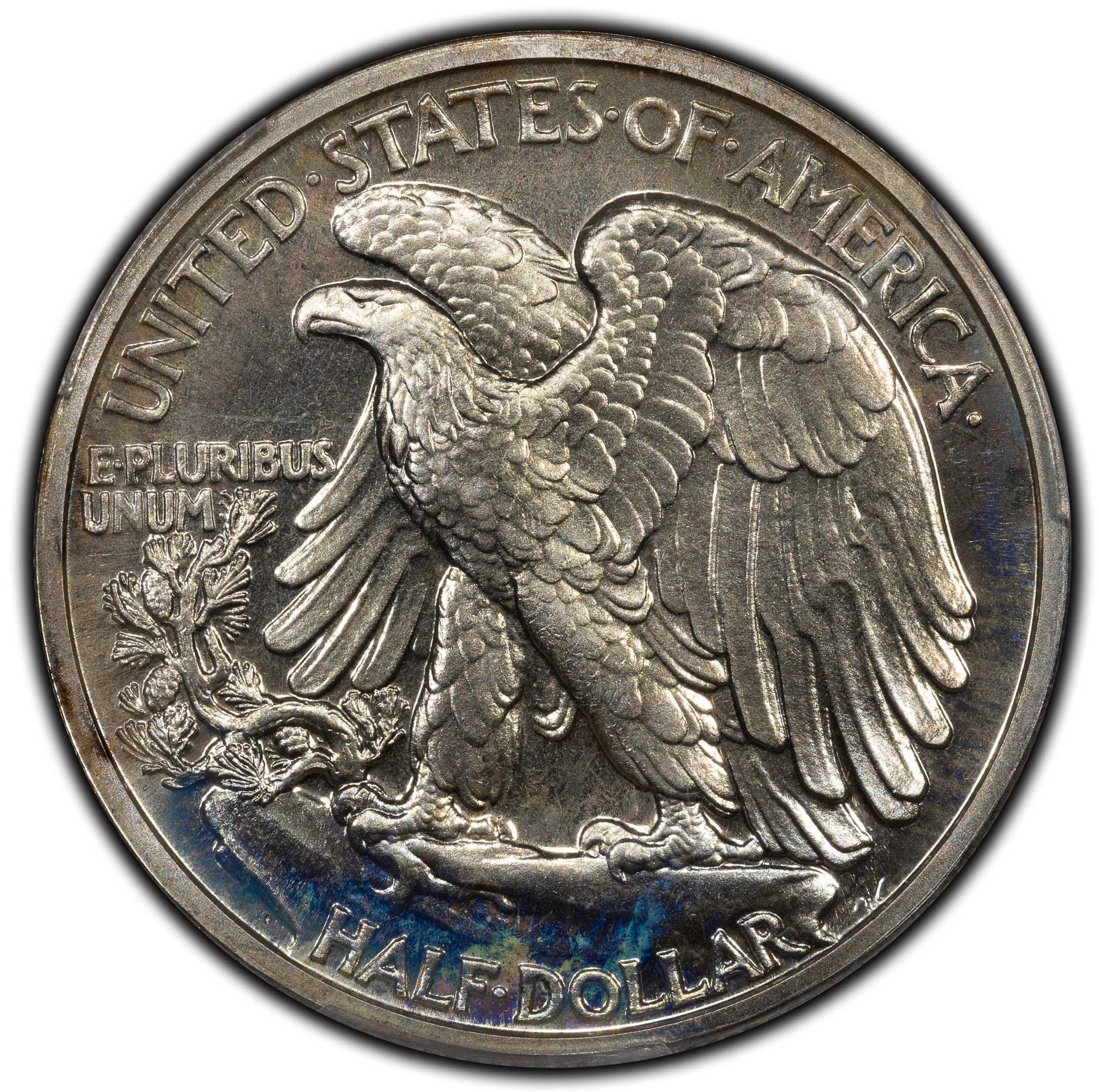
Now, let's get to some coins. We'll start small, with one of my favorites. A Proof Walker always draws some eyes, especially in 68. Most graders look for color when grading PR68 Walkers - in fact, there is an interview where JA says that a Walker will not meet CAC standards without color. I fact checked this, and indeed there are effectively no blast white PR68 CAC Walkers out there. All that goes to say... eye appeal is the name of the game for these earlier date Proofs. I've shared this coin a lot, but really never tire of it. Deep blues shine in the periphery of the obverse and bottom of the reverse, and meld to original surfaces in the center. There are some light hairlines buried in the fields, but nothing too distracting. Simple, clean, elegant, classic. Something you really can't find with circulation coinage - the pure look of a coin unmarred by the simple processes that create them. What's really crazy about this coin is that it spent 70+ years in original cellophane, with a staple slowly rusting above it. How it survived like this... I don't know. But it did, and I always wonder what it has seen in its time. 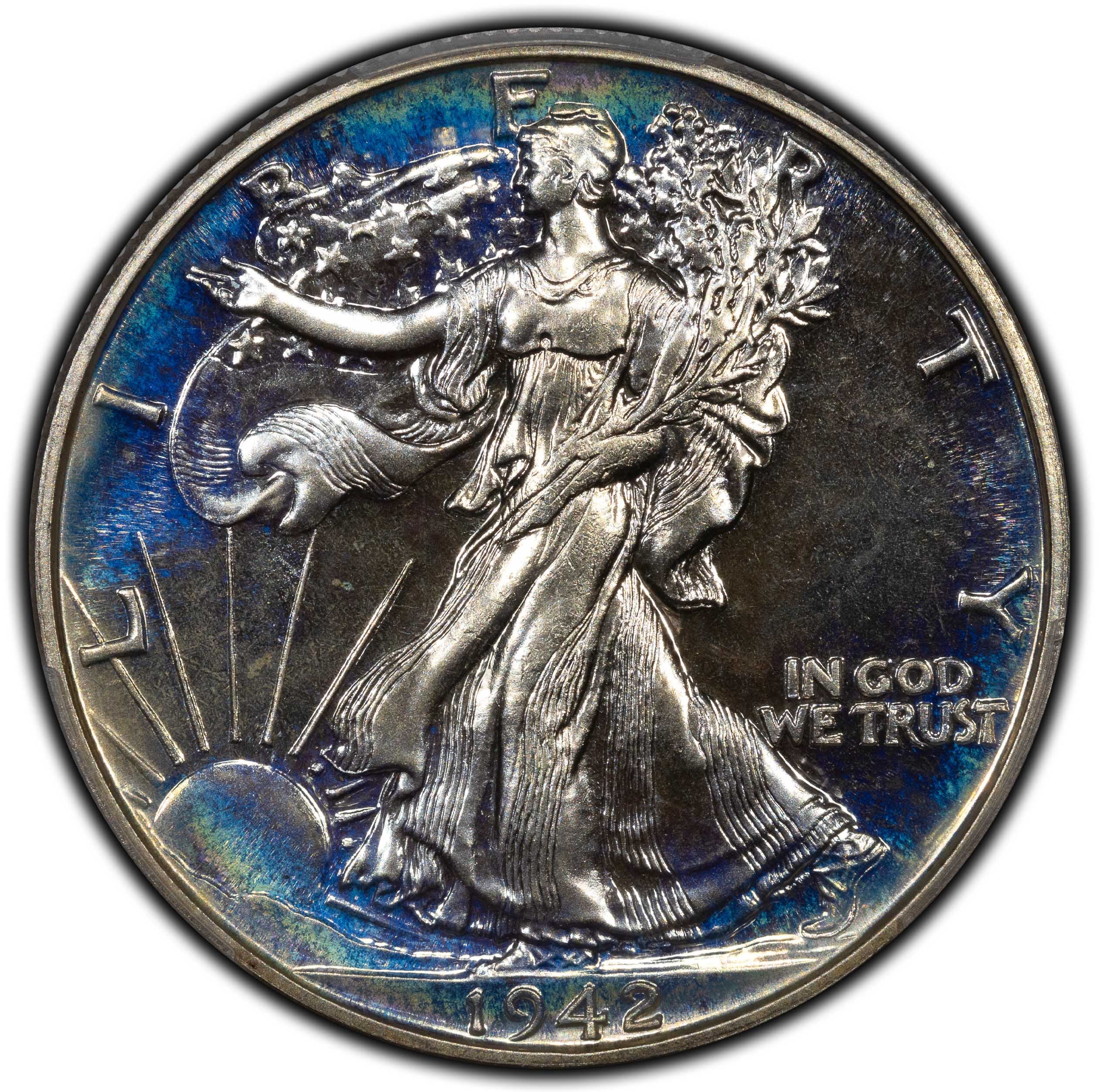
.
.
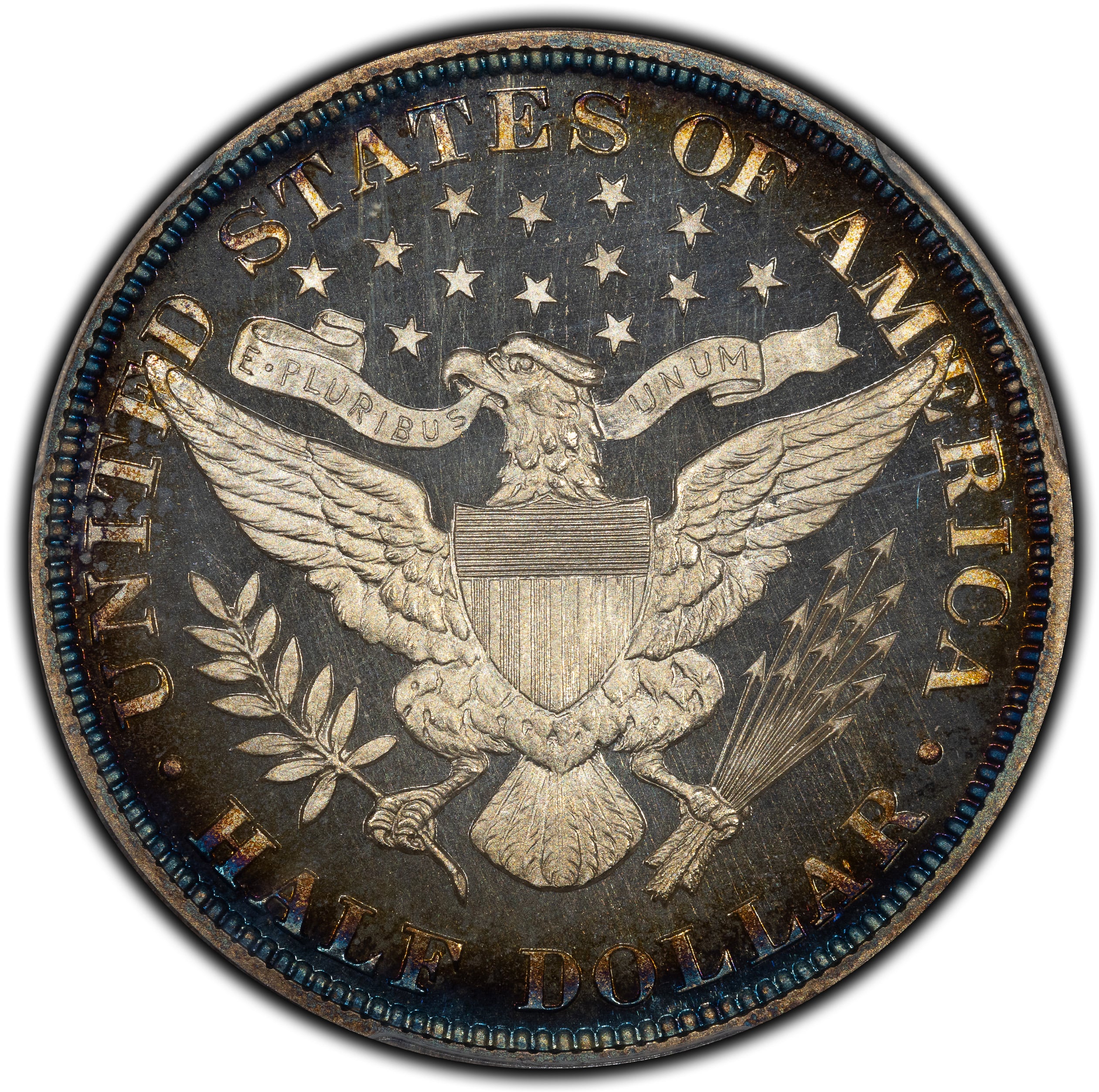
Now now I know what you are all thinking... BORING. Ok. I'll correct that. Let's transition here to a Barber. 1899 is the year for high grade Barbers, and yet these things are still super rare. Almost as rare as the 1895 DCAM, and rarer than the 1899 $2.5 (that will really make you ponder). This is a measly PR68CAM, but it really doesn't leave anything on the table. Sometimes you'll see PR68s with fairly obvious hairlines and some color that kinda makes up for it, but not here. This is a stone cold killer, and it'll make you see the light that it reflects back. For a series that no one really cared about, not very many were saved and aside from the 69CAM from this year (which I've always wondered about grade wise), this is about as good as you'll get. Pop 2/3 in CAM. 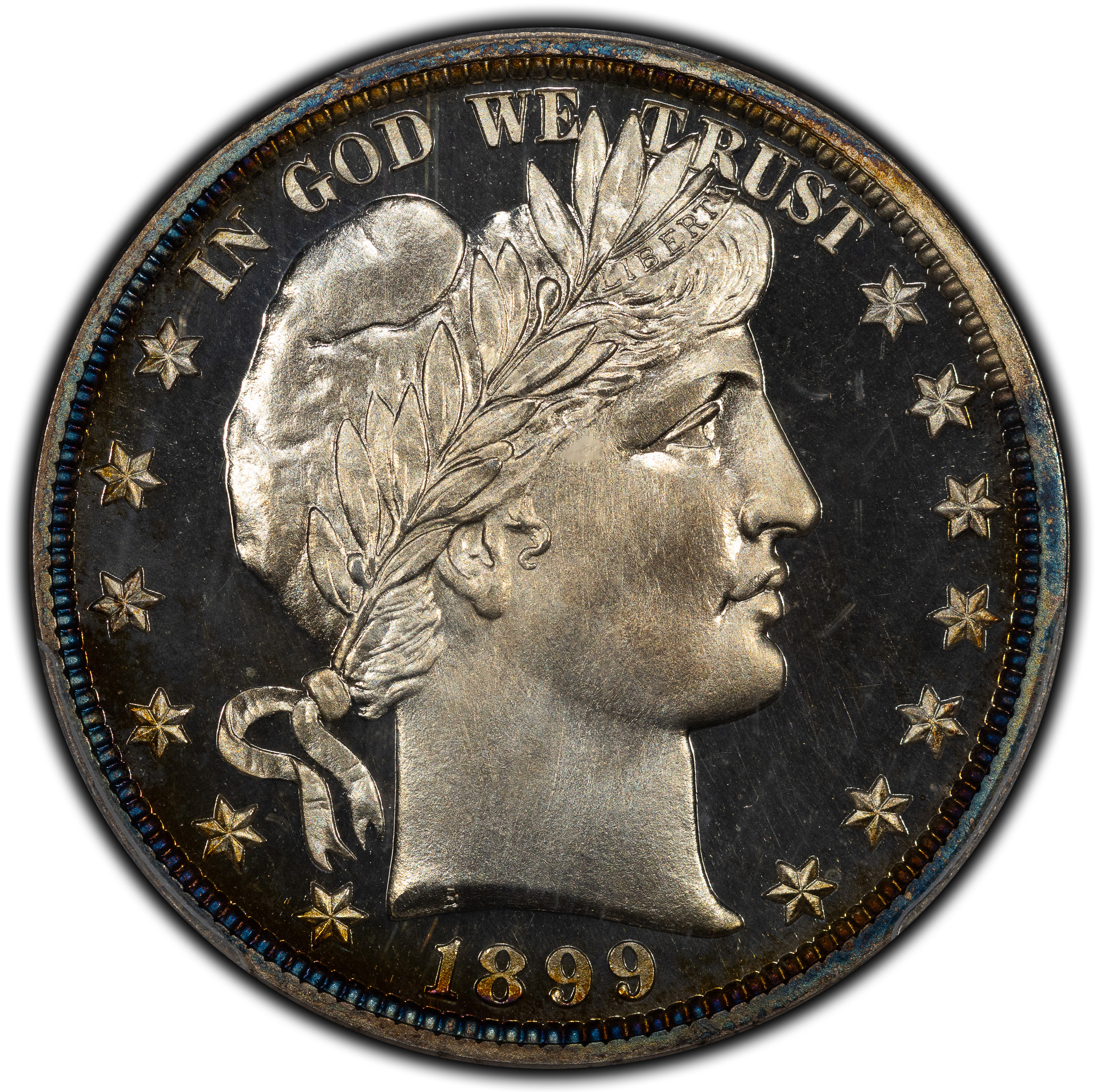
.
.
Here's how I'll transition to the next coin: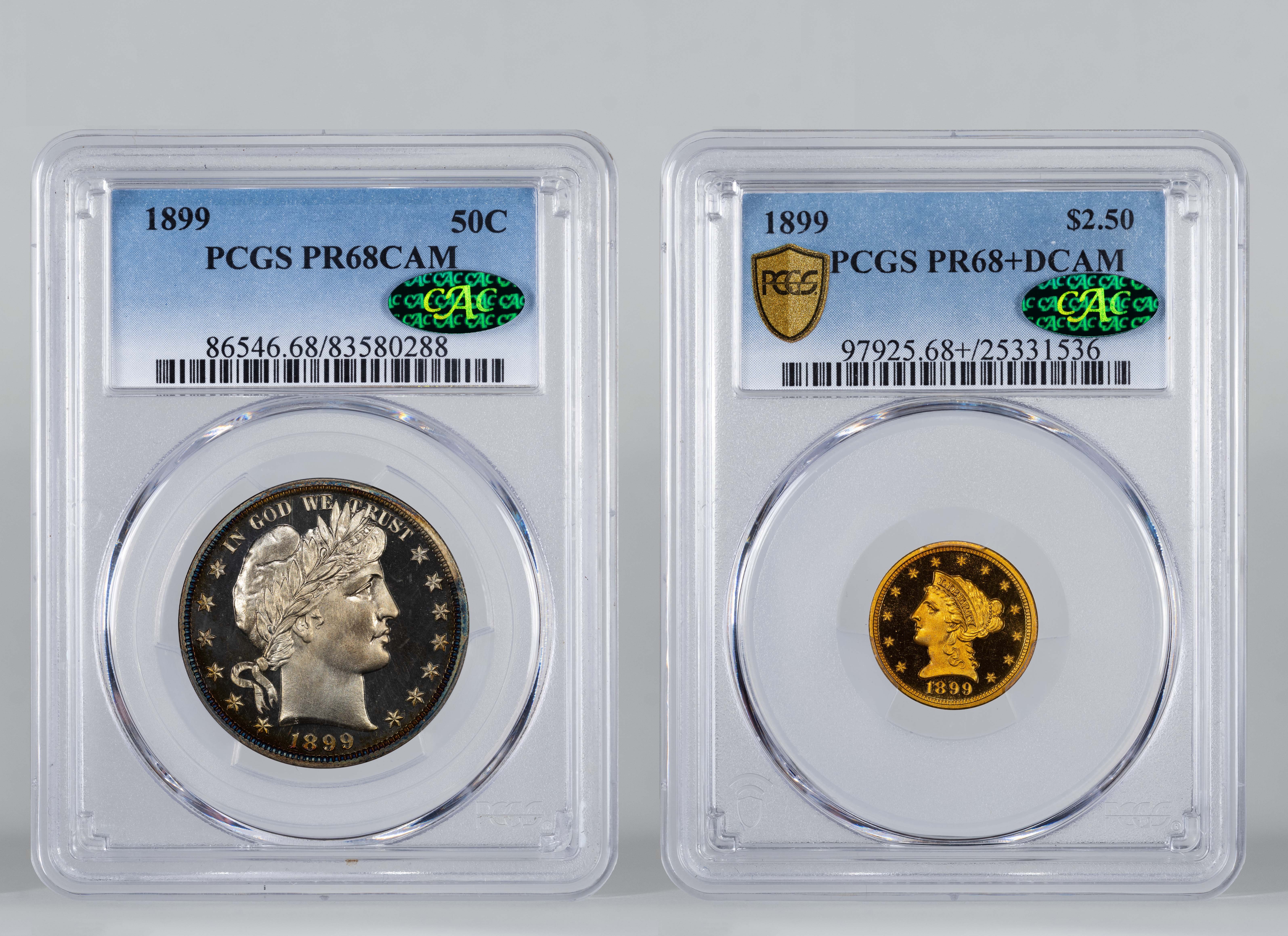
.
.
Man, I love that shot. Anyways, here's the monster in all her glory...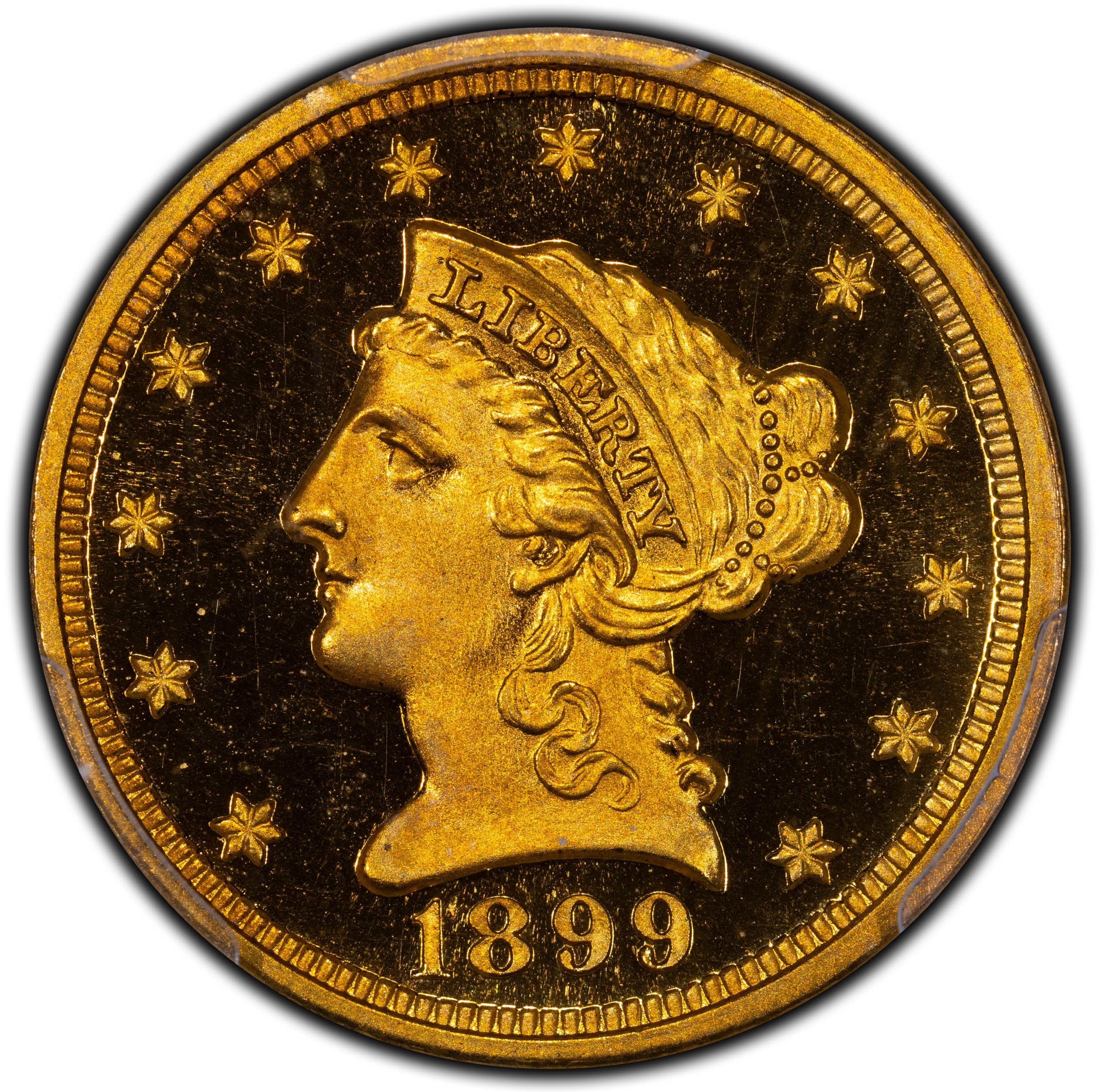
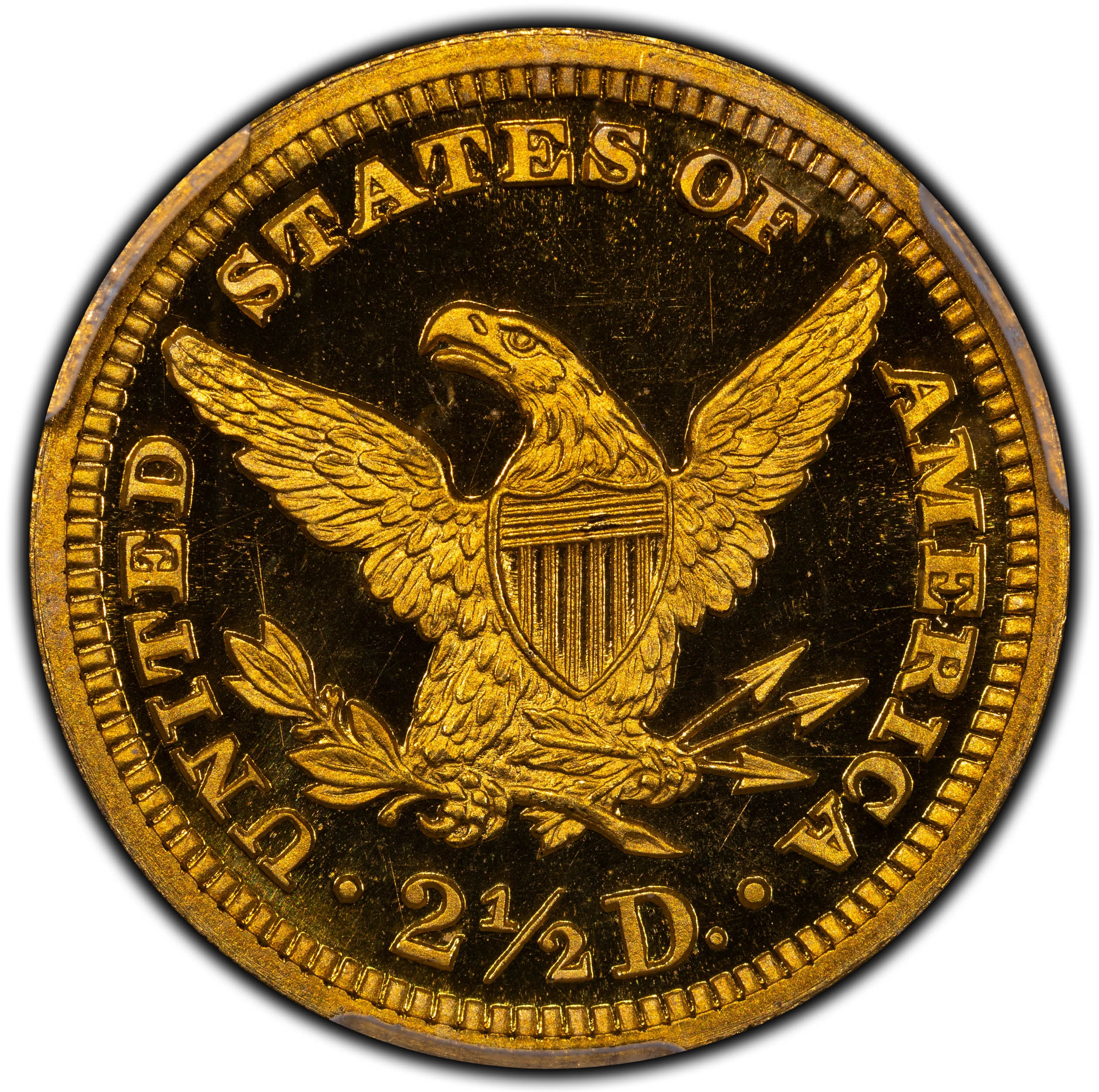
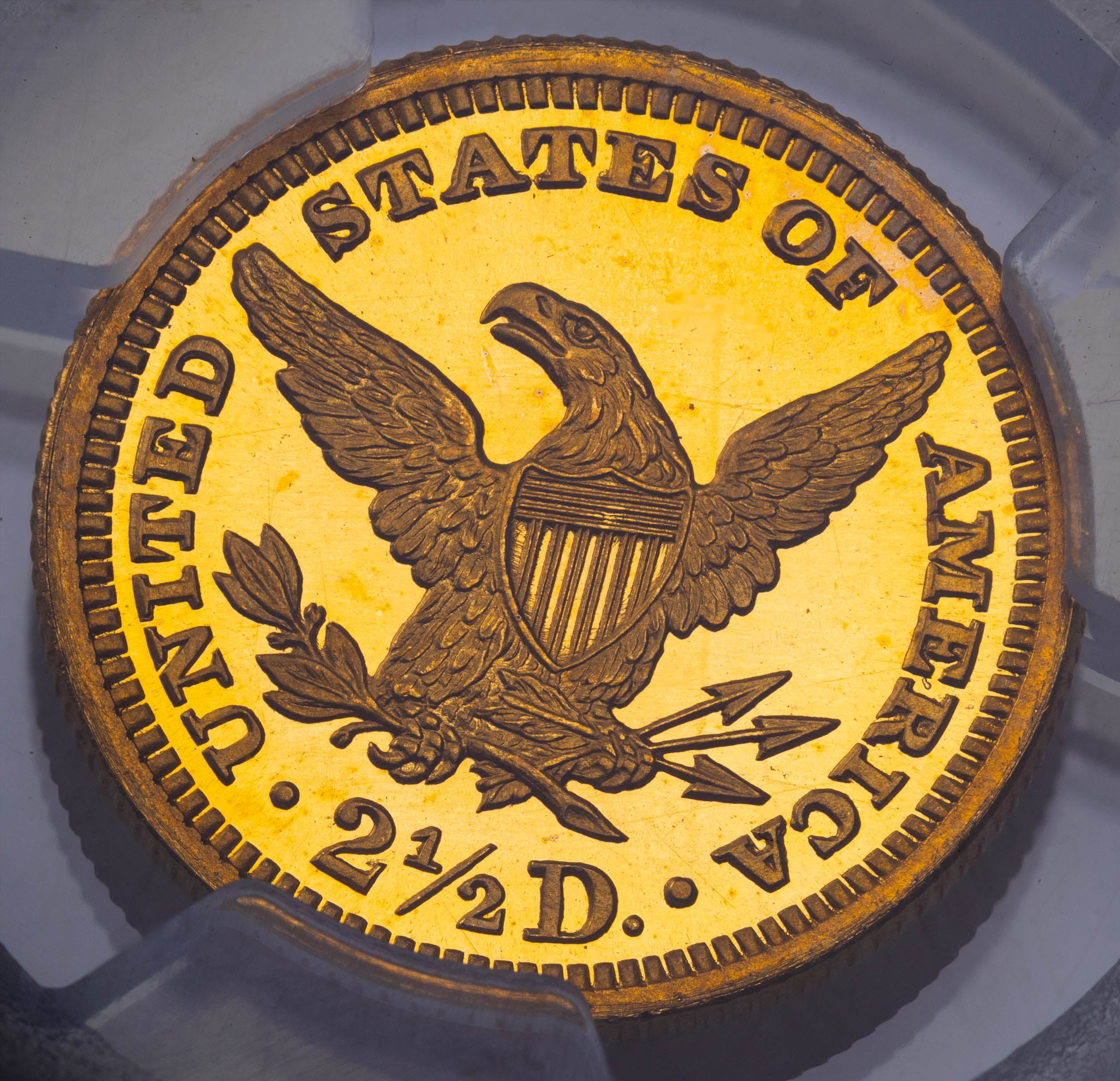
.
.
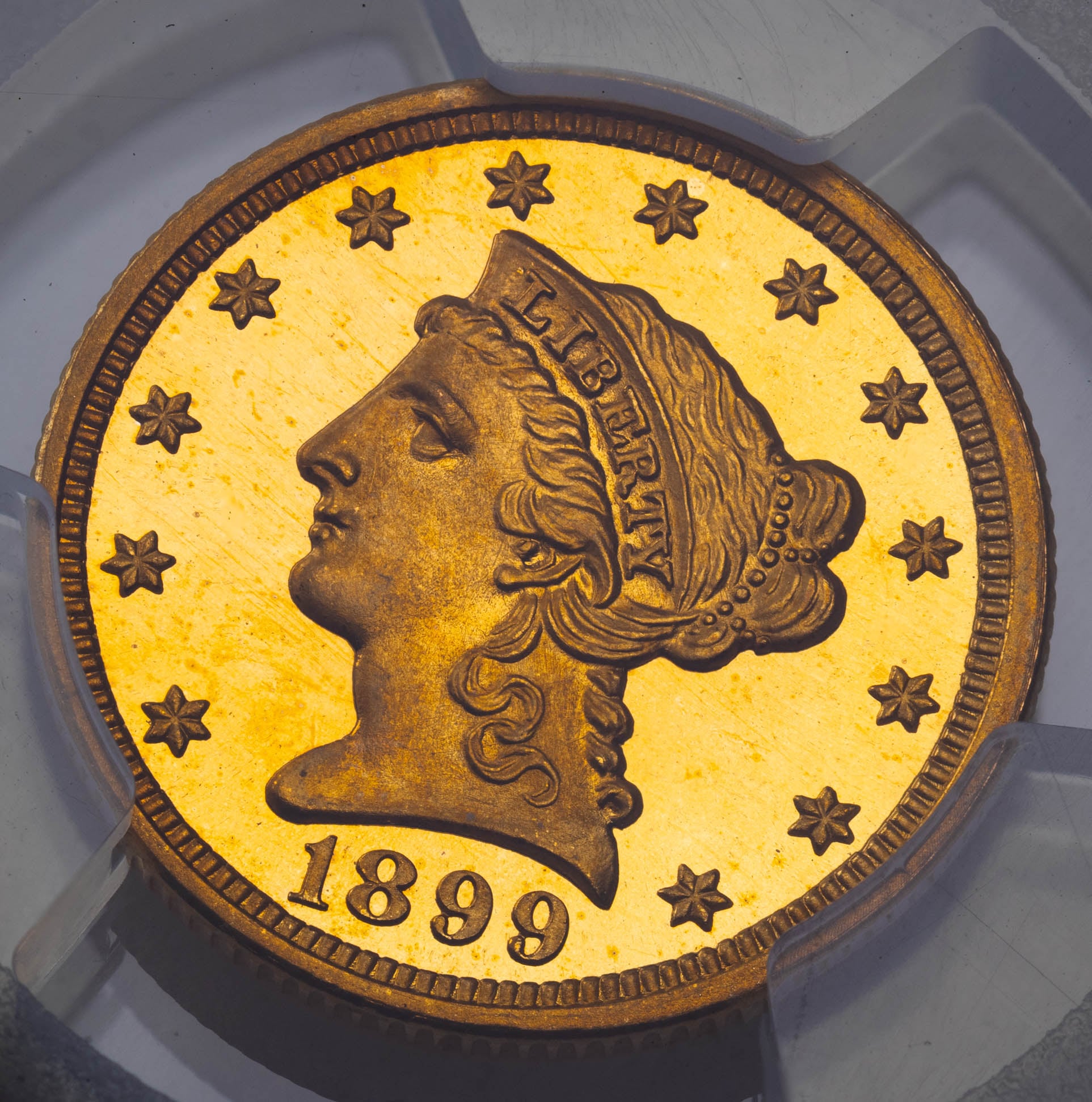
Some people love axial shots, but I always say what's the point of having a DCAM if you don't want to see the contrast? I'll get off my soapbox now, and talk about this stone cold ultra gem. Proof quarter eagles are quite literally the caviar of the hobby of Kings, or any Proof Gold really is, but at this level it's something else. As rare as it would seem, the popularity of Proof gold really makes it more valuable than anything else. The Proof Barbers will outstrip it rarity wise, but there's a lot more people who would pay to own a glittering piece of gold like this. Even back in 1899, these coins were popular as novelties and gifts, and that is why they have somewhat large mintages when compared to their earlier counterparts (if you can call 200 a large mintage). Proof gold is also famous for its ability to show orange peel fields, especially at high grade. This 1899 has some lovely orange peel I took a shot at capturing here: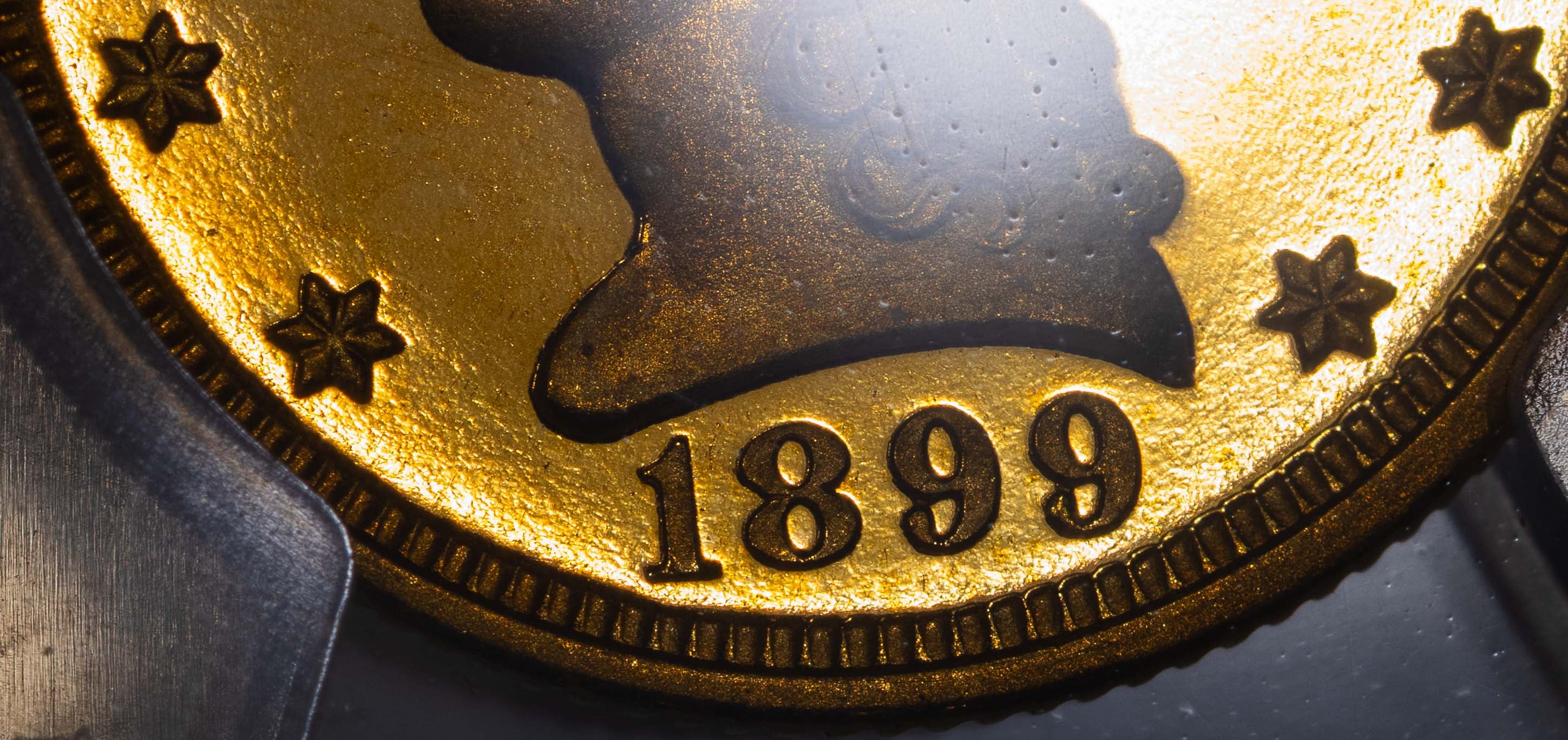
.
.
Proof gold has a special aura to it if you will, kind of how a large gold coin stands out to a non-collector. Proof gold stands out to a collector in the same way. Just pure beauty, wrapped up in a glittering gold disk. They're also so rare that you almost never see them, or at least most collectors never will. I've seen Proof gold in two places - at the FUN show in an auction headline, or under my camera. I will say that it is without a doubt the most uncommon type for me to see, but I'll see high grade silver rather commonly. To see Proof gold in 68+DCAM... well, that just doesn't happen like ever. This may very well be the first Liberty QE in that grade that has been posted to the forum.
.
.
And hear me out... this may top it. I'm gonna be really sneaky here and slip in one coin that doesn't really belong, but if you don't say anything I won't either. 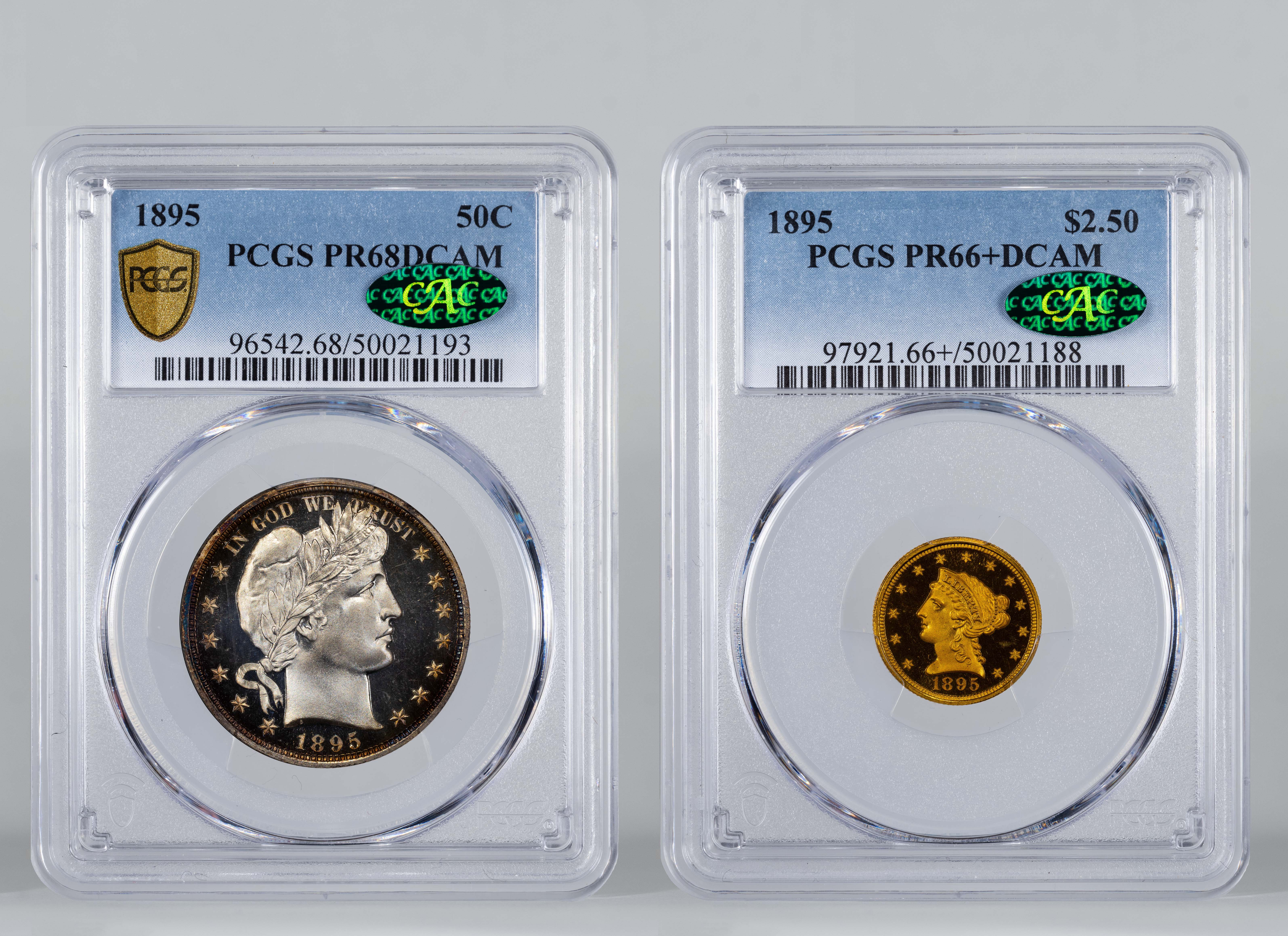
.
.
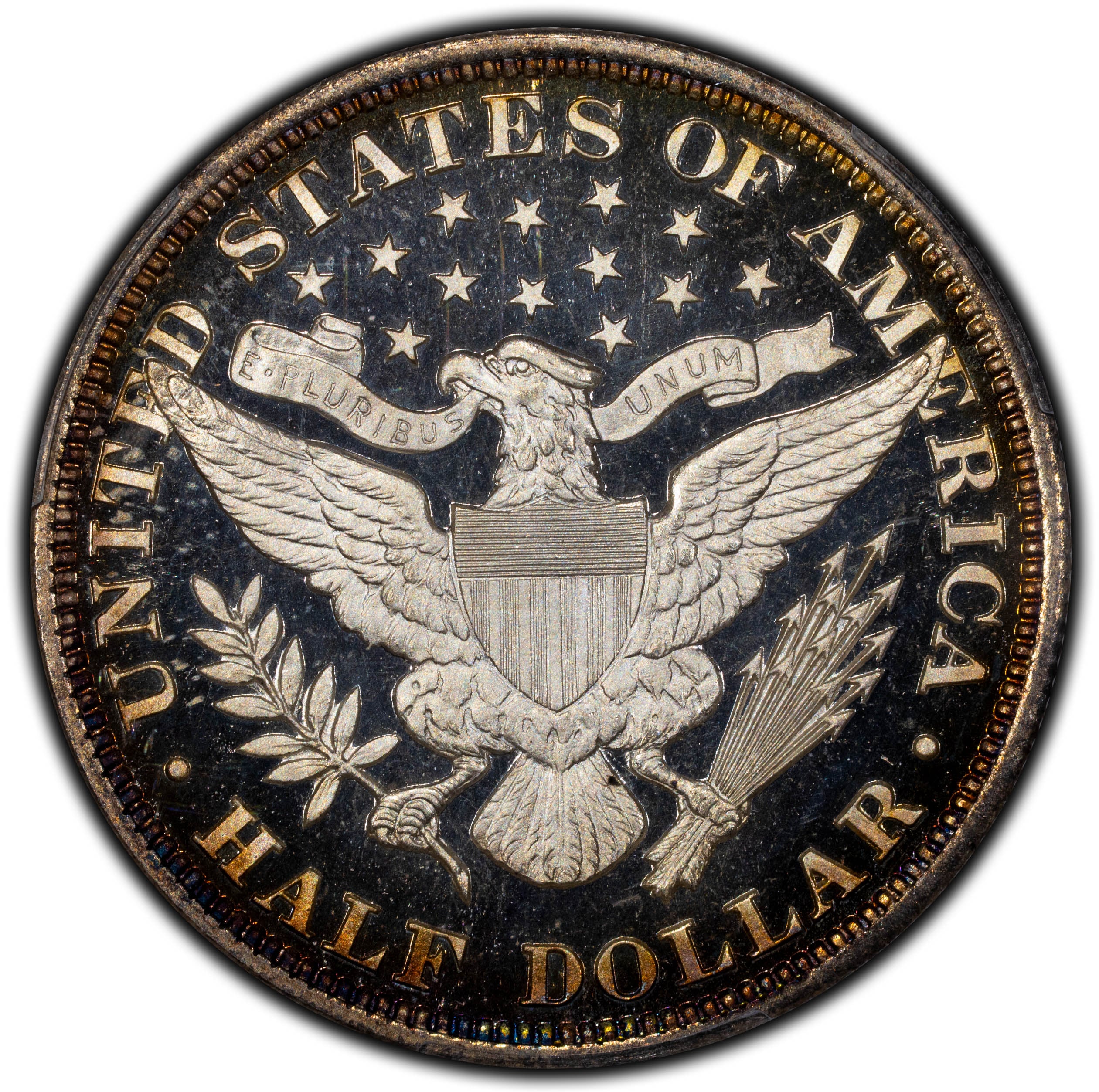
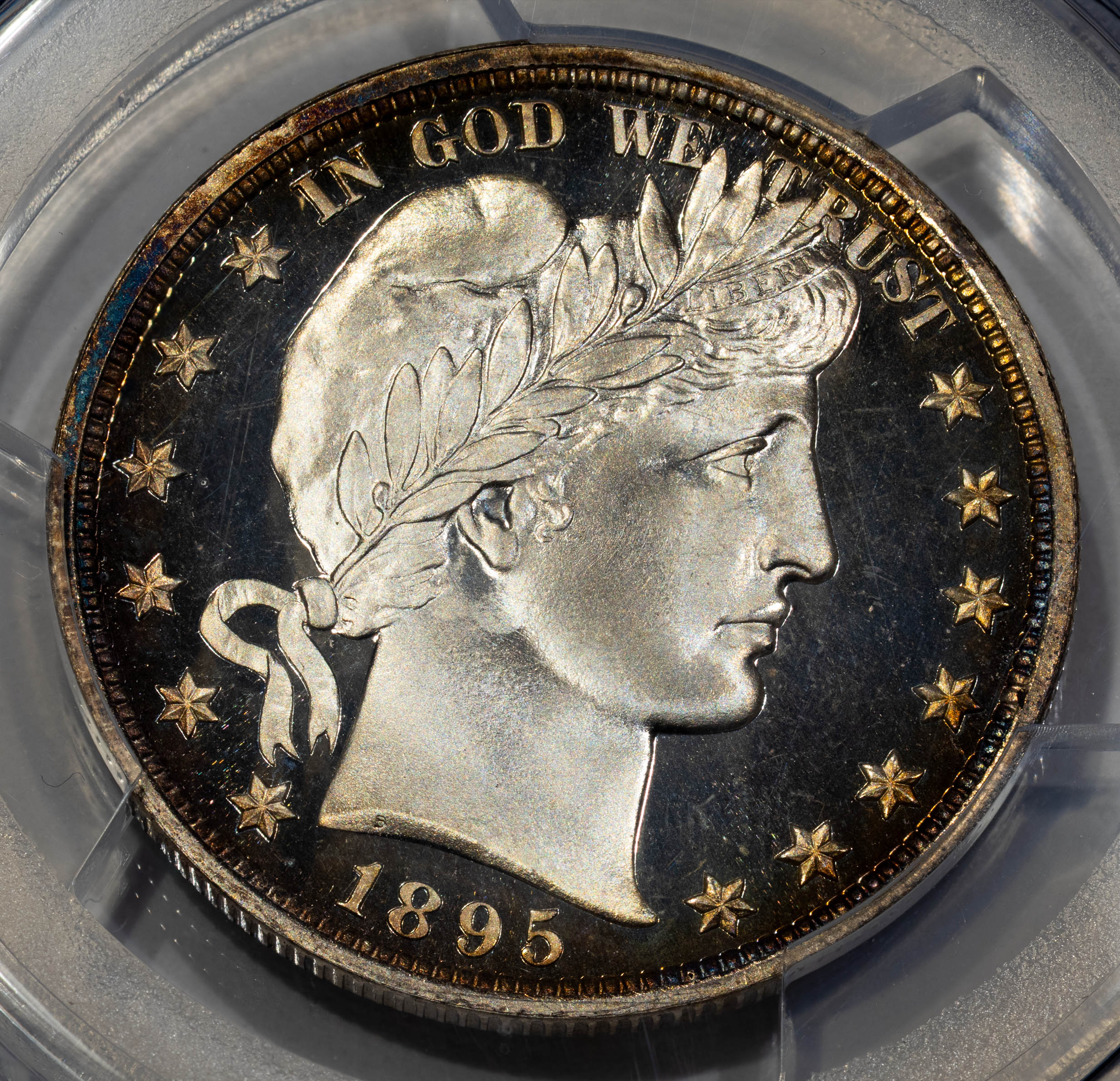
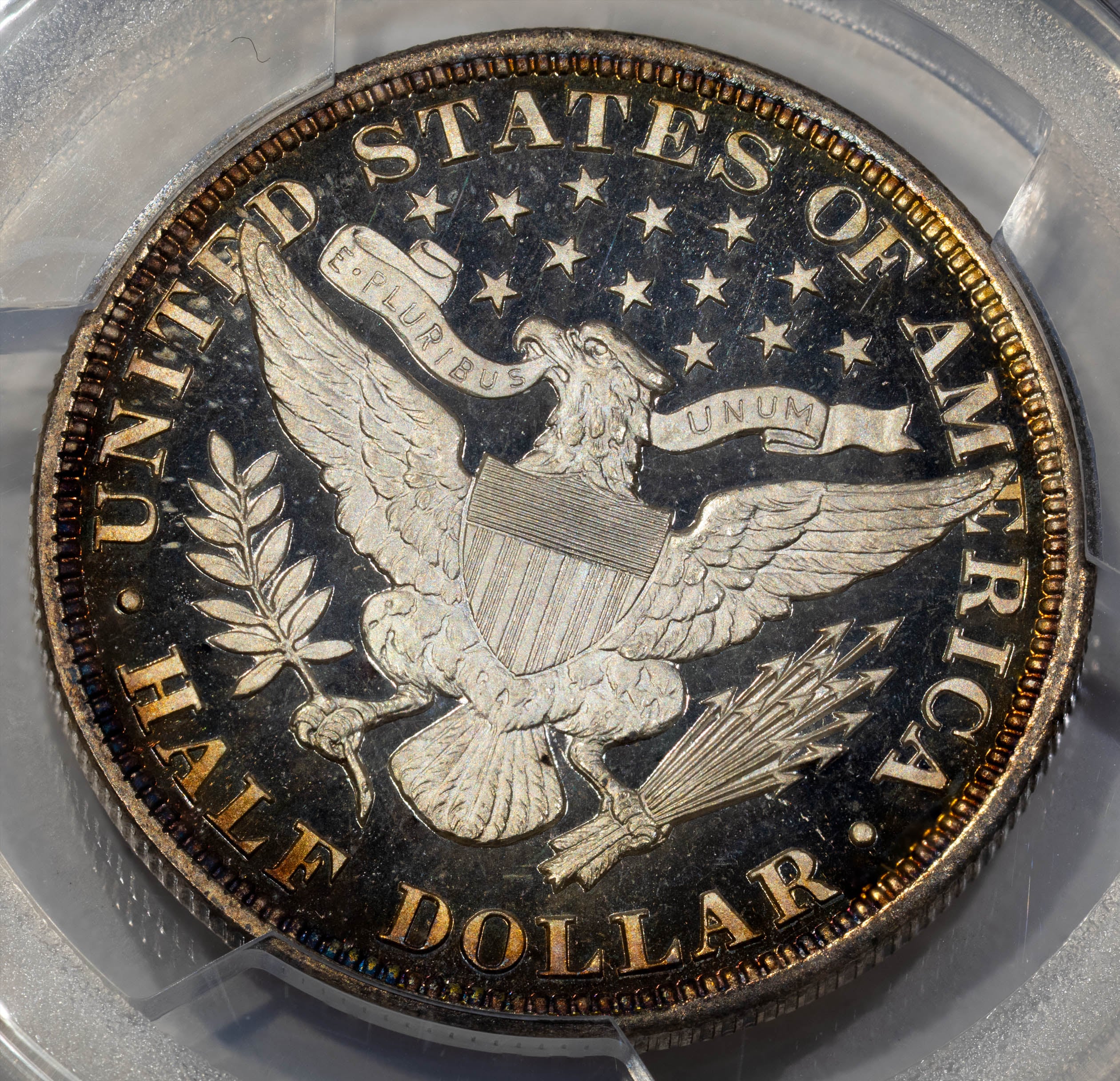
1895 DCAM, in 68 no less. Absolutely stunning. 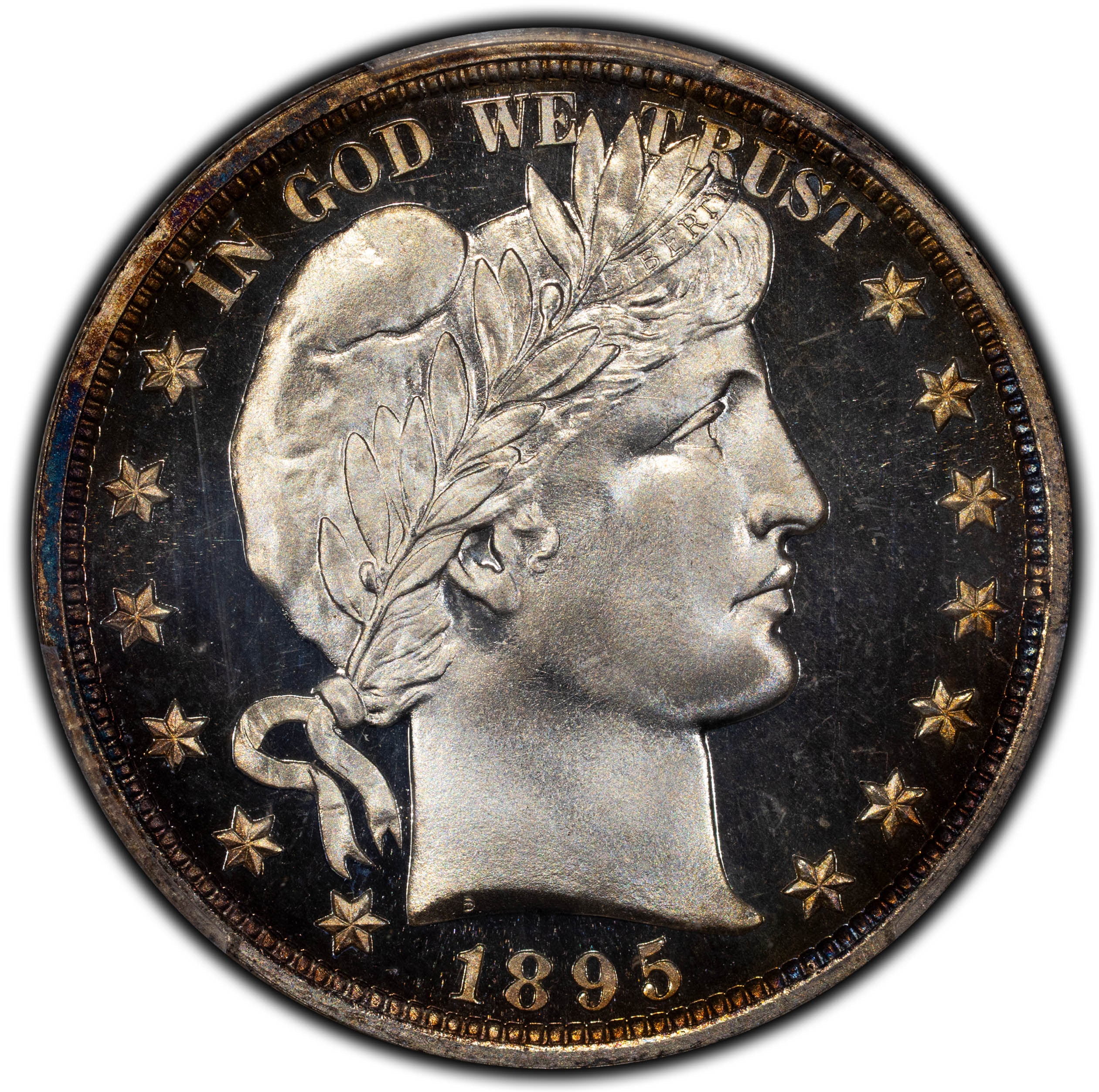
.
.
Now, the astute collector may notice how similar the 1895 and 1899 are at their core. They have the same "look". In the same way, the Walker and QE have that "look" too. I mentioned what it is earlier - simple, clean, elegant, classic. Each and every one of these coins fulfills that requirement in spades. This 1895 is the rarest coin of the bunch, believe it or not. PCGS pop of 2. Just two. The other Bruce Scher coin is nice, but not quite this nice. There's not much more to be said there, this is the best 1895 50c out there. You just won't see better.
Inherently, that is what this whole post gets after. Yes, these coins were made for collectors. The mint made them special just for us to enjoy centuries later, and despite some pretty terrible conditions across the board, they still survived. The Mint took the best resources it had, took the best presses, and spent the most time. The result were the coins above... sheer perfection, or at least perfection for the time they were made in. The fact that they still rival the coins made over a century later says something about how special they are, and will be. You don't find that perfection elsewhere in classic numismatics, and while a coin worn down to a few design elements may have seen more hands and transactions in its life and have a different history to tell, it does not tell the story of the Mint. Proof coins tell that story - the story of the institution that made our wonderful hobby possible. For that reason, I feel they are the peak of what the Mint has done in its history.
And so, get out there and find those coins that interest you. Whether it's ultra gem Classic Proofs or worn Wheat cents, the hobby will always find new ways to fascinate us. The coins will always have a story to tell.
Comments
Great post, even greater coins, and quite possibly the greatest photos anyone could capture for those rarities. Amazing stuff all around @FlyingAl!
INCREDIBLE photo's and post!
Micah Langford - https://www.oldglorycoinsandcurrency.com/
Thanks for sharing, beautiful coins and photos to match. This should put to bed that other post that US coins were ugly and inferior to other countries.
And THAT folks is how to do a Forum post! Mic drop.
Beautiful work @FlyingAl on the writing and the shots just keep getting incrementally better if that is possible!
Might have to read that again! That was fun!
Jaw dropping coins and a post that captures why these proof issues deserve strong consideration–well done.
Superb collections are built more by omission than by addition.
Great post, amazing coins, fantastic camera work. I'm running out of superlatives.
chopmarkedtradedollars.com
Cool coins! You have the nucleus of a 99 proof set. It would be cool to finish it.
I'll jump in since you are on my favorite topic. These two unlikely survivors from 1898 are also both PF-68's. The dime is PF-68 Cam and shows a really frosty liberty through the toning. The half is a straight PF-68. The way she toned up was a miracle of nature, and under all that color may very well be a cam or dcam, but we will never know! It's always been interesting to me the way the US mint hit a zenith in proof quality during these years, and then lost it for something like 70 years!
Wonderful images and write-ups, @FlyingAl and that’s no surprise, coming from you.
Please feel free to call me nit-picky for this, but…
When comparing a Proof Liberty Quarter Eagle to a Proof Barber Half Dollar, I wouldn’t claim that the latter was “rarer”, just becaise it has a lower population at a particular grade. That is, unless you include the qualifier that it’s rarer in terms of a lower population for the grade.
That aside, I’m ready to submit your post/write-ups to Heritage as part of an employment application for you - just say the word. 😉
Mark Feld* of Heritage Auctions*Unless otherwise noted, my posts here represent my personal opinions.
Art.
The designs, the actual minting, the photos, all of it. I never collected proof coins, but I can certainly appreciate the best efforts of all involved.
Mark, fair point. Since we were discussing PR68s in particular, I used grade populations as the qualifier for rarity given all of the coins imaged above (aside from the 1942) are condition rarities. While the 1899 $2.5 is the rarest type represented, at the 68 grade level it loses that status to the 1895 50c.
I greatly appreciate the offer. Maybe several years down the road I'll consider that option.
Coin Photography