Home U.S. Coin Forum

1949 Lincoln Penny

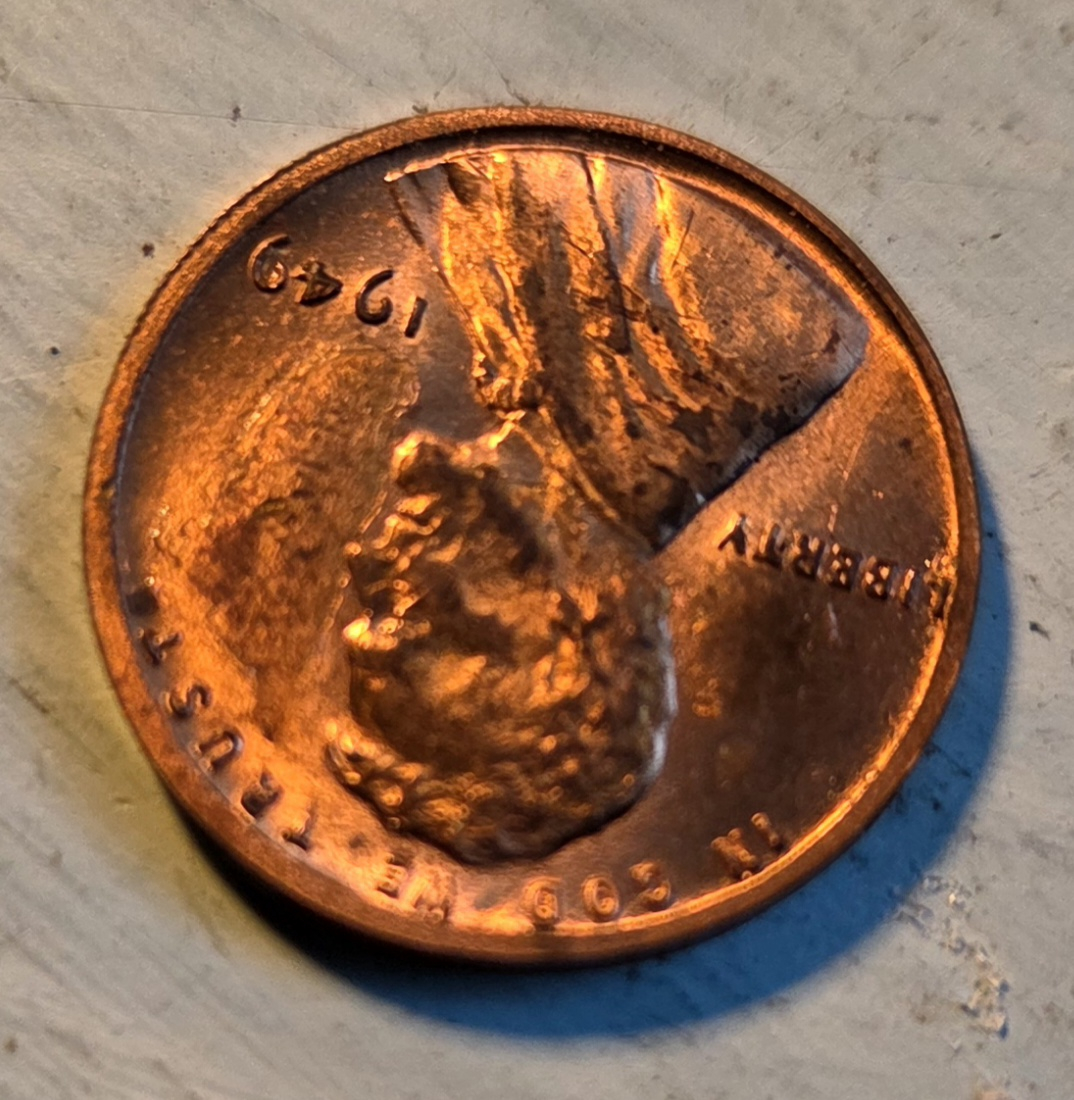
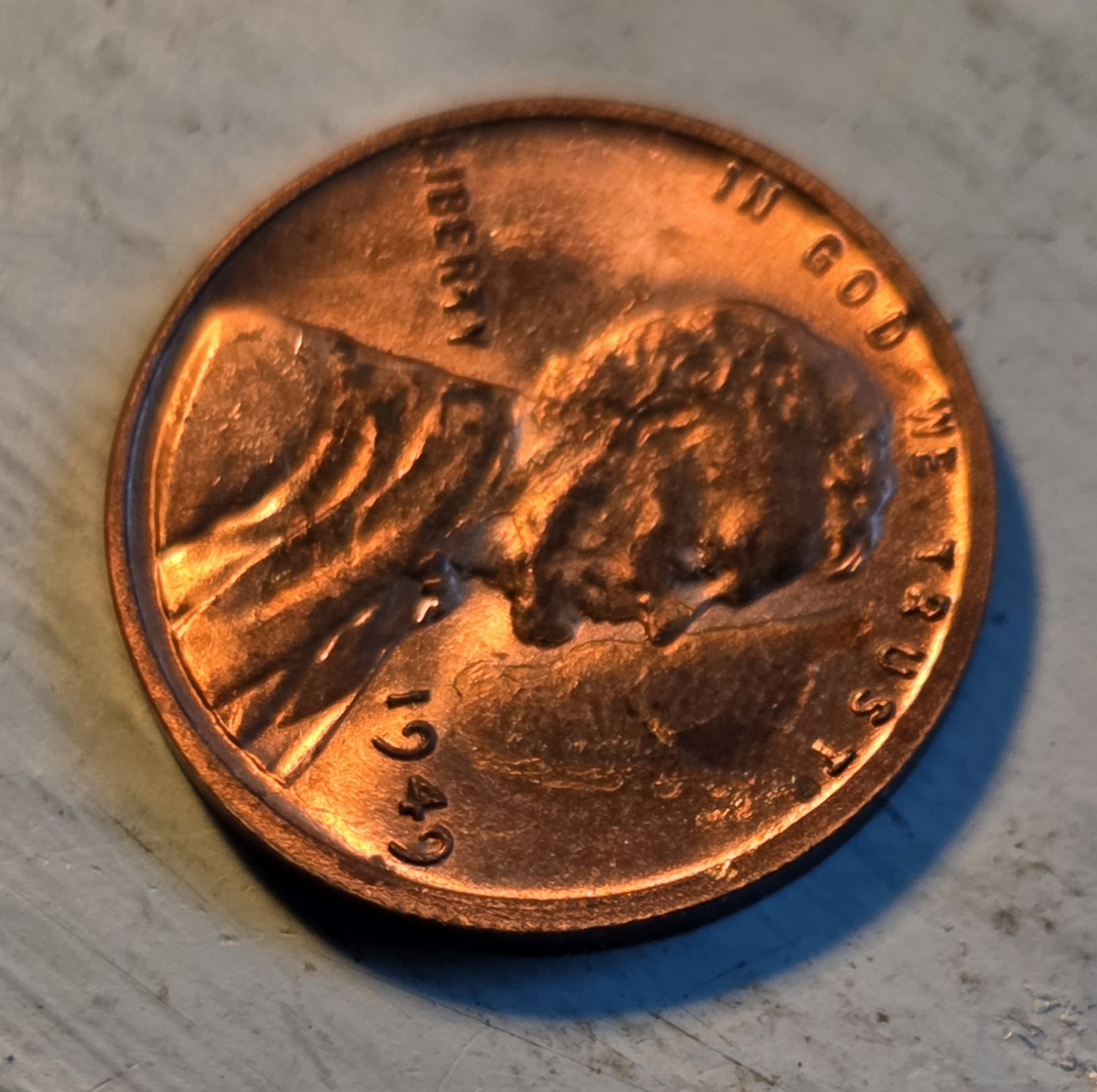
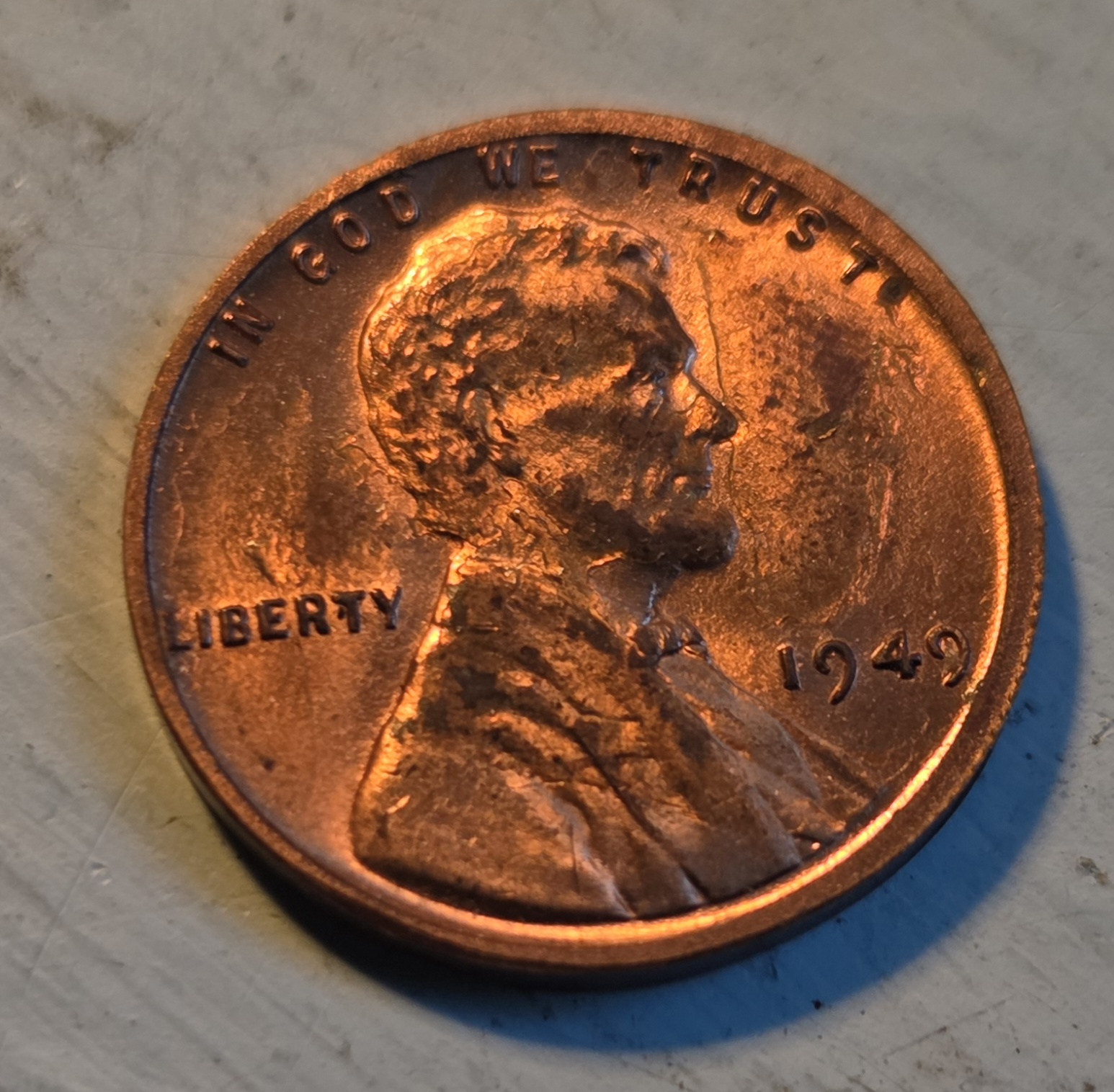
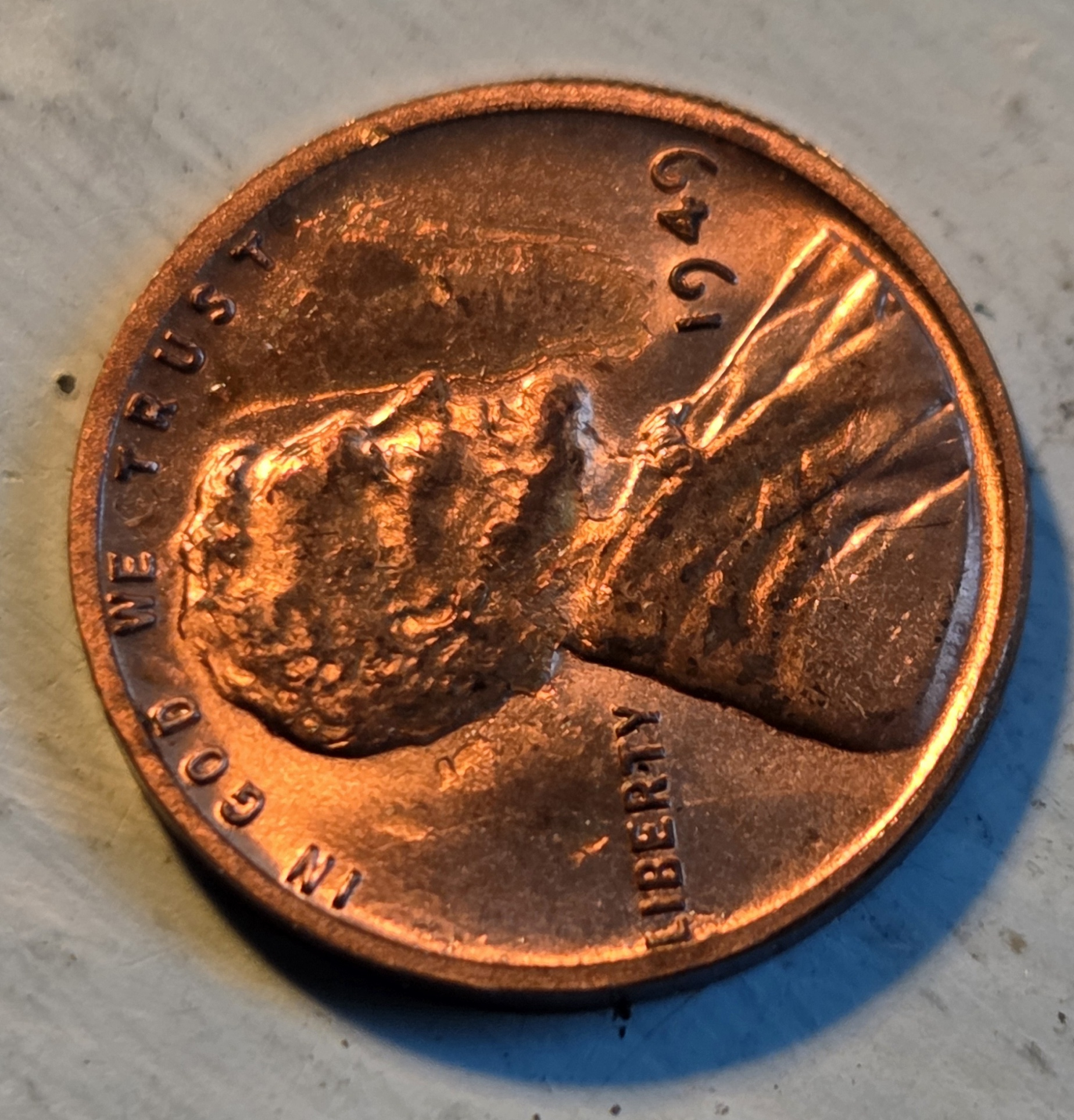
Hey all, it looks like this penny has layers missing out of the obverse, what do you all think? Thanks for your time and feedback!
Comments

  • robecrobec Posts: 7,009 ✭✭✭✭✭

    Looks like delamination.

  • johnny9434johnny9434 Posts: 31,448 ✭✭✭✭✭

    No reverse?

  • Steven59Steven59 Posts: 10,894 ✭✭✭✭✭

    If it's incuse then most likely a lamination error - or if it is raised above the surface it could just be some type of glue and an acetone soak will remove it.

    "When they can't find anything wrong with you, they create it!"

  • MsMorrisineMsMorrisine Posts: 38,670 ✭✭✭✭✭

    it could also be a light strike through

    i was also thinking a thin smear of clear glue, too

    is that a finger print in it

  • 291fifth291fifth Posts: 25,087 ✭✭✭✭✭

    Glue.

    All glory is fleeting.
  • World67World67 Posts: 13,088 ✭✭✭✭✭

  • This content has been removed.
  • JBKJBK Posts: 17,266 ✭✭✭✭✭

    @chattycoins said:
    i dont think its glue, how would i know?

    Glue would be raised off the surface of the coin. You have the coin in front of you. Can't you tell? 🤔

  • This content has been removed.
  • This content has been removed.
  • This content has been removed.
  • IkesTIkesT Posts: 4,164 ✭✭✭✭✭

  • jmlanzafjmlanzaf Posts: 40,336 ✭✭✭✭✭

    Looks like glue or some form of adhesive. Try acetone

    All comments reflect the opinion of the author, even when irrefutably accurate.

  • This content has been removed.
  • privatecoinprivatecoin Posts: 3,737 ✭✭✭✭✭

    @chattycoins said:
    So, you all think its glue? For real?

    I'm sure it would come off with a dremel.

    Paper money eventually returns to its intrinsic value. Zero. Voltaire. Ebay coinbowlllc

  • jmlanzafjmlanzaf Posts: 40,336 ✭✭✭✭✭

    @chattycoins said:
    So, you all think its glue? For real?

    It sure looks like it. Acetone won't hurt the coin (if pure). All you need to do is soak it and you'll find out.

    All comments reflect the opinion of the author, even when irrefutably accurate.

  • mr1931Smr1931S Posts: 6,953 ✭✭✭✭✭
    edited February 27, 2026 7:50PM

    @chattycoins said:
    i dont think its glue, how would i know? Wint acetone ruin the coin? And check out 'we trust 'and the date. There is the reverse. What do you all think? Looks like a shelf.

    Acetone will not ruin the coin/ Acetone will remove any gluelike substance that might be on the piece. I've got a Buffalo nickel that has a "shelf". Comes from something sticking on the planchet (or the die) at time of striking. Your coin could be a light strike though as Morrisine is saying. But do the acetone treatment and see what happens with the shelf.

    Einstein’s view of God was non-traditional and pantheistic, focusing on the harmony, order, and intelligibility of the cosmos rather than a personal deity. His quotes reveal a profound respect for the universe’s mysteries, a belief in rational laws, and a moral philosophy grounded in compassion and understanding, bridging science and spirituality.

    “My religion consists of a humble admiration of the illimitable superior spirit who reveals himself in the slight details we are able to perceive with our frail and feeble mind.”

    Albert Einstein (14 March 1879--18 April 1955)

  • mr1931Smr1931S Posts: 6,953 ✭✭✭✭✭
    edited February 27, 2026 7:42PM

    @chattycoins said:
    Thats what i thought. Its not raised.

    If strike through, the "shelf" would be incuse. My Buffalo nickel strike through was probably made by the die, in this case the 1916 obverse die, striking the planchet through a flake of metal that came off a planchet struck earlier. Kind of cool error is a strike through.

    Einstein’s view of God was non-traditional and pantheistic, focusing on the harmony, order, and intelligibility of the cosmos rather than a personal deity. His quotes reveal a profound respect for the universe’s mysteries, a belief in rational laws, and a moral philosophy grounded in compassion and understanding, bridging science and spirituality.

    “My religion consists of a humble admiration of the illimitable superior spirit who reveals himself in the slight details we are able to perceive with our frail and feeble mind.”

    Albert Einstein (14 March 1879--18 April 1955)

  • World67World67 Posts: 13,088 ✭✭✭✭✭

    @chattycoins said:
    So, you all think its glue? For real?

  • jonathanbjonathanb Posts: 3,974 ✭✭✭✭✭

    @mr1931S said:
    Acetone will remove any gluelike substance that might be on the piece.

    That's not exactly true. Normal white Elmer's glue dissolves in water, not acetone. However, my guess in this case is that it's tape residue rather than glue. Acetone will dissolve most types of tape residue nicely.

    Whatever the case, it didn't leave the mint that way.

  • mr1931Smr1931S Posts: 6,953 ✭✭✭✭✭

    Elmer's glue doesn't dissolve in acetone?

    Einstein’s view of God was non-traditional and pantheistic, focusing on the harmony, order, and intelligibility of the cosmos rather than a personal deity. His quotes reveal a profound respect for the universe’s mysteries, a belief in rational laws, and a moral philosophy grounded in compassion and understanding, bridging science and spirituality.

    “My religion consists of a humble admiration of the illimitable superior spirit who reveals himself in the slight details we are able to perceive with our frail and feeble mind.”

    Albert Einstein (14 March 1879--18 April 1955)

  • johnny9434johnny9434 Posts: 31,448 ✭✭✭✭✭

    @Morgan White said:

    @chattycoins said:
    So, you all think its glue? For real?

    A funny scene for sure (I dont condone doing this either👍)

  • lermishlermish Posts: 4,560 ✭✭✭✭✭

    @johnny9434 said:

    @Morgan White said:

    @chattycoins said:
    So, you all think its glue? For real?

    A funny scene for sure (I dont condone doing this either👍)

    Don't listen to Johnny! I condone, nay, ENCOURAGE all quality meme posting.

    chopmarkedtradedollars.com

  • jmlanzafjmlanzaf Posts: 40,336 ✭✭✭✭✭

    @mr1931S said:
    Elmer's glue doesn't dissolve in acetone?

    Probably not. It's water based. Lots of things don't dissolve in acetone.

    All comments reflect the opinion of the author, even when irrefutably accurate.

  • johnny9434johnny9434 Posts: 31,448 ✭✭✭✭✭

    @lermish said:

    @johnny9434 said:

    @Morgan White said:

    @chattycoins said:
    So, you all think its glue? For real?

    A funny scene for sure (I dont condone doing this either👍)

    Don't listen to Johnny! I condone, nay, ENCOURAGE all quality meme posting.

    And we won't get caught, neeners....

  • This content has been removed.
  • JBKJBK Posts: 17,266 ✭✭✭✭✭

    My vote is struck-through or glue. I'm leaning toward glue.

  • IkesTIkesT Posts: 4,164 ✭✭✭✭✭

    @chattycoins said:
    Heres some pics with the sun shining on it. Im going to get acetone, i will post new pics later.

    In all seriousness, acetone is not something for a physically challenged person to play around with. It's toxic. The toxicity can be mitigated and avoided if handled properly, but not if you are dropping and spilling it all over the place. Just give the coin to a friend or neighbor and have them scrape off the glue. They may scratch the coin in the process, but the coin is low-value, so it doesn't matter.

    I feel confident that 1 day, im gonna knock your socks off with a great find

    Nope.

    I like Chatty, and hopefully, someday, i can chime in on others finds.

    Double nope. If those are your expectations, you will always be disappointed.

  • TPringTPring Posts: 372 ✭✭✭

    @chattycoins said:
    Heres some pics with the sun shining on it.

    Nice...here we go again.

    Here comes the sun, here comes the sun and I say it's all right

  • mr1931Smr1931S Posts: 6,953 ✭✭✭✭✭
    edited February 28, 2026 2:26PM

    From mykitchengallery.com. Bolding is mine:

    Acetone: A Stronger Solvent Option
    Acetone is a powerful solvent that can dissolve a variety of substances, including some types of adhesives. It’s more effective than water or vinegar for dissolving Elmer’s wood glue, but it should be used with caution.

    Acetone is flammable and can damage some finishes, so it’s important to work in a well-ventilated area and test the acetone on an inconspicuous area of the surface before applying it to the glue. Wear gloves and eye protection to protect yourself from exposure.

    Apply acetone to the glue using a cloth or cotton swab. Allow it to sit for a few minutes to soften the glue. Then, try scraping away the softened glue with a putty knife or scraper.


    Obviously, one should not use a putty knife to remove the softened glue from the coin after soaking for a time in acetone. I would use the flat end of a toothpick for this job, gently encouraging the softened glue to release from the surface of the coin. Acetone treatment is going to be faster than water to soften hardened PVA (polyvinyl acetate) based glue which is what Elmer's wood glue is. Once the glue has been removed, rinse the coin with distilled water and then allow to dry thoroughly before putting into a holder.

    Again, acetone is highly flammable! Use sparingly (it's expensive) in a well-ventilated area. Every collector should have a supply of acetone on hand for use when called for.

    Einstein’s view of God was non-traditional and pantheistic, focusing on the harmony, order, and intelligibility of the cosmos rather than a personal deity. His quotes reveal a profound respect for the universe’s mysteries, a belief in rational laws, and a moral philosophy grounded in compassion and understanding, bridging science and spirituality.

    “My religion consists of a humble admiration of the illimitable superior spirit who reveals himself in the slight details we are able to perceive with our frail and feeble mind.”

    Albert Einstein (14 March 1879--18 April 1955)

  • TPringTPring Posts: 372 ✭✭✭

    @mr1931S said:
    From mykitchengallery.com. Bolding is mine:

    ...Apply acetone to the glue using a cloth or cotton swab. Allow it to sit for a few minutes to soften the glue...

    FYI, acetone evaporates very quickly [very quickly] so not sure how affective it would be after waiting a couple of minutes. Just sayin'

  • jmlanzafjmlanzaf Posts: 40,336 ✭✭✭✭✭
    edited February 28, 2026 3:57PM

    @mr1931S said:
    From mykitchengallery.com. Bolding is mine:

    Acetone: A Stronger Solvent Option
    Acetone is a powerful solvent that can dissolve a variety of substances, including some types of adhesives. It’s more effective than water or vinegar for dissolving Elmer’s wood glue, but it should be used with caution.

    Acetone is flammable and can damage some finishes, so it’s important to work in a well-ventilated area and test the acetone on an inconspicuous area of the surface before applying it to the glue. Wear gloves and eye protection to protect yourself from exposure.

    Apply acetone to the glue using a cloth or cotton swab. Allow it to sit for a few minutes to soften the glue. Then, try scraping away the softened glue with a putty knife or scraper.


    Obviously, one should not use a putty knife to remove the softened glue from the coin after soaking for a time in acetone. I would use the flat end of a toothpick for this job, gently encouraging the softened glue to release from the surface of the coin. Acetone treatment is going to be faster than water to soften hardened PVA (polyvinyl acetate) based glue which is what Elmer's wood glue is. Once the glue has been removed, rinse the coin with distilled water and then allow to dry thoroughly before putting into a holder.

    Again, acetone is highly flammable! Use sparingly (it's expensive) in a well-ventilated area. Every collector should have a supply of acetone on hand for use when called for.

    "Wood glue". It may dissolve in acetone but it is highly water soluble

    All comments reflect the opinion of the author, even when irrefutably accurate.

  • mr1931Smr1931S Posts: 6,953 ✭✭✭✭✭

    @TPring said:

    @mr1931S said:
    From mykitchengallery.com. Bolding is mine:

    ...Apply acetone to the glue using a cloth or cotton swab. Allow it to sit for a few minutes to soften the glue...

    FYI, acetone evaporates very quickly [very quickly] so not sure how affective it would be after waiting a couple of minutes. Just sayin'

    Put acetone-resistant gloves on both hands. Pour a little acetone into a small glass dish. Place the coin in the dish, submerged in the acetone. The acetone should soften the Elmer's glue enough so that it can be removed. Try 30 seconds immersion. After 30 seconds, take a microfiber cloth to the area with glue and wipe it just once toward the rim using medium force down on the coin surface. Assess the situation. If one concludes that the glue needs to be rendered softer, immerse in acetone once again. OP's coin has gobs of mint luster. Acetone won't hurt the luster a bit so there's no limit to the amount of time the coin can be immersed in it. https://sciencing.com/gloves-should-used-acetone-8536346/

    Einstein’s view of God was non-traditional and pantheistic, focusing on the harmony, order, and intelligibility of the cosmos rather than a personal deity. His quotes reveal a profound respect for the universe’s mysteries, a belief in rational laws, and a moral philosophy grounded in compassion and understanding, bridging science and spirituality.

    “My religion consists of a humble admiration of the illimitable superior spirit who reveals himself in the slight details we are able to perceive with our frail and feeble mind.”

    Albert Einstein (14 March 1879--18 April 1955)

  • mr1931Smr1931S Posts: 6,953 ✭✭✭✭✭

    @jmlanzaf said:

    @mr1931S said:
    From mykitchengallery.com. Bolding is mine:

    Acetone: A Stronger Solvent Option
    Acetone is a powerful solvent that can dissolve a variety of substances, including some types of adhesives. It’s more effective than water or vinegar for dissolving Elmer’s wood glue, but it should be used with caution.

    Acetone is flammable and can damage some finishes, so it’s important to work in a well-ventilated area and test the acetone on an inconspicuous area of the surface before applying it to the glue. Wear gloves and eye protection to protect yourself from exposure.

    Apply acetone to the glue using a cloth or cotton swab. Allow it to sit for a few minutes to soften the glue. Then, try scraping away the softened glue with a putty knife or scraper.


    Obviously, one should not use a putty knife to remove the softened glue from the coin after soaking for a time in acetone. I would use the flat end of a toothpick for this job, gently encouraging the softened glue to release from the surface of the coin. Acetone treatment is going to be faster than water to soften hardened PVA (polyvinyl acetate) based glue which is what Elmer's wood glue is. Once the glue has been removed, rinse the coin with distilled water and then allow to dry thoroughly before putting into a holder.

    Again, acetone is highly flammable! Use sparingly (it's expensive) in a well-ventilated area. Every collector should have a supply of acetone on hand for use when called for.

    "Wood glue". It may dissolve in acetone but it is highly water soluble

    You are getting a speedier process with the acetone. Maybe it's not Elmer's glue on the coin but a glue that water can't affect no matter how long it's immersed in it. I'm always one to try and get time on my side without getting impatient. Getting impatient while treating one's coins with chemical agents is not a good thing. Success here would be measured by getting a pleasing result without compromising one's own safety and doing no harm to the coin. Practice makes perfect. The more you do it the better you get.

    Einstein’s view of God was non-traditional and pantheistic, focusing on the harmony, order, and intelligibility of the cosmos rather than a personal deity. His quotes reveal a profound respect for the universe’s mysteries, a belief in rational laws, and a moral philosophy grounded in compassion and understanding, bridging science and spirituality.

    “My religion consists of a humble admiration of the illimitable superior spirit who reveals himself in the slight details we are able to perceive with our frail and feeble mind.”

    Albert Einstein (14 March 1879--18 April 1955)

  • oldglorycoinsoldglorycoins Posts: 245 ✭✭✭

    You might have too add some nail polish or something so you actually have some residue to remove.

  • jmlanzafjmlanzaf Posts: 40,336 ✭✭✭✭✭
    edited March 1, 2026 2:20AM

    @mr1931S said:

    @jmlanzaf said:

    @mr1931S said:
    From mykitchengallery.com. Bolding is mine:

    Acetone: A Stronger Solvent Option
    Acetone is a powerful solvent that can dissolve a variety of substances, including some types of adhesives. It’s more effective than water or vinegar for dissolving Elmer’s wood glue, but it should be used with caution.

    Acetone is flammable and can damage some finishes, so it’s important to work in a well-ventilated area and test the acetone on an inconspicuous area of the surface before applying it to the glue. Wear gloves and eye protection to protect yourself from exposure.

    Apply acetone to the glue using a cloth or cotton swab. Allow it to sit for a few minutes to soften the glue. Then, try scraping away the softened glue with a putty knife or scraper.


    Obviously, one should not use a putty knife to remove the softened glue from the coin after soaking for a time in acetone. I would use the flat end of a toothpick for this job, gently encouraging the softened glue to release from the surface of the coin. Acetone treatment is going to be faster than water to soften hardened PVA (polyvinyl acetate) based glue which is what Elmer's wood glue is. Once the glue has been removed, rinse the coin with distilled water and then allow to dry thoroughly before putting into a holder.

    Again, acetone is highly flammable! Use sparingly (it's expensive) in a well-ventilated area. Every collector should have a supply of acetone on hand for use when called for.

    "Wood glue". It may dissolve in acetone but it is highly water soluble

    You are getting a speedier process with the acetone. Maybe it's not Elmer's glue on the coin but a glue that water can't affect no matter how long it's immersed in it. I'm always one to try and get time on my side without getting impatient. Getting impatient while treating one's coins with chemical agents is not a good thing. Success here would be measured by getting a pleasing result without compromising one's own safety and doing no harm to the coin. Practice makes perfect. The more you do it the better you get.

    Actually, that's not what that says. I know, it's really (not) subtle:

    Water Method (Preferred)

    All comments reflect the opinion of the author, even when irrefutably accurate.

Leave a Comment

BoldItalicStrikethroughOrdered listUnordered list
Emoji
Image
Align leftAlign centerAlign rightToggle HTML viewToggle full pageToggle lights
Drop image/file