I'm not sure either, but I suppose the process should be the same for alloys between circa 10% to 98% silver. Solving the silver alloys in nitric acid comes to mind, but at the moment many chemicals are in short supply aswell.
If you are extracting silver from ore, anode slimes, non-metallic waste or as a trace element from other alloys this might be different. This may involve smelting of the raw materials or dissolving the silver either in acids or a collector metal and then to proceed with the first process.
If the silver is already pretty pure, like 98% or more, you can directly go to electrolysis. This last step should be necessary for pretty much all kinds of silver, just to make sure that it is actually .999 to .99999 fine, depending on what the final product is needed for.
Gold can be refined to 999 with just chemicals, whereas modern silver refining requires chemicals and electricity. The alloy is melted and poured into water to make corn flake looking chunks. The chunks are put in a vat with chemicals (containing ionic copper) and electricity is passed through the solution. The copper replaces the silver in the flakes and when the solution becomes saturated with ionic silver, it will crystalize on the cathode and it’s then scrapped off, melted, and poured into molds.
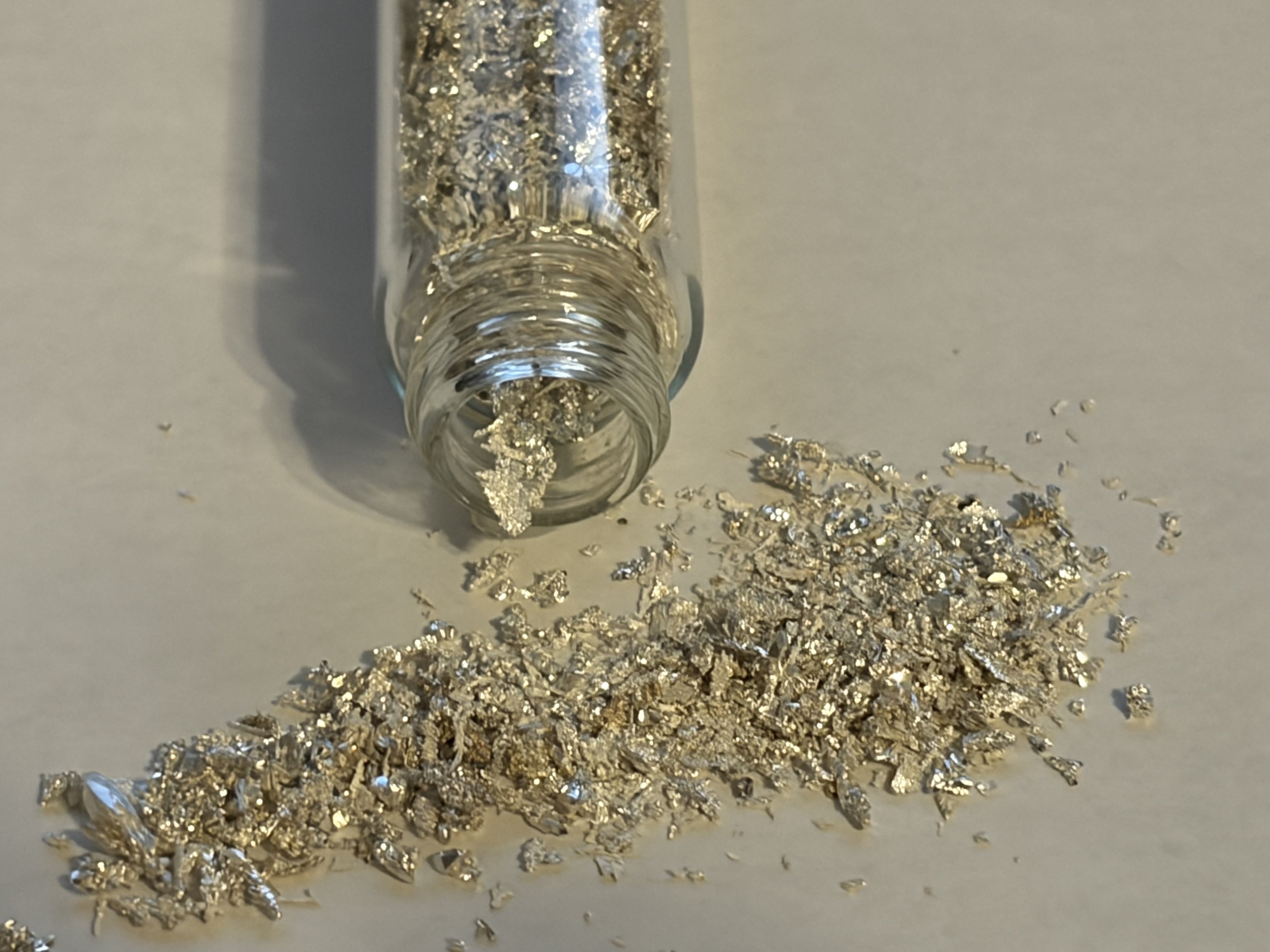
This is crystal silver that was scrapped off the cathode rod at the Sunshine mine back in the 80's. A company bought some of these crystals - picked out the bigger ones, and made dream-catchers. These are the small/broken ones I picked up from the guy who bought all the unsold inventory when that company closed down.
@coastaljerseyguy said:
Do they still use cyanide as the chemical of choice for silver refining.
Yes they do and for gold as well. Works great for low-grade ore. A mine will have large lined pits where they dump the crushed ore and have sprinklers laid out that spray a cyanide solution over the ore. The cyanide leaches out the silver and gold and other metals. The solution is gathered at the bottom of the pile and refined.
Cyanide isn't nearly the issue that mercury is. Cyanide breaks down in sunlight. The mines that use mercury will melt the bead - vaporizing the mercury. Poisons the workers and environment.
 DisneyFan
Posts: 2,869 ✭✭✭✭✭
DisneyFan
Posts: 2,869 ✭✭✭✭✭
Comments
I'm not sure, but it looks like a nasty process
Successful transactions with : MICHAELDIXON, Manorcourtman, Bochiman, bolivarshagnasty, AUandAG, onlyroosies, chumley, Weiss, jdimmick, BAJJERFAN, gene1978, TJM965, Smittys, GRANDAM, JTHawaii, mainejoe, softparade, derryb, Ricko
Bad transactions with : nobody to date
I'm not sure either, but I suppose the process should be the same for alloys between circa 10% to 98% silver. Solving the silver alloys in nitric acid comes to mind, but at the moment many chemicals are in short supply aswell.
If you are extracting silver from ore, anode slimes, non-metallic waste or as a trace element from other alloys this might be different. This may involve smelting of the raw materials or dissolving the silver either in acids or a collector metal and then to proceed with the first process.
If the silver is already pretty pure, like 98% or more, you can directly go to electrolysis. This last step should be necessary for pretty much all kinds of silver, just to make sure that it is actually .999 to .99999 fine, depending on what the final product is needed for.
A lot of silver isn't refined at all and merely mixed with other silver to make specific alloy.
Right now a great deal of silver is going to make good delivery bars but most refineries sell many products to many customers.
This may not quite be answering the question, but most US 90 % would be made as follows:
Refine silver to 999
Refine copper to 999
Mix silver and copper in a 90/10 ratio.
Gold can be refined to 999 with just chemicals, whereas modern silver refining requires chemicals and electricity. The alloy is melted and poured into water to make corn flake looking chunks. The chunks are put in a vat with chemicals (containing ionic copper) and electricity is passed through the solution. The copper replaces the silver in the flakes and when the solution becomes saturated with ionic silver, it will crystalize on the cathode and it’s then scrapped off, melted, and poured into molds.
This is crystal silver that was scrapped off the cathode rod at the Sunshine mine back in the 80's. A company bought some of these crystals - picked out the bigger ones, and made dream-catchers. These are the small/broken ones I picked up from the guy who bought all the unsold inventory when that company closed down.
Do they still use cyanide as the chemical of choice for silver refining.
Yes they do and for gold as well. Works great for low-grade ore. A mine will have large lined pits where they dump the crushed ore and have sprinklers laid out that spray a cyanide solution over the ore. The cyanide leaches out the silver and gold and other metals. The solution is gathered at the bottom of the pile and refined.
Cyanide isn't nearly the issue that mercury is. Cyanide breaks down in sunlight. The mines that use mercury will melt the bead - vaporizing the mercury. Poisons the workers and environment.