Options
Can you help identify
 NordicSwede14
Posts: 1 ✭
NordicSwede14
Posts: 1 ✭
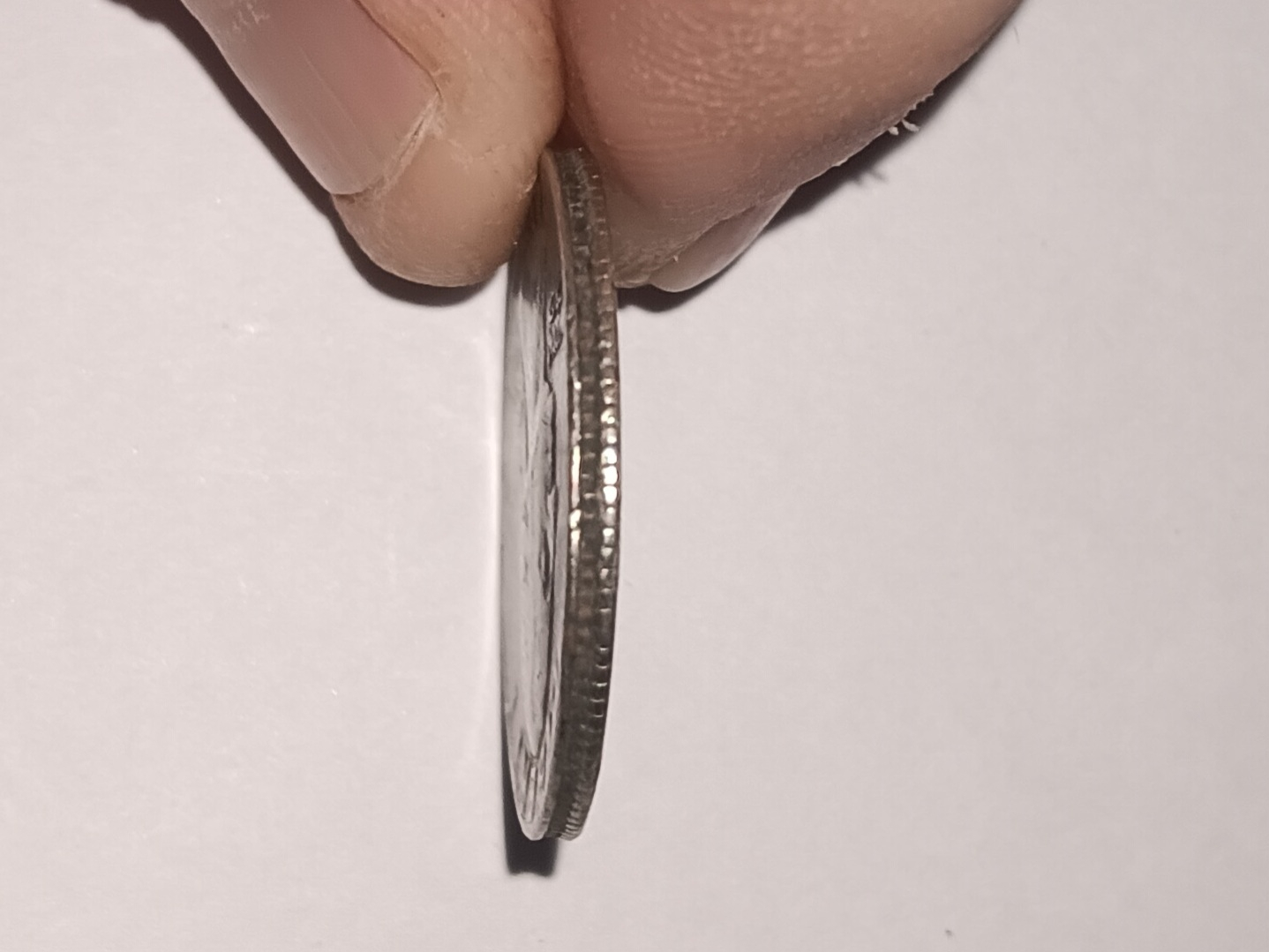
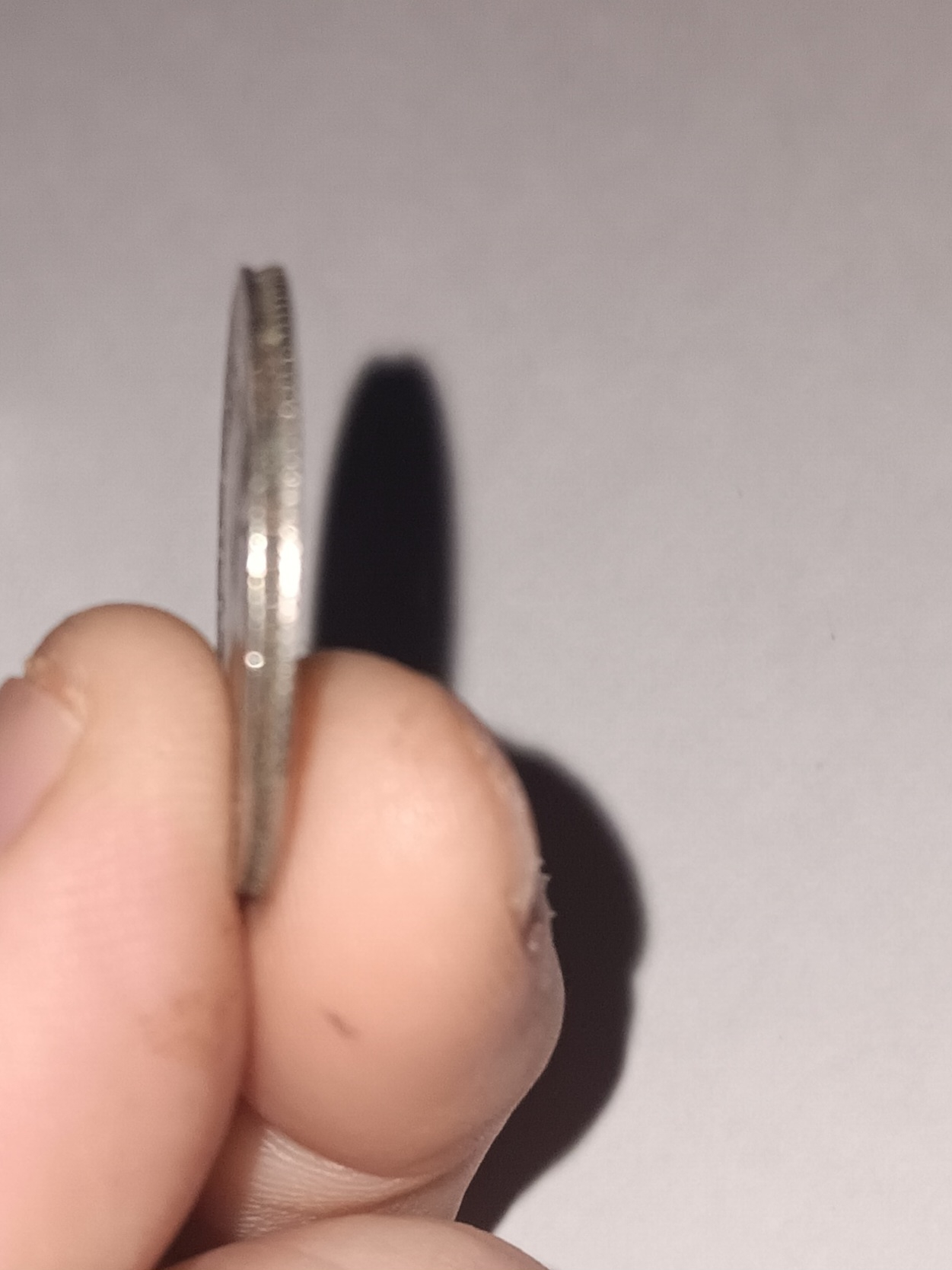
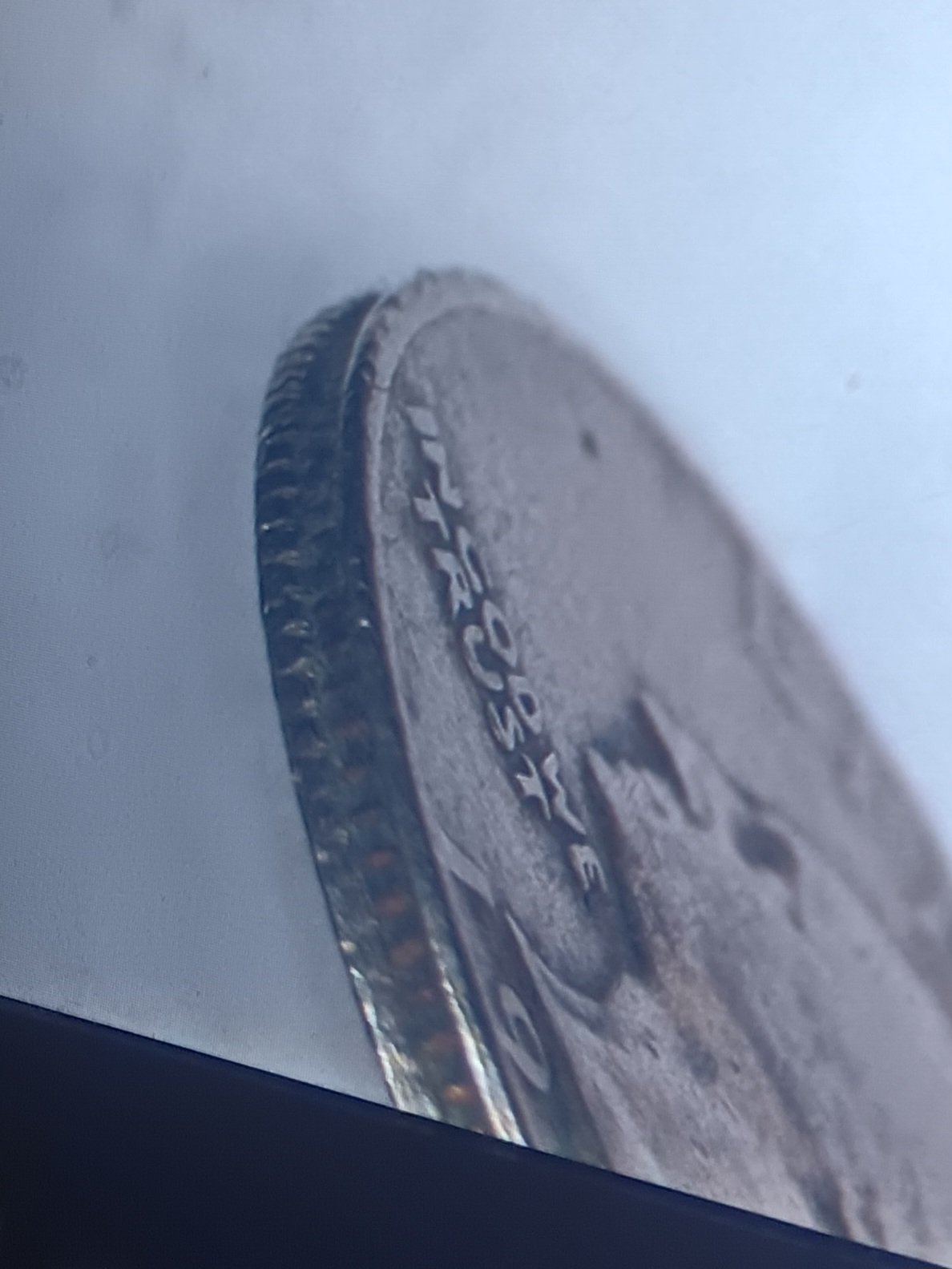
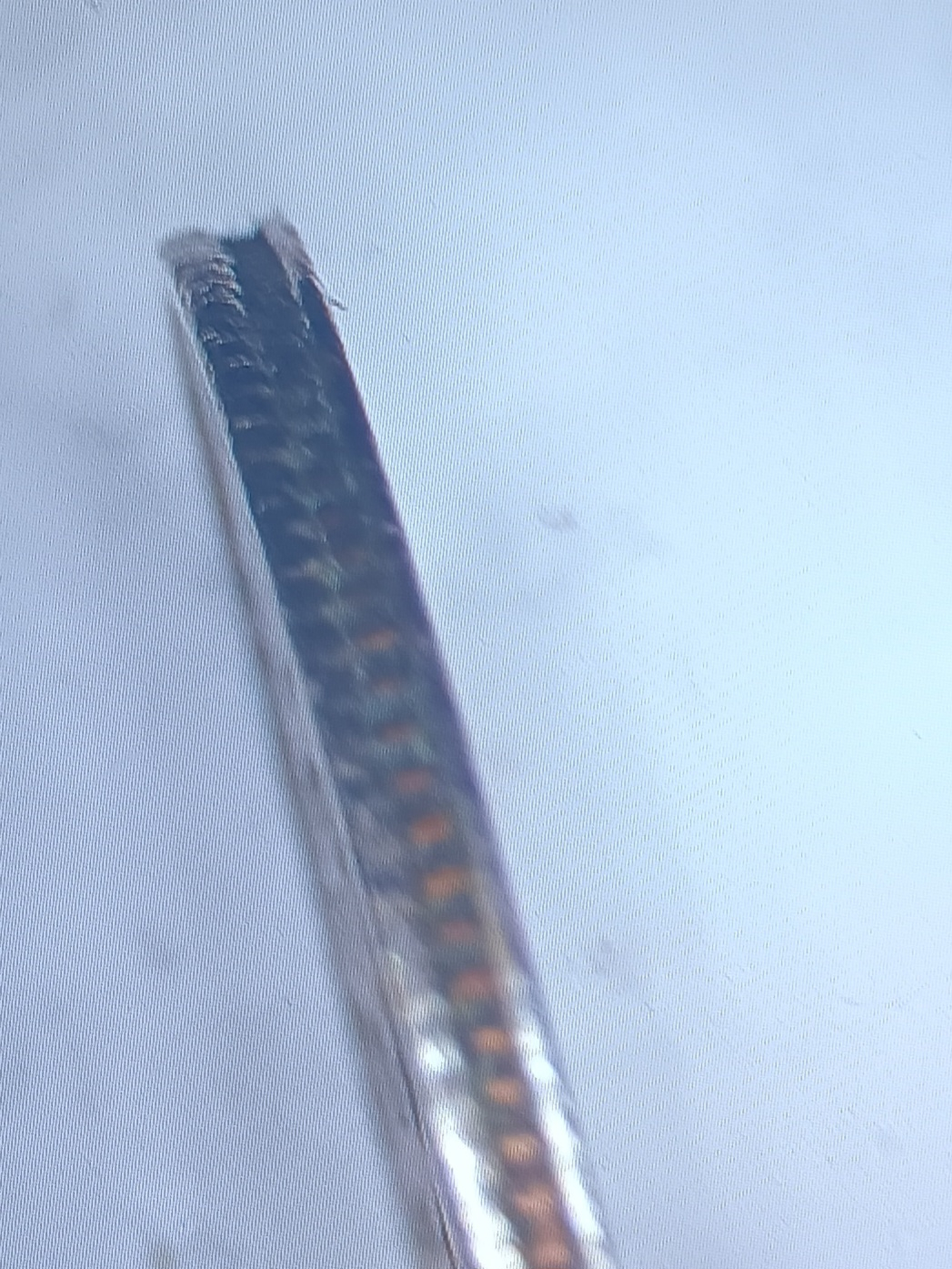
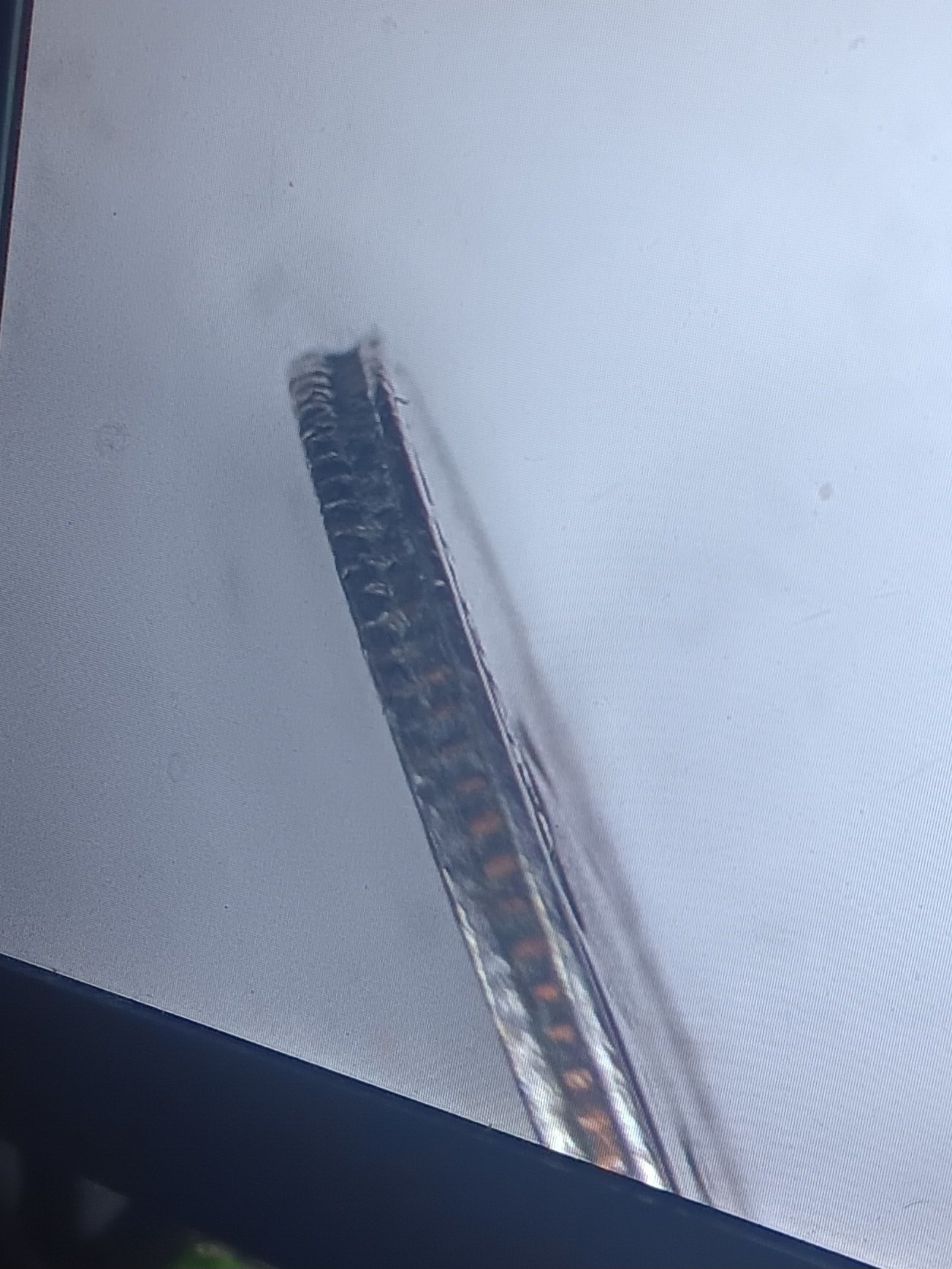
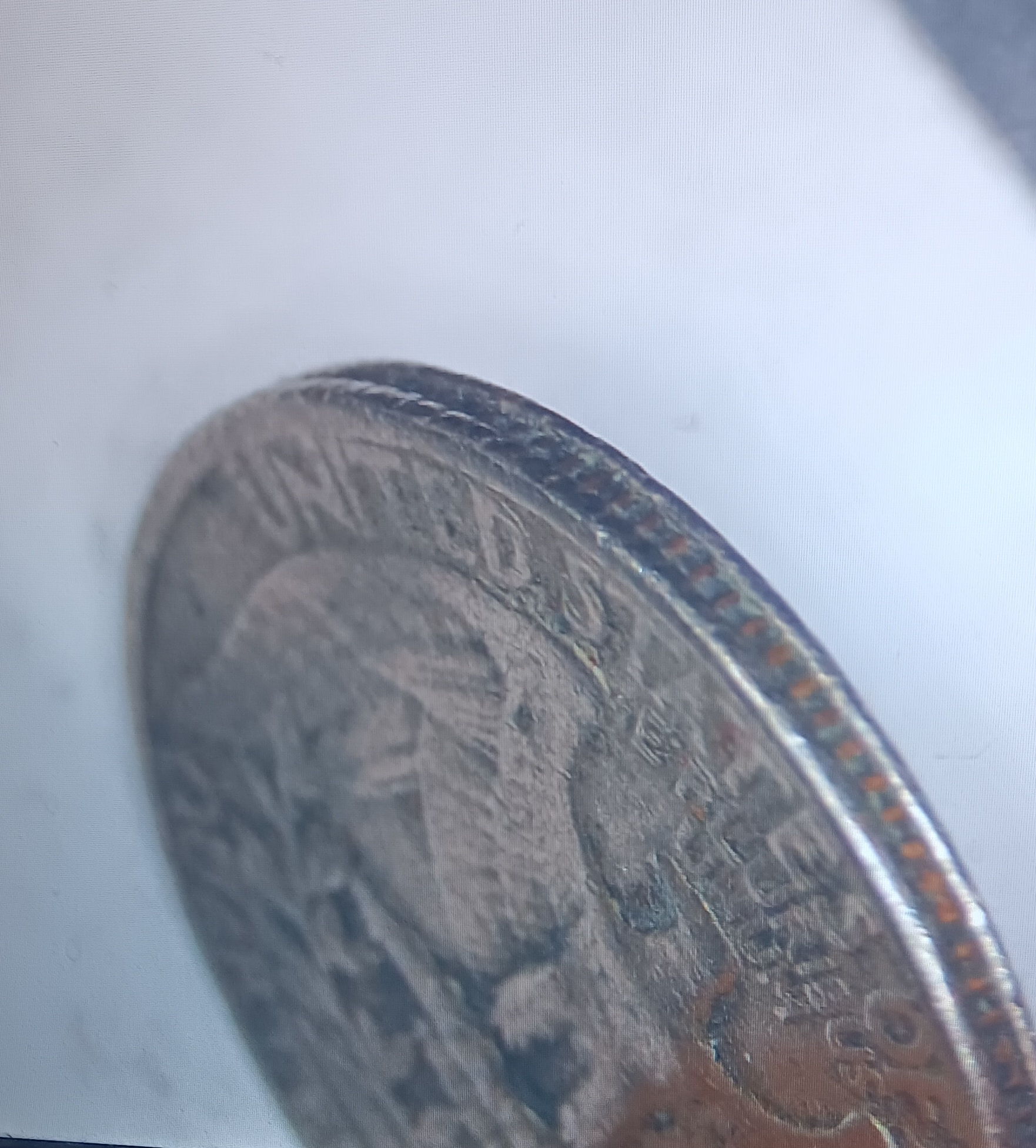
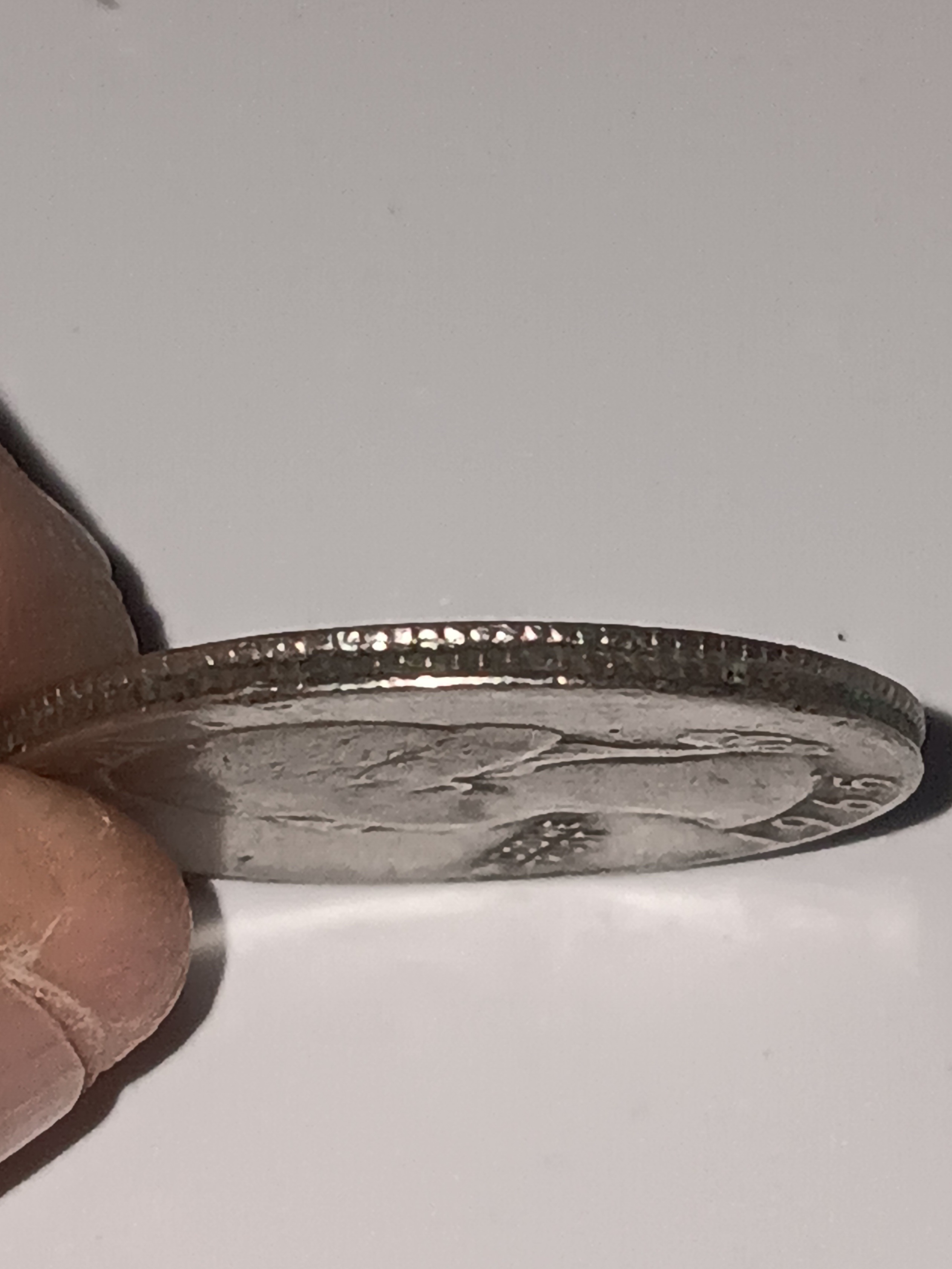
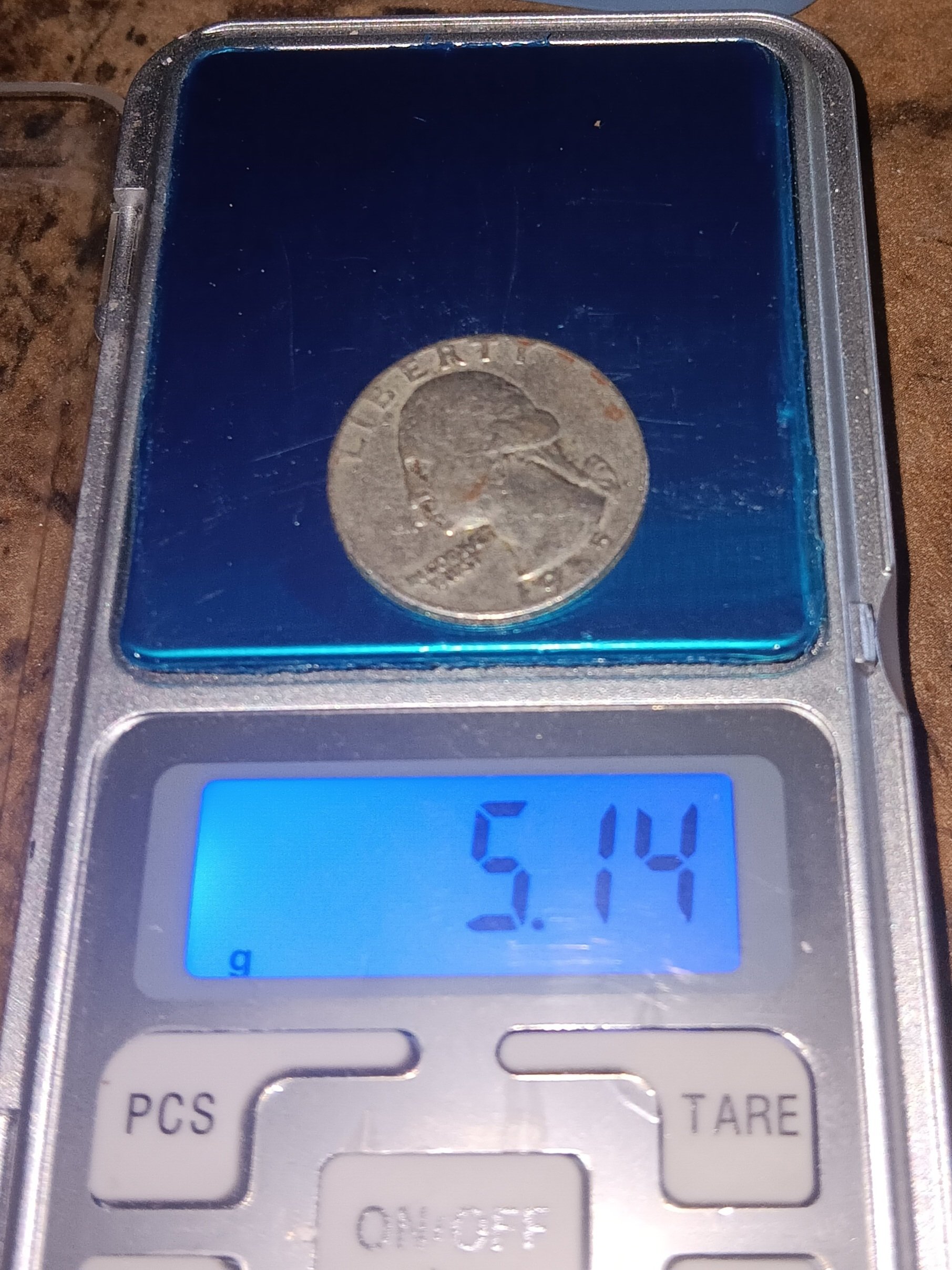
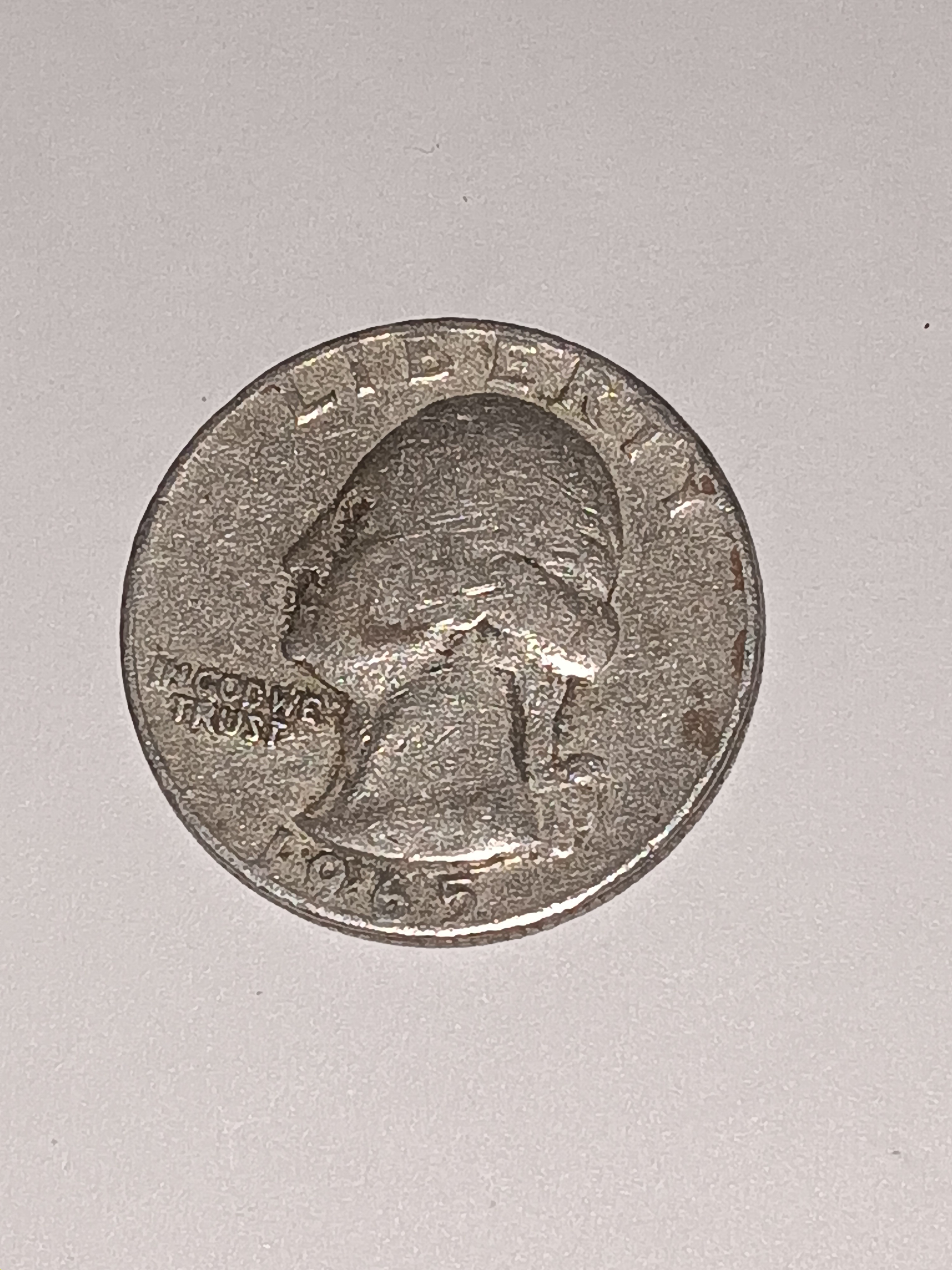
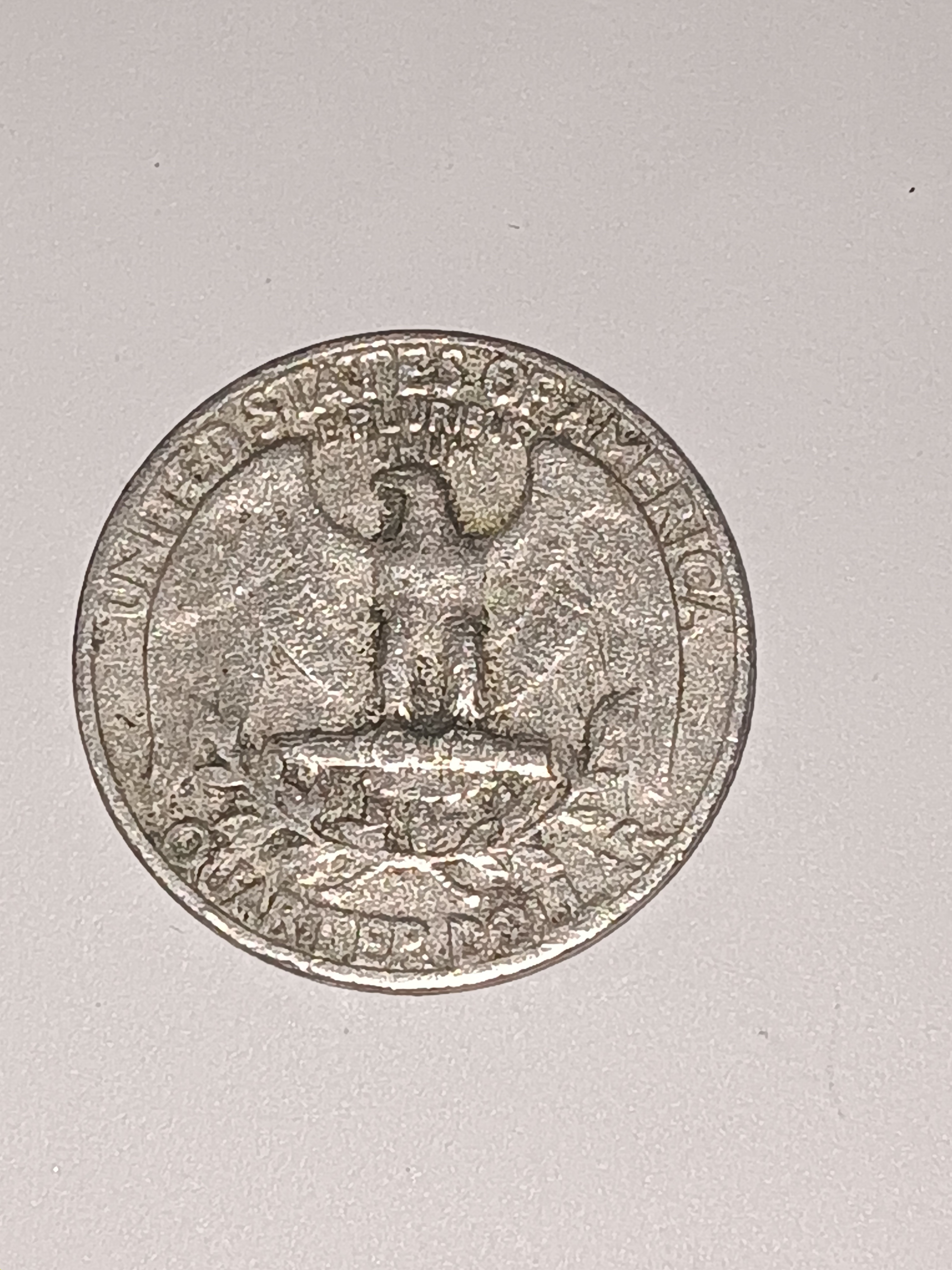
I was hunting through my rolls of coins and came across this quarter I was wondering if someone could help me identify the error. The quarter weighs 5.14 g and the center of the whole rim has a groove through the middle of it any information would be appreciated it is a 1965 P quarter
Tagged:
0
Comments
It's been exposed to some sort of acid. The copper core reacts more to the acid than the copper nickel outer layers.
Not an error just damaged, the coin was placed in an acid of some type. The acid attacks the copper faster than the clad which leaves this railroad look to the rim.
My Collection of Old Holders
Never a slave to one plastic brand will I ever be.
Aren't those fingers holding 'The Last Lincoln Cent' in another thread???
humor
hold the coin by the thin edge instead of on the front and back,
...even though you only have 25 cents
Worth 25 cents.
Well, technically, it's not even "worth 25 cents" any more. At 5.14 grams, it is way below the minimum legal weight for a quarter (5.44 grams), so from the US government's point of view it is no longer legal tender and is now just a piece of scrap metal.
Roman emperor Marcus Aurelius, "Meditations"
Apparently I have been awarded the DPOTD twice.
Agree that it's post-mint damage; likely acid, as previously stated above.
Collector since 1976. On the CU forums here since 2001.
Isn’t the weight tolerance just a guide for manufacturing? Is a coin with a large clip not legal tender?
No, it's a legal tender cutoff, whether worn, corroded or freshly minted, the coin must be and remain above the minimum weight to remain legal tender. The definition of "worn" and "mutilated" includes the coin suffering such damage as to cause the coin to fall below the minimum weight.
It is somewhat of an anachronism in this modern age of fiat coinage; the concept dates from the precious-metal days when coins had to have their proper metal content to be acceptable to the public and a clipped or underweight coin would be mistrusted to the point of being considered invalid.
This is also why the Mint, back when it was still doing the mutilated coin redemption program, was not legally obligated to redeem melted and badly damaged coins for their full face value.
And yes, technically, if an actual mint error (such as a clip, thin planchet, or missing clad) caused the resultant coin to be below the minimum weight, that error coin would not be, and would never have been, legal tender.
Roman emperor Marcus Aurelius, "Meditations"
Apparently I have been awarded the DPOTD twice.
Post Mint Damage
Successful Transactions With: JWP, DBSTrader2, greencopper, bretsan, ajaan, Ted1, Desert Coin, olah_in_MA