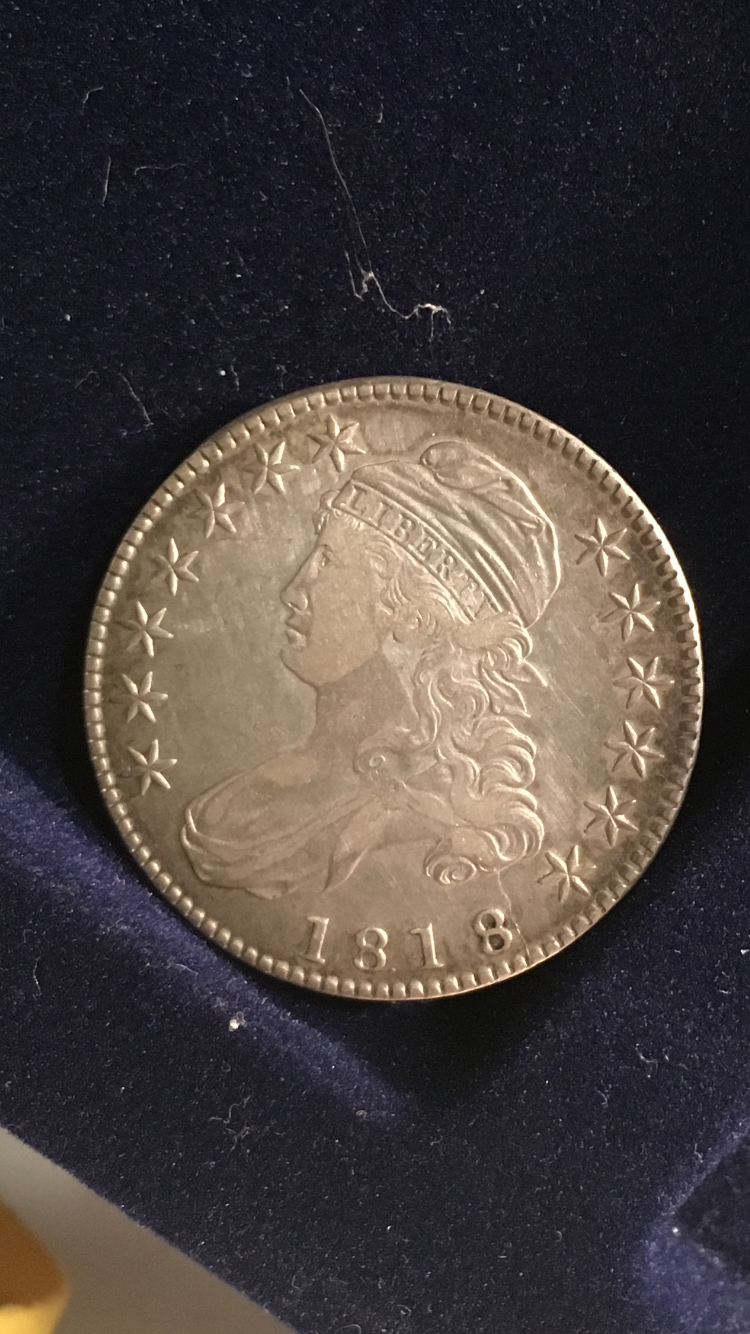
How would PCGS attribute this CBH?
 KensCoins2287
Posts: 161 ✭✭✭✭
KensCoins2287
Posts: 161 ✭✭✭✭
It seems to me to be a bit of an intermediate die state. What do you think, O.115 or O.115A?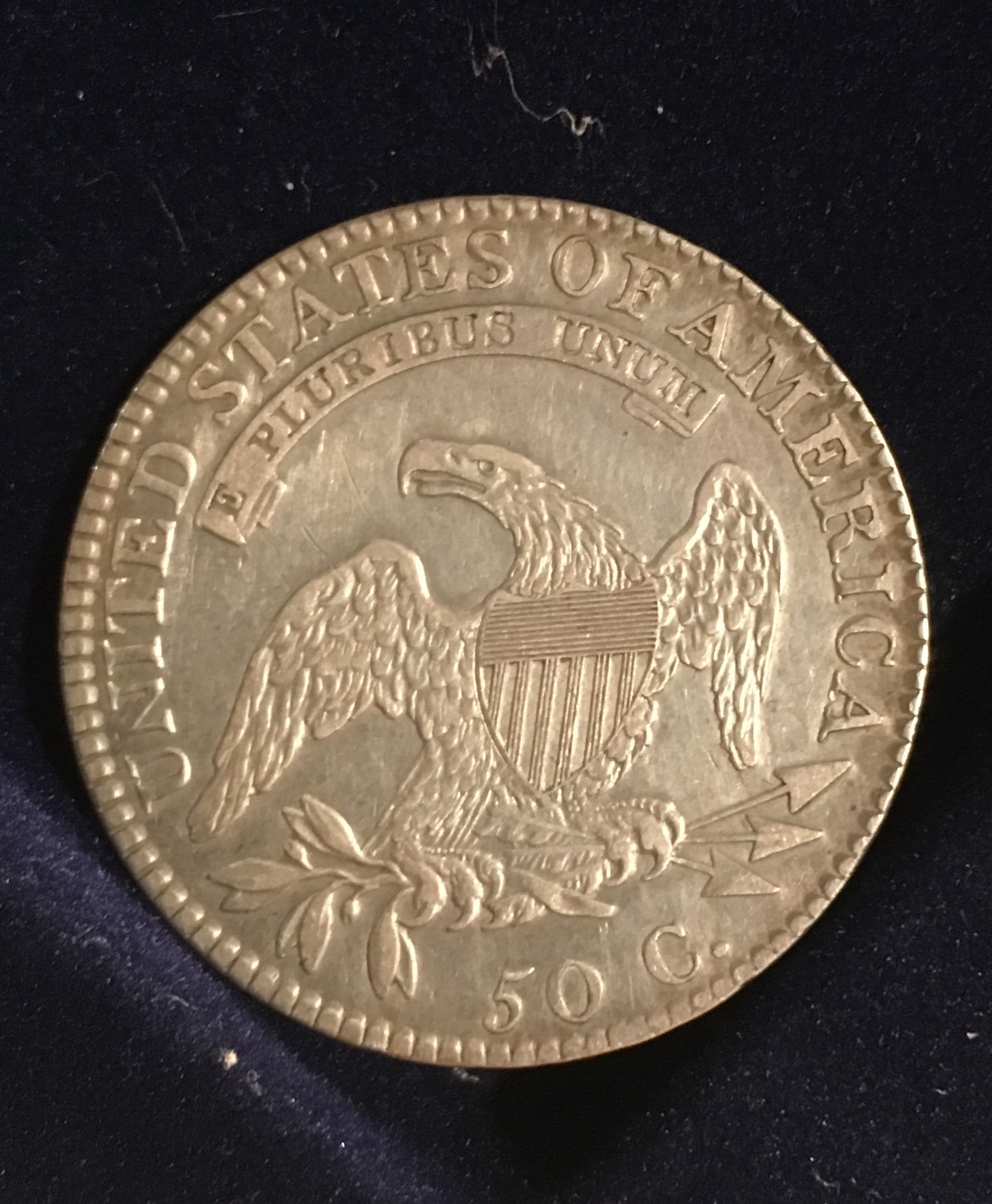
1
KensCoins2287
Posts: 161 ✭✭✭✭
It seems to me to be a bit of an intermediate die state. What do you think, O.115 or O.115A?
Comments
That's one of the features of die states - there are in principle very many.
So there is an art to translating this into a small number of categories that are visually "different enough".
It's also important to consider if there is a change in rarity between die states. Some 'common' die marriages have very rare die states. Thus, if the later die state is rare (and valued higher), the late die state must 'all be there.' In other words, all the diagnostics need to be present on the coin to merit the die state designation. The reverse is true with 'prime' die states, in that a coin with a 'prime' die state designation must be struck from 'perfect' dies (eg, no die breaks, no die damage, etc).
See http://www.doubledimes.com for a free online reference for US twenty-cent pieces
Your coin, albeit cleaned with XF details, is definitely the early die state, 115, with the bisecting obverse crack just starting to form. Congrats!
Much tougher to find than the late die state 115a and is considered an R5.
I happen to love die cracks so am very pleased with my R4+ 115a, PCGS 45.
Dave
Thanks Dave, I love your late state example! It is a shame that mine is cleaned (A bit harshly too, looks like it got the Brillo pad treatment) but with my budget I can’t be too picky on some of the tough varieties.
I have one raw, per my log 115a
VF-20
But I haven't seen it since 2006
BHNC #203