Options
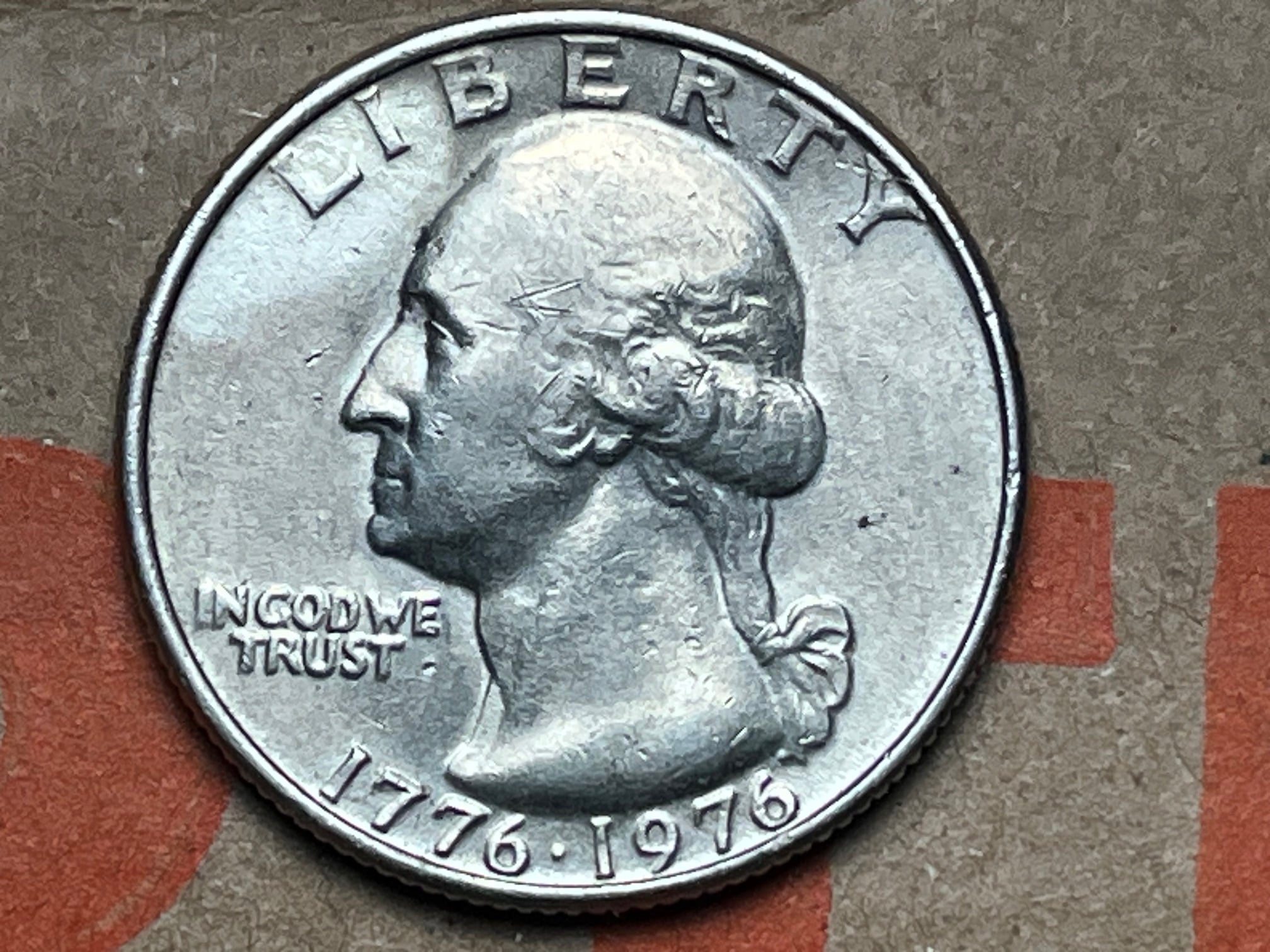
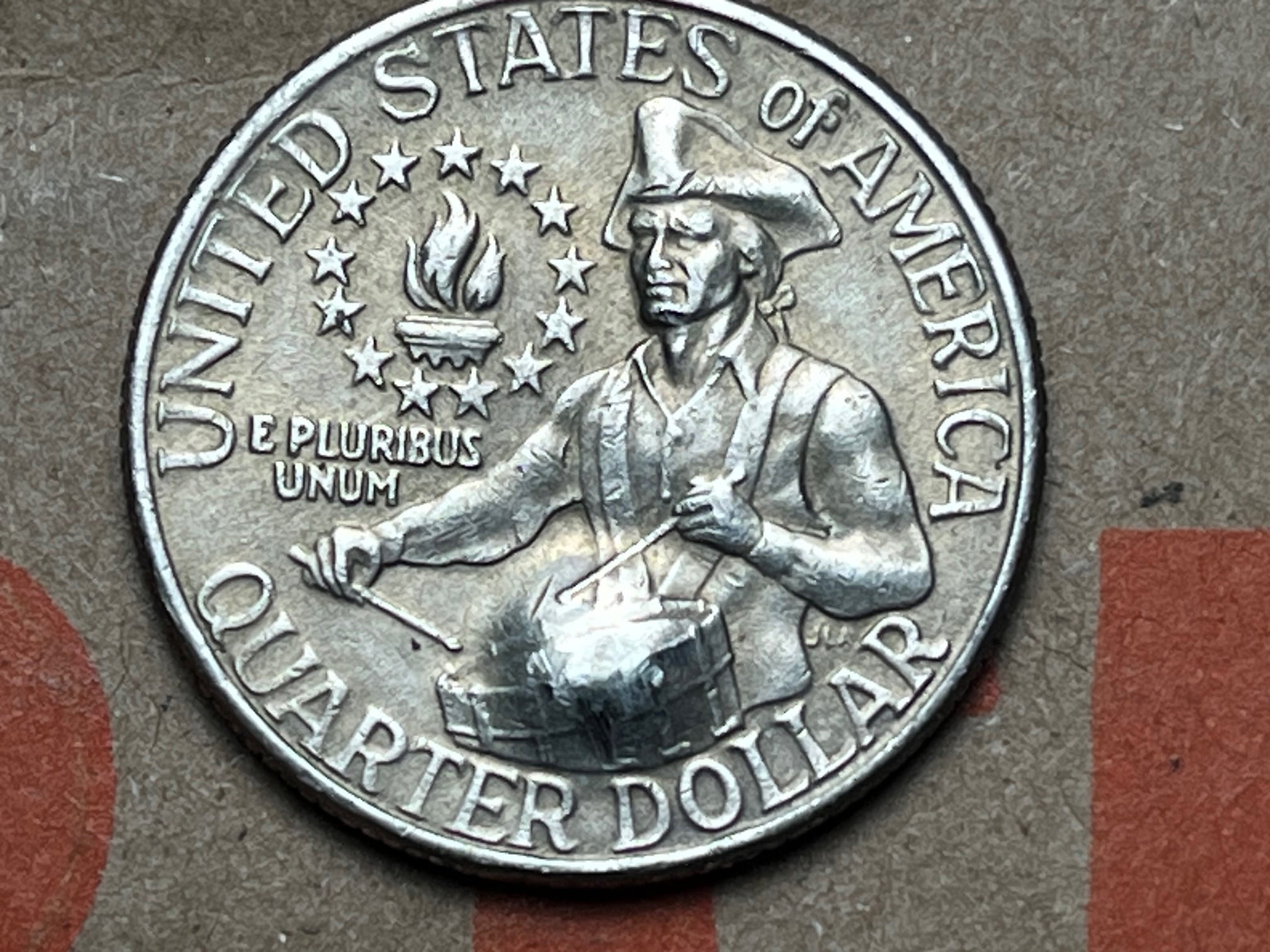
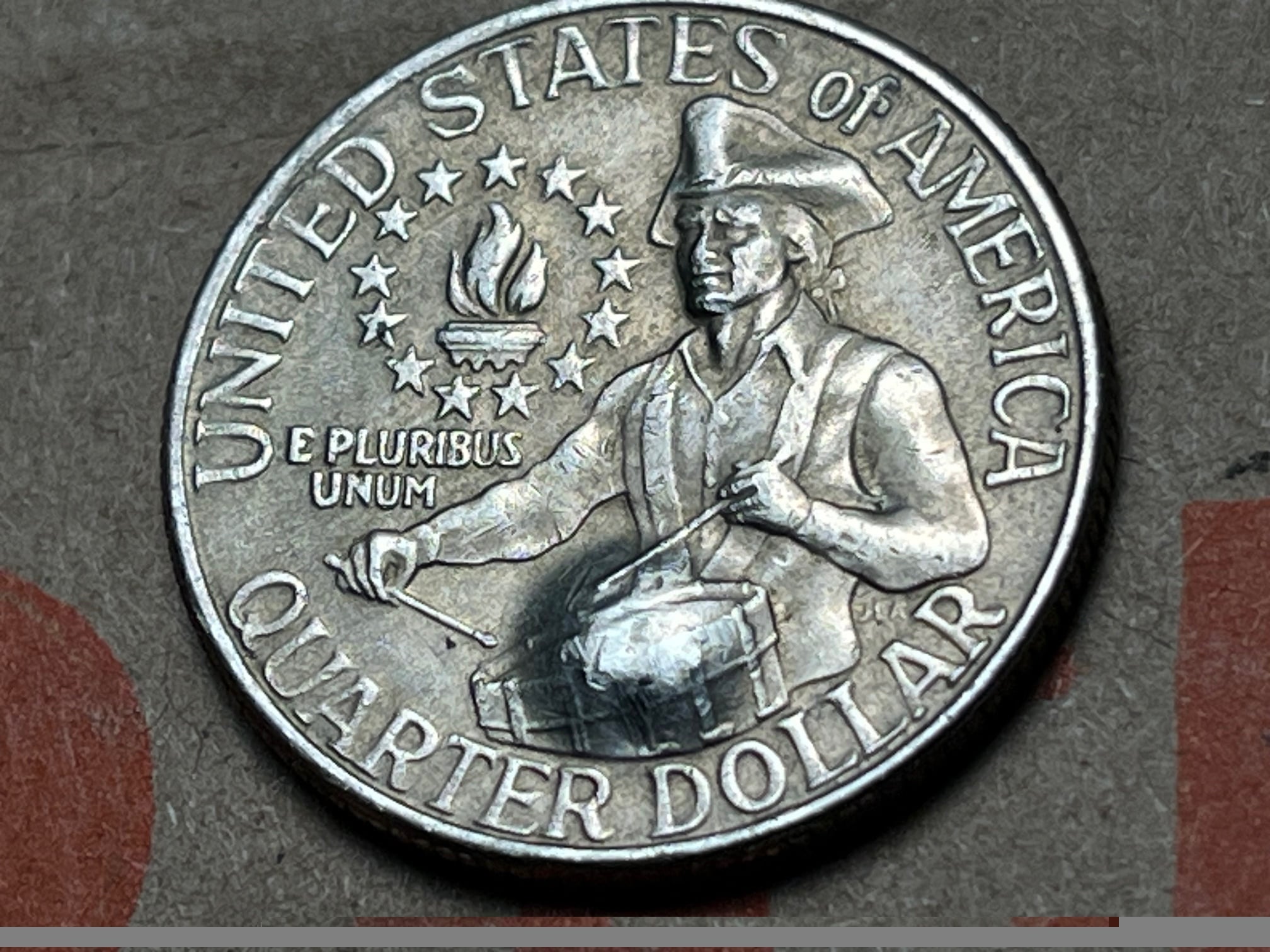
1976 Washington Quarter Heat Damage?
 USSID18
Posts: 919 ✭✭✭✭✭
I've seen discussions of this before.
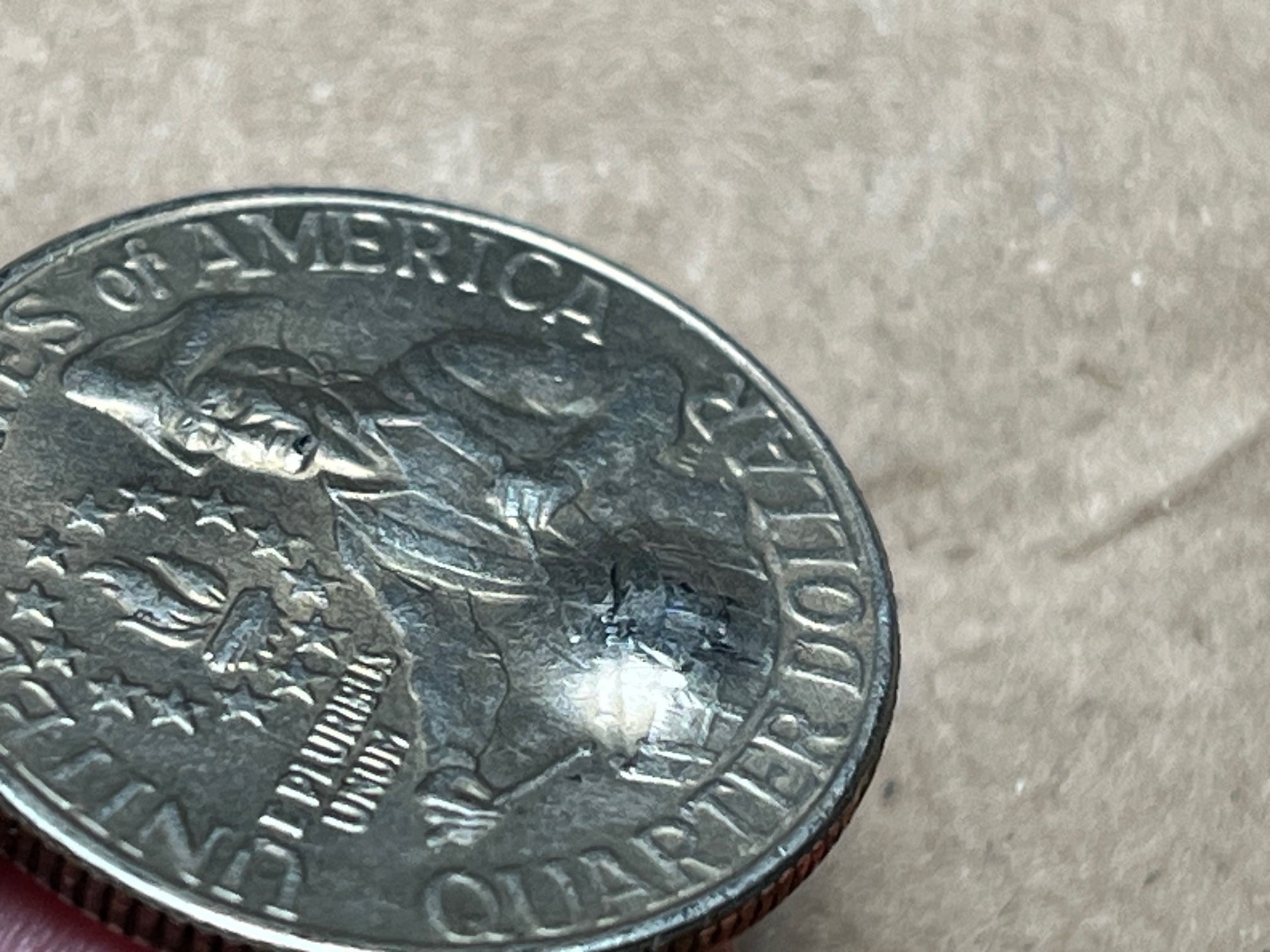
Other then the one bulge on the reverse, I see no indications or obvious evidence of heat or fire damage. If it's heat damage, what would the scientific cause be? Is there an air bubble on the inside clad that would expand the surface metal of the coin under heat or some kind of pressure? Or is the copper or metal inside the coin expanding from heat?
Disclaimer: I'm not a dealer, trader, grader, investor or professional numismatist. I'm just a hobbyist. (To protect me but mostly you! 🤣 ) "Formerly OAKSTAR with 8,777 posts"
2
Comments
It is heat damage. You are correct in your assessment, it is caused by heat expanding air
trapped between the copper core and the nickel cladding.
The root cause is indeed a "bubble" of gas expanding under heat, causing the surrounding metal to deform as the bubble swells.
These "heat bubbles" on clad coins do not form easily - which is why they don't always appear on clad coins that have been exposed to high heat. Cupronickel, in particular, does not readily deform at increased temperatures.
As to "where the bubble comes from", it could be a literal gas bubble creatd during the clad rolling, but it could also be caused by a small speck of something liquid (like machine oil) or solid (like dust) that gets trapped in between the layers during the manufacture of the clad metal sheets. This substance then boils or evaporates at the high temperatures of the finished fire, thus creating the high pressure conditions needed to blow up a bubble made of cupronickel.
The metal from which coins are made gets hot at several periods during its manufacture. To make sheets of coinage-laminate, they heat the central copper layer up to 500 deg C, with the cupronickel layers unheated, then roll all three layers together simultaneously. So whatever the "specks" might be, they do not evaporate or melt at that temperature. Coin blanks are also briefly annealed at temperatures around 870 deg C, so the fire presumably needed to be hotter and longer than this, too.
Roman emperor Marcus Aurelius, "Meditations"
Apparently I have been awarded the DPOTD twice.