Lost Wax Casting…..and the Yocum Dollar
 ambro51
Posts: 14,558 ✭✭✭✭✭
I’ve been reading “Blood Silver”, , which is a book on the Yocum dollar. Partly fiction, partly informational. It makes a few statements regarding the coins creation.. it says it about 10,000 were made which seems like an awful lot but they had a lot of silver to work with. Supposedly these were made by lost wax casting. They stated that wax impressions were repeatedly dipped into a slurry of clay and water, and then left to dry and dipped again and again until the coating had built up.. The wax iwas then melted out and molten silver poured in.. After the metal had cooled the clay was cracked off and the coin finished up. The book mentions one session when they cast 47. ••••They did find actual dies and made a lead impression.! Obviously you could press out wax. 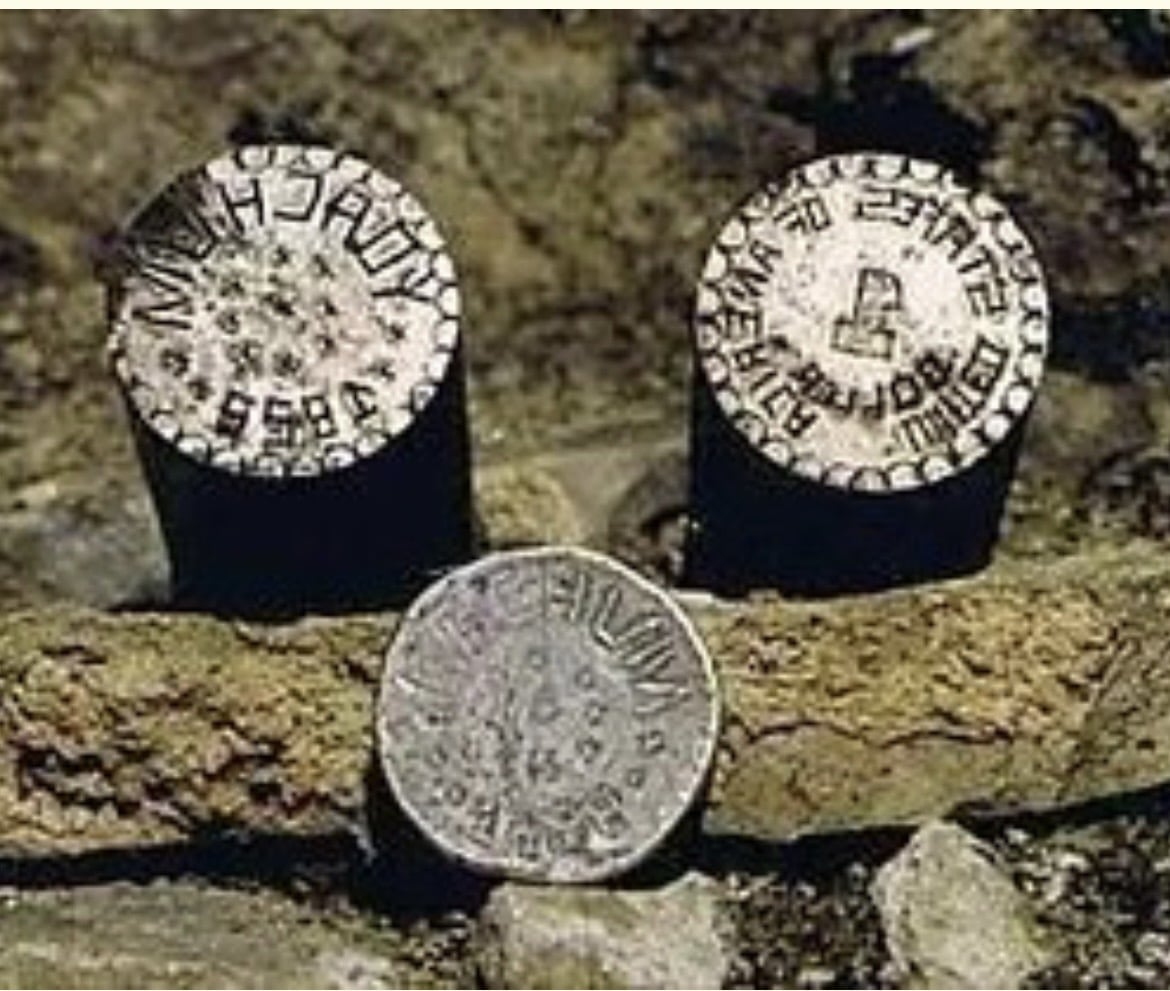 . So here’s the technique,
https://roman-coin-replicas.topicbarn.com/lost-wax-casting-roman-coins. Interesting eh? One can understand how easily this wax casting can be done, and have a high level of consistency in the finished product, No need for any type of machinery at all.
Comments
https://forums.collectors.com/discussion/313537/yoachum-dollar-or-yocum-information-desparately-saught#latest
Yes, thanks for reposting the old thread. What was not mentioned was the lost wax casting method. I know the “experts” doubt every speck of ALL this, but I never never doubt old folk tales.
When the dies were found, there was wax with/on them. Reference: “”””””Details on the Yocum Dollar Dies
The discovery of the Yocum Dollar dies is significant for numismatic history.
Discovery Date — The dies were found on March 11, 1983, by J.R. Blunk while digging near the Yoachum settlement.
Preservation Method — They were encased in a waxy substance that protected them from corrosion for over 150 years.
Manufacturing Evidence — The dies showed signs of hand-hammering, indicating they were not produced using professional minting techniques.
Historical Significance — This find proved that the Yocum family likely struck silver coins in the Ozarks during the early 1800s.****
How do you "prove" a "likelihood?"
But these aren't old folk tales, these are new folk tales
Still could be a fun subject for historical fiction!