A 1966 Lincoln conservation experiment
 Ronsanderson
Posts: 376 ✭✭✭✭✭
Ronsanderson
Posts: 376 ✭✭✭✭✭
Perhaps you all remember the July thread on 1966 Lincolns. It did ramble on for a while, but it inspired me to try something for myself. I invested $10 to buy a (sort-of) high-end 1966 through eBay.
I wanted to see if the dirty marks on most of the coins were really just dirt, and whether it could be removed. If so, perhaps there would be more of these coins recoverable for collecting. If not, then, yeah, many of these are so ugly as to be uncollectible.
This is the coin as pictured by the seller. (Thanks to the seller for the excellent photos.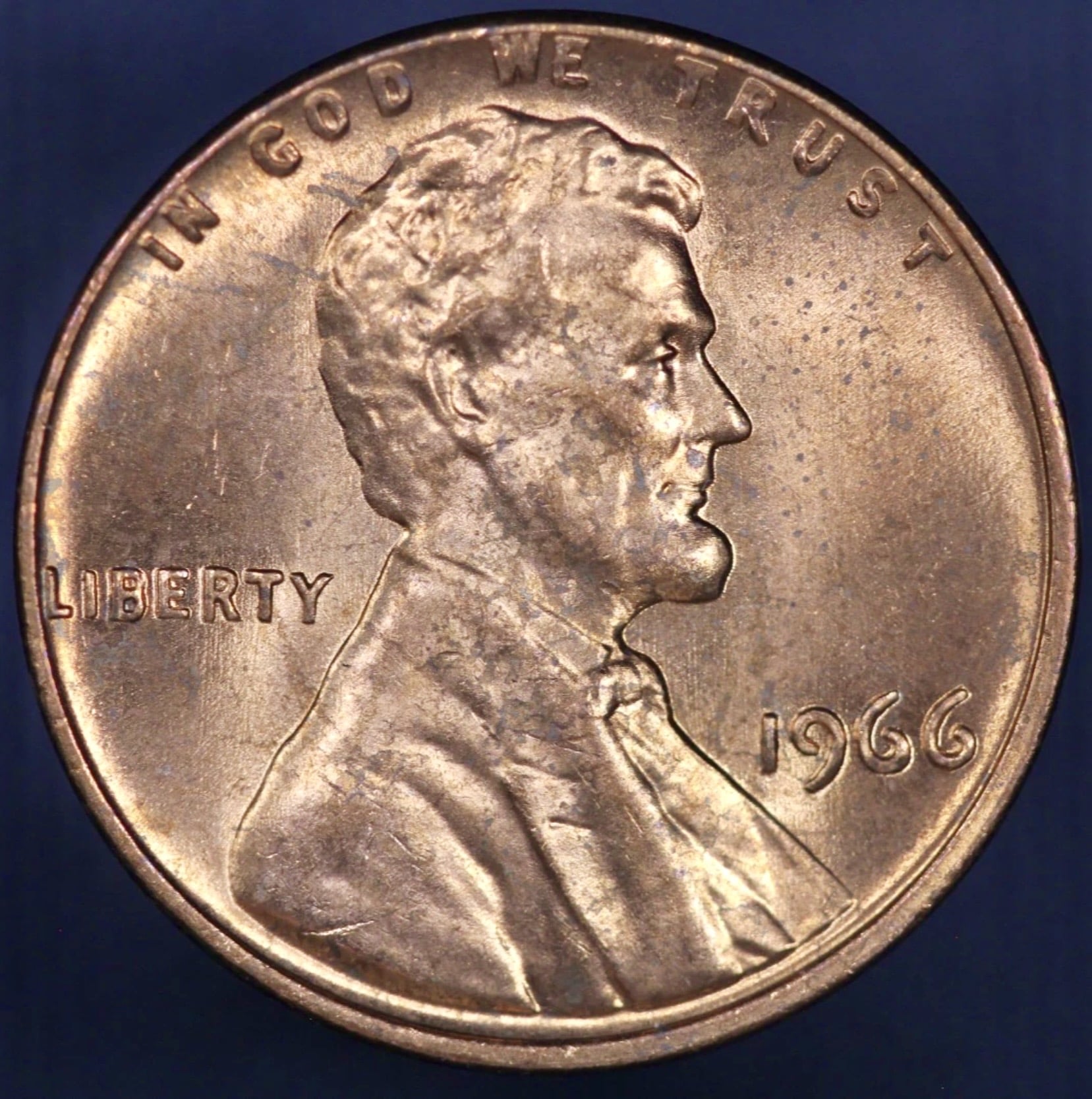
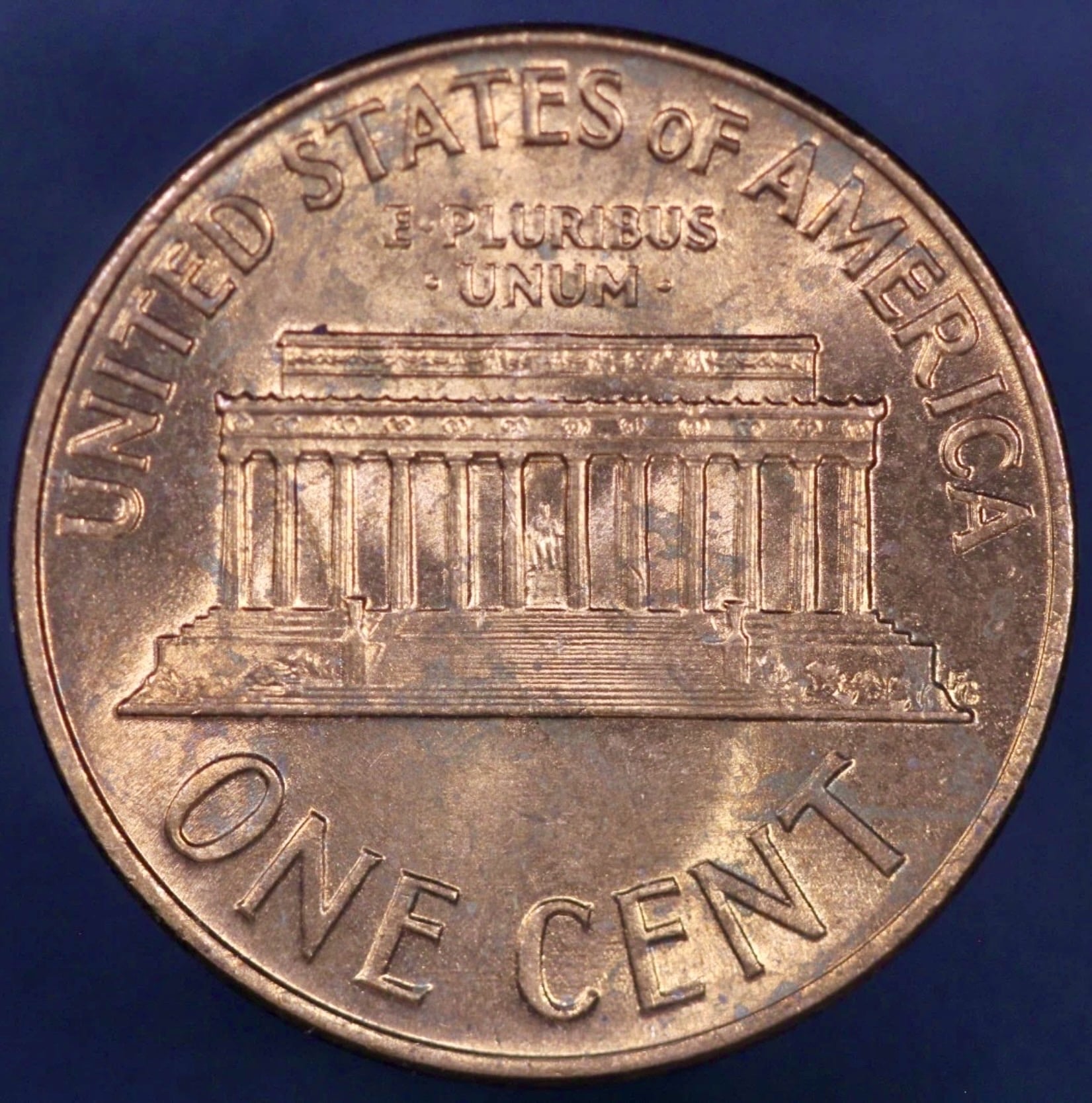
As you can see, the reverse looks actually muddy, as if dirty water was used to rinse it, or if it were splashed by some dirt later. Surely this would just rinse right off…
I set to work with the standard regimen. I soaked it in distilled water and swished it around vigorously. Then I dried it and soaked it in acetone. The cotton on a Q-Tip was pulled loose, and that was used to swish over the surface while submerged in acetone. Then I did the same thing with xylene. Then I repeated the process all over again. Then I soaked it in pure acetone for a few days more.
If anything was going to come off, it should have done so by then.
Here are the results.
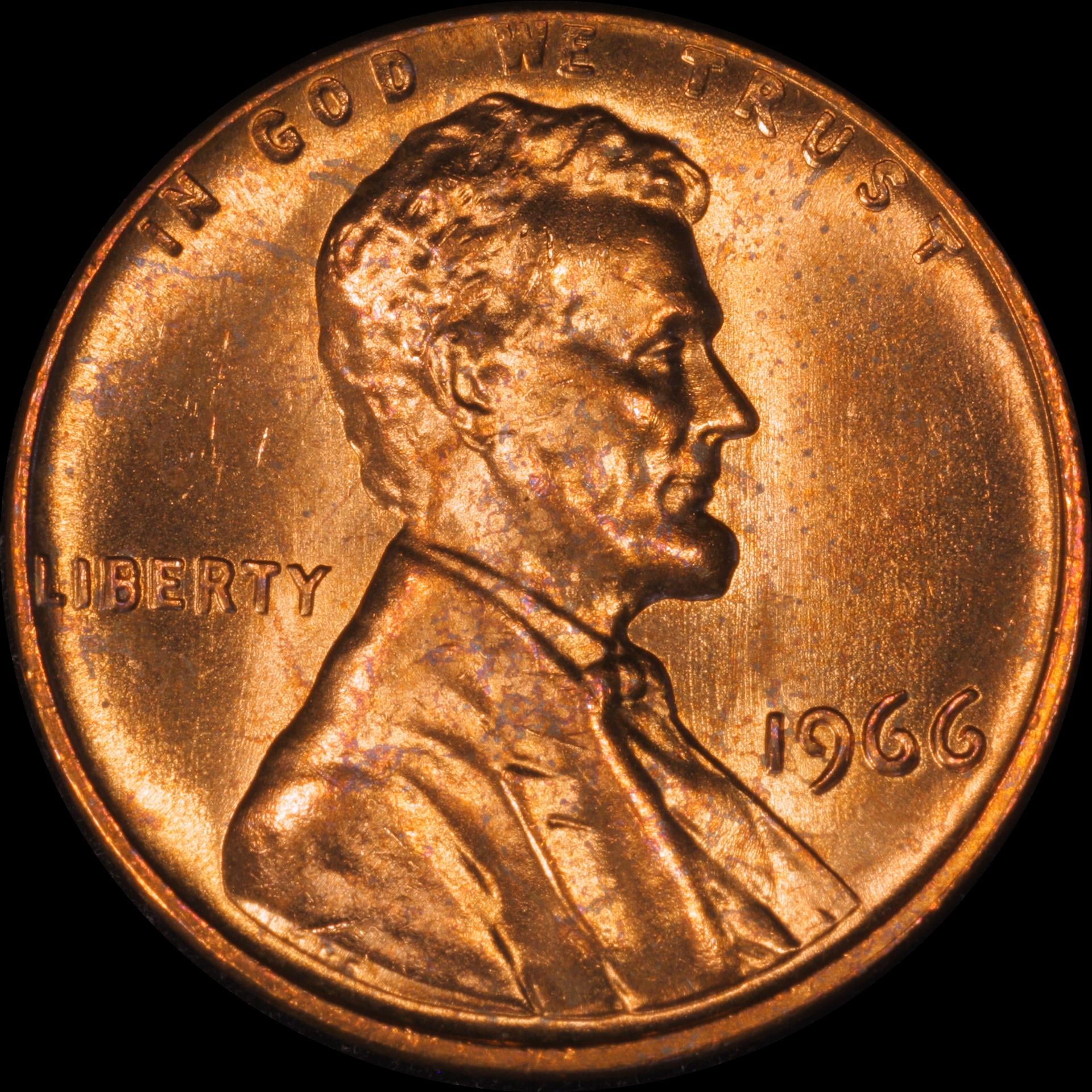
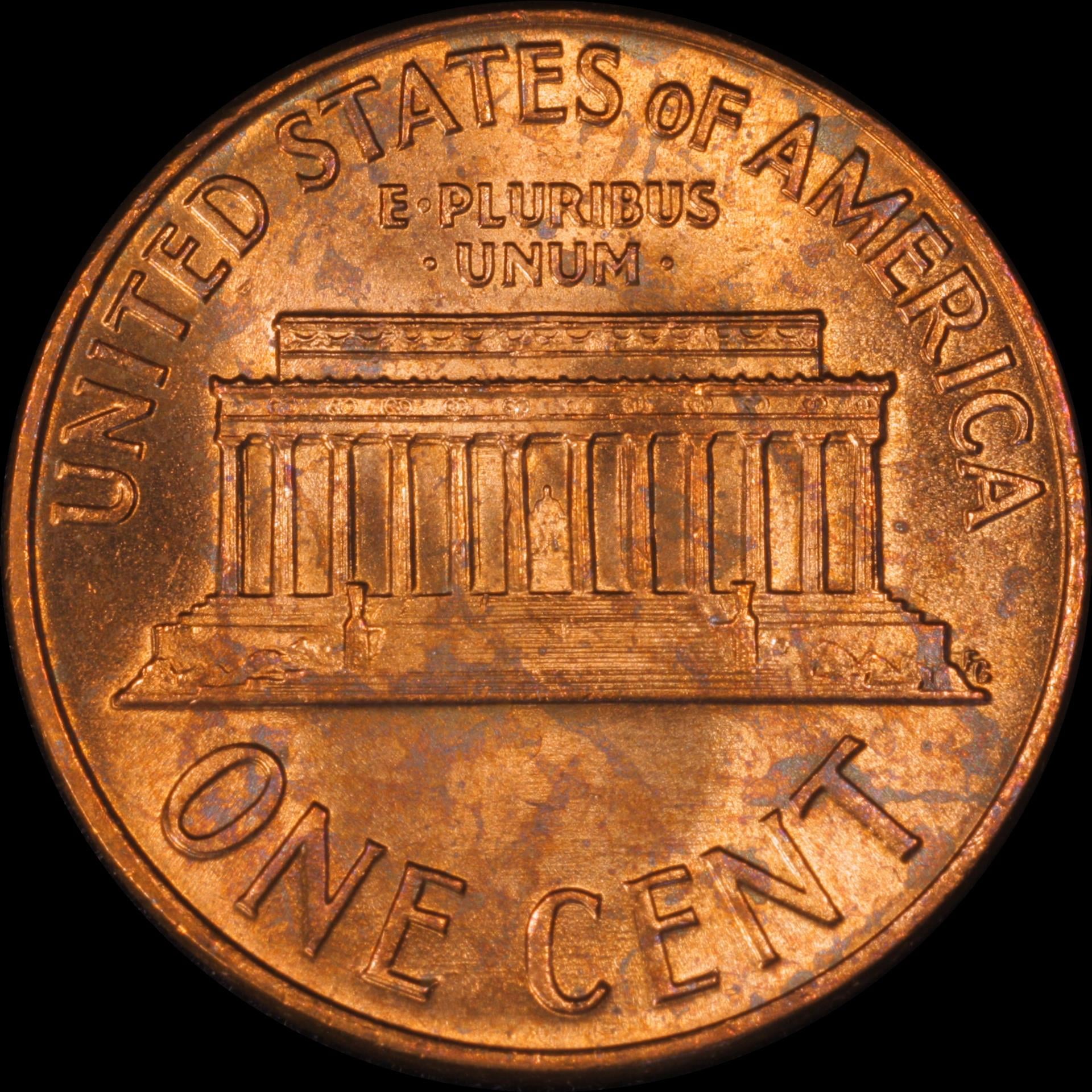
Every mark on the dealer’s photo is still there in my “after” photos. Well, except for a tiny bit of crud over the Lincoln Memorial.
The experiment does support one aspect of the long discussion. These coins are not great. I suspect that the planchets were rinsed in a solution that was not cleaned often enough, and that the dirty residue was stamped right into the copper during minting. (I based this on a similar explanation I saw for milk spots on ASE’s. Appreciated that insight.)
If so, it is there for good. If they were made crummy, they aren’t going to ever be better.
Comments
While I feel that “staining” is more evocative than “toning”, there might not be any difference between the two. But to my unpracticed eye, it sure looks like something got on the coin and discolored the copper. When I think of toning I think of a broader and more even deposition that builds gradually, probably over years.
I don’t know that this distinction holds any meaning among any other collectors. The underlying chemistry is probably identical. And perhaps there is an underlying alloy mix that speeded up the toning to create the flow-like patterns we see.
Since this thread is intended to be about the reasons the coins may be junk, and not about scarcity or value, any speculation is welcome.
Great thread.
Those dark spots and staining never come off. The professionals can mitigate almost any tarnish (even carbon spots) but they aren't entirely removable. The coin is badly centered and there's almost no differentiation between the top of the "We" and the rim. If the luster were broken the coin would technically be AG because the letter is worn into the rim. This is quite typical on all 1966 coinage. The penny is actually better made than other denominations but still poor.
The reverse is well made and gemmy.
It also has a lot of marking on the obverse. This coin was an MS-63 when it left the mint but the staining makes it a white elephant TTBOMK.
What people don't realize is that it's not hard to open up ten rolls of pristine '66 cents and not find one better but finding ten pristine rolls is a herculean feat in itself. It's not easy to find one bad roll anywhere but online. People don't have this kind of coin because they were not saved. Your corner coin shop won't even have a single of this date.
I had the gemmiest rolls I could find over the last 60 years and only two out of three even graded chBU.
Did anyone catch what those 18 Gems went for? I wasn't there at the end so I missed it.
I don't know. I do know some dates are more or less resistant to tarnish only some coins in a roll tarnish many times. The coins leave the mint with different propensities to tarnish and this is variable between dates. The '66 isn't that bad for tarnish but the '78 is. The '68 and '84-D get carbon spots. '68 dimes turn ugly and many can't be fixed. Lots of moderns are tough in Gem and even in chBU but it isn't known because they aren't collected.
You couldn't give away '66 SMS rolls but all of a sudden I'm seeing high prices on all kinds of stuff people think is common. The '66 SMS cents are almost all Gem (60%) and many don't even look SMS.
@cladking
Did anyone catch what those 18 Gems went for? I wasn't there at the end so I missed it.
The 18 coin lot sold for 348.75
19.38 per coin