Options
Was this caused by grease or being struck more than once?
 Stillookin
Posts: 15 ✭
Stillookin
Posts: 15 ✭
I am still working to understand the mechanics involved. To produce a coin that looks like this nickel. I have read much on this subject and while looking at the example coin being used. The explanation makes perfect sense at the time. But enter another coin similar and I lose the plot again. I thought this nickel might be a good example to get some of y'all's!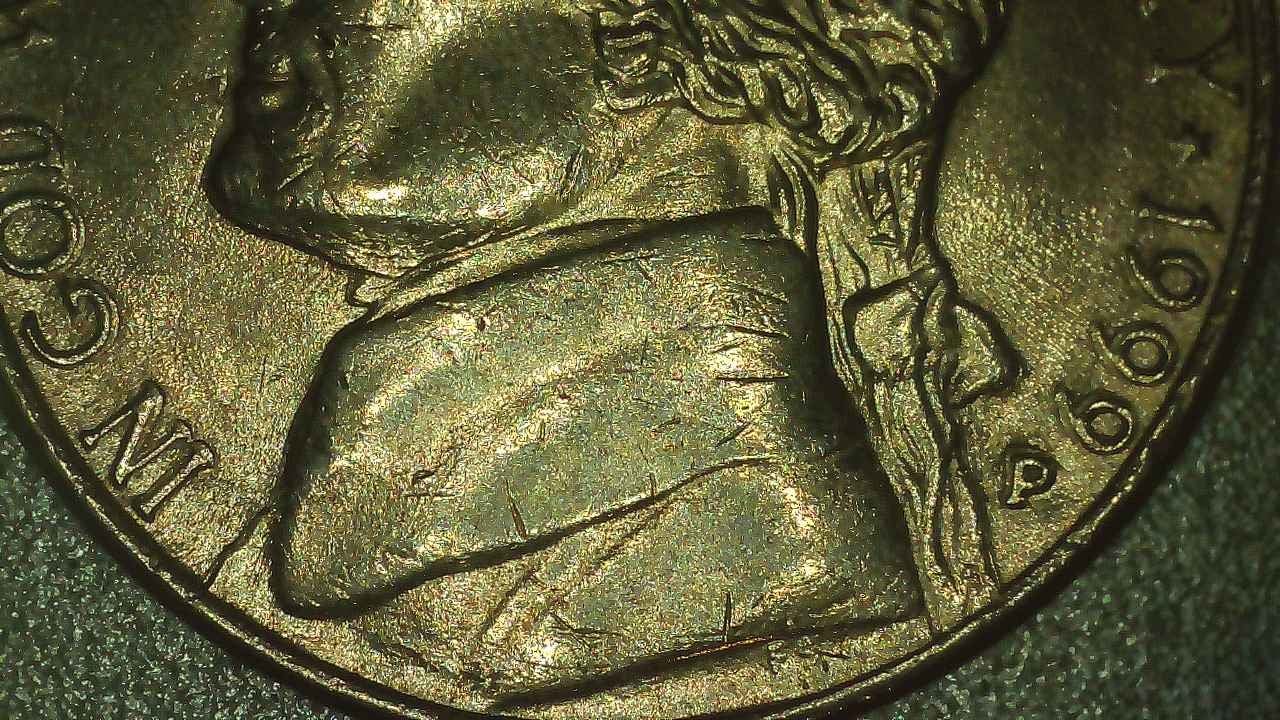
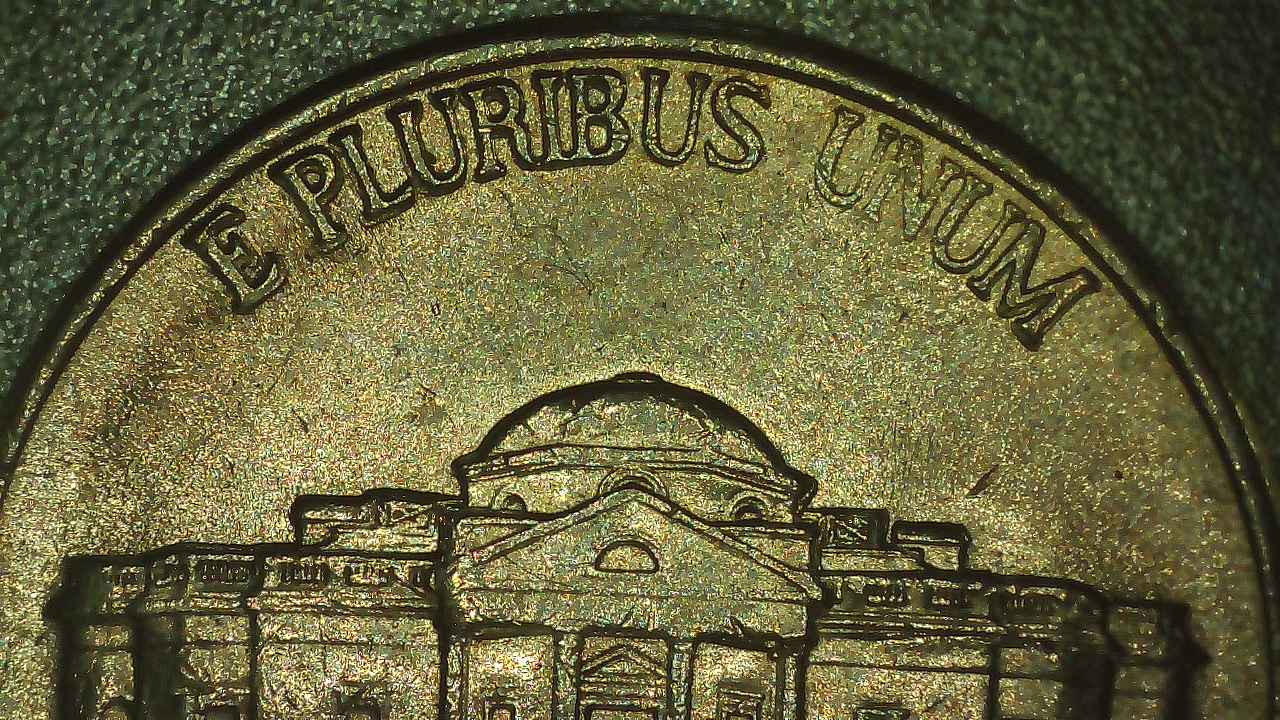
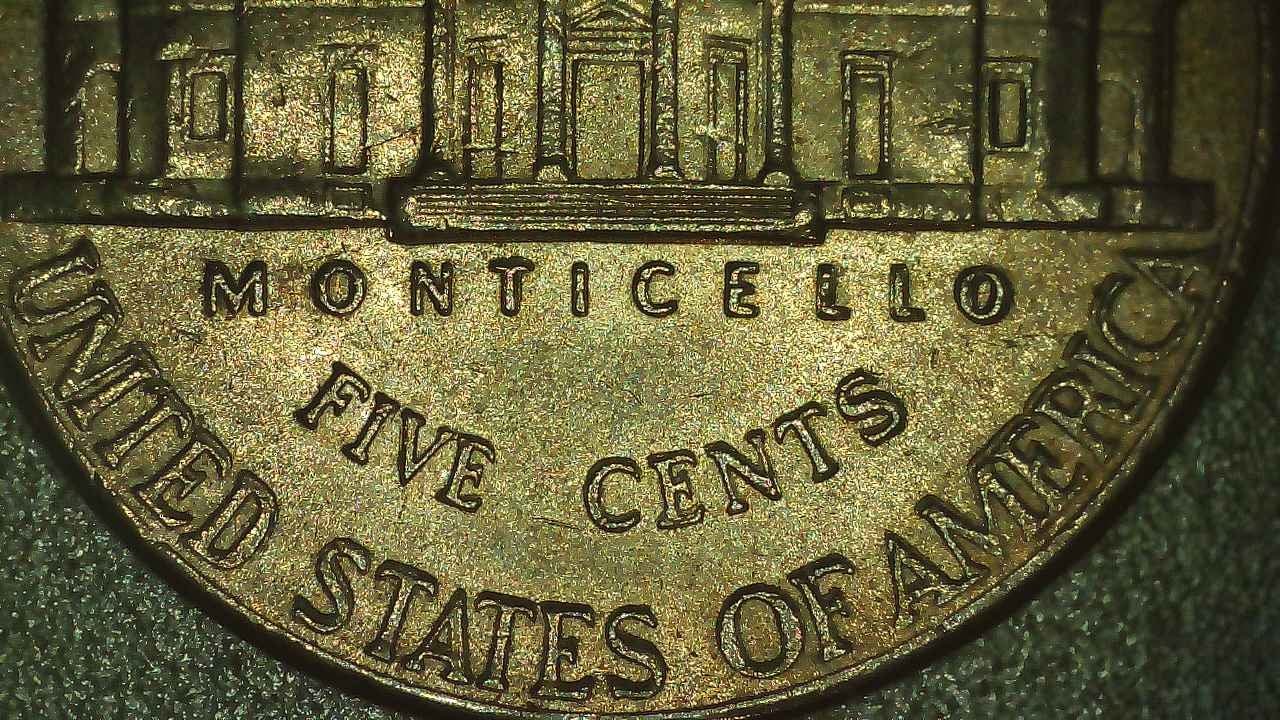
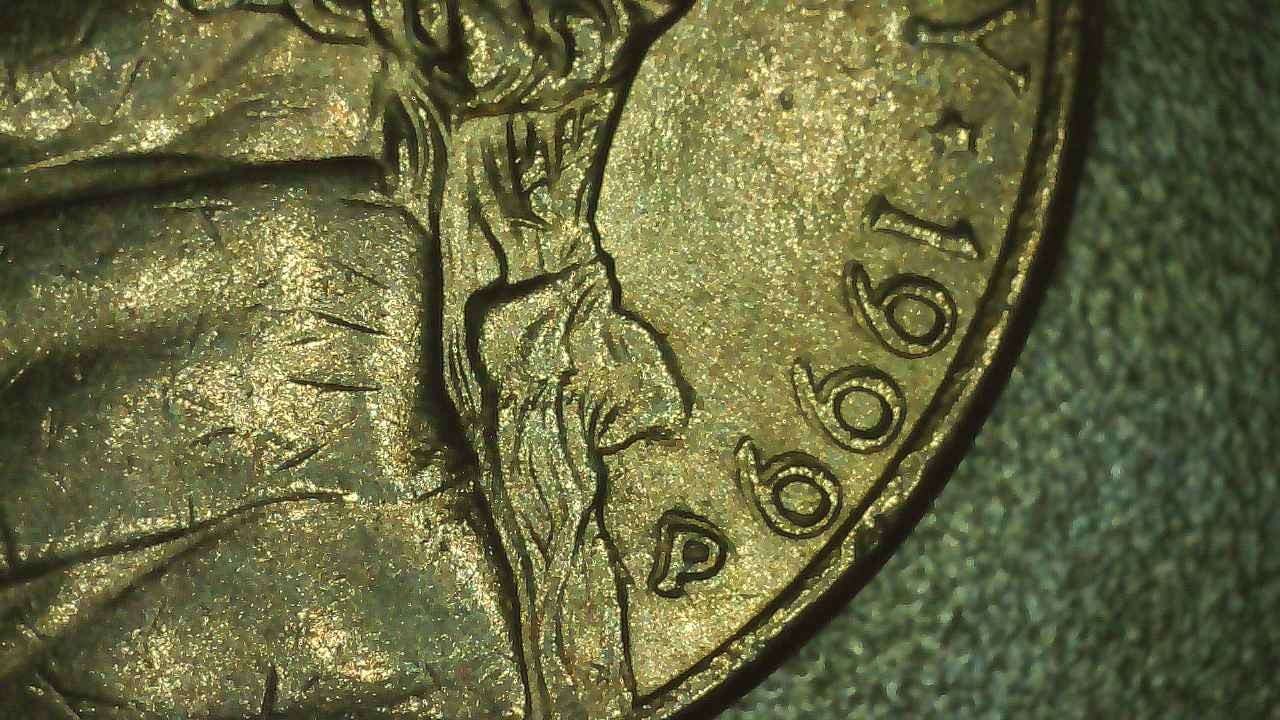
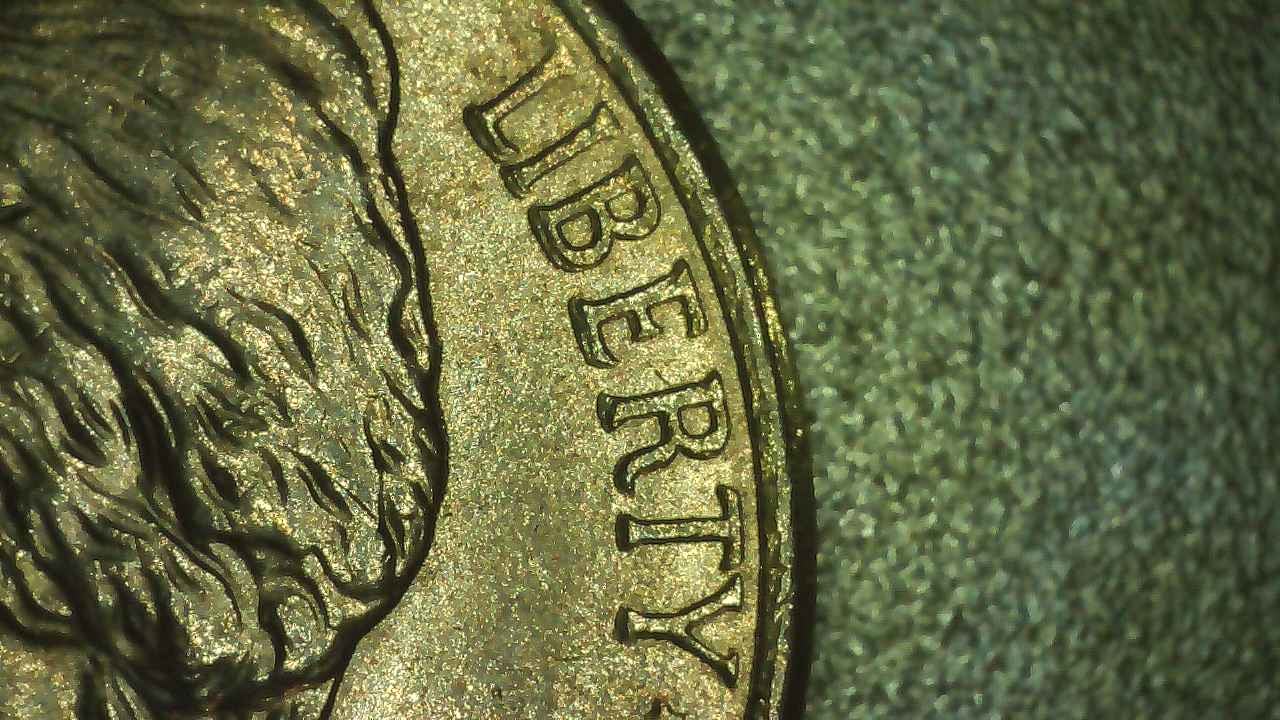
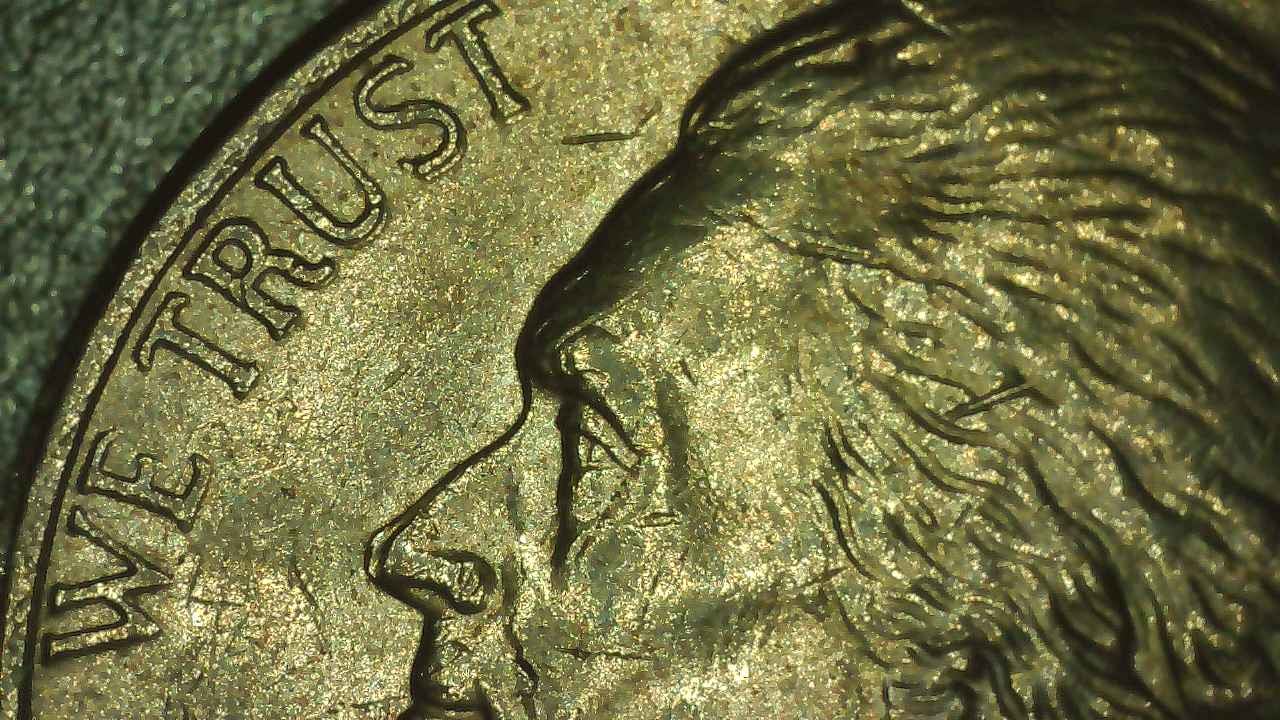
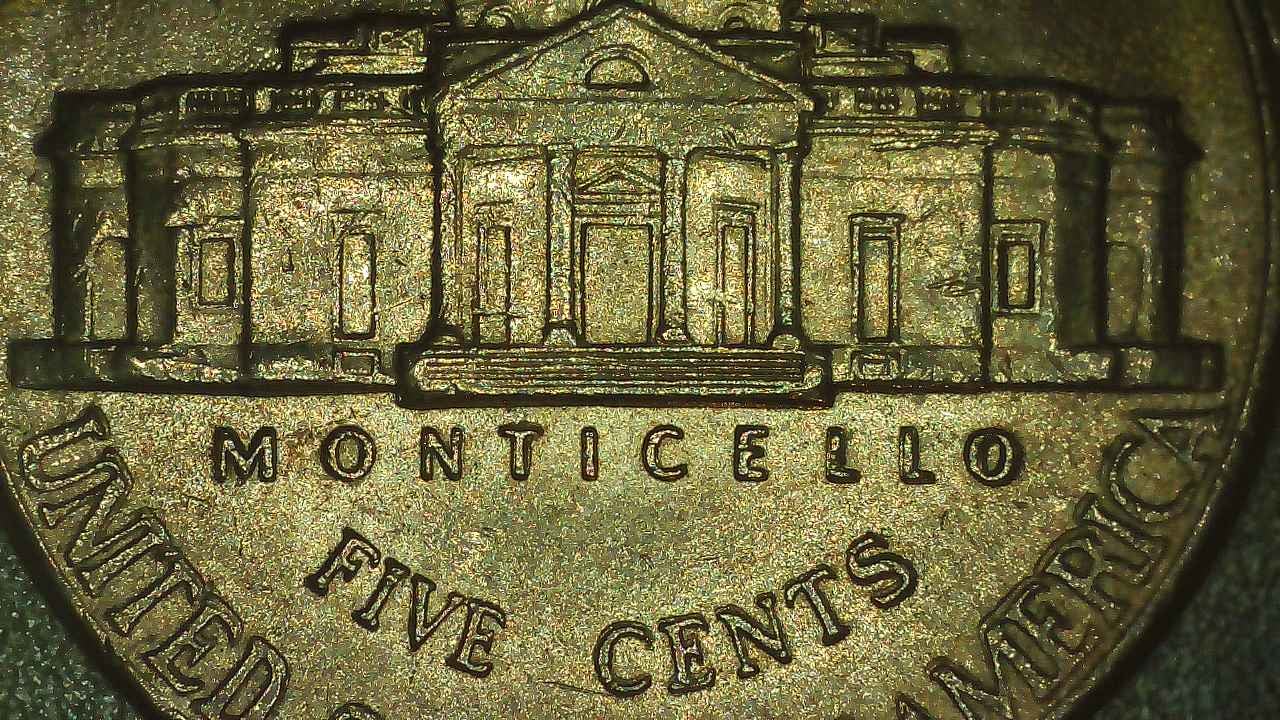
input. Thanks

0
Comments
Looks like md (machine doubling) i dont think there's much if any value
Machine doubling or die deterioration doubling.
Absolutely nothing to do with grease
All comments reflect the opinion of the author, even when irrefutably accurate.
Nice steps for a circulated nickel.
common machine doubling
Not from grease, not struck more than once, not mechanical/machine doubling, just simple die deterioration.
My Collection of Old Holders
Never a slave to one plastic brand will I ever be.
Thanks again all of you for posting. It always helps when the reply post doesn't differ wildly from each other. Something this site provides that most other coin discussion groups sorely lack. I do have a much better idea now of what terminology best suites this coin's features. Still confusing, but on a much smaller scale now.
Strike doubling - common for high-mintage modern coins.
Official PCGS account of:
www.TallahasseeCoinClub.com