Options
Clipped regulated gold
 MrEureka
Posts: 24,791 ✭✭✭✭✭
MrEureka
Posts: 24,791 ✭✭✭✭✭
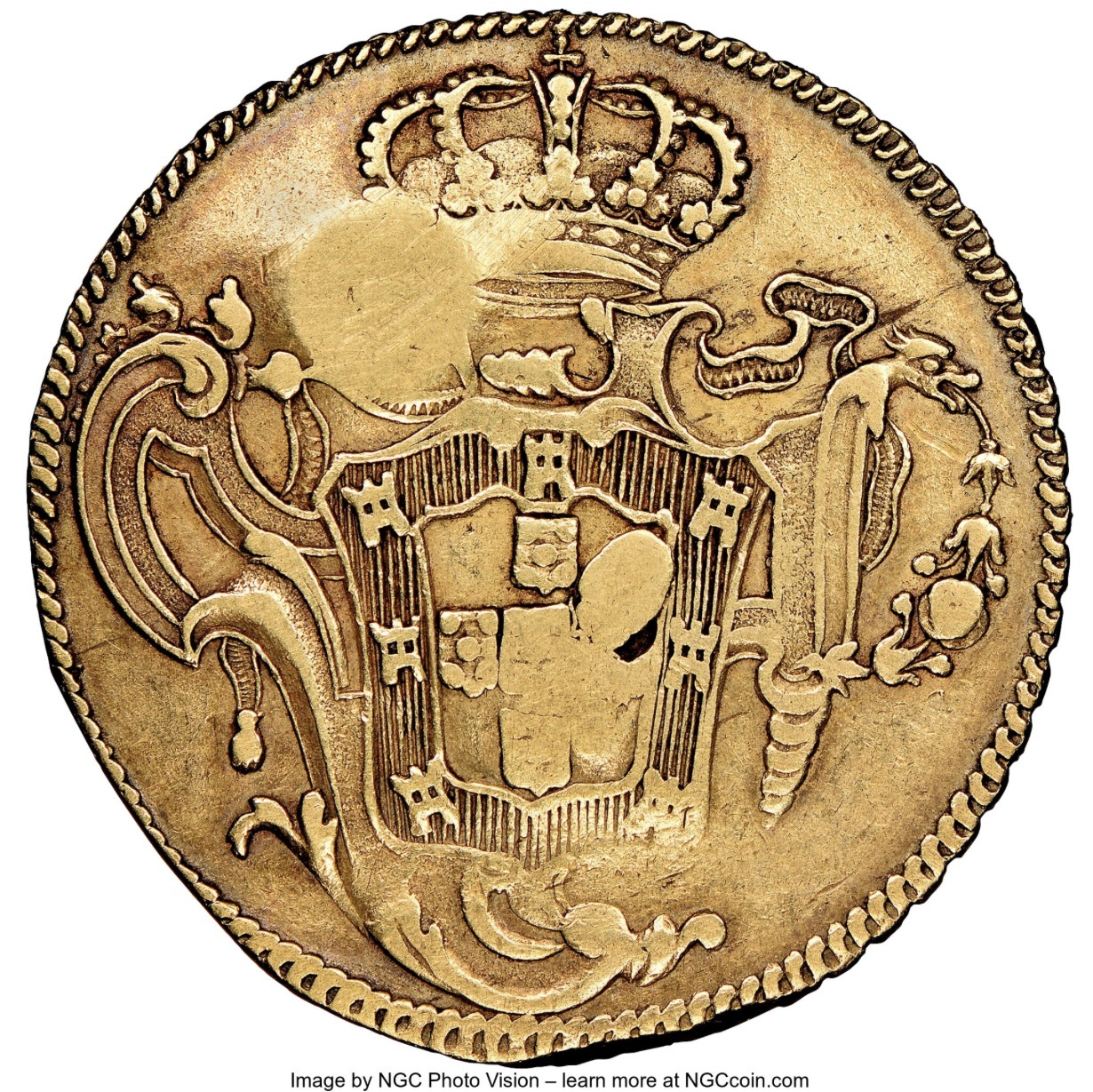
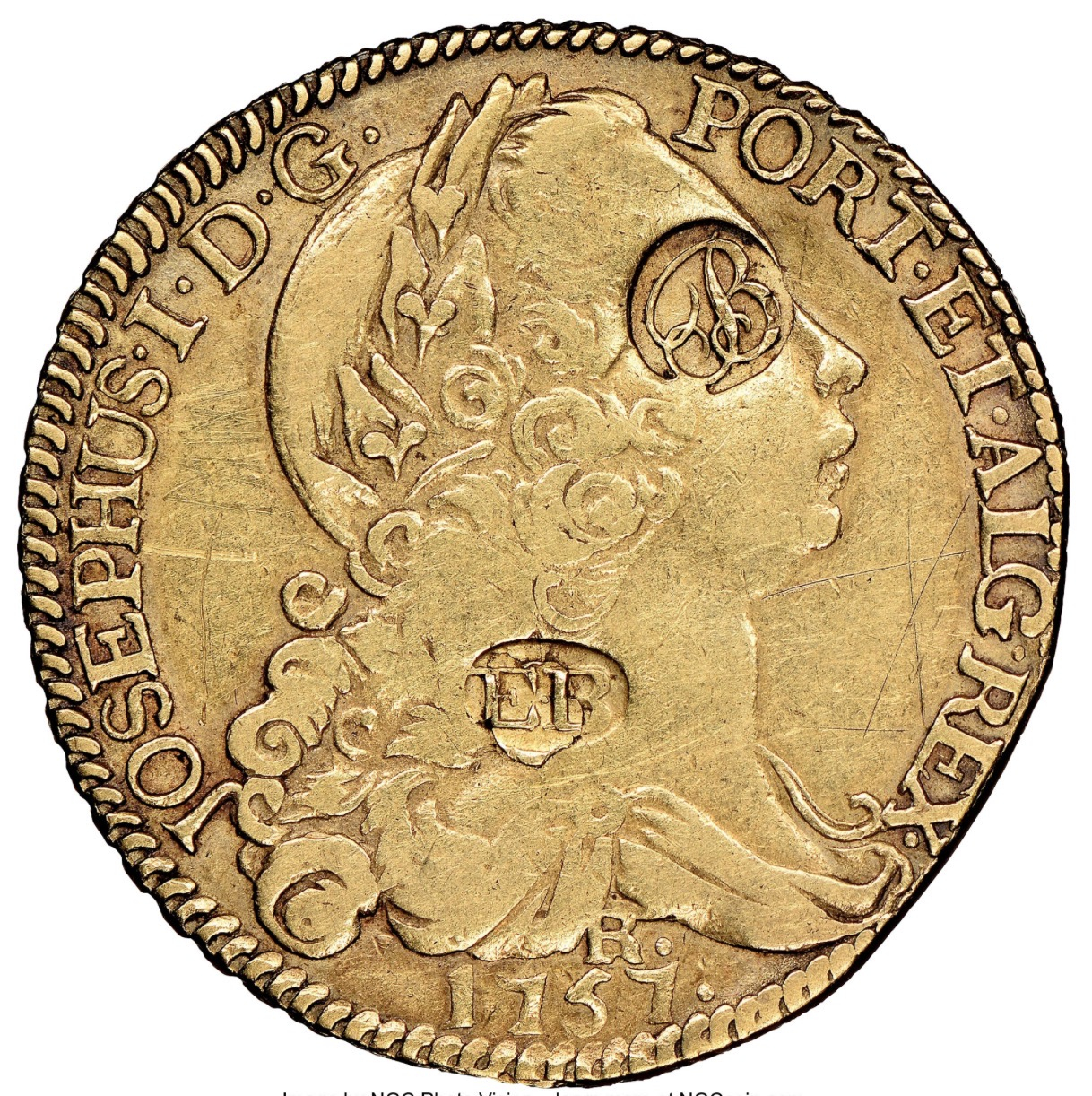
In the late 18th century, it was not uncommon for American jeweler’s to regulate foreign gold (and occasionally silver) coins. This was done by clipping and/or plugging coins to bring them to the local standard, and sometimes countermarking them to instill further confidence in the coins. What I don’t understand is how any of this prevented unscrupulous individuals from clipping a coin that had been previously regulated. I know it’s a long shot, but has anyone here stumbled on any contemporary accounts of this being a problem?
Andy Lustig
Doggedly collecting coins of the Central American Republic.
Visit the Society of US Pattern Collectors at USPatterns.com.
Doggedly collecting coins of the Central American Republic.
Visit the Society of US Pattern Collectors at USPatterns.com.
4
Comments
My guess is that merchants receiving a coin like this would still weigh it, but the countermarks might help with assurance that it was not counterfeit or alloyed.
Then later, weren’t a bunch of these faked for collectors?
Every precious metal coin could presume to have been within legal weight tolerances the day it left the Mint, but the next day it might have been tampered with. The same applied to regulated coins.
With regular issue coins, clipping would be obvious and a red flag, With regulated coins, clipping would be just as obvious, but would not necessarily raise suspicions. The image in the OP is a good example of that.
Doggedly collecting coins of the Central American Republic.
Visit the Society of US Pattern Collectors at USPatterns.com.
I agree that merchants would weigh some coins, if not everything. But regulated coins of differing purity would have been regulated to different weights, which complicated things.
Doggedly collecting coins of the Central American Republic.
Visit the Society of US Pattern Collectors at USPatterns.com.
Interesting question. One of my favorite things about early US issues (any many other coins of the day) is that no one thought it necessary to put denominations on them. The thing itself was the thing, not a representation of a different thing. Gold was gold, silver was silver, copper was copper, and nothing else was money.
This little factoid amazes non-numismatic people when they hear it. I’m guessing the whole clipping and sweating idea was more prevalent when the face denomination started to differ a bit from the intrinsic value. I imagine widespread acceptance of the face value of the coin developed gradually.
So was that clipping done before or after the "regulation?"
It could be before, after, or both. You would need to weigh it. If the weight is proper, the clipping occurred before it was regulated to bring it up to the proper weight. If it's light, it was clipped again after it was regulated.
Worry is the interest you pay on a debt you may not owe.
"Paper money eventually returns to its intrinsic value---zero."----Voltaire
"Everything you say should be true, but not everything true should be said."----Voltaire
Merchants and bankers would have to know the purity of the piece to calculate the correct weight. The information was available, of course. Still a pain.
And to complicate things for collectors today, if you find a clipped regulated piece that is lightweight, you will then need to determine if it was clipped by an unscrupulous person, or if it was re-regulated to a different standard.
Doggedly collecting coins of the Central American Republic.
Visit the Society of US Pattern Collectors at USPatterns.com.
The plugged nature is news to me, not everyday I learn something about coins even though I try. Thank you. Def the deep end of the pool I wish I could swim in
11.5$ Southern Dollars, The little “Big Easy” set