Options
Earliest Dated Coin
 MWallace
Posts: 4,684 ✭✭✭✭✭
MWallace
Posts: 4,684 ✭✭✭✭✭
What is the earliest dated coin (with an actual date on the coin)?
1
Comments
Depends on the definition: The earliest known dated coin is a silver tetradrachm from Zankle (modern-day Messina, Sicily), struck around 494 BC. It is identified by the letter 'A' (alpha), representing "year 1”
I'm BACK!!! Used to be Billet7 on the old forum.
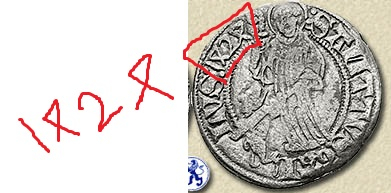
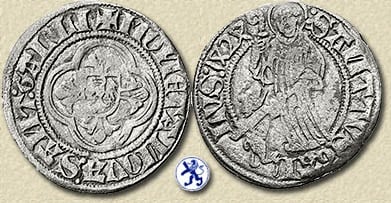
The earliest known coin dated with Western Arabic numerals (the modern digits 0-9) is generally considered to be a 1424 St. Gallen Plappart. While medieval Islamic coinage used Arabic script to denote the Anno Hegirae (AH) date, European coinage began using Western Arabic numerals for the Gregorian calendar In 1424.
(Images from Cointalk)
I'm BACK!!! Used to be Billet7 on the old forum.
As noted above, it depends on what you mean by "actual date".
The coins from Zankle are the oldest coins with symbols on them which we believe are date-numerals, where "Year 1" is the year of occupation of the city of Zankle by the Samians. These coins are found with the letters alpha, beta, gamma and delta (as well as examnples without letters), which correspond to the Greek numerals 1, 2, 3 and 4. It is presumed that these letters are meant to be interpreted as numbers, and these numbers are presumed to indicate years in the Occupation Calendar and the Samians were kicked out after being there for four years. As you can see, there's a lot of presumptions there, but the circumstantial evidence is strong.
If by "actual date" you mean a year-number referring to some kind of calendar system, then the coins of the Seleucid Empire which are dated by the Seleucid Era calendar (years since the conquest of Babylon in 312 BC by the dynasty's founder Seleucus I). I believe the oldest such coins were made under king Demetrios I in Year 158 of the Seleucid Era (155 BC). Example. Of course, again the date is in Greek numerals, at the bottom of the reverse: HNP (eta-nu-rho), where H is 8, N is 50 and P is 100.
If by "actual date" you mean the AD calendar, that honour goes to the famous coins of the city of Roskilde, Denmark, in AD 1234. The mint officials there were so enamoured with the numerological significance of that year that it became the entire legend of the coin: "ANNO DOMINI" on the obverse, and "MCCXXXIIII" on the reverse. Example.
If by "actual date" you mean a date in the AD calendar written in modern (or modern-ish) Western numerals, then the St Gallen coin of 1424 posted by SimonW is the answer. Though you'll notice the "4" hasn't quite evolved into it's modern shape, being set at a 45 degree angle making it look kind of like a memorial ribbon.
Roman emperor Marcus Aurelius, "Meditations"
Apparently I have been awarded the DPOTD twice.
Where do the Eid Mar coins fall in this regard?
Custom album maker and numismatic photographer.
Need a personalized album made? Design it on the website below and I'll build it for you.
https://www.donahuenumismatics.com/.
Not the earliest dated coin, but my earliest dated coin ...
1501 Brandenburg Groschen
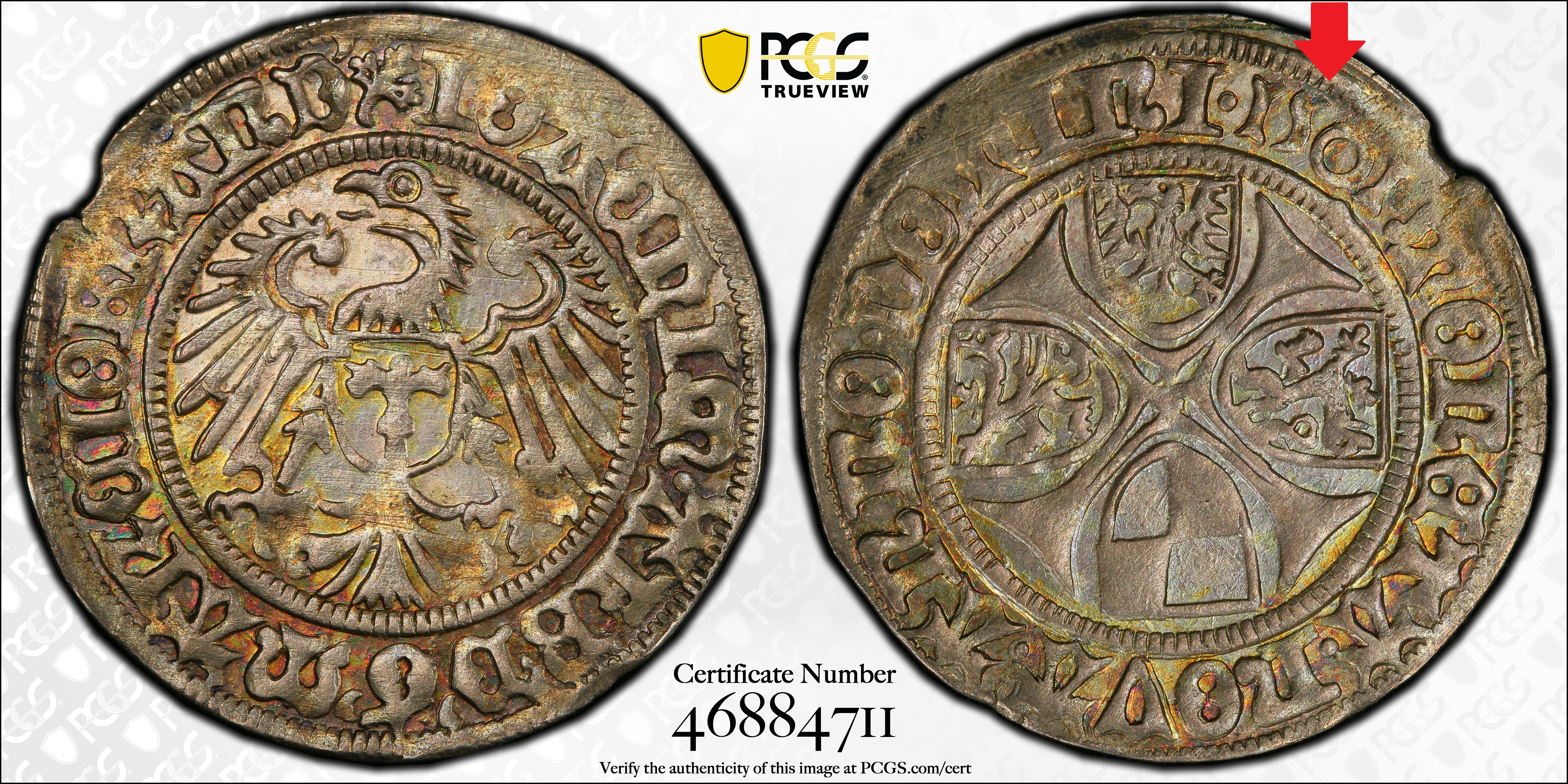
My World Coin Type Set
The EID MAR coins bear a day and month (15th March) but not a year - though of course we know from archaeological and historical context that they must have been struck shortly after the assassination took place, in 43-42 BC, before the assassination became too politically incorrect to boast about on the coinage.
Ancient Roman coins for the most part did not bear dates. This in part explains why it took so long for AD dates to appear on coins - routinely putting the date on a coin simply wasn't part of the numismatic tradition that Western Europe inherited from the Romans.
Rather than numbering their years, the Romans instead evolved a tradition of naming the year after the Consuls who served one-year terms during that year; for example, "the year of Q. Servilius Caepio and C. Atilius Serranus" would equate to what we call 109 BC. Coins of the Roman Republic period don't normally name the consuls but do often include the name of the magistrate in charge of the mint when that coin was struck; as this office-holder also changed hands every calendar year, we can quite easily correlate these magistrate-names on such coins to an AD date-equivalent.
Many Roman Provincial coins, especially those struck in the Eastern provinces, include the regnal year of the emperor on them. And some Roman Imperial coins can be narrowed down to a specific date-window based on the various inscriptions and titles given to the emperor on the coin. But other than that, dates on Roman coins are almost nonexistent. The Romans did have a calendar called Ab Urbe Condita (AUC), in which year 1 was the mostly-mythical founding of Rome by Romulus in 753 BC, but this calendar does not seem to have actually been used much as it almost never appears in either surviving Roman records or on coins, with less than a dozen coin types depicting an AUC date; the earliest such coin is a gold aureus of Hadrian, dated AUC 874 (AD 121). Example.
Roman emperor Marcus Aurelius, "Meditations"
Apparently I have been awarded the DPOTD twice.
Ancient Hebrew dates are by the year of the King and I believe that much of the early Fertile Cresent was the same.
This is my earliest dated coin. Produced by King Alfonso VIII with legends written in Arabic expressing Christian dogma. Starting in 1166 AD, these are likely to be the first coins minted on the European continent to have any date written in roman numerals, albeit written out in Arabic words rather than as numerals.
This type of coin is described at the medievalcoinage website: “Probably the earliest European dated coins of all are Spanish coins minted by Alfonso VIII in imitation of the Moorish coins whose issuers were slowly being driven out of the Iberian peninsula. They are dated using the contemporary Spanish or Caesar Era, sometimes referenced as the Es-Safar, calendar system used in Spain at the time which dates 38 BC as its year 1."
https://www.pcgs.com/setregistry/gold/liberty-head-2-1-gold-major-sets/liberty-head-2-1-gold-basic-set-circulation-strikes-1840-1907/publishedset/15628
March of Time - 27 Centuries in Gold
https://coins.www.collectors-society.com/WCM/CoinCustomSetView.aspx?s=36590
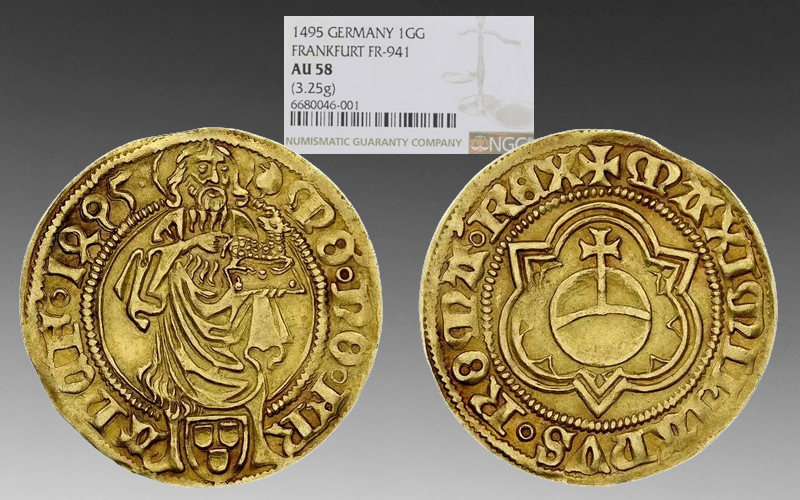
This is MY earliest AD-dated coin with an actual date in the legends. (Not my earliest closely dated coin overall, of course. I’ve got some Romans that can be dated within months or even weeks.)
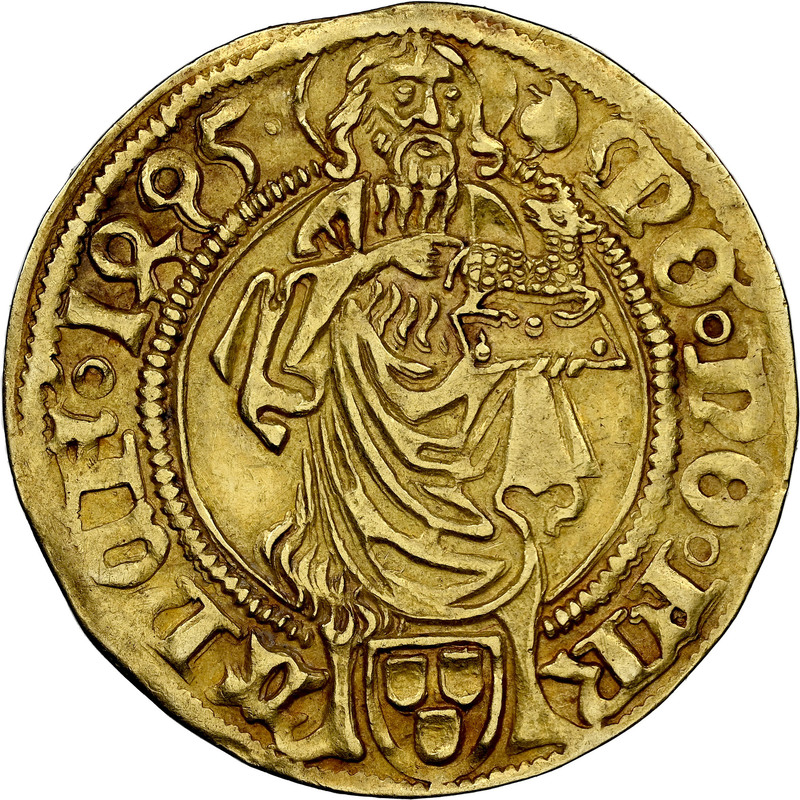
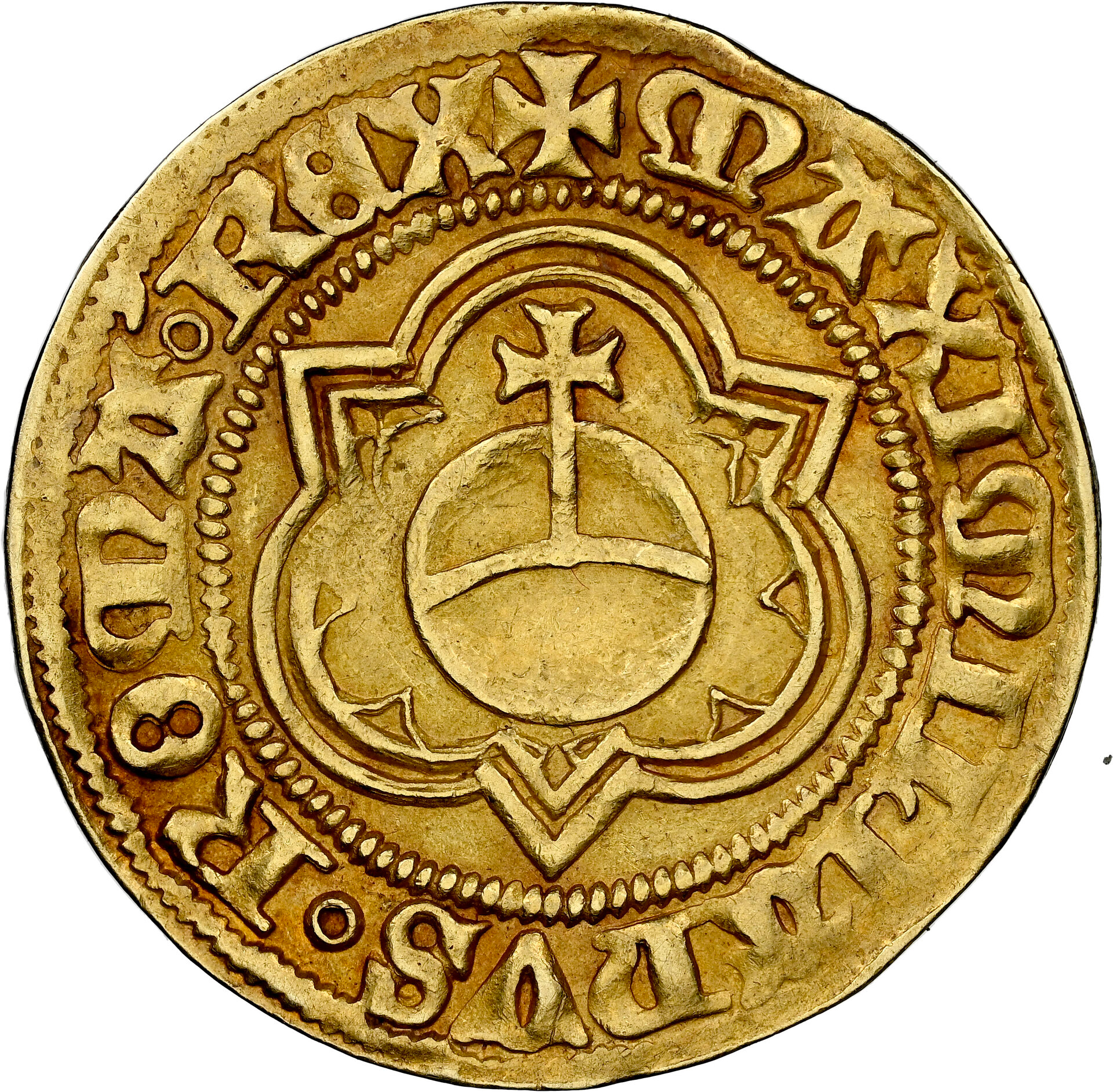
Collector since 1976. On the CU forums here since 2001.
Lordmarcovon, I have often admired your dated 15th century gold gulden whenever you have posted it. I am on the lookout for a similar one as my 15th Century coin. Should you ever upgrade it drop me a line.
https://www.pcgs.com/setregistry/gold/liberty-head-2-1-gold-major-sets/liberty-head-2-1-gold-basic-set-circulation-strikes-1840-1907/publishedset/15628
March of Time - 27 Centuries in Gold
https://coins.www.collectors-society.com/WCM/CoinCustomSetView.aspx?s=36590
@OnlyGoldIsMoney - thanks!
Collector since 1976. On the CU forums here since 2001.
I have quite a few ancient coins that give a date range, but my oldest coin with an actual date is dated 1556 (which happens to be 400 years before my birth year). This coin is what made me think of the question in the first place. What is the oldest dated coin with an actual 3 or 4 digit date on the coin.
This date is pretty early...
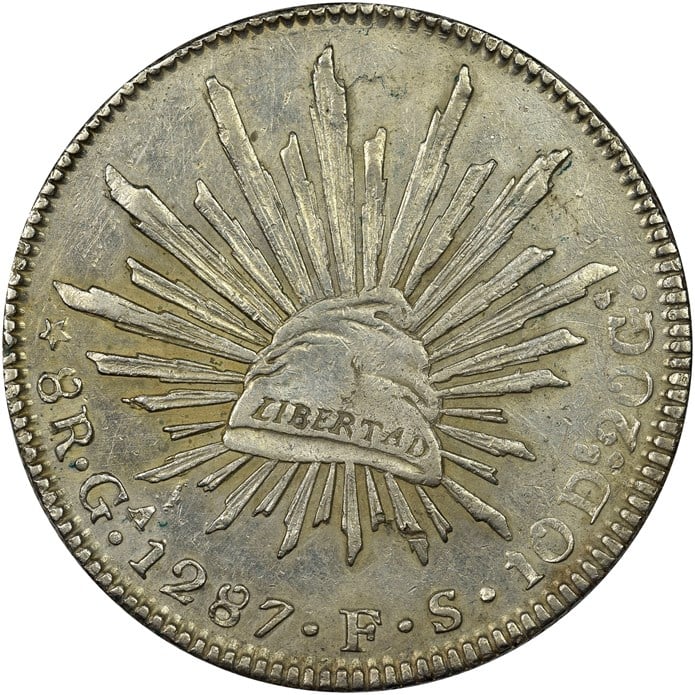
Then for a coin with a date in the AD calendar written in "Western" numerals, the answer for the earliest dated coin is 1424, as posted above by SimonW.
The subject of "earliest dated coins" is a sufficiently popular subject with collectors that there's a book just dedicated to cataloguing the coins prior to 1500 with dates on them: https://www.amazon.com.au/Early-Dated-Coins-Europe-1234-1500/dp/0871846012
No non-Europeans used AD dates on coins prior to the Age of Colonization, so this book covers pretty much the whole world. I have always found it ironic that although a Byzantine monk invented the AD calendar in 525, the Byzantines themselves never used it on their own coins. And despite not technically being "in Europe", I believe the book also does mention the Crusader Kingdom of Jerusalem coins dated 1251, which have the AD date written out Islamic-style, written in full in Arabic. Though as this legend is around the outer edge of the coin and the coins are often clipped or mis-struck, finding an example with the date actually legible is tricky.
Roman emperor Marcus Aurelius, "Meditations"
Apparently I have been awarded the DPOTD twice.
While dated in Roman numerals MCCIIII in the Es Safar era which translates
to 1166 A.D. of the current calendar. Issued to celebrate the expulsion
of the Moorish people from the Toledo area of Spain. This coin is an Obol.
That’s a tough coin to find @Tibor
I'm BACK!!! Used to be Billet7 on the old forum.
1st collectible Early Dated coin with Roman numeral date. From Aachen
Germany
.
1st collectible gold coin with a date. Roman numerals
1st dated copper coin.
@SimonW Less than 12 known per two large Spanish auction houses.
I have the denar but she's not purty.
About half of my collection is pictured on
http://www.medievalcoinage.com/earlydated/early-to-1394.htm
I’ve looked for an obol like that, never found one. In the past auction records I’ve seen they were very expensive. Well done, those are some truly special coins!
I'm BACK!!! Used to be Billet7 on the old forum.
A few years ago one of the large Spanish auction houses had a very large and near complete
collection of Spanish coins. I placed bids on the Obols and Denars. Two days later
the collection was pulled and my bids canceled. No explanation. My bids for the coins were
5x estimate. Oh well.
My earliest would be this Goldgulden from Nürnberg dated 1507.
I also have a ton of roman coins dated the roman way, per the dates of a Consulship.
Wow, that array of hammered gold looks great like that, all laid out together. It’s not a sight many of us have been able to see for the last four hundred years or so.
Collector since 1976. On the CU forums here since 2001.
Thank you very much, @lordmarcovan !