Options
Pattern Elizabeth II Halfcrown, Obverse.
 7Jaguars
Posts: 8,023 ✭✭✭✭✭
7Jaguars
Posts: 8,023 ✭✭✭✭✭
This from a recent Noonan's Auction - it appears to be a pattern obverse strike in copper-nickel. No date but possibly 1953 with the obverse I (1953), and a specimen-strike of the currency coin; Note the position of "I" in DEI and how it points to space.
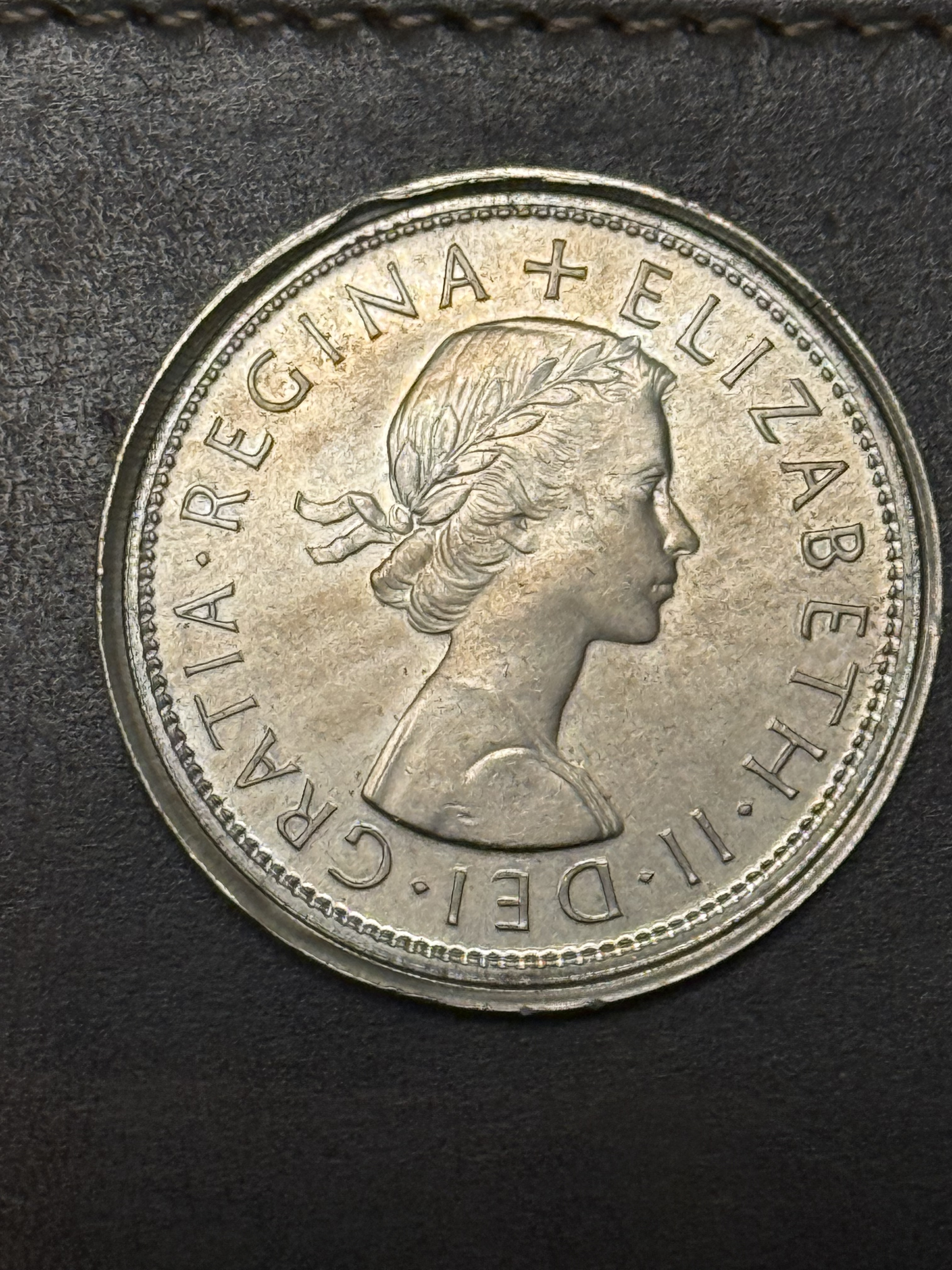
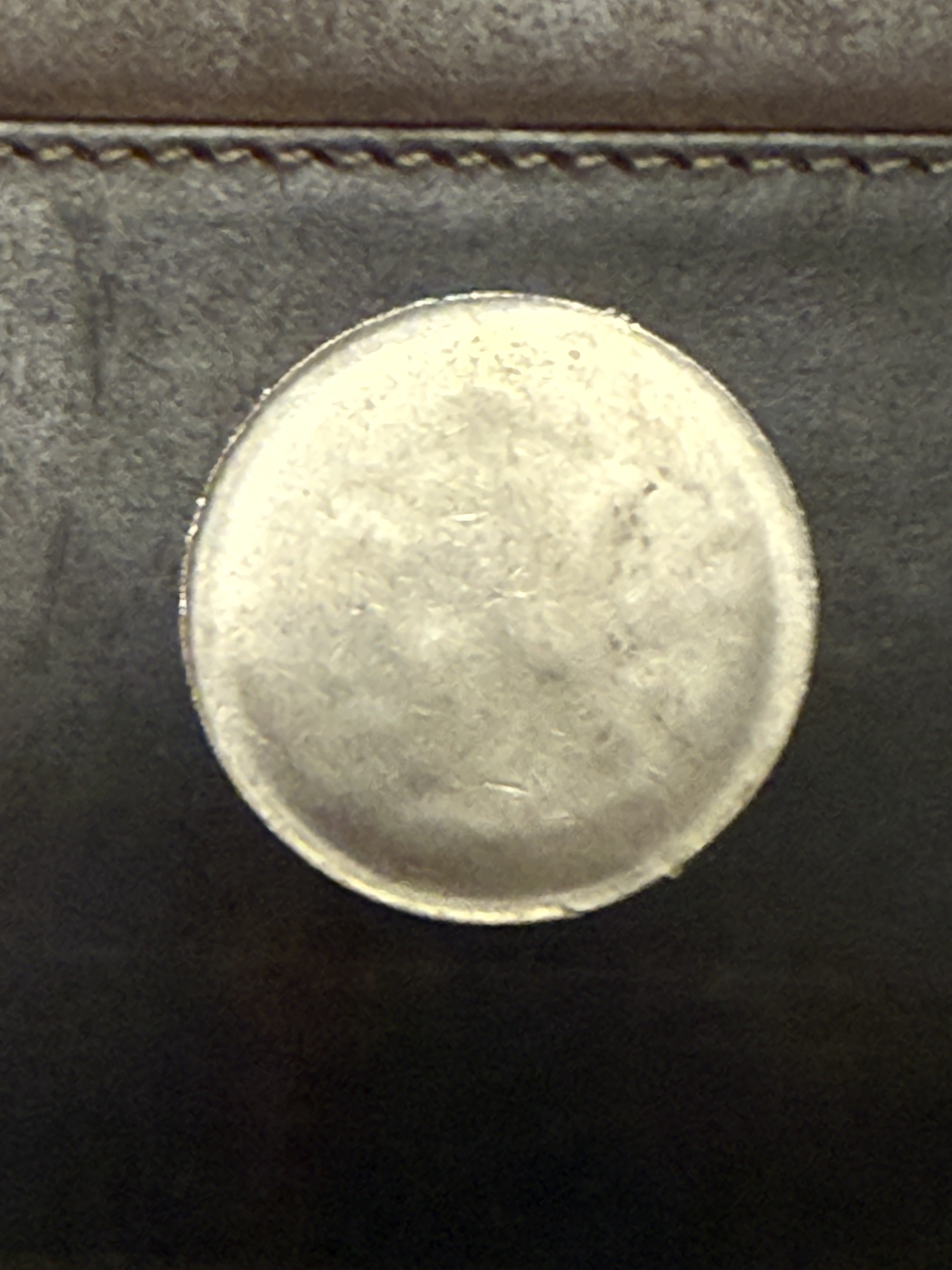
I will try to post slightly better pictures later on.
Love that Milled British (1830-1960)
Well, just Love coins, period.
Well, just Love coins, period.
4
Comments
This is the 1954-70 obverse. It doesn’t seem like anything other than a uniface error (two planchets struck at once) with a slight broadstrike to me…strike quality and luster look normal and not what should be expected of a pattern.
https://www.error-ref.com/full-uniface-strike/
Gobrecht's Engraved Mature Head Large Cent Model
https://www.instagram.com/rexrarities/?hl=en
This is OBVERSE 1, check esp "I" of DEI to space but also "I" of Elizabeth to space and NOT to just right of bead. It does not have the BRITT OMNI legend but the bust appears to match the 1953 1/2 crown.
Also you are wrong about being struck together with another coins, that would be entirely false and would rely on the observer to actually LOOK at the picture of the putative reverse as there is an UPSET rim with NO indent of another planchet; this is a critical point that debunks your hypothesis. Also the details very well struck up for currency dies, and clearly better than average - maybe the advantage of having the piece in hand, so with all due respect completely disagree with that assessment. In hand the lustre is scintillating.
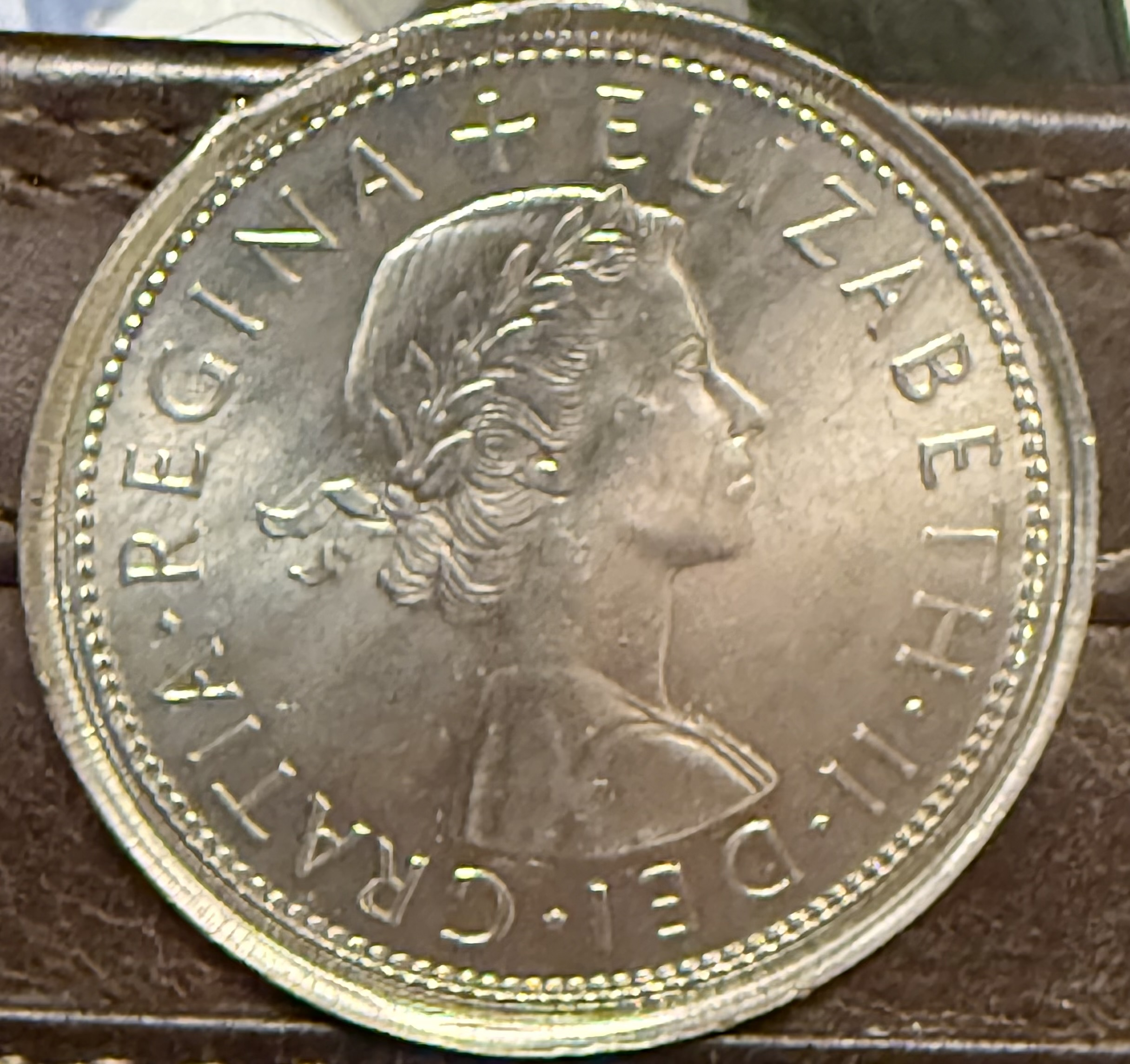
.
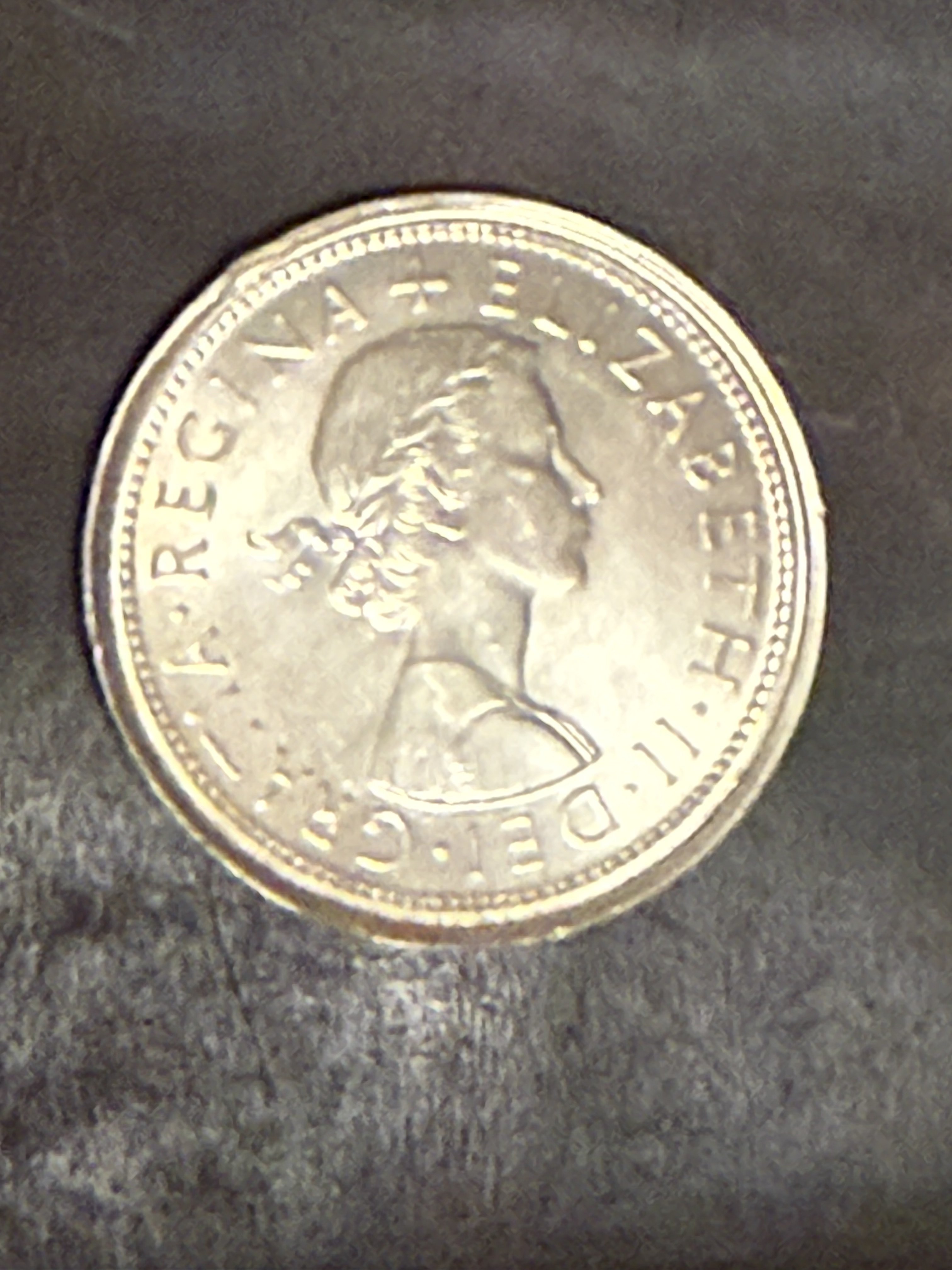
Well, just Love coins, period.
It does not have the BRITT:OMN legend otherwise but if you look at a 1954, the "I" of "DEI" points to bead and NOT to space.
Well, just Love coins, period.
The rim should be upset. It looks as it should for a uniface strike error struck against the blank side of another planchet. If you clicked the link, you would see an example struck in collar:
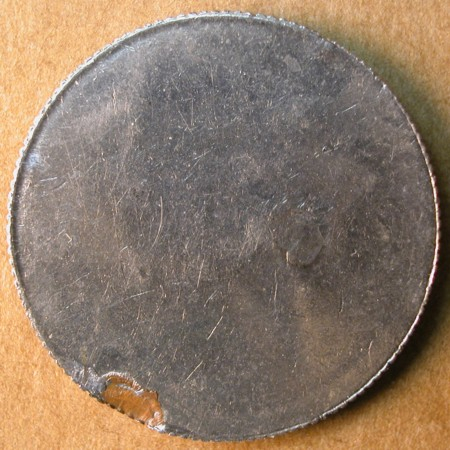
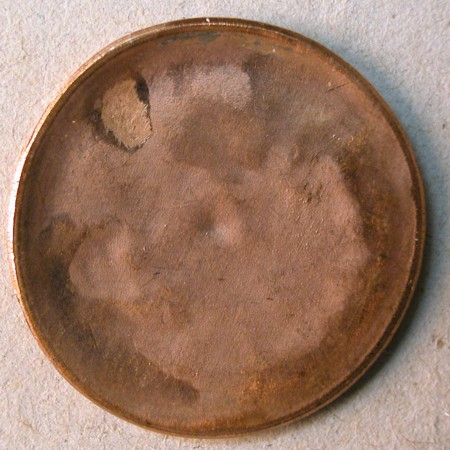
And a slightly broadstruck example:
The luster is nice, but in terms of the finish it appears the same as a currency issue. A strong strike and flashy luster does not necessitate a special strike. I would also not expect a pattern, especially of this era, to be broadstruck.
Here is a 1964 currency example:
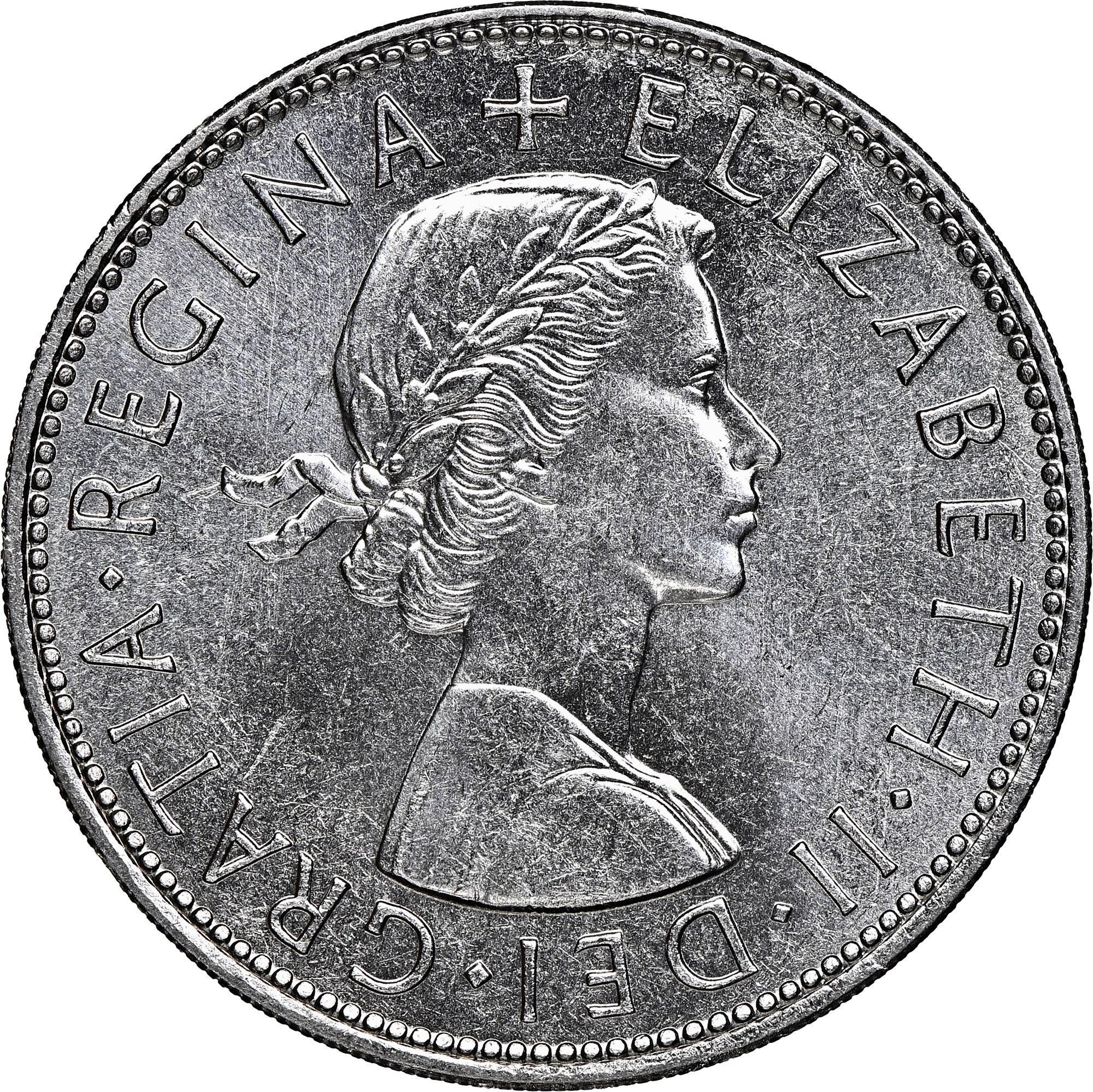
The “I” of DEI does point to the space between the beads. Perhaps I am missing something, but the portrait seems identical as well.
Gobrecht's Engraved Mature Head Large Cent Model
https://www.instagram.com/rexrarities/?hl=en
Perhaps it is a trial strike?
Life member #369 of the Royal Canadian Numismatic Association
Member of Canadian Association of Token Collectors
Collector of:
Canadian coins and pre-confederation tokens
Darkside proof/mint sets dated 1960
My Ebay
Same argument applies.
Gobrecht's Engraved Mature Head Large Cent Model
https://www.instagram.com/rexrarities/?hl=en
Please explain how an upset rim is preserved when struck against another planchet as that characteristic would tend to be flattened. And it is a superior strike to others, which I guess you can take my word or not for.
Also, I daresay that you would be incorrect in the blanket and unsupported statement that a specimen would of necessity NOT have a broadstrike as I have seen many variants and likely more than most would imagine.
The coin obverse would probably go 66 or 67 at a TPG with a very deep impression and finning of the edges which show milling. The surfaces virtually flawless and slight Proof-like (the "mark" on QE II cheek is not on coin).
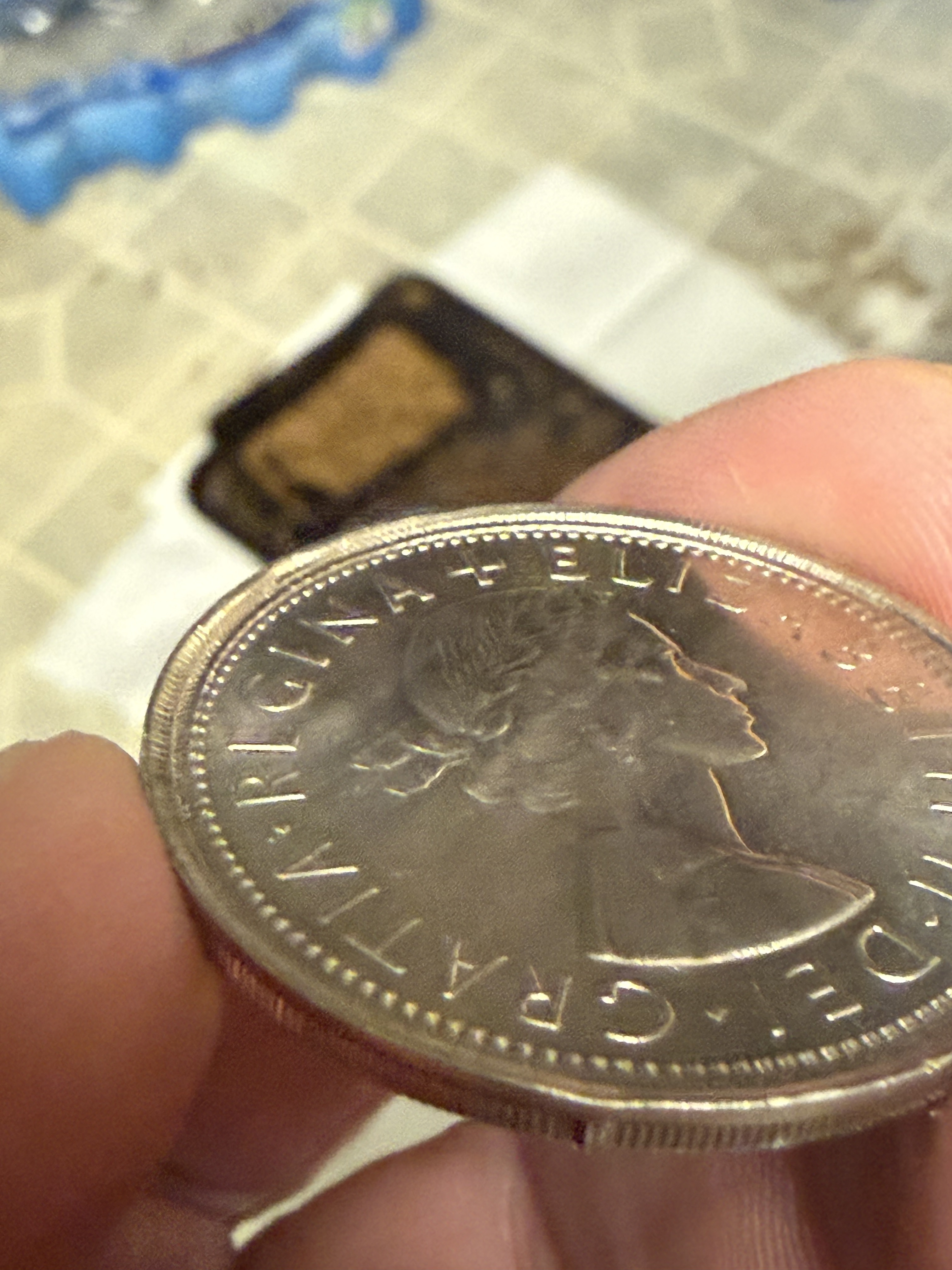
Anyway, here is a 1961 obverse and then a 1963 showing a reversion of "I" to space, the 1961 is a PL:
Well, just Love coins, period.
The other examples I included have an upset rim. When in a collar, the upset rim is preserved by the collar. When a partial or full broadstrike, there would actually be more of an upset to the rim since the planchet curves up around the other blank planchet (like a die cap).
Maybe not “of necessity”, but I would not expect it and I don’t think it really helps the case. The coin below is how I would expect a true uniface trial of this era to look - and notice how the upset reverse rim is actually a real rim that matches the obverse thickness. The upset on your piece is more consistent with the concave bend created by the broadstrike as discussed - it tapers to a point instead of being a flat rim like on the obverse, and there’s an indented ring slightly inward from the rim that’s consistent with an impression of the rim of the other planchet.
All right, so there’s more than one variety of spacing for the 1954-70 series. Here is the example I cited: https://www.ngccoin.com/certlookup/2867100-014/65/
Gobrecht's Engraved Mature Head Large Cent Model
https://www.instagram.com/rexrarities/?hl=en
I will add this coin to the discussion. Suspected Royal Mint trial strike (per dealer James King, who purchased it in the UK) approximately the same timeframe as the OP.
I was speaking of the Reverse side of the coin when referring to the upset. By the way, I showed this to an expert of unquestioned authority who agreed that this was not an error but rather struck of a purpose.
Well, just Love coins, period.