India Mint Sets, 1954, 1962
 dcarr
Posts: 10,132 ✭✭✭✭✭
dcarr
Posts: 10,132 ✭✭✭✭✭
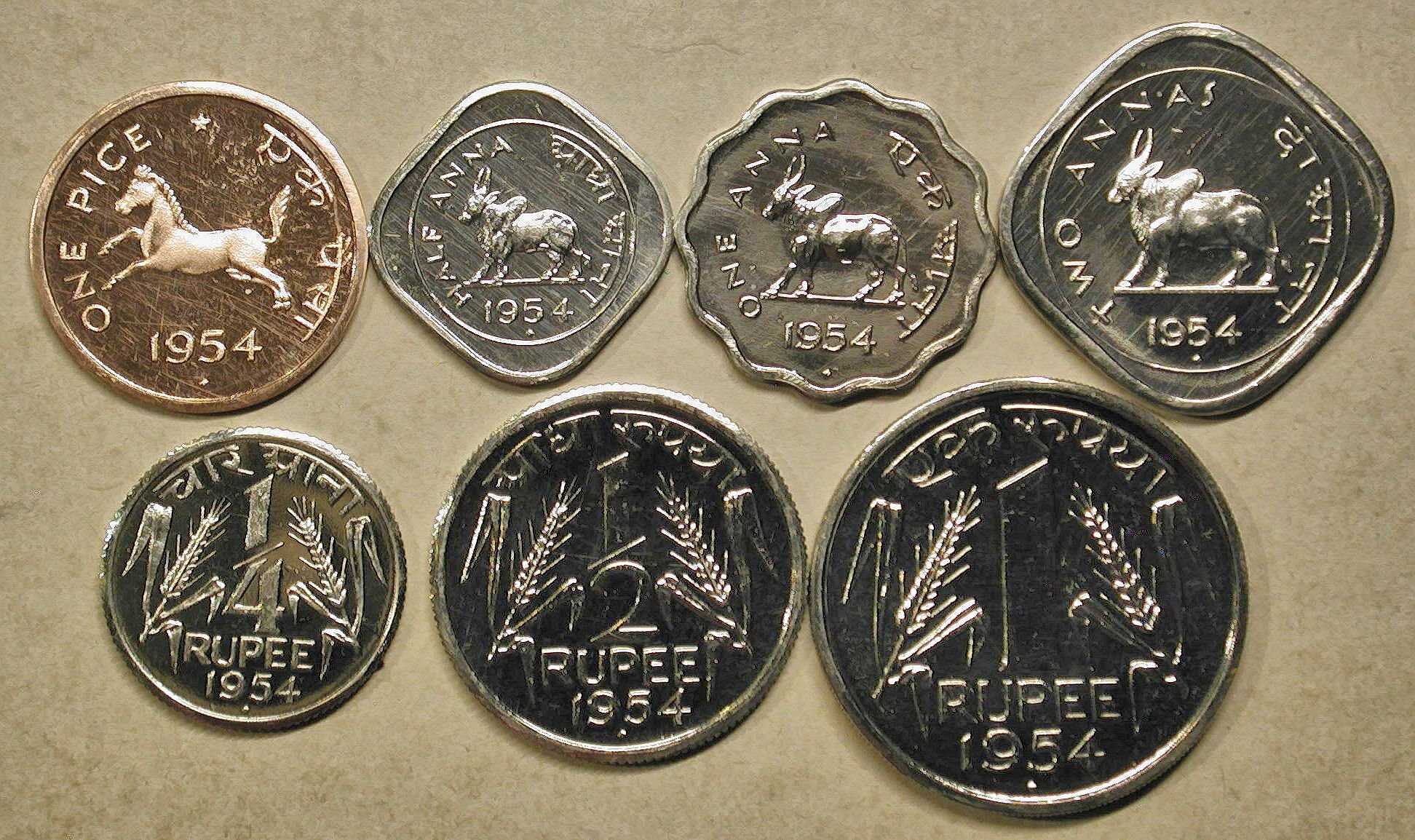
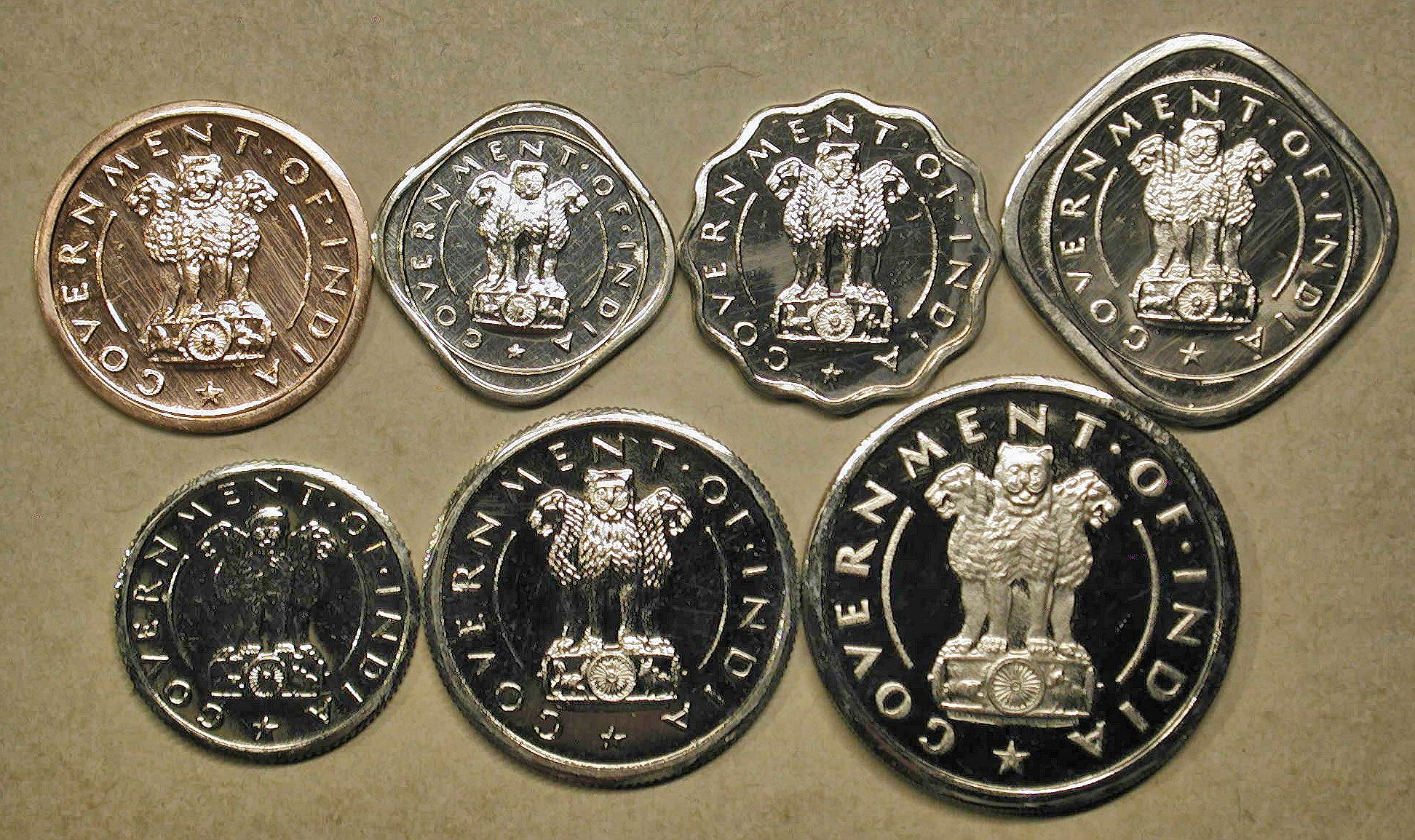
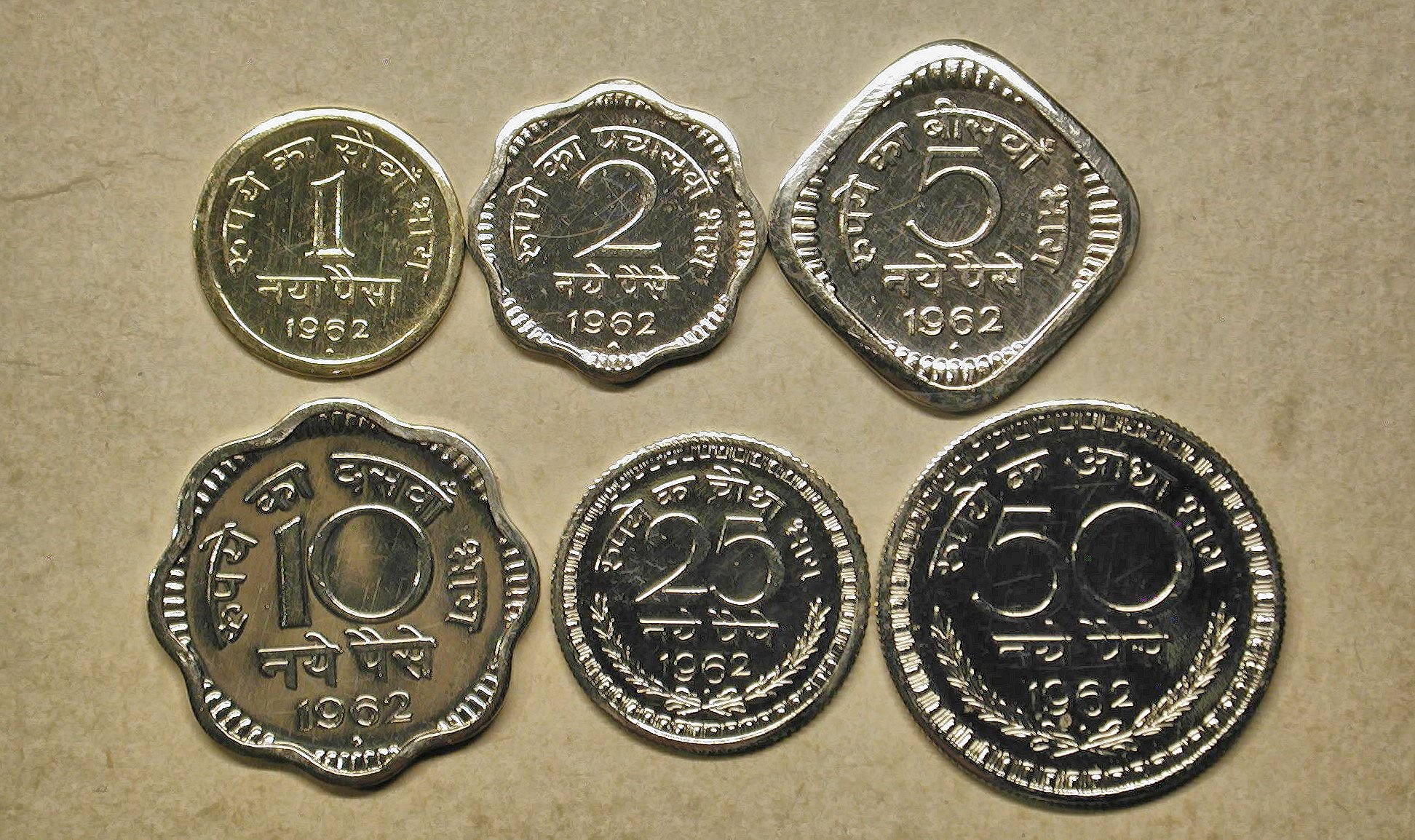
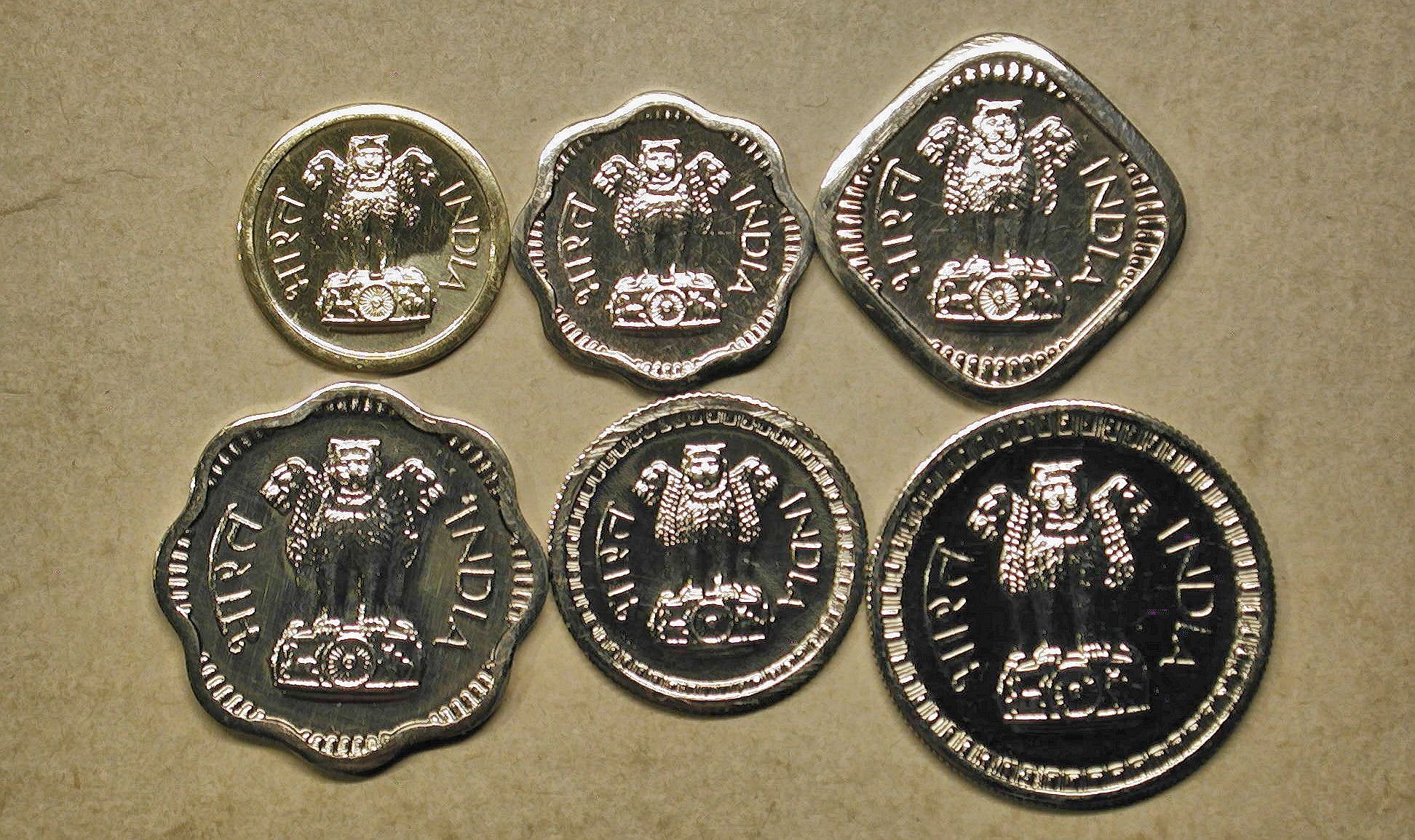
I purchased these two sets at a recent local estate auction (that had on-line bidding). There was some competition for them, so it appears that they do have some value that at least one internet bidder knew about. I missed out on the 1950 set, but won the 1954 and 1962.
My question is, I have never seen this packaging and I have not found anything like it on the internet. I have found pictures of the proof sets in the original holders, but no pictures of actual mint sets. The coins in the two sets I bought are definitely proof-like. And from what information I could find, that is how the mint sets come. So how do you tell the difference between the coins in the proof sets compared to the "mint sets" ? One site indicates that the 1954-B Two Annas coin has stars in the corners for the proof set, and no stars in the corners for the mint set. Otherwise they are similar (the coin in my set has no stars in the corners).
Also, the Krause World Coin Catalog indicates that the 1962-B 1-Paisa coin comes either "bronze" (KM #8) or "nickel-brass" (KM # 8a). The catalog states that the "bronze" version is ONLY found in some of the mint sets. I had an XRF test done on all the coins and the 1962-B 1-Paisa coin apparently has NO nickel in it, and the alloy is a little more like brass than bronze. So I assume the coin in this set is a KM # 8 (not KM # 8a). So that would be an indication that this is a mint set rather than a proof set.
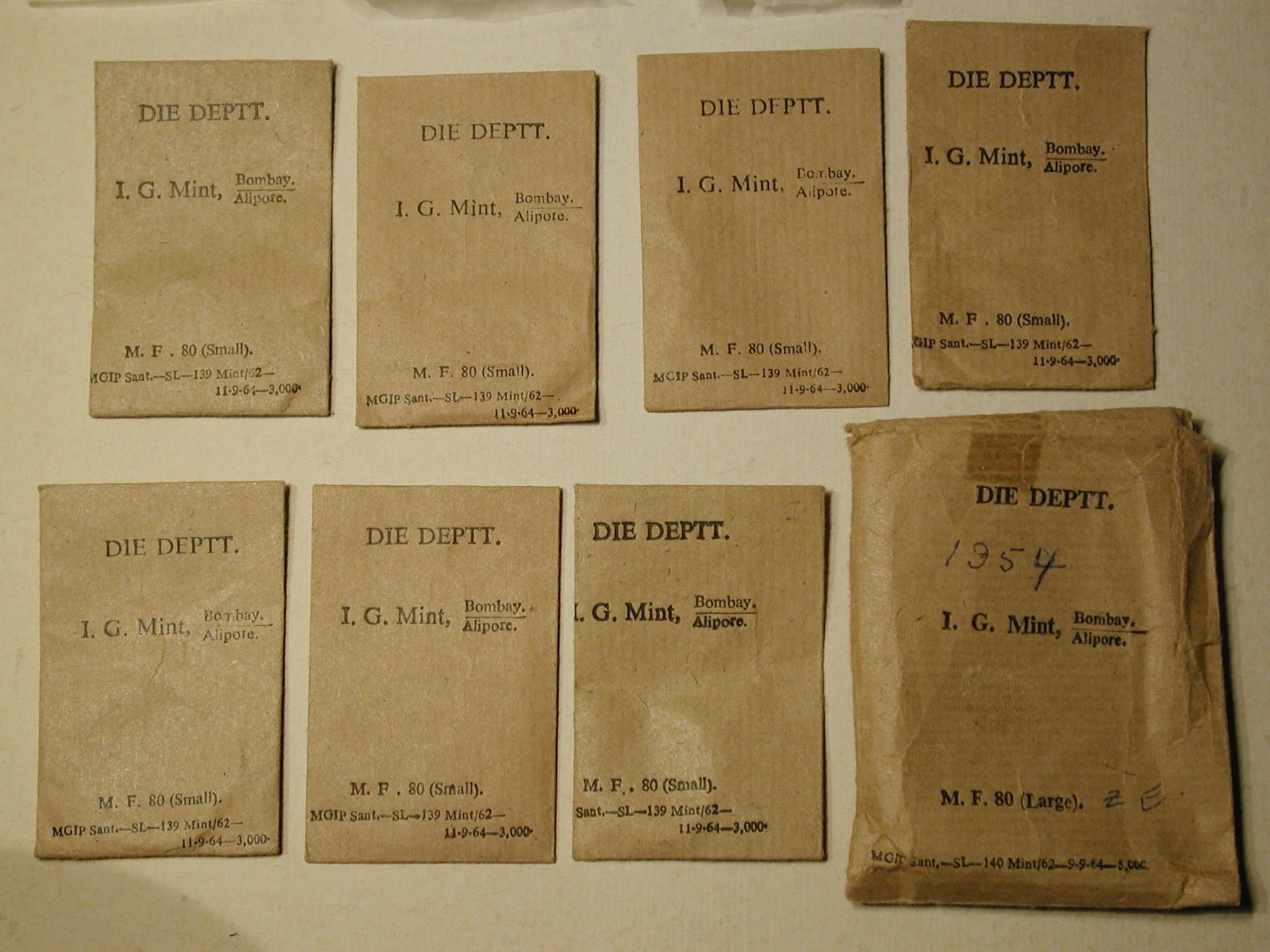
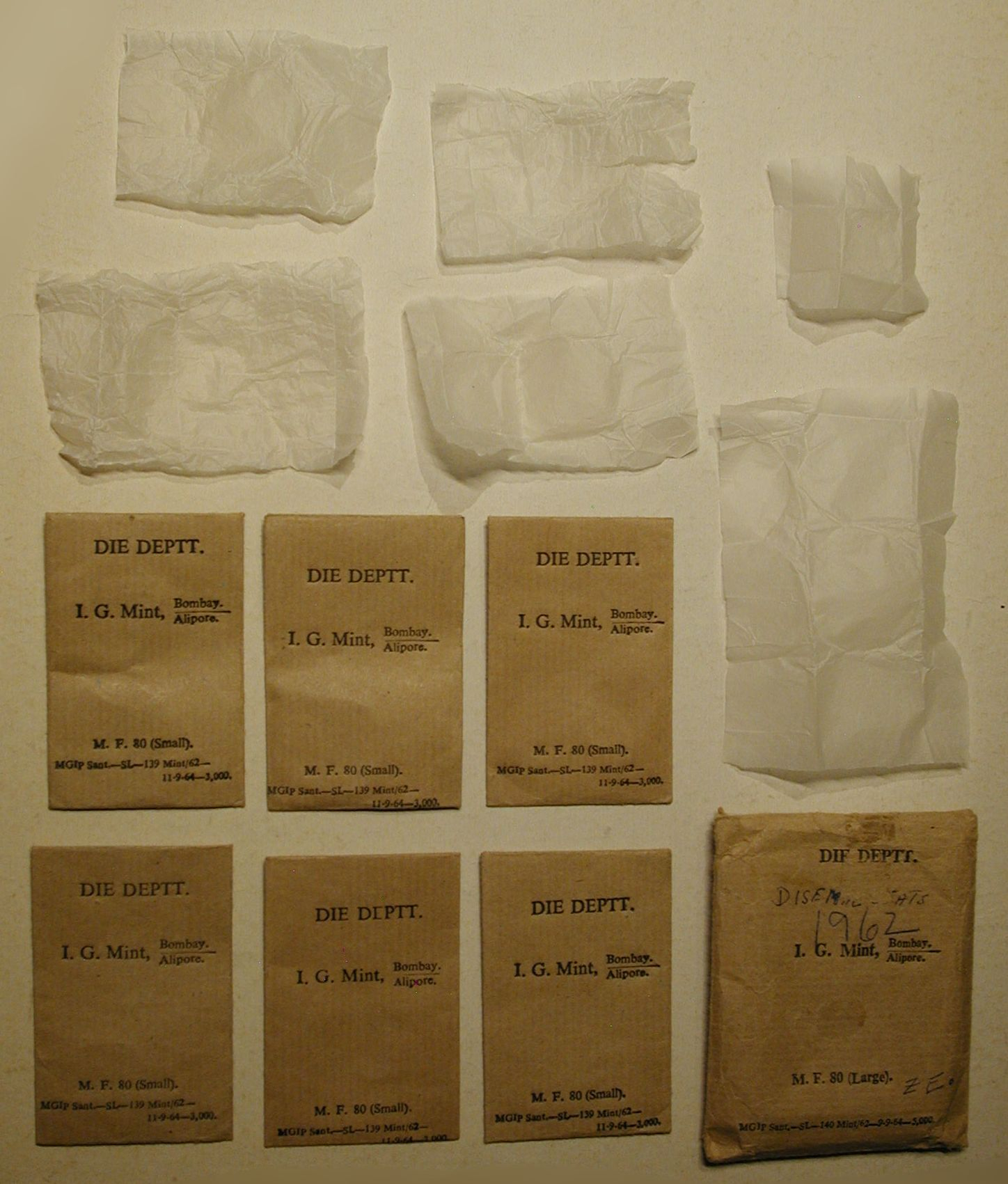
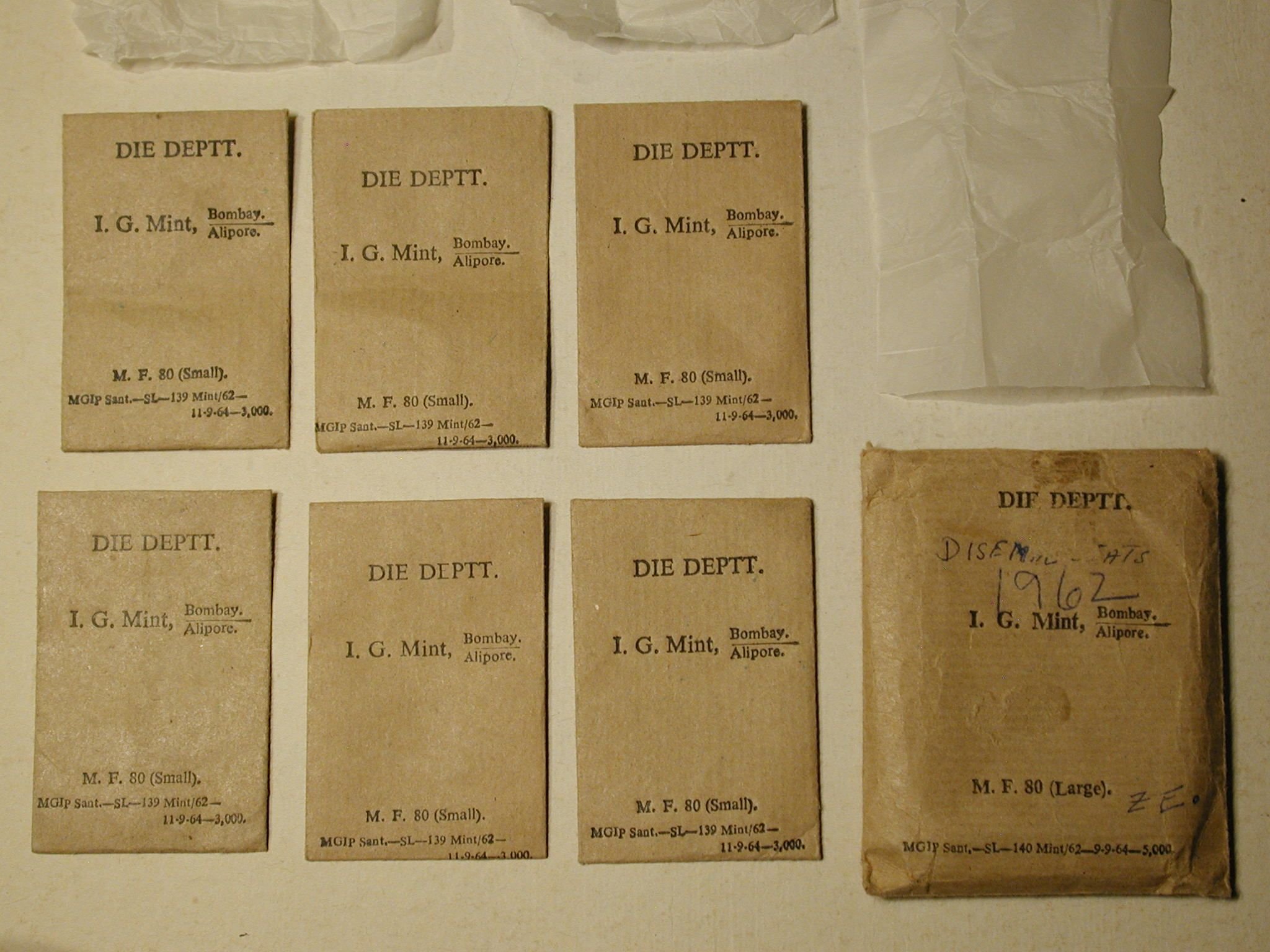
Both sets came with each coin wrapped in tissue paper and put into a small manila envelope, and then all the small envelopes go into the slightly larger envelope for the set.
Any and all comments welcome.
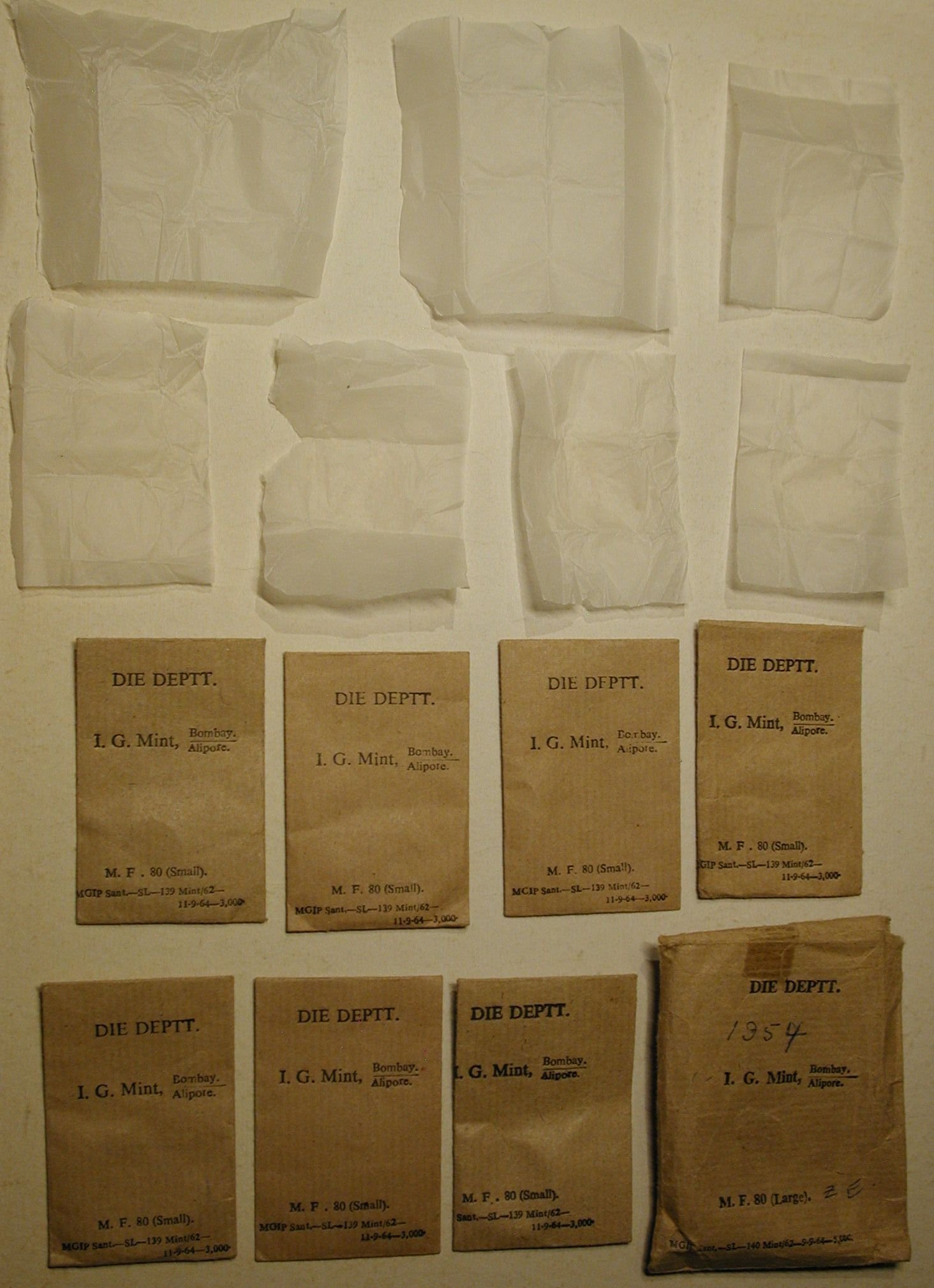

.

.
Comments
This is so cool. The proof set pictures which you have seen online are all aftermarket and were done specifically for the US market. The market considers them as original and they have value over loose coins. The ones which you have are actually proofs as issued by the mint to direct buyers. They carry a premium over the cardboard holders and are very desirable. Congrats on getting these. Love them.
.
Thanks for that.
I am curious as to what is your observation regarding this statement about the 1954 sets, from the page linked below:
https://coinsofrepublicindia.blogspot.com/2011/07/1954-definitive-series.html
And also this statement from the Krause World Coin Catalog about the 1962 1-Paisa coin:
The above statement is in regards to the KM# 8 type made of "bronze", as opposed to the KM# 8a type made of nickel-brass.
Since my 1954 2-Annas has no stars in the corners, and my 1962 1-Paisa has no nickel in it, wouldn't that mean that both are "mint set" coins rather than "proof set" coins ?
.
I looked carefully at the envelopes from the 1954 set comparing to the 1962 set envelopes.
I noted only one minor difference: the placement of the period after "3,000" (higher on the 1954 envelopes, lower on the 1962 envelopes):