Nap's year in review, 2025
 Nap
Posts: 1,777 ✭✭✭✭✭
Nap
Posts: 1,777 ✭✭✭✭✭
It's that time again to reflect on the year and look back at some of the purchases. I was able to add some important additions, though I feel it's getting more difficult (and more expensive!) to add to my English set. However I am happy to share some of this year's addition.
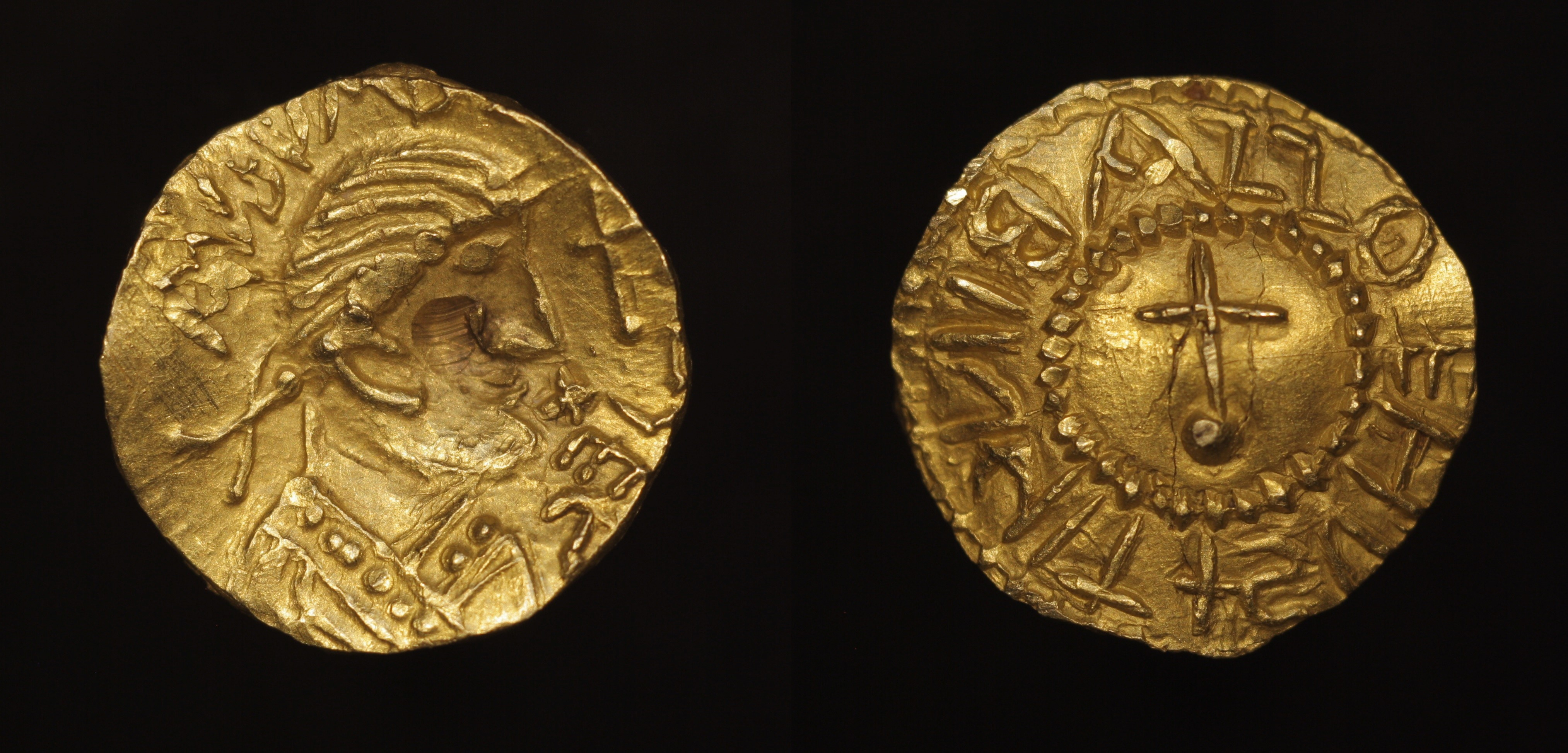
Thrymsa, Crondall phase of Eadbald of Kent 616-640
Monarch: Eadbald
Mint: London?
Eadbald regal type
S.758, North 29, GCASE.430
O: AVDVA[RLD RE]GES
R: +TIRVVBAZZOEHVS
The first English king to place his name on a coin, as such a very historic issue. Sadly, only a few survivors are known. The obverse legend reads "AVDVARLD REGES", using the archaic "Audvarld" for 'Eadbald'. While this may suggest special pleading, there is a parallel, with Venerable Bede in his Ecclesiastic History calling Eadbald 'Auduarldus', so we have a pretty good confidence that the coin is made for Eadbald. The reverse legend appears to be purposeful, and not just nonsense lettering, as other dies for this coin essentially have the same legend, however the meaning remains obscure. It has been suspected that it might be a mint signature related to London.
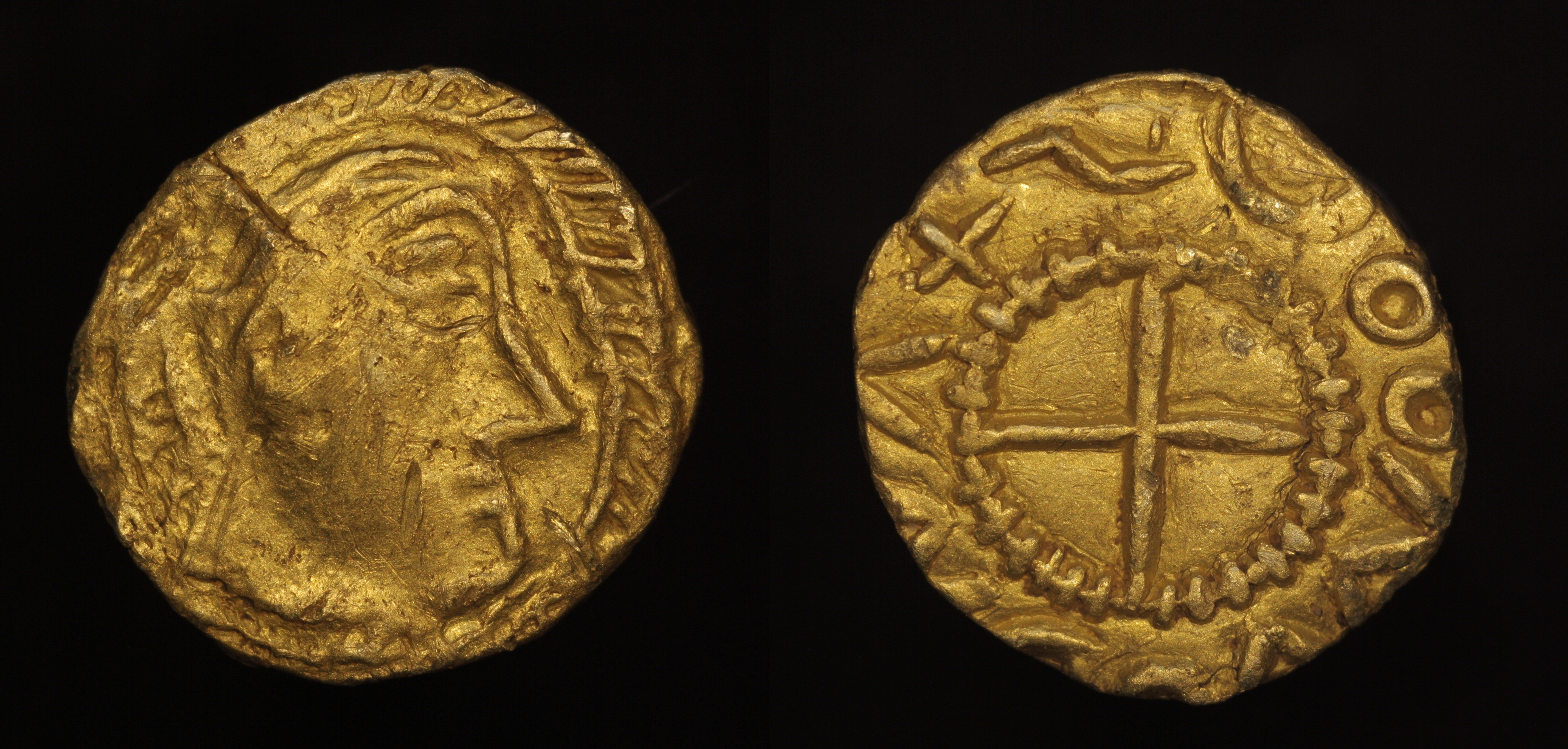
Thrymsa, Crondall phase 620-645
Monarch: unknown, possibly Eadbald
Mint: unknown, possibly London
'London-derived' type
S.754, GCASE.290
A second Crondall-era thrymsa, making this a big year for the gold. This coin features a bust right, possibly surrounded by a halo, which has parallels in medieval art. The reverse has a blundered legend, probably trying to spell London, which makes it related to the previous coin, and it is likely also a Kentish issue under Eadbald, though perhaps an ecclesiastic issue in the absence of a regal legend.
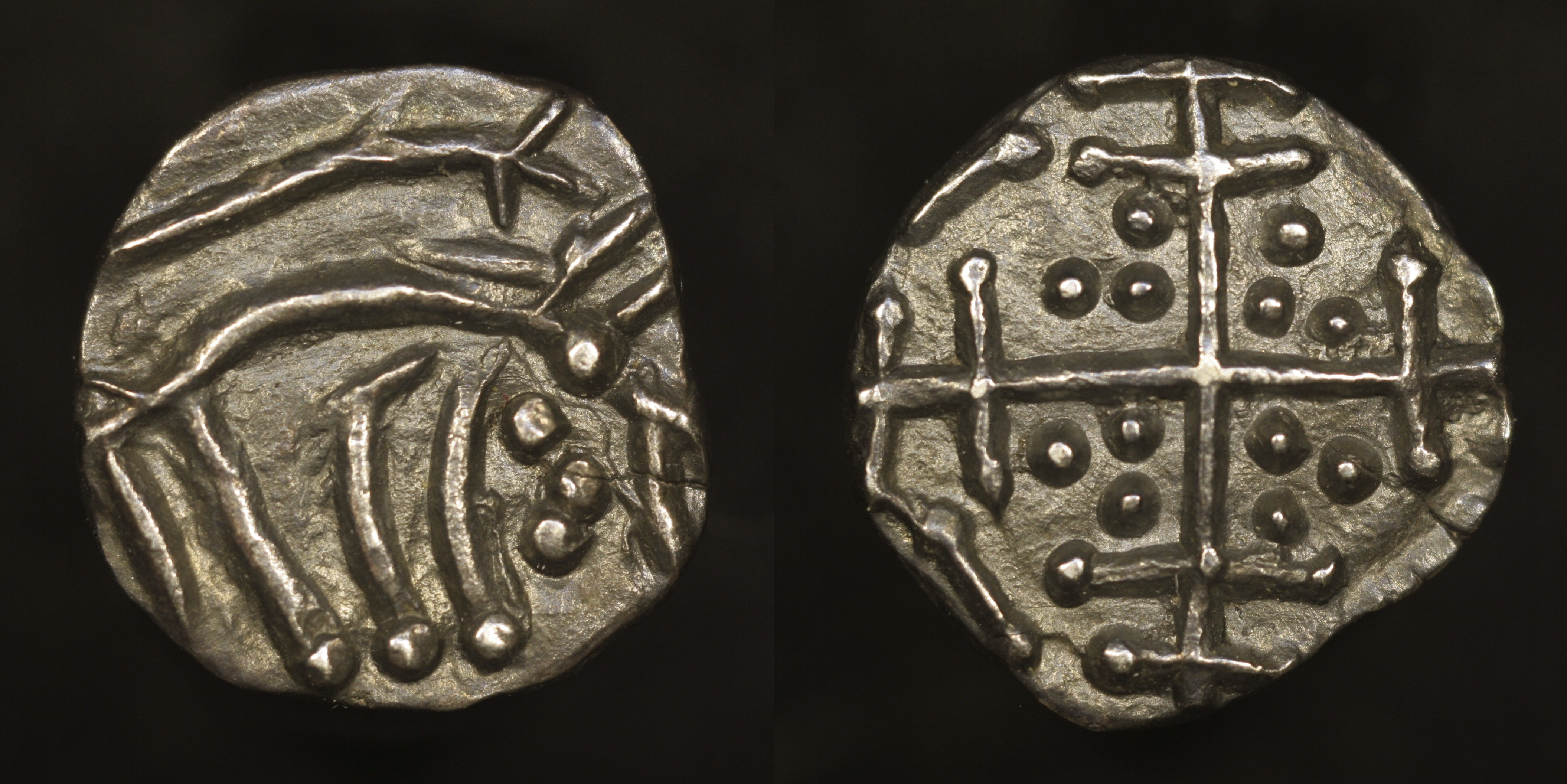
Primary (?) phase Anglo-Saxon sceat
Series Z-related, 'Aston-Rowant' type
S.782A, SL 102-70
O: Quadruped right with forking tail
R: Cross crosslet
An example of the so-called "Aston-Rowant type", so named because of its inclusion in the hoard found there. The creature is crudely drawn, and later varieties on this type would just be a few lines not really showing a creature at all. This type is presumably earlier as it is fairly well executed.
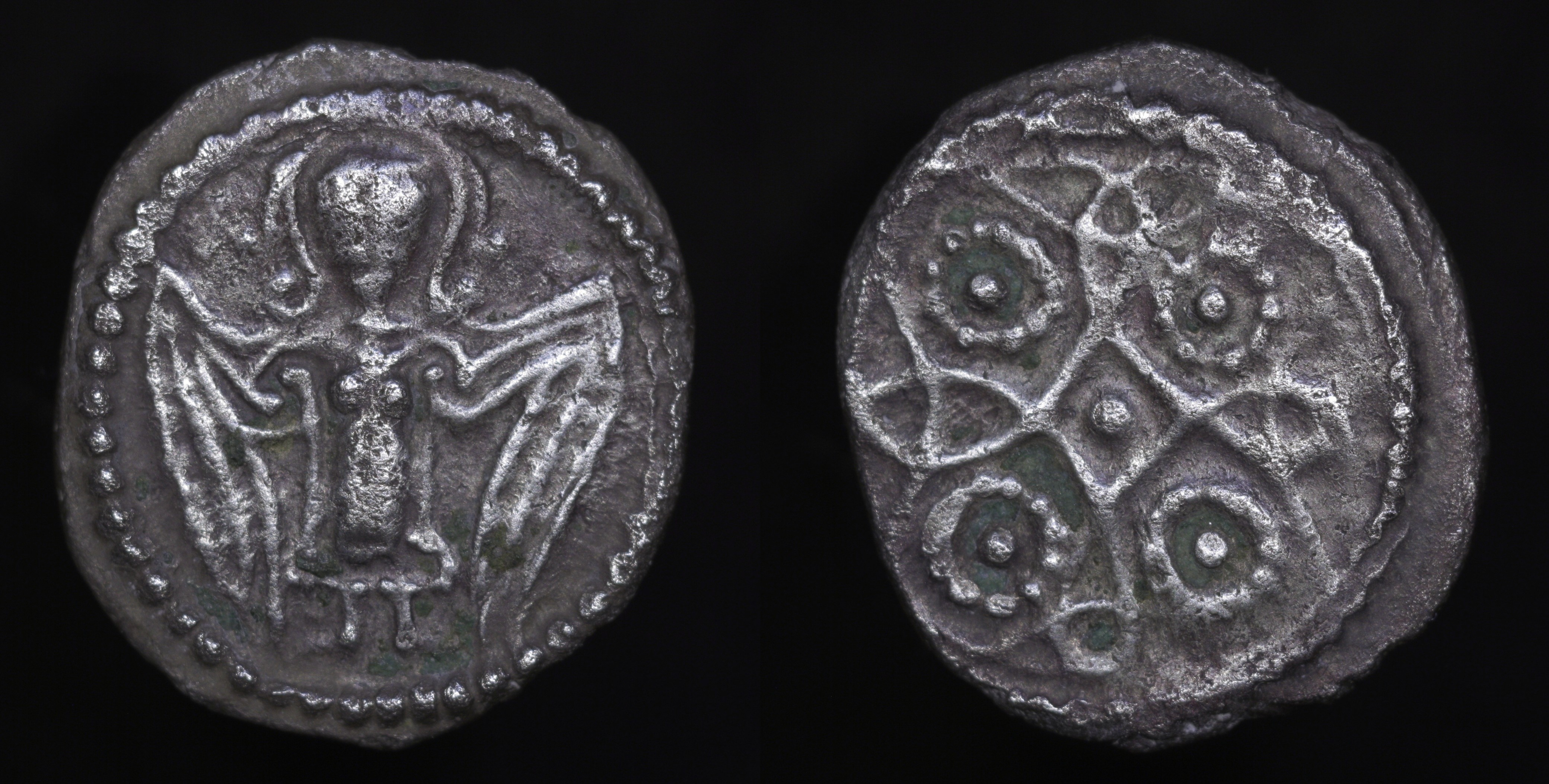
Eclectic Anglo-Saxon sceat
Triquetras type
S.821, SL 110-30
O: Winged creature facing (?angel)
R: Triquetra cross
A sceat of the triquetra type, a rare series which combines a variety of obverses with a reverse featuring four triquetras intertwined in the shape of a cross. Some obverses on this series may be borrowed from other secondary sceatta, such as series L, but others like this winged figure (Angel? Victory?) are quite distinct in the sceatta series. Typically coins of this type are rough, corrosion/roughness is common and metal quality is generally poor; it's very hard to find really nice examples of the type
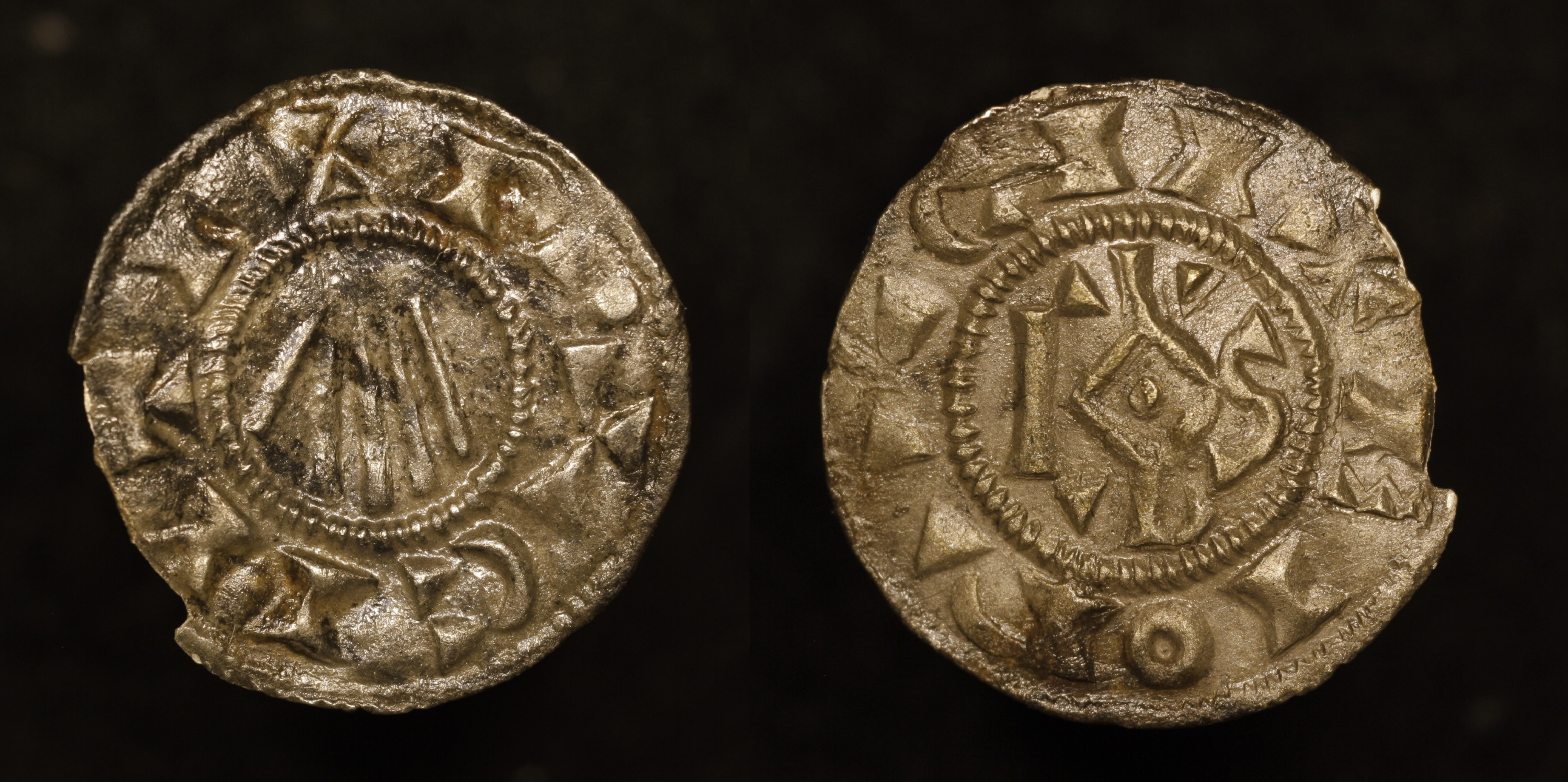
Viking penny in the name of Regnald I, 918/919-921
Moneyer: unknown
Mint: probably York
S.1010
O: R.ACIITI, hand
R: +EIoRACII, Carolingian monogram
Ragnall ua Ímar (Regnald I) was probably Norwegian, who lived and perhaps was born in Dublin, then a Viking town. He is usually considered among the 'ua Ímar', the grandchildren of Ímar, also known as Ivar (possibly the "Ivar the Boneless" of Scandinavian sagas). The Scandinavians that settled in Dublin in the 9th century were thrown out by Leinster in the early 10th century, and dispersed, with some deciding to try their luck raiding England and Scotland. Ragnall was one of them, who fought against the Scots and the Northumbrians, winning a battle in 918 that left him the dominant power in northern England, and recognized as king of Jorvik (York). During his brief reign, Ragnall issued coins in his name, and remarkably there are three types known. This coin has a hand on the obverse and a degenerated Carolingian monogram on the reverse. The hand may be a copy of the hand seen on some coins of Edward the Elder, thought to represent the hand of Providence, but it also could be Járngreipr, the glove of Thor. The legends are mildly degenerated, but essentially read "RACNOLT" and "EBORACI".
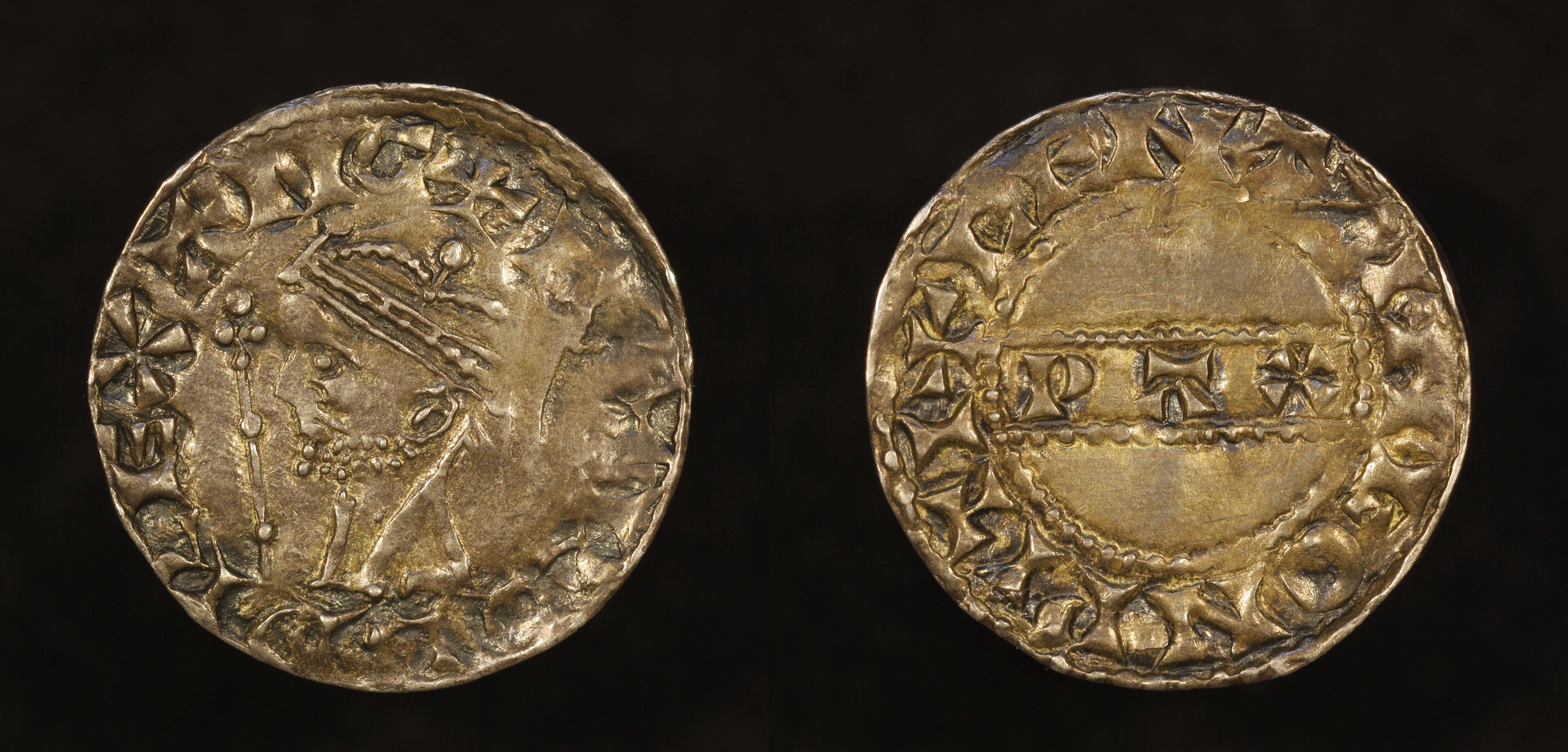
Penny of Harold II, king of England 1066
Moneyer: Centwine
Mint: Wilton
S. 1186
O: +HAROLD REX ANG
R: +CENTPINE ON PITI PAX
The last Saxon king, Harold II, unrelated to the ruling dynasty but scion of the powerful earl Godwine of Wessex, took over after the death of Edward the Confessor. Harold had immediate problems. A Viking invasion was organized, led by perhaps the last great Viking chieftain, Harald Hardrade. Also William of Normandy, a relative of Edward, made claim to the English throne and was planning his own invasion. The Vikings struck first. In one of the great military maneuvers of history, Harold marched his army north to meet the Viking threat in a way that might have made Stonewall Jackson or George Patton proud, and routed the surprised Viking force, who were not expecting any resistance in the area. Unfortunately Harold's victory was short lived. Unbeknownst to to the king, but knownst to us, danger lurks in the waters. William's invasion came shortly after, and though Harold was again able to march to meet the threat, his exhausted army, and lack of cavalry and archers doomed the English. Harold died in the battle of Hastings, and William would become king.
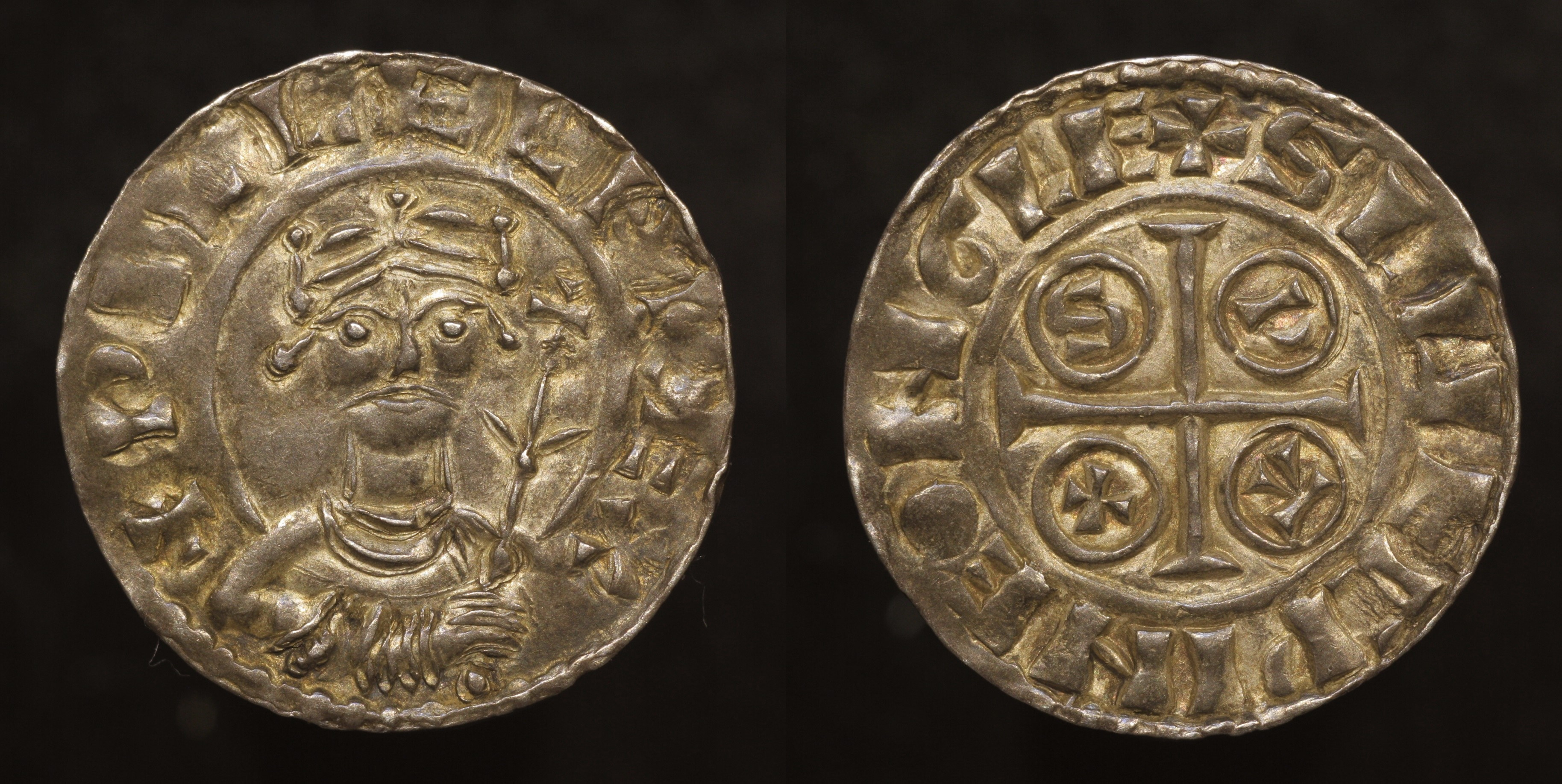
Penny of William I, king of England 1066-1087
Moneyer: Silacwine
Mint: Gloucester
PAXS type
S. 1257
O: +PILLELM REX
R: +SILECPINE ON GLE
And here is Harold's nemesis, William. After his victory and Harold's death at Hastings, English resistance crumbled, but it would still take time to consolidate his rule on England. Through a combination of diplomacy and ruthless violence, William would establish his rule, though he had to deal with rebellious earls throughout his reign. This late type of William's coinage features the legend "PAXS", calling for peace. The irony!
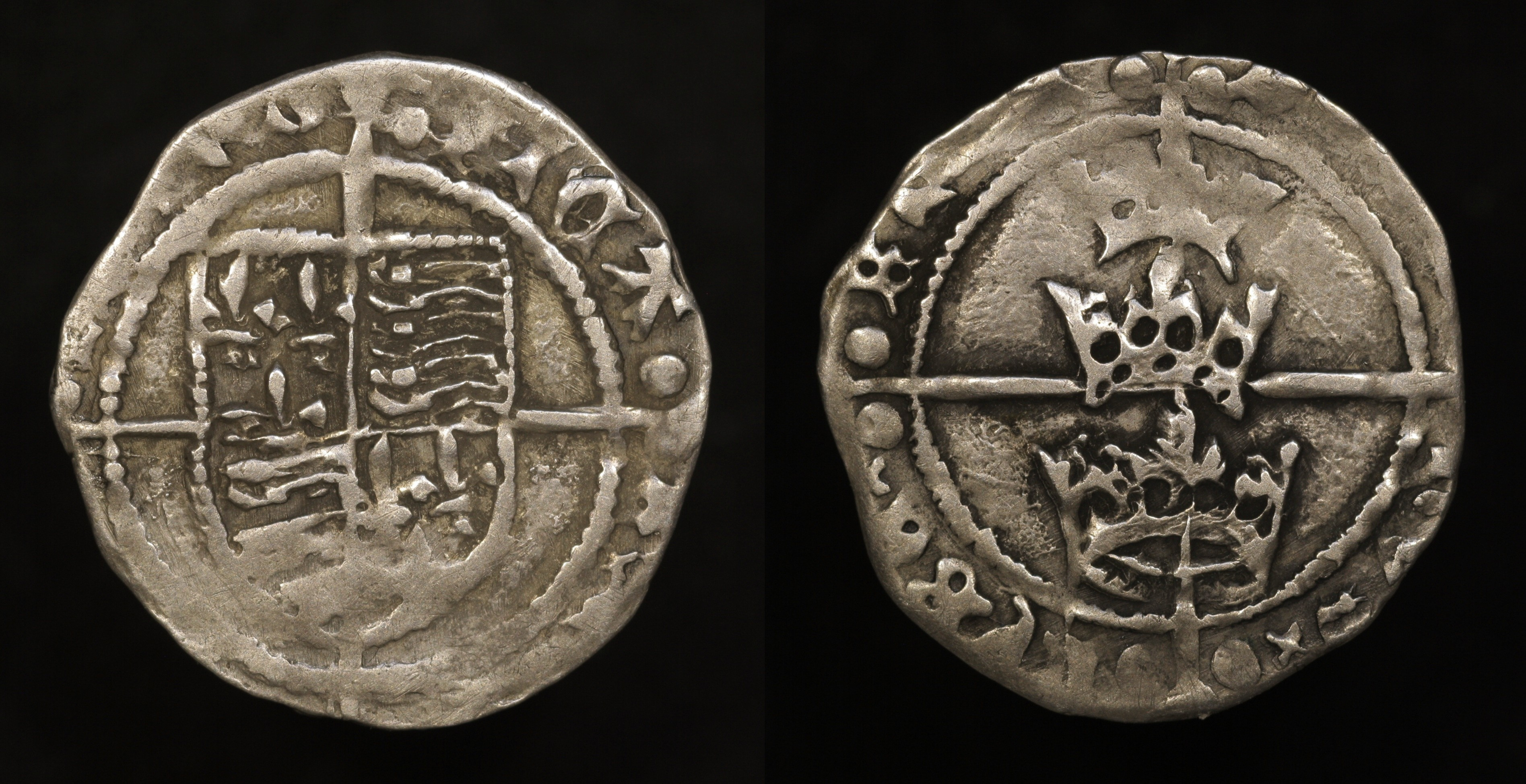
Groat of Richard III, king of England and Ireland (1483-1485)
Mint: Dublin
"Three crowns" coinage
S.6412, DF 178
Richard III is one of the most famous medieval rulers, largely due to Shakespeare, but also because the story is interesting. The evil and murderous uncle, the hunchback, the doomed princes in the tower, and of course his death in battle ("My kingdom for a horse!") at Bosworth. And more recently, his body being found in a parking lot. The short reign of Richard III saw an introduction of new coinage in Ireland. This coinage was authorized late in the reign of Edward IV, but the coin production didn't happen until after his death, so were in the name of Richard III. These coins are most commonly poorly struck on irregular planchets, and are frequently clipped. They tend to survive in lower grades. Well struck and nice examples are very rare.
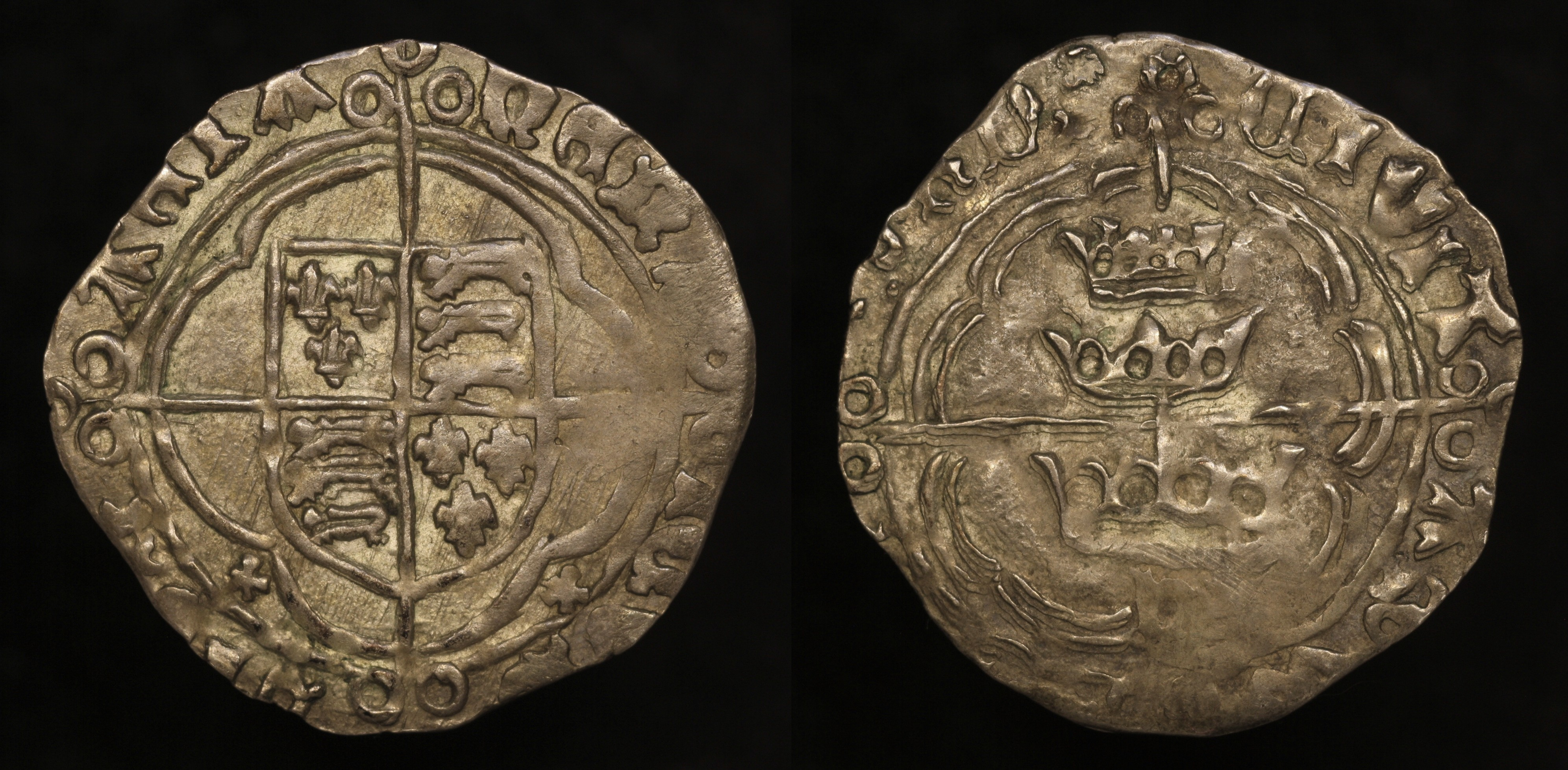
Groat of Henry VII, king of England and Ireland (1485-1509)
Mint: Waterford
"Early three crowns" coinage, 1485-1497
S.6421
Continuing the theme of nemesis, here is a similar three-crown groat of Richard's nemesis, Henry Tudor. A relative of the Lancastrian branch of the War of the Roses, though a distant relative through gasp his mother, Henry was an unlikely claimant for the kingdom of England. However he proved a solid commander and good administrator. Henry defeated and killed Richard III at the battle of Bosworth, and then married Elizabeth of York to unite the two warring factions. There were significant changes to the English and Irish coinage under Henry VII, but he did continue the three crown Irish coins for a while after his ascension.
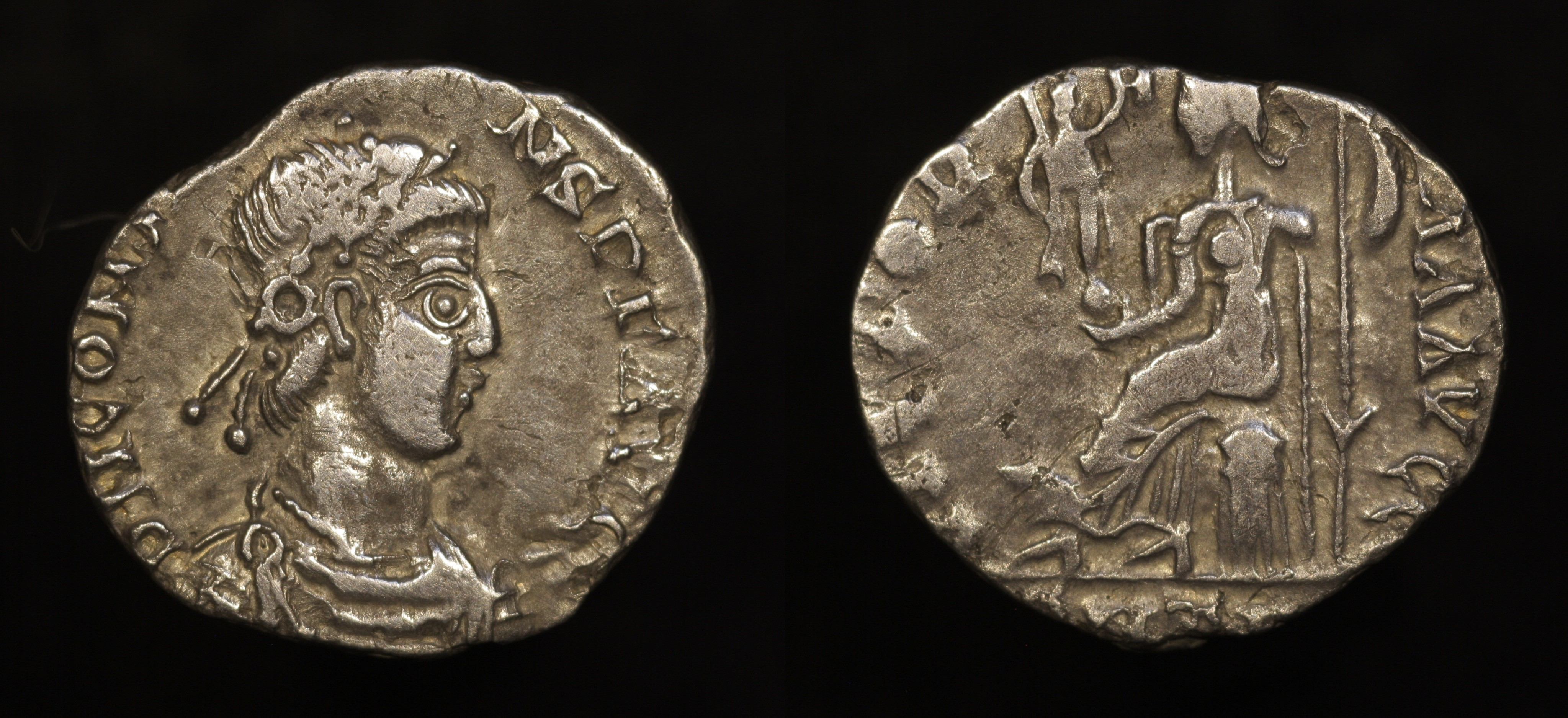
Siliqua of Constans II, caesar (West) 407-409, emperor (West) 409-411
Mint: Trier
RIC 1537
O: D N CONSTA NS P F AVG
R: VICTORI AAAVGGG SMTR
A silver coin of the emperor Constans II (not to be confused with the later Byzantine emperor of the same name). Constans was the son of Constanine III, a Romano-British usurper, and was made co-emperor with his father in 409. With his father, he went to the continent and made some progress in Gaul, but was unable to control Spain or Italy. Ultimately he was killed fighting in Spain. Coins of Constans II are very rare, compared with his father's coins that are more plentiful.
Constans also has a part to play in the King Arthur mythology. In Geoffrey of Monmouth's somewhat fanciful account, Constantine (III) was Arthur's grandfather, and Constans (II) was his uncle, Constans was brother to Aurelius Ambrosianus and Arthur's father, Uther Pendragon. While the legend is probably anachronistic when considering the presumed date of the battle of Badon Hill, the tie to the Arthurian legend is a fun connection.
Here are a few honorable mentions-
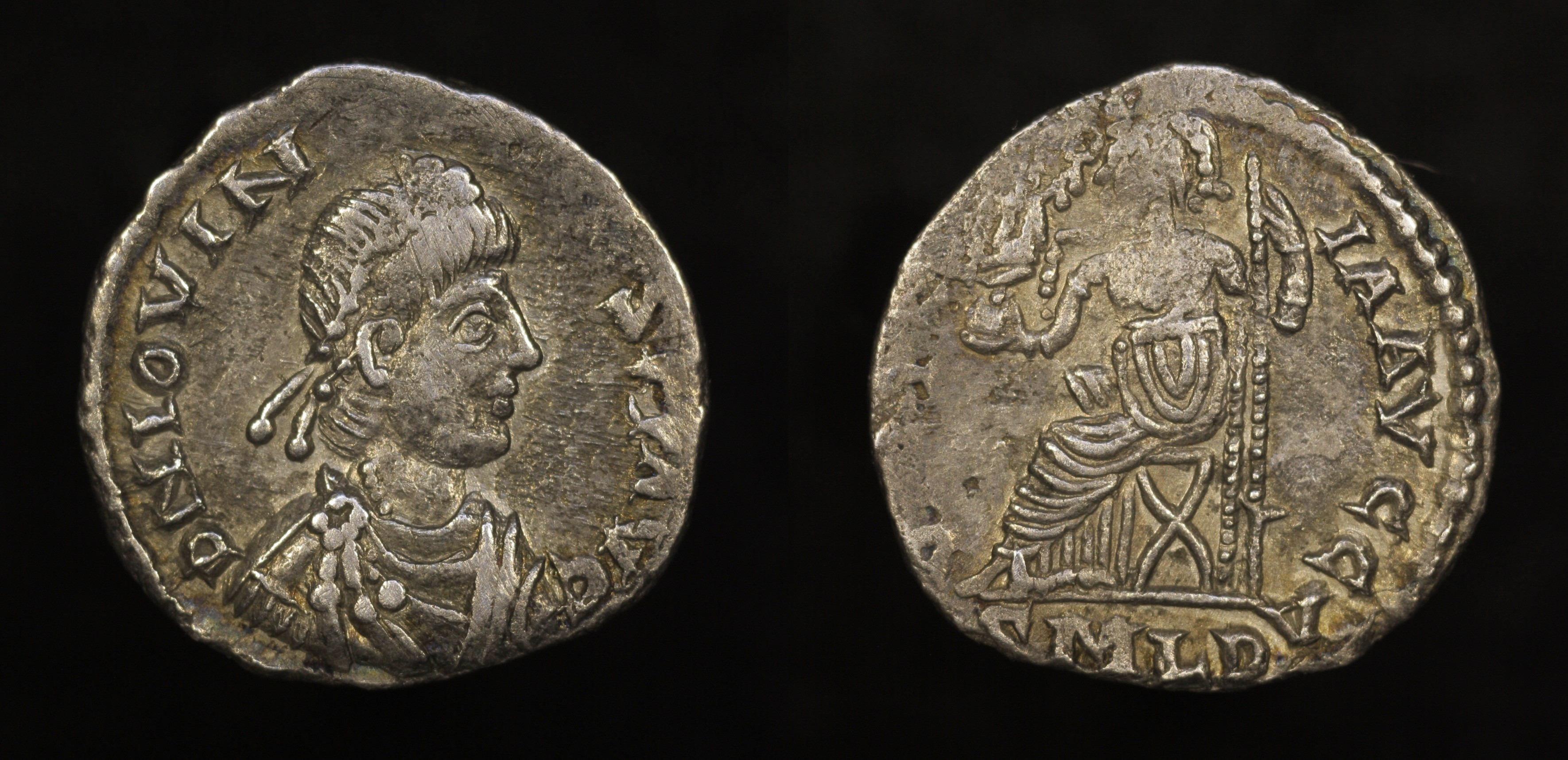
Siliqua of Jovinus, emperor (West) 411-413
Mint: Lugdunum (Lyon)
RIC 1716, Bastien 258
O: D N IOVIN VS PP AVG
R: VICTOR IAAVGGA SMLD
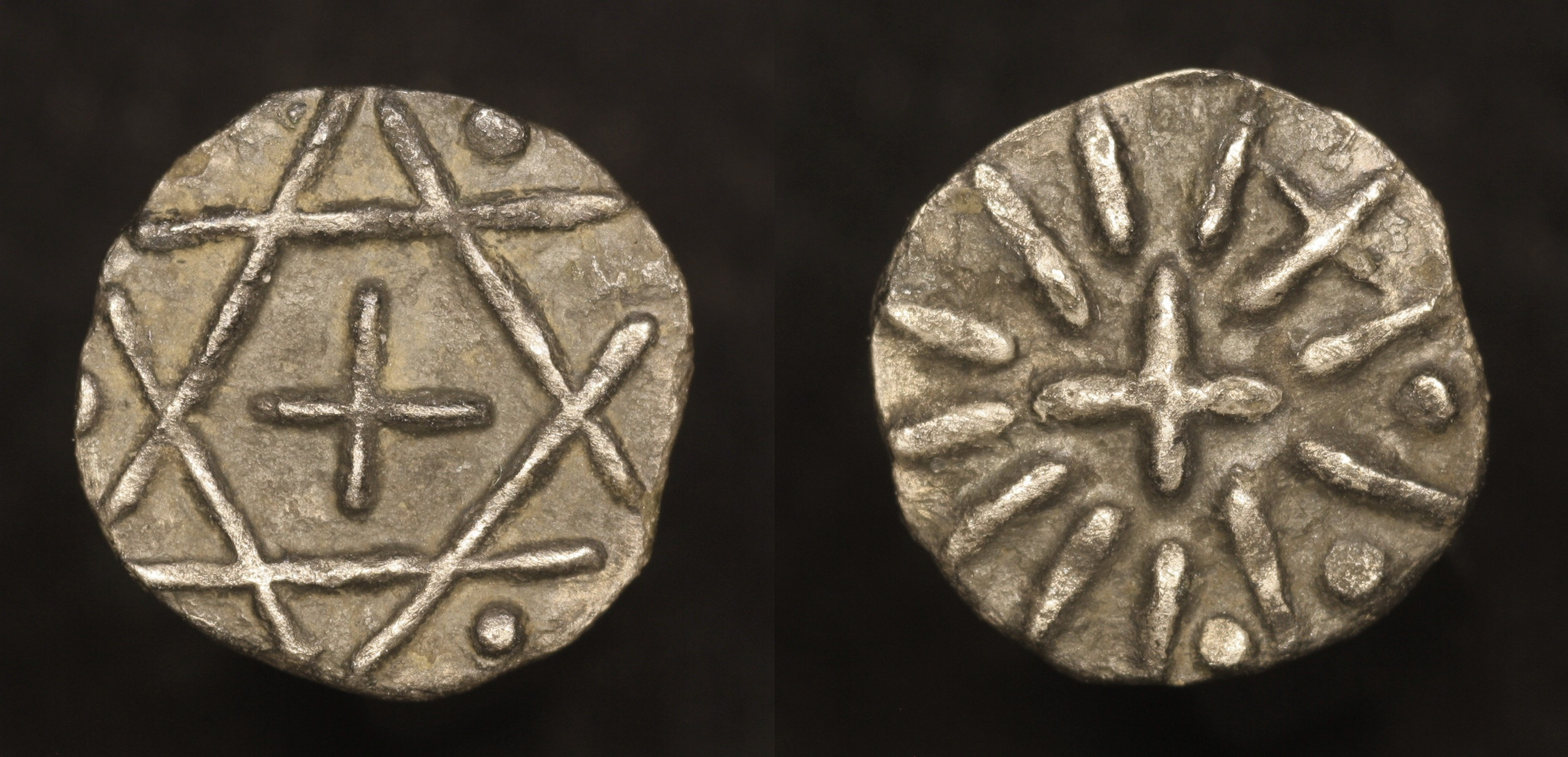
Continental sceat, Hexagram/Herstal type
Mint: Herstal (?)
S.796, SL 109-10
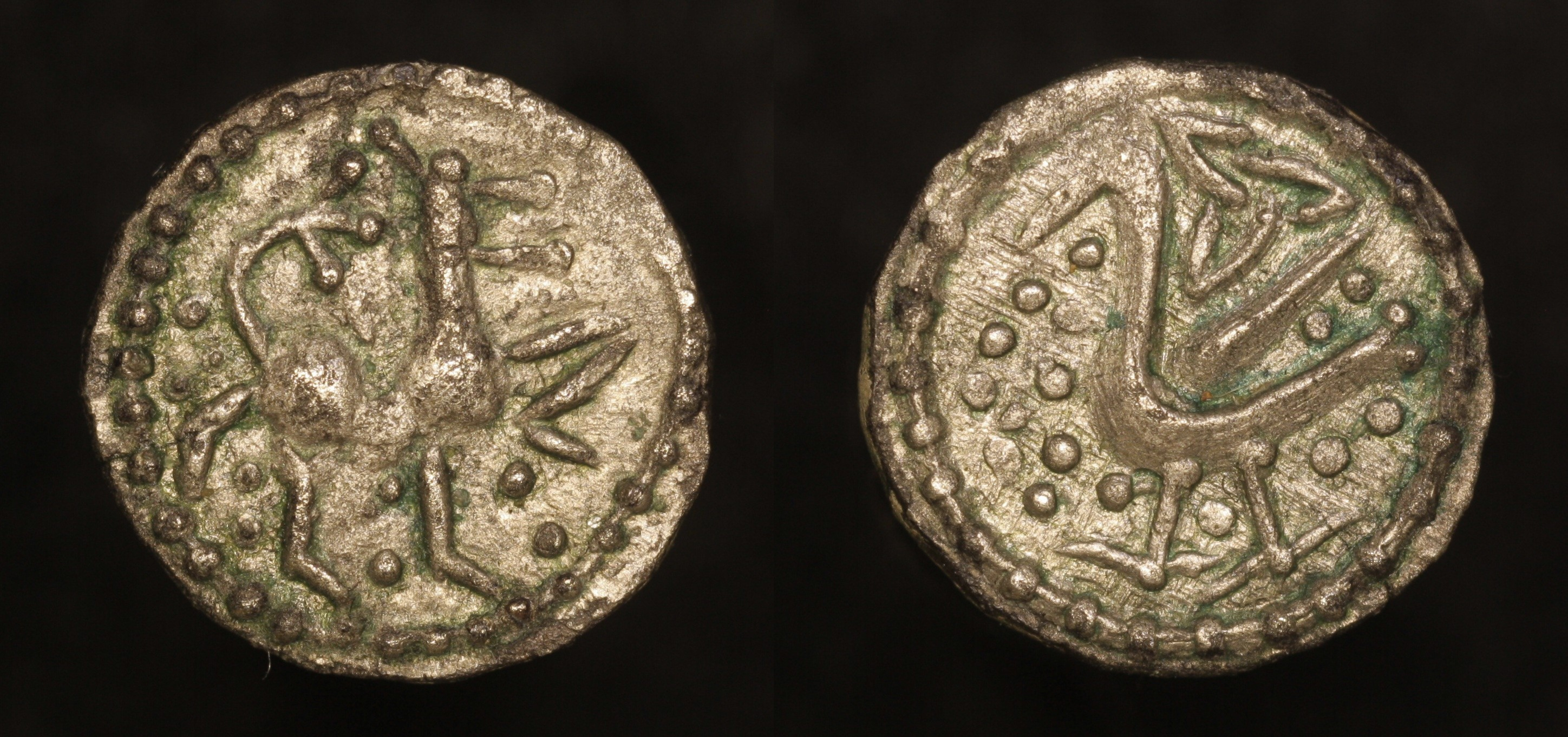
Secondary sceat, Series QIIIB
Mint: East Anglia
S.810B, SL 65-10
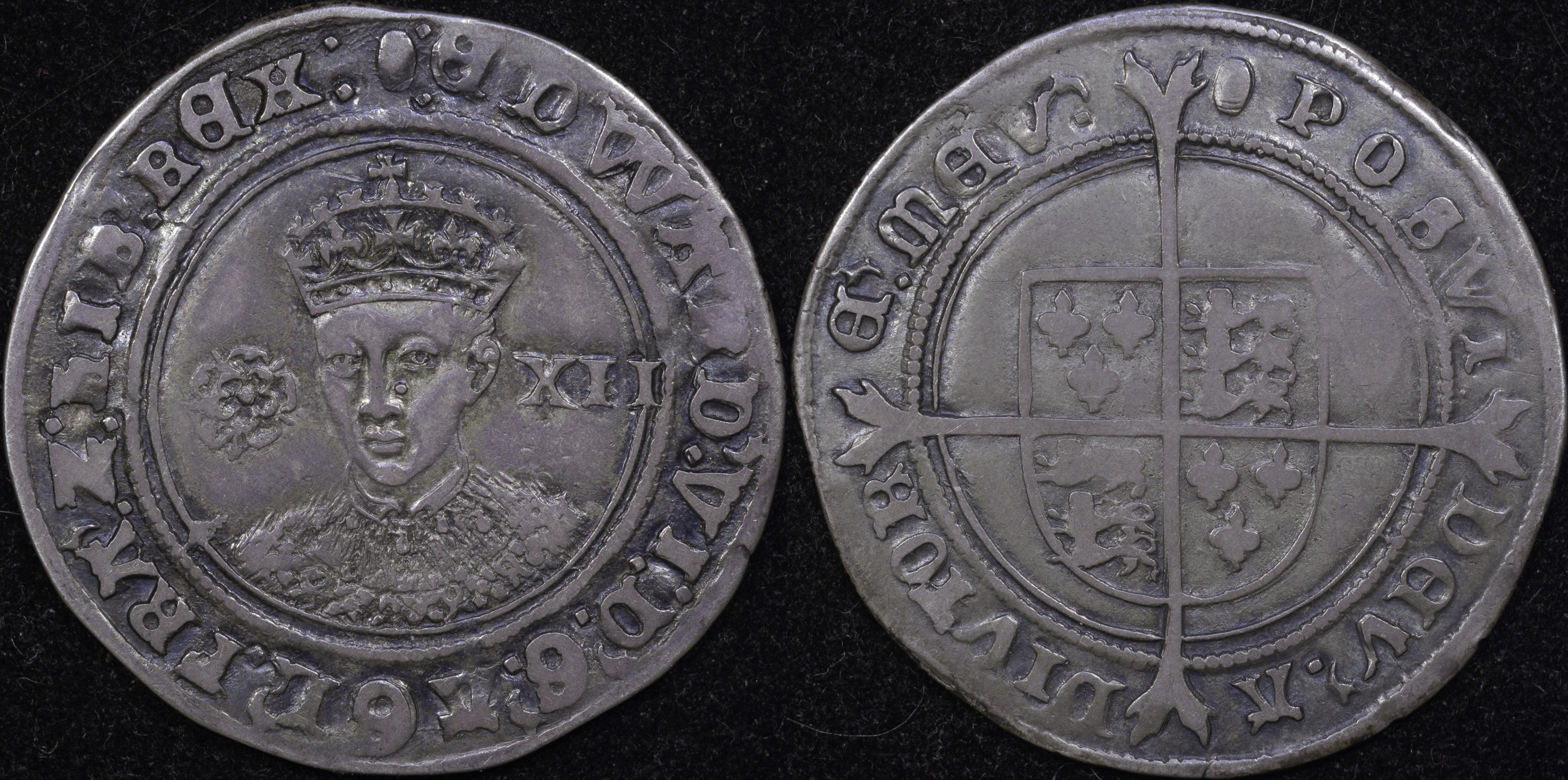
Shilling of Edward VI (1547-1553)
Mint: London (Tower)
Mintmark: tun
S.2482
O: EDWARD'.VI:D'.G'.AGL'.FRA'.Z:HIB'.REX:
R: POSVI DEV'.A DIVTOR E'.MEV'.
Comments
@Nap what a nice group of mediaeval coins.
Thank you for that great read. I really enjoyed looking through the excellent batch of coins you posted.
Congrats on a terrific year in coins!
Really interesting read and great coins!
My current "Box of 20"
Very informative write up (and coins!) - thanks and see you soon
TalerUniverse.com is a curated numismatic project dedicated to the silver talers, crowns, and medals of the Habsburg Empire and the Holy Roman Empire, spanning the 16th–18th centuries. The collection emphasizes historically significant issues, rare mint varieties, and high-grade NGC/PCGS examples, presented with detailed historical context, scholarly references, and high-resolution photography. TalerUniverse aims to serve both as a private collection showcase and a growing reference resource for collectors, researchers, and students of early-modern European coinage.
Nice coins!