Options
Pitting Seen On an NGC-Graded Pillar Dollar
 pcollector
Posts: 22 ✭✭
pcollector
Posts: 22 ✭✭
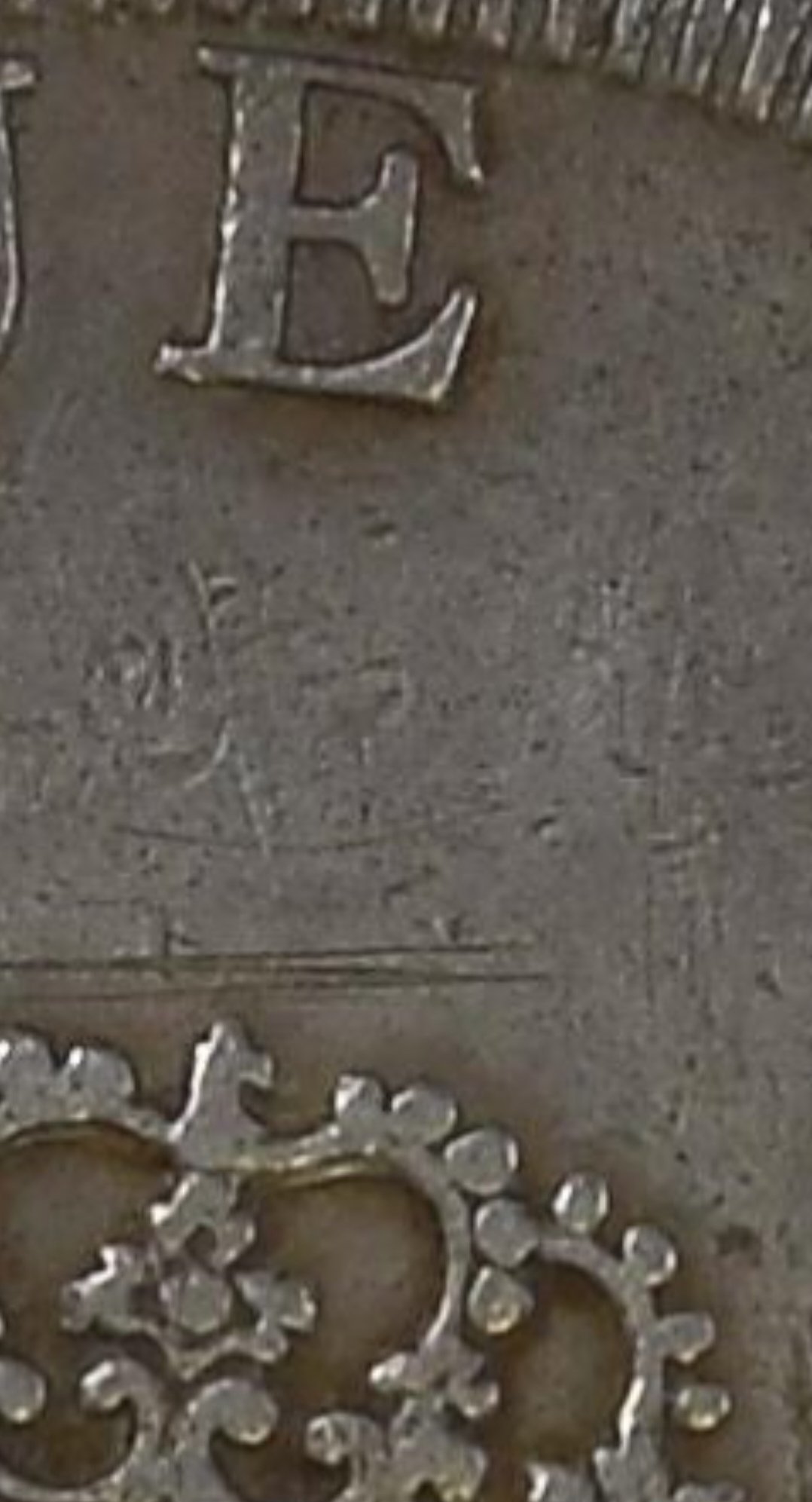
Just want to ask you guys' opinion. Recently I came across an NGC-graded coin which I was about to purchase. It is in a slab and fyi the coin is graded "AU details" . Upon closer inspection and checking out the coin's profile on NGC verification site, I noted that from the picture of coin, it has quite an amount of pitting on the blank surface.
Here are the attached pictures. Anything suspicious? Corrosion maybe? Or is just normal for coins during this era to look like that.
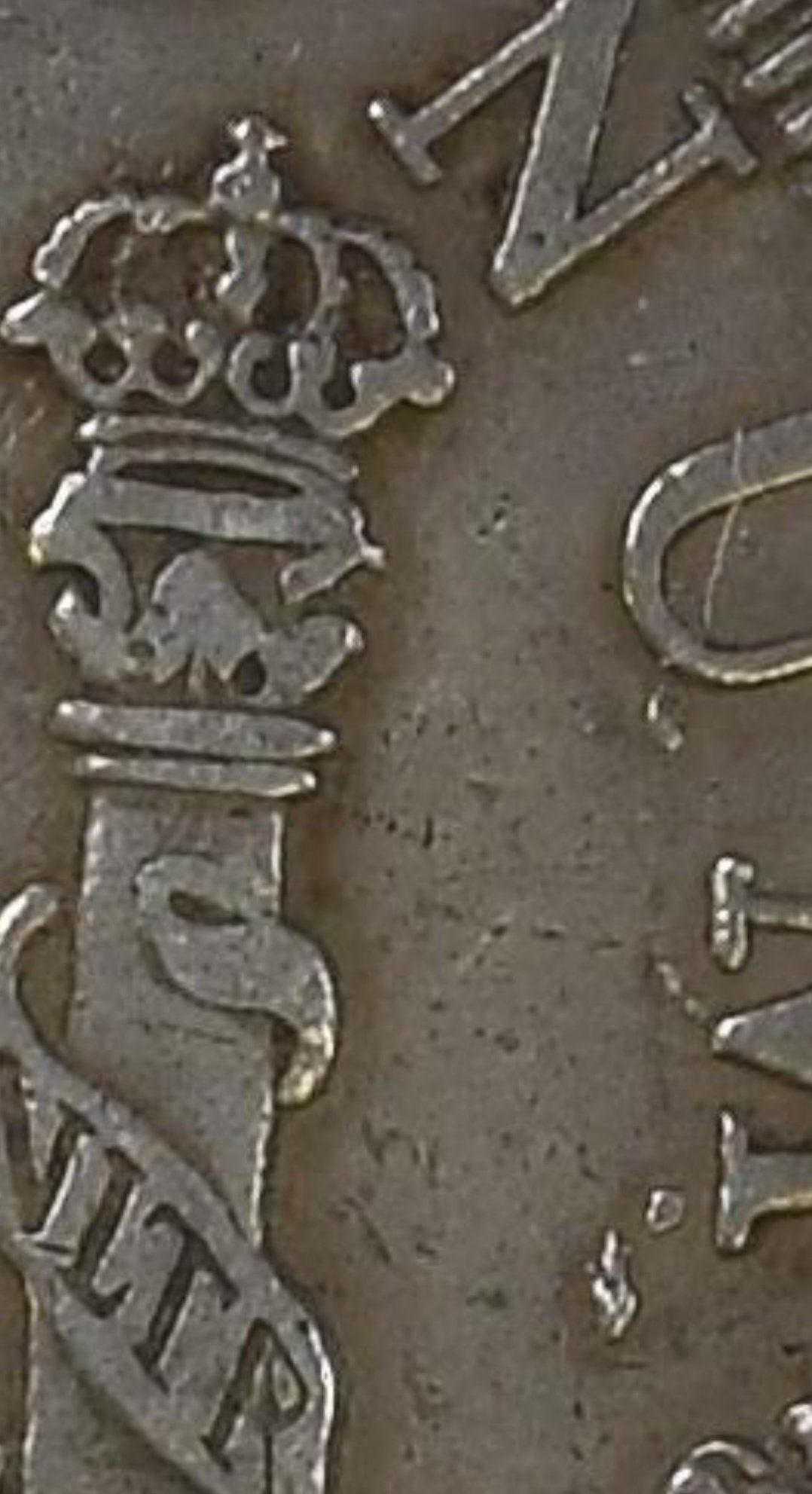
You can also see something which looks like blobs of metal on the surface for the second picture near to the column further raising my doubts and suspicion. Overall it looks to be die-struck and definitely not cast coin.
0
Comments
Very interesting as a collector of Pillars as a side gig ... following this thread!
The things you describe aren’t abnormal for pillar coins.
I'm BACK!!! Used to be Billet7 on the old forum.
Hmm.. What could have caused the splatter/blobs of metals on the coin surface?
Well... On another side note, just wondering if there's pitting on the coin, it should be well-distributed on the blank area and the strucked areas. But as seen on this coin pitting seems to concentrate on the blank areas.
The fields of the coin represent high parts of the die. They are more exposed to damage than the recessed parts of the die, and usually damage there is more visible.
The blobs could be die rust, bad metal in the die, or some other physical damage to the die.
Additionally, it wouldn’t be all that unusual for a slabbed pillar to be fake. Many Chinese fakes are worn to XF-AU to evade detection.
Pitting can occur from environmental effects on coins after being struck. However, pitting on regal coins could be the result of one or more stages in the process of turning an ingot into a strip of the proper dimensions for punching blanks. Perhaps the pitting is due to improper annealing during rolling and laminating. The strips get cleaned of surface contaminants in an acid bath so maybe pitting come from that stage. I suspect that most of the time blanks punched from a strip with pitting got smoothed out if the planchet was properly annealed for the strike in the screw press. The devices have more metal flow so they would show less evidence of a pitted planchet than the fields. We also sometimes see parallel lines from defects in the rollers or laminating device make it all the way through the process to the final coin.
Pitting on coin surface caused by corrosion would more likely seen on coins graded at XF or below. As for this coin, it is at AU grade which looks more like the coin was minted not very long ago. Overall details are still very sharp. The fact that this happens on localized region of the coin makes me even more puzzled.
Pitting during the process of annealing would also be possible but then I wonder... wouldn't the imperfection resolved during minting?
As for the metal blobs, the attached picture may not be very clear, but the size itself is like a small seed with irregular shape (and with several blobs scattered around) which i have doubts on whether these are from worn out or damaged die.
More details to add about this coin.... It is from Mexico City
Maybe the die was just dirty/gritty. The blobs may, but I doubt it, chips/blobs of the planchet. If you look where the "blobs" are, there are some missing pieces on/in the design.
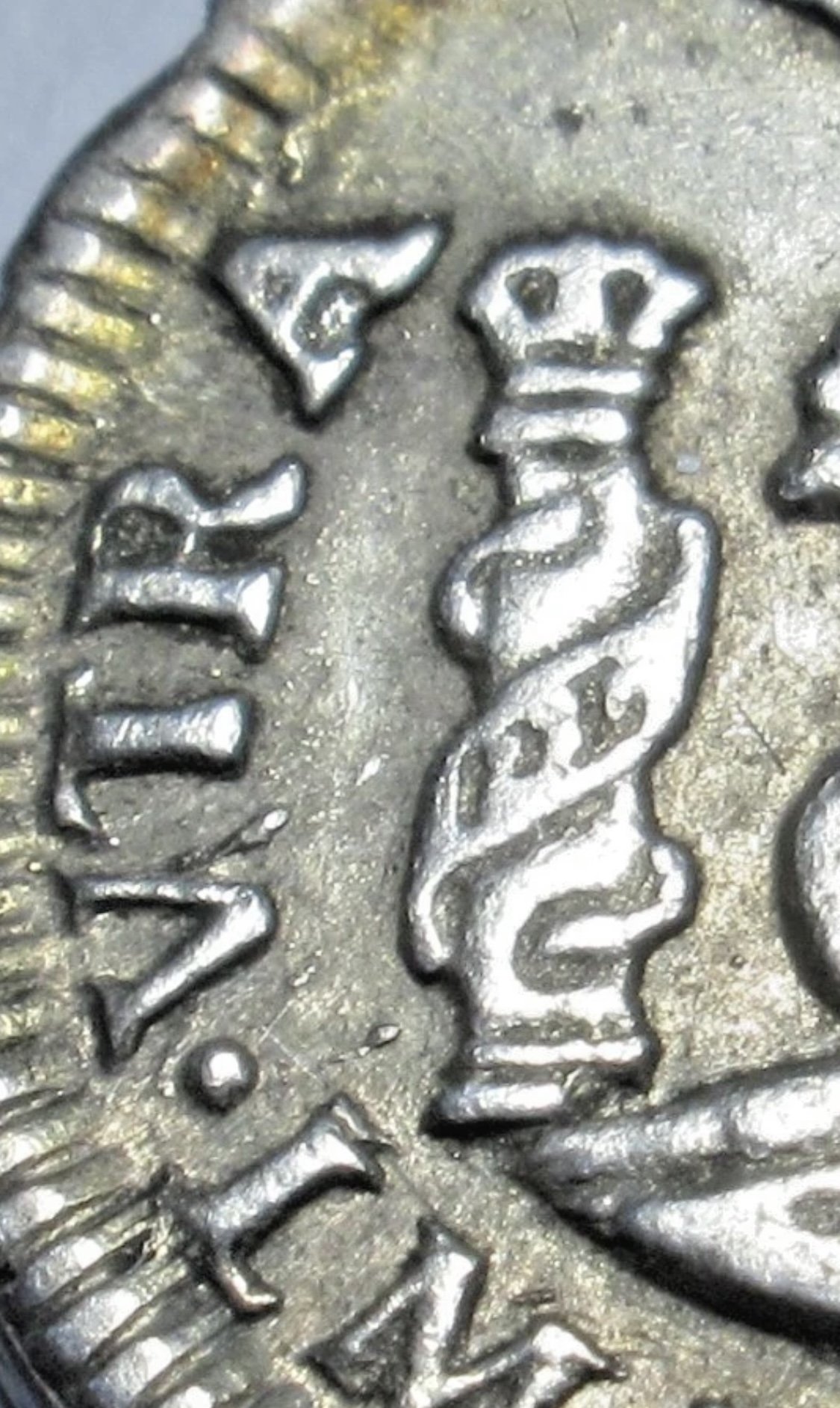
Blobs also, this is a certified PCGS 45, Lima 4R
I'm BACK!!! Used to be Billet7 on the old forum.
Another 1/2 Real
I'm BACK!!! Used to be Billet7 on the old forum.
In the first photo, there is a mixture of what looks to be surface hits and dirt (and tooling above the crown, which I imagine resulted in the details grade). In the second photo and the on other two coins in this thread, the raised areas are die rust.
Gobrecht's Engraved Mature Head Large Cent Model
https://www.instagram.com/rexrarities/?hl=en